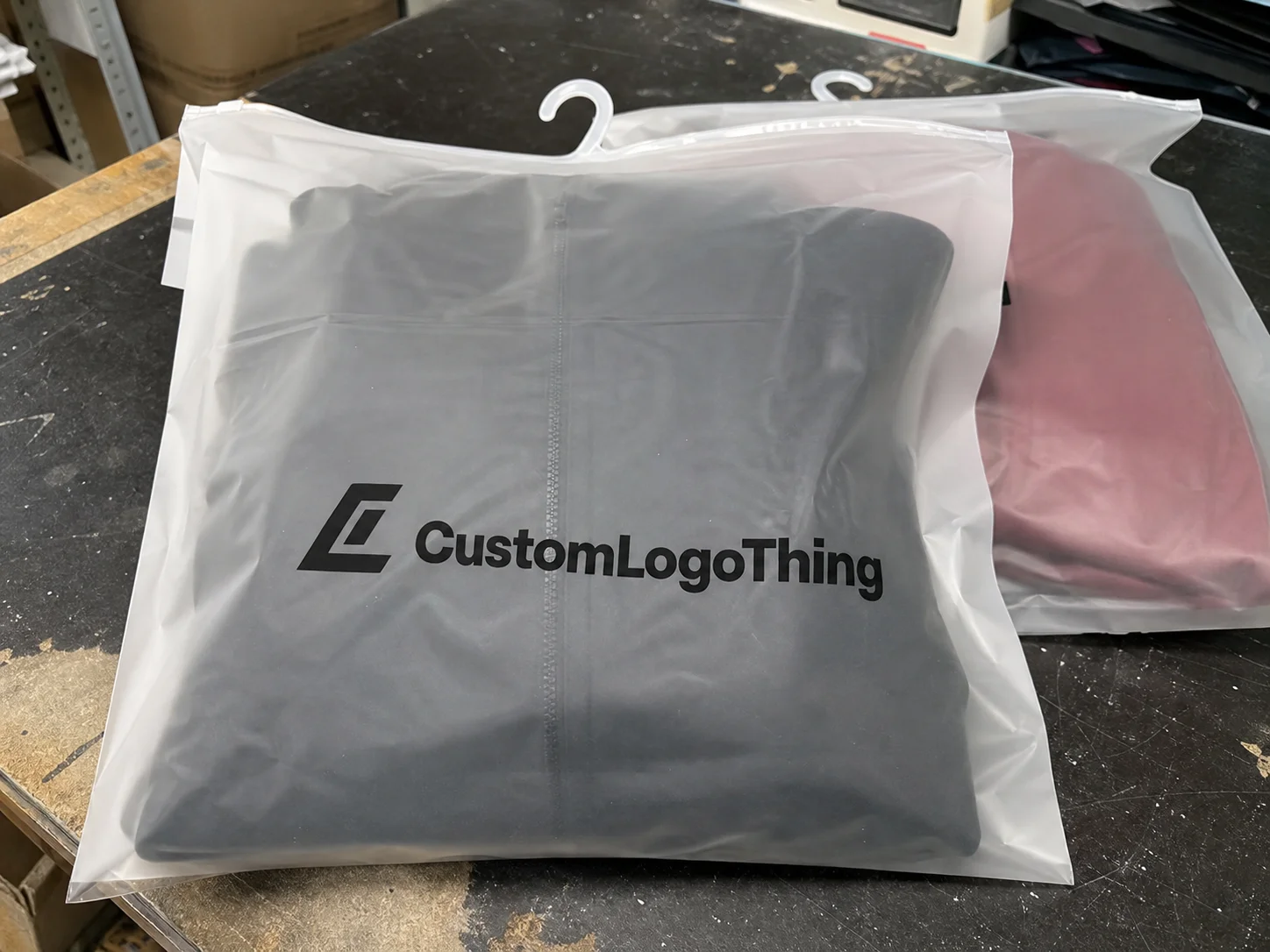
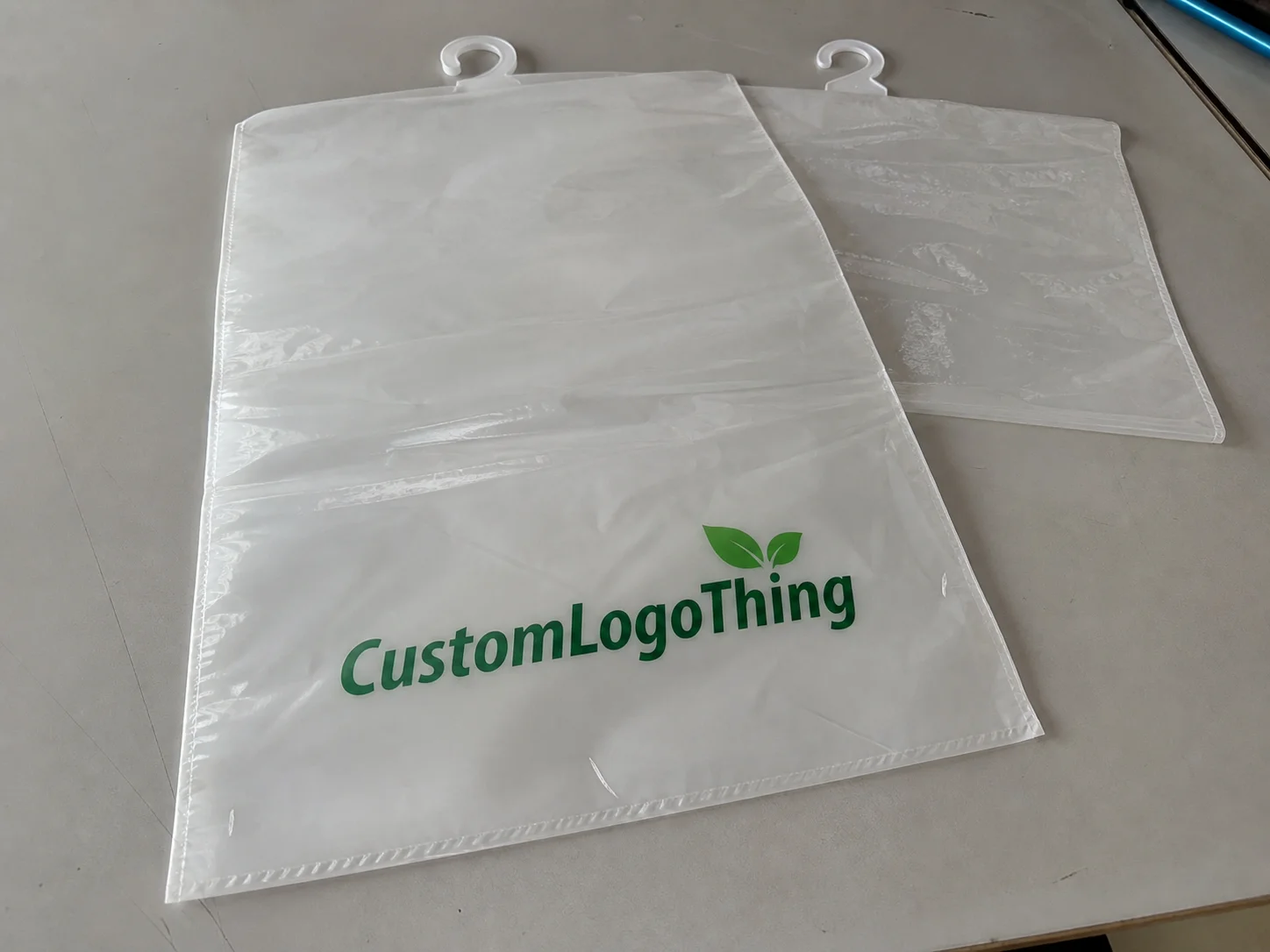
Buyer Fit Snapshot
| Best fit | Packaging Review projects where brand print, material claims, artwork control, MOQ, and repeat-order consistency need to be specified before quoting. |
|---|---|
| Quote inputs | Share finished size, material target, print colors, finish, packing count, annual reorder estimate, ship-to region, and any compliance wording. |
| Proofing check | Approve dieline scale, logo placement, barcode or warning zones, color tolerance, closure strength, and carton packing before bulk production. |
| Main risk | Vague material claims, crowded artwork, missing packing details, or unclear freight terms can make a low unit price expensive after revisions. |
Fast answer: Packaging Review: Quote Scope, Sample Proof, MOQ, and Lead Time should be specified like a repeatable production item. The safest quote records material, print method, finish, artwork proof, packing count, and reorder notes in one written spec.
Production checks before approval
Compare the actual filled-product size with the drawing, then confirm tolerance on folds, seals, hang holes, label areas, and retail display edges. Reserve space for logos, QR codes, warning copy, and material claims before decorative graphics fill the panel.
Quote comparison points
Review material grade, print process, finish, sampling route, tooling charges, carton quantity, and freight assumptions side by side. A quote is only useful when the supplier can repeat the same color, closure quality, and packing count on the next order.
When I walk a packaging line and see a brand new carton survive the drop test, fit a tighter pallet pattern, and still look good enough to sell on the unboxing table, I know the top packaging trends for 2025 are not about looking greener or prettier. They are about doing more jobs in one build, because the package has to protect the product, reduce freight waste, support package branding, and keep the line moving without forcing the plant to babysit it. I have seen too many gorgeous concepts turn into headaches the second they hit a real conveyor, especially when a 350gsm C1S artboard sample looks elegant in London but starts scuffing after a 1.2-meter chute drop in a Chicago fulfillment center.
That shift keeps showing up in plants, not pitch decks. The top packaging trends for 2025 are being tested against humid warehouses, high-speed folder-gluers, courier abuse, and the kind of rough handling that never appears in a polished rendering. A box can look perfect on a screen and still buckle when humidity climbs above 70% in a Southeast Asia DC, or when a case packer is running 28 cycles a minute and the glue pattern is just a hair too cold. Honestly, that last one makes my eye twitch every time—because of course the “small tolerance issue” ends up being the expensive one. I have watched a carton that passed visual approval in Guangzhou fail a simple compression check after 48 hours at 38°C and 85% relative humidity, which is exactly why production reality always wins.
Quick Answer: What Are the Top Packaging Trends for 2025?
The short answer is direct: the top packaging trends for 2025 are molded fiber, right-sized corrugated e-commerce packaging, minimalist premium design, mono-material structures, smart print personalization, and reusable mailer systems. Those are the six I keep seeing pop up in buyer meetings, sample rooms, and vendor pitches, and they are the ones most likely to survive an honest production review. In practical terms, that means a molded pulp insert from Dongguan, a 32 ECT corrugated shipper from Dallas, or a digitally printed 500-unit seasonal box run in Warsaw can each make the cut if the spec is right.
I remember standing in a folding-carton plant outside Shenzhen last fall where a cosmetics client had approved a gorgeous rigid sample with foil, emboss, and a deep soft-touch coat. It looked expensive in the best way, but once the production engineer ran it on the line, the score line cracked at the flap because the board spec was too stiff for the selected glue fold. That is why the top packaging trends for 2025 have to be judged by more than shelf appeal; they need to survive forming, shipping, and customer use. The mock-up was stunning. The actual run? Less charming. The approved structure used 1200gsm greyboard wrapped in 157gsm art paper, and the failure showed up after only 300 test pieces, not 30,000.
A package that wins on the rendering can lose in the warehouse. A structure can look elegant and still fail a standard ISTA transit sequence, or add 12% to cube volume, or slow a folder-gluer because the coated board slips at the knife rails. If a trend cannot protect the product and support the business, it becomes a nice sample and an expensive lesson. I have seen that lesson more times than I care to admit, including one perfume carton that raised freight cost by $0.18 per unit because the final dimensions crossed a carrier volume bracket by just 0.4 inches on one side.
My lens for this review is straightforward. I am comparing the top packaging trends for 2025 by what they cost, how they scale, where they work best, and what kind of return they usually deliver for custom packaging buyers. Some will shine in premium retail packaging. Some are built for DTC shipping. A few are excellent in short runs but painful in high volume. The honest answer is that the right choice depends on your product, your line, and your margin target, whether you are sourcing from Yiwu, North Carolina, or a converter in Ho Chi Minh City.
“A package is never just a package once it hits a real supply chain. It becomes a cost center, a brand touchpoint, and a damage-control device all at once.”
Top Packaging Trends for 2025 Compared: What Works Best by Use Case
When buyers ask me about the top packaging trends for 2025, I usually push them to compare by use case first, not by what looks most modern. Sustainability, premium presentation, cost efficiency, shipping performance, and operational scalability all matter, but they do not matter equally for every brand. A luxury candle company in Milan and a vitamin subscription brand in Austin are solving two different problems, even if they both want better branded packaging. One may care most about tactile unboxing; the other may care about keeping UPS DIM weight below a painful threshold on 18,000 monthly shipments.
For molded fiber, the strongest fit is protective inserts and replacement for plastic trays, clamshells, and foam components. I watched a personal care line switch from PET trays to molded pulp inserts on a 120,000-unit run, and their internal scrap rate fell because the insert tolerance was more forgiving than the old thermoformed part. That kind of improvement is why molded fiber stays near the top of the top packaging trends for 2025. It is not flashy, but it works, and sometimes boring is exactly what a plant needs. Their insert spec moved from 0.8mm PET to a 2.5mm molded pulp wall with a 3% moisture target, and the change cut tray breakage during packout in Tijuana.
Right-sized corrugated packaging has its own lane. It is the clearest winner for DTC shipping because every extra millimeter matters once freight is billed by dimensional weight. If a carton can drop from 14 x 10 x 6 inches to 12 x 9 x 5.5 inches, the freight math changes immediately, and so does the shelf-space footprint in the fulfillment center. Brands that ship 20,000 orders a month feel that difference fast. A few pennies per unit sounds tiny until you multiply it by a full quarter and then, surprise, finance starts asking questions. On a 25,000-unit run, even a $0.06 reduction in void fill can save $1,500 before you count fewer damages.
Premium minimalism belongs to beauty, gifting, fragrance, and high-margin consumer goods. The format relies on restraint: cleaner typography, one or two ink colors, a tight palette, and a tactile finish that feels deliberate rather than loud. The challenge is that the more subtle the design, the more the print and board quality have to carry the experience, which is why the top packaging trends for 2025 in premium categories often cost more than people expect. I am a fan of restraint, but not of pretending restraint is cheap. A 400gsm SBS carton with matte aqueous coating and gold hot foil in Paris will almost always cost more than a two-color litho-lam box, even before you add hand assembly.
Mono-material structures are strongest where end-of-life recyclability and simple material streams matter. They are not magic, though. A paper-only structure can still underperform if the barrier needs are ignored, and a mono-material film structure can still be hard to recycle if the local recovery infrastructure cannot process it. The structure has to match the actual waste stream, not just the marketing claim. Otherwise, you end up with a beautiful sustainability talking point that collapses under the first practical question (which is deeply annoying, but there it is). A paper pouch that looks recyclable in Toronto may still be rejected in regions without the right fiber recovery equipment.
Reusable mailers and refill-ready systems are most practical for subscription, apparel, and selected personal care categories where repeat behavior is realistic. They can be excellent in controlled programs, but they require consumer education, return logistics, and a customer base willing to participate. That is why I tell buyers to test those systems carefully before they become the centerpiece of their packaging design strategy. A reusable concept that nobody actually reuses is just a very committed single-use package. If your reverse logistics cost $1.20 per return on a $6.00 margin item, the math breaks quickly.
Here is a quick comparison of how the top packaging trends for 2025 tend to perform in real buying situations:
| Trend | Best Use Case | Operational Fit | Typical Buyer Risk |
|---|---|---|---|
| Molded fiber | Protective inserts, tray replacement | Strong for cushioning and sustainability claims | Tooling, drying time, detail limits |
| Right-sized corrugated | DTC shipping, fulfillment efficiency | Excellent for lower freight and fewer void fills | SKU complexity, carton inventory planning |
| Premium minimalism | Retail packaging, gifting, cosmetics | High perceived value if print is clean | Higher board and finishing cost |
| Mono-material structures | Recyclability-focused product packaging | Good if barrier needs are modest | Tradeoffs in stiffness and protection |
| Smart personalization | Short runs, local campaigns, seasonal drops | Excellent for digital flexibility | Unit cost can rise on larger quantities |
| Reusable systems | Subscriptions, refills, apparel | Strong only with repeat participation | Customer adoption and reverse logistics |
My advice is to judge the top packaging trends for 2025 through four filters: MOQ, freight density, assembly labor, and line compatibility. A trend can be beautiful and still be a poor choice if it needs hand folding, special adhesive patterns, or a five-color offset run when your demand is only 8,000 units. The most practical option is the one that fits your operational reality without forcing expensive workarounds. I know that sounds unglamorous, but unglamorous is often what keeps the budget from falling over. A converter in Monterrey may quote an attractive unit price, but if the carton needs 14 seconds of hand work at packout, the real cost climbs fast.
Detailed Reviews of the Top Packaging Trends for 2025
Molded fiber deserves the attention it is getting. The material has real momentum because it replaces plastic in inserts, trays, and protective shells while giving brands a story they can explain without sounding vague. In one factory meeting, a buyer from an electronics accessories brand told me, “I want less plastic, but I cannot accept more damage.” That is exactly where molded fiber earns its keep: when the design is engineered to cushion the product with enough compression strength to pass transit expectations, not just look eco-friendly on a slide deck. A 3.0mm wall thickness, a 7% taper, and a 15-minute drying cycle can be the difference between a stable insert and one that warps by the time it reaches Rotterdam.
There are limits, though. Fine edge detail is harder than with thermoformed plastic, and moisture behavior matters if the packed goods sit in a wet distribution environment. If the pulp thickness is not balanced correctly, the insert can warp, especially in monsoon-season storage or a non-climate-controlled warehouse. Yes, molded fiber is one of the top packaging trends for 2025, but it is not a universal replacement for every plastic component. Anyone promising that is selling a fantasy with better branding. I have seen low-density pulp absorb enough humidity in Kuala Lumpur to shift a product by 2mm inside the tray, which is enough to trigger abrasion on a painted surface.
Right-sized corrugated packaging is, in my experience, the most immediately practical change many brands can make. I worked with a subscription snack client whose shipper had nearly 28% void space before redesign; after moving to a tighter dieline and a better insert layout, they cut void fill by half and reduced damage from crushed corners. That kind of result matters because it improves customer perception, lowers shipping expense, and makes warehouse labor easier. Their new shipper used a 32 ECT single-wall board and a 1-color flexo print, and the change saved roughly $0.09 per shipment across 60,000 monthly orders.
Still, right-sizing takes discipline. If you have 17 SKUs and each one needs a slightly different depth, the inventory side gets more complicated. The carton buyer has to think about storage racks, minimum order levels, and the ability of the fulfillment team to grab the right carton quickly without slowing the pick path. That is why the top packaging trends for 2025 only work when they are tied to an actual process change, not just a prettier dimension sheet. I have watched a brand in Atlanta save on freight and then lose the gains because they kept 14 carton sizes in stock instead of consolidating to 6.
Premium minimalism is one of my favorites when it is done with restraint. A matte paper wrap, one foil accent, and a clean logo can feel more expensive than a crowded design with four special effects. Soft-touch lamination still performs well for luxury presentation, but Buyers Should Know it is not indestructible; after repeated scuffing in transit, the finish can show burnish marks, especially on dark colors like navy and charcoal. The trick is to balance tactile appeal with practical wear resistance. Otherwise, the first fingerprint turns into a tiny crime scene. A 157gsm art paper wrap over 1200gsm greyboard with a water-based matte coat often gives a better balance than a thicker film-laminated option that catches light in every scratch.
Mono-material structures are often misunderstood. Some teams hear “mono-material” and assume it means fully recyclable under any local system, which is not always true. I have seen paperboard structures with barrier coatings that confused the end consumer and frustrated the sustainability manager because the pack looked recyclable but behaved like a hybrid. The most useful versions are the ones that simplify the material stream without sacrificing product protection or shelf stability. If your barrier requirement is 48 hours against oil or moisture, the coating spec matters more than the marketing label.
Smart customization and digital print are especially useful for short runs, influencer kits, and localized product packaging. If you need 500 boxes for a city-specific campaign or 2,000 units with variable names, digital print saves time and tooling costs. I have also seen buyers overspend because they kept a digital process after volumes grew past the point where offset or flexo would have made more sense. The top packaging trends for 2025 include personalization, but not every quantity justifies it. My honest opinion? Digital print is fantastic until someone tries to use it like a forever solution. A 1,000-unit launch in Berlin may justify toner-based personalization; a 50,000-unit reprint almost never does.
Reusable and refill-ready systems are fascinating, and I mean that honestly. They can work well in subscription models where the customer already expects repeat interaction, but the adoption barrier is real. You need a convincing reason for the consumer to return, refill, or reuse, and that often means design education, clear instructions, and a system that does not feel like extra work. Without that, the reusable mailer becomes a good idea that falls apart after the second touchpoint. A mailer that costs $1.45 per unit and requires a $2.00 return incentive only makes sense if your repeat purchase rate and customer retention are strong enough to absorb the expense.
Here is the part many people get wrong: they assume the newest-looking option is automatically the best one. I do not buy that. The best of the top packaging trends for 2025 is usually the one that improves product packaging performance while keeping operations predictable. In a factory, predictability is money. A stable run at 18,000 units with low waste beats an elegant concept that needs constant adjustment at the gluer station. I would rather see a carton run at 98.4% machine efficiency in Suzhou than a trendy sample that needs a technician every 40 minutes.
Price Comparison: Cost Differences Behind the Top Packaging Trends for 2025
Pricing is where the conversation gets real. The top packaging trends for 2025 do not cost the same because they are built on different materials, different print methods, and different labor profiles. A corrugated mailer with one-color flexo print behaves very differently in the budget than a rigid box with foil stamping, embossing, and a custom foam insert. Buyers who only ask for a unit price usually miss the bigger cost picture. The difference can be as simple as $0.15 per unit for 5,000 pieces on a basic right-sized shipper versus $1.80 per unit for a premium rigid pack with hand assembly in Mumbai.
On a recent sourcing call, a brand owner asked me why a “simple” premium carton was quoted at nearly twice the price of a standard folding box. The answer was in the stack of extras: 600gsm board, two-pass offset printing, soft-touch lamination, spot UV, and hand-applied inserts. None of those line items are outrageous on their own, but together they raise both material and labor cost. That is why the top packaging trends for 2025 need a landed-cost view, not a sticker-price view. A carton using 400gsm C1S artboard in Melbourne may be quoted at $0.42 per unit for 10,000 pieces, while the same box with a foil stamp and embossed logo can jump to $0.68 before freight.
| Packaging Option | Typical Cost Drivers | Budget Impact | Best For |
|---|---|---|---|
| Molded fiber inserts | Tooling, drying, compression tolerance | Moderate upfront, favorable at scale | Protective product packaging |
| Right-sized corrugated mailers | Die-cut complexity, print coverage, board grade | Often lowers total freight cost | DTC shipping and branded packaging |
| Premium rigid boxes | Board weight, wrapping labor, specialty finishes | Higher per unit | Luxury retail packaging |
| Mono-material paper structures | Barrier coating, board selection, testing | Variable depending on spec | Recyclability-focused projects |
| Digital printed short runs | Setup efficiency, color management, short-run pricing | Good for low MOQ, expensive at volume | Launches and seasonal campaigns |
| Reusable systems | Durability, tracking, reverse logistics | High system cost, long payback | Controlled subscription programs |
Hidden costs show up fast. Freight is one. Storage is another. If a package design increases cubic volume by 8%, you may pay for that every month in pallet space and shipping charges. Damage replacement is the third, and it can destroy the savings from a cheaper unit price if the packaging fails in transit. I have seen a brand save $0.03 on unit cost and lose $0.11 to replacement shipments and customer service credits. That math is brutal, and it is also why I keep telling buyers not to fall in love with the lowest quote. A manufacturer in Vietnam may offer a lower ex-works price, but if the lead time stretches to 18-22 business days and the carton fails compression after overseas transit, the “savings” evaporate.
For reference, many converters will quote right-sized corrugated at a range that depends heavily on quantity and board grade; the jump from 3,000 units to 25,000 units can change the price by 25% or more. Premium rigid packaging, especially with foil or embossing, can move far faster in cost than people expect, particularly if hand assembly is involved. That is the real reason the top packaging trends for 2025 should be evaluated against total landed cost, not only the invoice. Your spreadsheet may be polite. Your warehouse will not be. In Shenzhen, a fully printed folding carton might ship in 12-15 business days from proof approval, while the same design with specialty finishing can stretch to 20 business days or more.
If you are buying Custom Packaging Products, ask for a quote that breaks out print, board, finishing, inserts, and freight separately. A clean quote makes it easier to compare options and catch expensive surprises before production begins. I also recommend comparing a minimum of two structures, because the “cheaper” one on paper is not always cheaper in the warehouse. Ask whether the vendor is quoting CIF Shanghai, FOB Ningbo, or DDP Los Angeles, because the shipping terms can change the final number by hundreds or thousands of dollars on a mid-size run.
How to Choose the Right Packaging Trend for Your Brand and Supply Chain
The best way to choose among the top packaging trends for 2025 is to start with the product and work backward. Ask what the package must do first: protect against impact, hold up in humidity, present well on a shelf, ship efficiently, or simplify recycling claims. If you begin with aesthetics, you risk selecting a format that looks excellent in the sample room and underperforms everywhere else. A 250g skincare jar needs a different structure than a lightweight vitamin pouch, and the difference may come down to a 1.5mm board thickness or a glue flap width of 12mm instead of 8mm.
I always ask buyers to map the route the package will actually travel. Is it Retail Packaging That sits in a store for 30 days, or is it product packaging that spends four days in parcel networks and another two in a hot van? A box that does well in a retail aisle may not survive the rough handling of DTC. That is where converting process, board choice, glue performance, and print method all matter. A shipper designed for California’s dry climate may behave very differently in Houston in August, where humidity can push board curl higher than 5% if storage is not controlled.
From a production standpoint, the final result depends on the factory process you choose. Flexographic printing is efficient for corrugated and some high-volume paper structures; offset printing is stronger for crisp retail graphics; digital printing gives short-run flexibility; laminating changes both feel and durability; and carton gluing determines whether the package runs cleanly at speed. If you are buying the top packaging trends for 2025, you need to ask your supplier which process is being used and where the tolerance risks sit. Otherwise, you are basically choosing packaging by vibes, which is a terrible plan even if the render is gorgeous. A plant in Foshan may run a 24-hour shift with flexo, while a boutique converter in Barcelona may need 5-7 business days just for prepress alignment.
I had a client in personal care who wanted blind emboss, foil, and a deep matte black wrap on a folding carton. The sample was beautiful. The production run was less forgiving. Registration drifted by a fraction of a millimeter, and the foil began to show edge inconsistency at the lower tolerance band. We solved it by changing the foil area and reducing the emboss depth, but that only happened because we caught the issue during sampling. The lesson is plain: sample early, test hard, and do not assume the mock-up is the final answer. A test run of 200 units in the actual 450gsm board can reveal more than ten polished PDFs.
Use a practical checklist before you commit:
- Product fragility: Does it need molded fiber, foam, paperboard, or none at all?
- Shipping channel: Retail shelf, parcel, pallet, or mixed distribution?
- Assembly labor: Can the warehouse fold and pack it without slowing the line?
- Brand objective: Luxury feel, sustainability proof, lower freight, or all three?
- MOQ and cash flow: Can you afford the inventory and tooling commitment?
- Testing: Will the pack pass drop, vibration, and compression testing aligned to ISTA or ASTM methods?
When sustainability is part of the brief, I also suggest checking certification expectations. FSC matters for paper sourcing, and the EPA has useful material recovery and waste reduction guidance at EPA sustainable packaging resources. If your brand is making recyclability claims, the claim should match the structure and the disposal reality. A good supplier should be able to talk about material specs, sourcing, and whether the design is compatible with existing recovery streams. If a supplier in Taiwan cannot tell you whether the board is 100% virgin SBS or a recycled-content blend, that is a warning sign, not a small detail.
Operational fit is the final filter. A package can be attractive, affordable, and sustainable on paper, yet still be a bad fit if it jams at the auto-bagger or requires hand assembly on every unit. That is why I keep saying the top packaging trends for 2025 are not a style list; they are a production list. They only matter if they can be run, stored, shipped, and repeated without drama. A clean spec with a 12-15 business day production window from proof approval and a palletized ship date in week four is often more valuable than an impressive concept with a fuzzy timeline.
Our Recommendation: Which Top Packaging Trends for 2025 Are Worth Investing In
If I were prioritizing the top packaging trends for 2025 by buyer type, I would make the recommendations like this. Startups should focus on right-sized corrugated and smart digital print because they deliver flexibility, lower risk, and a fast path to branded packaging that still feels polished. Premium brands should put money into tactile minimalism, because a restrained look with the right board and finish can lift perceived value without overwhelming the design. A startup ordering 5,000 mailers in Atlanta can get to market faster with a $0.15-per-unit shipper than with a complicated rigid box that takes four weeks of tooling.
Sustainability-led brands should invest in molded fiber or mono-material paper-based structures, but only after testing the performance side carefully. The brands that will get the most durable benefit are the ones That Cut Waste, improve freight efficiency, and still keep the package strong enough to protect the product. That combination tends to hold up over time, which is why these options remain high on my list of the top packaging trends for 2025. A molded fiber insert made in Suzhou or Penang can be a smart choice if it lets you eliminate a 22g PET tray and still pass the same drop profile.
I would be cautious with flashy finishes that do not support conversion or unboxing value. I have seen spot UV, heavy foil, and layered textures used just because they were available, not because they solved a business problem. Those embellishments can look impressive, but if they slow production or inflate cost by 18% without increasing sell-through, they are hard to justify. The same caution applies to reusable systems that depend on customer behavior you have not actually validated. Pretty is not a strategy; at least, not one finance will enjoy. A design that adds $0.32 in finishing cost but only lifts conversion by 0.4% needs a hard look, not applause.
My honest ranking looks like this:
- Right-sized corrugated for immediate savings and practical shipping performance.
- Molded fiber for credible sustainability and protective inserts.
- Premium minimalism for strong retail and gifting presence.
- Mono-material structures for clearer recycling pathways where the product allows it.
- Digital personalization for short runs, launches, and targeted campaigns.
- Reusable systems for niche programs with repeat participation.
That ranking may shift by category, of course. A cosmetics brand with a strong shelf display may value tactile finishes more than a subscription brand that ships 30,000 orders a month. A food brand may care more about barrier performance and compliance than about foil accents. The best package is the one that supports the business outcome, and that is still the core idea behind the top packaging trends for 2025. A beverage brand in California may prefer a 350gsm C1S artboard carton with aqueous coating, while a supplement brand in Ireland may need a sturdier recycled corrugated mailer with a 32 ECT rating.
If you are at the point of choosing, I recommend auditing your current packaging, ordering samples, and comparing landed costs before you lock a direction. The most expensive mistake I see is scaling a package that had not been properly tested. The second most expensive mistake is chasing a trend that photographs well but does not support the supply chain. A 10,000-unit pilot shipped from Shenzhen to Long Beach can surface the kind of defects that a 100-unit domestic mock-up never reveals.
Next Steps: Build a Shortlist and Test Before You Scale
The smartest next move is practical. Gather your current specs, identify your top three pain points, and match each pain point to one of the top packaging trends for 2025 that might solve it. If your biggest issue is damage, look first at structural changes and inserts. If freight is the pain point, start with right-sizing. If your customer experience feels flat, consider premium minimalism or smarter custom printed boxes. A beauty brand shipping from New Jersey may get more value from reducing void fill by 30% than from adding another finish that costs $0.08 per box.
I also recommend asking for structural samples before print approval. A plain white sample tells you more about fit and function than a polished render ever will. Then compare printed proofs, check color on the actual substrate, and run a few transit or drop tests. For many categories, a simple ISTA-oriented review catches the problems early enough to fix them cheaply. You can also ask your supplier whether the material and design align with FSC expectations or other sourcing requirements, especially if you are making sustainability claims. A proof approved on Monday and a production run released the following week is much easier to manage than a last-minute redesign on day 11.
Build a small scorecard with four columns: cost, appearance, sustainability, and operational fit. Score each option from 1 to 5, then add notes about MOQ, lead time, and any labor added at packout. This makes internal approvals easier because the choice stops being subjective. A sales team, operations manager, and finance lead can all see why one packaging design is stronger than another. I wish more teams did this before the “we already ordered 50,000 units” moment. Fewer dramatic meetings would be a gift to humanity. If your supplier can quote a prototype in 7 business days and a finished production run in 15 business days from proof approval, write that down next to the unit price.
Phased implementation works best in my experience. Test one SKU, one channel, or one seasonal program before you launch the new format across the full catalog. That approach lowers risk and gives you real data on customer feedback, damage rates, and warehouse performance. The top packaging trends for 2025 are most valuable when they are proven in your own supply chain, with your own product, under your own conditions. A pilot in one region—say, Texas for domestic fulfillment or the Netherlands for EU distribution—can tell you far more than a glossy launch deck.
My final advice is simple: do not buy the trend, buy the result. If a structure lowers freight, protects product packaging, improves the unboxing moment, and still runs cleanly on the factory floor, then it deserves serious attention. That is how I would evaluate the top packaging trends for 2025, and it is the same standard I have used for years on real production lines, not just in presentations. A package that saves $0.11 in freight, cuts damage by 2%, and ships cleanly from a converter in Ho Chi Minh City is worth more than one that only looks current on a mood board.
To see what we can support for your project, review our Custom Packaging Products and compare a few samples before you scale. The best decisions usually come from seeing the board, feeling the finish, and testing the package the way your customer and your warehouse will actually use it. If you can get a quote with material specs, manufacturing region, and a realistic turnaround—say, 12-15 business days from proof approval—you are already asking better questions than most buyers.
FAQ
What are the top packaging trends for 2025 for small brands?
Small brands usually get the best return from right-sized corrugated boxes, digital print, and simple recyclable paper-based structures because those options balance cost, flexibility, and branding. They should be careful about expensive finishes or custom tooling before sales volume supports it. Sampling matters more for small brands because they need packaging that can change quickly as the product line evolves. A 2,000-unit launch in Portland or Manchester can move fast with digital print, especially when the turnaround is 7-10 business days instead of waiting for long-run lithography.
Which top packaging trends for 2025 are most sustainable in practice?
Molded fiber, mono-material paper-based systems, and right-sized corrugated packaging are often the most practical sustainability wins when they also reduce shipping waste. True sustainability depends on the whole system, including sourcing, production waste, freight efficiency, and end-of-life recyclability. The most sustainable option is not always the lightest-looking one; it is the one that performs without causing excess damage or replacement shipments. A recycled corrugated shipper made in Ohio or Anhui can outperform a lighter pack that fails compression and triggers a second shipment.
How much do the top packaging trends for 2025 usually change unit cost?
Cost changes depend on material choice, print method, order quantity, and finishing complexity, so there is no single universal number. Premium textures, foil, embossing, and custom inserts can raise unit cost significantly, while optimized corrugated structures may reduce total landed cost. Buyers should compare freight, labor, damage rates, and storage along with the unit price. In some programs, a basic carton might land at $0.12 to $0.18 per unit at 10,000 pieces, while a rigid premium pack can reach $1.20 or more depending on finishing and assembly.
How long does it take to produce packaging that follows these trends?
Timeline depends on whether the design uses stock materials, custom tooling, digital print, or specialty finishing. Simple printed corrugated packaging can move faster than rigid boxes with multiple embellishments or engineered inserts. A realistic schedule should include concept review, dieline approval, sampling, revisions, production, and transit time. In many cases, digital runs take 7-12 business days, while custom rigid packaging may take 15-25 business days from proof approval, especially if the factory is in Shenzhen, Ho Chi Minh City, or Guadalajara.
How do I choose between trendy packaging and practical packaging?
Start with the product’s needs: protection, shelf appeal, shipping efficiency, and customer experience should come before aesthetics alone. Choose trends that solve a real problem, such as reducing damage, lowering freight, or improving perceived value. The best choice is usually the one that looks strong, runs smoothly in production, and supports margin over time. If a concept needs hand assembly, raises packout labor by 10 seconds per unit, or requires a specialty coating that adds 6 weeks to the timeline, practical packaging wins almost every time.