Buyer Fit Snapshot
| Best fit | Unboxing Experience for Small Business projects where brand print, material claims, artwork control, MOQ, and repeat-order consistency need to be specified before quoting. |
|---|---|
| Quote inputs | Share finished size, material target, print colors, finish, packing count, annual reorder estimate, ship-to region, and any compliance wording. |
| Proofing check | Approve dieline scale, logo placement, barcode or warning zones, color tolerance, closure strength, and carton packing before bulk production. |
| Main risk | Vague material claims, crowded artwork, missing packing details, or unclear freight terms can make a low unit price expensive after revisions. |
Fast answer: Unboxing Experience for Small Business: Build Brand Loyalty should be specified like a repeatable production item. The safest quote records material, print method, finish, artwork proof, packing count, and reorder notes in one written spec.
Production checks before approval
Compare the actual filled-product size with the drawing, then confirm tolerance on folds, seals, hang holes, label areas, and retail display edges. Reserve space for logos, QR codes, warning copy, and material claims before decorative graphics fill the panel.
Quote comparison points
Review material grade, print process, finish, sampling route, tooling charges, carton quantity, and freight assumptions side by side. A quote is only useful when the supplier can repeat the same color, closure quality, and packing count on the next order.
The Unboxing Experience for Small business can do something I’ve watched happen on factory floors from Cleveland to Shenzhen: it can make a $24 product feel like a $60 gift the moment the customer lifts the lid. I’ve seen tiny brands, with just one packing table, a 1,000-piece tissue order, and a roll of branded stickers, create more excitement than big companies running palletized automation, because every fold, sticker, and insert was chosen on purpose. Honestly, the difference is almost rude sometimes.
That’s the real power of the unboxing experience for small business. It is not just a box opening. It is the full first impression, from the outer mailer to the way the product sits inside, and then the final note, card, or care sheet that tells the customer, “We thought about you before the order ever left the building.” I remember a supplier in Dongguan telling me, with a very straight face, that “the customer touches the packaging before the product.” He was right. Annoyingly right.
I think a lot of owners underestimate how much customer perception changes in those first ten seconds. A clean reveal, a consistent color palette, and a package that feels solid in the hand can signal quality, trust, and even better customer service, while sloppy tape lines or a crushed mailer can quietly drag down brand recognition before the product gets a fair look. And yes, I have absolutely watched a beautiful brand get undermined by one ugly strip of packing tape that looked like it was applied by a raccoon in a hurry.
I’ll walk through how the unboxing experience for small business actually works, what drives the cost, how to build it without wasting material, and where brands usually trip themselves up. I’ll also share a few stories from real packing rooms, because the best packaging lessons usually come from a corrugator floor, a sample table, or a late-night client approval call in Los Angeles or Atlanta, not from a glossy presentation deck. Those decks are nice, sure. But they don’t smell like adhesive and cardboard dust.
Unboxing Experience for Small Business: Why It Matters More Than You Think
I’ve stood beside a manual packing line in Columbus where a two-person candle brand was pulling better reactions than a national subscription company shipping ten thousand units a day. The difference was simple: the smaller brand had made the unboxing experience for small business feel intentional. Their kraft mailer had a neat one-color logo printed in matte black ink, the tissue was folded to the exact width of the 8 oz jar, and the thank-you card looked like it came from a real studio, not a generic template ordered by someone half asleep.
The unboxing experience for small business is the entire moment a customer spends interacting with the package before they use the product. That includes the outer carton or mailer, the first adhesive seal or tear strip, the inner wrap, any inserts, and the final presentation. Each layer influences how the customer judges the product’s value, the brand’s professionalism, and whether the purchase feels worth repeating. I’ve seen people forgive a lot of things after a strong reveal. Packaging has a sneaky amount of power.
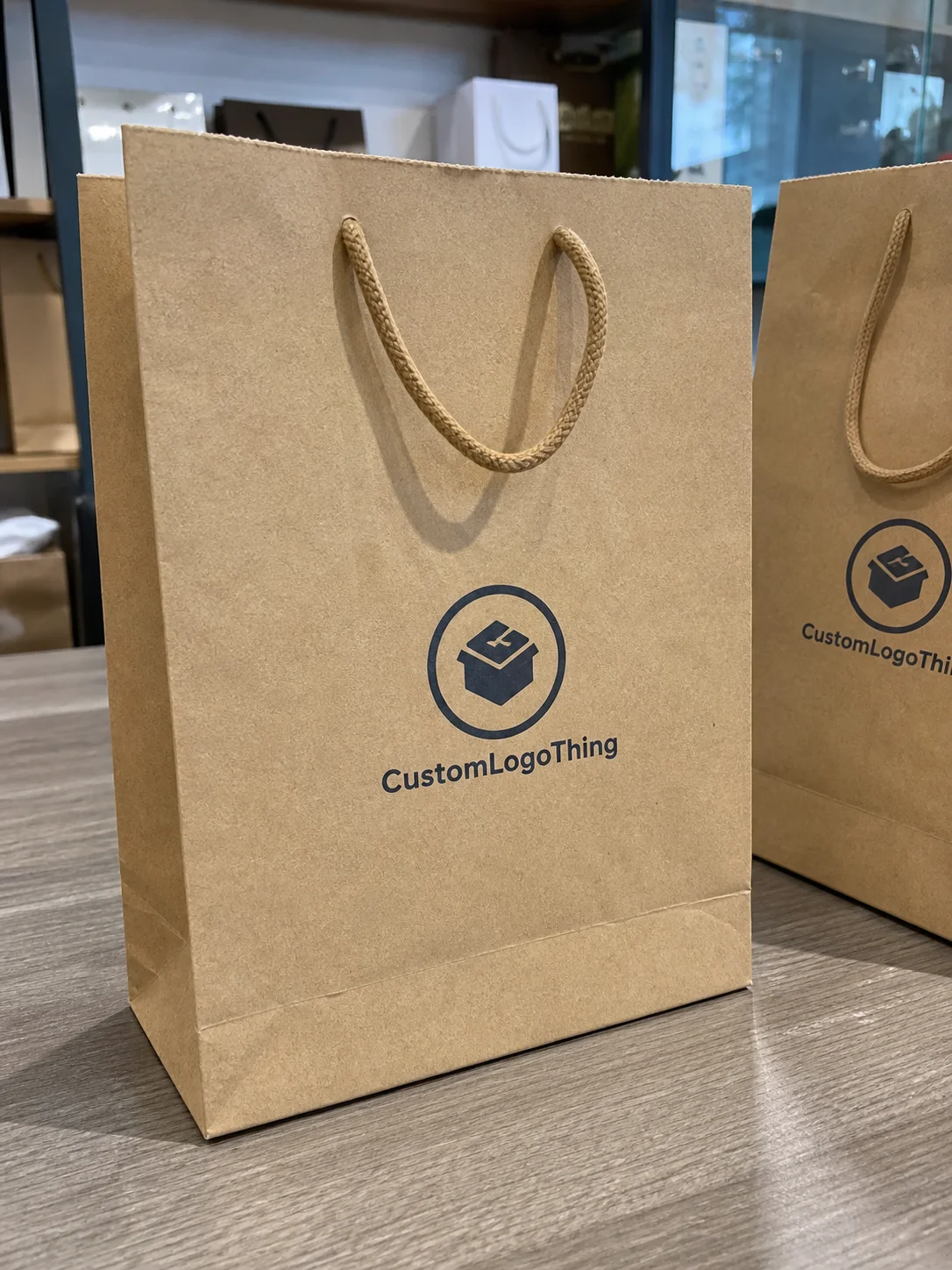
Packaging is visual language. Color choices say one thing, while paper texture says another. A matte black rigid box with foil stamping feels luxury. A natural kraft mailer with soy-based ink feels earthy and practical. A pastel folding carton with rounded corners feels playful and giftable. Even tape placement matters, because three crooked strips across the face of a box can undo an otherwise polished visual branding system. I still have a little twitch when I see tape hanging off the front panel. It’s not cute. It’s not “authentic.” It’s just messy.
For a small business, that matters even more than it does for a giant operation. Large brands can rely on advertising budgets and retail shelf presence, but a smaller company often depends on the package itself to create trust, referrals, and social shares. A strong unboxing experience for small business can make a modest product look premium, increase the chance of an Instagram post or TikTok clip, and strengthen the emotional side of repeat purchases. People love to share what feels good to open. They do not post “here is my medium-bad box from a company that gave up halfway through.”
I remember a handmade skincare client in Newark, New Jersey, who was selling a $28 facial oil in a plain white mailer. Sales were fine, but reviews kept saying the order felt “ordinary.” We changed the outside to a 200gsm printed mailer, added a die-cut insert to hold the bottle upright, and placed a small care card under the tissue. Within two reorder cycles, the brand was getting comments like “I loved opening this,” which is exactly the kind of language that improves customer perception without changing the formula at all. Same oil. Different feeling. Big difference.
“The package should feel like a promise kept,” one of my old clients used to say, and after watching thousands of orders move through hand-packing lines, I still think that’s the clearest way to describe the unboxing experience for small business.
Here’s the structure I’ll follow: first, how the package is built from factory to front door; then the materials and decisions that shape the result; then a practical step-by-step process; after that, cost and timeline basics; and finally, the mistakes and small upgrades that can make a big difference.
How the Unboxing Experience Works From Factory to Front Door
The unboxing experience for small business starts long before the customer opens anything. It starts on the production table, in the dieline file, and in the way the packout is designed so the contents fit with minimal movement. A package that looks great but arrives dented, crushed, or opened at one corner has already failed the basic job of shipping protection. I’ve had more than one supplier in Shenzhen try to convince me that “the damage is minor.” Minor to who? Not the person opening a smashed box on their kitchen counter in Denver.
In a typical factory workflow, the package moves through printing, cutting, finishing, assembly, filling, sealing, cartoning, palletizing, and then parcel delivery. Each stage changes what the customer eventually sees. On a corrugator line in Dongguan, for example, the outer structure might be converted from E-flute or B-flute board, then printed, die-cut, folded, and glued. On a rigid box line in Vietnam, setup board is wrapped with printed paper and pressed into shape. That build quality is what creates the physical feeling behind the unboxing experience for small business.
The main components are usually straightforward, though the best versions are carefully chosen. You might have a corrugated mailer, a folding carton, or a rigid setup box as the outer shell. Inside that, you might use tissue paper, a branded sticker seal, a kraft wrap, paper void fill, molded pulp, a custom insert, or a product card. Each part has a job: protect, present, and communicate. That’s the whole equation. No magic. Just a lot of tiny decisions that either work together or fight each other. And yes, I have seen a $0.12 sticker solve a presentation problem that a $3 insert could not fix because the real issue was the opening sequence.
Manufacturing and finishing methods change the mood of the package in obvious ways. Offset printing gives strong color control for larger runs. Digital printing is useful for smaller quantities and faster changeovers. Foil stamping adds a reflective accent, embossing creates depth you can feel with your fingers, matte lamination softens the look, and a die-cut insert can turn a cluttered packout into a neat product reveal. These details are not fluff; they are what make the unboxing experience for small business feel considered. I’d rather see one sharp finish used well than three fancy effects thrown into a box like confetti at a bad wedding.
One of the biggest mistakes I see is people choosing presentation before durability. A mailer with a thin 1.5mm board might look great on a sample table, but if the product is heavy or the route runs through rough parcel handling, that same box can crease at the corners in less than a week. A good unboxing experience for small business balances aesthetics with shipping performance, which is why I always ask how far the package is traveling, what the product weighs, whether it will be packed by hand in Austin or by a fulfillment house in Phoenix, and how many drops the carton has to survive before it reaches the front porch.
If you want a standard to think about, the shipment should survive common transit abuse without the first reveal being ruined. Industry testing references like ISTA for transit simulation and EPA recycling guidance for material choices can help keep the design grounded in practical performance rather than pure decoration. Which is a nice way of saying: test it before you print 10,000 boxes and regret your life choices.
Key Factors That Shape a Strong Unboxing Experience
The first factor is brand consistency. The logo on the outer box should speak the same visual language as the insert card, the tissue, the thank-you note, and the website. If your site uses calm neutrals and your packaging arrives in neon green with three different fonts, the customer may feel a disconnect even if the product itself is excellent. A strong unboxing experience for small business does not need to be loud, but it should feel coherent. Think of it like a band. If the drummer is doing jazz, the guitarist is doing metal, and the singer sounds like a voicemail greeting, nobody knows what’s happening.
Material choice comes next, and this is where texture matters more than most owners expect. Kraft paper gives a warm, handmade feel. Clay-coated or C1S board gives a cleaner printed surface, especially on a 350gsm C1S artboard for small cartons or sleeves. Corrugated B-flute offers a solid balance of strength and printability for shipping mailers. Rigid board feels premium because of its stiffness and weight. FSC-certified paper options can support sustainability claims when used honestly and consistently, and FSC certification can be a useful trust signal for buyers who care about sourcing.
The fit of the product inside the package matters just as much as the outside look. I’ve watched products rattle in oversized boxes because someone assumed void fill would solve everything. It rarely does. A custom insert, whether it’s folded paperboard, molded pulp, or a tight partition system, keeps the contents centered and gives the opening process a cleaner rhythm. That tighter fit improves the unboxing experience for small business and reduces damage claims, which is a nice side effect no one complains about.
Cost also shapes the final result. Small changes in quantity can shift a unit price quite a bit. A simple one-color mailer might land around $0.28 to $0.45 per unit at 5,000 pieces, while a rigid box with foil and an insert can move into the $2.40 to $4.80 range depending on structure, tooling, and finishing. A plain kraft mailer with a single branded sticker can drop to about $0.15 per unit for 5,000 pieces if the spec stays simple and the art uses one ink color. Custom die lines, insert tools, and specialty coatings all add cost, and shipping weight can quietly change freight bills more than the packaging team wants to admit. In my experience, the smartest unboxing experience for small business is often not the most expensive one, but the one that spends money where the customer actually notices it.
Sustainability is another real factor, not just a marketing checkbox. Right-sized packaging reduces material waste and often lowers dimensional shipping charges. Recycled-content paperboard, fewer plastic fillers, and easy-to-recycle components can improve how a brand is perceived, especially among buyers who are quick to compare packaging waste in reviews. If the box looks good but arrives with a mountain of unnecessary filler, the message gets muddy fast. I’ve seen brands in Portland and Toronto win praise simply by switching from plastic bubble wrap to recycled paper void fill in a 400-piece monthly run.
| Packaging Option | Typical Unit Cost | Best For | Customer Perception |
|---|---|---|---|
| Printed corrugated mailer | $0.28–$0.45 | Light to medium products, direct-to-customer shipping | Clean, practical, branded |
| Folding carton with insert | $0.55–$1.10 | Retail-ready products, cosmetics, accessories | Polished, organized, giftable |
| Rigid setup box | $2.40–$4.80 | Premium goods, gift sets, high-margin products | Luxury, substantial, memorable |
| Kraft mailer with branded seal | $0.15–$0.32 | Budget-conscious brands, simple product lines | Natural, friendly, eco-conscious |
Unboxing Experience for Small Business: Step-by-Step Build Process
Step one is defining the feeling you want the customer to have. Do you want the unboxing experience for small business to feel premium, cozy, playful, minimal, or eco-friendly? That emotional target changes everything else, from the print finish to the shape of the insert. A candle company I worked with in Oregon wanted “quiet luxury,” which meant no loud graphics, no glossy surfaces, and no excess parts. We used a matte soft-touch finish, one foil line, and a minimal interior card. The feedback was immediate: people said the box felt expensive before they even saw the product.
Step two is mapping the product dimensions and the exact contents. Measure the item, the accessory pack, the instruction sheet, any protective wrap, and the shipping clearance needed to keep things from shifting. Don’t guess. I’ve seen brands spend money on beautiful artwork only to discover their bottle was 4 mm too tall for the insert cavity, which created a last-minute scramble and a costly retool in Chicago. A precise fit is one of the strongest foundations for the unboxing experience for small business.
Step three is selecting the box structure. A mailer box works well for direct shipping because it combines presentation and protection. A tuck-end carton is better for retail shelves or lighter products. A sleeve box gives a layered opening effect, and a rigid box is best when perceived value matters more than freight efficiency. Pick the structure that matches product weight, margin, and shipping route, not the one that looked nicest in a sample photo. I say that with love, because I have watched too many beautiful-but-unusable box ideas die on the packing bench in Dallas.
Step four is ordering the brand details by impact. Start with the exterior, since that is what the carrier, the porch, and the customer see first. Then design the first reveal, because that’s where delight begins. After that, add inserts or cards that explain care, usage, or story. Finish with a thank-you note or QR code if it truly adds value. The best unboxing experience for small business usually has one strong visual moment, not five competing ones.
Step five is prototyping and testing. Open the sample under the same light your customers are likely to have at home, because fluorescent shop lighting can hide color issues that daylight will expose. Run drop tests from 30 inches, which is close to common parcel handling abuse. Check crush resistance. Shake the packed box gently and listen for movement. If the product is glass or ceramic, pay close attention to corner protection and internal friction points. A package can look perfect on the bench and still fail the moment it hits a conveyor or a courier cage.
Step six is converting the design into production-ready files. Confirm the dieline, bleed, safe areas, adhesive zones, and folding sequence. Give the packing team instructions that are actually usable, not just pretty. If the box requires a specific order of inserts, say so plainly. If the seal sticker must sit 8 mm below the flap line, mark it. Good instructions reduce packing errors and help the unboxing experience for small business stay consistent even when the team is busy.
What I usually check before signoff
- Artwork alignment against the dieline at full scale
- Open-and-close test on at least 10 samples
- Insert retention for movement during a 24-hour hold
- Print clarity on small text, especially 6 pt and below
- Assembly time per unit for a small team
One client meeting in Chicago still sticks with me. The founder wanted a magnetic closure box with three inserts, a ribbon pull, and a printed interior scene. It looked beautiful on screen, but when we timed the packout, each box took nearly four minutes to assemble. For a brand shipping 300 orders a week, that was a bad fit. We simplified to a sleeve box with a die-cut tray, and the unboxing experience for small business actually improved because the reveal was cleaner and the fulfillment team could keep pace without burning out. That’s the kind of “less is more” moment people roll their eyes at until they’re the ones taping boxes at 9:30 p.m.
Cost, Pricing, and Timeline Considerations for Small Businesses
Cost starts with the structure, but it rarely ends there. Printing method, finish, insert type, order quantity, and freight all shape the final number. A straightforward unboxing experience for small business built around a printed mailer and a simple insert can be surprisingly affordable, while a multi-piece premium kit can grow expensive quickly if the packaging spec keeps changing after sample approval. In Shenzhen, I’ve seen a clean repeat order hold steady for months because nobody kept changing the insert by 2 mm every Tuesday.
For pricing, here’s the rule I’ve given more than one founder over coffee at a trade show in Las Vegas: pay for the parts the customer touches. If the outside box is plain but sturdy, the interior can carry the brand story. If the product itself is premium, a higher-quality insert or better print finish may be more useful than a costly outer shell. You can absolutely Create a Memorable unboxing experience for small business without covering every surface in decoration. Sometimes the smartest move is the quiet one.
Timeline planning matters just as much as unit cost. A typical path includes concept development, dieline setup, artwork review, sampling, revisions, production, finishing, assembly, and freight. For simple packaging, I’d expect roughly 12 to 15 business days from proof approval to finished production at a factory in Guangdong, then additional transit time depending on origin and destination. Complex kits with specialty finishes, nested components, or custom tooling can take longer, especially if a proof reveals a fit problem and the team needs to revise the structure. A rigid box with foil stamping in Suzhou may take 18 to 28 business days from approval, while a basic kraft mailer from a regional converter in Ohio can often move faster.
Small businesses often benefit from shorter pilot runs. Testing 500 or 1,000 units before committing to 5,000 or 10,000 can reveal whether the experience feels right in real customer hands. I’ve seen brands save themselves from expensive mistakes by running one reorder cycle on a simpler version first. That approach is especially useful for the unboxing experience for small business, because customer feedback tends to uncover friction points that internal teams miss.
Budgeting should also account for the value created, not just the cost incurred. If a package encourages one extra repeat order, one referral, or one social share from a buyer who reaches 2,000 followers, the packaging may pay for itself faster than expected. That doesn’t mean every brand should chase luxury finishes. It means the unboxing experience for small business should be measured against margin, lifetime value, and customer trust, not a fantasy about making every order feel like a high-end gift box.
| Packaging Choice | Approx. Lead Time | Assembly Effort | Budget Impact |
|---|---|---|---|
| Plain mailer with branded sticker | 7–10 business days | Low | Lowest |
| Printed corrugated box with insert | 12–18 business days | Medium | Moderate |
| Rigid box with foil and ribbon | 18–28 business days | High | Highest |
Common Mistakes That Hurt the Unboxing Experience
The first mistake is overpackaging. I’ve seen brands load a single small product into nested boxes, foam, crinkle paper, tissue, and two stickers, and the result was not premium; it was annoying. Customers had to dig too long, the package cost too much to ship, and the amount of waste made the brand look out of touch. A better unboxing experience for small business usually removes friction instead of adding layers.
The second mistake is inconsistent branding. If the mailer uses one shade of blue, the insert uses another, and the thank-you card has a different logo mark altogether, the package can feel cobbled together. That weakens brand identity and makes the customer wonder whether the rest of the business is as disorganized as the packaging. I’m not saying every piece needs to match perfectly, but the system should feel deliberate. A one-color system in Chicago can look stronger than a five-color mess from a larger brand in New York.
The third mistake is giving the package no protection at all. A beautiful box that arrives dented has already lost its shine. This happens often when teams design for the photo shoot and forget parcel handling. If the box will move through a fulfillment center, ride on a belt, and bounce in a delivery van, it needs real structure. The unboxing experience for small business only works if the product arrives in one piece and the opening sequence still feels clean.
The fourth mistake is ignoring the inside of the box. A blank interior can make the package feel unfinished, even if the outside looks polished. A simple printed message, a subtle pattern, or a product story on the flap can make a big difference. I once visited a cosmetics filler in Irving, Texas, where the exterior art was gorgeous, but the box interior was bare white board. The brand had spent heavily on the face of the package and left the customer with nothing to discover after the first lift. That one still bugs me, honestly.
The fifth mistake is overcomplicating assembly. If the packaging crew needs a diagram to understand every order, fulfillment slows down and errors rise. Complicated closures, tiny adhesive windows, and too many loose components can create bottlenecks in a small operation. That’s one reason I always push for a unboxing experience for small business that can be repeated cleanly by two or three people on a busy afternoon in a 300-square-foot packing room.
Expert Tips to Elevate the Unboxing Experience for Small Business
My first tip is to pick one moment and make it strong. Don’t try to create three “wow” moments in the same box. Maybe the reveal is the tissue wrap with a crisp sticker seal. Maybe it’s a tray that lifts the product into view. Maybe it’s a card that tells the story in one short paragraph. A focused unboxing experience for small business is easier to remember than a noisy one.
Second, keep the message human. A short note that sounds like it came from a person in the workshop can do more for trust than a polished paragraph full of marketing language. I’ve seen a handwritten-style line on a care card outperform expensive foil on a lid because the customer felt the brand’s voice. That kind of authenticity strengthens brand recognition in a way people often underestimate. People can smell corporate copy from three boxes away.
Third, test with real users, not just the design team. Give a prototype to someone who does not know the product inside out and watch where they struggle. Do they peel the seal easily? Do they know which side opens first? Do they keep the insert or toss it aside? Those small observations can improve the unboxing experience for small business more than another round of art tweaks ever will.
Fourth, design for repeatability. A package that looks stunning but takes a trained specialist ten minutes to assemble will not scale well inside a small team. The best solutions I’ve seen are the ones that can be taught in one short shift and repeated with minimal error. That may mean fewer components, clearer fold lines, or a packaging spec that uses one stock size across several products. In a facility near Guangzhou, I watched a switch from six components to three cut pack time from 2.8 minutes per unit to 1.1 minutes per unit. That matters when payroll is real.
Fifth, think in modules. A base box, a universal insert, and a product-specific card can often support multiple SKUs without starting from scratch every time. That keeps the unboxing experience for small business consistent while making reorders easier to manage. It also helps when a brand adds a new flavor, scent, size, or accessory and wants the same packaging family to carry it.
“The best packaging is the kind customers don’t have to think about while opening it,” a fulfillment manager in Los Angeles told me, and I agree with that more every year.
One more practical note: if you sell across climate zones, test how your materials behave in humidity and heat. Tissue can wrinkle, adhesives can soften, and paperboard can warp. I’ve seen a summer shipment to Miami go from neat to sloppy simply because the inner seal sticker curled under warehouse heat. That kind of detail can quietly weaken the unboxing experience for small business even when the artwork is lovely.
Next Steps to Improve Your Unboxing Experience for Small Business
If you’re improving packaging this month, start with the weakest link, not the prettiest one. Open a sample at your desk, then pack the same product ten times in a row like your team would on a Tuesday afternoon. Watch where your hands hesitate. Notice what bends, what shifts, and what takes too long. That tells you more than a mood board ever will.
Then make one change and test it in the wild. Tighten the fit. Swap a glossy finish for matte. Replace loose filler with a die-cut insert. Shorten the thank-you card so it sounds like a person, not a brochure. The smartest unboxing experience for small business is built in layers, but it gets better one practical fix at a time.
And please, for the love of decent packaging, do not approve a sample just because it looks good in photos. Put it in a shipping carton. Shake it. Drop it. Let someone who has never seen it try to open it without help. If the box survives that, you’re probably onto something.
What makes the unboxing experience for small business feel premium?
A premium feel usually comes from fit, consistency, and thoughtful details rather than expensive materials alone. Clean printing, snug product protection, and one or two memorable touches often create more impact than filling the box with extras. A 350gsm C1S artboard carton with a tight insert can feel more upscale than a bulky box with random filler.
How much should a small business spend on packaging and unboxing?
The right budget depends on product price, margin, and customer expectations, but packaging should support perceived value without eating too much profit. Many small brands start with a simple structure and add custom elements only where customers will notice them most, such as a $0.15 per unit sticker seal or a $0.25 printed insert at 5,000 pieces.
How long does it take to create a custom unboxing experience for a small business?
A realistic timeline includes design, sampling, revision, production, and freight, so planning ahead helps avoid rushed decisions. Simple packaging can move faster than complex multi-piece kits, especially when artwork and dielines are approved early. For a standard printed mailer, the run is often 12 to 15 business days from proof approval, plus 3 to 7 business days for domestic freight depending on whether the factory is in Ohio, California, or Guangdong.
What packaging materials work best for small business unboxing?
Corrugated mailers, folding cartons, rigid boxes, kraft paper, tissue, and custom inserts are common choices depending on product weight and brand style. The best material is the one that balances protection, presentation, sustainability, and budget for your specific product. For example, a 200gsm kraft mailer works well for lightweight goods, while a 350gsm C1S artboard folding carton suits cosmetics and accessories.
How can I improve the unboxing experience without raising costs too much?
Focus on high-impact basics like tighter sizing, better print alignment, branded seals, and a clean interior layout. Small improvements in structure and presentation can make the package feel far more polished without adding many components. In many cases, moving from a loose packout to a simple die-cut insert costs less than $0.10 to $0.18 per unit at 5,000 pieces and improves the reveal immediately.
The smartest unboxing experience for small business is rarely the fanciest one; it is the one that fits the product, fits the budget, and feels honest to the brand. If you can make the box arrive intact, open cleanly, and tell your story in a few well-chosen details, you’ve already done more than most brands do. Start with fit, then durability, then one memorable reveal moment. That order keeps the packaging practical and makes the customer feel like the brand knew what it was doing from the start.
Decision checklist before ordering
- Measure the real product and confirm how it will be packed, displayed, stored, and shipped.
- Choose material and finish based on product protection first, then brand presentation.
- Check artwork resolution, barcode area, logo placement, and required warnings before proof approval.
- Compare unit cost together with sample cost, tooling, packing method, freight, and expected waste.
- Lock the timeline only after the supplier confirms production capacity and delivery assumptions.
FAQ
What should I verify before ordering Unboxing Experience for Small Business?
Confirm the product size, material, print method, quantity, sample route, packing count, and delivery date. A clear packaging spec is easier to quote, easier to approve, and easier to reorder.
How many samples should I review before bulk production?
At minimum, review one production-grade sample or proof that shows scale, color, logo placement, finish, and packing fit. For high-volume orders, keep the approved sample as the reference standard.
What usually changes the final cost?
Material grade, printing method, finish, tooling, quantity, packing method, revision count, and freight assumptions can all move the final price.