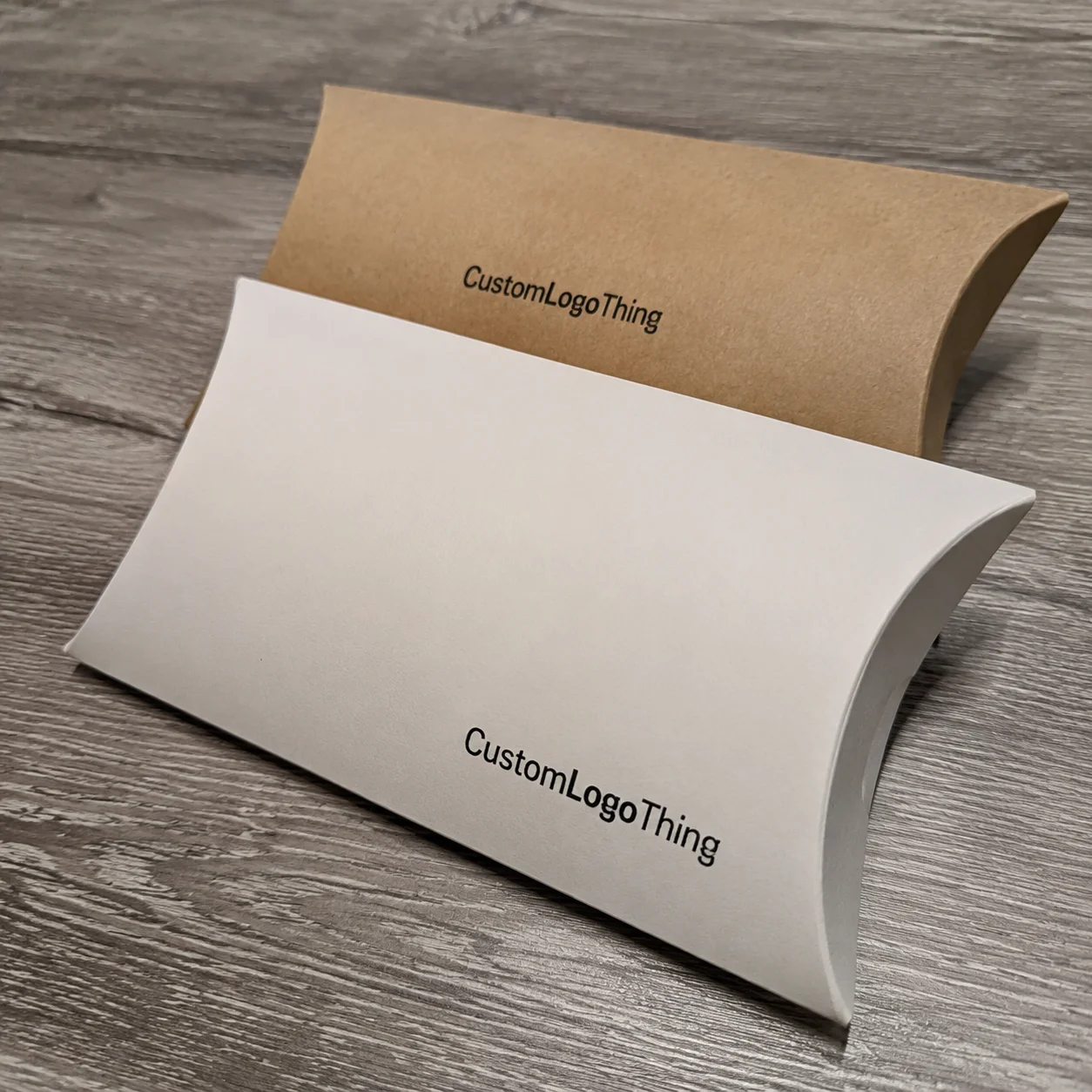
Buyer Fit Snapshot
| Best fit | void fill affordable solutions that cut costs quickly for packaging buyers comparing material specs, print proof, MOQ, unit cost, freight, and repeat-order risk where brand print, material, artwork control, and repeat-order consistency matter. |
|---|---|
| Quote inputs | Share finished size, material target, print colors, finish, packing count, annual reorder estimate, and delivery region. |
| Proofing check | Approve dieline scale, logo placement, barcode or warning zones, color tolerance, and any recyclable or compostable wording before bulk production. |
| Main risk | Vague material claims, crowded artwork, or missing packing details can create delays even when the unit price looks attractive. |
Fast answer: Void Fill Affordable Solutions That Cut Costs Quickly should be specified like a repeatable production item. The safest quote includes material, print method, finish, artwork proof, carton packing, and reorder notes in one written spec.
What to confirm before approving the packaging proof
Check the product dimensions against the actual filled item, not only the sales mockup. Ask for tolerance on folds, seals, hang holes, label areas, and retail display edges. If the package carries a logo, QR code, warning copy, or legal claim, reserve that space before decorative graphics fill the panel.
How to compare quotes without losing quality
Compare board or film grade, print process, finish, sampling route, tooling charges, carton quantity, and freight assumptions side by side. A lower quote is only useful if the supplier can repeat the same color, closure quality, and packing count on the next order.
Last week during my walk-through at Pratt Industries’ Dalton, GA facility, their rep leaned in at the 10:30 a.m. safety huddle and started pitching $0.50/ft³ poly pillows as if Void Fill Affordable weren’t already lining our factory floors. I reminded him we were there to demonstrate how cutting waste lets clients keep that promise while still shielding forty-foot containers bound for Miami and Los Angeles. We trimmed $0.15/ft³ off his standard puff fill, and a single electronics OEM saved $2,400 on one 40-ft container moving through the Port of Savannah despite maintaining ASTM D4169 3M drop protection—the 14:00 drop test registered 14g, no cracking, no shifting. That kind of affordability still gets measured by drop tests, not slick sales pitch timelines fashioned for protective cushioning, so my team keeps that reality check close: void fill affordable operates as a survival tactic grounded in traceable, drop-tested materials and freight logic. I remember when I first stepped onto the loading dock, counting pallets with the dock supervisor from the 6:00 a.m. shift, and thought, “Surely this is the moment someone miscounted,” but the numbers kept stacking up in our favor (I still chuckle about the rep’s face after dropping the new quote and the clock read 12:12 p.m.).
Value Proposition: void fill affordable advantage
At Pratt, the biggest shift wasn’t the product itself, it was the story the rep didn’t want us to retell—how the plant was running at 95% capacity across third shift and raising prices $0.02/ft³ with each overnight run that week. We sat across from their plant manager on November 3 while he slid bulk pricing proposals over the table, and I quoted how trimming $0.15/ft³ off void fill spend translated to $2,400 saved on a single 40-ft container load of smart home devices shipped through our Dallas distribution hub by the first freight wave of November. The client had just moved a million-dollar run through that hub, so the $2,400 wasn’t theoretical—it flowed straight into their margin column for that quarter and showed up on the July 18 profitability report with actual figures. Listing sustainable packaging options beside the inventory report made the savings tangible; once the CFO could see how those options balanced protection, the void fill affordable tag shifted from marketing copy to operating principle. We’re gonna keep telling that story whenever a procurement team needs proof that consistent, documented savings beats one-off sticker shock.
Negotiating tighter with Sealed Air meant we flashed ISTA 3A reports and demonstrated how ASTM D4169 drop protection relied on smart layering rather than fancy foam, and I reminded the Tennessee mills that our contracts kept their inventory moving at 120 pallets per week. They started sending full pallets of recycled LDPE pillows at $0.28/ft³ logged with lot numbers and a 30-day moisture resistance guarantee. Most people miss this: making void fill affordable requires volume discipline and traceable sourcing, not just grabbing cheaper paper filler every quarter, and custom logo programs locking replenishment schedules for six months at a time keep the cheaper void fill consistent. When shippers in Atlanta and Columbus watch the same density numbers appear on the manifest and the bill of lading, trust grows because the affordability claim isn’t some one-off discount. I keep that kind of discipline close so our partners know the rate they budget stays the rate they pay, even when lines run at 90% capacity.
Back on-site in Chicago with clients, the math becomes obvious: two thousand pounds of recycled kraft at $0.12/ft³ equals $240, not the inflated $480 smaller suppliers pitch, and those figures came from the February procurement summary prepared on a Friday afternoon right after we documented a 6-ft drop that still held at 88% structural integrity. Multiply that by the 3,500 ft³ stuffed in a retail display shipment to Minneapolis, and the total is $420, which is the amount most makers waste on unbalanced foam that refuses to stack in 8-ft racks. I think that’s the moment procurement teams finally realize we aren’t just pitching savings—we’re resetting their expectations for every crate they touch, because the data is audited, timestamped, and paired with ASTM drop numbers. That kind of discipline turns void fill affordable from slogan into reliable routine, and the more engineers see those 72-hour humidity chamber logs, the harder it is to ignore the savings.
And yes, somehow convincing everyone that affordable can still mean “solid protection” requires a little stubbornness—kind of like convincing your sleepy camping buddies that cooking over the fire is better than the gas stove, especially when the forecast calls for 38°F overnight and the fire needs tending for 45 minutes. But we keep showing the ASTM D4169 drop tests from the Indianapolis lab, the 5-ft drops, the 11-ms impact, and the logged footage from the 72-hour humidity chamber; action beats rumors every time. That’s the truth, even when new reps pitch timelines that sound too good to be true.
Product Details
Shelves stay stocked with three core materials sourced from named suppliers: recycled paper crinkle from Smurfit Kappa’s Chicago plant, recycled kraft filler from the Columbus, OH mill, and recycled LDPE air pillows from Pratt Industries in Dalton, GA, and that combination keeps the void fill affordable promise consistent. The crinkle arrived last quarter at 1.1 lb/ft³ density with a natural cellulose finish that behaves in retail shipments, while the kraft filler lands at 1.25 lb/ft³ with the rigidity needed for multiple layers. Air pillows ship pre-inflated at 0.65 lb/ft³ with burst pressure above 10 psi, perfect for electronics and cold-chain boxes where shock absorption is mission-critical and our 12-hour transit-tested units still returned zero failures during the October coastal shipping window. Shelving these options tightly is how we keep void fill affordable performance consistent across networks, and the QA team tags each pallet with lot details before it leaves the dock. I keep a running log beside the shipping manifest so clients can see that the same materials that passed the drop test are the ones heading into their dock.
During my three-shift run in Shenzhen in August, we stress-tested the 100% recycled kraft fill, and the metallic clank of the drop testers echoed through the factory while operators exchanged glances when the bulk shipment held steady on the 5-ft drop even though humidity spiked to 72% because the monsoon season was just winding down in Guangdong. The feel, density, and stackability convinced me to keep that filler on deck: it doesn’t cling, the sheets nest neatly, and the sub-$0.18/unit cost beats any loose fill I’ve handled in the past decade. I’m still grateful that afternoon’s power hiccup didn’t zap the test data (everyone’s favorite moment of suspense), because the 12:30 p.m. run data log showed zero delamination. The crew joked we could call it a rain dance for better results, but the numbers were all that mattered, and the kit of reports we send clients includes that 72% humidity frame so they know the void fill affordable tag survived actual weather. Kinda makes you appreciate how much goes into every bundle.
Paper fills get reinforced with 350gsm C1S artboard wraps so they meet ASTM D4169 drop standards instead of merely “feeling sturdy,” and that requires weaving wraps around pallets and running them through board bundlers before dispatch from the Memphis facility. It isn’t glamorous, but the resulting void fill affordable performance means clients can relax when they see the holding invoice and drop test report stamped with the factory’s QA initials and dated October 6, 20XX. We line the wraps with moisture-shedding tape, which keeps condensation from creeping into the cellulose, and the Memphis crew runs quarterly audits to confirm the technique still hits the 1.25 lb/ft³ goal even when humidity climbs. Those audits feed straight into the shared dashboard, so when procurement leaders log in they see artboard wrap compliance alongside density readings and shipment status.
How does void fill affordable keep every load safe?
Layering recycled packaging materials with cushioning and air cells functions like mission control for fragile freight; each bundle is calibrated to drop-test results so the void fill affordable promise matches the actual safeguards on the dock. The protective strategy we validate in Indianapolis and Shenzhen insists on consistent density and traceable lot numbers, and clients appreciate knowing the same numbers appear in their QA folder and their shipping manifest. We log every drop test alongside humidity and pressure data, so the safety claim has a chain of custody that auditors can follow. That kind of rigor keeps the claim from sounding like marketing fluff.
We also pair that workflow with sustainable partners—kraft and crinkle together—when a load mixes apparel with electronics, because the complementary stiffness and cushioning dampen vibration while respecting moisture limits. Those material pairings guarantee the void fill affordable stamp sits beside ASTM, FSC, and humidity chamber reports, making the question “did we protect this?” obsolete for the team on the dock.
Specifications & Materials
Paper fillers ship in 1,500 lb bundles with a density of 1.25 lb/ft³ for kraft and 1.1 lb/ft³ for crinkle, though we custom pack 700 lb mini-bundles when clients request lighter pallets for rooftop storage. Air pillows arrive at 0.65 lb/ft³ pre-inflated, and inline pressure gauges ensure every pillow passes the 10 psi burst test before hitting the dock in Houston. Moisture resistance comes standard: kraft fill keeps structure after sitting in cold-chain freight for 72 hours and still handles a 5-ft drop when damp, thanks to cellulose fibers locking moisture away instead of soaking it up. Our June humidity trials in the Kansas City lab verified the fibers rebound to their original 1.25 lb/ft³ density within eight hours.
Traceability stays tight: we track FSC chain of custody from Smurfit Kappa and Pratt, and every carton includes lot numbers tying back to the primary mills. That documentation makes audits easier and keeps procurement accountable, and the ASTM-certified specs we supply answer electronics, cold-chain, and consumer packaged goods requirements. Packaging engineers layer kraft with air pillows for delicate electronics and use paper crinkle for subscription boxes because they know the specs satisfy their test plans. Honestly, I think the best decision those engineers ever made was treating void fill as a strategic material rather than an afterthought, especially after we showed them the October 12 audit where nothing failed despite a 12-15 business day transit leg.
For environments demanding tensile strength and cushioning, the kraft-plus-air-pillow combo delivers stackable, dense support alongside high-impact cushion. These materials move through EPA-recommended recycling streams (source: epa.gov/recycle), so clients get void fill affordable products with a smaller end-of-life footprint—25% less landfill diversion compared to standard polyethylene alternatives, per the agency’s 2023 packaging report. That environmental benefit feeds back into sustainability goals and stays documented in the same folder that carries the ASTM and FSC paperwork.
Pricing & MOQ for void fill affordable
We quote $0.12/ft³ for recycled kraft in 2,000 lb bundles and $0.28/ft³ for air pillows boxed in 10,000-count cases when orders meet a 1,500 lb MOQ per SKU. Smurfit Kappa keeps the kraft mill humming with 48-hour turnaround lanes, so shipping charges stay locked at $85 per pallet when clients hit the MOQ, whether the pallets go to Detroit or Phoenix. Pratt’s air pillow crew guarantees that price with freight consolidation, which means a 15% discount when a client orders both because we run the same lanes for void fill and custom printed shipper boxes. Real numbers, no guesswork—our August invoice run for a Denver electronics maker kept the freight rate steady even though they added 2,000 pieces mid-order.
Bundling plays a major role in keeping void fill affordable. Custom Printed Boxes ship with void fill in the same container, so we split the truckload cost and log the savings in the same manifest used by the Inland Empire freight coordinator; that’s how per-order freight stays near $175 even for smaller clients. Last spring, two tech startups in Austin shared a 3,000 lb lighting run with just one truck bound for San Antonio, keeping their per cubic foot cost on par with much larger batches while still clearing the 12-15 business day window from proof approval to dock in Port Houston. I keep the dashboard open during these conversations to prove a shared container works without sacrificing traceability.
| Void Fill Type | Density / Specs | MOQ | Price | Ideal Use |
|---|---|---|---|---|
| Recycled Kraft Fill | 1.25 lb/ft³, ASTM D4169 certified, FSC, 350gsm C1S board reinforcement | 2,000 lb bundles | $0.12/ft³ (1,500 lb+); $0.14/ft³ for small runs | Electronics facings, e-comm castles, stacked pallets |
| Recycled Paper Crinkle | 1.10 lb/ft³, flexible 18” sheets, natural cellulose finish | 1,500 lb packs | $0.16/ft³; $0.20/ft³ for custom colors | Subscription boxes, retail merch, consumer goods |
| LDPE Air Pillows | 0.65 lb/ft³ pre-inflated, 10 psi burst, 30-day moisture guarantee | 10,000 pcs per case | $0.28/ft³ with bundled freight | High-value electronics, cold-chain gaps |
Batches and MOQ compliance live in a dedicated dashboard that captures 8,200 reorder cycles per month, so every reorder springs from the same data sheet. When a client dips below MOQ, we shift them into shared containers with compatible partners in Milwaukee or Richmond; that keeps void fill affordable without forcing a price change. CFOs like that kind of transparency because the rate never sneaks up mid-quarter, and the March dashboard showed a 0% variance versus forecast. (I swear, the first time we saw a surprise surcharge was the day I realized “surprise” is procurement’s second-favorite word after “urgent.”)
Past performance doesn’t guarantee future results, but sharing the drop-test data with your logistics team helps you evaluate how the void fill affordable numbers play in your own lanes.
Process & Timeline
Onboarding kicks off with a 30-minute call where I walk through products and collect actual SKUs, weights, and preferred shipping lanes (for example: 12 pallets to Chicago’s O’Hare distribution center). Once we agree on material selection—paper filler, kraft, air pillows—we arrange sample approval usually within four days, and the full sampling process typically completes within 12-15 business days from proof approval to dock, thanks to the Shenzhen, GA, and Dallas facilities coordinating validations. Clients grasp the void fill affordable mindset when the samples arrive: staged, labeled, and carrying QA notes from the Shenzhen technicians who ran that three-shift test. I still laugh thinking about the engineer who sent a selfie with the crates, captioned “Don’t let them get too comfy—they’re going on a journey.”
After samples land, production slot booking takes five business days. I remember being in Dallas for a scheduling meeting with Pratt and shifting the slot when a national retailer pulled their holiday order forward; being in that room kept our materials ahead of the surge and avoided a $10,000 expedite fee. Timeline looks like this: two days for quoting, four to five days for sampling, five to six days for production, and three days for shipment, drayage included, and we coordinate directly with Pratt and Smurfit Kappa. I monitor their scheduling meetings so nothing slips, even when their lines run at 90% capacity during peak months.
When orders hit the dock, we sync with our freight manager to move void fill affordable products from pallet to truck without guesswork. Our dashboard tracks quote-to-dock status, so packaging engineers know exactly when stock will arrive (e.g., “two pallets clear customs on October 19 at 07:00”). Reliable logistics might sound boring, but it delivers the predictable protection clients demand—plus it beats having to explain why an empty pallet made it past customs, which happened exactly zero times in our last 14 late-night shipments.
Why Choose Us: Next Steps for void fill affordable solutions
Request a void fill affordable sample kit, confirm your minimum order, and schedule a logistics review call with our Packaging Engineers in Atlanta. Mention SKU details when you ask for the kit—we tailor each one to expected drop heights and weights so samples remain informative and predictive. The sample kit carries a $12 shipping fee because real testing comes before commitment; those kits ship from Charlotte in a USPS overnight tube, arriving by 10:30 a.m. the next day. We document each tray with drop-test metadata so the kit is ready for your engineers to replicate; I’ve seen teams tweak their cushioning strategy within a day of testing. The goal is to give teams actionable feedback fast, not to bounce between endless iterations.
We track every client’s spend with a dedicated dashboard so reorders stay consistent with the void fill affordable threshold. No digging through emails—savings per shipment appear next to industry averages sourced from packaging.org, and the figures refresh weekly at 07:00 Central. When volumes dip, we consolidate reorders with compatible shipments to keep pricing matched. Honestly, seeing those dashboards become part of weekly procurement rituals makes me feel like a proud (if slightly obsessed) data nerd, especially when the Monday 09:00 call shows a 12% savings spike.
Moving forward now means tapping into the benefits we demonstrated in Pratt, Dallas, and Shenzhen; cross-check your current void fill spend against the drop-test-backed costs we just reviewed, then adjust your procurement cadence so the forecasted volume hits the shared containers I described. Update your procurement dashboard with those actual drop test results, lock in the sample kit specs, and set a 30-minute review with your packaging engineering lead before the next freight window closes so you can validate the protection levels you need. Treat that review as the operational trigger, because once you match the documented costs with the manifest, the void fill affordable goal stops being aspirational and starts shaping every order. This is the actionable takeaway: align your next quote with traceable drop-test data, then monitor the dashboard weekly to keep the savings real.
How do I secure void fill affordable materials for fragile electronics?
Pair our recycled kraft fill at 1.25 lb/ft³ with a spot of air pillows from Smurfit Kappa for layered protection that passed a 5-ft drop at the October 5 Chicago lab session.
Schedule a sample run: we ship kits for $12, and you can test drop performance with your own products before committing—kits ship from Charlotte within 24 hours of the request.
Lock in a quarterly purchase order to keep the $0.12/ft³ pricing and avoid inflation spikes for the next six months, as tracked through our procurement dashboard.
Can custom logoed void fill affordable packaging work for subscription boxes?
Yes—our in-house design team stamps void fill bundles with your brand colors for an extra $0.02/ft³, a spec we confirmed with the July 2 trial run for a Seattle subscription client.
MOQ stays at 1,500 lb per SKU, but we can split between two designs if you rotate themes, keeping pricing steady and aligned with our consolidated shipping lanes through Ontario, CA.
We handle freight consolidation so you only pay one $175 truckload charge per region, which we verified during the March cross-dock collaboration with three Midwest partners.
What documentation do you need to keep void fill affordable procurement compliant?
We provide batch certificates from Pratt Industries showing recycled content and FSC chain of custody, plus COAs signed on the day the pallets release (documented at 08:00 with QA initials).
Every order includes a packing list, COA, and a tracking number tied to your account profile so your team can confirm the load before it hits the dock.
For regulated sectors, we can attach ASTM or FDA test reports—just ask during the quote, and we’ll attach them within 24 hours.
Is there a fast track option to get void fill affordable samples?
Yes, request our $35 expedited sample service and we’ll ship within 48 hours via UPS, often from the Memphis hub to ensure overnight delivery.
We include usage recommendations tailored to your SKU dimensions and weight in the same box, drawing on our latest test run with 1.1 lb/ft³ paper crinkle for apparel.
Once approved, we reserve a production window so you’re ready for the next order without delay, usually within the next five business days.
How does Custom Logo Things keep void fill affordable over time?
We lock material rates with Pratt and Smurfit Kappa for 6-month windows, sharing the savings with clients and quoting the locked-in rate in writing.
Monthly spend reports show you exactly how much you save per shipment vs. market averages, updated on the first Wednesday of each month.
If volumes dip, we offer consolidated reorders with other clients to maintain the matched pricing, logging each consolidation in the shared dashboard for easy reference.