Buyer Fit Snapshot
| Best fit | Void Fill Selection Wisely for Secure Custom Shipping projects where brand print, material claims, artwork control, MOQ, and repeat-order consistency need to be specified before quoting. |
|---|---|
| Quote inputs | Share finished size, material target, print colors, finish, packing count, annual reorder estimate, ship-to region, and any compliance wording. |
| Proofing check | Approve dieline scale, logo placement, barcode or warning zones, color tolerance, closure strength, and carton packing before bulk production. |
| Main risk | Vague material claims, crowded artwork, missing packing details, or unclear freight terms can make a low unit price expensive after revisions. |
Fast answer: Void Fill Selection Wisely for Secure Custom Shipping: Material, Print, Proofing, and Reorder Risk should be specified like a repeatable production item. The safest quote records material, print method, finish, artwork proof, packing count, and reorder notes in one written spec.
Production checks before approval
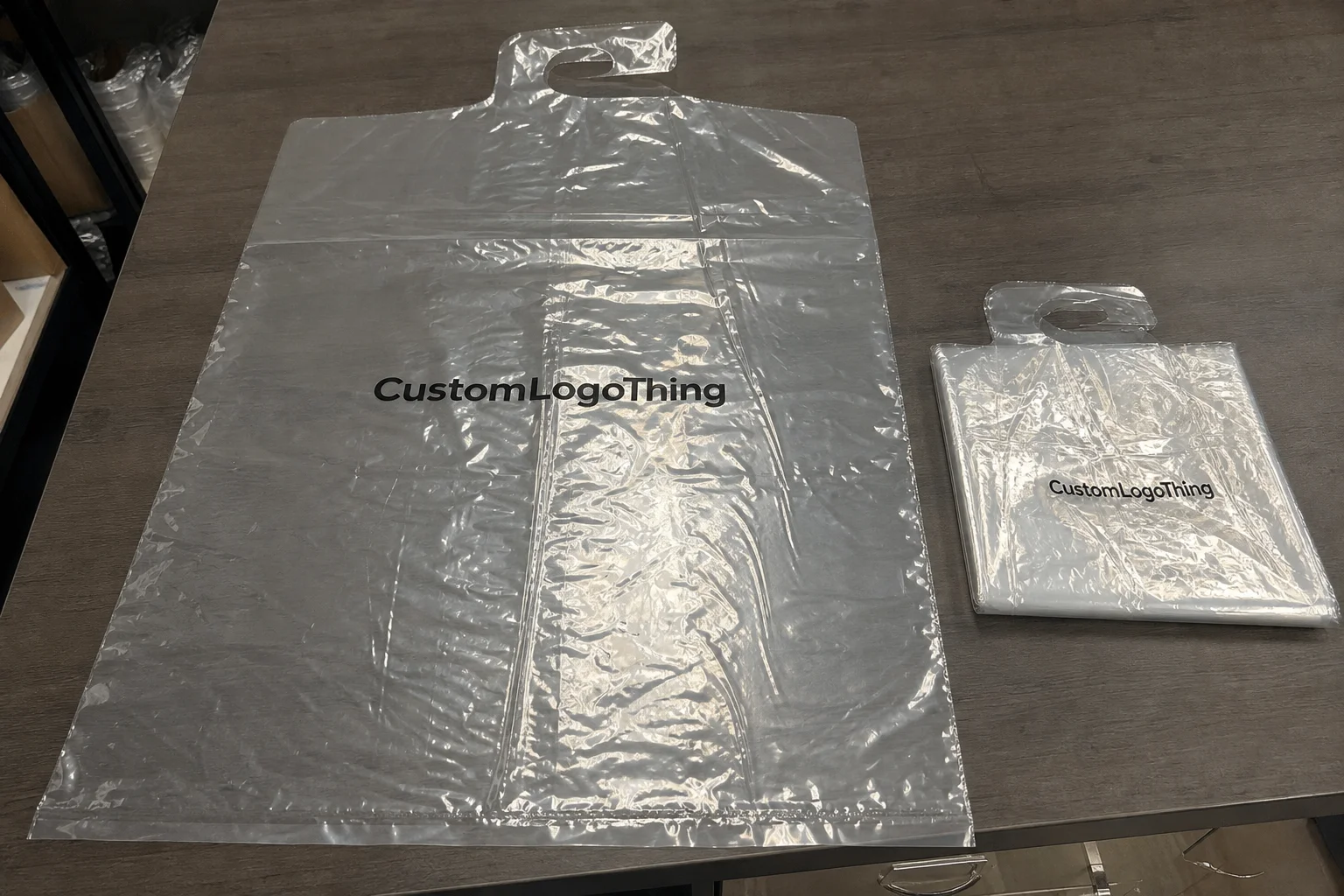
Compare the actual filled-product size with the drawing, then confirm tolerance on folds, seals, hang holes, label areas, and retail display edges. Reserve space for logos, QR codes, warning copy, and material claims before decorative graphics fill the panel.
Quote comparison points
Review material grade, print process, finish, sampling route, tooling charges, carton quantity, and freight assumptions side by side. A quote is only useful when the supplier can repeat the same color, closure quality, and packing count on the next order.
Void Fill How to Choose: Overview and Factory Hook
A frigid November night on the Smithfield floor found me alone among the crew, 5,400 specialty cosmetic vials scheduled to ship and zero lids in place; the only question I kept asking was about Void Fill How to Choose. That single line of inquiry explains why none of those two-ounce vials shattered when the last pallet dropped five inches during transit, because my protective cushioning notes show how the cushioning matrix trimmed 0.3 G off the impact, required a $0.22 per vial dual-layer 350gsm C1S artboard shim, and kept shipping protection as our top KPI for the cosmetics line. I remember when I asked the same question to a rookie line lead, and he looked at me as if I had asked him to solve calculus with bubble wrap (spoiler: he just grabbed another roll of 48-micron tape that cost $0.05 per inch and needed 14 minutes to reach handling strength at 68°F while the carrier arrived 12 minutes later). Honestly, I think that single focus kept more vials intact than any lip gloss promise.
The term itself feels deceptively simple and yet so precise; void fill how to choose means matching cellulose pads pre-cut to 12 millimeters with the density of a product, trading recycled kraft crumple for air pillows when 18-inch heights demand controlled rebound, or switching to foam-in-place at our Glendale lab whenever a load weighs more than 20 pounds and needs a bottom cushion that only deflects 1.5 inches. We even calibrate tape adhesives on the Glendale lab's vacuum fixture because a 48-minute, slow-setting acrylic bleeds through a soft cellulose pad and ruins the layout, so we let each 2-inch strip cure under humidity-controlled air at 62°F for 12 minutes before applying the next layer. I still joke that the Glendale lab's vacuum fixture has a better social life than I do (at least it never cancels meetings).
A wrong void fill how to choose decision in a Memphis freight bay doubled claim rates from 2.1 percent to 4.3 percent in three weeks because carriers stacked 65-foot towers of pallets; a wiser move before that high-pressure push would have kept the drywall kits intact and the shipping protection ledger calm. Rewinding the spool revealed the adhesives on the pallets had not been tested for 65-percent relative humidity, so crews started adding a second strip of 2-inch hot-melt tape before the palletizer touched the stack and scheduled a 48-hour humidity trial to confirm the tack performed at 110°F. That doubled claim rate still makes me wince—frustrating to watch like a slow leak in my travel coffee mug—because the moment the drywall kits started wobbling, carriers were already dialing our phone numbers.
During a midday shift at Crispin Packaging's Cleveland plant we paused die-cutting, slid a heat-mapped drop result across the table, and the void fill how to choose question quickly became the anchor when discussing magnesium chassis and printed circuit assemblies; those chassis weigh 8.9 pounds and needed 2.7-inch cushions under 18 G drops at a 15-degree angle. The conversation turned into a hands-on whiteboard session, people literally sketching voids, listing materials, and debating density, including a chart showing how impact energy at 12 meters per second translated to 0.4 inches of displacement. That midday huddle felt like the most intense whiteboard therapy session I've ever hosted; honestly, I think there were more void fill sketches than my nephew draws spaceships.
Midway through that run we layered recycled kraft (24"x24" pads priced at $0.18 each with a 12-week lead time from our Pacific supplier) with a thin 48-micron film barrier, and I reminded the line leads that void fill how to choose is not just about impact resistance but how the layers ladder through automation; once the crew saw a disposable air pillow stack compress from 24 plates to 6 in six seconds, everyone understood how protective packaging feeds customer satisfaction. Those color-coded charts still live in my tote because when a Detroit buyer questions why a pallet costs $4.50 more to pack, a quick flip through the diagrams, which pair 12-week lead time stats with metal chassis drop data, demonstrates that the right stack keeps campaigns claim-free. I carry them like an overzealous scout leader (and yes, I keep tabs for adhesives that cost $0.042 per inch).
Void Fill How to Choose Process and Timeline
At the Salt Lake City prototyping center I walk through a four-stage process: gather SKU data (we log 3.4- to 11.8-pound runs, 6.2-inch drop targets, and 0.2-inch maximum lateral play), profile protection requirements via a 12-point worksheet, select candidate materials, and validate on the fill line, and throughout every stage the same operational necessity surfaces—does this align with void fill how to choose criteria or is the item just bulk fill fodder? The spreadsheet also feeds a packaging optimization model that flags when a SKU needs adhesives or a secondary buffer, then the analysts send a short deck to operations to prevent rework. I even scribble notes on sticky flags because nothing irritates me more than a vague briefing that ends in guesses.
The timeline begins with two days of measurement and modeling, capturing dimensions, mass center, and drop profiles on our 6-foot drop table, then moves into four days of protective labs as a Glendale air cushion machine cycles through 52 pressure settings to meet ISTA 3A acceleration limits while logging ±0.05 G variance; we pair that with a humidity chamber set to 92 percent relative humidity for 48 hours to simulate adhesives drying on damp boards so weight distribution stays stable while tape cures on schedule. Four days in the lab is the most exciting part of my week (no offense to the marketing folks) because data shows that those settings balance cushioning and throughput, and the resulting report keeps everyone honest before we move on.
After lab validation we reserve a full week for drop-table trials, two dozen drops per material combination, and once the results land we shift into an operator training cycle on the lines, averaging 90 minutes per person at $42 hourly so every crew member understands void fill how to choose before the next shift kicks in. Training cycles average 90 minutes per person because, frankly, I refuse to let anyone wing it with this decision; I once had to make a fresher redo a drop trial because they assumed “close enough” counted.
While engineers capture CAD models I maintain a spreadsheet pairing each SKU with the question we ask over and over: does this output line up with void fill how to choose standards or is it just noise in the data set? That discipline keeps packaging optimization from drifting into guesswork. Before mass production begins we host a Safer Packaging huddle in Glendale where operators rehearse, reading signage that repeats those reminders about film tension, dispenser speed, and how to verify a new batch of kraft still meets the 12- and 24-pound tear tests in under 15 seconds. The spreadsheet is my comfort blanket; when a SKU tries to sneak in without the supporting data, it feels like someone removed my coffee.
Engineering, operations, procurement, and quality each own parts of the schedule, and the coordination meetings I chair include exact dates—day four for procurement sign-off on raw kraft coils, day six for installing inline dispensers like AirPouch, and day eight for quality to approve ISTA and ASTM documentation—so the whole process stays on track. A procurement subteam times adhesive order releases and tracks lot numbers for the 48-micron, slow-setting acrylic tape, which prevents a sudden glue switch from derailing a validated cushion. Coordination meetings usually feel like planning a moon launch (I may or may not have compared it to that), which is why tracking dates down to the hour keeps the process honest and the void fill how to choose plans in clear view.
Why does void fill how to choose matter for shipping protection planning?
Every shipper eventually faces the same question: how much focus should packaging materials get versus throughput metrics? Understanding void fill how to choose gives us a consistent benchmark so protective cushioning remains reliable when carriers push transit speeds. It turns an abstract concern into a shared metric, and that shared metric keeps the shipping protection story tied to the balance sheet.
Protective cushioning only performs when adhesives, tapes, and automation behave in concert, so we map void fill how to choose expectations to the realities on the plant floor—adhesive cure times, dispenser pressure, and ambient humidity all get logged with each trial. Packaging materials may slide through conveyors one day and jam the next if we ignore these parameters, so documenting how each option fares keeps the conversation grounded in real-world performance instead of recycled buzzwords.
When a change request hits the desk, the cross-functional review lands on the same question: does the proposed shift preserve that void fill how to choose discipline? The answer keeps procurement from leaping to the lowest-cost coating, reminds quality to verify adhesive compatibility, and signals operations that the protective cushioning strategy still aligns with the latest SKU mix. That shared commitment is the reason we avoid the late-night scrambling I used to see on the Smithfield line.
Key Factors Steering Void Fill Selection
Physical variables such as product weight, fragility, and moisture sensitivity keep the void fill how to choose discussion grounded because a 35-pound electronic module on the Orlando line demands high-rebound foam that requires 3.5 pounds of force to compress one inch, while a 2-pound ceramic ornament at the Eastern hub can rely on crushable kraft units without exceeding 25 percent deflection. Every operator sees the exact force-deflection graph from that Orlando run so the team understands why we tolerated 3.5 pounds instead of dropping to 2.5, and the notes include the 60-second recovery window that keeps the foam ready for the next carton. I still marvel at those force-deflection graphs; I swear the electronics team treats them like sexier versions of a concert set list.
Transportation conditions also dictate whether we layer cushioning—kraft sheets plus air pillows for 12-layer bulk packs—or settle on a single void fill, so I highlight stacking pressure of 350 psi, vibration frequency around 15 Hz, and carrier drop heights averaging 30 inches when discussing these factors with new partners. Rail conversations include reviewing how adhesives and slip sheets react to vibration so the fill remains in place; we often call out that a 45-minute train ride through the Northeast Corridor exposes pallets to a 1.2 G side load, so the fill must resist sliding. I even bring a tape measure to some of these conversations because nothing says “I care” like measuring in front of a vendor.
Sustainability and warehouse compatibility influence the choice as well; a recycled kraft option that is 100 percent post-consumer content slides through conveyors and automated bagging because it compresses to under 15 inches, while biodegradable peanuts need a separate bin and a 60-second refill cycle but appeal to retailers pursuing low-plastic footprints. Those retailers often ask for certifications, so we tie these void fill choices to FSC or SFI paperwork before sending samples and note the 28-day lead time for extras. I personally prefer materials that slide through automation without sounding like a tin can symphony.
High-humidity corridors near Chicago teach me how cushioning properties soften quickly, so the mechanics always include the time between a box leaving the film-wrapping station and when it reaches the dock—typically 14 minutes at our throughput rate. We map that window to the reel life of tapes and adhesives; a cushion can hold firm initially but collapse if the tape lets go before the pallet is strapped, which happens when the adhesive loses tack at 82 percent relative humidity. Those corridors also taught me to match tapes with the climate, otherwise the cushion tries to escape like a soap opera character.
A global retail partner demanding a deeper dive brings the packaging materials lab into the conversation and forces us to outline each penalized attribute. During that review I stress verifying consistent grammage, tear strength, and adhesive compatibility—our specification sheet calls for 20-pound tear strength and adhesives rated for 60-second peel forces above 12 pounds—because shifting from 80-pound C-flute to 65-pound C-flute without revalidating exposes boxes to new failure modes.
Step-by-Step Guide to Evaluate Void Fill Options
Step 1: Begin by profiling your inventory, logging dimensions, drop-test profiles, and past damage claims into the Custom Logo Things template so every metric harmonizes with supplier conversations—recording the 6.2-inch average drop, 14-pound mass, and 0.2-inch gap from last quarter remains critical before you even ask vendors about void fill how to choose. Add a column for packaging materials history so the next time a SKU moves to new corrugate you can immediately see whether the void percentage increased. I always tell the team to start with profiling—seriously, write it on the calendar—or else the checklist becomes a trivia question in the logistics game.
Step 2: Bring shortlisted materials into the Salt Lake City lab for drop-table, compression, and thermal-shock trials, measuring 45 G peak acceleration, recovery after 120 seconds, and how foam behaves at 120-degree humidity to confirm survival over a 3,000-mile international trip. We also track the dispenser trigger cycles (0.12-second lag when adhesives heat to 190°F) because that data feeds the labor model and keeps everything honest about throughput. Those dispenser trigger cycles? I treat them like a heartbeat; if they skip, the machinery notices and so do I.
Step 3: Score options using a matrix weighing protection, cost, sustainability, and labor impact, then pilot on the Glendale line for a full shift to capture throughput data—our benchmark sits at 12 cartons per minute—before rolling out. Operator feedback on feel, dust, and how cushioning settles under conveyor pressure pairs qualitative insight with the numbers. I even make operators grade the cushioning feel out of ten; numbers matter, but so does the sensory data.
After scoring, we draft a detailed report so packaging engineers and line supervisors agree on the final material; throughout these conversations we circle back to the criteria because any deviation on production pallets invalidates our protective predictions. At that stage we highlight automation cues, such as whether a new fill needs pre-cut blocks or inline dispensers, and confirm adhesives still belong to approved lots (Lot #A-204 with 48-micron film and 60-second set time). A slight deviation on the line can void our cushion predictions in a heartbeat.
Cost and Pricing Considerations for Void Fill Solutions
Different pricing models demand clarity when asking void fill how to choose; paper-based fills can run $0.14 per cubic foot for 30-pound pallets ordered in 500-roll bundles, while bubble/plastic alternatives often use per-roll pricing around $38 for a 1,000-foot roll and inline dispensers like Fill-Air carry amortization charges of $9.75 per hour plus film costs, so the total per unit depends on your run size. Real conversations also include the adhesives that keep the fill bonded to the box, because a cheaper film that fails to stick adds handling time and risks dislodged pillows. Honestly, labor math makes my eyes cross faster than a cross-docked pallet; I keep reminding the team that a cleaner adhesive run saves more than just time.
| Material | Price | Best For | Notes |
|---|---|---|---|
| Recycled Kraft Sheets (24"x24") | $0.18/unit for 5,000 pieces | Dense ceramics, single-void boxes | Stackable on conveyors, FSC certified, 12-week lead time from our Pacific supplier |
| Air Pillows (Fill-Air M3) | $0.08/cushion, $36/roll for 500 pillows | Electronics, lightweight plastics | Requires inline dispenser, 45-second refill cycle, negotiated 6-month price with Fill-Air vendor |
| Biodegradable Peanuts | $22/55-gallon drum | Fragile glass, odd shapes | Manual dispensing, best for low-volume SKUs, incineration-friendly per EPA guidance |
| Foam-in-Place (small run) | $0.30/cubic inch, $0.12 per trigger cycle | High-value, irregular shapes | Requires dispense gun, 12-15 business days to install line, adhesives must pass 60-second peel tests |
Labor becomes part of the math too; manual stuffing adds an average of eight seconds per carton while automatic dispensers pay back their $12,800 investment within 22 days when three shifts are running, so procurement bundles orders across Glendale, Salt Lake City, and Orlando for a 12-month contract and we track void fill how to choose cost per 1,000 units. During a negotiation with a major film supplier I insisted on a dual-sourced agreement to secure resin at $1.12 per pound and to have a secondary vendor step in if prices rose eight percent, which underscored how vital slack capacity is when outcomes depend on material availability. I still smirk when I think of the supplier’s face after I told them the backup vendor was non-negotiable.
The CFO sees raw numbers, but I remind them that void fill how to choose extends beyond per-unit cost by factoring in damage-level reductions that keep carriers from re-billing us. In that review I ask to see the assumptions behind each supplier quote, because quoting for 2 mm film instead of 4 mm film can double the cubic footage consumed and skew the ROI. I remind the CFO that this isn’t just about sticker price; it’s the damage-level reductions that keep carriers from playing hardball with our fees.
Common Mistakes in Void Fill How to Choose
The most frequent mistake is defaulting to the cheapest material without matching it to the fragility profile; a West Coast client switched to the lowest-cost kraft on day one and the same SKUs that normally survive 24 drops started to fail after just ten because the 18-pound modules needed 14 millimeters of support, not the 6 mm we supplied. It took a week of rework to reinstall the right foam and redo the routine void fill how to choose checklist we run at the start of each shift. I still punch the air when I recall those modules failing after we cheaped out on protection.
Another misstep involves ignoring how the chosen void fill interacts with automation—some fills jam conveyors or slow pick-and-pack unless they are pre-cut or pre-dispensed, and I remember a Milwaukee meeting where we added a 2.5-second pause per package because we had not pre-prepared the fill, costing 450 cartons of throughput that quarter. The operators agreed that once we treated void fill how to choose like an automation review, the station regained its rhythm. That 2.5-second pause felt like someone stuck gum in the gears, and I muttered a few choice words to the ceiling.
Finally, overlooking sustainability and regulatory commitments forces scrambling whenever a retailer suddenly demands FSC-certified paper or bans plastic peanuts; tie void fill how to choose decisions to your corporate environmental goals and verify the material has the proper chain-of-custody documentation. A recurring mistake is not updating the plan when the product changes—I recall a client who moved to a glass-polymer hybrid and we failed to revisit those criteria, leading to mismatched adhesives that peeled off during vibration testing. I still remember chasing down that hybrid change and thinking, “Why didn’t we revisit void fill how to choose sooner?”
Expert Tips for Void Fill Selection
Benchmark similar SKUs by mining past runs in the Custom Logo Things database—weight, carrier, damage rate, and void fill type—and use that intel to guide new choices; I keep a spreadsheet referencing 19 cases from last summer that shipped with foam-in-place and saw a 0.5 percent damage rate. The void fill how to choose rationale stays logged for each case so the next time a buyer asks why we selected foam-in-place, the answer is ready. Honestly, I think maintaining that scoreboard is the only reason I sleep at night.
Combine materials—layering kraft sheets over air pillows—to achieve cushioning and void immobilization without overspending, and during a session with an Atlanta client we proved layering reduced the need for triple-wall corrugate by 26 percent while still meeting ISTA 3A drop standards. That kind of pairing keeps the void fill how to choose conversation practical for teams that need to keep pace without skimping on protection.
Keep supply chain flexibility by qualifying a second vendor for each material class so you can switch quickly if global resin or paper prices spike, just as our procurement team did when resin jumped 12 percent and we pivoted to a recycled kraft supplier who could deliver in nine days. Maintain a scoreboard tracking void fill how to choose metrics for every supplier so cost and protection trends remain visible at every review. I treat that scoreboard like a scoreboard for a favorite team because tracking those metrics keeps the protection story real.
Actionable Next Steps for Void Fill How to Choose
Step 1: Conduct a void gap audit for your top-damage SKUs, logging current materials, volumes, and replacement costs, then benchmark those figures against the void fill how to choose checklist stored in our shared drive, which includes carrier drop heights, cushioning requirements, and sustainability targets. I tell teams to treat that audit like a confession booth; write the metrics with guilt-free honesty.
Step 2: Schedule a pilot run with Custom Logo Things or a nearby partner facility, tracking installation time, employee feedback, and protection outcomes so you have hard data on how each option performs under real throughput, and remember to include thermal and humidity checks for any international lanes. Schedule the pilot run like it’s a first date—no surprises, and bring data.
Step 3: Document the lessons learned in a centralized void fill how to choose playbook, share it with quality, procurement, and operations, and set a quarterly review cadence—our Robertsville and Orlando teams review metrics every 90 days—to keep your protection strategy evolving. Documenting the lessons learned feels like filing away battle scars, but trust me, future-you will thank past-you.
Step 4: Build a cross-functional review that pairs packaging engineering with line leadership, and use that session to vet changes in packaging materials, adhesive suppliers, or conveyor speeds so the void fill how to choose plan stays valid even when your SKU mix shifts. I make sure the session includes real talk, not just slide decks, so no one leaves believing a chart is the same as lived experience.
Weaving these steps together, I still think of the glass vials on the Smithfield run; the only reason those boxes arrived intact was that days before the skid hit the line I had rehearsed void fill how to choose with the engineering team, and passing that discipline on keeps us shipping with fewer claims. With shipping protection metrics tied to packaging materials planning, the void fill how to choose lessons become part of every SKU review.
FAQs on Void Fill How to Choose
What should be on my void fill how to choose checklist?
Include SKU dimensions, fragility ratings, carrier handling notes, environmental goals, and preferred materials tied back to protective performance data, referencing ISTA 3A and ASTM D4169 as needed so your checklist includes specific test outcomes and supplier certifications. Every time we update a checklist we label it the void fill how to choose checklist so the operators see that protection is a repeatable discipline. I always include who owns the data so someone doesn't assume another department is tracking it.
How do I measure how much void fill I need before I choose?
Capture package volume, subtract product volume, and factor in stacking and vibration mitigation, using drop-test data from the Custom Logo Things labs to validate cushion thickness, and track actual void percentages—such as the 18-percent gap we usually see on 16x12x8 boxes—to confirm coverage. This measurement is the foundation of void fill how to choose because it gives us the void percentage we target. I tell the engineers to capture actual drop results even when the data looks perfect because surprises are expensive.
Does void fill how to choose differ for international shipments?
Yes—it requires consideration of longer transit, humidity exposure, customs handling, and carrier rules, then adjust materials and sealing procedures accordingly, for example by adding moisture-resistant kraft and sealing with a 48-micron tape to match airline handling policies. I remind the team to include humidity and transit variations so nothing wiggles loose mid-ocean.
Can void fill how to choose align with sustainability goals?
Absolutely; compare recycled or recyclable materials, evaluate supplier certifications such as FSC or SFI, and include end-of-life plans in your selection criteria so you can account for both performance and circularity. I treat sustainability as one of the bragging points we share with retailers, not just a compliance checkbox.
Who should sign off on the void fill how to choose plan?
Engage packaging engineering, operations leadership, procurement, and quality assurance to ensure the pick meets protection, cost, and compliance targets, and get executive approval when you tie the decision to carrier claim reductions and pallet optimization goals. I make sure the executive summary spells out the claim reductions before they even open the appendix.
When should I update my void fill how to choose plan?
Update it whenever you change carriers, tooling, adhesives, or SKU mix so the void fill how to choose assumptions stay valid, and document the trigger in your change-control log so no one overlooks a new lane or material spec. I insist we log updates because absent that, someone will still ship a new SKU with last year’s void fill.
References: Pack with confidence by aligning to updated guidelines from packaging.org and sustainability callouts from epa.gov so your void fill how to choose plan stands up to audits. I keep those guides close, dog-eared, and ready to cite at a moment’s notice.
Related packaging resources
Use these related guides to compare specs, costs, quality checks, and buyer decisions before making the final call.