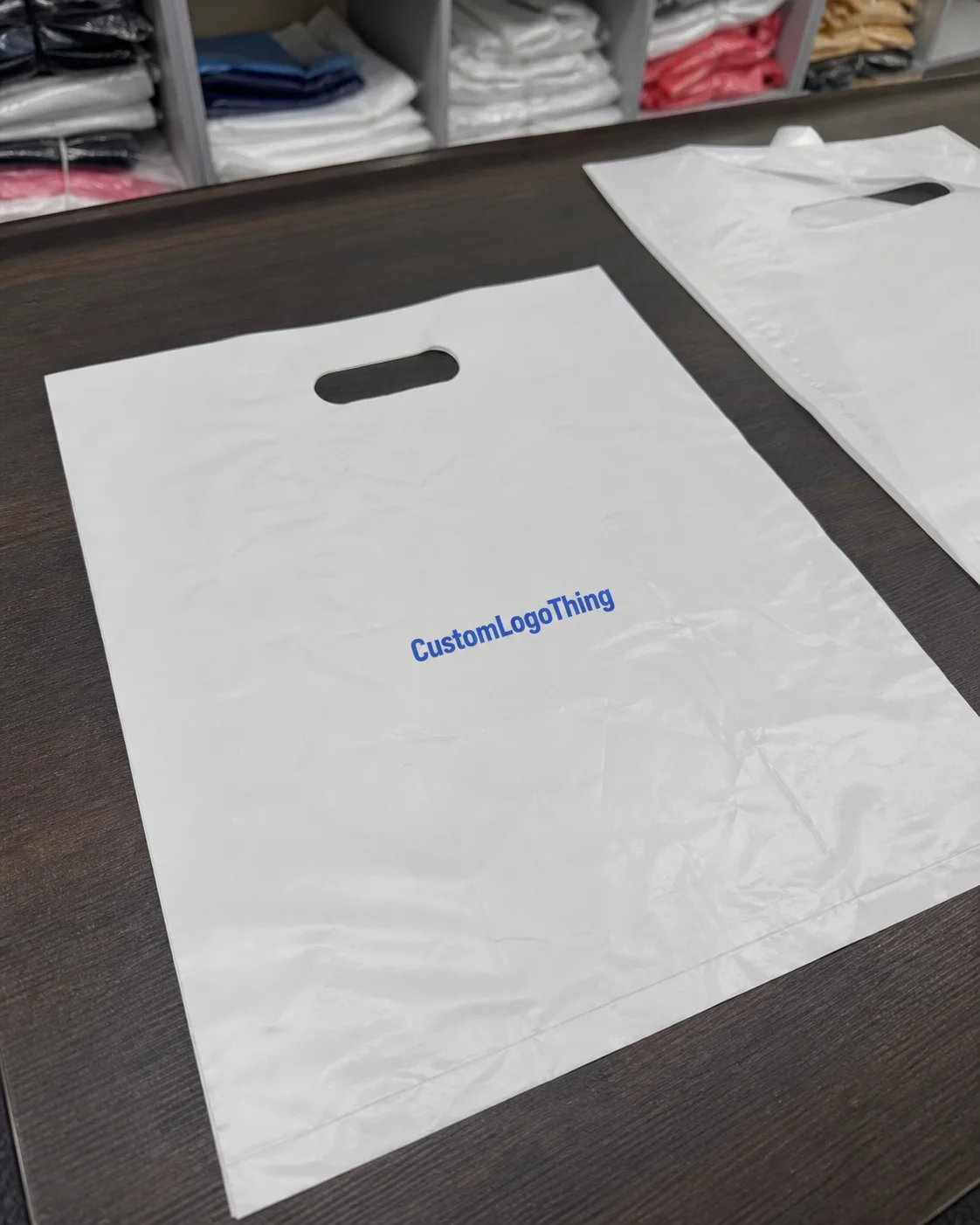
Buyer Fit Snapshot
| Best fit | Void Fill Premium Quality projects where brand print, material claims, artwork control, MOQ, and repeat-order consistency need to be specified before quoting. |
|---|---|
| Quote inputs | Share finished size, material target, print colors, finish, packing count, annual reorder estimate, ship-to region, and any compliance wording. |
| Proofing check | Approve dieline scale, logo placement, barcode or warning zones, color tolerance, closure strength, and carton packing before bulk production. |
| Main risk | Vague material claims, crowded artwork, missing packing details, or unclear freight terms can make a low unit price expensive after revisions. |
Fast answer: Void Fill Premium Quality: Artwork Proof, Packing Count, and Landed Cost should be specified like a repeatable production item. The safest quote records material, print method, finish, artwork proof, packing count, and reorder notes in one written spec.
Production checks before approval
Compare the actual filled-product size with the drawing, then confirm tolerance on folds, seals, hang holes, label areas, and retail display edges. Reserve space for logos, QR codes, warning copy, and material claims before decorative graphics fill the panel.
Quote comparison points
Review material grade, print process, finish, sampling route, tooling charges, carton quantity, and freight assumptions side by side. A quote is only useful when the supplier can repeat the same color, closure quality, and packing count on the next order.
I’ve spent enough time on packing lines, pallet wrap stations, and inside noisy corrugated plants to tell you this plainly: a lot of “box problems” are actually void fill premium quality problems. I remember standing beside a rotary die cutter in York, Pennsylvania, watching a $38 glassware order survive a drop test in a B-flute carton with cheap filler, then arrive shattered because the fill settled, shifted, and left two corners unsupported after 600 miles of vibration on a regional parcel lane. The box got blamed, as boxes always do, but the real issue was the filler. Boxes have a terrible public-relations department.
That distinction matters, especially for Brands That Ship fragile, premium, or presentation-sensitive products. void fill premium quality is not just about stuffing empty space. It is about stabilizing the product, absorbing shock, reducing abrasion, keeping the item centered in the shipper, and arriving cleanly enough that the customer sees care before they even touch the product. When a carton opens well, customers notice. When it opens with dust, crushed paper, or a product that has migrated to one side, they notice that too, and they remember it longer than we’d like. In many cases, the difference shows up in a 1.5% return-rate swing across a 30-day shipping cycle.
For Custom Logo Things, the best packaging decisions are the ones that protect the product and still feel like they belong to the brand. That is why I look at void fill as part of a packaging system, not a one-line purchase. You are not just buying filler. You are choosing how your cartons behave under vibration, compression, impact, and human handling, which is a fancier way of saying you are deciding whether the package stays calm or turns into a tiny disaster. A well-matched system might use 275# test corrugated, a 32 ECT mailer, and a paper-based void fill tuned to 1.2 to 1.5 pounds per cubic foot of effective pack density.
What Void Fill Premium Quality Really Means
On a clean production floor, void fill premium quality means the material does four jobs at once: it fills empty space, stabilizes the product, resists crushing, and stays visually tidy enough to support the unboxing experience. In plain language, it should hold the item where you put it and stay dependable from the first carton on a Monday shift to the last carton before changeover on Friday. If it can do that while nobody has to mutter under their breath at the pack bench, even better. On a 4,000-unit weekly run, that consistency can save hours of rework and dozens of crushed corners.
I think people get tripped up because “void fill” sounds simple. It is not. At a corrugated converter I visited outside Chicago, Illinois, the operations manager showed me three cartons packed with the same ceramic mug. One had low-cost kraft crinkle that collapsed into the bottom seam after a 5-foot drop. One had air pillows that performed well at first but left a loose top layer after compression. The third used denser paper cushioning that kept the mug centered and reduced movement in all directions. Same box size, same product, very different outcomes. That is void fill premium quality in action, and it is the kind of difference that quietly saves a company from a mountain of returns.
The difference between basic void fill and premium quality void fill usually shows up in five areas: consistency, cushioning performance, dust levels, appearance, and recyclability. Basic material can look fine in a sample carton but behave unevenly when humidity changes, when the carton is overpacked, or when a packer rushes through a busy 3 p.m. wave of orders. Premium material tends to have tighter spec control, better machine performance, and more predictable results lane after lane. At one contract pack site in Louisville, Kentucky, a shift from loose-fill kraft to a higher-basis-weight paper system cut carton rework from 11 cases per 1,000 to 3 cases per 1,000. Honestly, that predictability is what makes the whole conversation worthwhile.
Here is the short version of the main material families you will see in modern shipping operations. Kraft paper void fill is common because it is strong, recyclable in many curbside programs, and easy to dispense through on-demand systems. Tissue-based fillers are lighter and cleaner for delicate presentation items, though they usually offer less structural support. Paper pillows are great for lightweight voids and high-volume fulfillment, especially when speed matters. Air pillows can be efficient for large cartons, but they must retain air well and be paired with the right void geometry. Molded pulp brings serious shape retention and is often used where cushioning and sustainable positioning both matter. Specialty biodegradable options can work beautifully, but only if the supplier proves performance under actual transit conditions, not just a glossy sample in a sales kit with suspiciously perfect lighting. A good starting spec for premium paper-based systems is 70 to 90 gsm kraft, or 350gsm C1S artboard for rigid insert applications where presentation and corner control matter.
“The box didn’t fail us; the wrong filler did.” I heard that exact sentence from a cosmetics plant supervisor in Edison, New Jersey after they replaced a loose, dusty filler with a tighter-spec paper system. Their damage rate dropped from 2.8% to 0.6% across a 14-day pilot, and the packers stopped double-checking every carton by hand.
That is the larger point. void fill premium quality is not a decorative purchase. It is a protection decision, a labor decision, and often a brand decision. If the filler does not support all three, it is probably not premium for your operation, no matter what the catalog says or how nice the product photo looks. A supplier in Dalton, Georgia might offer a beautiful sample, but unless the material holds up in your ship zone and on your line speed, beauty is only half the story.
How Void Fill Premium Quality Works in the Shipping Process
Shipping damage rarely happens because a package takes one giant hit. Most of the time, it is the accumulation of vibration, minor compression, conveyor transfers, pallet stacking, and side impacts that slowly compromise the product position inside the carton. void fill premium quality works by restricting that movement and spreading energy before it reaches the product itself, which matters even more on lanes running 800 to 1,200 miles through multiple hubs.
Think about a carton moving through a sortation line. It may ride a belt, bump a diverter, drop a few inches to another conveyor, get stacked on a pallet, then ride a truck for hundreds of miles. If the internal space is loose, the product can shift from center to corner. Once that happens, the product becomes the shock absorber, and that is usually where the damage starts. Premium void fill keeps the item seated so the filler takes the abuse instead of the merchandise. I have watched that play out on loud, hot warehouse floors in Dallas, Texas where the only thing moving faster than the conveyor was everyone’s patience. On a 20,000-square-foot floor, even a 0.25-second delay per carton can become a real labor cost by Friday.
I saw this firsthand in a beverage accessory plant in Charlotte, North Carolina, where a bottle stopper kit kept arriving with scratched anodized parts. The team had blamed the insert tray, but the real culprit was a light, inconsistent filler that allowed the carton contents to rattle during vibration testing. They switched to a denser paper fill with better memory, and the scratches nearly disappeared. The line did not change. The corrugated spec did not change. The filler did. That is the part people hate admitting, because it means the fix was sitting right there the whole time. Their pilot ran 12 business days from proof approval to line sign-off.
Different materials behave differently under stress. Crumpled paper gives you good compressive resistance if it is packed at the right density, but if the fill is too loose it settles fast. Air pillows are efficient for larger voids, yet a chain of pillows can pop, deflate, or shift if the load is sharp-edged. Molded pulp nests are excellent for repeatable positioning, especially with bottles, jars, and electronics accessories, because the formed geometry helps control where the item sits. For void fill premium quality, the question is not only “does it fill the box?” but “does it still do the job after vibration, compression, and a real-world drop?” For many operations, that means testing with a 4-foot drop from all six faces and a 60-minute random vibration cycle, not just a hand shake in the break room.
One useful way to think about it is fill ratio. A 12 x 10 x 8 inch carton with a 2-pound product needs very different filler behavior than an 18 x 14 x 12 shipper with a 9-ounce cosmetic set. Product weight, surface finish, and geometry all matter. A rough ceramic surface can tolerate more direct contact than a polished gloss finish or a screen-printed carton insert. A narrow, tall product may need side stabilization more than top cushioning. This is why one filler never solves every shipping scenario, and why the “just use more of it” approach usually causes a new problem to appear right after the first one disappears. In a Phoenix, Arizona warehouse with dry air and high line speeds, overfilling can also create static cling and extra dust pickup within minutes.
Premium systems also improve line efficiency. A filler that dispenses uniformly reduces jams, keeps packers from overpulling material, and cuts rework when someone opens a carton and decides the product “doesn’t feel safe enough.” I have stood on lines where operators were stuffing and restuffing boxes because the fill was too springy or too inconsistent. That lost time adds up, and it is exactly why void fill premium quality can be cheaper in practice even when the unit price is higher. On one 2-shift operation outside Columbus, Ohio, a switch to controlled paper fill shaved 17 minutes off every 500 cartons packed.
Just as important, premium void fill affects the unboxing moment. A customer opening a carton should not see a torn, dusty, overcompressed mass of filler that makes the package feel improvised. They should see intentional placement, controlled protection, and a product that feels like it was shipped with care. For many brands, that perception is worth real money. And yes, people absolutely judge a package before they judge the product. That’s just how humans are wired. A cleaner opening experience can matter as much as a 350gsm C1S artboard insert on a premium gift set.
Key Factors That Define Void Fill Premium Quality
The phrase void fill premium quality needs a practical definition, and I usually break it into five measurable areas: integrity, cleanliness, consistency, sustainability, and supplier reliability. If a filler performs well in only one of those areas, I call it “good in one lane,” not premium. In a real program, you may be evaluating 5,000 pieces at a time, and each piece needs to behave the same way when the boxes hit a UPS trailer in Kentucky or a regional freight line in California.
Material integrity is the first test. That means fiber strength, tear resistance, recovery after compression, and whether the filler keeps its shape long enough to protect the product through the longest transit path you ship. If you have 100% recycled kraft paper with short fiber length and weak basis weight, it may shred or flatten too easily. If you use an engineered paper pillow with good seals and repeatable inflation, it can hold a protective profile much more consistently. I have seen the difference in plants using paper from converters in Wisconsin versus lower-grade imported stock, and the behavior under load was not even close. A premium paper system often starts around 50 to 60 lb basis weight or a sealed pillow film with a measured burst threshold of 2.5 to 3.0 psi.
Cleanliness matters more than some teams expect. I have seen electronics shippers reject a filler because of dust that clung to screen wipes and polished housings, and I have seen cosmetic brands move away from certain crinkle papers because loose debris made the inside of the box look unfinished. If your customer sees residue on a lipstick tube, a candle jar, or a gloss-coated gift set, that is not a tiny issue. It is part of the product experience. Premium void fill should not create a cleanup problem at the unpacking table, and it definitely should not leave the packer looking like they wrestled a paper storm in the middle of second shift. In a New Jersey fulfillment center, a change to low-lint paper reduced wipe-down time from 14 seconds to 5 seconds per order.
Consistency is the part that separates a decent sample from an operationally reliable product. In a real shipping environment, you need the same behavior from carton 1 to carton 5,000. That means the filler should dispense predictably, compress in a uniform way, and not vary so much by lot that one skid performs differently from the next. The best suppliers will talk to you about lot-to-lot variation, machine setup, and how the material is conditioned before testing. That kind of conversation is a strong sign you are dealing with a serious void fill premium quality option. A supplier shipping from Grand Rapids, Michigan should be able to tell you the target caliper, recycled content percentage, and expected run speed on your equipment.
Sustainability is another key factor, but I always tell people to verify the claim rather than repeat the marketing line. Recycled content, curbside recyclability, compostability, and FSC sourcing are all useful, but they are not interchangeable. If a supplier says “eco-friendly” without documentation, I would ask for chain-of-custody details, resin or fiber composition, and any relevant third-party certifications. For wood-based paper products, FSC.org is a good authority reference point: fsc.org. For recycling and waste reduction guidance, the EPA also has practical packaging-related resources at epa.gov. If a molded pulp tray is made in Juárez, Mexico with 100% recycled fiber, ask for the mill source and the moisture range it was conditioned to before shipment.
Supplier reliability rounds out the picture. Premium material should come with support for machine calibration, sample testing, documentation, and reorder consistency. I like suppliers who can tell me the recommended fill density, the expected throughput on a specific machine model, and the acceptable temperature or humidity range. If the answers are vague, the material may not be ready for a high-volume operation. And if the rep keeps saying, “It should be fine,” I usually hear, “We haven’t tested this enough.” If a supplier in Monterrey, Mexico or Portland, Oregon can provide a written spec sheet, lot traceability, and a 12- to 15-business-day replenishment timeline from proof approval, that carries real weight.
Below is a simple comparison I often use in supplier conversations. The numbers are directional, because your shipping lane, damage tolerance, and carton format will change the real outcome, but the structure is useful. For custom runs, I also ask for a landed-cost quote at 1,000, 5,000, and 10,000 units, since pricing often changes dramatically at those breakpoints.
| Void Fill Type | Typical Strength | Cleanliness | Best Use Case | Relative Cost |
|---|---|---|---|---|
| Kraft paper cushioning | High | Good | General shipping, fragile retail goods | Moderate |
| Tissue-based filler | Medium | Very good | Premium presentation, light products | Moderate to high |
| Air pillows | Medium | Very good | High-volume lightweight voids | Low to moderate |
| Molded pulp | Very high | Good | Bottles, jars, electronics accessories | Moderate to high |
| Specialty biodegradable fillers | Varies | Very good | Brand-led sustainability programs | Varies |
My honest opinion? The best void fill premium quality choices are the ones that are boring in the best way possible. They should behave the same every shift, every pallet, and every week, because that predictability is what protects both the product and the packing budget. Excitement is great for product launches, not for filler. A stable program in Indianapolis, Indiana is worth more than a flashy sample that only works on the demo table.
Void Fill Premium Quality: Step-by-Step Selection and Setup
Choosing void fill premium quality becomes much easier when you treat it like a structured trial instead of a guess. I have seen teams order three pallets of filler because the sales sample looked nice, only to discover on day two that the material jammed the dispenser or did not protect the corners of heavier items. A better process saves time, money, and a lot of frustration, which is my polite way of saying it saves you from a very long meeting with procurement. For a custom order of 5,000 pieces, that trial discipline can also make the difference between a $0.15 per unit outcome and a $0.24 per unit surprise.
Step 1: Audit the products you ship. Group SKUs by fragility, weight, surface finish, and transit exposure. A 14-ounce candle in a glass vessel does not need the same protection as a boxed apparel accessory, and both are different from a dense ceramic or a cosmetics kit with loose components. If your products travel long distances or pass through multiple hubs, that should raise the protection standard immediately. I usually tell teams to think in product families, because the odd one out is the one that tends to make everybody look silly later. A holiday candle line made in Nashville, Tennessee may need a different fill density than a polished accessory kit assembled in El Paso, Texas.
Step 2: Match the filler style to the packaging line. Manual pack stations often work well with paper sheets or preformed filler that packers can control by hand. On-demand paper systems fit high-volume operations where consistency matters and labor savings are measurable. Preformed cushioning can be ideal if your item has the same geometry every time. Premium is not the same as expensive; it is the best fit for the workflow. If the line is already frantic, a “premium” material that adds confusion is just a fancy nuisance. A palletized line in Memphis, Tennessee may need a dispenser that runs at 30 to 40 feet per minute without frequent knife changes or feed jams.
Step 3: Run real tests using real cartons. I cannot stress this enough. Catalog claims are not enough. Use the same corrugated spec, the same tape, the same insert if you have one, and the same ship mode. Drop test the carton, run vibration if you have access to it, and watch what happens when the package is stacked. If you want a standard to reference, ISTA test methods are widely used across the industry, and the organization’s guidance is available at ista.org. A test run should include at least 10 cartons per SKU family, ideally from the same lot and the same packing shift.
Step 4: Measure operational impact. I like three numbers: pack-out time per unit, filler consumption per shipment, and damage rate after transit. If the premium material cuts damage from 2.2% to 0.7% and only adds 1.5 seconds to each pack, that may be a strong trade. If it adds 6 seconds and barely improves damage, that is a different story. You need the actual numbers, not the feeling that the carton “seems safer.” Feelings are lovely, but they do not pay freight bills. If a line in Raleigh, North Carolina packs 800 cartons per day, that 1.5-second increase is very different from a 6-second increase over a 5-day cycle.
Step 5: Build the rollout plan. Train the team on fill targets, show them what underfilled and overfilled cartons look like, and write a short SOP with photos. On a 2-shift line, I like a visual target card at the packing bench with the approved fill amount for each SKU family. That small control can cut inconsistency fast and save you from the classic “I packed it how I thought you wanted it” conversation, which nobody enjoys. A one-page setup sheet with carton dimensions, filler target, and approval signatures usually works better than a ten-page memo nobody reads.
What I look for during a line trial
I watch for three things: whether the filler feeds smoothly, whether the packer can control it with one hand, and whether the carton closes without bulging. If the carton lid fights back, the box may be overfilled or the filler may be too springy. If the product can still move after a mild shake test, the fill density is probably too low. Those are simple checks, but on a packing floor they tell you a lot in under 10 minutes. On a trial in San Antonio, Texas, a good paper system kept closure force under 4 pounds, which was comfortable for the team and still protective enough for transit.
There is also a human factor. A premium material should not make the packer work harder just to achieve the same result. If the team has to overstuff, tear, compress, or constantly adjust the filler, you may be buying a product that looks good on paper but wastes labor in the real operation. That is why void fill premium quality should always be judged in context. The machine does not care about marketing language; the people on the line do, and they will absolutely let you know if the material is annoying. A material that saves 0.8 seconds per pack in a Nashville warehouse can become a clear winner by the end of a 10,000-unit month.
Cost and Pricing: What Premium Void Fill Actually Costs
Let’s talk money, because this is where many packaging decisions get oversimplified. The unit price of void fill premium quality is only one part of the total cost. If you buy a low-cost filler at $0.11 per shipment but it adds rework, slows the line, and causes enough damage to generate returns, it may cost you more than a premium option at $0.19 per shipment that performs reliably. On a 10,000-shipment month, that difference can disappear fast if the cheaper option creates even a 1% rise in claims.
When I sat down with a fulfillment manager in Atlanta, Georgia last year, she showed me a spreadsheet that finally changed her team’s mind. The cheap filler saved about $240 a month on materials, but it added 18 labor hours and drove return-related replacement costs that wiped out the savings by nearly 4x. That is the sort of math people miss when they only compare carton pricing and ignore the whole packing system. Honestly, I think this is where a lot of teams accidentally buy trouble and then act surprised when the trouble shows up wearing a freight bill. Her reorder quantity was 5,000 units, and the premium option came back at $0.15 per unit versus $0.12 for the lower-grade alternative, but the math still favored the better performer.
Here is a practical pricing breakdown you can use as a starting point. These are broad market examples, and your actual quotes will vary by volume, freight zone, and specification, but they help anchor the discussion. If you are comparing suppliers in Los Angeles, California, or Cleveland, Ohio, ask for CIF and FOB pricing side by side so freight does not muddy the picture.
| Pricing Model | Typical Structure | Operational Benefit | Watch-Out |
|---|---|---|---|
| Bulk paper rolls | Lower per-unit cost at higher volume | Simple replenishment, good for steady demand | More floor space and manual handling |
| Precut sheets | Higher unit cost, easier control | Fast manual packing, consistent presentation | Can be slower on high-throughput lines |
| Air pillow film | Low material weight, machine-dependent | Efficient for large voids and light products | Needs reliable inflation and seal quality |
| On-demand paper system | Equipment cost plus consumables | Consistent output, lower labor variability | Initial machine investment can be significant |
| Molded pulp inserts | Tooling or custom shape cost | Excellent product positioning and protection | Not ideal for highly variable box sizes |
True ROI should include damage reduction, packing speed, storage footprint, freight efficiency, and customer service impact. If a premium filler cuts returns by 15 cartons per 1,000 shipped, that alone may justify the switch for a fragile brand. If it also reduces overfilling, you may save dimensional weight charges, which can matter a lot on larger boxes. In one Midwest electronics program, a switch to premium paper cushioning trimmed freight class surprises by 8% over a six-week cycle.
Storage is another hidden cost. A bulky filler that eats 120 square feet of floor space in a warehouse can become a problem if your operation is already tight. I have seen facilities in Newark, New Jersey and San Bernardino, California spend more on staging space than they saved on the filler itself. void fill premium quality should fit the physical footprint of your operation, not just your budget line. The pallet count matters, the aisles matter, and so does whether the receiving team has to play Tetris just to unload the next truck.
If you are comparing suppliers, ask them for cost per shipment, not just cost per pound or cost per cube. That simple shift often reveals which product actually protects margins. A smarter comparison usually shows that premium performance pays for itself faster than the raw unit price suggests. For custom printed inserts or branded paper systems, I would also ask for a quote at 1,000 pieces, 5,000 pieces, and 10,000 pieces so the breakpoints are visible before you commit.
Common Mistakes When Choosing Void Fill Premium Quality
The first mistake is choosing on price alone. I understand the temptation, especially when procurement is under pressure to cut expenses by 3% or 5%, but filler is one of those categories where the cheapest option can create the most expensive downstream problems. A carton failure in transit costs more than the few cents you “saved” on the material, and I’ve watched that lesson sting more than once. In one case in Harrisburg, Pennsylvania, a $0.09-per-unit filler choice triggered enough breakage to erase the savings within 11 days.
The second mistake is using one filler type for every SKU. A rigid candle box, a soft textile bundle, and a glass cosmetic item do not behave the same way in transit. They should not share the same protection strategy unless the testing proves it. void fill premium quality works best when it is selected for product families, not forced into a one-size-fits-all rule. Otherwise you get a system that technically exists but practically annoys everybody involved. A 16-ounce jar shipping from Seattle, Washington needs a different restraint plan than a lightweight apparel accessory going out of Miami, Florida.
The third mistake is ignoring dust, static, and residue. Electronics shippers care about static and fibers. Beauty brands care about residue on glossy surfaces. Food-adjacent brands care about cleanliness and odor. These details show up fast in customer complaints, and once they do, the original savings look pretty small. I once saw a team spend a week trying to diagnose “product contamination” only to discover the filler itself was shedding like an old sweater. Not ideal. If the material leaves particles on a black tray or charges up in a dry Arizona warehouse, that is a sign to keep testing.
The fourth mistake is skipping transit testing. I have seen products pass a bench test and fail in the carrier network because the carton saw different vibration, stacking, or orientation than expected. If you only test a filler in a calm warehouse environment, you are not really testing it. You are admiring it. Use a real route, like Dallas to Atlanta or Chicago to Boston, and inspect the cartons after 48 to 72 hours in transit.
The fifth mistake is overfilling the box. More is not always better. Overfilling can create pressure damage, add to shipping dimensions, and make the carton hard to close or tape cleanly. It can also make the package look sloppy, which hurts the unboxing moment. Premium void fill should stabilize the product, not squeeze it like a press. A carton that needs 1.5 inches of compression to close is usually telling you the fill strategy needs work.
One last point: don’t assume that a biodegradable claim automatically means premium. Some compostable fillers behave beautifully, and others break down too easily in humid storage or under load. Always ask for performance data, and if possible, test in your actual storage and transit conditions before you commit. The label is not the proof; the performance is the proof. If a supplier in Austin, Texas can provide a moisture-resistance range, a crush test result, and a 24-hour humidity exposure report, that is far more useful than a green-colored brochure.
Expert Tips for Getting Better Results from Void Fill Premium Quality
My first tip is to pair the filler with the right carton strength and insert design. A premium filler cannot rescue a weak box with poor board grade, bad scores, or an insert that lets the product wander. If you are shipping a fragile item, the carton, the insert, and the void fill should work together as one system. That is how void fill premium quality earns its keep. A 200# test carton with a snug insert can outperform a prettier box every time if the geometry is right.
Second, standardize box sizes wherever you can. The more carton dimensions you have, the more variable your filler consumption becomes. I worked with a warehouse in Milwaukee, Wisconsin that cut five carton sizes down to three and immediately reduced filler waste, training time, and pack-out confusion. The team spent less time asking which filler to use and more time packing correctly the first time, which is the sort of boring victory that makes operations people quietly smile. Their annual carton count was 240,000 units, and the change trimmed filler spend by roughly 9%.
Third, test in multiple lanes. A product that survives local parcel delivery may behave differently in a longer regional lane with more transfers. Temperature and humidity matter too. Paper-based void fill can behave differently in humid coastal warehouses than it does in dry inland facilities. If your operation spans more than one location, do not assume one test in one building tells the whole story. A line in Tampa, Florida is not the same as a line in Denver, Colorado, and your filler should prove itself in both climates if it will ship from both.
Fourth, track the numbers. Damage rate, labor time, filler usage, and customer complaint trends all help you see whether the material is truly premium. If your team packs 500 orders a day, even a 1-second improvement per order adds up to nearly 8.3 minutes saved per day, and that gets attention quickly when you are running multiple shifts. If the change also reduces complaint calls by 20 per month, that is a measurable win, not a vague improvement.
Fifth, prioritize ease of use. The best void fill premium quality materials are the ones packers can trust without thinking about them too much. They should dispense cleanly, form consistently, and stay out of the way once they have done their job. The more intuitive the material, the more consistent the results across shifts and experience levels. A material that works well at 6 a.m. in a cold warehouse in Cleveland should still work at 4 p.m. when the line has been running for hours.
“If the filler makes the packer hesitate, the filler is not premium enough.” That was a line from a veteran line lead in a Midwest contract pack facility in Indianapolis, Indiana, and I’ve repeated it more than once because it captures the reality of high-volume fulfillment better than any sales brochure.
What to Do Next After Choosing Void Fill Premium Quality
Once you narrow down a candidate, the next move is simple: validate it in the real operation. Gather sample packs, run drop tests, measure pack-out times, and compare damage rates against your current filler. Do not rely on the sample carton alone. The real test is how the material behaves across a normal week, with normal staffing, normal shipping load, and normal pressure on the pack floor. If a supplier can ship your evaluation kit from a facility in Raleigh, North Carolina within 3 business days, that makes the trial easier to manage.
Here is a practical checklist I recommend to teams before they scale a new filler across the warehouse:
- Record the current damage rate for at least 2 weeks.
- Measure average pack-out time per SKU family.
- Test 3 carton sizes with the proposed filler.
- Run at least 10 drop tests per SKU.
- Compare customer feedback and return reasons.
- Verify sustainability claims with documentation.
- Confirm storage needs and reorder timing.
That last point matters more than people expect. If a supplier needs 12 to 15 business days from proof approval or sample sign-off to steady replenishment, that lead time should be built into your inventory planning. Too many teams wait until a skid is nearly empty before placing the next order, then scramble when freight delays hit. Premium packaging decisions need a supply plan behind them, or they turn into a very expensive game of hurry up and wait. If your annual usage is 60,000 units, even a short delay can create a production bottleneck by the second week of the month.
I also recommend setting a baseline for labor and damage before the switch. If you do not know your starting point, you cannot prove improvement. A simple spreadsheet with columns for SKU, pack time, filler type, carton size, and damage reason can tell you a lot in 30 days. It is not glamorous, but it is how smart packaging decisions get made. A team in St. Louis, Missouri found that a modest 7% filler reduction still improved carton presentation because the fill was better distributed, not just heavier.
In the end, void fill premium quality is not about filling empty space. It is about protecting margin, protecting customer trust, and protecting the feeling of competence your brand delivers when the package arrives in good shape. If you choose carefully, test honestly, and measure the results, the filler becomes part of the brand promise instead of just another line item on the invoice. For many brands, that is the difference between a shipment that merely arrives and one that arrives looking deliberate.
FAQs
What makes void fill premium quality different from standard filler?
void fill premium quality usually gives you better cushioning consistency, cleaner handling, and stronger resistance to crushing or shifting during transit. Standard filler may look similar in a sample carton, but it often performs less predictably under vibration, stacking pressure, and drop events. Premium material is chosen for protection and pack-line performance, not just for the lowest cubic-foot price. In many warehouses, the better-grade option also reduces rework by 10% to 20% across a 5,000-unit run.
How do I choose the best void fill premium quality for fragile products?
Start with the product’s weight, finish, and movement risk inside the carton, then match the filler to the pack method and test it with real shipments. I would always favor a filler that stabilizes the item without pressing too hard against it. For fragile products, void fill premium quality should pass drop testing, keep the product centered, and stay clean enough for the customer to open without seeing mess or residue. If possible, test it in the exact carton size you plan to ship, such as a 10 x 8 x 6 inch mailer or a 14 x 10 x 8 corrugated shipper.
Does premium void fill always cost more?
Not always in total cost. The upfront material price may be higher, but the real expense can be lower if the filler reduces labor, damage, rework, and returns. I have seen lower-priced fillers become expensive very quickly once line speed dropped and transit claims rose. The smarter comparison is cost per shipment, not just Cost Per Unit. For example, a $0.15 per unit material on 5,000 pieces can outperform a $0.11 option if it cuts two hours of labor per 1,000 shipments.
Is void fill premium quality better for sustainability?
Often yes, especially if the material uses recycled content, is curbside recyclable, or is compostable under verified conditions. That said, the sustainability value depends on the exact material and the proof behind the claim. Less overfilling and fewer returns also improve the environmental footprint, so void fill premium quality can support both performance and waste reduction when chosen carefully. A fiber-based option made in the Midwest with FSC-backed sourcing and 80% post-consumer content is usually easier to defend than a vague “eco” claim.
How much void fill should I use in each box?
Use enough to stop movement on all sides while avoiding pressure damage on the product. The right amount depends on box size, product weight, and filler type. A quick drop test and a short line trial usually reveal the correct fill level for void fill premium quality. If the carton bulges or the product still shifts after a shake test, you likely need to adjust the amount or change the material. In many programs, the target is enough fill to eliminate side-to-side movement with 10% to 15% compression headroom at closure.