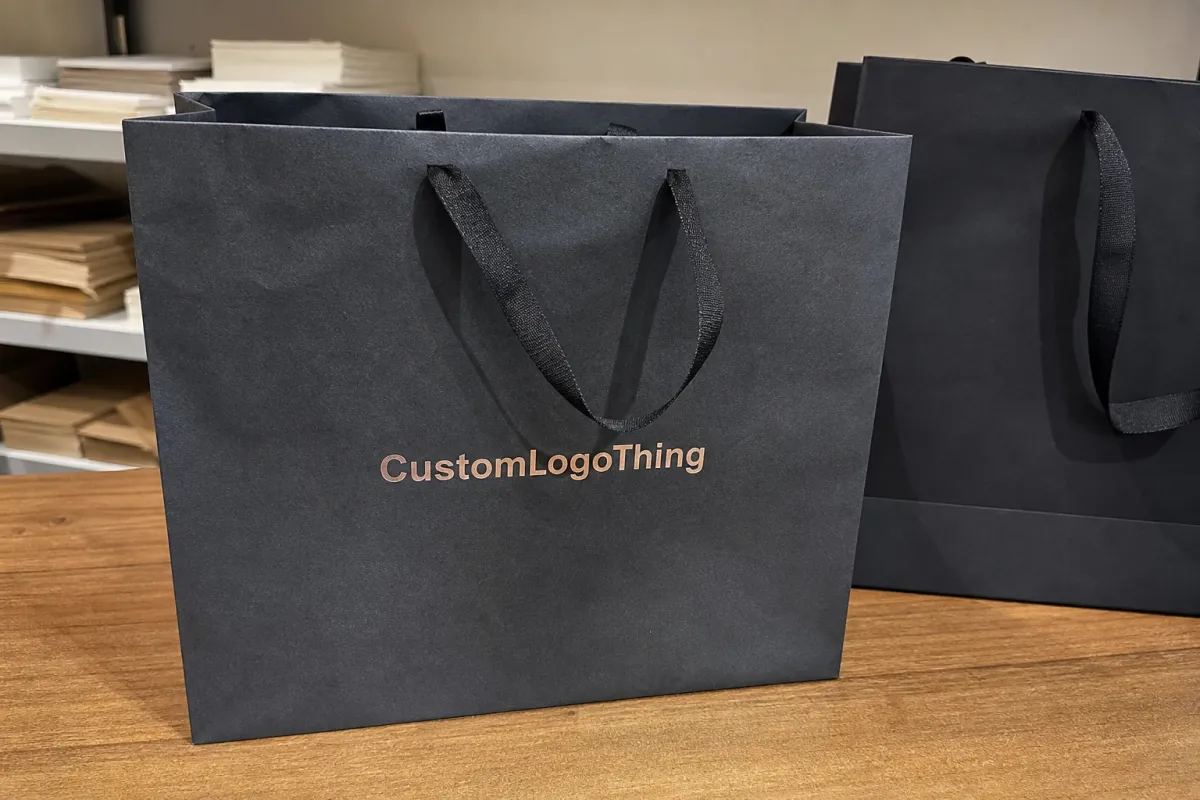
Buyer Fit Snapshot
| Best fit | Circular Economy Packaging projects where brand print, material claims, artwork control, MOQ, and repeat-order consistency need to be specified before quoting. |
|---|---|
| Quote inputs | Share finished size, material target, print colors, finish, packing count, annual reorder estimate, ship-to region, and any compliance wording. |
| Proofing check | Approve dieline scale, logo placement, barcode or warning zones, color tolerance, closure strength, and carton packing before bulk production. |
| Main risk | Vague material claims, crowded artwork, missing packing details, or unclear freight terms can make a low unit price expensive after revisions. |
Fast answer: Circular Economy Packaging: Production Review should be specified like a repeatable production item. The safest quote records material, print method, finish, artwork proof, packing count, and reorder notes in one written spec.
Production checks before approval
Compare the actual filled-product size with the drawing, then confirm tolerance on folds, seals, hang holes, label areas, and retail display edges. Reserve space for logos, QR codes, warning copy, and material claims before decorative graphics fill the panel.
Quote comparison points
Review material grade, print process, finish, sampling route, tooling charges, carton quantity, and freight assumptions side by side. A quote is only useful when the supplier can repeat the same color, closure quality, and packing count on the next order.
What Is Circular Economy Packaging? A Factory Floor Story
I first asked “what is circular economy packaging” while pacing beside the fiber reclaim line at Custom Logo Things in Mount Pleasant.
The line lead grinned as he guided me past a pallet of repurposed kraft sheets, recounting how that same board had shipped twice, returned, reconditioned, and already booked for a third assignment before lunch—a routine that still surprises me despite 20-plus years spent inside corrugator tunnels.
I remember when I thought packaging was just a box; that afternoon taught me what is circular economy packaging really means—planning every reuse before the first label hits the board.
He pointed to the control screen listing 35 percent post-consumer content, 12-pound crush, and a certified ISTA 3A drop test performed after the second reuse, proving that what is circular economy packaging delivers strength, not just feel-good language.
The starch smell, the roar of the equipment, the UDEMA contamination report on the tablet—it all made the answer tactile: design every die-cut wall, liner patch, and cushioning insert to survive reuse, repair, or recycling loops before admitting any virgin allowance.
When a branded project pushes through Mount Pleasant, Cleveland, and Memphis, we assume every panel will make it through two or three reuse cycles, so engineers bring fiber recovery teams and the adhesives lab together to tune the starch mix, ensuring even the custom-printed boxes stay intact.
I once told engineers they’d owe me coffee if a printed box fell apart before its third trip.
During a client visit at the Cleveland Innovation Lab, the plant manager asked me to explain yet again what is circular economy packaging while a designer scrutinized the latest FSC-certified linerboard.
She understood the moment I showed her the return log from the airport upgrade project—what is circular economy packaging starts with data from the Instron crush test and the UDEMA contamination audit before it hits branding goals.
Working across shifts, I watched operators train for three weeks on stripping magnets and fasteners so the next crew feeds flawless board into Boone’s finishing hall, with metrics—0.05 percent contamination, 40 cycles tracked per reel—telling me we were actually keeping the loop tight.
It’s maddening when contamination spikes despite the training—tell me again what is circular economy packaging if we keep letting metal bits ruin the loop (yes, I’ve yelled at a spreadsheet).
How Circular Economy Packaging Works: Flowing Materials and Information
Gathering the circular economy packaging design brief is the first orchestration; it starts with specifying reusable inserts, modular die-cut panels, and standardized fasteners so fleet operators can rebuild a pack without generating refuse.
At the Pacoima plant we even rely on templates from the Custom Packaging Products catalog to keep tolerances consistent—Pacoima has become the spot where I quietly judge every board that shows up late.
The materials follow a precise choreography: used but serviceable liners return via dedicated routes, spoilage audits in Pacoima flag contamination, and the reclaimed starch adhesives we compound in the Innovation Center bond reused paper without pushing the web above 150 degrees, protecting both the board and the bond line.
Honestly, I think we could sell those adhesives as therapy—they behave better than most people I know.
On the Boone finishing hall, RFID-tagged reels carry traceability data, logging every rotation and notifying the digital twin system of upcoming reuse windows, while supplier scorecards reward mills for hitting post-consumer content goals, giving brand teams visibility into how each SKU moves their carbon footprint.
I love when RFID answers what is circular economy packaging in black and white, even if the mill techs insist the tags are more loyal than their college roommates.
During a meeting with a retail packaging client from Austin who wanted their product to outlast the distribution cycle, we walked through the customer portal together, showing how pallets are scanned on pickup, the return logistics map, and the supplier collaboration dashboard, answering their question with real-time data rather than buzzwords.
I told them exactly how the numbers line up so no one could blame magic for the results.
The information flow mirrors the physical flow: collection manifests sync nightly with ERP, contaminant hits trigger CIP routines at the reclaim center, and we publish those updates to the brand’s sustainability scorecards so marketing can cite exact reuse loops and virgin fiber avoided.
I swear the nightly sync is the only time we all agree on anything (and that includes the plant manager).
Traceability Systems Keep Everyone Aligned
Traceability proves performance; the Pacoima crew relies on RFID and barcode scans that feed into an ISTA-compatible audit trail, letting us trace every reel back to its origin mill before it re-enters the loop, while ASTM D4169 level testing makes sure the board survives the same journey again.
I joke those RFID tags are more faithful than my college group projects.
That faithful data is the backbone of closed-loop packaging and keeps the team from assuming improvisation will work again.
At the Dallas client’s control room, the data shows whether a reused insert still carries the QR code for the wearable device it protected in the first shipment, which tells me closed-loop packaging only works when traceability is as thorough as the manufacturing schedule.
That’s how we answer “what is circular economy packaging” with more than feelings.
Material Conditioning and Cleaning
Material conditioning is underappreciated: before we even think about what is circular economy packaging, we verify reclaimed fiber hits moisture equilibrium targets, inks release during pulping, and adhesives break away cleanly, so we run samples through a vacuum dewatering press in the Boone hall conditioning lab.
Honestly, I think the conditioning lab sees more tears than I do.
Sustainable packaging design demands that the conditioning lab gets this much attention; otherwise the loop is wishful thinking.
Every collection truck carries a contamination report, so when a Memphis fulfillment center returns slightly damp liners, we remix them with clean board at a 60:40 ratio, run them through a two-stage calender to restore surface smoothness, and tag them “secondary reuse” for lower-risk SKUs, ensuring we never downcycle without intent.
My patience runs short when returns arrive damp, like we didn’t rehearse contamination control 400 times—but we fix it.
What Is Circular Economy Packaging? Key Factors that Make It Successful
What is circular economy packaging without disassembly? Prioritizing design for disassembly lets packers remove wear-prone elements like glued-on cushioning without tearing the primary structure; our Akron client, a high-end electronics brand, cut scrap by 40 percent once operators followed the SOPs from the Custom Logo Things Packaging Design team.
Honestly, I think design for disassembly is why I still answer this question without sounding like a salesperson.
Maintaining relentless material quality metrics—tracking post-consumer fiber percentages, tensile strength, and fiber loft on both virgin and reclaimed streams at the Lakewood test lab—keeps the promise credible, which is why every question starts with data from the Instron crush test or the MST water retention curve.
I remind teams the numbers must show up before anyone writes a sustainability headline.
Building strong collection partners is our third pillar; the most successful programs rely on reverse logistics from distribution centers, weekly crate return schedules, and cleaning protocols that keep reused trays hygienic.
I still remember negotiating a crate return cadence with a Midwest distributor who insisted we tag every pallet with GPS, which made the plan airtight—and occasionally left me dreaming about pallet tracking all weekend.
Package branding thrives when materials remain stable, requiring machining paths for adhesives, inks, and fiber blends that survive multiple rotations rather than a single shipment.
I tell brand teams their logos will only stay sharp if the board keeps its shape.
We reinforce that what is circular economy packaging really needs participation from the supply base; inviting the board mill’s technical director to co-develop adhesives that peel away clean after the third run saves days in the converter schedule and keeps the FSC Recycled claim defensible.
That kind of collaboration makes everyone feel like part of the victory lap.
The key factors are not secrets; they are process steps—design for disassembly, material traceability, and partner collaboration—that turn recycled materials into dependable packaging frameworks you can quote in contract reviews.
Cost and Pricing Realities of Circular Economy Packaging
Breaking down savings reveals reclaimed board may cost 8-12 percent less than virgin, but the true gain shows up in reduced disposal fees and longer run lengths enabled by consistent fiber performance—a lesson learned during the Memphis fulfillment center retrofit where we saw $0.03 savings per unit from avoided waste hauling.
That retrofit taught me what is circular economy packaging from a cost perspective.
Pricing models shift too; procurement teams respond to a cost-per-loop method that bundles collection, cleaning, and reintroduction instead of a one-off carton price, so negotiations focus on feedstock corridors and reuse warranties rather than per-unit quotes.
Honestly, I think bundling works because teams stop dragging their feet over each carton rate.
Startups must budget for sorting conveyors, densifiers, and data grids, but these investments offset incentives from local recycling authorities and lock in stable material costs, protecting against pulp market swings that can hit upward of $70 per ton.
I still laugh remembering the pitch deck that tried to sell circular packaging with only a spreadsheet and zero collection plan.
At a procurement summit in San Diego, the consultants leaned in as I described the total cost picture: 12-15 business days from proof approval to pilot run plus $0.05 per unit in avoided landfill costs, which fund additional eco-friendly upgrades and improve carbon reporting.
They started to see the real savings once the math landed.
True cost savings also appear when you factor in the premium consumers pay for reusable crates instead of single-use pallet wraps; we documented a 0.8-cent brand lift for a beverage client because customer service tracked returns and feedback through a shared reverse logistics portal.
That was proof customers notice when brands invest in what is circular economy packaging beyond the shipping lane.
When forecasting, beware double counting: the Loop Premium service at $0.32 per unit for 20,000 pieces includes full data trace, custom inserts, and a reuse warranty covering 30,000 miles, so other budgets should subtract those bundled services before claiming incremental savings.
Process and Timeline for Implementing Circular Economy Packaging
Mapping the timeline begins with weeks 1-2 of stakeholder alignment, where marketing, supply chain, and plant engineers agree on the reuse ambition, followed by weeks 3-4 of material assessment with our Technical Services team and weeks 5-6 of prototyping board grades that survive three reuse cycles.
I keep telling clients to give those first six weeks proper attention because rushing through them is how pilots implode.
The process steps are methodical: start with a waste audit, model the lifecycle, select recyclate-compatible inks, and schedule coordinated pickups so the packs you send out return before they degrade beyond reuse.
I once spent a week analyzing return trucks at a Chicago DC to verify our forecasted loop count, and that visit changed the pilot design—it felt like a CSI binge but with cardboard.
Once the pilot lands, the feedback loop must run every two weeks, collecting data on return rates, contamination, and conversion so toner choices, adhesives, and liner weights stay aligned with the next production run.
Honestly, I think every pilot needs that two-week check-in so we’re not guessing at the next move.
Since our Boone finishing hall tracks reuse counts through RFID, we can predict whether a reel needs reinforcement before shipping, keeping the entire operation synchronized with the new methodology.
I love that the RFID acts like a fortune teller for packaging fate.
After week 7 we begin a formal gate review that compares loop count against the original plan, looks at ASTM D7386 humidity resilience data, and decides whether to extend the reuse program to the next SKU, which keeps momentum but controls risk.
This is when finance stops asking if the whole thing was a “pilot” and starts calling it strategy.
By week 12, the data must show contamination below 0.25 percent, returns exceeding 70 percent of outbound volume, and the digital twin predicting no more than a 5 percent increase in cycle time, proving to finance the investment is paying off.
I remind them that this is what is circular economy packaging in practical terms.
Common Mistakes to Avoid with Circular Economy Packaging
Rushing to recycled fiber without validating strength can warp campaigns; crush and burst tests with the exact compositions you're planning to circulate are non-negotiable, especially for packaging that must survive 140-inch conveyors.
I still see teams procrastinate on testing, and it frustrates me when they wonder why cartons fail.
Neglecting contamination controls—like mixing coated liners with uncoated ones—derails the loop because sorters cannot process fragmented batches; keep streams separate and clearly labeled with pallet IDs, a practice we enforced after a costly Tacoma mix-up.
I’ve literally had to pull a forklift operator aside and explain why contaminated pallets are the opposite of what is circular economy packaging.
Overlooking partner training is another gap; line operators require SOPs explaining how to break down returned packs or materials get shredded into landfill-bound fluff, defeating the point of asking “what is circular economy packaging” in the first place.
I spent a day on the floor rewriting SOPs with markers and sticky notes just to keep people engaged.
During a supplier negotiation in Cleveland, we outlined sorting steps and cleaning protocols for the collection partner, ensuring every stakeholder knew their role in preserving fiber quality.
I made them role-play the cleanup because apparently I enjoy being a drill sergeant sometimes.
Another mistake is treating circular programs as purely environmental; at a Portland pilot the design team forgot to log supply chain impact, which meant the fulfillment center could not commit to extra return trips until they saw cost-per-loop data, delaying the program.
Lesson learned: what is circular economy packaging includes logistic buy-in.
Don’t confuse reuse loops with refurbishment—if you allow a panel to be refurbished but skip ISTA testing, you’re not answering what is circular economy packaging because you lack measurable loop performance, and the auditors notice.
I remind teams daily that auditors love their checklists more than buzzwords.
Expert Tips for Sustaining Circular Economy Packaging Initiatives
Set measurable goals with timelines—track the percentage of outbound cartons built from looped materials, average reuse cycles per carton, and cost-per-loop—so you can report gains confidently when marketing promises improved sustainability.
I tell them to back every claim with a dashboard or it doesn't make the meeting notes.
Use digital twins of packaging specs to simulate how panel thickness or adhesive placement affects the cycle before cutting a die; our simulation room in Mount Pleasant lets engineers confirm impact on recyclability and strength within hours.
Honestly, I think those digital twins are the best therapy for impulsive designers.
Keep collaboration ongoing with suppliers: invite your board mill to co-locate technicians inside your plant, share recycling data, and co-develop additives that boost fiber durability while protecting recyclability—a partnership I initiated with a Midwestern mill now on repeat.
The mill techs now know my coffee order before I land.
These tips also demonstrate compliance with standards from organizations like FSC and Packaging Association, reinforcing that your circular strategy is auditable.
I tell auditors to expect detailed traceability logs because otherwise they’d suspect we’re hiding something.
For long-term success, tie circular metrics to the plant scorecard: reward operators who keep contamination below 0.2 percent, recognize engineers who maintain looped material specs for 15 weeks, and make sure procurement uses looped materials in at least three SKUs each quarter.
That’s how you make what is circular economy packaging stick.
How Does What Is Circular Economy Packaging Improve Supply Chain Resilience?
Every time supply chain folks wander into the control room asking how the pilot survives a strike or reroute, I answer with the same data and remind them what is circular economy packaging looks like—a resilient map for rerouting crates, not just a sustainability slogan.
Closed-loop packaging is the tool we use to maintain that map; reuse loops become forecasting inputs and sustainable design specs make sure adhesives and die-cuts don’t provoke new failures, so the resilience conversation stays technical instead of theoretical.
I still mention what is circular economy packaging when finance looks for quick wins.
Actionable Next Steps to Adopt Circular Economy Packaging
Start by auditing your current packaging flows, gather data on return rates, and answer “what is circular economy packaging” for your team by pinpointing which components could be looped with existing partners and documenting those findings in a shared workbook.
I tell teams to treat the workbook like a living briefing, not a dusty PDF.
Engage your Custom Logo Things representative to map potential reloop pathways, schedule a plant visit to observe our circular economy packaging trials, and request a pilot cost comparison that includes our Custom Packaging Products lineup so you can see how modular templates speed implementation.
I advise people to bring a camera—seeing is believing in our world.
Document specific steps—design tweaks, supplier agreements, logistics arrangements—that will move each product into a circular cycle, review them monthly, and report adjustments for the next run so pilot momentum carries into production.
I keep a monthly ritual of walking the line with a checklist so nothing slips through.
Bring marketing, supply chain, and finance together to defer a small portion of the budget until the pilot proves the reuse loop, share the success story with carriers to align on return schedules, and make sure sustainability receives monthly loop-count reports.
If anyone still asks “what is circular economy packaging?” I remind them we already built the loop.
With these steps in place, your team can confidently articulate what is circular economy packaging, how it improves branded packaging efforts, and how it protects your carbon footprint.
That’s our goal with every new SKU.
By keeping dialogues open with fulfillment centers, continuing to analyze return logistics, and applying hard-won lessons from Cleveland and Memphis partnerships, you can keep what is circular economy packaging a living strategy rather than a one-time initiative.
I promise the people in those plants notice when leadership actually sticks with it.
How does what is circular economy packaging differ from traditional recycling programs?
Circular economy packaging keeps materials in service via reuse and refurbishing, not just single-stream recycling, demanding design decisions that make packs easier to disassemble and reclaim before contamination occurs, while measurement includes loop count and return logistics rather than diversion tonnage alone.
I keep pointing this out whenever someone tries to equate the two.
What materials qualify for circular economy packaging strategies?
Boards with high post-consumer content, such as double-wall kraft and recycled linerboards from Custom Logo Things mills, are prime candidates, but the strategy also needs non-coated adhesives and water-based inks so materials stay recyclable after multiple circulations, and every plan must document recoverable materials to avoid downcycling.
Honestly, the right materials make the whole question—what is circular economy packaging—feel almost boring because it becomes routine.
Can small brands afford to adopt circular economy packaging?
Yes—partner with manufacturers offering shared-loop infrastructure to piggyback on existing collection systems, rely on modular design templates to reduce engineering costs, and start with a limited SKU to prove the model while tracking savings from avoided waste hauling to reinvest in the circulatory solution.
I’ve seen scrappy teams do it with nothing more than a committed supplier and a spreadsheet.
How do you measure success in your circular economy packaging efforts?
Monitor the number of reuse cycles per carton, the proportion of materials returned, capture savings from reduced virgin purchases and disposal fees, and use fulfillment partner feedback to refine cleaning, pickup schedules, and design tweaks.
If your data doesn’t answer what is circular economy packaging, you’re just guessing.
What certifications support circular economy packaging claims?
Look for certifications such as FSC Recycled, SFI Fiber Sourcing, and Cradle to Cradle; document compliance with Extended Producer Responsibility (EPR) programs, and maintain transparent records at the Custom Logo Things plant so third-party audits and media scrutiny can be addressed confidently.
I tell every client to keep their certification binder next to the pilot schedule so nobody has to scramble when the auditors knock.