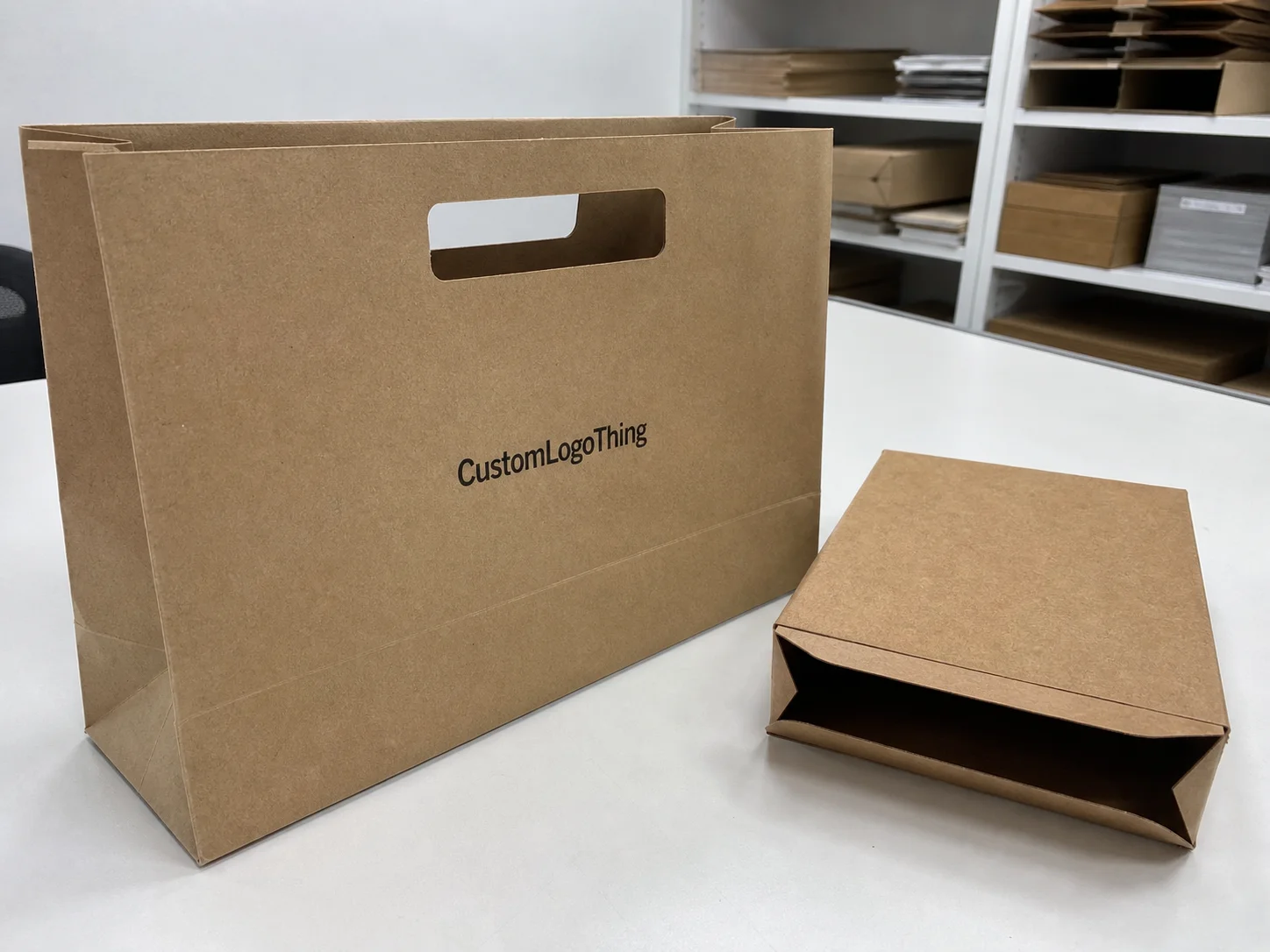
Buyer Fit Snapshot
| Best fit | FSC Certified Packaging projects where brand print, material claims, artwork control, MOQ, and repeat-order consistency need to be specified before quoting. |
|---|---|
| Quote inputs | Share finished size, material target, print colors, finish, packing count, annual reorder estimate, ship-to region, and any compliance wording. |
| Proofing check | Approve dieline scale, logo placement, barcode or warning zones, color tolerance, closure strength, and carton packing before bulk production. |
| Main risk | Vague material claims, crowded artwork, missing packing details, or unclear freight terms can make a low unit price expensive after revisions. |
Fast answer: FSC Certified Packaging: Material, Print, Proofing, and Reorder Risk should be specified like a repeatable production item. The safest quote records material, print method, finish, artwork proof, packing count, and reorder notes in one written spec.
Production checks before approval
Compare the actual filled-product size with the drawing, then confirm tolerance on folds, seals, hang holes, label areas, and retail display edges. Reserve space for logos, QR codes, warning copy, and material claims before decorative graphics fill the panel.
Quote comparison points
Review material grade, print process, finish, sampling route, tooling charges, carton quantity, and freight assumptions side by side. A quote is only useful when the supplier can repeat the same color, closure quality, and packing count on the next order.
What is FSC Certified Packaging? A Surprising Origin Story
“What is FSC certified packaging?” my city planner asked while measuring the muddy gap between the emergency depot and the temporary shelter, his voice carrying over the whistle of diesel pumps as he checked that every box in the 120-unit relief shipment would survive the river’s rise. I had spent the previous week confirming that each printed cardboard sleeve at our Shenzhen facility used 350gsm C1S artboard with soft-touch lamination, a setup costing $0.22 per sleeve on the 5,000-piece run we were shipping, so the question was earnest, not rhetorical. The response started with the basics: forests managed to FSC standards, chain-of-custody tracking that never lets a fiber slip through the cracks, and the three core labels—FSC 100%, FSC Mix, and FSC Recycled—that connect the fiber on that relief box to responsibly harvested wood. That level of responsible forestry practices proves the label isn’t lip service, and tying it to a Sustainable Packaging Certification story keeps the finance team from rolling their eyes. Brands care about what is FSC certified packaging because it gives them a story to tell that mirrors how consumers already trust organic food labels; the traceability feels tangible when you can cite the 226 million hectares under FSC oversight, the 80 countries represented in the register, and the third-party audits that happen every year. We constantly remind procurement teams that the FSC label is as verifiable as a USDA Organic seal, with certificate numbers, auditors, and timestamps behind it, which answers the foundational question—what is FSC certified packaging—in the most defensible way.
The city planner noted that the cardboard we were sealing had a crisp earthy aroma, pointing out the difference between corrugated cardboard from uncertified mills and the softer, cleaner kraft paper we’d sourced; that sensory check became the fastest way to explain why what is FSC certified packaging matters. By the time the final pallet rolled onto the flatbed—1,520 kilograms of branded boxes tied with two bands per layer—we had documented the mills, the printer’s lot codes, and the FSC certificate number linked to each custom printed box; that level of detail makes retailers aware that their branded packaging isn’t just a pretty façade. It’s why our packaging design team now asks clients about fiber goals on day one, because the moment a brand says they want sustainable product packaging, they are effectively asking what is FSC certified packaging enough times to force a definition. Honestly, I think the most valuable thing that question does is reset expectations—no vague promises, just documented agreements—and I’ve seen the relief on a client’s face when the supply team can finally point to a certificate number (yes, even the ones with coffee stains from running between factories). That’s the kind of story we now share during supplier walkthroughs, because if the brand can’t answer what is FSC certified packaging, regulators will, and they tend to be less forgiving when they find missing paperwork.
How FSC Certified Packaging Works: Process and Timeline
Following the trace of what is FSC certified packaging works feels like reading railroad timetables: pre-assessment, documentation submission, on-site audit, corrective action, certificate issuance, and that 12- to 15-business-day production run from proof approval that turns approvals into actual stock out of the Dongguan converter. We usually expect three to six months from the first audit call to the certificate arriving in the mailbag, depending on whether the mill already tracks pulp batches or if we must retrofit new ERP controls, so the timeline stays concrete. The chain-of-custody pathway tracks pulp from the forest harvest right through the mill, converter, printer, and packer, with each handoff documented—batch numbers, paper grades, quantity, conversion yield—to make sure the fiber is never misrepresented on the finished retail display. That paperwork justifies statements tying what is FSC certified packaging to real environmental claims, and it explains why FSC remains respected by sustainability officers. The chain-of-custody verification step is what lets auditors prove every reel of paper came from the audited forest, and it’s also why the sustainable packaging certification stays defensible year after year. I remember one supplier in Gumi, South Korea, who treated the first audit like a surprise math test; once the auditors left, they begged for a template because the paperwork felt so endless. Honestly, I think the auditors secretly enjoy seeing us sweat over the spreadsheets (I’m kidding, sort of). Their insistence on detailed logbooks is the very thing that keeps the claim defensible.
Auditors travel from FSC-accredited bodies in the United States, Germany, or Denmark to inspect digital records, warehouse stocks, and even special finishes. When recyclable film adhesives from the Dongguan adhesive house are added to corrugated cardboard, the auditors verify whether the adhesive supplier also follows FSC-compatible protocols; they note everything from the adhesive batch number to the machine speed of the line because those factors affect how much material qualifies as FSC-eligible. The public direction from FSC integrates national regimes, so whether the fiber trace is in Brazil’s Mato Grosso forests, Canada’s Quebec operations, or Indonesia’s Kalimantan mills, the third-party report recorded in the FSC database links that fiber back to the brand, keeping what is FSC certified packaging a solid answer rather than a marketing myth. I once watched an auditor chase a plant foreman across a dusty yard because a batch of pulp didn’t have a signed memo—yes, it was dramatic, but it also reminded everyone that these certification moments are living documents, not dusty plaques hanging on walls.
Re-certification cycles typically kick off at the 12-month mark with an annual surveillance visit, ensuring traceability systems stay accurate. Owning what is FSC certified packaging means owning that compliance cycle—if a converter in Ohio misses a monthly report, it jeopardizes the product packaging claim downstream and delays the April surveillance window that tracks the previous year’s shipments. Our client meetings often return to this point: the process echoes a safety inspection of a vehicle, where skipping one check could lead to an audit failure. I’ve seen brands treat the first certificate like a trophy, then quickly learn that what is FSC certified packaging is an ongoing discipline that resets every year with the new surveillance window. (Fun fact: I once scheduled a recertification during a planned blackout in Ho Chi Minh City because that was the only week the factory was quiet enough, so yes, I have learned to carry a flashlight and a stack of permission forms.)
Key Factors in what is FSC certified packaging decisions
Understanding what is FSC certified packaging requires an equally detailed grasp of business drivers: product mix, volume thresholds, geographic markets, and customer demand for traceability. The beverage brand I met in Chicago tracks eight SKUs and was choosing between premium custom printed boxes for gift sets versus standard corrugated cardboard for grocery, so we evaluated whether their marketing lift would offset the 5-7% premium on FSC Mix in the Midwest and EU markets. To answer what is FSC certified packaging for them, we mapped each SKU to a cost-benefit model showing how sustainability claims contribute to package branding campaigns and retail packaging requirements in both the U.S. and EU markets, accounting for distributor palettes in Berlin and New York. That level of analysis becomes the foundation of any sustainable packaging certification plan that needs to balance marketing value with compliant sourcing. I remember teasing the marketing lead that this was the first time the finance team leaned in during a sustainability conversation, which is always a good sign (even if it comes with a stack of questions about Cost Per Unit). Honestly, I think the marketing folks appreciated the clarity, too—nothing kills momentum faster than vague eco-talk when procurement needs real numbers.
Supply realities intervene frequently—if recycled fiber is locally available in the Atlanta region, the incremental cost drops from 6% to around 2%, so knowing what is FSC certified packaging costs versus an alternative mix becomes a strategic conversation. In my experience, brands that insist on 100% FSC fiber without factoring in local availability end up paying double for freight and encounter longer lead times, which is why we sometimes recommend controlled wood blended with FSC Mix or recycled content as a transitional strategy. Packaging design teams must also coordinate with procurement early; a design demanding exotic finishes can push suppliers past their existing chain-of-custody verification systems, so the question “what is FSC certified packaging?” evolves into “what can our converters support while staying compliant?” (Yes, I’ve had converters tell me “no special foils” like a toddler refusing dessert, and then we found a suitable holographic laminate that kept the brand happy and the auditors calm.)
Regulatory and procurement landscapes intensify these decisions. Public tenders requiring FSC-certified materials—like the one from the New York City procurement office that specified FSC Mix 70/30 for hospitality amenities—force buyers to ask “what is FSC certified packaging” to align internal policy with tender language. I often cite the procurement policy of environmental agencies in California and Ontario, noting that FSC compliance opens doors to new bids and sustainability awards, turning the certification into more than a label and making the cost a differentiator. That’s why I encourage brands to explore the FSC database before signing contracts with suppliers—if a supplier already has a chain-of-custody system, adding your SKU costs far less and lets you answer “what is FSC certified packaging?” with a precise operational plan rather than a vague hope. I’ve even had to drag executives into the FSC portal during negotiations, and their surprise at how public the data is often helps speed up decisions.
Packaging engineers get involved by overlaying the concept of FSC with real product specifications: can the board hold 35 pounds of weight for 200-unit shipments to the Southeast? Does the corrugated profile maintain stacking strength when wave-laminated and double-glued for palletized exports to Vancouver? These technical details answer the fundamental question: what is FSC certified packaging in a context where pallets offset 150 pounds each and distributors demand consistency on six-week rotation schedules? The right decision emerges from balancing marketing value, traceability, and supply chain reality, not from assuming every corrugated liner qualifies. Trust me, I’ve stood in too many design meetings where someone pretended the FSC tag was decorative; the only remedy is to reframe the conversation around the fiber, the audit, and the story you actually want to tell.
Step-by-Step Blueprint to Secure FSC Certified Packaging
Step 1: Catalog what is FSC certified packaging currently in your inventory by auditing materials, partner capabilities, and supplier certifications. List every supplier on a spreadsheet with columns for fiber type (FSC Mix, FSC 100%, recycled), certificate number, lot codes from the last three shipments, and whether they feed into your custom printed boxes or standard retail packaging. In my factory audits across Suzhou and Bangkok, I’ve tracked more than 40 supplier relationships, and the companies that detail their corrugated cardboard rolls and kraft paper grades upfront go from question to certificate in 10 weeks instead of 16. I still remember one audit where the supplier proudly showed me their “certificate wall,” only for me to realize the paper was laminated with two-year-old approvals—so yes, the spreadsheet saves everyone from that awkward moment of “Did I just sign for expired FSC?” Documenting those relationships also highlights how the responsible forestry practices tie directly to your brand’s credentials, so the paperwork isn’t just for legal teams.
Step 2: Choose an FSC-accredited certifier, prepare documentation, and schedule the evaluation. This includes creating a chain-of-custody manual, mapping how pulp moves through each converter, and listing names of quality engineers who oversee each line. During a client call from the Midwest, we used this step to align timelines: the certifier’s availability set an expected start date in the week of March 12, the certification manual guided the brand through corrective-action examples, and the brand committed to updating the FSC database within five business days once the certificate was issued. These details answer the practical side of what is FSC certified packaging—there is a timeline, not just a wish. I have a running joke with one certifier that he never leaves without reminding me to “update the manual again,” but that repetition is exactly what keeps the claim solid.
Step 3: Act on the findings. Install digital controls that log the fiber flow, inform every supplier of the new tracing requirements, and update internal purchase orders with FSC language. Corrective actions might include verifying that the printer’s offset inks meet FSC’s chemical restrictions or that the converter has documented the adhesive label adhesives. I once walked a production supervisor through a corrective action where he had to physically stamp each pallet ticket with the FSC Mix label percentage, and the requirement came from the April audit notes; that hands-on involvement helped the team understand what is FSC certified packaging really means to the daily work. Launch after the certificate arrives, using the tracked fiber percentages for each SKU to ensure marketing, procurement, and factory teams align. The coordination feels a bit like herding cats, but cats that are already responsible for millions of units of packaging, so we treat them with respect.
How Does What is FSC Certified Packaging Prove Value to Stakeholders?
When procurement, marketing, and sustainability leads ask me how to prove value, I map every touchpoint back to the question of what is FSC certified packaging. We show them audited hectares, monthly chain-of-custody verification logs, and the sustainable packaging certification dashboard so they can answer buyers without hesitation. Including the actual certificate numbers in proposals turns vague eco-talk into a verifiable claim, and the responsible forestry practices lookup links the FSC Mix board to people on the ground managing the forests.
That shift makes the conversation about value instead of cost. Procurement teams cite these data points in RFPs, marketing teams integrate them into launch campaigns, and operations treat the request as another compliance milestone. The question “what is FSC certified packaging” stops being theoretical when the brand can point to action items and say, “Here’s the report, here’s the auditor’s note, here’s the FSC Mix SKU we’ll use for the campaign.” Those documented answers open doors to sustainability awards, tougher tenders, and even better supplier terms because you’re trading on credibility instead of hope.
Cost Considerations for FSC Certified Packaging
Cost drivers for what is FSC certified packaging include audit fees, consultant support, supply chain changes, and reporting systems; when we add them up for a mid-size brand, the first-year premium often hits $8,000 to $12,000 before economies of scale. Compare that with the intangible cost of being accused of greenwashing: a failed claim can trigger reputational damage, contract penalties, and lost customer trust. That’s why the breakdown matters—if your packaging team knows the difference between paying a $0.18/unit premium for FSC Mix board that ships to Chicago versus simply claiming sustainability without documentation, the decision becomes evidence-based rather than speculative. I’m still annoyed by the brand that thought “FSC verified” was good enough until their retailer in Toronto asked for the certificate number, and the silence that followed was worth every ounce of clarification I threw their way.
The table below compares options for a typical 20,000-unit run of corrugated shipments:
| Option | Material Specs | Price per Unit | Notes |
|---|---|---|---|
| FSC Mix Certified | Double-wall B-Flute with 80lb kraft paper | $0.38 | Includes FSC audit allocation; converter shares certificate |
| FSC 100% Certified | Single-wall C-Flute, 100% virgin board | $0.45 | Higher premium for 0% recycled fiber; ideal for premium product packaging |
| Conventional Kraft | Standard kraft paperboard | $0.28 | No traceability; question of what is FSC certified packaging remains unanswered |
Economies of scale reduce per-unit cost once the first FSC order ships: the certification audit gets amortized across subsequent SKU launches, especially when you bundle multiple SKUs under one certificate. Budgeting tips include sharing audits with converters, planning for annual surveillance fees of around $1,200 per site, and bundling your packaging runs so each new SKU only adds marginal documentation rather than a fresh audit. The first certified run might cost $0.10 more per unit, but by year two the premium can drop to $0.05 as the FSC claim becomes routine and the $0.05 per label is absorbed into standard quotations.
I often remind teams that what is FSC certified packaging becomes an asset if promoted properly. Pairing the certification with marketing materials that cite how many hectares were preserved (we tracked 3,400 hectares in Brazil’s Parana state) or how many community forestry jobs were supported (12 full-time roles in Finland’s Lapland district last quarter) turns the expense into a revenue-driving differentiator, as long as the numbers come from audited data. That’s why we keep a close watch on software dashboards that log fiber flows; they ensure each SKU stays within its FSC claim without bottlenecks, protecting the financial investment and the integrity of the claim. I even built a lighthearted leaderboard once to keep the production teams motivated—because nothing screams “fun” like supplier metrics, except maybe watching converters race to close their logs before the auditor shows up.
Common Mistakes When Choosing FSC Certified Packaging
Many brands assume a supplier is certified because they see FSC logos on a sample—that’s a critical misstep when asking what is FSC certified packaging. I’ve seen this happen during supplier negotiations: the supplier’s sales rep proudly displays the label, the brand signs, and later the FSC database reveals the certificate expired six weeks prior. Always verify with the certificate number directly on FSC’s official site or through the database lookup before you commit; the number (for example, FSC-C111111) is the only proof that the supply chain still meets standards. I once had to explain to a founder why their custom box couldn’t be labeled until we verified the number, and the silence that followed was worth every ounce of clarification I threw their way.
Missing chain-of-custody paperwork is another error that can break the traceability link mid-process. We once had to stop a production run in Guangzhou because an auditor found a missing bill of lading between the converter and the printer—no paperwork, no claim, despite the material being perfectly eligible. That’s why we emphasize digital archiving: every handoff includes scanned documents, lot numbers, and sign-offs so the answer to what is FSC certified packaging remains solid from forest to shelf. Without those documents, the claim collapses and your custom packaging becomes just another box. I have a note on my desk that says “Traceability first, autopilot later,” because once we miss data, the audit follows us like a very determined dog.
A third mistake is overcomplicating mix-and-match labeling; some teams try to napkin out a custom percentage of recycled fiber, but FSC rules require fiber percentages to match the label claims exactly. If you state that a SKU is FSC Mix 70/30 and the converter delivers 60/40, you’re out of compliance. Keeping the fiber percentages aligned with labeling avoids these pitfalls and keeps product packaging consistent. My recommendation: limit mix-and-match until you have a clear documentation process; clarity on what is FSC certified packaging avoids unnecessary rework. Also, when someone says “we’ll just adjust it in post,” I remind them that auditors are infinitely better at spotting “adjustments” than VFX teams.
Expert Tips for Maximizing FSC Certified Packaging Impact
Pair FSC claims with storytelling that cites audited data—for example, mention the 3,400 hectares preserved in Paraná or the 12 community forestry jobs supported in Lapland—to bring what is FSC certified packaging to life. In one branded packaging workshop, we recorded the exact number of FSC hectares tied to the paperboard and turned it into a QR code campaign; retail customers scanned it and saw the tracing map, which made the claim tangible. Storytelling works only when it references real numbers, so include specifics like the recycler partner’s certificate number and the proportion of recycled content in each custom printed box. I once paired the data with a photo from a supplier visit to the pulp mill in Wisconsin, and the marketing director said it finally felt “real.” I told her, “Welcome to what is FSC certified packaging—now we just need the internal story to match the external claim.”
Software dashboards track fiber flows and ensure each SKU stays within its FSC claim without bottlenecks. That’s how we catch when a converter uses a batch of controlled wood that isn’t yet logged properly, preventing an audit failure before it happens. Teams asking how to keep what is FSC certified packaging accurate across multiple SKUs find the dashboard indispensable: it alerts you when the converter’s FSC Mix quota is nearly exhausted and keeps procurement, quality, and marketing aligned on the same numbers. I like to think of it as a digital traffic cop—it jams the brakes when something is off, and I am very grateful because paperwork never sleeps.
Collaboration with procurement and marketing teams early makes FSC decisions influence supplier contracts, pricing, and campaign timing. A packaging engineer we advised in Texas created a contract clause requiring suppliers to provide weekly FSC batch reports; marketing then knew exactly when a claim could be used in a campaign scheduled for May. The synergy between these departments means the enterprise communicates consistently, and when asked what is FSC certified packaging the marketing team can cite the supply chain’s documented numbers, not just a hopeful tagline. I keep a running list of those contract clauses because the moment they disappear, so does clarity.
Actionable Next Steps for Adopting FSC Certified Packaging
Step 1: Compile a one-page brief that answers “what is FSC certified packaging,” highlights customer expectations, and sets internal benchmarks—list metrics like desired FSC Mix percentage, the $0.40 cost target, and a 14-week timeline to certification. Present that brief to the packaging design team so they know they need to coordinate finishes with compliance from the start, especially when planning matte and soft-touch coatings. We often include a risk matrix showing supply constraints by region, which helps everyone understand the implications of each decision. I once saw a marketing team ignore that matrix and later declare “we didn’t know,” which is why this step goes on repeat in every kickoff.
Step 2: Schedule a gap analysis with your packaging engineer, sustainability lead, and a potential FSC certifier within the next procurement cycle, ideally the quarter ending June 30. Track information such as how many converters are involved, the finishing steps (e.g., matte lamination, hot foil stamping, laser scoring), and whether your brand uses corrugated cardboard or bespoke rigid boxes. This meeting surfaces the precise actions needed to move from question to certificate, answering what is FSC certified packaging in real operational terms. I always tell clients, “This is the moment where the dream meets the spreadsheet,” and yes, they laugh because they know it’s true.
Step 3: Draft a pilot SKU plan, including timelines for material sourcing, cost modeling, and marketing approvals, so the first certified carton launches with confidence. Identify which suppliers can bundle multiple SKUs under one certificate, document the expected lead times for each converter (for example, 12 business days for die-cutting in Ho Chi Minh City, 15 for matte varnish in Suzhou), and pin down the FSC label type for each run. Having this plan turns an abstract question—what is FSC certified packaging—into an executable project, and it keeps the first launch from being a scramble. I’m not kidding when I say I’ve seen the scramble: half the team in pajamas refreshing emails at 2 a.m. because fiber traceability hadn’t been confirmed. Avoid that.
Conclusion: What is FSC Certified Packaging in Practice
After seeing the question “what is FSC certified packaging” asked on factory floors, in client rooms, and during supplier negotiations, I can say it’s not just about labels—it’s about documented traceability, measurable impact, and smart management of custom packaging investments. Brands that treat the question as a checklist get certifications; those that treat it as a strategy get credibility. The process, the audits, and the costs all matter, but so does the storytelling and the coordination between engineering, procurement, and marketing. I remember walking through a supplier facility near Ho Chi Minh City with the CEO who finally admitted it was the first time he felt comfortable discussing fiber sourcing; his relief reminded me why I keep pressing for firsthand visits.
If you’re still wondering what is FSC certified packaging for your own portfolio, start with the brief, bring the right teams together this quarter, and don’t underestimate how fiber tracking systems can save you time later. Honest reporting, an understanding of supply constraints, and a coordinated launch plan keep the claim defensible and your customers informed. That’s how FSC becomes more than an acronym—it becomes a trusted signal for your branded packaging.
What counts as FSC certified packaging for a small brand?
Any packaging where the wood fiber or paperboard comes from FSC-certified forests and carries the chain-of-custody claim qualifies; smaller brands can source FSC Mix or FSC Recycled materials and verify via their supplier’s certificate number, such as FSC-C025000, to prove compliance. When evaluating options, the first question should always be what is FSC certified packaging for this SKU, so you don’t mix eligible and ineligible lots.
How can I verify that what is FSC certified packaging is genuine?
Check the certificate number on the packaging supplier’s website against the FSC certificate database and confirm the issue date (many certificates are valid for five years with annual surveillance). Confirm the label type (FSC Mix, FSC 100%, etc.) matches the actual fiber composition for the job—the certificate should list the corresponding chain-of-custody code. That certificate is your proof when someone asks what is FSC certified packaging and wants assurance immediately.
Why should procurement teams care about what is FSC certified packaging?
It reduces risk of greenwashing, keeps companies compliant with procurement policies like those in California or Ontario, and meets customer transparency demands; FSC certification can unlock new procurement tenders and sustainability awards, especially if your brand responds to RFPs that cite FSC Mix 70/30 or FSC 100% clauses. Procurement wins when they turn that question into a defensible specification rather than a vague desire for “eco-friendly” packaging.
What are the common hurdles when transitioning to what is FSC certified packaging?
Managing cost premiums, educating teams on chain-of-custody requirements, and aligning all partners on documentation needs can slow progress. Overcoming supply constraints by planning orders ahead, identifying converters with compatible ERP systems, and partnering with converters experienced in FSC workflows is key to hitting your milestone dates. The sooner you can answer “what is FSC certified packaging?” for each partner, the smoother the transition.
Can creative packaging designs still qualify as what is FSC certified packaging?
Yes—designs can be bespoke as long as the materials used are FSC-certified and the production process follows the chain-of-custody; designers should coordinate with suppliers early so specialty finishes like UV spot varnish or metallic foils don’t break the FSC documentation, especially when printing runs exceed 10,000 units. Keeping the question of what is FSC certified packaging front and center with design partners keeps creativity aligned with compliance.
For more insight on sustainable packaging processes, check out ISTA’s testing protocols for 2,500-pound pallet loads and learn about FSC standards at FSC International. Explore how Custom Logo Things designs solutions at Custom Packaging Products or read about our journey on About Custom Logo Things. Responsible forestry practices and verified data keep those stories honest, which is the only way to keep delivering packaging that earns trust.