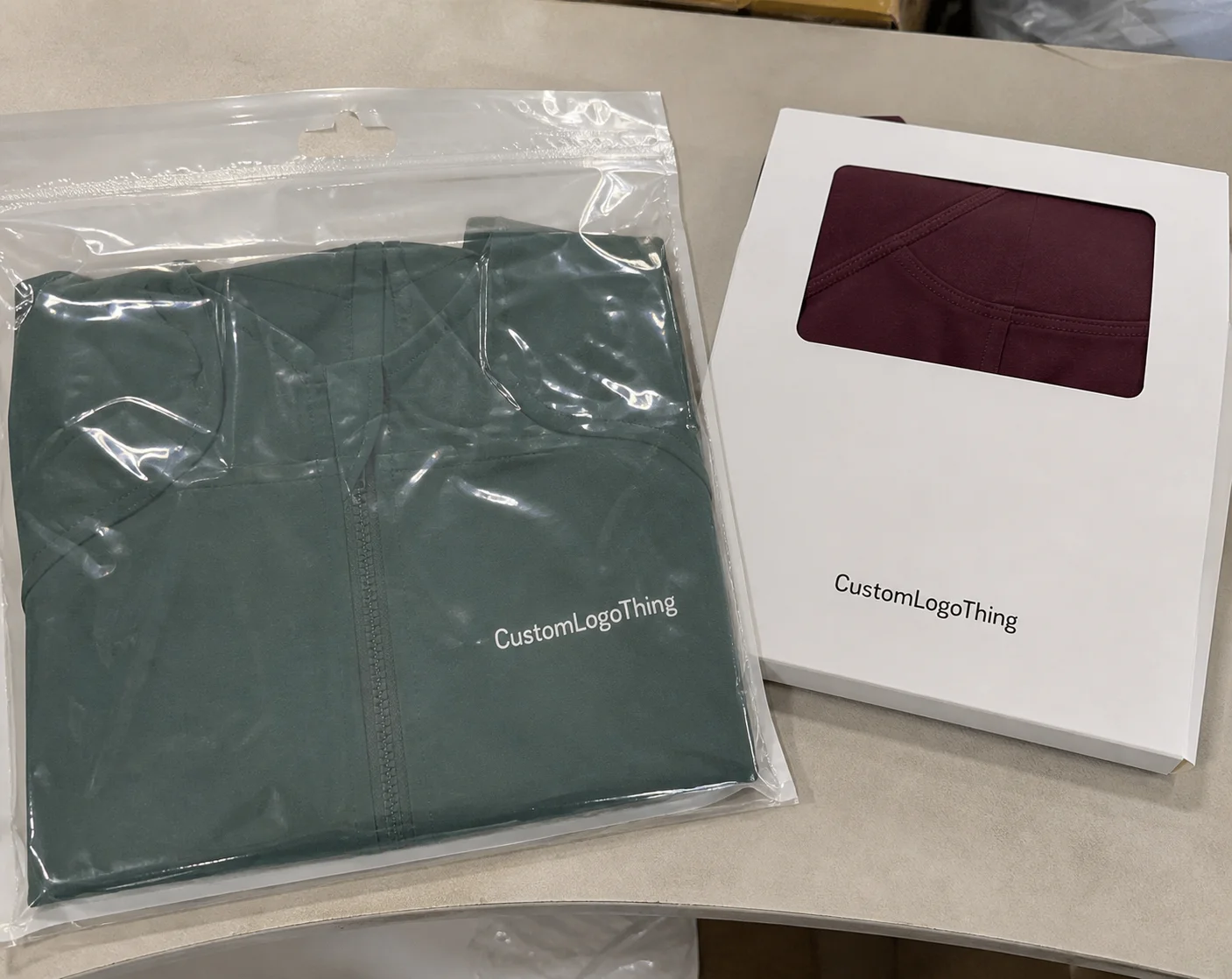
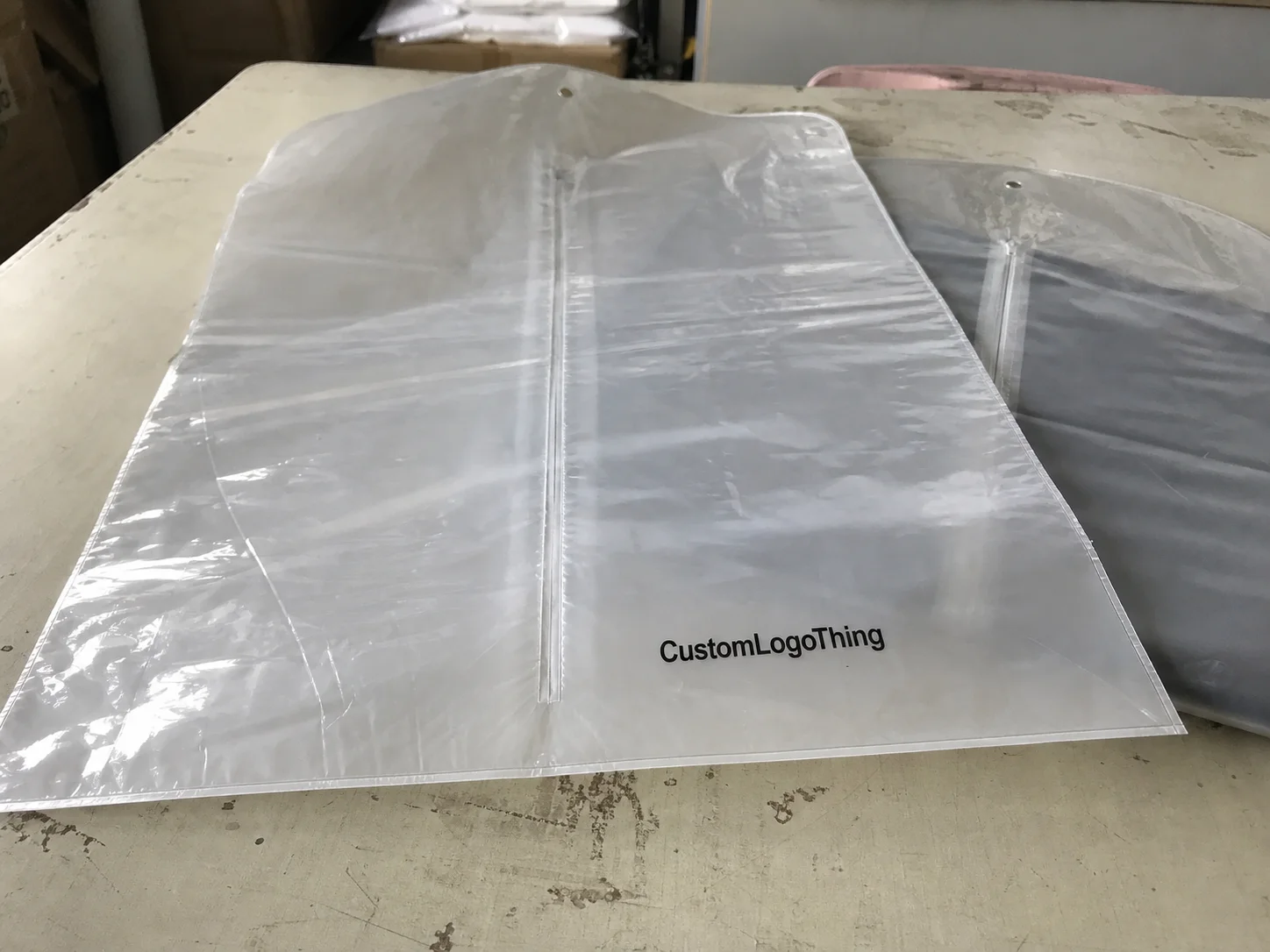
Buyer Fit Snapshot
| Best fit | Reusable Packaging Solutions for Brands projects where brand print, material claims, artwork control, MOQ, and repeat-order consistency need to be specified before quoting. |
|---|---|
| Quote inputs | Share finished size, material target, print colors, finish, packing count, annual reorder estimate, ship-to region, and any compliance wording. |
| Proofing check | Approve dieline scale, logo placement, barcode or warning zones, color tolerance, closure strength, and carton packing before bulk production. |
| Main risk | Vague material claims, crowded artwork, missing packing details, or unclear freight terms can make a low unit price expensive after revisions. |
Fast answer: Reusable Packaging Solutions for Brands: Material, Print, Proofing, and Reorder Risk should be specified like a repeatable production item. The safest quote records material, print method, finish, artwork proof, packing count, and reorder notes in one written spec.
Production checks before approval
Compare the actual filled-product size with the drawing, then confirm tolerance on folds, seals, hang holes, label areas, and retail display edges. Reserve space for logos, QR codes, warning copy, and material claims before decorative graphics fill the panel.
Quote comparison points
Review material grade, print process, finish, sampling route, tooling charges, carton quantity, and freight assumptions side by side. A quote is only useful when the supplier can repeat the same color, closure quality, and packing count on the next order.
On a humid morning at a corrugated converting plant just outside Shenzhen, near Dongguan’s industrial corridor, I watched a buyer from a cosmetics brand lift the same returnable tote for the third time and say, almost in disbelief, “I thought reusable packaging was just for auto parts.” I remember that moment because it was equal parts funny and revealing, and a little painful too, because so many brands still make that assumption even after seeing sample units from factories in Guangdong, Vietnam, or northern Mexico. That reaction comes up more often than people think, which is exactly why a what is reusable packaging solutions guide matters for brands trying to cut waste, protect product, and keep labor under control. The short version is simple: reusable packaging is no longer a niche industrial idea; it now shows up in retail packaging, ecommerce fulfillment, internal plant transfers, and even branded packaging programs that need to look polished after 10, 20, or 50 trips.
If you’ve been trying to decode the what is reusable packaging solutions guide conversation, I’d frame it this way: it’s not just about a sturdy box or tote, and it is definitely not just a sustainability label. It’s about a system built to be filled, shipped, returned, cleaned, inspected, and used again, sometimes 20 times, sometimes 100 times, depending on the substrate, the pallet pattern, and the handling environment. In my experience, the brands that get the best results treat it like an operating model, not a one-time purchase. They also keep a close eye on the boring stuff—labels, stack patterns, return rules, repair timing, and cycle count—because the boring stuff is usually where the money hides, especially when a line runs 12 shifts per week and the packaging is cycled through a 3PL in Nashville or a co-packer in Suzhou.
What Is Reusable Packaging? A Real-World Definition
Here’s the cleanest definition I use when talking with clients: reusable packaging is packaging designed to be used multiple times across a supply chain, then returned, cleaned, inspected, repaired if needed, and redeployed. That is the core idea behind any what is reusable packaging solutions guide worth reading. It differs from disposable packaging because the package itself is part of the asset pool, not a single-use wrap or shipper that gets crushed after one delivery. I’ve spent enough time in plants from Monterrey to Penang to know that this distinction sounds simple right up until someone tries to budget for it with a spreadsheet that still assumes one trip per unit.
Many people still picture metal milk crates or heavy industrial bins, but the field has expanded far beyond that. I’ve seen foldable crates for apparel, returnable transit totes for electronics, corrugated plastic containers for warehouse transfers, rigid Mailers for Subscription brands, display trays for retail resets, and reinforced custom inserts that keep fragile glass bottles from rattling around in repeated shipments. In practical terms, the answer to what is reusable packaging solutions guide is tied to a lot more than one product category. The material may be polypropylene, PET, paperboard, or a hybrid structure with molded features, but the logic is always the same: use it, bring it back, use it again, and track how many cycles it survives before a hinge, corner, or latch needs replacement.
It also helps to separate reusable, recyclable, and compostable packaging, because brands mix those up constantly. Recyclable packaging is designed to be recovered after use and processed into new material, usually through a municipal or industrial recycling stream. Compostable packaging is intended to break down under specific conditions, often in industrial composting facilities with controlled moisture and temperature. Reusable packaging, by contrast, is built to survive multiple trips, which changes thickness, closure design, print durability, cleaning protocols, and even barcode placement. If you’re asking what is reusable packaging solutions guide for a real operation, the answer is repeated use, not single-trip end-of-life recovery.
Reusable packaging tends to fit best in closed-loop systems, subscription programs, internal plant transfers, retail refill models, and B2B distribution networks where the same assets can reliably come back. I’ve walked distribution centers in Kentucky and Kuala Lumpur where totes are sorted by lane, scanned on return, and restacked in exact pallet patterns for the next outbound load. That is the kind of environment where the what is reusable packaging solutions guide becomes operationally useful instead of theoretical. If you can see the tote come back, you can manage the tote. If you can’t, you’re basically donating money to the logistics gods and hoping the loss rate stays below 8%.
One thing most people get wrong is that a reusable system is not just a container. It also includes tracking rules, handling instructions, cleaning, repair, storage, and return logistics. If you ignore those pieces, you don’t have a system; you have expensive packaging sitting in a corner. Honestly, that is the difference between a smart packaging design and a very costly pile of plastic, especially if the asset was made in a 600,000-square-foot injection molding facility and shipped halfway across the country before anyone defined a return label.
How Reusable Packaging Solutions Work in Practice
In practice, a reusable packaging loop follows a fairly disciplined cycle, and the details matter. First comes design and fabrication, where the package is sized to the product, the pallet footprint, and the abuse it will see. Then there’s the first shipment, followed by collection, sorting, inspection, cleaning or refurbishment, and redeployment. That sequence is the backbone of any what is reusable packaging solutions guide because the package only earns its keep if it keeps moving. I’ve seen more than one polished pilot stumble simply because nobody defined who was supposed to wash, scan, and reissue the assets after return, even when the prototype was produced in 14 business days from proof approval.
The material selection depends heavily on the environment. For heavier loads and repeated warehouse handling, I’ve seen excellent results with corrugated plastic made from polypropylene, especially in 3 mm, 4 mm, or 5 mm sheet thicknesses. For molded assets, injection-molded polypropylene gives better impact resistance and dimensional repeatability. For visible retail-facing applications, thermoformed PET can provide a cleaner presentation, while reinforced paperboard may work in lighter-duty systems where branding and foldability matter more than wash cycles. A lot of teams also specify 350gsm C1S artboard for light reusable cartons or folding retail shippers, but only when the route is controlled and the cleaning cycle is minimal. The right substrate is a big part of answering what is reusable packaging solutions guide in a way that works on a real dock floor. If the package is going to live near a Mettler-Toledo checkweigher, a heat tunnel, and a grumpy forklift operator, the substrate had better be honest about what it can handle.
At a co-pack facility I visited near Guadalajara, operators were scanning reusable totes with handheld readers as soon as cases were packed. The tote ID, route, and cycle count were all captured before the pallet reached the stretch wrapper. That sort of tracking is increasingly common, and it usually relies on barcodes, QR codes, or RFID tags, depending on the budget and the volume. A basic printed barcode label may add only $0.03 to $0.08 per unit at 10,000 pieces, while an RFID inlay can add $0.18 to $0.45 per tag depending on chip type and encoding. The higher the asset value, the more likely the client is to invest in a more granular tracking method. That is a practical detail often skipped in a generic what is reusable packaging solutions guide. And yes, if the label peels off after one humid week in Veracruz or Ho Chi Minh City, the whole tracking strategy becomes a very expensive guess.
Cleaning standards vary quite a bit by industry. Food contact packaging needs wash validation and residue control. Cosmetic packaging may need odor management and appearance checks, especially if the package is used near fragranced products or oils. Medical and pharma-related applications often require documented inspection, segregation, and traceability. Industrial parts packaging may not need sanitizing, but it still needs dust removal, crack checks, and confirmation that the closures still hold. I’ve seen one plant near Columbus use a simple five-point inspection card with go/no-go criteria for hinge wear, scuff depth, label legibility, edge cracking, and latch tension. It was basic, but it worked, and the whole inspection took less than 90 seconds per tote. I actually respect that kind of stripped-down process more than a fancy dashboard nobody opens after week two.
For timelines, I usually tell clients that initial design and prototyping may take 5 to 10 business days for straightforward structures, while custom molded programs often take 12 to 15 business days from proof approval before first samples are ready to evaluate. Rollout takes longer if you need load testing, drop testing, or logistics setup across multiple sites, especially if the program touches facilities in Texas, Ontario, and southern China at the same time. When a customer asks what is reusable packaging solutions guide timeline-wise, I remind them that the package itself is only half the project; the return loop and the team training can take just as much time. If someone says, “Can we just launch this by Friday?” I usually laugh a little, because packaging changes have a funny way of humbling even the most confident forecast.
For teams evaluating performance standards, organizations like ISTA provide recognized test methods for transit packaging, while the EPA has useful material recovery and waste reduction resources at epa.gov. Those references help keep the conversation grounded in testable outcomes instead of sales language, and they pair well with internal testing such as ASTM D4169 or a 3-foot drop sequence on the distribution floor.
What Makes a Reusable System Cost-Effective?
The cost equation is where the what is reusable packaging solutions guide conversation gets real, because the first quote rarely tells the whole story. A reusable program usually includes upfront design or tooling, the manufacturing unit cost, transportation, cleaning, storage, repair, and the loss rate from damaged or unrecovered assets. If you only compare the initial purchase price, you can make the wrong decision very quickly. I’ve watched procurement teams celebrate a low unit cost, only to realize later that they were buying a shortcut straight into higher freight, higher labor, and replacement spend that showed up in month three instead of month one.
Yes, reusable packaging usually costs more on day one. That is normal. But the cost per trip can drop sharply after multiple cycles if the system is designed well. I’ve seen a molded polypropylene tote cost $8.40 to $12.75 per unit at mid-volume, while a lighter custom paperboard shipper might be $1.10 to $2.20 per unit but only survive one trip or a single controlled return. If the tote completes 15 or 20 turns, the math changes completely. That is the economic heart of what is reusable packaging solutions guide for procurement teams. Frankly, the first quote is often the least interesting number in the room.
Geometry matters more than most buyers expect. A package that stacks cleanly at 600 x 400 mm, for example, can improve cube utilization and pallet density across a lane. That affects freight rates, trailer fills, dock labor, and storage efficiency. I once sat through a pricing review where two nearly identical totes had a 7% difference in outer dimensions, and the smaller one saved enough pallet positions to reduce monthly freight by four figures, especially on lane-heavy shipments moving out of Savannah and Rotterdam. Little changes like that are exactly why a good what is reusable packaging solutions guide has to talk about dimensions, not just durability. The engineer in the room sees that 7% and nods; the accountant suddenly becomes a believer.
| Reusable Option | Typical Unit Cost | Best For | Key Tradeoff |
|---|---|---|---|
| Corrugated plastic tote | $6.50-$14.00 | Warehouse transfers, retail replenishment | Higher upfront spend, moderate print options |
| Injection-molded polypropylene bin | $8.00-$18.00 | Heavy-duty closed-loop logistics | Tooling and lead time can be higher |
| Reinforced rigid mailer | $2.25-$5.50 | Subscription and ecommerce returns | May need return labeling and strict size control |
| Thermoformed PET tray | $1.80-$4.20 | Display and presentation packaging | Can scratch if handling is rough |
Custom printing, closures, dividers, and tamper-evident features also affect price. A one-color logo might add only $0.02 to $0.06 per unit at 5,000 pieces, while a multi-panel branded packaging program with serialized tracking, custom foam or molded pulp inserts, and a matte UV coating can push costs up fast. That is why I tell clients to evaluate total landed cost, not just the manufacturing quote. It is the only honest way to compare product packaging options across one, five, or twenty cycles. If a package looks cheap but loses half its assets in the first quarter, the math stops being funny pretty quickly.
Here’s a detail people miss: repair and cleaning can be cheaper than replacement, but only if the asset is easy to inspect. A tote with replaceable dividers or a scannable label on a protected surface is far less expensive to maintain than a package where every scuff requires manual review. That kind of design thinking belongs in every serious what is reusable packaging solutions guide, especially if the production run comes from a facility in Foshan or Monterrey where maintenance teams are already working at full capacity.
For brands considering custom printed boxes or retail packaging with a reusable angle, the best economics usually come from standardizing footprints and simplifying graphics. If you want to explore formats that can support that approach, Custom Packaging Products is a good starting point for comparing structures, print choices, and material options.
Step-by-Step Guide to Choosing the Right Reusable Packaging
If you want the what is reusable packaging solutions guide to turn into something actionable, start with the product, not the package. Step one is a proper audit: dimensions, weight, fragility, moisture sensitivity, surface finish, and the number of cycles the package must survive. I’ve seen teams skip this and choose a tote that looked perfect on paper, only to discover that a bottle shoulder height caused rubbing marks after three trips or that a carton corner crushed against a 1.5 mm rib. That kind of mistake is avoidable, and it is usually avoidable for the very boring reason that someone rushed the discovery stage.
Step two is mapping the handling environment. Is the package moving from a factory floor to a fulfillment line, then to a retailer backroom, then back again? Or is it staying inside one plant between molding, assembly, and packing? Those are very different routes. A package that survives a controlled internal transfer may fail fast in ecommerce if it gets dropped at porch height or crushed under mixed parcels. This is where a realistic what is reusable packaging solutions guide needs to include the actual abuse profile, not just ideal conditions. Real life is not a polished slide deck; it’s somebody dragging a cart over a threshold in Chicago and pretending nothing happened.
Step three is choosing the material based on abuse resistance, print quality, hygiene needs, and sustainability goals. Corrugated plastic is popular because it balances stiffness and moisture resistance. Polypropylene is excellent for repeated folding and impact. PET can be useful where visual clarity matters. Reinforced paperboard may fit light-duty branded packaging or temporary retail programs, especially when printed on a 350gsm C1S artboard with a water-based varnish for short-life display. If your program touches food, cosmetics, or medical products, cleaning compatibility becomes as important as strength.
Step four is defining the return system. Who owns the asset? Who stores it? Who washes it? Who pays if it disappears? Those are not small questions. I once handled a client meeting where the packaging design was signed off in 20 minutes, but the return ownership discussion lasted two hours because no one had agreed whether the 10,000 totes belonged to the manufacturer, the 3PL, or the retailer. The what is reusable packaging solutions guide breaks down when asset ownership is vague, especially if the reverse route crosses state lines or borders.
Step five is prototyping and testing. Use drop, compression, vibration, temperature, and stacking tests that reflect the route, not just a lab ideal. ISTA methods are useful here, especially if your program includes parcel carriers or mixed-mode freight. Testing should also include repeated open-and-close cycles, label adhesion, and any hinge or latch movement. If the package is supposed to survive 15 trips, test for 20. That margin helps reveal weak points before production, and it gives the factory in Guangzhou or Puebla a chance to correct tooling before the full run begins.
Step six is a controlled pilot. Do not roll out to every SKU if you can avoid it. Pick one lane, one plant, or one retailer cluster, then track damage rate, return rate, labor minutes, and cleaning time. The data will tell you whether to scale, redesign, or simplify. To me, that pilot stage is the most honest part of the what is reusable packaging solutions guide process because it shows how the package behaves in the messy real world. I trust a pilot with a few bruises far more than a flawless presentation with no field time.
- Audit the product for size, weight, fragility, and cycle count.
- Map the route from origin to destination and back again.
- Select the substrate that fits abuse, hygiene, and branding needs.
- Define ownership and reverse logistics responsibilities.
- Prototype and test under real handling conditions.
- Pilot before scaling and measure the numbers.
One more practical note: if your brand cares about package branding, the visual layer should be durable enough to survive repeated handling. Soft-touch coatings, heavy ink coverage, and delicate embossing can look beautiful on first use, but they need to be checked against cleaning chemicals and abrasion. That is especially true for retail packaging, where the tote or tray may be seen by store staff and end consumers multiple times. I’m fond of handsome packaging, but I’m even fonder of handsome packaging that still looks decent after the fourth trip through a distribution center in Dallas or the sixth return cycle in a Seoul warehouse.
Common Mistakes Brands Make With Reusable Packaging
The first mistake I see is choosing a package that is durable but too heavy. That seems counterintuitive, but it happens a lot. If a tote adds 1.2 lb of tare weight and you’re shipping thousands of units by air or parcel, freight costs and handling strain can rise fast. In the what is reusable packaging solutions guide mindset, toughness has to be balanced against total handling cost. A package that survives anything but costs too much to move is not a win; it is a very sturdy headache, especially on lanes moving through Los Angeles, Toronto, or Frankfurt.
The second mistake is ignoring reverse logistics. A reusable system without a return plan is just a one-way expense. I’ve seen beautiful packaging sit in retail back rooms because no one assigned pickup timing, storage footprint, or return labeling. Then assets disappear, cycle counts collapse, and the economics fall apart. If the return loop is not planned, the package will not perform as intended. It will simply wander off into the same mysterious void where office chargers and spare pens go to disappear.
Another common error is over-specifying features that look impressive but do not help the product. Extra latches, thick foam, oversized graphics, and fancy closures can add cost without improving performance. Honestly, I think some teams get seduced by samples that photograph well in a presentation and forget to ask whether the feature changes the damage rate. A good what is reusable packaging solutions guide should keep the focus on actual handling performance. If a design makes everyone say “wow” but also makes the line crew mutter under their breath, the design may need a second look.
Skipping washability is a big issue, especially for food-safe or cosmetic applications. Residue, odor, and staining are not theoretical problems. In one cosmetics program, a lightly textured tray held scent residue after a single cleaning cycle because the coating was too porous. The fix was not complicated, but it did require a substrate change and a cleaner finish. Small decisions like that can make or break reusable packaging solutions, especially if the tray is manufactured in a facility that uses a satin varnish instead of a more washable gloss topcoat. That’s the part people forget: one tiny material choice can save weeks of frustration later.
Brands also forget to design for pallet patterns, case packing, and stack stability. If the package does not align to a standard pallet footprint, someone pays for it in wasted cube, crushed corners, or unstable loads. I’ve watched load engineers reject an otherwise solid design because it left a 14 mm overhang that caused trouble in mixed-SKU pallets. The details matter more than people expect in product packaging. The pallet, in my opinion, is the least glamorous but most unforgiving review board in the building.
Finally, teams often under-train warehouse or retail staff. If employees do not know how to collapse, return, stack, scan, or inspect the package, the system degrades quickly. A few laminated instruction sheets and a 15-minute floor briefing can save thousands of dollars. That is not exaggeration; it is the difference between a working loop and a leaky one, especially when the same operator is managing 120 units per hour on a shift in Indianapolis or Bristol. Any serious what is reusable packaging solutions guide has to account for people, not just materials.
- Too much tare weight increases freight cost.
- No return plan means high asset loss.
- Fancy features can raise price without improving performance.
- Poor washability hurts food and cosmetic applications.
- Bad pallet fit leads to instability and damage.
- Weak training shortens package life.
Expert Tips for Extending Life Cycle and Improving ROI
The best reusable systems are usually the simplest ones to keep alive. I’ve had better long-term results with standardized footprints than with highly customized shapes that only fit one lane. If a tote or tray can move across multiple product lines or facilities, you spread the asset cost over more trips. That is one of the smartest principles in a practical what is reusable packaging solutions guide. It sounds plain, but plain usually survives contact with operations better than clever does, especially when a program has to move between a factory in Tijuana and a fulfillment center in Atlanta.
Choose materials with proven fatigue resistance, and look for components that can be replaced individually. Hinges, labels, dividers, and latches should not force you to scrap the whole unit. On one plant floor in Ohio, a client extended tote life by months simply by switching to replaceable insert cards and protected label pockets, which let the body remain in service after the graphics got worn. Small design improvements like that add up, and they tend to look even smarter once maintenance starts keeping score, particularly when replacement parts cost $0.12 to $0.35 per unit instead of a full retool.
Build in visual inspection points so damaged units can be sorted fast. A red edge mark, a molded inspection window, or a scannable status label can help operators separate units that need repair from units that can go right back into circulation. If every check requires a supervisor’s judgment, the process slows down. A strong what is reusable packaging solutions guide should make inspection easy enough for a busy shift crew to follow. People on the floor are already doing six things at once; the packaging should not become the seventh problem.
Keep graphics durable but restrained. I like clean package branding that survives abrasion, cleaning, and stacking, because overcomplicated artwork tends to wear badly. If you’re using custom printed boxes or reusable retail packaging, think about abrasion resistance first and decoration second. Solvent resistance, UV exposure, and sanitizer compatibility all matter more than they do on a one-time shipper. A beautiful print that rubs off by Wednesday is just a sad, expensive sticker with ambition.
Track cycle count from day one. That sounds simple, but a surprising number of brands do not do it. Without cycle data, you cannot calculate replacement timing or real return on investment. You may think a tote is lasting 18 cycles when it’s really dropping out at 11 because of small losses and hidden damage. Data is the difference between guesswork and a defensible what is reusable packaging solutions guide strategy, and it becomes even more valuable when units are crossing sites in Mexico, Poland, and North Carolina.
Work with a packaging manufacturer that can support design, sampling, production, and process tuning. A supplier that only sells boxes won’t help much if you need fit trials, return labeling, or material tweaks after the pilot. At Custom Logo Things, I always advise clients to ask how the supplier handles prototyping, print samples, and field revisions before they commit. That conversation saves a lot of pain later, and it saves even more headaches when the first batch does not quite behave the way everyone hoped. A quote that looks good in Guangdong but fails in daily use in Michigan is still the wrong quote.
“The reusable system only works if the floor team can use it on a busy Friday at 4:30 p.m., not just in a PowerPoint deck.” — something I’ve said more than once after watching a pilot get tangled up in real warehouse traffic
What to Do Next: Building Your Reusable Packaging Plan
If you’re ready to move from theory to action, start with a product and supply chain audit. Map what needs protection, what gets returned, where loss happens, and who handles each transfer point. That first pass usually reveals more than any sales pitch can. A complete what is reusable packaging solutions guide should push you toward clarity, not more assumptions. I’d rather see a team write down five hard truths than hang on to one comfortable guess, especially if the program is expected to save $0.25 per trip across 40,000 annual cycles.
Next, create a shortlist of three package formats and compare them on cost, durability, return handling, branding needs, and space efficiency. Do not compare a tote to a mailer if the routes are different; compare the actual systems you could realistically run. I like to see teams include one conservative option, one durable option, and one lower-cost prototype so they can make a grounded decision. That mix keeps the conversation honest and prevents everyone from falling in love with the fanciest sample on the table.
Ask for samples and test them in real conditions. Put them on the factory floor. Run them through transit. Try a mock return cycle. Stack them in the back room for 24 hours. A good sample test will reveal scuffing, fit issues, label failure, or awkward handling before production begins. If your packaging design does not survive a rough Tuesday, it probably will not survive a real launch. I have a low tolerance for packaging that only works under showroom lighting, especially when the production line in Kaohsiung or Querétaro has to hit rate at 6:00 a.m.
Define success metrics before you launch. Measure damage rate, return rate, cleaning time, labor minutes, and total cost per trip. If you’re in branded packaging or retail packaging, you may also want to track appearance score after each cycle. Clear metrics keep everyone honest, and they make the final decision much easier. That is one of the most useful parts of any what is reusable packaging solutions guide: it turns a vague sustainability idea into numbers you can manage.
Build a small pilot with a limited lane or SKU set, then use the data to decide whether to scale, redesign, or simplify. I’ve seen pilots succeed because the packaging was right, and I’ve seen them fail because the team tried to do too much too soon. A narrow launch is usually the smarter move, particularly when first production has to fit a 12-15 business day sampling window and a freight schedule that already has no room for surprises.
My final recommendation is straightforward: once you understand what is reusable packaging solutions guide means, the smartest next step is to map your own use case and validate it with testing. That is how you avoid expensive assumptions and build a reusable packaging system that actually earns its place in the operation, whether your production source is in Shenzhen, Monterrey, or Milwaukee.
If you need help thinking through custom printed boxes, package branding, or a reusable format that fits your product and route, start with the structure first and the decoration second. That order saves money, protects product, and makes the whole program easier to run.
FAQ
What is reusable packaging solutions guide in simple terms?
It is a framework for understanding packaging that can be used multiple times instead of being thrown away after one shipment. It covers design, materials, return logistics, cleaning, inspection, and redeployment, so the package becomes part of a repeatable system rather than a one-time expense. In practice, that might mean a polypropylene tote that completes 18 cycles through a Dallas-to-Phoenix lane or a rigid mailer that comes back through a subscription program in Atlanta.
How does reusable packaging differ from recyclable packaging?
Reusable packaging is designed for repeated trips through a supply chain, often with a defined return loop and cycle count. Recyclable packaging is usually disposed of after use and then processed into new material through a recycling stream. A reusable carton might cost $4.80 at 5,000 pieces and be used 12 times, while a recyclable shipper may cost $1.15 and be used once before recovery.
What materials are best for reusable packaging solutions guide applications?
Common choices include corrugated plastic, polypropylene, thermoformed PET, and reinforced rigid substrates. The best material depends on load weight, cleaning needs, branding goals, and how many cycles the package must survive before replacement. For light retail programs, 350gsm C1S artboard with a protective coating can work; for heavier warehouse loops, 4 mm polypropylene sheet or injection-molded PP is usually more appropriate.
How much do reusable packaging systems usually cost?
Costs vary based on size, material, print, closures, and whether tooling or custom features are required. A corrugated plastic tote might run $6.50 to $14.00 per unit, while a molded polypropylene bin may be $8.00 to $18.00 depending on volume. The most useful comparison is total cost per trip after multiple reuse cycles, not just the first purchase price, because the upfront number rarely tells the full story.
How long does it take to implement a reusable packaging system?
Simple systems can move from concept to pilot in roughly 2 to 4 weeks, while more complex programs take longer because of logistics setup and validation. For custom pieces, sampling often takes 12-15 business days from proof approval, then testing and rollout add more time depending on return handling, cleaning, and inventory planning. The timeline depends on sampling, approval, production capacity, and how return handling will work across the supply chain.