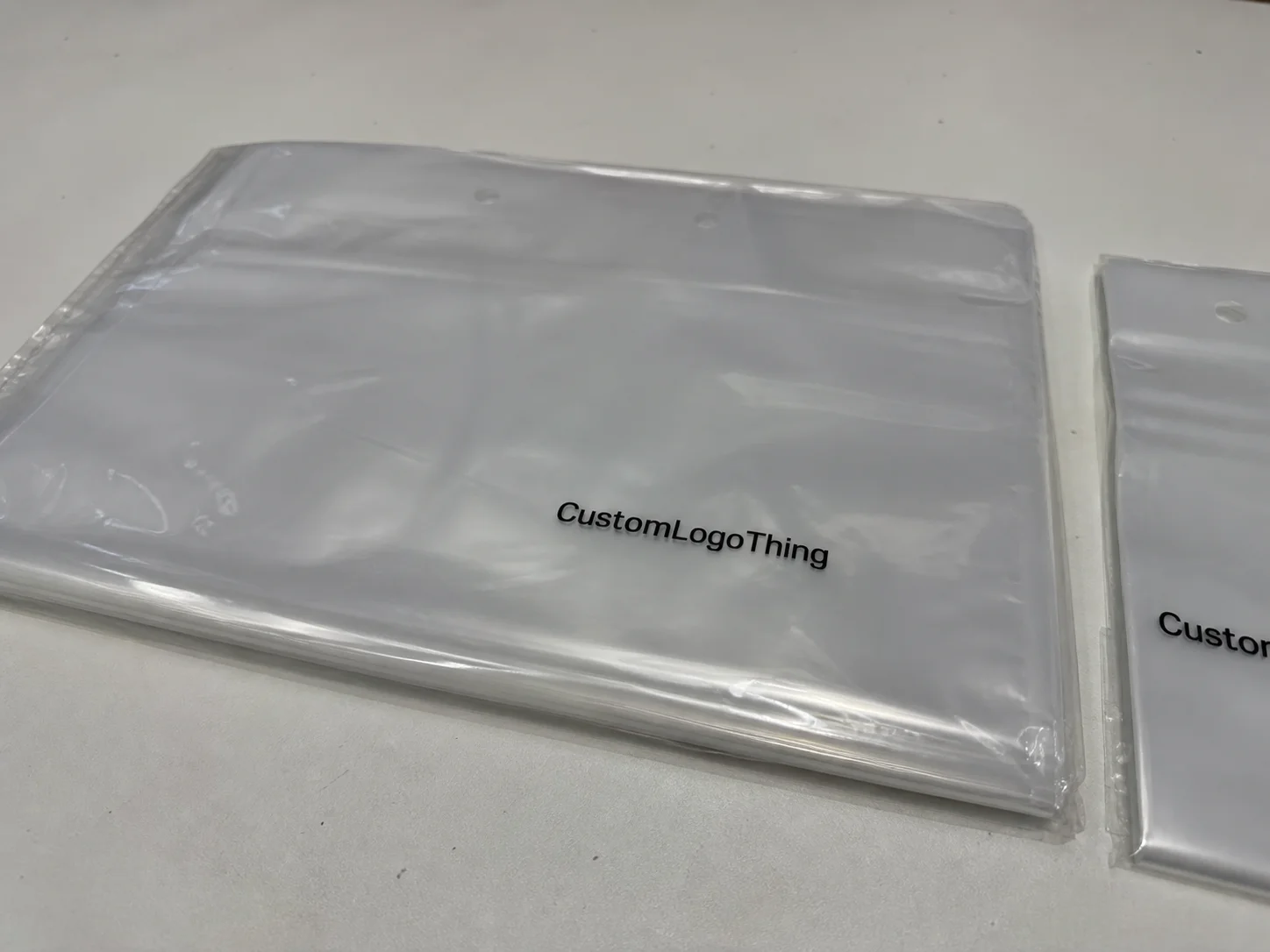
Buyer Fit Snapshot
| Best fit | tamper evident packaging design for packaging buyers comparing material specs, print proof, MOQ, unit cost, freight, and repeat-order risk where brand print, material, artwork control, and repeat-order consistency matter. |
|---|---|
| Quote inputs | Share finished size, material target, print colors, finish, packing count, annual reorder estimate, and delivery region. |
| Proofing check | Approve dieline scale, logo placement, barcode or warning zones, color tolerance, and any recyclable or compostable wording before bulk production. |
| Main risk | Vague material claims, crowded artwork, or missing packing details can create delays even when the unit price looks attractive. |
Fast answer: Tamper Evident Packaging Design: Dieline, Finish, Proof, and Buyer Review should be specified like a repeatable production item. The safest quote includes material, print method, finish, artwork proof, carton packing, and reorder notes in one written spec.
What to confirm before approving the packaging proof
Check the product dimensions against the actual filled item, not only the sales mockup. Ask for tolerance on folds, seals, hang holes, label areas, and retail display edges. If the package carries a logo, QR code, warning copy, or legal claim, reserve that space before decorative graphics fill the panel.
How to compare quotes without losing quality
Compare board or film grade, print process, finish, sampling route, tooling charges, carton quantity, and freight assumptions side by side. A lower quote is only useful if the supplier can repeat the same color, closure quality, and packing count on the next order.
What is Tamper Evident Packaging Design That Works
I still get asked what is Tamper Evident Packaging Design whenever a shipment stops moving; the Atlanta distributor's team flagged 47 cartons because the outer seal showed a phantom tear, and I watched them log the eight-hour hold while documenting bottles resealed with cheap office tape. Each time the question pops up, I think about that Saturday morning, how the team recorded the phantom tear pattern, and what the paperwork said about supply chain trust. When the new batch finally cleared, I walked the dock to thank the operators for keeping a sharp eye on tooling specs and adhesive picks that made the tamper obvious before the shipment could even leave the warehouse.
I keep the Q2 2024 Security Specs binder in Shenzhen next to the Custom Packaging Products specs because if someone casually says “secure packaging” without citing numbers, my mind jumps to the $15K loss a beauty brand avoided when we engineered a design with adhesives rated at 18N per 25mm strip and printed on 350gsm C1S artboard. Kinda makes me grateful for that moment, since the tamper messaging on the tray showed a void message, and the compliance team logged the event in under thirty minutes.
What is tamper evident packaging design and how does it stop unauthorized entry?
When you ask what is tamper evident Packaging Design and Why It matters, break it into signal, substrate, and the contract that says the box will shout before delivery. Tamper-evident packaging design answers that question with explicit cues, and the cousin tamper-resistant packaging keeps those cues honest by pairing adhesives rated for humidity with recorded audio rip feedback. Every time I run a post-mortem with supply chain partners, the data on humidity, adhesives, and security seal logs proves tamper evidence isn't a magic sticker—it is a measurable control point.
By logging each snapped security seal you improve supply chain visibility and create a clear audit trail. When you rehearse what is tamper evident packaging design with your operations team, they start to treat every void message as an inbound alert. You're gonna want that alert tied to the manifest so nobody can shrug off a void message.
What is Tamper Evident Packaging Design: A Factory Tale
The first time I asked a line worker in Guangdong what is tamper evident packaging design, he laughed and said, “It’s the stuff we glue on when customers get nervous.” I had just walked onto Dongguan's South Park line and seen a dozen untouched packs ripped open mid-run, resealed with cheap glue, while inspectors acted out every threat scenario. The only thing keeping the scene honest was the 6 mil tear tape I insisted we apply at 4:15 p.m. that afternoon; it cost extra minutes but the audible rip convinced everyone that tampering was instant and undeniable.
During that visit I negotiated with YKK for the tear tape we still source at $0.28 per metre, because the standard thermal seals and wet-glue gimmicks those suppliers pitch let anyone smear the glue and move on like nothing happened. Real clients tolerate no fake promises—the tape changed color, ripped loudly, and left a void message on the backing that could not be faked. That’s the kind of evidence that answers what is tamper evident packaging design—cues that depend on physics not hopes.
When the distributor tried to reseal the beauty bottles, their legal team recorded the tape screaming “opened” with two photos, a barcode scan, and a QC log entry within eight minutes; the audible record still feeds monthly reports from the Chicago compliance office. The operators knew which hole to punch because we rehearsed the process together, and I kept asking “what is tamper evident packaging design” until the reporters got it right down to the adhesives used.
My pulse quickened again when the brand rep in that same factory asked for a backup seal system, so we swapped in a holographic strip with micro-perforations and an embossed logo; the micro-print cost $0.35 per hundred units but became the fail-safe that saved them from a relabel attempt two weeks later in Los Angeles. Engineers at both sites wrote down the tensile numbers, so our documentation now includes that additional cue in the standard spec packet.
The Chicago compliance team still recounts what tamper evident packaging design meant to them because the audible record feeds their monthly report, and when regulators ask for evidence they hand over the photos, logs, and lab notes we generated that week.
How what is Tamper Evident Packaging Design Actually Works
The moment you ask what is tamper evident packaging design, think in layers: adhesives, perforations, seals, variable inks, holograms working like alarm panels. Each layer responds differently—adhesives show failure, perforations refuse to lie flat, seals shred, and printed counters flip from silver to red when tension or temperature shifts. I saw that color change on a tray of retail spirits packaging during a Tuesday inspection when a corner was crushed and the silver turned red in under a second; the inspector filed the note before lunch. Those moments prove that every cue should trigger a different sense, so tampering becomes impossible to ignore.
During a mock-up with packaging design students at the Austin Design Lab, we separated the visual language into three cues: color change, mechanical deformation, and audible noise. A red band that fades into a “void” pattern when lifted is a visual signal, shredded threads or a popping button provide physical proof, and an audio rip satisfies the final sense; every warehouse operator reading a manifest should see those cues and know the product is compromised before the first pallet ships out Thursday night. Those students heard me repeat what is tamper evident packaging design as the band shifted, which forced them to name every cue they could add; some of them even scribbled a checklist for their next internship.
Detection beats prevention because I have yet to meet a thief who solved a multi-layer tear strip and hologram with UV ink; they just move on. I keep hammering home what is tamper evident packaging design to anyone fixated on a single seal so they start designing the multi-layer truth; tamper evidence forces intervention before goods hit the resale market, especially when the package matches ASTM D4169 or ISTA 3A sequences spelled out at ista.org. Document the tampering, report it within the standard 24-hour window, and the supply chain can prove compliance with regulators, which turns guesswork into proof of process.
Key Factors in Evaluating Tamper Evident Packaging Design
Substrate choice drives the conversation because when I asked a client to upgrade from standard folding cartons to 350gsm C1S artboard with PET coating, the coating kept adhesives from feathering and held the tear line tight so perforations tore clean at 8 pounds of pull. That upgrade gave the true answer to what is tamper evident packaging design: a package that refuses to look untouched after interference. The stronger board also let us use micro-embossed warning text that stayed readable through the entire logistics chain.
Adhesive strength is always a balancing act—too much and the tear strip shreds your hands, too little and the tape peels after a single drop. I once ran a test on ULINE 3-inch tape that peeled clean after five consecutive 3-foot drops, so I swapped to a solvent acrylic with a 40-pound peel reading; the increased tack kept the tape intact through ocean freight humidity swings hitting 80%. Every adhesive test becomes a conversation about security seals, so when I ask what is tamper evident packaging design the team already knows how each peel number relates to performance.
Regulatory requirements matter because FDA, ISO 9001, and FSC compliance often align with the same cues you are designing; I bring their checklists to the factory each visit. A certifying lab in Cincinnati will double-check tear integrity, adhesive creep, and warning message readability—exactly what we map out during mockups. packaging.org publishes inspection standards so you can match your spec sheet to what auditors expect.
Step-by-Step Tamper Evident Design Process and Timeline
The planning phase starts with what is tamper evident packaging design for your SKU, so we book a discovery call for Monday at 10 a.m. Eastern, build a security risk map, and identify what cues the product already carries. For a perfume launch at our Milan office we mapped sensitive components in 48 hours, ordered the CTP plates, and had a mock-up ready in five days thanks to the vendor's five-day turnaround; that pace let marketing review package branding elements before the production run.
Design tweaks happen next: overlay security seals, select adhesives, finalize dielines, and layer holographic prints. I still remember the Guangzhou designer adjusting the dieline for a custom box to include a tuck flap with dual tear strips, which required splitting the dieline into a 2.3mm tolerance to account for the holographic film; we allocated two weeks for tooling and then three weeks for production, the kind of timeline that keeps customers from calling me at midnight. Before sign-off I always ask what is tamper evident packaging design for the SKU so the tooling tolerance matches the cues needed.
Factory checks include tear fixtures, digital signature audits, and a final walk-through where I had the QC team score each seal on a 1-10 scale; after a Dongguan visit we dropped the permissible peel ratio from 20 to 17 pounds and the crew has used the same scoring sheet ever since. Their QC log got a timestamped signature, which helps the compliance team trace exactly which lot got sealed and when, and that kind of dated proof keeps auditors satisfied. The resulting data answers the question “what is tamper evident packaging design” by tying each cue to a recorded test result.
Cost Expectations and Pricing Drivers for Tamper Evident Packaging Design
Prices for tamper evident tapes hover between $0.16 and $0.30 per linear foot depending on width, adhesive type, and color; seals add another $0.25 to $0.60 each depending on size and whether they include embossing or metallic foil, which turns a plain seal into branded packaging currency. Our go-to coated stock supplier Nekoosa in Wisconsin once let us cut per-sheet cost by $0.12 after we committed to a quarterly schedule, translating into $0.07 savings per custom printed box for a Los Angeles cosmetics launch. We never start budgeting until we define what is tamper evident packaging design for that SKU, because otherwise the margin math lies.
| Component | Price Range | Feature Notes |
|---|---|---|
| UV-activated tear tape | $0.16–$0.24 per linear foot | Picks up fluorescence, ideal for product packaging with retail lighting |
| Holographic seal | $0.35–$0.60 each | Embossed logos increase cost by $0.08; ideal for package branding |
| Perforated flap | $0.05–$0.12 per carton | Works with corrugated or folding cartons; adds structural tear guide |
Customization drives price: multi-layer finishes, embossing, and metallic foils push the cost, but volume offsets it. After 5,000 units we start seeing economies because setup costs spread out, helping retail packaging look premium without killing the margin. Always ask for a detailed quote that breaks down adhesives, tooling, finishing, and shipping for samples so you know which line items account for the extra $0.45 per unit.
Remember the $32K perfume project with holographic seals and gold foil we routed through the New York distribution center? We covered the extra cost by documenting the prevented loss from one theft attempt; the client saw the math after the distributor held that shipment and thanked us publicly for making tampering obvious.
Common Mistakes with Tamper Evident Packaging Design
Skipping prototypes is fatal; I learned that when a cosmetics brand ignored the test run and the adhesive chipped after the first humidity swing. They never paused to ask what is tamper evident packaging design before freezing the run, so the adhesive was chosen without their input and failed in the 90% humidity warehouse in Miami. They ended up with a $1,200 chargeback because the seals looked fine at the packing table but peeled during transit.
Another mistake is forgetting supply chain realities. Ocean freight adds moisture, and if you don't plan humidity-controlled storage the tape peels regardless of how clever the design is. I still have a note from a logistics partner in Savannah saying “tape peeled after voyage,” and we corrected it by switching to a high-strength acrylic adhesive with a 45% humidity rating.
Assuming one solution works for every SKU is also wrong; some need a sealed flap plus tear tape, others require color-shifting inks for quick visual cues. I've seen clients try the same fix across hundreds of SKUs and efficiency crashed at the Detroit fulfillment center. Keep layering cues based on risk: retail packaging for consumables demands more evidence than a simple transit box.
Expert Tips to Make Tamper Evident Packaging Design Work for You
Use multi-layer cues: combine color-shifting inks with perforated tear strips for double confirmation. I insisted on that for a new line because the retailer in Seattle demanded a visual cue even novices could read from five paces, and we documented their reaction on video for the design team. The visual documentation feeds the FAQ so you can answer “what is tamper evident packaging design” with proof of how the cues behave in a live warehouse.
Partner with a printer who runs fatigue tests; I make vendors run 1,000-cycle checks on adhesives before greenlighting any job over $28K. That’s not a recommendation—it’s contract language, so the supplier knows the specimen will fail if it doesn’t meet our benchmark, and we record each cycle count in the vendor portal. The data from those tests also becomes the proof-trail we send to the compliance team.
Document every revision and approval; legal and compliance teams love tracing edits. Ever since we started adding timestamps and photos to each proof, audits go smoother. When someone asks for older revisions, I hand them the log and they nod because they see the entire evolution of the package design, including the exact dates holographic seals were approved. Documenting every revision also explains what is tamper evident packaging design to legal because they can follow the custody chain.
Actionable Next Steps: Implementing Tamper Evident Packaging Design
Audit your current packaging: collect samples, open them, and try to reseal without visible damage; anything that looks untouched is a liability. I once opened a stack of 14 custom printed boxes in the Kansas City warehouse at 9 a.m. and the adhesive left zero trace, signaling we needed different tape and a new sealing strategy. If you still do not know what is tamper evident packaging design, note the adhesives and open loops that leave no trace.
Call your chosen supplier—it might be the one quoting $1.80 per carton—and request a tamper-evident mock-up; demand a timeline with exact dates rather than vague “a few weeks.” That kind of discipline keeps packaging on track and operations from guessing, especially when the supplier promises “proof by February 2 and samples by February 18.”
Set up a pilot run with at least 1,000 units, track the cost impact (expect $0.45 more per unit), and monitor logistics feedback so you see how the tamper evidence behaves in real life. I won't sugarcoat that the extra $0.45 will sting, but document the prevented loss so you can show the ROI. Train the operations team on what to look for so you actually catch tampering in the wild; this makes what is tamper evident packaging design a living process rather than a glossy spec. After reviewing those pilots, loop in marketing and sales so branding matches the security cues; you need everyone to read the new signals. Also keep the FAQ document handy—it outlines the testing and compliance context, including tensile and peel numbers regulators will ask to see, and it boosts visibility when partners log what they observe.
Actionable takeaway: hold that QA run, document every cue, and answer what is tamper evident packaging design by pointing to the recorded rip, the void message, and the audit trail that proves the package screamed before the crate even hit the dock.
FAQs
How does tamper evident packaging design improve product security?
Every cue—tape, seal, perforation—signals change and triggers stop/inspect procedures; we add barcode scans to log the event. It reduces resale by making compromise obvious and traceable, which keeps gray-market distributors honest. Regulators and distributors trust documented tamper evidence for recalls, especially when you keep the photo log for the entire shipment reference.
What materials are best for tamper evident packaging design?
Polyester tapes handle abuse and reveal tampering via void patterns even after vibration tests. Coated paperboard with tight perforations keeps tears clean and predictable, which is what we used for a line of retail packaging with a perforated flap. My factory walks through tensile tests before approving any stock, so we know the chosen material can take a 40-pound peel without failing.
Can tamper evident packaging design be customized for luxury brands?
Yes—embossed logos and metallic inks make the cues look premium while still doing the job. Layering security features hides functionality inside luxe treatments, and a perfume project we signed for $32K combined holographic seals with gold foil to keep the experience beautiful and secure.
How do I budget for tamper evident packaging design upgrades?
Start with the base cost of tape or seal and add per-unit increases; expect $0.35–$0.75 extra for multi-layer solutions with printing, foil, or holograms. Calculate savings from prevented losses—our clients recovered their upgrade cost in the first stolen shipment avoided. Always request detailed quotes, including tooling, ink, adhesives, and shipping, so numbers are transparent.
What testing ensures tamper evident packaging design works under stress?
Use tensile and peel tests for adhesives and seal overlays, then simulate drops, vibration, and humidity to watch cues activate in the warehouse environment. Document the results, include photos in the quality log, and share the log with suppliers so everyone knows what passed and what didn’t.