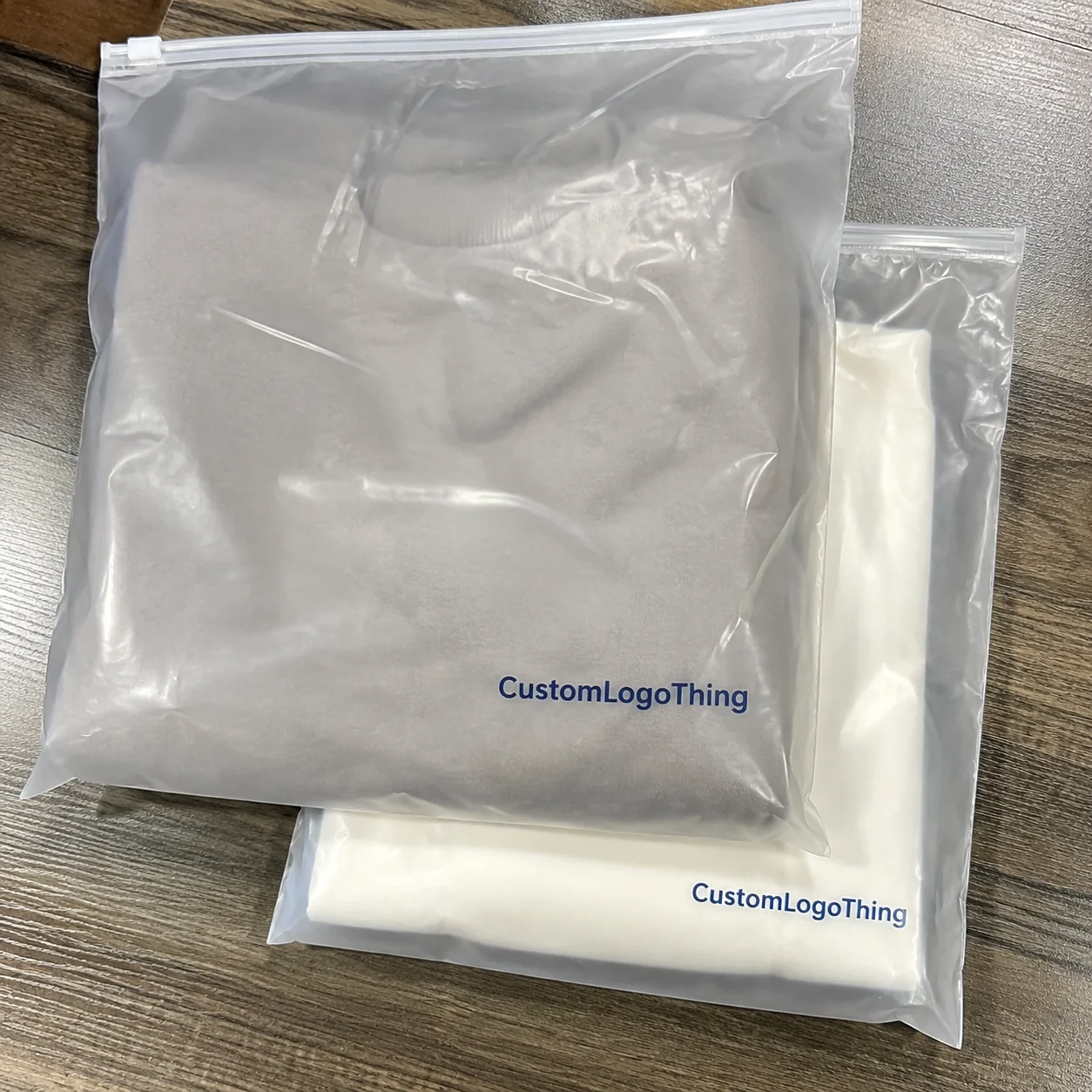
Buyer Fit Snapshot
| Best fit | Where to Get Free Poly Mailer Samples projects where brand print, material claims, artwork control, MOQ, and repeat-order consistency need to be specified before quoting. |
|---|---|
| Quote inputs | Share finished size, material target, print colors, finish, packing count, annual reorder estimate, ship-to region, and any compliance wording. |
| Proofing check | Approve dieline scale, logo placement, barcode or warning zones, color tolerance, closure strength, and carton packing before bulk production. |
| Main risk | Vague material claims, crowded artwork, missing packing details, or unclear freight terms can make a low unit price expensive after revisions. |
Fast answer: Where to Get Free Poly Mailer Samples: Film, Print, MOQ, and Carton Packing should be specified like a repeatable production item. The safest quote records material, print method, finish, artwork proof, packing count, and reorder notes in one written spec.
Production checks before approval
Compare the actual filled-product size with the drawing, then confirm tolerance on folds, seals, hang holes, label areas, and retail display edges. Reserve space for logos, QR codes, warning copy, and material claims before decorative graphics fill the panel.
Quote comparison points
Review material grade, print process, finish, sampling route, tooling charges, carton quantity, and freight assumptions side by side. A quote is only useful when the supplier can repeat the same color, closure quality, and packing count on the next order.
I’ve seen two Poly Mailers That looked nearly identical on a sales sheet perform completely differently once they hit a conveyor belt, a wet porch, and a tired fulfillment team moving 600 parcels an hour. That is why people keep asking Where to Get Free Poly mailer samples before they place a real order. The answer matters more than most buyers expect, because a $0.08 difference in unit cost can turn into a $3.00 replacement shipment if the bag splits, peels, or prints poorly.
I remember one buyer telling me, with total confidence, that “a bag is a bag.” Then we tested it. The mailer tore at the seam after a short drop test, and the room got very quiet. The sample had a 2.25 mil film wall, a 1.2-inch adhesive strip, and a glossy exterior that looked impressive but did nothing for seam strength. Honestly, that was the moment most people in the room realized packaging is not decoration; it is part of the product experience. And yes, it can be a little annoying to learn that the hard way, because the hard way usually involves customer complaints.
In my experience, the smartest packaging teams do not treat samples as freebies. They treat them as risk control. That mindset saves more money than chasing the lowest quote ever will, especially when a damaged return can cost $6.80 to $12.40 once postage, labor, and customer service time are added together.
Where to Get Free Poly Mailer Samples and Why They Matter
Where to get free poly mailer samples starts with understanding what you are actually asking for. Sometimes it is a stock sample pack, meaning an unbranded mailer pulled from warehouse inventory in a place like Shenzhen, Dongguan, or Long Beach. Sometimes it is a pre-production sample with your artwork on it. Sometimes it is a test pack assembled for a buyer who needs to compare 2 mil, 3 mil, and 4 mil films before committing to a production run of 5,000 or 25,000 pieces.
Those differences sound small. They are not. A 2 mil coextruded mailer can feel fine in hand, then fail when a sharp box corner rubs against it inside a trailer. A 4 mil mailer may cost more, but it can hold up better in high-abrasion routes or humid regions like Houston, Miami, or Singapore. I once watched a client in apparel lose nearly 4% of outbound parcels to tears because the film looked “strong enough” on the sample table. The test pack had passed visually, but the real SKU had a rigid zipper pouch inside, which changed the stress points.
That is the core reason brands, ecommerce sellers, and third-party logistics teams request free poly mailer samples. They want to verify:
- Film thickness and the real feel of the material, such as 2.25 mil, 3 mil, or 4 mil
- Seal strength and whether the closure peels under pressure after 24 or 48 hours of storage
- Print quality for logos, gradients, and small type, especially on matte versus gloss film
- Opacity so the contents are not visible under direct light or warehouse LEDs
- Sizing for flat goods, soft goods, or boxed items such as 10x13, 14x19, or 19x24 formats
- Brand impact on unboxing and retail perception, especially for premium SKUs
Here is the catch: “free” rarely means zero cost in every direction. Many suppliers waive the product charge, but shipping, expedited proofing, or custom artwork setup may still be billed. I have seen sample quotes where the mailers themselves were free, yet freight was $14.50 via standard ground, or $35 for two-day transit from a West Coast warehouse to the Midwest. That is normal. Just do not confuse the sample policy with a full promotional giveaway, because a supplier in Los Angeles, Chicago, or Atlanta still has to move cartons and padded sample packs through a real carrier network.
“We saved nearly $9,000 in return shipping and damaged goods by testing three sample packs first.” That was a quote from a fulfillment manager I worked with in Ohio after their first order of glossy pink mailers failed label adhesion tests. The replacement run came from a factory in Guangdong Province, and the issue turned out to be a too-slick finish on a 3 mil film.
If you are searching for where to get free poly mailer samples, the point is not to collect packaging trinkets. The point is to prevent expensive mistakes before ordering 5,000 or 50,000 units. A small test order can save a warehouse from a bad quarter.
How Free Poly Mailer Samples Work: The Request-to-Receipt Process
When people ask me where to get free poly mailer samples, I usually answer with a process, not a single supplier category. The workflow is straightforward, but the details determine whether the sample arrives in two days or two weeks. A sample moving from a Dallas distributor to Phoenix is a different experience from a custom proof leaving a Shenzhen factory after a midnight press check.
First, identify a supplier That Actually Sells the kind of mailer you need. Then submit a request form or email sales with your size, color, print needs, and target order volume. After that, the supplier confirms shipping details, checks whether they have stock samples available, and decides whether your request needs a printed proof or just an unbranded sample pack. A serious supplier will usually ask whether you need LDPE film, co-extruded film, or recycled-content material before they commit to sending anything.
Stock samples versus custom samples
Stock samples are the fastest way to judge material, opacity, and adhesive performance. They tell you how the mailer feels, how much stretch the film has, and whether the seal seems trustworthy. What they do not tell you is how your brand artwork will reproduce on the film. A stock mailer may also arrive in a standard 12x15 or 14x19 size, which is useful for comparison but not proof of your final SKU.
Custom samples answer the branding question. They can show print clarity, logo placement, color accuracy, and whether your design remains readable after bag compression. They usually take longer because the supplier may need to proof artwork, adjust plates or digital files, and prepare a one-off run. In some factories, that means moving through a pre-press room in Dongguan or Yiwu, then waiting for a digital proof approval before the final sample is packed.
Typical request requirements are simple. Most suppliers ask for a business email, company name, shipping address, estimated monthly volume, and a short description of what you ship. Some vendors also ask for a phone number, especially if they want to screen out resellers or sample abuse. That may sound strict, but after a few rounds of free-sample misuse, it makes sense. A vendor shipping from Toronto or California is not going to send out unlimited sample kits to anyone with a Gmail address.
Timeline varies. Stock sample packs may leave the warehouse the same day or within 1 to 3 business days. Custom samples can take 5 to 10 business days before shipment, depending on proof approval and press availability. Transit time is a separate variable. A sample sent from our Shenzhen facility to California will not move like one sent from a regional U.S. distributor two states away. In practice, many custom proofs arrive in 12 to 15 business days from proof approval once production and freight are both included.
I learned this the hard way during a supplier meeting in Guangdong, where a buyer expected “free” to mean “overnight.” It did not. The factory had 12 sample requests queued, each with different film gauges, zipper options, and print requirements. The best lesson there was simple: if you need speed, ask the supplier what is already on the shelf before you ask for custom art. I know, not exactly the glamorous part of sourcing, but it saves a lot of back-and-forth.
Some vendors ship only to business addresses. Others require a signature or phone confirmation. A few will even reserve free samples for qualified prospects with a realistic monthly order estimate, such as 2,000 units or more. That does not mean small businesses are excluded. It means you should present a clear use case and not sound like a collector of packaging freebies.
Where to Get Free Poly Mailer Samples: Best Supplier Types to Check
If you want the best answer to where to get free poly mailer samples, start with direct manufacturers, wholesale packaging suppliers, and custom packaging companies. Those are usually the first places that can send real stock packs or custom-ready options with enough technical detail to matter. Factories in Shenzhen, Dongguan, and Ningbo often have more film options than a reseller listing on a marketplace page, especially if you need a narrow gauge or a special adhesive strip.
Direct manufacturers often give you the broadest range of film specs, print methods, and closure styles. They can tell you whether the bag is LDPE, co-extruded, or recycled-content film, and they usually know the exact gauge. If you need a black interior for opacity or a tamper-evident seal, manufacturers are often the most precise source. Some can also quote you a 12x15 custom mailer at $0.15 per unit for 5,000 pieces, or around $0.11 per unit for 10,000 pieces depending on film structure and print coverage.
Wholesale packaging suppliers can be faster and easier to deal with. They may carry several lines of poly mailers from different factories, which makes comparison simple. Their sample packs are useful if you want to compare 12x15, 14x19, and 19x24 sizes in one shipment without contacting three different factories. A warehouse in Dallas, Atlanta, or New Jersey can often ship those packs within 1 to 3 business days if stock is on hand.
Custom packaging companies are the right fit when your logo, brand colors, or unboxing experience matters. They are also the best route if you are testing printed mailers alongside other packaging components like tissue, boxes, or inserts. For a broader sourcing view, I often tell clients to browse Custom Packaging Products alongside the mailer samples so they can compare the whole system, not just one bag. That matters if your branded box uses a 350gsm C1S artboard while the outer mailer is a 3 mil co-ex mailer, because the tactile contrast can be part of the brand story.
Marketplace sellers and B2B directories come next. They can be useful because the variety is wide, but consistency is more variable. One listing may show 3 mil mailers with a matte finish, while the actual sample that arrives feels closer to 2.25 mil and has a different adhesive strip. I have seen that mismatch more than once in procurement reviews. That is why marketplace samples should be treated as comparison points, not final proof of production quality.
Local packaging distributors are underrated. If speed matters, or if you want to lay 5 different samples on a conference table and compare them in person, a distributor near your warehouse can be a smart move. The shipping is faster. The coordination is easier. And if there is a problem, you can speak to someone who knows the local market rather than a call center in another time zone. In Chicago, Phoenix, and Charlotte, I have seen regional distributors beat overseas sourcing by a full week on sample turnaround alone.
| Supplier Type | Sample Speed | Consistency | Best Use Case | Typical Cost Signal |
|---|---|---|---|---|
| Direct manufacturer | 3-10 business days | High | Custom specs, print control | Lower unit pricing at scale |
| Wholesale supplier | 1-5 business days | Moderate to high | Fast comparison shopping | Mid-range pricing |
| Custom packaging company | 5-12 business days | High | Branded mailers, coordinated packaging | Setup fees may apply |
| Marketplace seller | Varies | Variable | Broad selection, quick browsing | Price can swing widely |
| Local distributor | 1-3 business days | Moderate | Hands-on review, urgent orders | Often higher landed cost |
If you are searching supplier sites, use exact phrases such as sample kit, free sample, request a quote, or test pack. Those terms often lead you to the hidden page where the supplier explains what is included, whether shipping is charged, and whether the sample can be credited toward a bulk order. Some sites also mention whether their production line is based in Zhejiang, Guangdong, or Vietnam, which can help you predict lead time and freight cost.
For buyers who care about standards, I also look for suppliers who reference testing or certifications tied to packaging performance. A good supplier may mention ASTM methods, ISTA shipping tests, or FSC-certified paper components when relevant. For more on packaging standards and guidance, two useful reference points are the Packaging Association and ISTA. Neither replaces a real sample test, but both help you ask better questions.
What to Compare Before You Order: Cost, Quality, and Pricing Signals
This is the section where buyers either save money or create expensive headaches. If you are asking where to get free poly mailer samples, you also need to know how to read the price signals hidden inside the sample offer. A supplier in Los Angeles may look inexpensive on paper, while a factory in Guangdong may offer a lower unit rate but require longer freight and proofing.
There is the sample cost. There is the shipping cost. There may be a setup fee for printed samples. And then there is the bulk unit price, which is the number that matters after you approve production. I have seen sample packs offered at $0.00 with $18.75 freight, and I have seen custom proofs charged at $25 because the supplier needed to pre-press a short digital run. Both can be reasonable, depending on what is included. A 5,000-piece order at $0.15 per unit can easily become more attractive than a lower advertised price if the other vendor charges $120 in setup and sends a flimsy 2 mil bag.
Here is a practical comparison I use with clients:
- Sample cost: Usually free for stock packs, sometimes $10-$30 for custom proofs
- Shipping cost: Often $8-$20 for standard ground, more for expedited delivery
- Setup fee: Common for printed mailers, especially if plates or design prep are needed
- Unit pricing: The real buying decision, often quoted by 1,000, 5,000, or 10,000 pieces
Now for the quality side. A sample can look pretty and still fail in production. I look at gauge thickness, tear resistance, closure type, print clarity, adhesive strength, and water resistance. If a supplier says “3 mil” and the bag feels flimsy, I ask for clarification immediately. Not all gauge measurements are presented the same way, and not all suppliers are equally precise. One factory in Yiwu once quoted 3 mil based on a single-layer wall, while another in Dongguan quoted 3 mil on the combined film structure, which is not the same thing.
Opacity deserves special attention. If the mailer is meant to protect private or premium products, the contents should not show through under bright light. A black or gray inner layer can help. So can a thicker film. That detail gets overlooked because buyers are focused on the front-facing logo, but customers notice see-through packaging faster than most teams expect. A 4 mil mailer with a charcoal interior can outperform a glossy 2.5 mil bag even if the lighter bag looks cleaner in a catalog photo.
One client meeting still stands out. The buyer wanted a glossy lavender mailer because the color matched the brand palette. Nice idea. But after I held the sample up to a window, the contents showed through clearly. We shifted to a dual-layer film with a white outer face and charcoal interior. The price moved from $0.11 per unit to $0.14 at 5,000 pieces, but the brand looked cleaner and the product felt premium. The manufacturing quote came from a supplier in Shenzhen, and the final proof approval took 6 business days.
That is how you judge value. Not by the sticker price alone. If a failed shipment costs you $6.80 in replacement postage, labor, and customer service time, then paying an extra $0.03 for a stronger mailer is rational. It is cheap insurance, especially if you ship 1,200 packages a day through a hub in Indianapolis, Memphis, or Los Angeles.
For retailers concerned about environmental claims, ask whether the sample includes recycled content, recyclable film guidance, or any supplier documentation around material recovery. The EPA’s packaging and waste resources are worth reviewing at epa.gov/recycle, especially if your team needs language that is careful rather than exaggerated. If the supplier says “eco-friendly,” ask for the exact percentage of recycled resin or a written statement about end-of-life guidance.
My honest advice: compare at least three samples side by side. Not one. Not two. Three gives you a real spread on finish, stiffness, and print behavior, and it reduces the chance that you confuse “the best-looking sample” with “the best-performing mailer.”
Step-by-Step: How to Request Free Poly Mailer Samples
If you want to know where to get free poly mailer samples and how to secure them without wasting time, follow a structured request. Suppliers respond better to specifics. Vague requests get delayed. Clear ones get handled. A one-paragraph email with exact dimensions, projected volume, and destination city can move faster than a long, fuzzy questionnaire.
- Define your needs. Write down package size, shipping contents, branding goals, and expected monthly volume. A 10x13 apparel mailer is not the same as a 14x17 mailer for folded linens or a 19x24 bag for bulk soft goods. If you ship from Nashville, Phoenix, or Newark, include that too because freight timing changes by lane.
- Shortlist suppliers. Look for vendors with transparent sample policies, published dimensions, and enough product detail to compare materials accurately. A factory with a product page showing 2 mil, 3 mil, and 4 mil options is usually easier to work with than one that hides its specs.
- Submit a precise request. Include dimensions, quantity estimate, color preferences, and whether you need printed or unprinted mailers. If you know you need a 2.5 mil white exterior with a black interior, say so. If you want a matte finish and a 1.5-inch adhesive strip, say that too.
- Ask the right questions. Ask about minimum order quantity, turnaround time, shipping fees, and whether sample credit applies to a bulk order. That last question matters more than many buyers realize. A supplier that credits a $20 sample fee toward a 10,000-piece run has a very different relationship with the customer than one that keeps every fee.
- Test the samples. Fill, seal, drop, stack, label, and expose them to real shipping conditions. A mailer that survives a desk test may not survive a 36-inch drop, a corner rub, and one hour in damp weather. If possible, test them after refrigeration or in a warm room, because adhesive behavior can change at 38°F or 86°F.
- Score and compare. Use a checklist so your choice is based on evidence, not on which sample looks best under office lighting. A supplier in Seattle may offer a nicer color, while a vendor in Guangdong may offer better tear resistance. The scorecard should tell you which one actually wins.
When I visited a packaging line outside Chicago, the operations manager showed me a simple test fixture: a 10-pound carton, a strip of abrasive tape, and a bucket of warm water. No drama. Just repeatable checks. They would slide the mailer across the tape, seal it, and see whether the adhesive held after 30 minutes. That kind of testing tells you more than a glossy catalog ever will, especially when the line moves 800 to 1,000 units per hour.
Questions I ask every supplier
I ask five things almost every time: Is the sample stock or custom? Is shipping included? What is the exact film gauge? What is the lead time from proof approval? And can any sample fee be credited toward the final order? Those answers separate a serious supplier from a casual reseller in under five minutes. If they can also tell me whether the factory is in Shenzhen, Ningbo, or Suzhou, that is even better.
If the supplier offers a digital mockup, request that too. It costs almost nothing to compare the proof against the actual physical sample. If your design includes small text, barcodes, or a logo near the seam, ask for a proof that shows the exact print position. A design that looks fine on screen can end up too close to the seal line in production. I have seen artwork shift 3 to 5 millimeters in a way that ruined an otherwise clean layout.
For branded mailers, I recommend ordering a sample that matches your intended finish. Matte and gloss behave differently. Matte hides minor scuffs better, while gloss can make color pop. Soft-touch lamination sounds beautiful on cartons, but for film mailers it is not always the right move. The texture may look premium, yet the handling can feel less practical in a fulfillment environment that sorts 1,200 parcels a shift. A simple gloss white 3 mil mailer can outperform a fancy surface if your team values speed and label adhesion.
When you are researching where to get free poly mailer samples, remember that the request is part of the evaluation. The supplier’s responsiveness, clarity, and willingness to answer technical questions are all part of the sample experience. That information is free too, and often more useful than the actual bag. A rep who replies in 30 minutes with a clear spec sheet is often a better sign than a perfect-looking mailer that arrives with no documentation.
Common Mistakes People Make When Looking for Free Poly Mailer Samples
People asking where to get free poly mailer samples often make the same five mistakes, and every one of them can cost money later. The errors are usually small at the start and expensive by the time the first production run lands in a warehouse.
First, they request samples without knowing the exact dimensions. That leads to misleading results because a mailer that seems roomy with a T-shirt inside may be too tight for a folded hoodie or too loose for a flat accessory pouch. I have seen buyers approve 14x19 bags, then discover the actual shipment needed 17x24 because the internal garment packaging added half an inch on each side. A 0.5-inch mismatch may not sound dramatic, but it can change how a 3 mil film closes and how the adhesive aligns.
Second, they choose based on color alone. Color matters, sure. But opacity, adhesive performance, and material strength matter more once the bag is in transit. A beautiful teal mailer that peels open in a wet van is not a win. A white exterior with a gray interior may look less flashy but protect the contents better under fluorescent lights in a warehouse in Columbus or Edmonton.
Third, they ignore shipping conditions. A mailer may look perfect in a conference room, then fail after abrasion, temperature changes, and repeated handling. That is why I like to reference shipping test methods such as ISTA procedures, especially for higher-value shipments or products traveling through multiple handoff points. A route through Atlanta, Memphis, and Dallas will beat up packaging far more than a direct regional delivery.
Fourth, they forget to ask about lead times for custom printing. A supplier may ship stock samples in 48 hours but need 7 to 12 business days for branded proofs. Those are not the same thing, and confusing them can delay a launch or restock. If your campaign is tied to a Monday launch, a factory in Zhejiang cannot magically turn a proof around on Friday afternoon.
Fifth, they chase only the lowest-cost sample. That is false economy. Saving $12 on sample freight can lead to $1,200 in damaged returns if the mailer fails. I have watched buyers make that exact mistake, then come back after a bad first run asking why the “cheap” option cost so much more. The answer is usually hidden in a 2 mil wall, a weak seal, or poor print adhesion.
“The sample was fine in hand, but the tear started at the corner fold once we added product weight.” That line came from a returns analyst during a supplier review, and it summed up the problem perfectly. The sample had been sent from a factory near Guangzhou, and the real production bag had a slightly different seam width.
There is also the issue of overtrusting a supplier photo. Lighting can hide scratches. Retouching can make film look thicker than it is. A real sample cuts through that noise. If the product page sounds polished but the sample feels thin, trust the sample. A 3 mil bag should feel like a 3 mil bag, not like a film wrapper wrapped in marketing language.
Expert Tips for Getting Better Free Poly Mailer Samples Faster
If you want better results while you search for where to get free poly mailer samples, the fastest route is specificity. Suppliers respond more quickly when they understand the actual use case. “We ship women’s knitwear in folded sets of two, about 1.2 pounds per parcel, and we need a 10x13 printed mailer” gets attention. “Need samples” does not. If you add that your fulfillment center is in Louisville or Riverside, the freight quote becomes more useful too.
Request a mixed sample pack if the supplier offers one. That lets you compare sizes or materials in a single shipment. I like packs that include at least three options, such as 2 mil, 3 mil, and 4 mil, or three sizes that bracket your expected need. It saves time, and it keeps decision-making grounded in comparison rather than memory. One sample kit from a supplier in Ningbo arrived with four finishes and two adhesive widths, which made the choice obvious in under 20 minutes.
If custom branding is involved, ask for both a digital mockup and a physical proof. The mockup helps with layout. The sample reveals how ink, film, and closure interact in real life. That combination is much stronger than either one alone. If your logo uses a fine serif font or a narrow barcode, a physical proof can reveal whether the press resolution is actually adequate.
Here is a timeline tip that saves awkward follow-up emails: ask the supplier when the sample leaves the warehouse and when they expect the next check-in. If they say 2 business days for packing and 4 to 6 days transit, you can plan around it. If they stay vague, that is useful information too. I also ask for the proof approval cutoff time, because a 4 p.m. cutoff in Shenzhen is not the same as 4 p.m. in Denver.
For testing, I keep a checklist that is boring and effective:
- Seal integrity: Does the adhesive close firmly after one pass?
- Edge splitting: Does the side seam open under pressure?
- Label adhesion: Will shipping labels stick without peeling?
- Unboxing presentation: Does the surface look clean to a customer?
- Stackability: Do filled mailers slide and stack in bins?
Another practical point: ask whether the supplier can credit the sample cost toward your bulk order. Some do. Some do not. If they do, ask for the terms in writing. A $15 sample credit sounds small, but it can help justify broader testing across multiple colors or gauges. It also gives you room to compare a matte 3 mil option against a gloss 4 mil option without feeling like you are wasting money.
When buyers ask me where to get free poly mailer samples, I sometimes tell them the best supplier is the one that answers technical questions without dodging. If a rep can tell you the film structure, closure type, and lead time without hand-waving, you are usually in good hands. That is not a guarantee. It is just a sign of competence, and in sourcing that matters more than a slick brochure.
Where can I get free poly mailer samples quickly?
The fastest route is usually a local packaging distributor or a wholesale supplier with stock on hand. If you need speed, ask specifically for a stock sample pack rather than a custom proof. A local supplier can often ship within 1 to 3 business days, which is far better than waiting for a factory proofing cycle if your launch is close.
What to Do After You Receive Free Poly Mailer Samples
Receiving samples is not the finish line. It is the start of the real comparison. Once you know where to get free poly mailer samples, you still need to test them on actual products and make a decision based on performance. A sample that looks good in a mail room in Austin may behave differently in a humid facility in Miami or a cold dock in Minneapolis.
Start with the real item you ship most often. If 70% of your orders are apparel, test the sample with apparel first. If you also ship accessories or boxed goods, test those too. A mailer that fits one product line perfectly may be wrong for another. I have seen teams approve a 12x15 mailer, only to realize their winter bundles needed a 14x19 size once tissue paper and a hang tag were added.
Then compare notes and rank the top two or three options. I recommend a simple table or spreadsheet with columns for size fit, strength, branding, shipping cost, and supplier responsiveness. Supplier responsiveness matters because it predicts what happens when you need a reprint or rush order later. If a factory in Guangdong answers in one hour while a reseller in New Jersey takes two days, that difference matters during peak season.
After that, send a follow-up email asking for bulk pricing, lead time, and any sample-to-order credit. I also ask for packaging consistency details, because the bag you approve in a sample phase should match the production run within a reasonable tolerance. If the supplier cannot explain what will stay the same, that is a red flag. A good answer includes exact gauge, closure width, print method, and the factory location, such as Dongguan or Suzhou.
If the samples are close, place a small pilot order before committing to a full production run. I usually like a 500- to 1,000-piece pilot when order sizes are large enough to justify it. That lets you verify pallet packing, fulfillment flow, and customer response without overbuying. A pilot of 1,000 units at $0.13 each can be a much cheaper lesson than a 20,000-unit run that misses the mark.
For teams building a broader packaging system, pair your mailer choice with other branded materials from Custom Poly Mailers and related protective packaging. If your outer mailer and internal presentation work together, the whole shipment feels more deliberate. Customers notice that. So do fulfillment teams. A mailer paired with a 350gsm C1S artboard insert or a branded tissue wrap creates a stronger impression than a standalone bag ever will.
One final thought from the factory floor: the best sample is not always the prettiest one. It is the one that survives the roughest moment in the chain, whether that is a conveyor edge, a rainstorm on a porch, or a hurried packout on a Friday afternoon. That is why the search for where to get free poly mailer samples is really a search for evidence. Once you have that evidence, you can order with far more confidence.
Bottom line: start with suppliers that offer stock sample packs, request at least three options, and test them with the actual product you ship most. If the sample survives the drop, the seal, and the label test, you have a real candidate. If not, keep looking before you place the bulk order.
FAQ
Where to get free poly mailer samples if I’m a small business?
Start with direct manufacturers, packaging wholesalers, and custom packaging suppliers that list sample requests on their websites. If you have a business email and a clear order estimate, you are more likely to be approved quickly. A short note saying you ship 300-500 orders per month is usually more effective than a vague request, and naming your warehouse city, such as Phoenix or Cleveland, can help the supplier quote transit time accurately.
Do free poly mailer samples usually include shipping costs?
Not always. Many suppliers waive the product cost but still charge shipping or handling. Ask upfront whether the sample is truly free or whether freight will be billed separately. A sample that costs nothing but takes $19.80 to ship is still useful if it saves you from a failed bulk order, especially if your next run is 5,000 pieces or more.
How long does it take to get free poly mailer samples?
Stock samples may ship in one to three business days, while custom samples can take longer because of proofing or printing setup. Transit time depends on supplier location and shipping method. A nearby distributor may deliver faster than a factory overseas, even if the sample itself is identical. In many cases, custom proofs arrive in 12 to 15 business days from proof approval when production is handled in Shenzhen, Ningbo, or Dongguan.
What should I check when testing poly mailer samples?
Check size fit, seal strength, print quality, opacity, tear resistance, and how the mailer handles moisture or abrasion. Test them with real products, not empty, because payload changes performance. A mailer that passes an empty-bag test may fail once you add a zipper pouch, hang tag, or boxed item. If you can, test one sample after a 36-inch drop and another after 30 minutes in warm, humid air.
Can I get free poly mailer samples for custom printed mailers?
Yes, but custom printed samples are more likely to involve proof fees or shipping charges than stock samples. Ask whether the supplier can provide a mockup, a physical proof, or a credited sample when you place a bulk order. If the branding matters, the physical proof is worth waiting for, especially if your artwork includes small text or a logo near the seam line.