If you’re asking Who Makes Custom Stickers, the useful answer is less about a single vendor type and more about matching the right production model to the job. A sticker may come from an online printer, a local shop, a label converter, a packaging manufacturer, or a promotional supplier that folds stickers into a larger order. The differences matter because each one is set up for a different mix of speed, durability, quantity, and finishing depth.
That decision affects more than price. A label that looks fine on screen can fail once it meets condensation, abrasion, curved packaging, or cold storage. On product boxes, jars, mailers, and retail packs, the sticker is often the last visible layer of the brand system. If it curls, scratches, or reads dull, the whole package feels less considered.
Why custom sticker sourcing matters more than it looks
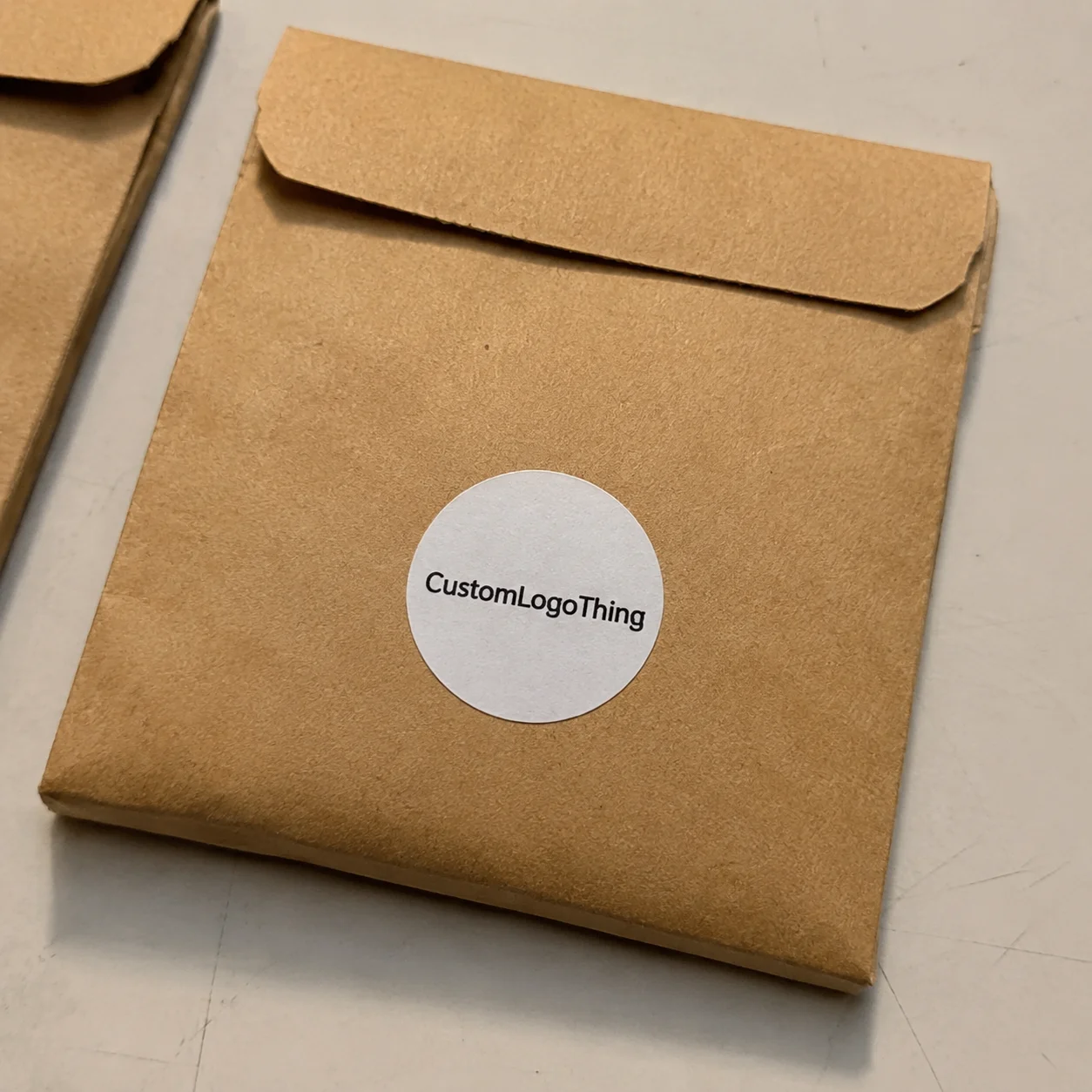
Custom stickers do a lot of quiet work. They seal mailers, brand shipping cartons, mark seasonal runs, support promotions, and identify ingredients or variants on packaged goods. Because the format is so flexible, buyers often treat stickers as a small purchase. In reality, they sit at the intersection of design, materials, application method, and production constraints.
The term custom sticker covers a wide range of constructions: paper, BOPP, clear film, vinyl, removable and permanent adhesives, matte or gloss lamination, foil accents, kiss-cut sheets, and roll labels for applicators. Digital printing usually fits shorter runs and frequent artwork changes. Offset and flexographic production become more efficient when quantities rise and the artwork stays stable. The right method depends on volume as much as appearance.
That is why the question who makes custom stickers has no single answer. A startup ordering 300 sheet stickers for a launch can usually work with a digital printer. A beverage brand with refrigerated product needs a supplier that understands moisture, temperature swings, and adhesive performance. A premium gift line may care more about color matching and specialty finishes that coordinate with custom printed boxes and other product packaging.
“The best sticker supplier is the one whose process matches the surface, the volume, and the failure risk.”
Sticker pricing also reflects risk. A low-cost label that peels on a curved bottle or smears in transit is expensive once you factor in rework, delays, and wasted labor. Buyers who compare only per-piece cost tend to miss the real economics. A better comparison is how the sticker performs across the full life of the package.
If you are building a broader packaging system, stickers should be considered alongside cartons, inserts, and labels as part of package branding. A consistent adhesive label on a matte carton can reinforce quality without adding much complexity. If the sticker spec conflicts with the rest of the package, the mismatch shows immediately.
Who actually makes custom stickers and how the supply chain works
There are five common provider types, and each one brings a different strength set. Online sticker printers are built for simple ordering, quick proofs, and modest quantities. Local print shops are useful when you need direct communication, last-minute fixes, or help resolving file issues. Label converters tend to be the strongest option for technical substrates, roll formats, and higher-volume label work. Packaging manufacturers often handle stickers as one piece of a larger branded packaging program. Promotional suppliers may bundle them with campaign materials or merch.
Here’s the practical breakdown:
| Provider type | Best fit | Typical strengths | Common tradeoffs |
|---|---|---|---|
| Online sticker printer | Small to mid-size runs | Fast quoting, digital printing, low minimums | Less hands-on support, fewer specialty materials |
| Local print shop | Rush jobs, proof-heavy projects | Direct communication, fast fixes, local pickup | May lack advanced finishing or volume pricing |
| Label converter | Durable labels, roll stock, technical use | Material depth, adhesive options, compliance awareness | Higher MOQs on some constructions |
| Packaging manufacturer | Integrated brand programs | System thinking across boxes, labels, inserts | Sticker-only orders may get less attention |
| Promotional supplier | Campaign kits and merch | Bundled procurement, volume sourcing | Sticker expertise can be shallow |
The production chain is usually more orderly than buyers expect. Artwork is uploaded, prepress checks the file, the printer confirms size and color, then the job moves through printing, laminating if needed, cutting, inspection, packing, and shipping. If a supplier lacks a disciplined prepress step, that is where errors start to compound. Missing bleed, low-resolution artwork, and poorly defined spot colors can turn a simple order into waste.
Digital printing is the most flexible choice for lower and mid-range quantities because setup is lighter and artwork changes are easier to manage. Offset printing can be more efficient for large, consistent runs with strong color control. Flexographic production is another scale-oriented option, especially for roll labels and repeat orders. Buyers usually feel that difference as a tradeoff between speed, unit cost, and how much artwork flexibility they need.
For brands that think in terms of retail packaging, the right maker is often the one that can fit the sticker into the broader system. That might mean matching the stock to the carton finish, or aligning the sticker with custom printed boxes so the package looks cohesive instead of patched together. A disconnected label can make a polished product feel improvised.
Custom sticker cost, pricing, and MOQ factors
Sticker pricing is driven by more than size. Quantity is usually the largest variable, but shape complexity, material choice, finish, color coverage, adhesive type, and lamination all affect the final number. A basic round paper sticker can be inexpensive at volume. A waterproof die-cut vinyl sticker with gloss lamination, white ink, and a custom shape belongs in a completely different pricing tier.
For rough planning, simple paper stickers may start in the low cents at higher quantities, while BOPP and vinyl labels usually cost more depending on finish, cut style, and color density. Specialty constructions like clear film, soft-touch coatings, foil accents, or outdoor-rated materials increase the price further. That is not arbitrary markup. The added cost comes from material, setup, press time, and the extra waste that specialty finishing can create.
Minimum order quantities vary just as much. Some online printers will produce short runs of 25 to 100 pieces. Others prefer 250, 500, or 1,000-piece minimums because their workflow is built around efficient batch sizes. Lower MOQ does not always mean lower total spend. Small orders can be easy to place but expensive on a per-unit basis.
The better way to compare quotes is landed cost. That includes setup fees, proofing, freight, and rush charges if the timeline is tight. A quote that looks cheaper on paper can end up costing more once shipping and revisions are added. Buyers who only compare the sticker price usually miss the full picture.
Here is a practical way to think about common sticker tiers:
| Sticker type | Typical use | Relative cost | MOQ tendency |
|---|---|---|---|
| Paper sticker | Dry indoor use, promotions, inserts | Lowest | Often low |
| BOPP or vinyl sticker | Product labels, moisture exposure | Moderate | Low to medium |
| Waterproof laminated sticker | Beverage, bath, refrigerated products | Higher | Medium |
| Specialty finish sticker | Premium retail packaging, gifting | Highest | Medium to higher |
If your team is already budgeting branded packaging across cartons, labels, and inserts, keep stickers in the same frame. A slightly better sticker can reduce the need for heavier graphics elsewhere, especially when the package already has strong structure and print quality. That tradeoff is often worthwhile when margins are tight.
Production process, timeline, and turnaround expectations
Most sticker orders move through the same sequence: quote request, file review, proof approval, production, cutting, quality check, and shipping. The fastest jobs are usually not the most complex; they are the ones with clean files and quick approvals. A buyer who sends a vector logo, confirms size, and signs off promptly can save days without paying for rush service.
Artwork review is often the bottleneck. If the file is low-resolution, built in the wrong color mode, or missing bleed, prepress has to stop and flag it. That delay is frustrating, but it is cheaper than discovering the issue after production has started. Correcting a file before print is far easier than scrapping an entire batch after cutting.
Digital short runs usually move faster because setup is lighter and press changeover is simpler. Larger commercial jobs take longer because they may require more calibration, more material handling, and tighter inspection. A basic digital order can sometimes be completed in under two weeks after approval, while more complex or higher-volume work usually needs more lead time. The actual turnaround depends on the plant, the stock, and whether the material is already on hand.
Rush service makes sense when the launch date is fixed and the sticker spec is stable. It is a weaker choice when the art is still changing or the job requires specialty adhesive, freezer performance, or outdoor durability. Speed is useful; speed with unstable specs usually creates avoidable risk.
Seasonal launches, trade show handouts, and new product rollouts should all be planned with buffer time. Shipping delays are not the only problem. Approval lag, file corrections, and material sourcing can be just as disruptive. For packaging buyers, sticker ordering should sit on the same calendar as cartons and inserts, not behind them.
How to choose the right sticker specs for your application
Start with the surface. Glass, corrugate, coated paper, plastic, and refrigerated containers all behave differently. A sticker that holds well on a shipping box may fail on a condensation-prone bottle. Surface choice matters just as much as design.
Adhesive selection deserves close attention. Removable adhesives are useful for temporary promotions or reusable containers. Permanent adhesives are better for long-term product identification. Freezer-safe or high-tack adhesives are often necessary when temperature, moisture, or rough surfaces come into play. If a supplier cannot explain the adhesive in plain language, that is worth questioning.
Finish affects the brand impression as well as the look of the art. Matte tends to read quieter and more premium in some retail settings. Gloss gives brighter color and a more reflective appearance. Soft-touch can feel elevated, though it increases cost. Foil or clear film can work well for premium lines, but only when the artwork supports the effect.
Cut style has practical consequences too. Kiss-cut sheets work well for promotions and handouts. Individual die-cuts create a cleaner standalone sticker. Roll format is better for applicator-friendly workflows and larger production volumes. The wrong format can slow down hand application and create labor costs that never show up in the quote.
Use case should drive the spec sheet before the design is locked. Buyers often do the reverse. They approve a graphic first and only later realize the sticker needs to survive outdoor UV, cold storage, or repeated handling. That sequence usually adds cost.
Industry groups like the International Safe Transit Association and the Forest Stewardship Council are helpful references when you are thinking about transit performance and responsible material sourcing. They will not choose the sticker for you, but they do help frame the larger packaging conversation around shipping durability and material stewardship.
Common ordering mistakes that raise cost or delay delivery
The most common error is a bad artwork file. Low-resolution images, missing bleed, and incorrect color mode can force an extra proof cycle or a reprint. Vector files are usually the safest starting point because they scale cleanly and keep edges crisp. If you only have a raster file, it needs to be large enough for the final size.
Another mistake is choosing the cheapest material when the application needs moisture resistance or abrasion resistance. The savings disappear quickly if the sticker peels, smears, or discolors. For bottles, refrigerated items, and handled retail products, the stock often needs to be upgraded even when the artwork itself is simple.
Quantity planning causes problems as well. Ordering too few pieces raises unit cost and risks a stockout. Ordering too many creates dead inventory, especially for seasonal campaigns or short-lived promotions. A good supplier can help refine the number, but buyers should still estimate use before they ask for quotes.
Mechanical details are easy to overlook. Dimensions need to fit the container. Core size matters for roll-fed application. Sheet format matters when stickers will be hand-applied by a small team. Those details often affect labor time more than the artwork does.
Proofing is another place where small decisions matter. Skipping a physical proof can be fine for simple internal use. It is less suitable when color accuracy matters or when the sticker is part of customer-facing retail packaging. A proof is far cheaper than a full reprint when the tone is off next to the carton or label.
- Confirm file resolution and bleed before quoting.
- Match adhesive to surface and temperature.
- Price the full order, including shipping and rush fees.
- Check dimensions, core size, and application method.
- Ask for a proof if color accuracy matters.
Actionable next steps before requesting a quote
The easiest way to get better quotes is to send better inputs. Build a one-page spec sheet with size, quantity, material, finish, adhesive, shape, application surface, and target ship date. That gives suppliers enough information to price the job correctly and flag issues early.
Gather artwork before you contact vendors. A clean logo file, ideally vector, reduces back-and-forth and lowers the chance of a delayed proof. If the file is not print-ready, say so up front. Good printers can work with that, but they need to know what they are starting from.
Request quotes from at least three provider types if the order matters. Compare an online sticker printer, a local shop, and a label converter when the job has technical requirements. The goal is not only to find the lowest number. It is to see which supplier understands the use case best. That is often the difference between a decent order and a dependable one.
Ask each vendor to confirm proofing details, turnaround windows, shipping estimates, and any setup fees. If the order supports a launch, get the date commitment in writing. If the stickers are part of a broader package branding effort, ask whether the printer can align with your other Custom Packaging Products or with matching Custom Labels & Tags.
Then decide what matters most. Speed, durability, premium appearance, and lowest unit cost do not point to the same supplier. Buyers who rank those priorities before shopping usually get better outcomes. Buyers who do not often end up placing a second order.
So, who makes custom stickers? Plenty of vendors do. The better question is who makes the right kind for your surface, your timeline, and your packaging system. Once that is clear, comparing suppliers becomes much easier.
Who makes custom stickers for small businesses with low minimums?
Online sticker printers and digital print shops usually handle low minimums best. Look for vendors offering short-run digital printing, proofing, and quick reorders. Ask whether pricing changes sharply at higher quantities so you can plan future runs.
Who makes custom stickers that are waterproof or weather-resistant?
Specialty label converters and premium online printers usually offer waterproof vinyl and laminated stocks. Confirm the adhesive, laminate, and intended surface before ordering. Request durability details for outdoor, refrigerated, or hand-washed applications.
How much do custom stickers usually cost?
Price depends on size, quantity, material, finish, and whether the design needs special cutting. Unit cost usually falls as quantity increases, but setup and shipping can affect the final total. Compare quotes using landed cost, not just the listed per-sticker price.
What file do I need to send to a custom sticker maker?
A vector file like AI, EPS, or PDF is ideal for clean edges and scalable art. If you only have a raster file, make sure it is high resolution and properly sized. Ask the printer for bleed, safe area, and color setup requirements before exporting.
How fast can custom stickers be produced?
Simple digital jobs can often move quickly once artwork is approved. Complex materials, specialty finishes, and larger quantities usually extend turnaround time. Build in extra time for proofing, revisions, and shipping so the order arrives before launch.

