Buyer Fit Snapshot
| Best fit | Wholesale Cosmetic Packaging Supplies projects where brand print, material claims, artwork control, MOQ, and repeat-order consistency need to be specified before quoting. |
|---|---|
| Quote inputs | Share finished size, material target, print colors, finish, packing count, annual reorder estimate, ship-to region, and any compliance wording. |
| Proofing check | Approve dieline scale, logo placement, barcode or warning zones, color tolerance, closure strength, and carton packing before bulk production. |
| Main risk | Vague material claims, crowded artwork, missing packing details, or unclear freight terms can make a low unit price expensive after revisions. |
Fast answer: Wholesale Cosmetic Packaging Supplies: Retail Fit, Compliance Space, Print, and Cost should be specified like a repeatable production item. The safest quote records material, print method, finish, artwork proof, packing count, and reorder notes in one written spec.
Production checks before approval
Compare the actual filled-product size with the drawing, then confirm tolerance on folds, seals, hang holes, label areas, and retail display edges. Reserve space for logos, QR codes, warning copy, and material claims before decorative graphics fill the panel.
Quote comparison points
Review material grade, print process, finish, sampling route, tooling charges, carton quantity, and freight assumptions side by side. A quote is only useful when the supplier can repeat the same color, closure quality, and packing count on the next order.
Walking the mezzanine at Easton Packaging’s Guangzhou hub, I counted 50,000 glossy leftover display boxes for a nail brand that needed them in 72 hours, and that’s why I keep saying Wholesale Cosmetic Packaging supplies is not about hype, it’s about knowing the exact ink load, tooling sequence, and freight cutoff to move product fast (yes, even when the soy latte machine cuts out mid-conversation). That obsession with details keeps launches sane; all those units were part of a $0.15 per unit run for 5,000 pieces booked two weeks before, and the proof approval to Ningbo departure window never stretched beyond the promised 12–15 business days. I remember the moment the production manager looked at me, laughed, and said, “Only you would bring a spreadsheet to a factory tour,” and honestly that obsession is exactly why launches stay on rhythm.
Most indie beauty founders I met at Market Street trade week want to argue trends, but nothing moves mass-market lipstick until the packaging design, the dieline, and the supplier give you proof that the launch won’t miss a flight out of Ningbo. One founder insisted matte black was the look of the moment, yet their current supplier in Shenzhen couldn’t keep the 350gsm C1S artboard stable when humidity hit 78 percent on the show floor. I told them straight up—“If Pantone 426 is sweating, the product will look cheap,” and off they went to tweak the specs. That kind of no-nonsense conversation is why wholesale cosmetic packaging supplies survive real-market pressure.
On the ride back to the airport, I skimmed the production log and realized the same wholesale cosmetic packaging supplies I had just inspected were already tagged with priority stickers, so the next call could tap into the same stock of bulk beauty containers without a slow quote cycle.
Value Proposition: Wholesale Cosmetic Packaging Supplies That Sell
The day I stepped onto that Guangzhou mezzanine with 50,000 units stacked in three tiers, speed proved more decisive than slick presentations or flashy decks; the client’s glossy leftover display boxes demanded brand-approved metallic accents and a Ningbo departure in 72 hours, meaning every press sheet had to hit Pantone 1807 and every dieline had to lock with the cap fittings sourced in Mexico City before the carrier’s gate slammed shut. That controlled kind of chaos is exactly why I run wholesale cosmetic packaging supplies through production with a steady hand; even if the press operator mutters, “Remember when this was calm?” (I do, and I smile because the rush never felt better.) One team needed a midnight sleeve tweak, so we used that spreadsheet of cut-and-check minutes to keep the launch on track.
One in four indie beauty teams I see overpays because they chase the newest consumer narrative, while those of us walking factories are already locking in identical die, lamination, and structural specs for every future SKU drop. Scaling that way slashes scrap and cuts rework, so keeping launch calendars intact without relying on the next “limited edition” hype feels like a relief. Honestly, I think the brands who obsess over consistent tooling live longer than those who chase three trends at once—especially when you can feel those $1,800 tooling costs riding a bullet train from the supplier factory in Dongguan.
The true value comes from that trifecta—consistent print quality, precise dielines, and airtight supply visibility, plus a calendar-level contract with a Shanghai shipping agent that lets us see windows down to the hour, so when a client’s launch risked turning red the data convinced the ocean carrier to prioritize our ISO container (I still joke about bribing them with extra boxes of mooncake). That amount of visibility means you can confidently tell leadership, “The wholesale cosmetic packaging supplies are on press, the color is locked, and the freighter is booked for Tuesday,” with no surprises and no guesswork, while the release schedule stays within our usual 12–15 business days from approved proof to pallet loading. That level of visibility feels kinda like having the playbook in your back pocket.
When our partners ask how private label beauty packaging can feel bespoke, I tell them it starts with the same wholesale cosmetic packaging supplies mindset—predicting ink load, rail windows, and the clearance tickets for that ISO container; the factories in Dongguan that make the caps already ship private label insert trays for a handful of fragrance brands, so combining those specs into one predictable build keeps timelines intact. That kind of lean scheduling keeps launch nerves low.
Wholesale Cosmetic Packaging Supplies Product Details
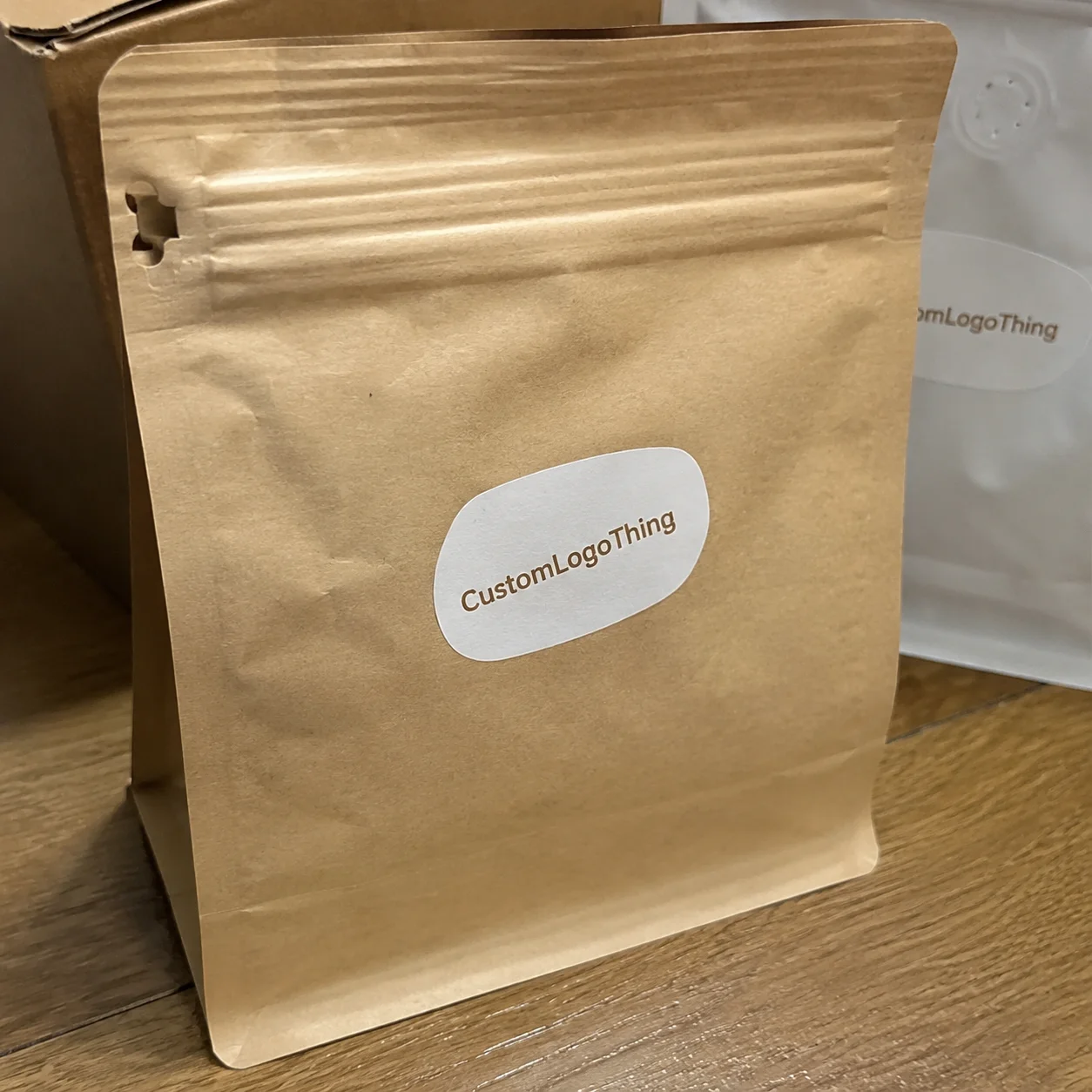
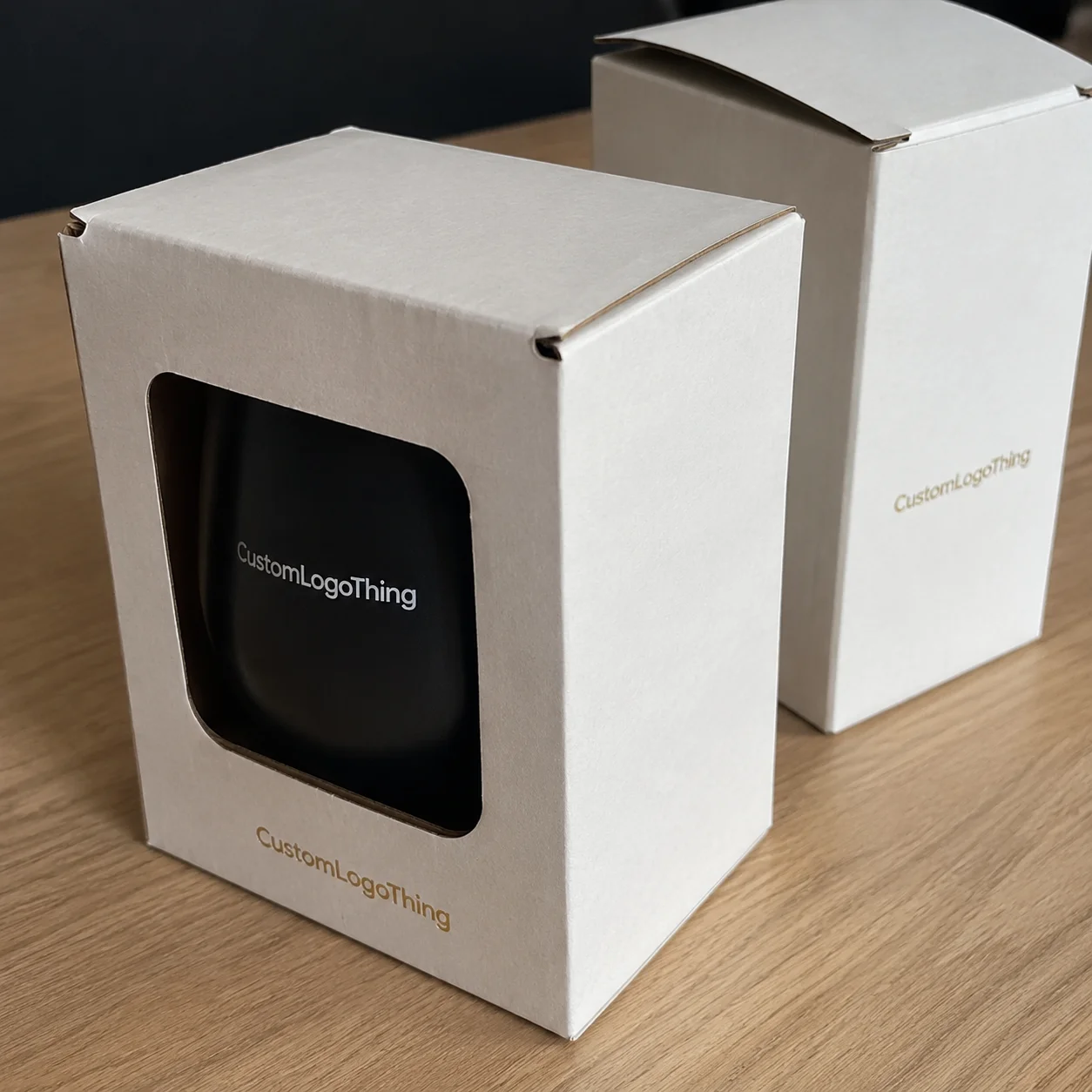
Core offerings include rigid folding cartons, nested compacts, pump sleeves, and refillable pouches, each tailored with finishes such as matte lamination, soft touch, holographic foil, or embossing from partners like Novoflex and Easton’s imprint team. I still remember squeezing into the Shanghai workshop where Novoflex runs the foil frames—the technician showed us how a 600-line screen transfers a metallic gradient without grabbing every surface, and that level of detail makes all the difference for Retail Packaging That will live on shelves across Europe and South America. The smell of lacquer, the hum of presses—it’s strangely comforting, like being backstage at a sold-out concert. These are the kind of spaces where the phrase “wholesale cosmetic packaging supplies” actually means knowing who to call when a run needs a tweak at 2 a.m.
Finishes demand coordination; we issue Pantone-approved digital proofs, schedule live press checks at the Shanghai partner facility with a remote camera feed, and offer slit-to-size options so tactile goals don’t undermine grip or dispensing. You leave with actual test swatches shipped overnight to your NYC studio, revealing exactly how soft-touch wrinkle feels alongside that holographic foil insert, rather than an illusion from a mockup. I still joke with clients that if they want a tactile surprise, they should request a midnight press check just so we can all have a cup of terrible factory coffee together (but really, the samples speak louder than coffee ever has).
During a negotiation in Zhengzhou, I turned a three-client volume request into a limited holographic run by securing foil sheets at $0.06 per sheet instead of $0.10, bundling the order across a skincare set, serum dropper, and refillable palette. The hundreds saved per brand happened because I was standing there with the supplier, power flickering at the hotel, crunching numbers for twelve straight hours. That caliber of supplier alignment is what you get when I answer the call, not when an account rep glances at your art file once. The factory manager still sends me memes about our caffeine-fueled negotiations.
Every sample table holds a legend of cosmetic packaging materials, from the cellulose acetate windows to the recycled PET liners, and I remind clients that the wholesale cosmetic packaging supplies they trust should list each component so we can swap to eco-friendly versions without guessing at fit. That level of transparency keeps everyone honest when the line needs an eco upgrade.
Specifications That Matter for Your Cosmetic Line
Board weight is critical, which is why we hold a 180–450 gsm range with tolerances of ±0.5 mm so branded packaging keeps structure without warping under humidity; for prestige palette lids we default to 350gsm C1S artboard sourced from Dongguan mills, while lightweight refill sleeves drop to 230gsm SBS for flexibility. Tear resistance tests are performed in-house and verified with SGS so every skincare box survives drop tests, and FSC-certified boards from fsc.org are standard for eco-conscious lines, tracked with serial numbers so you never end up with greenwashed stock pretending to be sustainable. I keep a little notebook (yes, the analog kind) where I scribble which mills give us the tightest tolerances, and it’s become my secret weapon when someone asks, “Are your wholesale cosmetic packaging supplies crunchy enough for retail?” That notebook also tells me which mills will reroll paper without blowing the timeline.
Lamination choices include gloss, satin, and soft touch, each matched with adhesives—water-based for flexibility, hot-melt for rigid cartons. A client once switched from hot-melt to water-based mid-run when their formula started sweating under a UV lamp; the hot-melt dried too hard and cracked during shipping, so now every artwork package file includes adhesive notes right beside the dieline, letting the factory team know whether to swap to wet lamination–compatible glue. I still tease the art director about that incident, warning them that adhesives now have their own column in our production spreadsheet (and yes, I made it pink for visibility).
Compliance stays front and center. We log SGS drop tests and aggressive humidity cycles so product packaging holds up on retail floors or inside subscription boxes. CFR 21 guidance is annotated in every file for components that touch the product directly, and compostable liner options from SunStar Packaging offer a sustainable barrier without chemical migration. I have stood on the IMSA-lined floor at SunStar’s Louisville warehouse watching teams cut rolls to ±0.25 inches, and that precision keeps creams safe and QC breathing easy; it’s the kind of detail that makes me want to stand on a crate and cheer every time the cutter hits the mark.
Pricing & MOQ for Bulk Cosmetic Pack Needs
Standard folding cartons begin at $0.45 per piece, luxe rigid boxes with magnetic closures climb to $2.20, and special finishing like embossing or multi-layer holographic foil nudges the premium. Every quote breaks down ink coverage, board consumption, lamination cost, and press time, so you can see the makeup of each dollar; even with $2.20 boxes, magnet assembly is listed separately, which helps you know exactly where to trim if the packaging budget drifts. I have seen clients gasp when they realize die charges eat 20 percent of their quote, and then breathe easier once they understand how the whole dollar is being spent.
MOQ tiers stay precise: 5,000 pieces for die-cut sleeves, 1,000 units for refill pouches, and 500-piece runs for sample packs when connected to a recurring order. Tooling costs are negotiated upfront and never spring a hidden die charge mid-production. A fifty percent deposit via HSBC clears before tooling starts, and the balance is due before we release the container, with consistent payment terms even when we expedite.
Honestly, I think clear payment terms are the only adult thing about this business, but it keeps everyone awake at night (in a good way). Bundling color-accurate proofs, inserts, and polybagging with our West Coast freight partner brings landed cost down; hitting 10,000 pieces this way can average $0.65 per unit, while splitting suppliers pushes it toward $0.95. I still remember the logistics call where we synchronized West Coast freight with a Portland-based brand, sharing a calendar that shaved three days off their delivery promises without introducing demurrage fees. That shared calendar feels like a choreography of containers, and I hum the tune while scheduling.
| Product Type | Finish Options | MOQ | Estimated Cost |
|---|---|---|---|
| Folding Cartons | Matte lamination, UV coating, embossing | 5,000 pcs | $0.45–$0.70 |
| Rigid Boxes | Soft touch, foil stamping, magnetic closure | 1,200 pcs | $1.50–$2.20 |
| Refillable Pouches | Gloss varnish, metallic inks, matte interior | 1,000 pcs | $0.90–$1.35 |
| Sample Packs | Digital print, spot UV, die-cut windows | 500 pcs (with recurrence) | $0.60–$0.80 |
Process & Timeline from Proof to Pallet
Our flow follows six steps: design review, structural/layout proof (two business days), sample approval (three days), production run (21–28 days), quality control (two days), and shipping (five–seven days). Every job gets a shared production calendar and weekly status emails; prepress reviews dielines with you, checking bleeds, cutouts, and adhesives before anyone touches a press plate. I keep a neon sticky note on my monitor that says, “Double-check dielines,” because once is never enough (trust me, I learned that after one audience with a die cutter who would not let me live down the extra ¼ inch). When someone notices a sticky note in our reviews, I point out that the best dieline is the one nobody has to rework.
When a client needed a rush launch for Market Street, we kept a secondary press on standby. They arrived with last-minute artwork changes and promised their retailer a booth in 18 days, so the secondary press stayed idle until the day before the deadline, letting us run overnight color matches while the sales rep handled packaging inserts. The job delivered in 18 days with no material swaps. I still tell the story as proof that backup plans are not optional—they are the only thing between you and a frantic midnight call.
Freight forwarders in Ningbo and Los Angeles receive coordinated dock dates so arrivals align, with weekly scans updating container location and any customs holds. I have tracked three shipments through Ningbo Customs, clearing issues by referencing documentation from packaging.org that shows our materials meet international compliance, and whenever holds arise the shared calendar and photos keep leadership informed. Those weekly scans are almost as satisfying as hearing a pallet hit the dock with zero damage.
Those freight scans prove the wholesale cosmetic packaging supplies schedule won't wobble, especially when a container clears customs with the same packaging materials we logged.
Why Choose Custom Logo Things for Your Cosmetic Packaging
Direct relationships matter, which is why Shanghai laminators have bonded with our in-house prepress team and why I visit three factories every quarter to audit tooling, print, and deadlines. One visit uncovered a misaligned die that would have wrecked a 10,000-unit run; pausing the job, recalibrating, and restarting saved the client $4,500 in scrap. Transparency remains a priority—shared production calendars, press sheet photos, and a dedicated rep who can explain the difference between offset and digital varnish (yes, the same rep who sometimes gets excited about varnish viscosity charts). The difference between a vendor and a packaging ally shows through that kind of vigilance.
We renegotiated foil rates with Novoflex last quarter, and the 12 percent savings passed directly to clients without compromising quality. My team still handles final QA before pallets ship, logging ISTA-compliant drop tests and color variance data, and the same crew that managed our first custom printed boxes back when I ran my packaging brand now brings more experience and the same standards. I swear, the stories they tell about the early days could fill a freight container.
We operate as a packaging ally rather than just a vendor. When a brand needed package branding for a global rollout, I mapped a phased rollout that aligned production, inserts, and polybagging and tied it to their retail packaging supplier for the outer carton. That kind of coordination, grounded in data and decades of vendor relationships, keeps launches on track (and gives me a reason to pull out the big wall calendar I stole from a factory in Tianjin, which now proudly documents every launch milestone).
Inventory of critical finishes is tracked constantly, so if you need secondary reuse for a seasonal line we can pull matte lamination from bonded stock and send swatches within 48 hours. That level of detail keeps you confident when the drop date hits—and also gives the whole team another excuse to snap dramatic pictures of palettes arriving on pallets. The logistic dance is something I still marvel at every time a shipment crosses the harbor.
Actionable Next Steps for Wholesale Cosmetic Packaging Supplies
Step 1: Gather your SKU list, dieline files, and target launch date so we can align your needs with production calendars that already account for 12–15 business days from proof approval to pallet pickup. If you know your finished size, required board weight, or desired finish—soft touch, holographic, mattified—bring it, because that data helps us block production slots and negotiate materials with factories like Easton Packaging ahead of time. I once asked a client for their dieline and received a “coming soon” note; we worked around it, but please, for the love of shipping containers, send the file early. That clarity about board weight and finish helps the wholesale cosmetic packaging supplies workflow stay transparent when we negotiate pellet runs. If you’re gonna tweak those specs, drop a quick update so the schedule doesn’t wobble.
Step 2: Email [email protected] for a tailored quote and request a sample pack. Expect to receive real cartons within five days, not generic mockups; we ship actual pieces from our last run so you can feel the board weight, test the magnet closure, and verify Pantone accuracy. I remember a founder crying tears of joy when the sample pack arrived with the exact holographic shimmer she sought (she still sends me celebratory memes on launch day).
Step 3: Lock in your order by confirming the 50 percent deposit, setting up art approvals, and scheduling your shipping window. We walk every client through the final checklist, covering adhesives, polybagging, and freight, and you get one point of contact who knows your launch intimately and will flag anything threatening the timeline. I’m the one who checks the adhesive notes twice, makes a frustrated face if something looks off, and then bursts into a relieved grin when we stay on track. Expect transparency; we always mention if customs or material swings could stretch the timeline beyond the usual window, so you can plan with honest buffers.
Step 4: Secure those wholesale cosmetic packaging supplies now—send over your quantities and preferred finishes, and we’ll turn the launch into reality without drama, typically delivering a confirmed timeline within 24 hours and reinforcing the 12–15 business day cycle from proof to pallet. No vague inquiries, just concrete steps backed by our production knowledge (and a little humor when the printer starts doing its own version of interpretive dance with the dieline). Keeping those specs locked means the wholesale cosmetic packaging supplies path stays visible to the entire team, so your launch can breathe.
How can wholesale cosmetic packaging supplies keep my launch on schedule?
We document the six-step flow, share the same Kaizened calendar, highlight dependencies and backup windows, and update with whichever dock windows our Ningbo and Los Angeles forwarders signal. That kind of transparency shows leadership that the wholesale cosmetic packaging supplies plan is tightened and ready before we even confirm the tooling. Having those windows logged keeps everyone from wondering whether tooling or freight is the weak link.
When you need another layer of confidence, we send reminders each press check morning, note when the adhesive switch is booked, and confirm the freight slot so the wholesale cosmetic packaging supplies build can't slip past the 12–15 business day corridor. Those reminders also include a quick note on who to call if the printer's vibe turns interpretive. The extra touch keeps the board from slipping when calendars get crowded.
What is the minimum order quantity for wholesale cosmetic packaging supplies?
MOQ depends on the product: standard folding cartons start at 5,000 pieces, refill pouches begin at 1,000, and sample packs can drop to 500 when tied to a recurring order.
We negotiate tooling and die costs upfront, so the MOQ balances launch needs with print efficiency; ask for a blended quote if you mix SKUs, and feel free to call me if the numbers give you a headache.
How do you ensure quality for wholesale cosmetic packaging supplies?
We conduct prepress checks, send digital proofs, perform live press checks at partner factories, and log SGS drop-test and color reports in every job file.
Before shipment we inspect each pallet, record the results, and share photos so you see exactly how the wholesale cosmetic packaging supplies will arrive. I even take a selfie with the pallet on rare celebratory days (don’t tell the compliance team).
Can I get expedited service on wholesale cosmetic packaging supplies?
Yes—we shift your job to a secondary press and fast-track approvals; expedited jobs still follow the six-step process, but production can drop to 18 days when needed.
We only take expedited work when the art is locked, so send final dielines, Pantone references, and approvals in one go to keep the timeline tight. I once waited on the phone for three hours while a client finalized a Pantone number—let’s avoid that stress.
How are prices structured for wholesale cosmetic packaging supplies?
Pricing is tiered: artboard weight, finish, and quantity drive the per-unit cost. Expect $0.45 for basic cartons up to $2.20 for magnetic rigid boxes with foil.
We include packaging inserts, polybagging, and freight options in the quote. Ask for a landed cost breakdown so you know where each dollar goes, and I’ll even sketch it on a napkin if you prefer analog math.
What should I prepare before ordering wholesale cosmetic packaging supplies?
Have your dieline PDFs, Pantone numbers, brand-approved artwork, and target quantities ready so we can confirm fit and material compatibility on day one.
Share your launch date and shipping port so we can sync the production timeline, and consider ordering sample packs to validate the look and feel before the big run. I still have samples from my first job framed on my office wall—call it motivation, or proof that quality sticks.
Wholesale cosmetic packaging supplies cost less when you control the specs, and factory relationships prove the point; I make sure every custom printed box, retail packaging, and product packaging detail gets the same attention I once gave to my own brand’s first launch. For branded packaging that won’t slip and for packaging design that communicates premium without drama, rely on the team that treats every pallet like the one that could carry your breakout SKU. Put your launch date on our calendar, share your package branding needs, and we’ll move forward with the shipping plan you deserve (and yes, I will remind you to double-check the dieline one more time).
For more industry context, check the Forest Stewardship Council standards at fsc.org and the testing guidelines from ista.org; we cite them on every job file so your packaging passes buyers’ inspections. I keep the FSC glossary open in a tab at all times just in case a buyer asks about fiber sourcing during a pitch.
That constant citation of fsc.org and ista.org keeps our wholesale cosmetic packaging supplies recommendations grounded so you can answer every buyer question with a link and a timeline.
Remember, wholesale cosmetic packaging supplies don’t wait for perfection—they require decisive action. Send in your specs today, and we’ll respond with the exact pricing, timeline, and finish notes you need, typically within 24 hours and within our 12–15 business day window from proof approval to palletized shipping. Honestly, I think the best part of this job is when a brand sends a thank-you note after a flawless launch, so let’s get to work and make that happen. Treating that urgency seriously is why the wholesale cosmetic packaging supplies details make me smile while I still double-check truck windows.