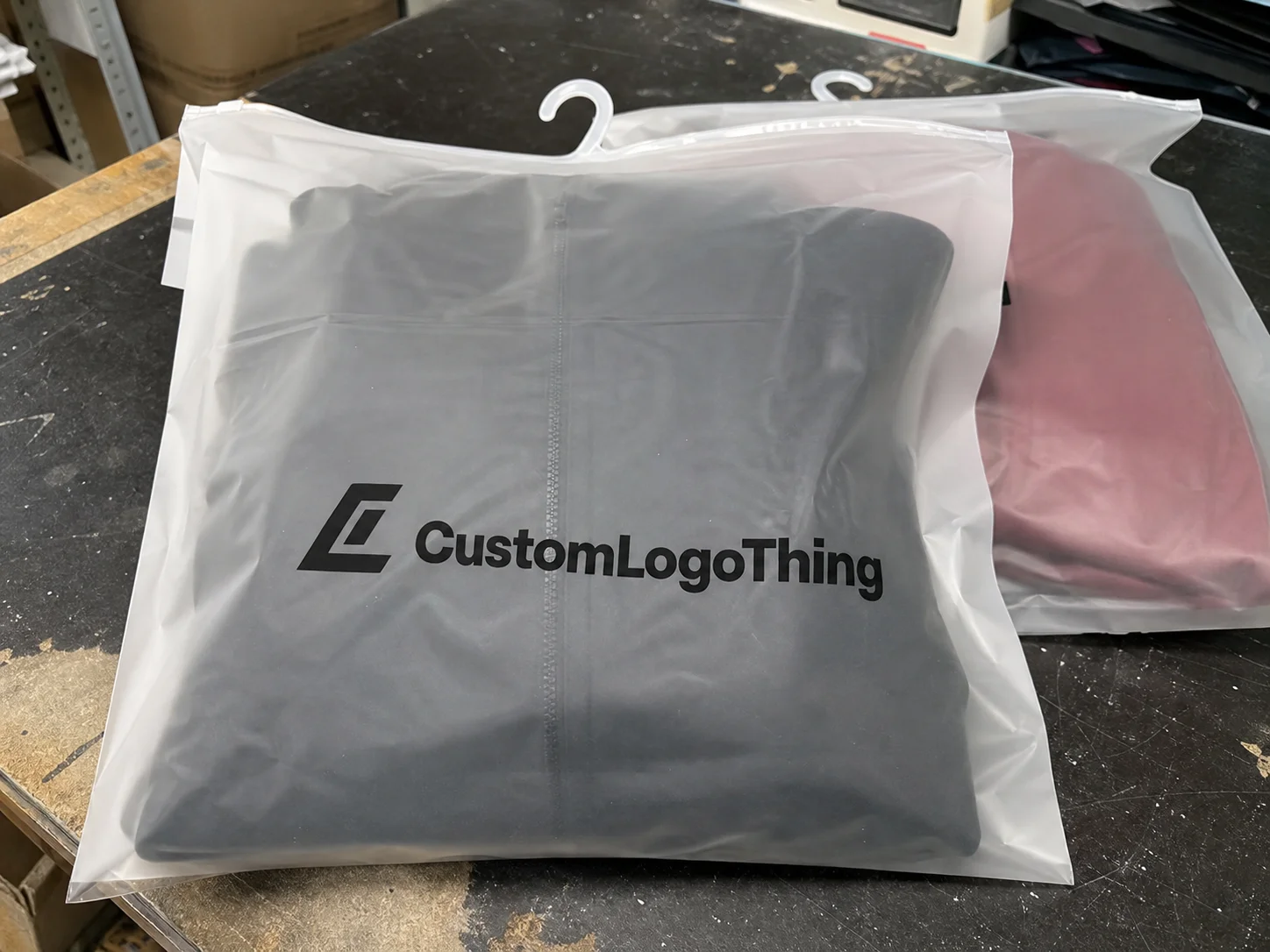
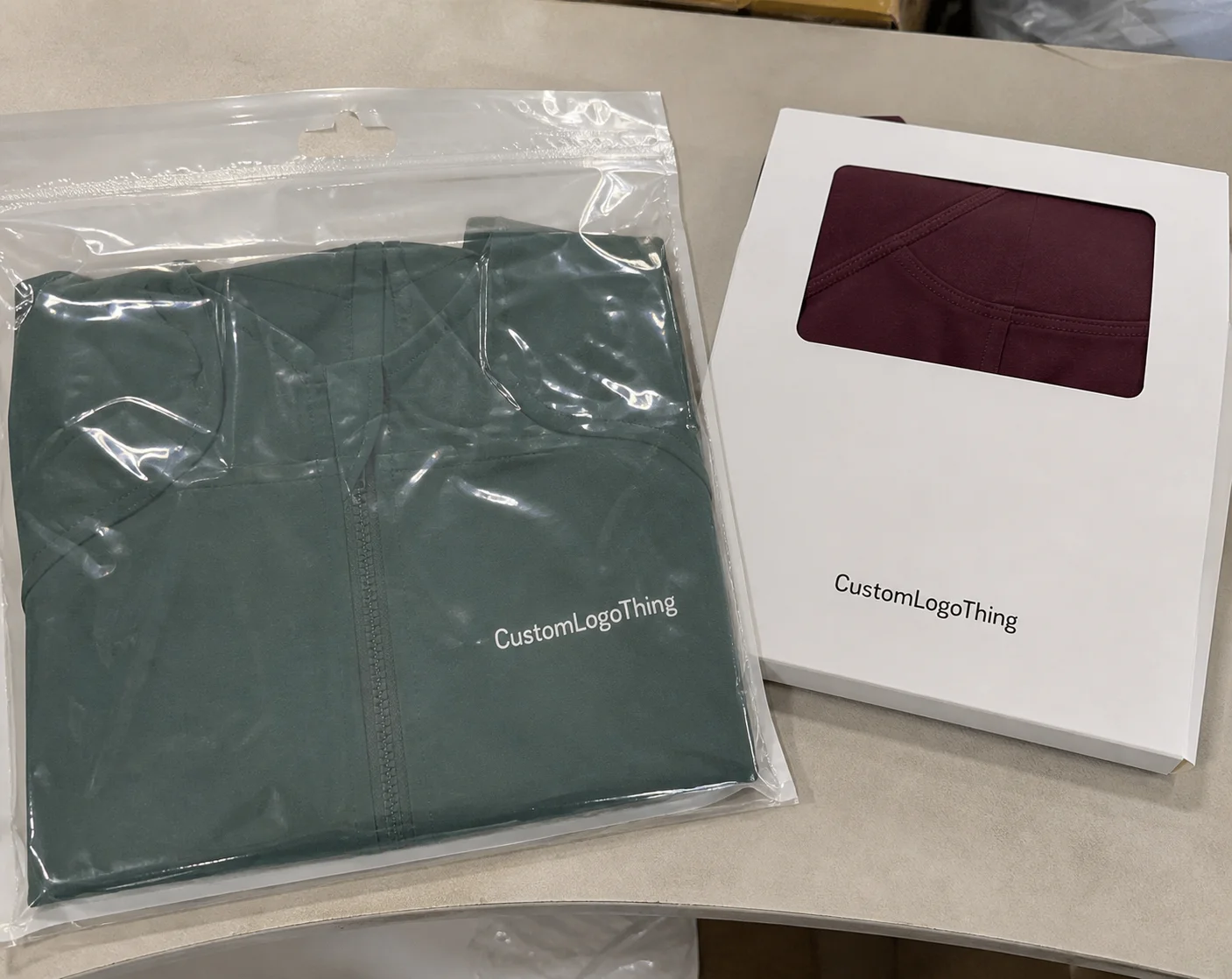
Buyer Fit Snapshot
| Best fit | Wholesale Custom Shipping Boxes with Logo projects where brand print, material claims, artwork control, MOQ, and repeat-order consistency need to be specified before quoting. |
|---|---|
| Quote inputs | Share finished size, material target, print colors, finish, packing count, annual reorder estimate, ship-to region, and any compliance wording. |
| Proofing check | Approve dieline scale, logo placement, barcode or warning zones, color tolerance, closure strength, and carton packing before bulk production. |
| Main risk | Vague material claims, crowded artwork, missing packing details, or unclear freight terms can make a low unit price expensive after revisions. |
Fast answer: Wholesale Custom Shipping Boxes with Logo: Material, Print, Proofing, and Reorder Risk should be specified like a repeatable production item. The safest quote records material, print method, finish, artwork proof, packing count, and reorder notes in one written spec.
Production checks before approval
Compare the actual filled-product size with the drawing, then confirm tolerance on folds, seals, hang holes, label areas, and retail display edges. Reserve space for logos, QR codes, warning copy, and material claims before decorative graphics fill the panel.
Quote comparison points
Review material grade, print process, finish, sampling route, tooling charges, carton quantity, and freight assumptions side by side. A quote is only useful when the supplier can repeat the same color, closure quality, and packing count on the next order.
On a dock in Dongguan, Guangdong, I watched two pallets roll out back to back: plain brown cartons on the left, wholesale custom shipping boxes with logo on the right. Same product. Same tape. Same driver. The branded cartons got noticed by three retail buyers before the forklifts even cleared the lane. I remember thinking, slightly smugly, that the plain boxes looked like they were apologizing for existing. That’s not magic. That’s package branding doing its job.
If you sell online, ship to stores, or run a subscription program, wholesale custom shipping boxes with logo can help with presentation, protection, and cost control at the same time. I’ve seen brands save $0.12 to $0.28 per shipment by tightening box dimensions by 0.5 to 1.0 inch and reducing filler from three sheets of kraft to one. I’ve also seen them waste another $0.30 on void fill because somebody ordered the wrong carton width. Expensive mistake. Very common. Honestly, I think half of packaging problems start with one person saying, “Yeah, that should fit,” and then everyone else has to live with the consequences.
Plain cartons are cheap. Cheap can turn expensive fast once damage claims, dimensional weight fees, and first-impression problems start stacking up. A standard 12 x 10 x 8-inch carton that should have been 11 x 9 x 7.5 inches can push a parcel into a higher rate tier on UPS, FedEx, or DHL. Wholesale custom shipping boxes with logo are a business tool, not decoration. They can do a lot of quiet work if you spec them correctly.
Why Wholesale Custom Shipping Boxes with Logo Beat Plain Cartons
The first time I saw a major retailer reject a shipment, it wasn’t because the product was damaged. It was because the cartons looked like they came from three different suppliers and one of them had a crooked label slapped on with half-dry adhesive. That was a $14,000 headache over packaging consistency, plus two extra days of receiving delays at a warehouse in Newark, New Jersey. Since then, I’ve been annoyingly strict about presentation. In fairness, a box that looks confused tends to make the whole operation look confused too.
Wholesale custom shipping boxes with logo beat plain cartons because they turn every shipment into a repeat brand touchpoint. Customers remember the box. Buyers remember the box. Warehouse staff remember the box. A clean printed carton also changes the way a purchasing manager reads a pallet line: professional operation, controlled process, fewer surprises. On a 48 x 40-inch pallet in Chicago or Atlanta, that visual consistency can matter almost as much as the product itself.
Customers notice the outside before they see the product. Complaint emails say it plainly: “Generic package.” “Looks unbranded.” “Thought it was a knockoff.” Those comments don’t show up in a spreadsheet, but they affect reorder rates. Branded packaging gives the shipment a sense of intention. It says someone cared enough to make the outside match the product inside, even if the carton is just 32 ECT single-wall corrugate with a one-color flexo logo.
From an operations angle, wholesale custom shipping boxes with logo can lower costs in ways a lot of teams miss. A carton sized correctly uses less filler, reduces cube, and sometimes avoids the next dimensional weight bracket. On ecommerce shipping, a half-inch matters more than people want to admit. I’ve seen one unnecessary inch add $1.80 to freight on a single parcel and $540 across a 300-unit monthly run. That kind of number makes people suddenly interested in tape measures.
There’s also the waste that hides in plain sight. Brands overspend on bubble wrap, kraft paper, air pillows, and inserts because the box is too large or the fit is sloppy. Fragile product? Sure, some needs protection. Most of the time the issue is poor packaging design, not weak product construction. A tighter carton built from 350gsm C1S artboard for a retail mailer, or 32 ECT corrugated for transit, can do more than a mountain of filler.
“We cut our damage rate by 18% after switching from oversized stock cartons to custom sizes with printed branding. The box itself paid for the change.” — A fulfillment manager I worked with in New Jersey
That’s why I push wholesale custom shipping boxes with logo so hard. Stronger brand recall. Cleaner customer experience. Packaging that fits the product instead of bullying it into place. Plain cartons are fine if the outside truly does not matter. Most brands care. They just keep paying for the wrong things.
Wholesale Custom Shipping Boxes with Logo: Box Styles and Print Options
Not every carton should be built the same way. I’ve stood on factory floors in Dongguan and Foshan where someone tried to force a mailer-style structure to do the job of a double-wall shipper. Bad idea. The glue lines held. The corners didn’t. There’s a difference between a nice-looking box and a shipping box that survives actual freight, and the freight is usually the part that laughs last.
The most common wholesale custom shipping boxes with logo formats include regular slotted cartons, mailer-style shipping boxes, tuck-top options, and heavy-duty corrugated shipper boxes. Regular slotted cartons are the workhorse. Cheap to run. Easy to pack. Mailer boxes work better for presentation and direct-to-consumer order fulfillment. Tuck-top styles fit when the opening experience matters. Heavy-duty shippers are what I recommend when weight, stacking, or rough carriers are part of the equation, especially for routes moving through Dallas, Memphis, or Toronto distribution hubs.
Print method matters too. Flexo is usually the workhorse for larger runs. Lower unit cost. Faster per box once the plates are set. Digital printing works better for shorter runs, multiple artwork versions, or brands that keep changing their creative every quarter because marketing got bored. Offset can deliver very crisp graphics, but the economics depend on volume and structure. I’ve had clients fall in love with a full-color mockup, then nearly faint when they saw the quote. Pretty is wonderful. Pretty that bankrupts the project is less charming.
Here’s the simple version:
- Flexographic printing: good for high-volume wholesale custom shipping boxes with logo, usually one to three colors, lower cost at scale.
- Digital printing: better for lower minimums, full-color art, faster artwork changes, and test orders.
- Offset printing: sharper image reproduction, often used when visual detail matters and quantities justify setup.
Logo placement is another place where teams overcomplicate things. Top panel placement is standard and costs less. Side panel branding helps when pallets are stacked and the carton face changes. Interior print is a nice touch for premium product packaging, but it adds cost. Full-color wraparound print looks strong, but if your margin is thin, it can eat the budget fast. I once negotiated a run where the client wanted full bleed on all six panels. We cut it back to two exterior panels and saved them $0.21 per unit on a 7,500-piece order. They still got the look they wanted, and nobody had to pretend that money grows on corrugated board.
Finishes affect both appearance and durability. Matte gives a cleaner, softer look. Gloss makes colors pop, but fingerprints and scuffs show more easily. Uncoated brown kraft feels more natural and hides handling marks well. For wholesale custom shipping boxes with logo, I usually recommend choosing finish based on how the carton will move through the chain, not just how it looks in a mockup. A box moving from Suzhou to Los Angeles is not living the same life as one sitting on a boutique shelf in Austin.
Structural add-ons are useful when needed, not just because they sound fancy. Reinforced edges help with compression. Die-cut handles can improve carry comfort for heavier packs. Auto-lock bottoms speed assembly. Custom inserts help prevent movement for multi-item ship sets. If the product is glass, electronics, or a premium retail package, a well-designed insert can save more than it costs. A 2 mm EPE insert may add $0.09 to $0.18 per unit, but it can also save a $19.00 replacement.
| Box Style | Best Use | Typical Cost Impact | Notes |
|---|---|---|---|
| Regular slotted carton | General ecommerce shipping | Lowest | Good for high-volume order fulfillment and pallet shipping |
| Mailer-style box | Subscription and retail packaging | Moderate | Better presentation, more print space for branding |
| Heavy-duty shipper | Heavier items or long-haul freight | Higher | Stronger board, better compression resistance |
| Tuck-top style | Premium unboxing and internal presentation | Moderate to higher | Often used for product packaging with a retail feel |
If you need a wider packaging mix, I’d also look at Custom Packaging Products and Custom Shipping Boxes so the outer carton matches the rest of the packout. That alignment matters more than most people realize, especially when a fulfillment center in Ontario, California is moving 2,000 orders a day.
Wholesale custom shipping boxes with logo are not one-size-fits-all. The right box style and print method should match product weight, freight method, and how much of the box the customer actually sees before opening it. That’s practical packaging design. Not guesswork.
Custom Shipping Box Specifications That Actually Matter
Most bad box orders start with bad measurements. Not bad art. Not bad pricing. Measurements. I’ve had clients send me “18 by 12 by 10” and forget to mention the product tray inside needed another 1.25 inches of clearance. Then everyone acts surprised when the box crushes the insert. Wonderful. If packaging had a greatest hits album, this would be track one.
For wholesale custom shipping boxes with logo, you need four basics: inner dimensions, product weight, shipping method, and whether the box must fit a secondary packout like a tray, pouch, or retail sleeve. Inner dimensions matter most. Outer dimensions depend on board thickness and construction. If you only give outside size, you’re setting yourself up for a fit issue later. A carton with 0.125-inch board on each wall can change the outside measurement enough to affect freight rates and pallet counts.
Corrugated board choice matters just as much as size. Single-wall corrugated works for many ecommerce shipping jobs where the product is not too heavy and the route is relatively controlled. Double-wall is better when more compression strength is needed or the cartons are stacking high. The flute type affects cushioning and print surface. B-flute and E-flute are commonly used for different combinations of strength and print quality. You do not need to memorize the alphabet. You do need to know that board structure changes performance. A 32 ECT board is not the same animal as a 44 ECT double-wall shipper made in Shenzhen or Ningbo.
Ask for strength specs in plain numbers. ECT, or Edge Crush Test, is one of the clearest indicators for shipping strength. Burst strength still gets used in some specs, especially for heavier-duty requirements. If a supplier cannot explain the difference without turning into a brochure, keep shopping. I once had a vendor in Qingdao quote a “strong box” with no ECT number. That is not a spec. That is a vibe.
For most wholesale custom shipping boxes with logo orders, I want the buyer to know the print-safe area, bleed, and any panel restrictions before artwork gets finalized. The logo may look perfect on a dieline, then get cut off because the panel size changed by 0.18 inches. That happens more than it should. If the printer is running high-speed flexo, artwork needs to be set up correctly so the graphics stay centered and readable, especially on a 14 x 10 x 6-inch carton where every panel has a purpose.
Testing is where good packaging proves itself. Drop testing shows whether corners survive impact. Stack testing checks compression under load. Humidity exposure matters if the cartons sit in a warehouse or travel through damp climates. If the product ships through several hubs, ask whether the box has been designed with ISTA test logic in mind. The ISTA packaging testing standards are a practical reference, not decoration. A 24-hour humidity soak at 90% RH can reveal more than a polished sales pitch ever will.
There is also a difference between what a box can survive in a clean sample room and what it can survive in a real fulfillment center with bad tape habits, damp floors, and somebody dropping a case from 30 inches because they are in a hurry. I’ve seen both. The second one matters more, particularly in warehouses in Miami, Portland, and Montréal where temperature swings can be rough on paper-based packaging.
When brands ask me how to spec wholesale custom shipping boxes with logo, I usually give them this checklist:
- Measure the product with packaging included, not bare product only.
- Confirm unit weight and the heaviest shipping scenario.
- Decide whether the carton is retail-facing or transit-only.
- Choose single-wall or double-wall based on stacking and route risk.
- Send artwork as vector if possible.
- Approve a proof only after checking exact dimensions.
That process sounds basic because it is. The difference between a good and bad order is usually one missing detail, not some mystical packaging secret.
If you care about sustainability, ask about board content and recovery. The FSC standard is worth requesting when sourced fiber matters for your brand story. I’ve had buyers insist on FSC-certified liners because their retail channel demanded it. Fair enough. That spec should be in writing, not assumed. A 100% recycled kraft liner with FSC chain-of-custody can make the procurement note much easier to defend.
Wholesale custom shipping boxes with logo work best when the box is engineered around real shipping conditions. Size, board grade, and testing should all be part of the conversation before anyone starts arguing about Pantone numbers.
Wholesale Custom Shipping Boxes with Logo Pricing and MOQ
Let’s talk money, because that is usually why people are here. Wholesale custom shipping boxes with logo can range from surprisingly affordable to “who approved this?” depending on size, board grade, print method, and quantity. The unit price is only part of the story. Setup, tooling, freight, and sample work can shift the total cost by hundreds or thousands of dollars. I have had a perfectly good morning ruined by a freight quote, so yes, I take this personally.
For a basic example, a small digital-printed shipper might land around $0.78 to $1.35 per unit at 1,000 pieces, depending on dimensions and board. Push the quantity to 5,000 and the same spec may drop to $0.42 to $0.76 per unit. At 10,000 pieces, a simple one-color flexo carton could fall to $0.15 to $0.34 per unit if the board is standard and the artwork stays uncomplicated. That is why wholesale matters. Spreading setup costs across more units changes the economics fast.
Flexo tends to be cheaper at higher volume, especially for simpler graphics. A one-color run in a standard RSC might be significantly less expensive than a full-color digital run, but only if your order quantity is large enough to absorb plate or setup fees. On one order I handled in Dallas, the client saved $480 by moving from a short digital run to a flexo run at 10,000 pieces. They also gave up some color complexity. Fair trade.
Here’s a practical pricing framework for wholesale custom shipping boxes with logo:
- Size: bigger cartons use more board and ship with more cube.
- Board grade: single-wall is cheaper; double-wall costs more but supports heavier loads.
- Print colors: each additional color can add cost, especially in flexo.
- Coverage: one-panel branding costs less than multi-panel coverage.
- Quantity: higher quantities lower unit price because setup is spread wider.
- Finishing: coatings, special inks, and inserts all change the quote.
MOQ depends on the method. Digital printing often allows lower minimums, sometimes 300 to 500 units, which is useful for product launches or testing new SKUs. Flexo and offset usually require larger runs to make the pricing efficient, often 1,000 pieces or more. If a supplier claims they can do everything at tiny quantities for the same cost structure, I’d ask for a line-item breakdown. Usually the math is hiding somewhere, and usually it is not on your side.
Expect sample and tooling charges. A prototype sample might cost $35 to $150 depending on complexity. Die fees or plate fees can run from $75 to several hundred dollars. Freight is separate and should never be ignored. I’ve watched buyers celebrate a low unit price, then get hit with a $620 freight bill from Shenzhen to Long Beach and act betrayed by physics.
| Production Method | Typical MOQ | Best For | Cost Behavior |
|---|---|---|---|
| Digital print | Low to medium | Launches, short runs, multiple designs | Higher unit price, lower setup burden |
| Flexographic print | Medium to high | Wholesale volume, simple branding | Lower unit price at scale, setup costs matter |
| Offset print | Medium to high | High-detail graphics, premium product packaging | Excellent print quality, stronger setup economics needed |
How do you save money without wrecking quality? Use standard sizing where possible. Keep ink colors limited. Batch reorders instead of placing tiny emergency runs every other month. If the product can tolerate it, avoid exotic board specs that no one stocks in volume. I’ve seen teams save 8% to 12% simply by standardizing two or three carton sizes across their catalog. That is the boring kind of savings, and boring savings are my favorite kind.
For brands balancing shipping boxes, outer mailers, and retail-facing packaging, a broader program may also include Custom Poly Mailers for lighter items and split orders. That is not overkill. That is smart SKU segmentation.
Wholesale custom shipping boxes with logo should be priced like a real manufacturing buy, not like a random online shopping cart. Ask for the unit cost, tooling cost, sample cost, and freight cost separately. If a supplier will not separate those numbers, they probably do not want you comparing them honestly.
How the Ordering Process and Production Timeline Works
The ordering process for wholesale custom shipping boxes with logo is straightforward if you give clean information. It gets messy when the buyer sends three different dimensions, a logo screenshot, and a launch deadline that was apparently decided in a meeting with no adults present. I’ve seen that exact email thread. It was not art.
The usual workflow is quote request, spec review, dieline confirmation, artwork submission, proof approval, production, then shipment. That sounds simple because it is. The delays happen when the spec is incomplete. Missing dimensions. Wrong weight. No PMS target. Artwork in low-res JPG format. Or the classic move: making design changes after proof approval and then acting shocked when the schedule shifts.
For a clean run, I usually expect 2 to 4 business days for quoting and spec clarification, 1 to 3 days for dieline and artwork prep if everything is ready, and about 7 to 15 business days for production after approval depending on box style and print method. In practice, a straightforward one-color flexo order approved on Monday often ships in 12 to 15 business days from proof approval. Freight can add another 2 to 10 days depending on destination and shipping mode. That means a total timeline might land anywhere from two to four weeks, sometimes longer for complex jobs or busy factory periods.
When should you request a prototype? If the product is expensive, the carton has tight fit tolerances, or the print placement matters to your brand launch, get a physical sample. A digital proof is fine for simple one-color branding when dimensions are already established. If you’re shipping glass, electronics, or a premium set with inserts, a prototype can save you from a very public mistake. I’ve seen a beautiful proof hide a terrible flap interference issue. Paper does not always tell the truth.
Wholesale custom shipping boxes with logo also need freight planning. Cartons are bulky. Pallets matter. I always ask whether the buyer wants full pallet, mixed pallet, or carton-level packing. If you’re shipping to a 3PL, ask about receiving requirements. Some warehouses reject loose cartons or charge extra for non-standard palletization. I’ve had one East Coast 3PL charge $95 just because the pallet height exceeded their dock preference by 4 inches. Ridiculous? Yes. Common? Also yes.
Rush production is worth it only when the margin supports it or the launch cost is higher than the rush fee. Paying an extra $250 to save a retail launch is reasonable. Paying it because someone forgot to order on time is not strategy. That is panic with a purchase order.
One of my better factory-floor lessons came from a carton line in Dongguan where the glue line temperature was off by just a few degrees. The boxes looked fine. Half the run failed after compression testing. We caught it because I was physically there, checking stack height and corner score quality. You do not get that level of protection from a pretty sales deck. You get it from process.
Wholesale custom shipping boxes with logo move faster when the buyer provides exact dimensions, final artwork, and a real delivery target. Good packaging projects are built on boring details. That is the secret nobody puts on a sales flyer.
Why Custom Logo Things Is a Better Wholesale Packaging Partner
I’ve spent enough time on factory floors to know the difference between a packaging seller and a packaging operator. One talks about “brand experience.” The other talks about board caliper, crush resistance, plate tolerances, and how many cartons fit on a pallet without the corners getting murdered in transit. I trust the second one.
Custom Logo Things is built for buyers who need wholesale custom shipping boxes with logo That Actually Work in production, not just in a rendered mockup. That means practical spec guidance, responsive quoting, and a real understanding of how print quality and box engineering affect the final result. Fancy language does not save a shipment. Correct specs do, whether the order is headed to Los Angeles, Houston, or a fulfillment center in Mississauga.
I’ve negotiated board pricing with suppliers who tried to sneak in lower-grade liner stock to protect their margin. I’ve seen color drift show up because a press operator changed ink load to speed up a run. I’ve watched weak glue lines fail after a warehouse reroute through humid weather. That is why QC has to be more than a checkbox. It needs material checks, print checks, and final packing inspections before freight leaves.
What do customers get from a serious packaging partner? Clear communication. Real timelines. Straight answers about MOQ and print methods. And if a spec is wrong, someone says so before money gets burned. That saves time and prevents the kind of “close enough” thinking that turns into claims later.
Reliable sourcing also matters. Some runs need different board grades, different print methods, or different structural choices based on budget. A good partner can adjust without pretending every job deserves the same build. That flexibility matters in branded packaging, product packaging, and retail packaging alike.
If you’re comparing suppliers, ask the right questions:
- What ECT or burst strength do you recommend for this carton?
- Can you show the dieline before artwork approval?
- What is the unit price at 1,000, 5,000, and 10,000 pieces?
- Are tooling and freight separate?
- What happens if the print proof needs a correction?
Those questions expose whether a supplier understands wholesale custom shipping boxes with logo or just knows how to send a quote template. I prefer the first kind. Every time.
For buyers building a wider packaging program, Custom Logo Things can support the full family of custom printed boxes and related components, not just one SKU. That matters if your packaging design has to stay consistent across multiple product lines and multiple ship methods, from a 250-unit pilot in Seattle to a 25,000-unit replenishment in Phoenix.
Wholesale custom shipping boxes with logo are only as strong as the partner producing them. A supplier who understands board, print, freight, and scheduling will save you money in ways that do not show up until after the first shipment lands cleanly.
Next Steps for Ordering Wholesale Custom Shipping Boxes with Logo
If you want a clean quote for wholesale custom shipping boxes with logo, get your inputs together before reaching out. The more exact you are, the faster the quote comes back. I’ve seen quote cycles cut in half simply because the buyer sent the right files the first time. Amazing what happens when nobody has to play detective.
Prepare these details first:
- Exact inner dimensions
- Product weight and any inner packaging
- Artwork files in AI, EPS, or editable PDF
- Quantity targets for each run
- Target delivery date
- Shipping destination and whether palletized freight is needed
Then follow a simple ordering checklist. Choose the box style. Confirm the dimensions. Decide print coverage. Request a sample if fit matters. Approve the proof only after checking logo placement and panel orientation. If you are not sure whether flexo or digital is best, ask for both pricing options. That comparison usually tells the story quickly, especially if you need 1,000 pieces now and 8,000 more in six weeks.
I also recommend comparing at least two spec-based quotes, not just two prices. A $0.11 difference means nothing if one quote uses better board and the other hides freight in a separate line. Value lives in the details. Always has.
Here’s the cleanest way to request wholesale custom shipping boxes with logo: include the phrase in your inquiry, attach the dieline if you have it, and ask for a cost breakdown by unit, tooling, and freight. If you want a wider program, mention whether you also need Wholesale Programs support for repeat ordering and inventory planning.
One more thing from the factory side. Do not rush the proof stage just because everyone is eager. A 15-minute review can prevent a 15,000-unit mistake. I’ve sat with clients who wanted to skip the sample because the mockup “looked fine.” It looked fine until we measured the flap score and realized the closure would fail under stack pressure. That sample paid for itself before the first carton left the line.
Wholesale custom shipping boxes with logo should be ordered like a manufacturing asset, not a disposable supply item. If you have your dimensions, artwork, and quantity ready, you are already ahead of most buyers. Send a clear request, ask for spec-based pricing, and make the box work for the product, the freight, and the brand.
FAQ
What is the minimum order for wholesale custom shipping boxes with logo?
Minimums depend on print method, box size, and board type. Digital printing can allow lower MOQs, sometimes 300 to 500 pieces, while flexo or offset usually needs larger runs, often 1,000 pieces or more, to make pricing efficient. Ask for a quote with your exact quantity because the break point changes by supplier and spec.
How much do wholesale custom shipping boxes with logo usually cost per box?
Pricing is driven by size, corrugated grade, number of print colors, finishing, and quantity. Smaller runs cost more per unit because setup costs are spread across fewer boxes. As a rough benchmark, a 1,000-piece digital run may be $0.78 to $1.35 per box, while a 5,000-piece run can drop to $0.42 to $0.76, depending on dimensions and board. Request a line-item quote so you can compare unit price, tooling, and freight separately.
What file format do I need for my logo artwork?
Vector files like AI, EPS, or editable PDF are preferred. High-resolution PNGs may work for previews, but they are not ideal for clean production print. If you only have a basic logo file, ask for artwork cleanup before approval so the final carton does not lose detail on the press.
How long does production take for wholesale custom shipping boxes with logo?
Timeline depends on sample approval, artwork readiness, and production method. For a straightforward order, production is typically 12 to 15 business days from proof approval, while complex jobs may take longer. Freight time can add several days, so plan before inventory runs tight.
Can I order custom shipping boxes that fit my product exactly?
Yes, custom sizing is one of the biggest advantages of wholesale packaging. You should provide product dimensions, weight, and any inner packaging so the box is not oversized. A tight fit improves protection and can Lower Shipping Costs by reducing filler and excess dimensional weight, especially on routes through major carriers like UPS and FedEx.