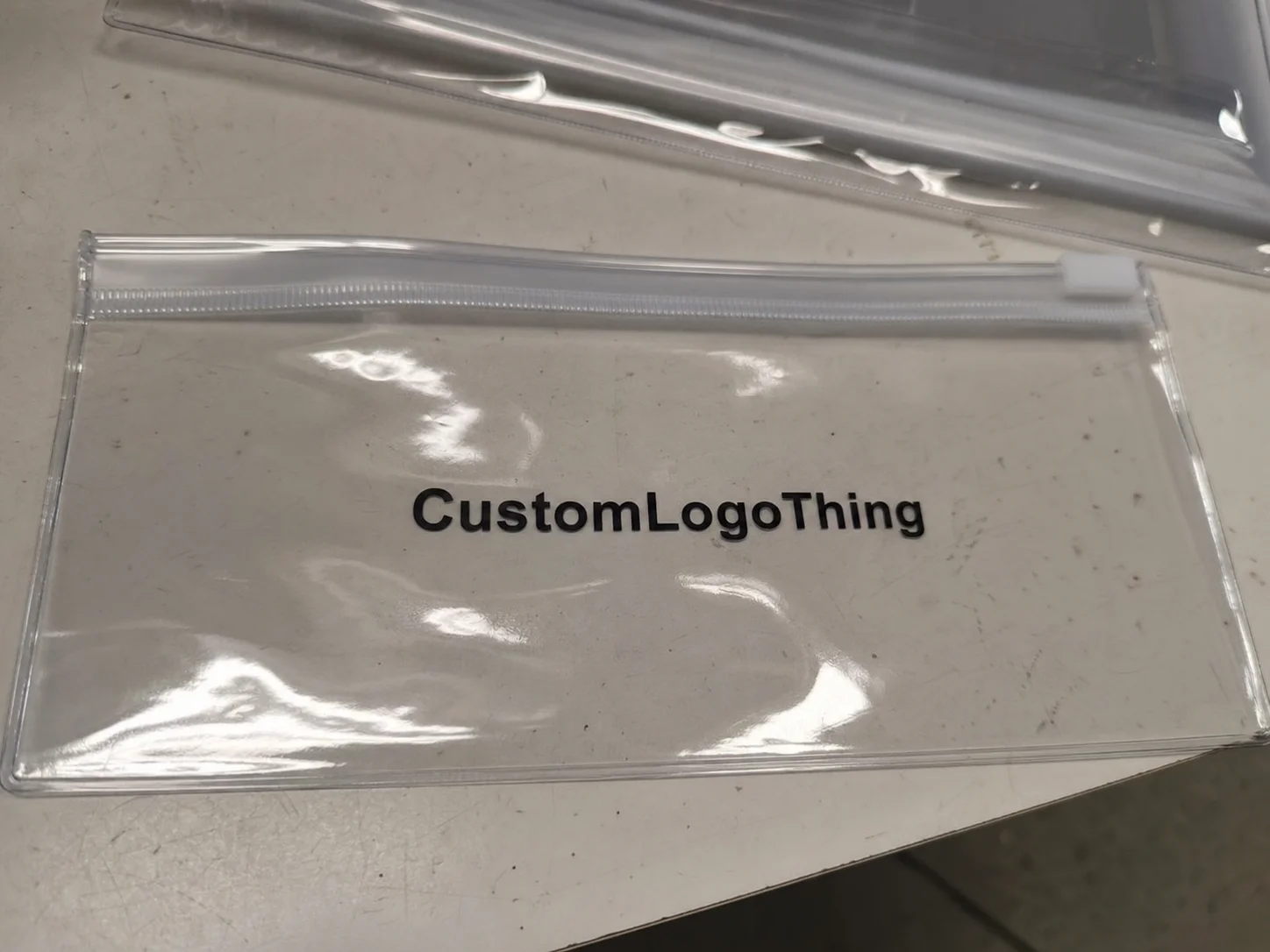
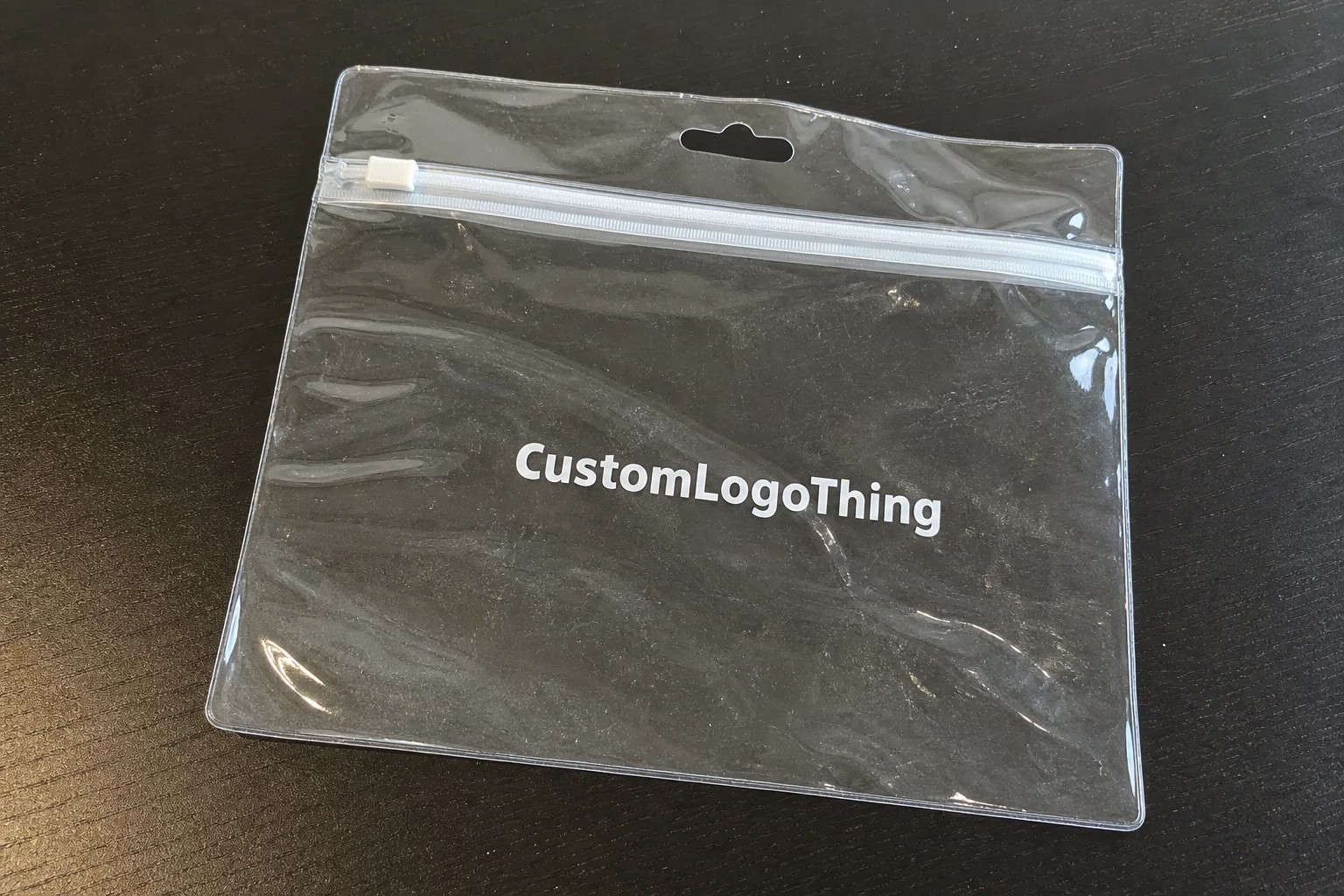
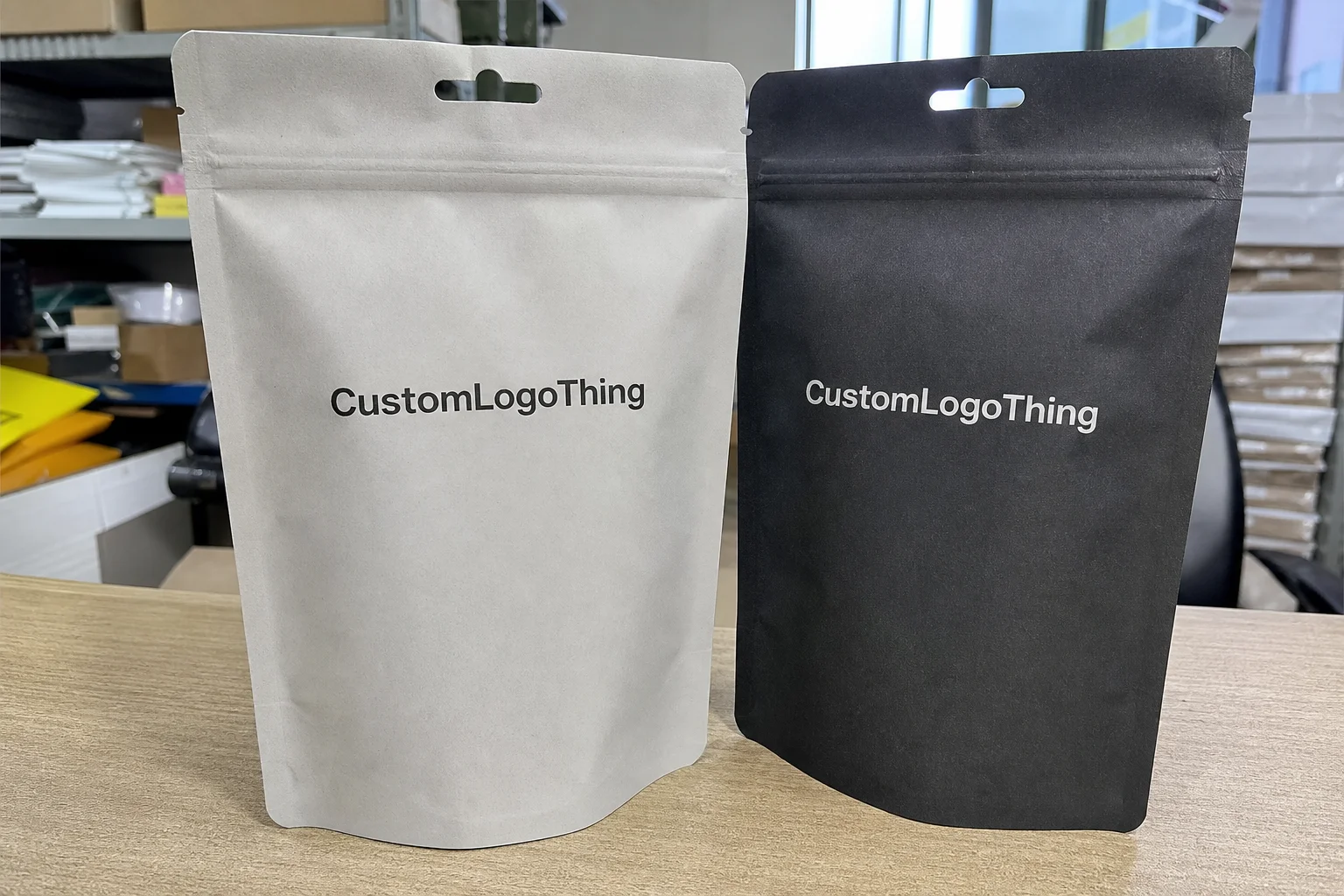
Buyer Fit Snapshot
| Best fit | Wholesale Packaging Bulk Order projects where brand print, material claims, artwork control, MOQ, and repeat-order consistency need to be specified before quoting. |
|---|---|
| Quote inputs | Share finished size, material target, print colors, finish, packing count, annual reorder estimate, ship-to region, and any compliance wording. |
| Proofing check | Approve dieline scale, logo placement, barcode or warning zones, color tolerance, closure strength, and carton packing before bulk production. |
| Main risk | Vague material claims, crowded artwork, missing packing details, or unclear freight terms can make a low unit price expensive after revisions. |
Fast answer: Wholesale Packaging Bulk Order: Costs, Specs, and Process should be specified like a repeatable production item. The safest quote records material, print method, finish, artwork proof, packing count, and reorder notes in one written spec.
Production checks before approval
Compare the actual filled-product size with the drawing, then confirm tolerance on folds, seals, hang holes, label areas, and retail display edges. Reserve space for logos, QR codes, warning copy, and material claims before decorative graphics fill the panel.
Quote comparison points
Review material grade, print process, finish, sampling route, tooling charges, carton quantity, and freight assumptions side by side. A quote is only useful when the supplier can repeat the same color, closure quality, and packing count on the next order.
Most buyers think a Wholesale Packaging Bulk order starts with price. It doesn’t. It starts with sizing, board grade, and ship method, and those choices can swing freight cost, labor time, and damage rate by a shocking margin. I’ve seen a 3 mm change in carton depth cut void fill by 18% on a cosmetics line in Dongguan, and the client didn’t notice the savings until the third reorder of their wholesale packaging bulk order. That’s the kind of detail that separates a decent buy from a smart one.
I’m blunt about this because packaging gets treated like an afterthought far too often. Teams act like it’s just cardboard with a logo on it. Then the returns start, the warehouse in Dallas complains, and finance wonders why margins keep getting chewed up. A wholesale packaging bulk order should protect product, reduce rework, and keep your branded packaging consistent across warehouses, stores, and fulfillment partners. If it’s not doing those three things, the unit price is only a small piece of the story.
Wholesale Packaging Bulk Order: What Buyers Miss First
The biggest mistake I see in a wholesale packaging bulk order is skipping material and sizing checks before requesting quotes. I once sat in a supplier negotiation in Shenzhen where the buyer wanted “the same box, just cheaper.” The box looked similar on paper, but the inner dimensions were off by 6 mm, which meant inserts didn’t fit, product shifted in transit, and the fulfillment team added 14 seconds per pack to stop movement by hand. Multiply that by 20,000 units. The labor number becomes very real.
That’s why a wholesale packaging bulk order is not just about buying in larger quantities. It’s about buying the right format once, then scaling it across your product line. Lower unit cost matters, of course, but so does consistent print registration, fewer reorders, and predictable stock levels. I’ve seen brands save 9% on unit cost and lose 12% in returns because they chose the wrong material grade. Honestly, I think that’s the kind of “savings” that deserves a slow clap and an audit.
For transactional buyers, the decision should be tied to business outcomes. A well-planned wholesale packaging bulk order can protect margin by reducing per-unit spend, stabilize inventory by giving you a longer production runway, and keep package branding aligned whether goods ship from Shenzhen, Chicago, or a 3PL in Austin, Texas. Packaging consistency sounds cosmetic until you run three warehouses and one of them is using an older print revision. Then suddenly everyone is “concerned,” which is a polite way of saying someone missed the memo.
“I’d rather see a buyer spend two extra days on spec verification than lose two months correcting a bad bulk run. The production line never forgives guesswork.”
One client meeting still sticks with me. A food-service brand in Los Angeles planned a wholesale packaging bulk order for takeaway cartons and wanted to maximize stack count per pallet. On site, I noticed the cartons were over-creased, which looked fine in the mockup but caused edge collapse after humidity exposure in the warehouse. We adjusted board grade from 300gsm to 350gsm, shifted the flute profile to E-flute, and reduced complaint emails within the first distribution cycle. That’s not marketing talk. It’s practical packaging design. And yes, the warehouse manager looked at me like I’d personally insulted gravity.
So yes, this is about what to order, how much it costs, and how to avoid expensive mistakes. A wholesale packaging bulk order should be built on dimensions, materials, print method, and handling conditions—not on a salesperson’s best guess. If you already know your SKU size, shipping method, and annual demand, you are ahead of most buyers by a wide margin.
For buyers comparing suppliers, our Wholesale Programs page is a useful starting point, especially if your team needs packaging across multiple product categories. If you’re still deciding between box styles and shipping formats, the Custom Packaging Products catalog helps narrow the field faster than a generic quote request. And yes, I know “generic quote request” sounds efficient. It usually isn’t.
Product Details: Packaging Types That Work for Bulk Orders
A wholesale packaging bulk order can cover several categories, and each one solves a different problem. Boxes remain the backbone for most product packaging, especially custom printed boxes used in ecommerce, retail packaging, and subscription kits. Mailers work well for lower-profile products and Reduce Dimensional Weight. Bags, inserts, tissue, labels, and protective packaging each add value when the job is defined properly. The point is not to buy everything. The point is to Choose the Right format for the movement, the brand, and the shelf.
For ecommerce, corrugated mailers and foldable boxes are usually the most efficient. A wholesale packaging bulk order for shipping boxes can support single-SKU fulfillment, gift sets, or bundled orders. In retail, rigid cartons and printed folding cartons often matter more because shelf presentation drives purchase behavior. Cosmetics brands in Seoul and New York tend to need higher-impact package branding with foil, embossing, or spot UV. Subscription brands care about unboxing and inserts that reduce empty space without turning pack-out into a manual puzzle. I’ve watched teams spend a week arguing about “premium feel” when the real problem was the product rattling around like it was in a washing machine.
Food service is different again. You may need grease resistance, tamper evidence, or coatings that behave under heat and moisture. Industrial shipping brings another set of requirements: stackability, compression strength, and consistent closure performance across pallet loads. A wholesale packaging bulk order that ignores the use case usually becomes expensive the moment the warehouse team starts handling it.
Printing method changes cost more than most buyers expect. Flexographic printing can be efficient for large runs of simple artwork. Offset printing suits high-detail retail packaging. Digital printing helps with shorter runs and frequent artwork changes, but the unit economics shift quickly as volume grows. Finish matters too. Matte lamination, soft-touch film, aqueous coating, and gloss varnish each affect appearance, scuff resistance, and price. A wholesale packaging bulk order with soft-touch lamination may look premium, but it can also raise cost and extend lead time if the design includes heavy coverage or multiple print passes.
I’ve had procurement teams ask for “premium looking” packaging without defining the actual format. That’s where suppliers start guessing, and guessing is how you end up with a box that looks expensive and behaves like a paper towel tube. Better to define the product in concrete terms: custom printed boxes in 350gsm C1S artboard, kraft mailers with E-flute inserts, or folded cartons with aqueous coating and one-color black print. Those details let the supplier quote the wholesale packaging bulk order accurately the first time.
Here’s a practical comparison that I’ve used in client reviews when the team is choosing formats for a wholesale packaging bulk order:
| Packaging Type | Best For | Typical Strength/Look | Common Price Driver | Typical Use Case |
|---|---|---|---|---|
| Corrugated shipping box | Ecommerce, industrial shipping | High strength, moderate branding | Board grade, dimensions, print coverage | Protective transport in a wholesale packaging bulk order |
| Folding carton | Retail, cosmetics, food | Sharp print, shelf appeal | Stock, coating, finish, dieline complexity | Retail packaging and brand presentation |
| Mailer box | Subscription kits, DTC fulfillment | Balanced strength and appearance | Thickness, print, locking style | Unboxing experience in a wholesale packaging bulk order |
| Poly bag / paper bag | Apparel, accessories, lightweight items | Low cost, basic branding | Material gauge, closure, print colors | Efficient secondary packaging |
| Inserts and dividers | Fragile or multi-item kits | Protection and organization | Die-cut tooling, board thickness | Damage reduction inside the box |
My advice is simple: match the packaging to the shipping environment first, then to the brand story. A polished wholesale packaging bulk order that collapses under vibration is worse than a plain carton that arrives intact. If the product travels 800 miles on mixed pallets, durability beats decoration. If the product sits on a boutique shelf in Paris for 12 weeks, visual consistency matters more.
For buyers comparing options across categories, our Custom Packaging Products page is helpful because it groups common product packaging formats by use case. That makes it easier to align the wholesale packaging bulk order with actual fulfillment needs rather than just visual preference.
Specifications That Affect Your Wholesale Packaging Bulk Order
If you want an accurate wholesale packaging bulk order quote, you need to start with exact specs. Not approximations. Exact dimensions in millimeters or inches. Material type. Thickness or caliper. Print colors. Coating. Closure style. I can usually tell within two emails whether a project will hit budget or spiral into revision cycles, and the difference almost always comes down to missing specs. People love saying “roughly this size.” Suppliers do not love that. Shocking, I know.
At minimum, prepare these details before you request pricing for a wholesale packaging bulk order:
- External and internal dimensions
- Product weight and pack count per unit
- Material type, such as kraft board, C1S artboard, or corrugated E-flute
- Board thickness or gsm
- Print method and number of print colors
- Finish, including matte, gloss, soft-touch, foil, or varnish
- Closure style, such as tuck-end, auto-lock bottom, adhesive strip, or magnetic flap
- Shipping method and destination
Tolerances matter more in bulk production than most teams realize. In a wholesale packaging bulk order, a 1–2 mm tolerance can be fine for hand packing, but automated lines may require tighter control to avoid jams and inconsistent closure. On one warehouse visit in Rotterdam, I watched an automatic case erector reject every ninth unit because a flap score was fractionally off. The line manager blamed the machine at first. The actual issue was a spec mismatch from the design file. It’s always “the machine” until someone checks the drawing.
Performance specs deserve attention too. Burst strength, edge crush strength, moisture resistance, puncture resistance, and food-safe requirements can all shape the outcome of a wholesale packaging bulk order. If the goods are fragile, ship long distance, or sit in a humid warehouse in Mumbai or Houston, board selection becomes a functional decision, not a cosmetic one. For food-contact items, compliance documentation matters, and the supplier should be able to explain applicable standards rather than shrugging at the question.
Standards exist for a reason. ISTA test methods help verify that packaging can survive distribution stress, and ASTM standards are commonly used for material and performance testing. If sustainability is part of the brief, the Forest Stewardship Council is a strong reference point for responsible sourcing; their certification information is available at fsc.org. For transport damage reduction and broader materials guidance, the International Safe Transit Association at ista.org is worth reviewing. EPA guidance on waste and materials recovery is also relevant when teams are trying to reduce packaging waste without sacrificing protection; see epa.gov.
Here’s the decision framework I use for a wholesale packaging bulk order:
- Assess fragility — glass, electronics, powders, and cosmetics usually need stronger protection than apparel.
- Map the route — local delivery is different from long-haul freight or export shipment.
- Check warehouse conditions — humidity, temperature swings, and stacking height all matter.
- Match the finish to the brand — retail shelf impact may justify a higher-cost surface treatment.
- Set the tolerance level — especially if the line is automated or semi-automated.
I strongly recommend creating a one-page spec sheet before requesting samples. It speeds up quote turnaround, cuts revision cycles, and gives every supplier the same target for the wholesale packaging bulk order. A clear sheet also reduces the classic “we thought you meant something else” problem that burns time and money.
Wholesale Packaging Bulk Order Pricing and MOQ Explained
Pricing for a wholesale packaging bulk order is built from several layers: material, print setup, tooling, labor, freight, and quantity tiers. Buyers often stare at the unit price and miss the structure behind it. That’s a mistake. If a quote is low because the freight line is incomplete or the tooling fee is hidden, the “cheap” option can become the expensive one after the first invoice lands. I’ve seen people celebrate a tiny unit savings like they won the lottery, then act shocked when the total landed cost says otherwise. Cute. Not useful.
MOQ, or minimum order quantity, changes by product type and customization level. A plain stock mailer may have a lower MOQ than a fully custom folding carton with multiple colors, special coating, and die-cut inserts. For a wholesale packaging bulk order, the more custom the structure and artwork, the higher the MOQ tends to be. That is not a supplier trick. It is a production reality because setup costs must be spread across enough units to make the run viable.
Here is a practical pricing example I’ve used with clients planning a wholesale packaging bulk order for a 350gsm C1S artboard mailer with one-color black print and aqueous coating:
- 5,000 units: around $0.15 to $0.38 per unit, depending on board and print coverage
- 10,000 units: around $0.11 to $0.29 per unit, with setup spread across more pieces
- 25,000 units: around $0.07 to $0.22 per unit, where savings begin to flatten in some specs
Those ranges are not universal. They depend on material grade, structure, region, freight terms, and artwork complexity. A factory in Guangzhou will price differently than a plant in Mexico City, and ocean freight to Long Beach is not the same as truck delivery to Atlanta. But they show the curve clearly: the unit cost usually drops as volume rises, then the savings begin to flatten. In many wholesale packaging bulk order cases, the best price improvement appears between 5,000 and 15,000 units, with diminishing returns after that unless the production line is highly efficient or the item is very simple.
Hidden costs are where buyers get surprised. Plate fees, die-cut fees, sample revisions, rush charges, color matching, and packaging inserts can all change the final number on a wholesale packaging bulk order. I once reviewed a quote where the buyer celebrated a $0.09 unit price difference, then discovered the freight and tool charges erased the savings entirely. Their landed cost was actually higher by 4.6%. That’s not a bargain. That’s a trap wearing a spreadsheet.
Compare quotes using total landed cost, not just unit price. That means the product cost plus freight, duties if applicable, setup, samples, and any extra handling. A wholesale packaging bulk order that ships cheaply but arrives late can cost more than a slightly higher-priced option that lands on time and fits the line. If your warehouse team runs lean, a delay is a labor problem too.
Here’s a fair comparison framework you can use before approving a wholesale packaging bulk order:
| Quote Factor | Supplier A | Supplier B | What to Verify |
|---|---|---|---|
| Unit price | $0.21 | $0.18 | Are specs identical? |
| MOQ | 10,000 | 25,000 | Can inventory support it? |
| Setup / tooling | $320 | $760 | Included or separate? |
| Lead time | 16 business days | 12 business days | Does your launch date allow it? |
| Freight | Quoted | Not quoted | Is delivery to your dock included? |
One more thing most buyers overlook: the price curve depends on print coverage and structural complexity. A plain kraft mailer with one-color print can be very efficient in a wholesale packaging bulk order. Add foil stamping, insert windows, or specialty coatings, and the economics shift quickly. That doesn’t make the higher-end option wrong. It just means the numbers should be evaluated against margin, not mood.
For budget planning, ask suppliers to separate recurring and one-time costs. That simple step makes a wholesale packaging bulk order much easier to compare across vendors, especially if one supplier is quoting the box, another is quoting the insert, and a third is quoting all-in delivery.
Wholesale Packaging Bulk Order Process and Timeline
The standard wholesale packaging bulk order workflow usually follows the same pattern: inquiry, quote, sample approval, proofing, production, quality check, and shipment. The sequence sounds basic. In practice, each step can stretch if the buyer leaves out dimensions, artwork, or packaging purpose. The fastest projects I’ve managed all had one thing in common: the spec was locked before the supplier was asked to price anything. Magic? No. Just competent paperwork.
A realistic timeline depends on complexity and customization. A simple stock item may move faster than a fully branded wholesale packaging bulk order, while custom printed boxes with special coatings and inserts can take longer because there are more variables to verify. Typical production can range from 12 to 15 business days after proof approval for straightforward jobs, but that does not include artwork changes, sample shipping, or ocean freight if the order is traveling internationally from Ningbo to Los Angeles.
Here’s how the timeline usually breaks down for a wholesale packaging bulk order:
- Inquiry and brief — 1 to 2 days if the buyer sends complete specs.
- Quote preparation — 1 to 3 business days depending on structure and finish.
- Sample or spec review — 3 to 7 days, sometimes longer if tooling is required.
- Artwork proofing — 1 to 4 days depending on revisions.
- Production — often 12 to 20 business days for custom runs.
- Quality check and packing — 1 to 3 days.
- Shipment — varies by air, truck, or ocean freight.
Speed comes from preparation. If you want a faster wholesale packaging bulk order, finalize the dieline, send artwork in vector format, specify Pantone or CMYK colors, and confirm the delivery destination before the quote stage ends. The biggest delays I’ve seen came from vague artwork files, not production capacity. A buyer once sent a low-resolution logo screenshot and asked for a sample by Friday. The result was a week of avoidable back-and-forth. I still remember that email. My coffee nearly left the cup on its own.
Rush orders are possible sometimes, but they come with trade-offs. A wholesale packaging bulk order on a compressed timeline may need limited revisions, higher freight cost, or a simplified finish. That is not a failure. It is a business decision. What I won’t promise, and what you should not accept from anyone else, is an impossible turnaround with no effect on cost or quality. That almost never ends well.
Before production begins, a supplier should have these items from the buyer:
- Final dimensions and structure approval
- Artwork files in the correct format
- Print color references
- Quantity confirmation
- Shipping address and contact details
- Sample sign-off or written approval
A good supplier will also confirm carton packing method, pallet configuration, and inspection standards. That matters in a wholesale packaging bulk order because damage can happen before the product leaves the factory if pallets are stacked too high or wrapped too loosely. I learned that in a client audit in Ho Chi Minh City where a few crushed corners were traced back to over-compressed outer cartons, not the shipping carrier. The carrier got blamed first, naturally. They usually do.
Our FAQ page answers common ordering questions, but for a live wholesale packaging bulk order, direct spec review is always better than assumptions. The earlier the details are locked, the fewer the surprises later.
Why Choose Us for Wholesale Packaging Bulk Order
We position ourselves as a manufacturing partner, not just a seller of boxes or mailers. That matters because a wholesale packaging bulk order should reduce risk, not add another layer of uncertainty. Our role is to help you verify dimensions, choose materials, and make sure the packaging supports your product instead of fighting it.
In my experience, buyers value three things above all else: correct specs, clear communication, and dependable output. We focus on those because they determine whether a wholesale packaging bulk order lands on schedule and works in the warehouse. A brand manager once told me, after switching suppliers, that the best part of the new relationship was not the print quality. It was knowing the production date meant something. That should not be a luxury, but here we are.
We also help buyers avoid expensive mistakes through sample review and spec verification. If a client is choosing between two board grades or debating whether a matte finish will scuff in transit, we walk through the trade-off with numbers. That might mean discussing gsm, caliper, closure style, or how the package will behave in a 3PL environment in New Jersey or Kent, UK. It is not glamorous. It is useful.
Our wholesale packaging bulk order support includes custom logo guidance, material recommendations, and competitive pricing tied to actual production conditions. We work across retail packaging, ecommerce shipping, and branded presentation formats, so the recommendation is based on use case, not just what looks premium in a render. We also understand that package branding has to survive the realities of transport, not just the photoshoot.
For B2B buyers, order tracking and reliability matter as much as the quote. A supplier who answers on day one and disappears on day six is not helping your launch calendar. We keep the process transparent so your wholesale packaging bulk order has fewer handoffs and fewer blind spots. That kind of consistency can save a planning team from overtime, and it can save your finance team from emergency freight charges.
“A packaging vendor should solve three problems at once: fit, cost, and timing. If they only solve one, you do the rest yourself.”
If you are comparing options, start with our Wholesale Programs page and then review Custom Packaging Products for format ideas. The goal is to move your wholesale packaging bulk order from rough estimate to production-ready decision with fewer loops and clearer numbers.
Next Steps for Your Wholesale Packaging Bulk Order
Before requesting a quote, gather four things: dimensions, quantity, material preference, and artwork. Add shipping destination and target date if you have them. With those details, a wholesale packaging bulk order can move much faster because the supplier is quoting against real numbers rather than guessing at a shape and size.
I would also request a sample or spec review before committing to a large run. A sample can reveal if the closure is too tight, the print shifts on the panel, or the material feels thinner than expected. One sample test can prevent thousands of dollars in waste on a wholesale packaging bulk order. That is not exaggeration. It is the kind of mistake I’ve watched happen on factory floors in Shenzhen and Suzhou more than once, usually while someone is insisting “it should be fine.” Famous last words.
When you compare two or three suppliers, use these criteria:
- Total landed cost
- MOQ
- Lead time
- Sample policy
- Production transparency
- Fit with your product packaging goals
Then decide where you want the first reorder point to sit. If lead time is 15 business days and shipping takes 7 more, your inventory buffer should cover that gap plus a cushion. For a wholesale packaging bulk order, the reorder point should be based on consumption rate, not hope. I usually advise buyers to calculate stock coverage in weeks, not just units, because weekly usage is easier to manage when demand fluctuates.
Here is the practical sequence I recommend:
- Gather exact specs and artwork.
- Request a quote from at least two to three suppliers.
- Ask for full cost breakdowns, including freight and setup.
- Review a sample or proof before approving production.
- Place the wholesale packaging bulk order with buffer inventory in mind.
Do that, and you cut the odds of late changes, rushed production, and hidden fees. A wholesale packaging bulk order should feel like a controlled procurement decision, not a gamble. If you are ready to move, send your dimensions, artwork, and quantity now so we can get the quote aligned with the actual job instead of a rough guess.
The right wholesale packaging bulk order protects margin, improves presentation, and keeps inventory steady. That is the outcome worth paying for. The practical takeaway: lock your specs, compare total landed cost, and approve a sample before you place the run. That’s how you keep the order bulk-sized without making it bulk-problem-sized.
What should I prepare before placing a wholesale packaging bulk order?
Prepare exact product dimensions, product weight, shipping method, preferred material, print requirements, and your target quantity range. Include artwork files and any brand color references if you have them. If your wholesale packaging bulk order is going into a specific warehouse or 3PL in Chicago, Savannah, or Vancouver, add the destination and target delivery date so the supplier can quote correctly.
How does MOQ affect a wholesale packaging bulk order price?
Higher quantities usually reduce unit cost because setup expenses are spread across more pieces. Custom printing, special coatings, and tooling can raise MOQ because the production line needs enough volume to absorb those costs. In many cases, a small wholesale packaging bulk order looks cheaper at first, but the per-unit price climbs once setup is divided across fewer units.
What is the fastest way to get an accurate quote for wholesale packaging bulk order pricing?
Send complete specifications instead of asking for a rough estimate. Include dimensions, material, print colors, quantity, and shipping destination. Ask whether tooling, sample revisions, and freight are included. A complete brief makes a wholesale packaging bulk order quote faster and far more reliable, especially for factories in Guangdong or Jiangsu.
Can I order samples before a full wholesale packaging bulk order?
Yes, and I strongly recommend it. Samples let you verify fit, print quality, structure, and assembly before you commit to a large run. A sample review can catch problems early, which is especially useful when the wholesale packaging bulk order includes custom dimensions, 350gsm C1S artboard, or premium finishes like foil or soft-touch lamination.
How do I compare two wholesale packaging bulk order quotes fairly?
Compare total landed cost, not just unit price. Check MOQ, lead time, sample policy, freight terms, and whether the specs are truly identical. A lower price on paper is not always the better deal if the wholesale packaging bulk order carries extra charges or slower delivery.