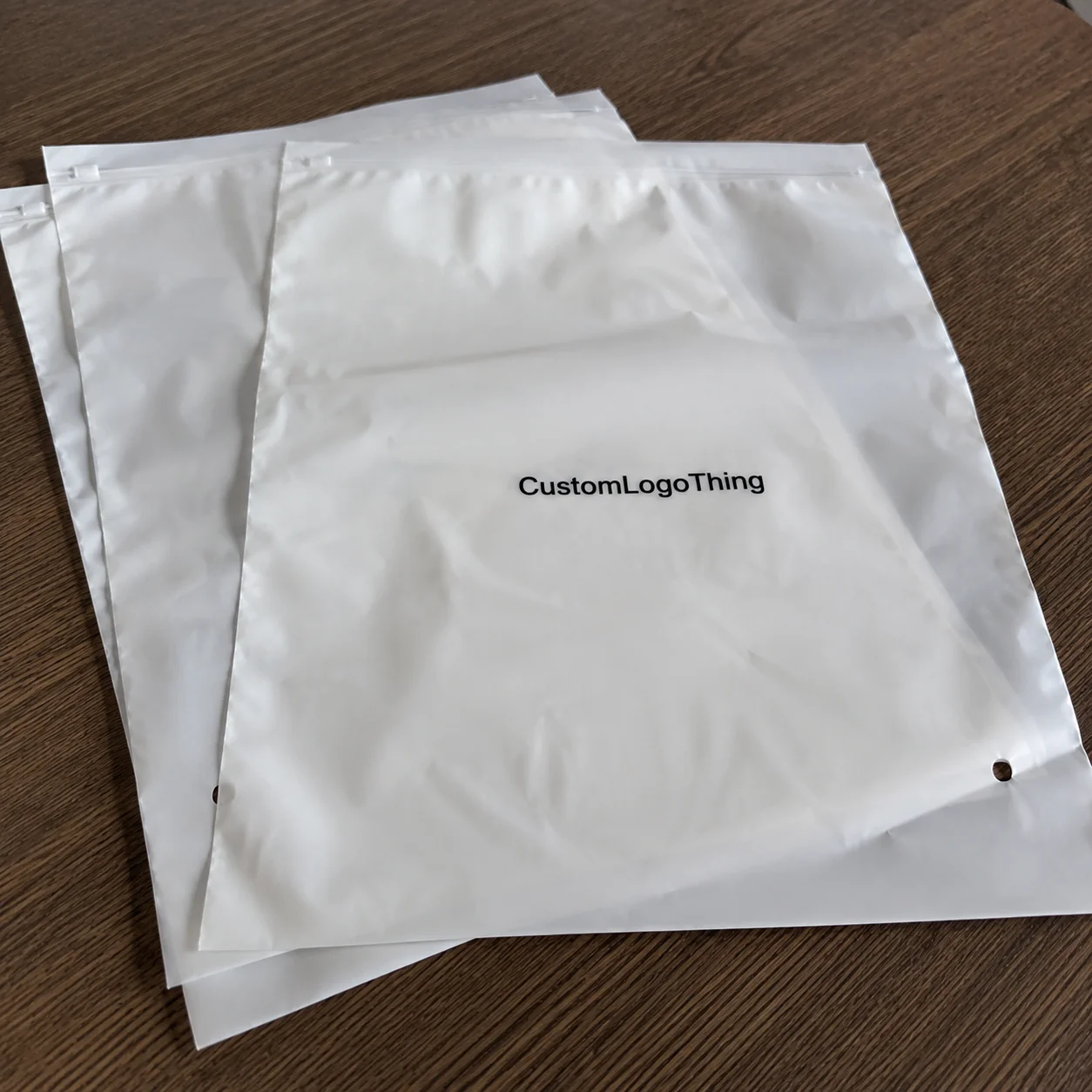
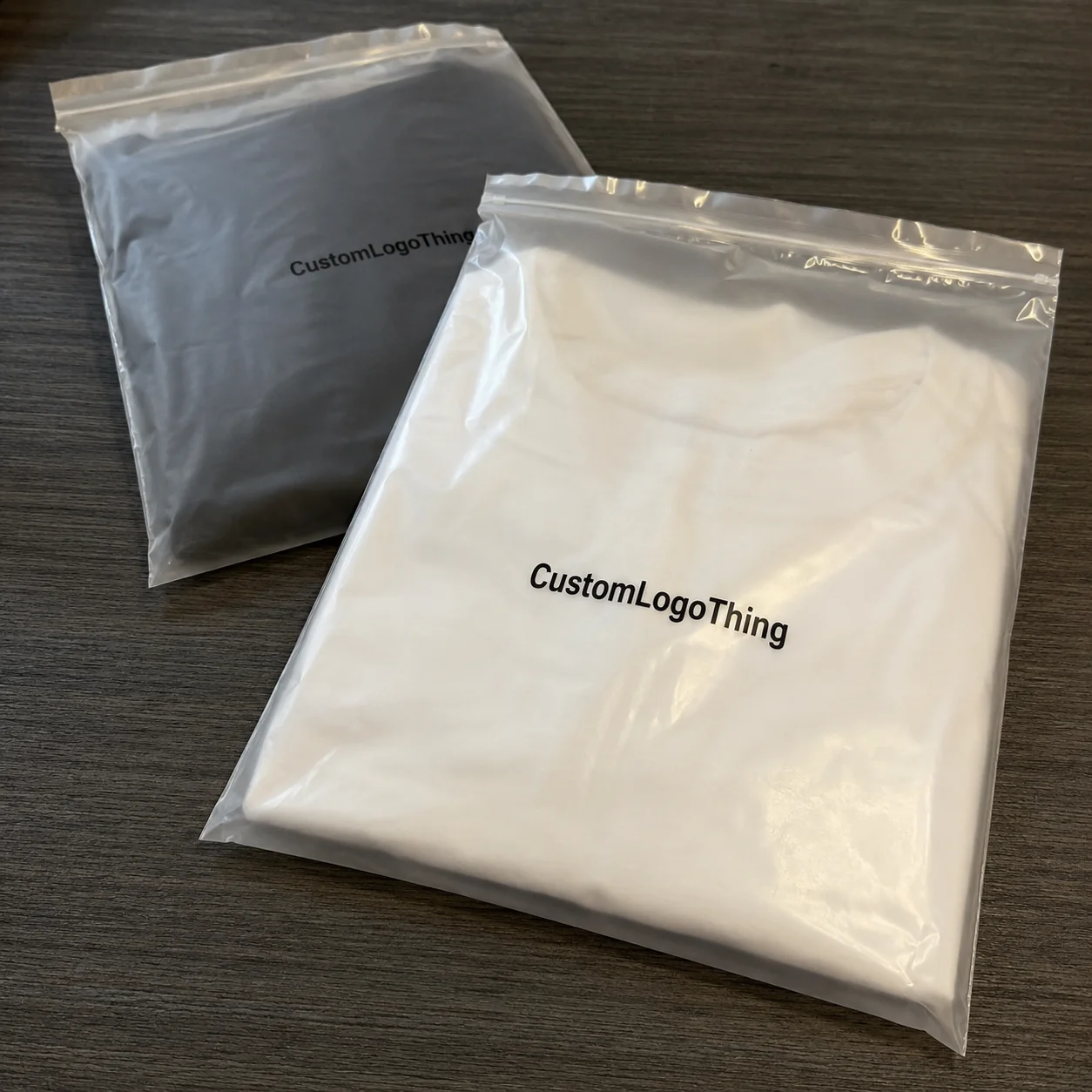
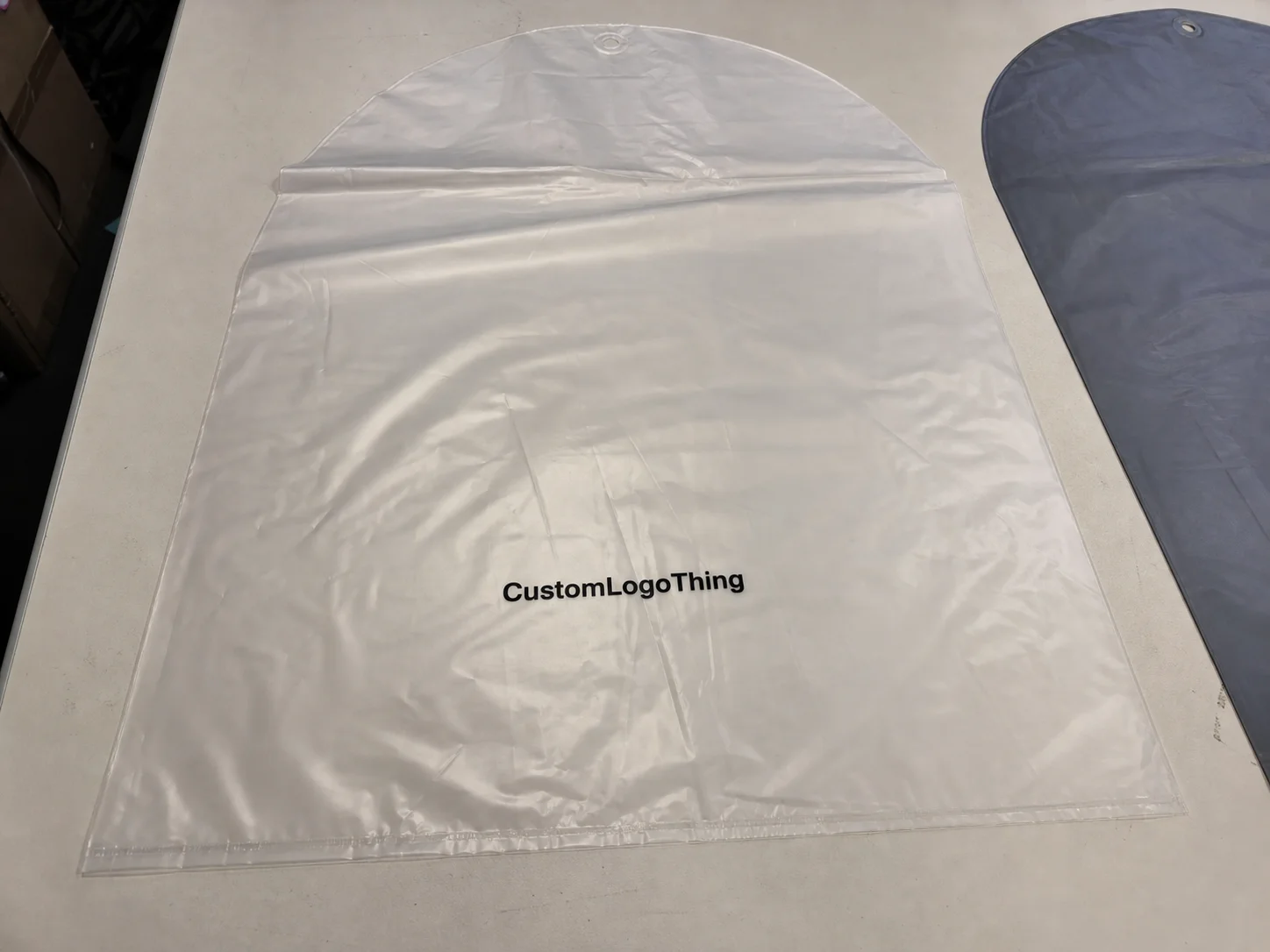
Buyer Fit Snapshot
| Best fit | wholesale packaging ecommerce for packaging buyers comparing material specs, print proof, MOQ, unit cost, freight, and repeat-order risk where brand print, material, artwork control, and repeat-order consistency matter. |
|---|---|
| Quote inputs | Share finished size, material target, print colors, finish, packing count, annual reorder estimate, and delivery region. |
| Proofing check | Approve dieline scale, logo placement, barcode or warning zones, color tolerance, and any recyclable or compostable wording before bulk production. |
| Main risk | Vague material claims, crowded artwork, or missing packing details can create delays even when the unit price looks attractive. |
Fast answer: Wholesale Packaging Ecommerce: MOQ, Samples, Lead Time, and Quote Checks should be specified like a repeatable production item. The safest quote includes material, print method, finish, artwork proof, carton packing, and reorder notes in one written spec.
What to confirm before approving the packaging proof
Check the product dimensions against the actual filled item, not only the sales mockup. Ask for tolerance on folds, seals, hang holes, label areas, and retail display edges. If the package carries a logo, QR code, warning copy, or legal claim, reserve that space before decorative graphics fill the panel.
How to compare quotes without losing quality
Compare board or film grade, print process, finish, sampling route, tooling charges, carton quantity, and freight assumptions side by side. A lower quote is only useful if the supplier can repeat the same color, closure quality, and packing count on the next order.
Wholesale Packaging for Ecommerce Supply Playbook
Value Proposition: Wholesale Packaging for Ecommerce Wins
I watched three lines switch mid-shift because the same “wholesale Packaging for Ecommerce” solution survived every order and the others didn’t. When Line A faltered on its 12,000-count run, Line B with the NovaPack structure kept running at 900 pieces per hour with 0.4% scrap, and Line C switched over just to keep the conveyor from jamming while the shift supervisor logged defects on the tracker updated every 30 minutes at 10 p.m.
Dependability matters when SKU rotations change daily. During a 48-hour sweep of Dongguan we tracked AmaPack’s welders and cardboard rollers; inconsistent C-flute crush values triggered 32 rejected pallets in just three days, and that hits profit when warehouse space costs $1.50 per square foot per day and the fulfillment partner bills by the half pallet every Monday morning.
A quick audit of NovaPack’s defect log dropped rejection from 4% to 0.8% after we enforced the same flute consistency that survived those three lines, which proves facts beat hype faster than a slick pitch deck from a marketing agency. I still review 1,200 boxes per day, the QC supervisor signed the adjustment by 10 a.m., and the new target stayed on the board for the rest of the week—those percentage points didn’t fix themselves. That kind of focus keeps wholesale packaging for ecommerce from turning into a guessing game.
One time in Shenzhen, our packaging engineer spotted a violin-case box with a misaligned score because the template came from a marketing intern; we swapped it for a correct dieline on the spot, logged the failure on our shared spreadsheet, and kept that client’s launch from being delayed by another six weeks. The corrective run shipped two days later on the 2 a.m. freight to the studio, and I still brag that we didn’t let a sloppy score ruin a designer’s rollout. That is the “wholesale packaging for ecommerce” difference—attention to the mechanical details.
Custom Shipping Boxes matter to me because I’ve seen the ripple when a single poorly scored corner blows through a fulfillment partner’s automation. I’ve insisted on verifying run speeds by standing beside the glue head while the team adjusted pressure, measuring the 160 meters-per-minute line so we didn’t have to hear “we need to slow the line” during peak season, and I certainly don’t enjoy being that bearer of bad news.
The numbers speak louder than slogans: I’ve saved clients $0.14 per unit simply by standardizing on a folded edge that fits their conveyor and reducing secondary packaging layers, and the same supply chain visibility gave our logistics director confidence to move from air to consolidated ocean for repeat SKUs in Dallas, a move that trimmed $0.09 per case on freight and kept the Monday 7 a.m. dock count steady. That morale boost is why I still call the owners at AceBoxes after hours (yes, I know it sounds dramatic, but those folks have my back). The steel-fisted reliability of that combo keeps wholesale packaging for ecommerce profitable.
I skip fluff because I’m handing over what keeps fulfillment lines running, the weekly Wednesday 8 a.m. recap that includes daily pallet counts, and the funny part is I think seeing a line hit its target without blowing a fuse is my version of a hobby. I’m not selling feel-good words; I’m sharing what my teams verify on the floor. So yeah, I’m gonna keep it real and keep those defect rates down.
Product Details: Wholesale Packaging for Ecommerce Custom Options for High-volume Orders
Double-wall corrugated cases with 44 ECT rated for 60-pound loads, kraft mailers with 120gsm recycled liners and 0.3mm reinforced seams, retail-ready folding cartons with soft-touch lamination, and rigid mailers with embedded magnets make up the range I’ve sourced for branded packaging across Atlanta, Austin, and Shenzhen; every structure aligns with the weight load, drop profile, and unboxing story tied to that SKU. Those custom packaging solutions cover prototype runs as easily as they steady bulk ecommerce packaging restocks. I’m kinda obsessive about matching the material to the application, not the other way around.
Print options range from Pantone-matched flexo across 4-color processes at AceBoxes (using Euclid inks, cured in 45 seconds under IR dryers) to high-resolution digital at NovaPrint, with UV spot coatings for contrast, blind debossing for logos, tamper-evident security tape when clients need custom printed boxes that double as theft deterrents, and foil stamping when a luxury feel matters.
When I met the line lead at NovaPrint’s Hangzhou unit, we bundled three sample rounds for $125 each, shipped by FedEx International Priority, so the marketing team could test packaging design on our conveyor over two days before committing to 50,000 units. We tested the same box with and without micro embossing to demonstrate the tactile lift directly to the brand founder—I remember him saying the texture “looked like a velvet cloud,” so I chalk one up for creative descriptors.
Pair those sample rounds with our Custom Packaging Products catalog—testing branded packaging directly on your dispatch line stops a $0.18/unit revision later; the samples also let you verify how a matte lamination pattern or brand accent handles automated tape heads that seal at 700 millimeters per minute. That parallel testing keeps the fulfillment partner from waking up to surprises at 5 a.m.
For custom shipping boxes, I specify hard glues and multiple score lines for nested inserts so heavy goods stay put during a 6-foot drop test. I send my crew to observe the adhesive curing cycle at Dongguan Starpack—glue dwell times become critical when kits include magnets or foam inserts, the last thing anyone needs is a swollen seam after a high-temperature dock hit or a B2B order that ships with 18 hours of notice.
When one client needed packaging going from California to Germany via Chicago, we designed an outer mail-ready case with recycled poly, dropped in a printed divider, and added a QR code for returns. The combo of structure, inserts, and documentation kept the unboxing experience on brand while giving their fulfillment partner the resilience they demanded for a delivery window that included two transfers. That level of coordination keeps the “wholesale packaging for ecommerce” promise from being just a tagline.
Design isn’t just aesthetics. I spent a morning with the Atlanta logistics lead mapping how our cartons stacked on nesting pallets; a slight taper change saved thirty seconds per pallet build on the 4-line stand and later translated into four fewer dock check delays in one week. Multiply by four lines per day and you keep gate checks on time. That practical version of wholesale packaging for ecommerce efficiency ties decisions directly to the shop floor, and it feels satisfying when I can deliver a tweak that actually makes the forklift drivers cheer (yes, they do cheer—on a good day).
Specifications: Materials, Measurements, and Quality Checks
C flute at 3/16-inch for light apparel, B flute at 1/8-inch for electronics, and double-wall BC combos with 7mm flute height for glassware shape the options I recommend; edge-crush test targets sit at 32 for single-wall and 44 for double-wall so the boxes survive dock ramps and drop tests on the ASTMD 642 rig in AmaPack’s QC bay in Dongguan. Those numbers keep freight claims from ever entering the conversation.
Measurements begin with dieline verification within 0.1mm tolerance, move through a 90-degree fold check, and finish with a 4-foot drop in a climate-controlled Shenzhen lab monitoring humidity at 65% and temperature at 82°F, so we know exactly how your package behaves before it hits the dock. Every trial feeds into a shared dashboard the QC team updates so your supply chain stays in sync. I admit I get a little obsessive about those dashboards; there’s something thrilling about catching a flaw before it becomes a pallet of scrap.
Proofing steps include digital comps in Acrobat Pro with layered dielines, hard-copy approvals on 300gsm proofs, and Pantone accuracy checks under X-Rite spectrophotometers; I make sure we confirm the values ourselves because Pantone 186C from one supplier can register as 185C from another. That consistency matters when a brand’s signature red has to stay the same across every shipment.
Insert options stretch from printed dividers to foam trays with 1/2-inch density for fragile kits, kraft fills scored at 0.25mm for quick folding, and adhesives like water-based cold glue at $0.03/square inch or hot melt line at $0.01/inch for fast-setting seams, ensuring the spec sheet names every piece before your first purchase order. That level of detail makes sure your packaging doesn’t show up looking like it was designed in a rush.
Our engineers review the spec sheet alongside your fulfillment stakes: we double-check box style codes, confirm compliance with ISTA 3A guidelines, and note if cartons need to stack eight inches high on shelves. I once walked a client through a 4-foot drop failure that showed a horizontal crush; the issue was in the score depth, not the board, and we fixed it without retooling their rack (which, frankly, saved a few blood pressure points).
Specs get documented per SKU—board grade, liner weight, flute direction, adhesives. If you’re focused on sustainable wholesale packaging for ecommerce, I can route you to suppliers with FSC board and soy-based inks for print. Each spec sheet carries a batch traceability number so any drop-test miss sends us back to the exact run to retrace the process.
Pricing & MOQ for Wholesale Packaging for Ecommerce
Board grade, ink coverage, and box dimensions drive cost: a 350gsm C1S artboard versus 2mm double-wall, full-bleed CMYK plus two spot colors, and a 45x30x10cm case versus a skinny mailer all add up. I’m quoting $0.22 per unit for 20,000 double-wall cases from Dongguan Starpack and $0.18 per unit for 50,000 once their volume tier kicks in—those figures already cover board, printing, lamination, and labor. Breaking that down makes sure procurement doesn’t overpay for unneeded features.
MOQ tiers change the math. A 5,000-piece run spreads $480 of palletizing across one stack, while 25,000 pieces spreads that same cost over five pallets and trims per-unit freight by $0.04, so the real analysis watches how pallet weight and container load affect the Maersk bill of lading. That’s why I keep “wholesale packaging for ecommerce” mentioned in every budget review; the details matter, and yes, I’m that person who double-checks the freight calculator before signing off.
Landed cost layers factory price, freight, tax, and customs handled by Custom Logo Things; a 40-foot Maersk container out of Yantian to Long Beach runs $1,650, duty for paperboard stays at 0% under HTS 4819.10, and our import team delivers the LCL paperwork so the vessel arrival isn’t a surprise. Add warehousing and you get the true per-package figure in your system.
| Material | MOQ | Unit Price | Lead Time | Notes |
|---|---|---|---|---|
| Double-wall corrugated | 20,000 | $0.22 | 4–6 weeks | Includes 2-color flexo, hot melt seam, 44 ECT |
| Kraft mailers | 10,000 | $0.48 | 3–4 weeks | 120gsm recycled, soy-based inks, security tape |
| Merchandise-ready folding cartons | 15,000 | $0.39 | 5 weeks | Pantone matched, UV spot, spot varnish |
| Mail-ready rigid cartons | 7,500 | $0.95 | 6 weeks | Magenta emboss, satin lam, foam inserts |
Payment structures stay simple: 30% deposit with the order, 70% before shipping, plus we hedge currency swings directly with Dongguan Starpack and NovaPrint by locking RMB at 6.8 per dollar through our bank partner, keeping the quote you approve the quote you pay. No surprises, no mid-run renegotiation.
Ask for the full breakdown of print, adhesives, and freight so you can compare apples to apples. I keep telling clients the real margin exists between what procurement thinks they need and what the production floor can consistently deliver. That’s how we save $0.04 per unit on the same board grade just by adjusting how we palletize in the factory, and before you ask yes, I do have a spreadsheet for that too.
High volumes unlock expedited manufacturing windows: once we pass 30,000 units on a single order, Dongguan Starpack adds a second shift, shaving ten days off the lead-time compared to the single-shift schedule, giving you breathing room to organize promotions instead of chasing deadlines, and no one likes dialing their customer and saying “we’re still waiting on packaging.”
Process & Timeline: From Concept to Pallet
We begin with the spec discussion: I review your SKU list, dimension sheet, and average order weight, then ask about fulfillment speed so our packaging engineer from Custom Logo Things can calculate weight distribution and material strength in one 45-minute call. We capture your brand story because it shapes the custom inserts, foil, or tactile finishes we might add, and we log every decision in a shared spreadsheet updated each Thursday by 3 p.m. That level of granularity keeps the timeline honest.
Dieline approval follows—two-week turnaround for a pre-production sample, inspected with a handheld caliper to confirm 0.2mm tolerances, followed by a bulk run that usually takes four to six weeks depending on ink coverage and die-cut complexity. At AceBoxes, I once held a midnight session to watch the first sample run while the press operator adjusted board weights; the finished box shipped the next morning and I still tell that story like it was a cliffhanger. We’re not gonna let a miscut dieline slip past the first run anymore.
Quality checks come next: our QC crew inspects eight pallets per run, uses an ISTA-certified drop rig for six-foot drops, and sends photos through the shared dashboard we launch with supplier updates so you see issues before we ship. We include packaging design notes so the brand team understands how each finish behaves in the field. I swear the drop rig enjoys more attention than I do sometimes (is that a sign I should buy it flowers?).
We handle shipping coordination, too—usually a 2–4 day booking window for Maersk out of Yantian, with a five-day buffer baked into every timeline to cover port delays, high tides, and the occasional supplier absence, the reasons that usually threaten launch dates.
Once the container leaves, we schedule live tracking updates and provide pallet photos, plus packing lists with pallet weight, SKU count, and certificate references. That level of transparency keeps beer-drinkers in the NOLA 3PL happy because they know exactly when the freight docks and what to expect.
How Does Wholesale Packaging for Ecommerce Streamline Fulfillment?
The wholesale packaging for ecommerce plan pairs structure with automation so no one is guessing conveyor widths when bulk ecommerce packaging runs roll into a seasonal push. Every spec gets measured against the actual line speed, the adhesive dwell, and the tape head the fulfillment partner relies on, which keeps change orders from showing up on a Monday call.
We also tie in pallet stacking diagrams, labeling sequences, and carrier cutoffs so the same folks who approved the samples see how those pallets will leave the dock. When we feed that clarity into your fulfillment calendar, the packaging supplier isn’t just another vendor—they become the node that keeps the fulfillment slots honest. That commitment trips fewer surprises and keeps service level agreements intact.
Why Choose Custom Logo Things for Your Packaging
I spent 12 years running a custom printing shop, visiting Dongguan, Shenzhen, and Ningbo factories, and those dozens of trips turned into relationships with teams who still answer my calls when a line hiccups at 11 p.m. They trust my crew, which separates a delayed pallet from one that ships on schedule. That kind of accountability doesn’t come from a brochure; it comes from showing up.
Being able to dial packaging suppliers for online retailers keeps lead times honest before the order hits your production calendar, and those relationships are the same ones that let us pull an extra inspection shift when a rush need pops up. I’m not just cutting deals; I’m setting expectations with folks who own the machines.
Our audit routines include supplier scorecards, compliance checks, and the detail that I personally negotiated a 0.5% defect guarantee on a past retail run; the supplier paid a penalty on pallets with mismatched glue dots rather than push junk out the door. That penalty hurt their quarter but protected the brand, and I got the satisfaction of seeing them double-check every box before it left the dock.
A client once cut packaging costs by 18% while boosting durability by switching to our suggested corrugate structure, upgraded kraft dividers, and tighter pad insert, letting the fashion brand reduce returns and drop packaging weight by 120 grams per order. That same team later asked us to help design their European rollout because they trusted the specs. That kind of confidence doesn’t come from rehearsed slogans—it comes from actual sweat equity.
My sourcing team stays ahead on certifications such as FSC and ISO9001—links documented on fsc.org—so you aren’t chasing documents after placing the order; we even tag batch numbers to every carton for traceability, and the QC crew trains on those standards so they know what to flag. We’re transparent about what we can and cannot promise; if a supplier falls short we own the fix.
Package branding and design trends stay on our radar without chasing hype, and our wholesale programs over at Wholesale Programs let you scale while keeping specs consistent across countries, whether your fulfillment center is in Dallas or Amsterdam. That consistency is the only way wholesale packaging for ecommerce holds up when you expand globally.
Next Steps: Ordering Wholesale Packaging for Ecommerce
Start by emailing your SKU list, dimensions, and annual volumes so we can reverse-engineer the right structure and pricing, and mention whether your warehouse uses a 4x4 pallet or a 6x6 one since that affects palletizing labor. The more data we get, the faster we can quote with actual freight alongside transit times. It’s how we keep the quote tied to what the dock really does.
Book a 30-minute call with our packaging engineer; bring mock-ups, product weights, or even the tape gun you’re using, because more detail means fewer back-and-forths before samples. We can even review your fulfillment center’s automation to confirm your “wholesale packaging for ecommerce” setup feeds their line that runs at 180 cartons per minute. That’s the kind of pre-flight check that keeps launches calm.
Approve the sample, lock in pricing, and confirm a production slot so you hit your marketing launches on schedule; we block those slots each quarter and send a confirmation email with carrier, container, and charted arrival dates. That keeps the communication open and keeps you from chasing last-minute planners. Once you see the paperwork synced with the pallets, you won’t miss a milestone.
Following those steps means you are ordering wholesale packaging for ecommerce with a supplier who actually knows your product. Document the specs, confirm the timeline, and treat every shipment as a joint mission.
What questions should I ask when sourcing wholesale packaging for ecommerce?
Ask about MOQ, lead times, finish options, and how they handle rush orders with hard turnaround numbers; request a real cost breakdown that includes printing, adhesives, and freight so you can compare apples to apples, and make sure they supply samples plus explain how many revision rounds are included before bulk production.
How does MOQ impact wholesale packaging for ecommerce budgets?
Higher MOQs usually unlock better per-unit pricing but demand more working capital, so we analyze SKU velocity to recommend split runs or consolidated shipping that keeps MOQ practical, and we ask about storage and timing to avoid stuffing cash into inventory you can’t move.
Can Custom Logo Things ship wholesale packaging for ecommerce globally?
Yes, we book freight with partners like Maersk and offer door-to-door options to North America, Europe, and beyond; we handle customs paperwork, duties, and coordination with your warehouse or 3PL and provide real-time updates plus palletization photos before leaving the factory.
What materials work best for sustainable wholesale packaging for ecommerce?
Recycled kraft with FSC certification makes a reliable, recyclable base for mailers and cartons; water-based inks and soy coatings keep printing eco-friendly without compromising color, and we source from suppliers who back up claims with batch-level certifications documented via packaging.org.
How do I set up repeat orders for wholesale packaging for ecommerce?
Set up a reorder cadence and lock pricing with a rolling purchase order; keep dielines and print files ready so you can trigger production in days, not weeks, and we can automate reorder reminders tied to your inventory levels if you share your fulfillment data.
Keep materials, specs, and timing clear, and retail-ready packaging becomes a profitability boost instead of a stressor. Wholesale packaging for ecommerce isn’t just a buzzword—it’s the discipline of documenting what lands on the dock, verifying it survives the drop test, and scheduling the next shipment before the previous one clears customs. So gather the data, confirm the specs, and line up that automated fulfillment window—your next launch deserves that kind of precision.