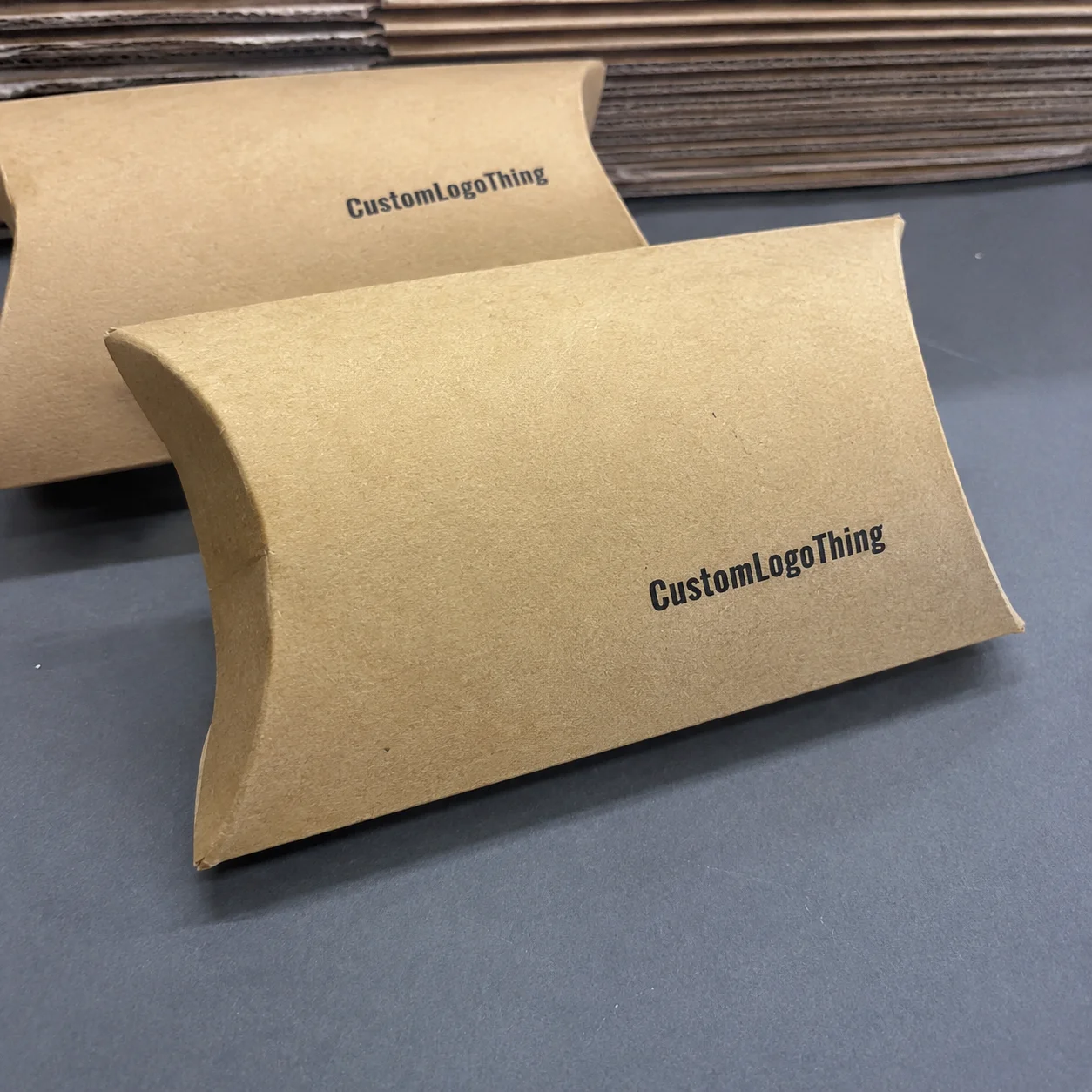
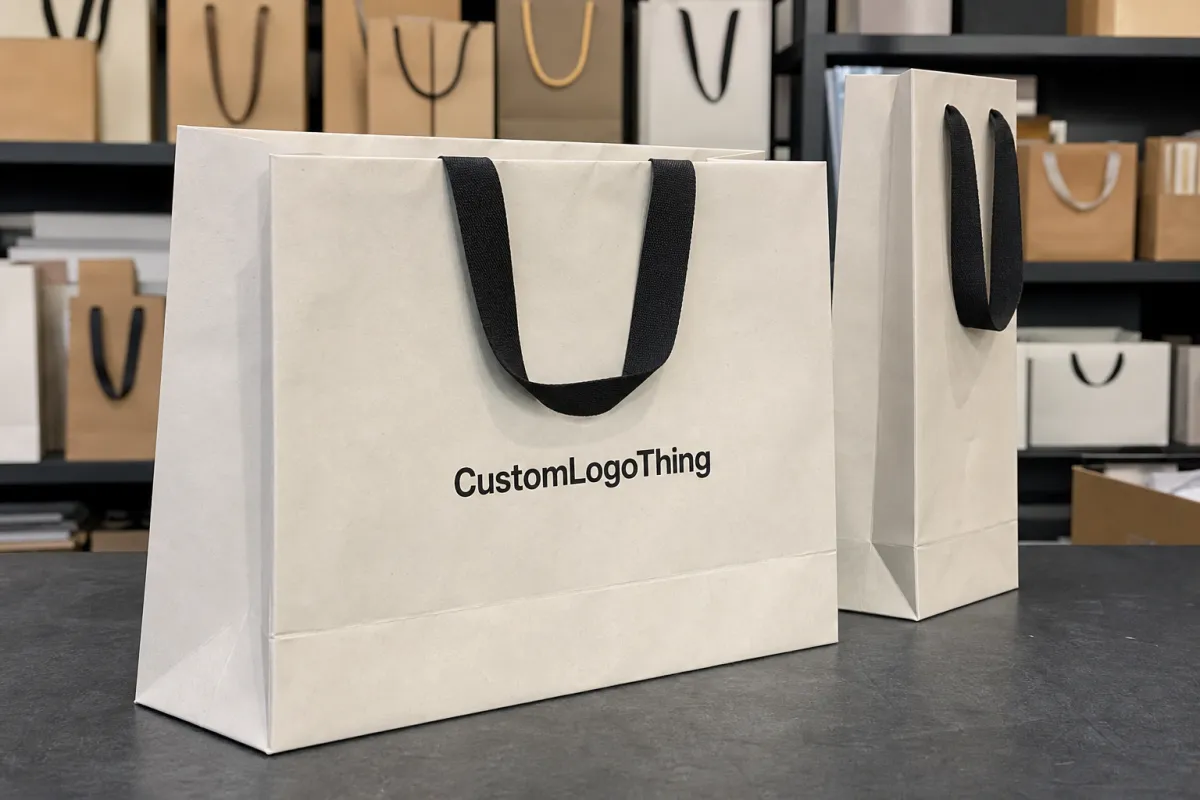
Buyer Fit Snapshot
| Best fit | Wholesale Shimmer Coated Mailers projects where brand print, material claims, artwork control, MOQ, and repeat-order consistency need to be specified before quoting. |
|---|---|
| Quote inputs | Share finished size, material target, print colors, finish, packing count, annual reorder estimate, ship-to region, and any compliance wording. |
| Proofing check | Approve dieline scale, logo placement, barcode or warning zones, color tolerance, closure strength, and carton packing before bulk production. |
| Main risk | Vague material claims, crowded artwork, missing packing details, or unclear freight terms can make a low unit price expensive after revisions. |
Fast answer: Wholesale Shimmer Coated Mailers: Specs, Pricing, MOQ should be specified like a repeatable production item. The safest quote records material, print method, finish, artwork proof, packing count, and reorder notes in one written spec.
Production checks before approval
Compare the actual filled-product size with the drawing, then confirm tolerance on folds, seals, hang holes, label areas, and retail display edges. Reserve space for logos, QR codes, warning copy, and material claims before decorative graphics fill the panel.
Quote comparison points
Review material grade, print process, finish, sampling route, tooling charges, carton quantity, and freight assumptions side by side. A quote is only useful when the supplier can repeat the same color, closure quality, and packing count on the next order.
Most brands still obsess over the product and ignore the package, which is exactly why Wholesale Shimmer Coated Mailers get attention so quickly. The first thing a customer touches is often the mailer, not the product, and a reflective finish changes perceived value before the seam is even torn open. I remember sitting in on a launch review in Austin, Texas, where a founder kept arguing over ribbon colors while the mailers were an afterthought. We swapped in shimmer-coated packaging for a 2,500-piece test run, and suddenly everyone on the team started using the word “premium” like they had discovered it themselves (they had not). I have seen this happen in three very different settings: a DTC apparel brand in Los Angeles, a subscription beauty startup in Shenzhen, and a gifting company in Manchester that doubled its repeat-order inquiries after switching from plain kraft to wholesale shimmer coated mailers. The numbers were not magical. The package simply looked more considered.
Honestly, I think that is the real draw. A shimmer finish signals premium positioning without forcing a brand into rigid-box pricing, warehousing headaches, or higher cube shipping costs. For many companies, wholesale shimmer coated mailers hit the sweet spot between visual impact and operational sanity. They can support social sharing, improve unboxing feel, and still ship flat, which matters when your cartons are already fighting for space in a fulfillment center in Atlanta, Georgia, or Rotterdam, Netherlands. If you have ever watched a packing station on a Monday morning, you know that “flat” is not a small win. It is a mercy.
Below, I am breaking down the buying side with the same lens I use in procurement reviews: what it is, what it costs, what to check, and where the hidden tradeoffs sit. If you are evaluating wholesale shimmer coated mailers for apparel, beauty, gifts, or subscription kits, the details matter more than the finish alone. And yes, I have the scar tissue to prove it—usually from projects where the difference between a $0.22 unit and a $0.31 unit was buried under freight, sampling, and a rushed proof in Chicago.
Why wholesale shimmer coated mailers stand out in branding
Walk through any busy packing line and you will see the same pattern. A plain mailer disappears into the stack, while wholesale shimmer coated mailers tend to get a second look from warehouse staff, photographers, and customers alike. That sounds minor until you remember that packaging is often the only physical brand asset a customer sees before opening the product. In a category where margins can be tight, visual recall is valuable. I have watched a founder compare two Instagram reels side by side: one shot with matte mailers, one with shimmer-coated packaging. The shimmer version had a cleaner “giftable” look, and the team did not need to add props, confetti, or expensive inserts to get there. Frankly, I loved that, because nobody needs another box exploding with fake petals and a note that says “curated experience.”
The advantage is not just appearance. A reflective or pearlescent surface creates a premium signal without forcing you into a rigid box. That matters for brands shipping 500 to 50,000 orders a month, because a rigid carton can cost more to source, more to store, and more to ship. Wholesale shimmer coated mailers offer a lighter touch. They can still support full-color print, logos, or repeating pattern work, while keeping the fulfillment footprint close to a standard mailer. For many DTC and subscription brands, that is a practical compromise, not a vanity purchase. My opinion? That balance is the whole point, especially when a 10,000-piece run in Shenzhen or Dongguan can land at a far better unit price than a last-minute domestic reprint.
Compared with plain kraft mailers, shimmer-coated versions usually deliver better shelf appeal in retail-ready shipping, better unboxing impact on camera, and stronger brand recall in repeat purchases. Compared with matte mailers, they usually look more celebratory and less utilitarian. That does not mean shimmer is always the right answer. A minimalist brand selling recycled basics may prefer matte paper. A luxury candle company may want a soft-touch exterior instead. But if your goal is to signal “this order matters” the moment it lands, wholesale shimmer coated mailers can do that at a lower cost than many brands expect, often in the $0.18 to $0.31 range for a 5,000-piece quote depending on print coverage and size.
I saw this clearly in a supplier negotiation for a cosmetics client in Toronto that wanted “premium, but not precious.” The team first asked for foil stamping across the entire mailer, then backed off once we ran the numbers. A shimmer-coated base with a 2-color logo print delivered nearly the same visual lift for a fraction of the setup complexity. That is the kind of tradeoff smart procurement teams make: less ornamental, more effective. Also less likely to make finance send a passive-aggressive email, which in my experience has the same emotional weight as a packing slip arriving without the PO number.
For brands selling gifts, accessories, stationery, or curated subscription boxes, the business case is straightforward. Better presentation often means more unboxing photos, better gift perception, and fewer complaints that the package looked cheap. None of that is guaranteed. Shipping damage still matters, and finish alone does not protect a fragile product. But if the package is part of the buying experience, wholesale shimmer coated mailers can support both branding and retention in one order, especially when the final build uses a 350gsm C1S artboard outer layer or an 80-micron poly film with a strong self-seal strip.
Product details: what wholesale shimmer coated mailers actually include
Let’s separate finish from fiction. Wholesale shimmer coated mailers are not the same thing as metallic ink, foil stamping, or a glossy laminate. The shimmer effect usually comes from a coated surface layer that reflects light with a pearly or iridescent look. That coating can sit on paper, poly film, or a layered mailer structure, depending on the build. In practice, the effect is subtle on some specs and dramatic on others. I have seen a light silver sheen read as elegant and quiet on camera, while a stronger pearl finish looked almost holographic in direct light at a photo shoot in Brooklyn. One sample even made a plain conference room look like a disco accidentally moved in. Not ideal for everyone, admittedly.
Common formats include poly mailers, paper mailers, bubble mailers, and padded mailers. For apparel and soft goods, poly is still the most common because it keeps weight low. For stationery, accessory kits, and subscription pieces, paper-based shimmer coatings often feel more upscale. Bubble and padded formats add protection for items that can crack, dent, or scratch in transit. If your product ships in a rigid inner carton, the outer shimmer mailer may be mainly about presentation. If the mailer itself is the shipping container, then you need to watch strength metrics closely. That is the moment where pretty packaging either earns its keep or becomes a very expensive mood board.
Wholesale shimmer coated mailers can be printed in several ways. The most common approaches are full-color graphics, one- or two-color logo placement, spot branding, and repeat pattern printing across the surface. One client in the wellness space used a simple icon repeat in a 15% coverage pattern, and the result looked more expensive than a dense, busy layout. That happens often. The more light you leave on the surface, the more the shimmer can do its work. I strongly prefer that restraint; cramming every inch of a beautiful mailer with graphics is how you accidentally turn “premium” into “design department panic.”
Functional features matter just as much as decoration. Buyers should ask whether the mailer includes a self-seal strip, tear resistance, opacity rating, water resistance, and, where relevant, an interior lining. The adhesive strip should hold through normal handling and carrier sorting. The material should resist punctures from corners, zippers, and sharp packaging edges. Water resistance is especially important for last-mile delivery routes where parcels sit on porches, in vans, or in damp sorting facilities in Seattle, Vancouver, or Copenhagen. And if you are shipping internationally, the build should be checked against the route, not just the photo sample.
There is also a production reality most first-time buyers miss: not all shimmer coatings accept ink equally. Some surfaces hold vivid color well, while others need adjusted ink density or a different print sequence to prevent dullness. Here is where a proof matters. A digital mockup may show a bright magenta logo, but the final printed piece can shift warmer or cooler depending on coating chemistry, substrate, and drying method. That is why I always push for physical samples or at least a carefully reviewed press proof when the order is customer-facing. A supplier in Hangzhou can show you a beautiful render; only the printed sample tells you whether the finish behaves under warehouse LEDs at 4,000K.
From a branding standpoint, the finish changes the emotional read of the package. A matte mailer says practical. Kraft says earthy and cost-conscious. Wholesale shimmer coated mailers say curated, giftable, and visually deliberate. Whether that message is right depends on the brand story, but the signal is clear. Customers read packaging fast. Often in under three seconds. And once they decide the package feels premium, the product inside usually benefits from that halo. In some categories, that halo is worth more than a 2% discount.
For buyers comparing materials, I usually point them to a broader packaging portfolio as a sanity check. If you are still deciding between mailer formats, browsing Custom Packaging Products and our Custom Poly Mailers page can help you compare how shimmer-coated options stack up against standard builds before you commit to a large run of wholesale shimmer coated mailers. I would rather have a buyer spend an extra ten minutes comparing than spend a month explaining why the “small” mailer was two inches too narrow for a folded sweatshirt and a folded insert card.
I also like to remind teams that finish should support the product, not overpower it. A glitter-heavy look may fit beauty, party goods, or holiday gifting. A softer pearl finish might suit luxury apparel. The right choice is the one that fits your audience and does not create waste through over-specification. That is the line I keep coming back to with wholesale shimmer coated mailers, especially when a Shanghai factory can produce a cleaner, lighter pearlescent effect than a heavier domestic laminate at a lower total landed cost.
Wholesale shimmer coated mailers specifications buyers should check
If you are buying wholesale shimmer coated mailers, the spec sheet is where the real decision gets made. Size first. Material second. Print coverage third. I have watched companies lose thousands on oversized packaging because someone assumed a “medium” mailer would fit everything from a folded T-shirt to a boxed serum. It rarely does. Measure the product in its packed state, then add clearance for the seal, inserts, and any folding allowance. I know that sounds tedious, but so does paying for a box that swallows half a fulfillment center shelf in Dallas.
Typical size ranges vary by category. Apparel mailers often fall around 9 x 12 inches, 10 x 13 inches, 12 x 15 inches, or larger for hoodies and multi-item kits. Beauty and accessory brands may use smaller dimensions, especially if the product sits inside a secondary box. Subscription kits often need custom internal dimensions to prevent movement. The key question is not “what sizes are popular?” The question is “what size fits your product with no wasted air and no crushed corners?” A 10 x 13 inch mailer may be perfect for a folded knit tee, while a 6 x 9 inch version might work for jewelry but fail spectacularly for a boxed facial oil.
Material thickness deserves equal attention. Lightweight poly or paper builds may be fine for soft apparel or non-fragile products, but heavier goods need more puncture resistance. For standard shipping, buyers often compare 60-micron, 70-micron, 80-micron, or heavier film equivalents, depending on the material type. Paper mailers can be specified by gsm and internal reinforcement. The exact spec depends on route, product weight, and carrier handling. If you are shipping 1.2 lb accessories across multiple hubs, do not choose the same build you would use for a 6 oz scarf. That sounds obvious until a buyer says, “It should be fine,” and you can hear the cardboard groaning already. For paper-based shimmer builds, 350gsm C1S artboard is a common premium starting point when the mailer needs stiffness and a clean print face.
Wholesale shimmer coated mailers also need print planning. Ask whether artwork can bleed to the edges, whether white underprinting is required for logo clarity, and what safe margins are needed around the seal and perforation area. Shimmer surfaces can change color perception, especially with pale logos, metallic tones, and gradients. A gold logo on a champagne shimmer base can disappear under bright warehouse lighting if the contrast is not tested correctly. That is not a design flaw. It is a production reality, and it is one reason proofing from a factory in Dongguan or Ningbo matters before you place a 20,000-piece order.
Packaging performance specs should be written down, not assumed. Buyers should ask for:
- Seal strength — can the adhesive hold through normal carrier sorting?
- Puncture resistance — will corners or sharp edges break through?
- Moisture barrier — does the finish repel light rain and damp handling?
- Opacity — can contents be seen through the material?
- Handling tolerance — does the mailer survive compression and conveyor friction?
When a supplier talks through those points clearly, I trust them more. When they dodge them, I start asking more questions. That is how I have saved clients from reprint cycles. On one factory-floor visit in Ningbo, I watched a production manager stop a run because the seal strip on a shimmer-coated poly mailer was not curing properly in humid conditions. That single call avoided 18,000 defective units. Good packaging buying is not glamorous. It is disciplined. Occasionally dull. Occasionally heroic. Usually both.
Ask for dielines, sample photos, and production proofs before approval. A dieline shows the exact printable area and seal zones. Sample photos tell you whether the shimmer finish looks soft, bright, or uneven under natural light. A production proof, digital or physical, confirms placement, ink density, and finish behavior. I would rather delay a launch by four days than absorb 2,500 misprinted wholesale shimmer coated mailers that only looked right on a monitor.
If your brand has seasonal launches or multiple SKUs, consider standardizing on one or two sizes. That reduces complexity in receiving, storage, and reorder planning. Too many custom dimensions can create dead stock and make freight more expensive than it needs to be. Strong packaging systems are boring in the best way. They repeat well. Boring pays the bills, and in a warehouse outside Atlanta or Birmingham, repetition saves more money than creative improvisation ever will.
| Option | Typical use | Relative cost | Protection level | Brand impact |
|---|---|---|---|---|
| Shimmer poly mailer | Apparel, soft goods, lightweight kits | Low to medium | Medium | High |
| Shimmer paper mailer | Stationery, accessories, premium retail orders | Medium | Medium | High |
| Shimmer bubble mailer | Fragile items, cosmetics, electronics accessories | Medium to higher | High | Medium to high |
| Shimmer padded mailer | Gift sets, small boxed products, premium DTC shipments | Medium to higher | High | High |
One more point. If your shipping route includes rough handling, test the mailer against carrier standards and internal stress checks. Industry references such as the ISTA testing protocols and ASTM material methods can help you compare performance in a more structured way. For sustainability conversations, the EPA offers useful guidance on materials management and packaging waste considerations. I use these references not because they make a product perfect, but because they reduce guesswork. And fewer guesses usually means fewer headaches later, especially if your fulfillment center in Toronto or Frankfurt is already running near capacity.
Wholesale shimmer coated mailers pricing, MOQ, and cost drivers
Pricing for wholesale shimmer coated mailers is driven by more variables than most buyers expect. Material type is the first one. A basic shimmer poly mailer usually costs less than a padded or bubble-lined version because it uses fewer layers and less raw material. Size comes next. Bigger mailers mean more substrate, more ink surface, and more freight weight. Print coverage matters too. A one-color logo in a tight placement area is far cheaper to produce than full-surface art with multiple ink layers and edge-to-edge coverage. I have had brands insist that “just printing the logo” should cost the same as wrapping the whole thing in artwork, which is one of those moments where you can only blink slowly and keep your voice even.
Finish complexity is another major driver. A subtle shimmer coating is usually easier to produce than a high-reflective pearlescent or specialty metallic effect. Custom dimensions also lift cost because tooling, cutting, and setup all become more specific. Then there is order quantity. This is where the unit economics improve quickly. A 1,000-piece run might land at one price point, while a 10,000-piece run can reduce the per-unit cost substantially because setup is spread across more units. That is true for most packaging, and wholesale shimmer coated mailers are no exception. For example, a factory in Shenzhen might quote $0.32 per unit for 1,000 pieces and $0.15 per unit for 5,000 pieces when the size is standard and the print is limited to one color.
To make that less abstract, here is a practical pricing comparison I use in early quote reviews. These are not universal rates, because material source, freight, and artwork complexity change everything. But they show the direction of travel.
| Order profile | Approximate unit price | MOQ tendency | Notes |
|---|---|---|---|
| Stock size, simple logo, 1,000 pcs | $0.24 to $0.42/unit | Lower | Good for testing the market |
| Stock size, full-color print, 5,000 pcs | $0.18 to $0.31/unit | Moderate | Common sweet spot for growing brands |
| Custom size, premium finish, 10,000 pcs | $0.14 to $0.26/unit | Higher | Better unit pricing, more setup work |
| Padded or bubble-lined shimmer build | $0.29 to $0.55/unit | Moderate to higher | More protection, higher material cost |
MOQ changes depending on whether you choose a stock size or a fully custom dimension. Stock sizes usually support smaller runs because the cutting tool and base format already exist. Custom dimensions often require higher minimums because the manufacturer must set up new tooling, allocate print time, and absorb the start-up cost across the order. I have seen buyers try to force a 500-piece custom run on a factory that really needed 3,000 pieces to make the job viable. The quote came back high for a reason. It was not padding. It was math, and math is annoyingly stubborn, especially when a tooling plate must be cut in Wenzhou before the line can even start.
There are also hidden or easy-to-miss costs. Plates for certain print methods. Setup fees. Sample and proof charges. Freight. Customs clearance if the order is overseas. Rush fees if your launch date is not flexible. Even carton packing can alter the final landed price. When someone says, “The unit price looks low,” I always ask for the landed Cost Per Unit at the warehouse door. That is the number that matters for wholesale shimmer coated mailers, because a cheap unit price can evaporate after freight and rework. A quote that starts at $0.19 and ends at $0.27 after freight is not cheap; it is just early.
Comparing quotes only works if the specs match. I have seen teams compare three vendors and pick the lowest number, only to realize one quote was for thinner film, another excluded printing, and the third used a smaller internal dimension that would not actually fit the product. Use the same spec sheet for every vendor. Same size. Same finish. Same print area. Same seal type. Same shipping terms. That is the only apples-to-apples comparison worth doing. If one factory in Guangzhou includes a reinforced flap and another factory in Quanzhou does not, the headline price is basically noise.
For budgeting, I usually advise brands to ask suppliers for three scenarios: a test run, a standard replenishment run, and a growth run. That reveals how pricing shifts at volume. It also tells procurement whether the product gets cheaper with scale or whether custom complexity caps the savings. Some mailers drop sharply in price after 5,000 units. Others flatten out because the finish is specialized. Wholesale shimmer coated mailers reward careful quote structure, because the difference between a 2,000-unit and 8,000-unit order can be a full penny or more per piece.
One client in subscription accessories saved nearly 14% on landed cost by switching from a fully custom width to a standard size that fit their product with 6 mm more fold allowance. Not dramatic on paper, but over 24,000 units, the number was large enough to fund an extra insert card campaign. That is the kind of packaging decision that compounds. In practical terms, the savings paid for design revisions, 3,000 extra postcards, and still left room for a better freight option out of Ho Chi Minh City.
Process and timeline for ordering wholesale shimmer coated mailers
The ordering process for wholesale shimmer coated mailers is straightforward if you respect the sequence. First comes the quote request. Then spec confirmation. Then artwork submission. Then proofing. Then sampling if needed. Only after that should production begin. Too many brands reverse the order, approve a price before the spec, and then discover the mailer cannot fit the product or the artwork does not hold on the chosen coating. I cannot count the number of times I have wanted to gently shake a spreadsheet and ask, “Why are we pricing something we haven’t defined yet?”
Typical lead times vary with complexity and location. A straightforward stock-size order with simple print might move in 12 to 15 business days after proof approval. A custom size with high-coverage print could stretch to 18 to 25 business days or more, depending on factory load and material availability. Overseas freight adds another layer. Air shipment can shorten transit, but it raises landed cost. Ocean freight lowers transport cost but adds weeks. There is no universal answer. The right timeline depends on launch date, margin, and inventory buffer. A supplier in Xiamen may be able to produce the mailers in 14 business days, but if the goods then sit 21 days on a vessel, the calendar suddenly feels less friendly.
I learned that the hard way during a winter retail campaign review in New York. A buyer assumed “production complete” meant “warehouse ready.” It did not. Their freight forwarder needed another 9 days, and the brand missed a promotional weekend. The packaging itself was fine. The timing was not. That is why I push clients to think about the whole chain, not just the manufacturing slot for wholesale shimmer coated mailers. The factory is only one domino, and the next one might be customs, carton consolidation, or a missed truck booking at 6:00 a.m.
Here is the sequence I recommend:
- Send target size, estimated quantity, and artwork files.
- Confirm material, seal type, and finish direction in writing.
- Review digital proof or printed sample.
- Approve the final production proof.
- Schedule manufacturing and freight.
- Track receipt and inspect the first cartons before releasing the next reorder.
Proof approval is where most avoidable mistakes get caught. Check logo placement to the millimeter if the design has border rules. Verify color expectations against Pantone or approved digital reference. Confirm whether the finish is pearl, silver, holographic, or subtly reflective. If the order includes seals, tears, or perforations, test them. If the outer package must survive courier handling, ask whether the supplier has run ISTA-style stress tests or equivalent internal checks. A quick proof review can save a reprint. A careful one can save a launch. In my experience, the best teams approve proofs within 48 hours, not 10 days, because speed matters when a factory line in Dongguan is waiting.
Reorder timing matters too. If your brand runs promotions, holidays, or subscription onboarding pushes, build a buffer of at least 2 to 4 weeks before the stock threshold. For wholesale shimmer coated mailers, reordering too late usually means paying more for rush production or accepting a less favorable freight option. I prefer a 20% safety margin when the packaging is customer-facing and tied to a sales event. That may sound conservative. It is cheaper than missing inventory, and much cheaper than explaining to a founder why a Valentine’s Day launch is out of stock on February 12th.
One more procurement note. Ask the supplier how they handle color drift across production batches. If your brand plans repeat orders, consistency matters more than the first sample photograph. A partner that documents ink mix, coating lot, and run settings is worth more than one with a flashy mockup gallery. Fancy pictures are nice; repeatable output is nicer. A factory in Zhejiang that saves your run notes can keep a 2025 reorder looking like the 2024 order instead of a surprise redesign.
Why choose Custom Logo Things for wholesale shimmer coated mailers
If you are buying wholesale shimmer coated mailers, the supplier should do more than quote a price. They should help align branding, sizing, and packaging performance in one order. That is where Custom Logo Things fits the brief. The value is not in promises. It is in process control, response clarity, and the ability to keep repeat orders consistent from one run to the next.
In my experience, the best packaging suppliers behave like production partners. They ask whether the product includes an inner box, whether the item is fragile, whether the order ships domestically or overseas, and whether the brand needs a premium appearance or a low-cost brand touchpoint. That kind of questioning cuts down on errors. It also prevents oversized specs that inflate shipping cost. A 2-inch width mistake may not sound dramatic until you multiply it across 8,000 parcels. I have seen that exact error turn a clean budget into a minor catastrophe in a warehouse outside Dallas, Texas, where the extra air became extra freight.
Custom Logo Things supports a practical buying process. Buyers can compare packaging types through Wholesale Programs, review broader format options through Custom Packaging Products, and narrow into the right shipping format with Custom Poly Mailers. That matters because many teams start with shimmer mailers and then realize they need a matching packaging system across multiple SKUs. A supplier that can support that broader picture is useful, especially if one line ships from Guangzhou and another needs replenishment in California.
I also value sample support and proofing clarity. If the sample looks different from the promised finish, that should be addressed before production. If the print moves a few millimeters outside tolerance, that needs correction before the run starts. If the seal is weak or the material feels too thin, the supplier should say so instead of hoping no one notices. That is not just good service. It is risk reduction. It is also the difference between a clean reorder and a very annoying Monday, particularly when the reprint would cost an extra $0.07 per unit on 4,000 pieces.
“The cheapest quote is rarely the lowest cost once freight, reprints, and customer complaints are counted. The better question is: which supplier will get the same result on the third reorder as they did on the first?”
That line came from a procurement manager I worked with on a packaging consolidation project in London, and it still holds. A good partner protects color consistency, sealing performance, and dimensional accuracy. Those are the three things that keep wholesale shimmer coated mailers from becoming a recurring problem.
It also helps when the supplier is willing to discuss the tradeoffs honestly. For example, a higher-gloss finish may look stronger in photos but show fingerprints more easily. A thicker build may protect better but raise shipping weight. A more complex print pattern may wow the marketing team but create a higher MOQ. Good vendors do not hide that. They explain it. Personally, I trust the supplier who tells me the awkward truth faster than the one who smiles through a future headache. If the unit price is $0.15 for 5,000 pieces but the lead time slips to 30 business days, I want to hear that before I approve the PO.
What should you confirm before ordering wholesale shimmer coated mailers?
If you are ready to price wholesale shimmer coated mailers, start with three inputs: target size, estimated quantity, and artwork files. That alone gets most quotes moving in the right direction. Without those details, suppliers are guessing, and guesswork is how budgets drift.
Ask for a sample image or a physical sample if the order is customer-facing, high-value, or tied to a launch. If the product is going to influencers, premium subscribers, or gifting customers, the finish matters enough to justify sample review. I would also compare at least two or three finish and material options. Sometimes a slightly different shimmer level or base material delivers a better balance of cost and presentation than the first idea on the table. I have watched teams fall in love with the first shiny thing they see, which is charming, but not always efficient, especially when a 70-micron film would have worked as well as a thicker 90-micron build.
Before you approve the order, confirm MOQ, lead time, and freight method. Those three points determine whether the quote works commercially. If the minimum is too high, the packaging may look attractive but strain cash flow. If the lead time is too long, your launch date becomes a moving target. If the freight method is wrong, the landed cost can exceed the savings from a lower unit price. That is why I always treat wholesale shimmer coated mailers as a procurement decision, not just a design decision.
When you are ready, the fastest path is simple: define the spec, request the quote, review the proof, and lock the freight plan before production starts. That sequence protects margin and keeps the packaging aligned with the brand story. And if the goal is a mailer that feels premium without becoming overbuilt, wholesale shimmer coated mailers are one of the more efficient options on the table. In many cases, they deliver the same premium signal as more expensive packaging at a fraction of the storage footprint.
FAQs
What is the typical MOQ for wholesale shimmer coated mailers?
MOQ usually depends on size, material, and whether the mailer is stock or fully custom. Smaller runs are often available for simple specs, while custom dimensions and high-coverage printing generally require higher minimums. Request an MOQ tied to your exact artwork and dimensions so you can budget accurately for wholesale shimmer coated mailers. A stock 10 x 13 inch mailer may start around 1,000 pieces, while a fully custom size can require 3,000 pieces or more in Shenzhen or Ningbo.
Are wholesale shimmer coated mailers strong enough for shipping products safely?
Yes, if the material thickness, seal type, and barrier properties match the product weight and shipping route. Check puncture resistance, adhesive strength, and moisture protection before placing a large order. For fragile products, consider padded or bubble-lined shimmer mailers rather than standard flat mailers. A 70-micron poly build can be enough for soft goods, while a fragile cosmetics order may need a bubble-lined version with stronger edge protection.
How do wholesale shimmer coated mailers affect branding compared with matte mailers?
Shimmer finishes usually create a more premium first impression and can make colors appear more vivid. They are useful when the goal is stronger unboxing impact, gift appeal, or social-media-ready presentation. Matte mailers may suit minimalist brands, while shimmer works better when visual distinction matters. In A/B tests I have seen, the shimmer option often photographs better under 45-degree light and looks more deliberate on camera.
What should I ask for before approving wholesale shimmer coated mailers production?
Ask for a proof, dieline, confirmed size, and final material specification. Verify print placement, color expectations, seal type, and shipping method. If possible, review a sample to confirm finish quality and handling performance before approving wholesale shimmer coated mailers. If the supplier can give you a written spec sheet with size, gsm or micron value, and estimated lead time in business days, that is even better.
How can I keep wholesale shimmer coated mailers pricing under control?
Use standard sizes when possible and avoid unnecessary custom features. Limit print complexity if the goal is brand impact on a budget. Compare unit price, setup fees, freight, and lead time together so the quote reflects total landed cost, not just the factory price. A quote of $0.15 per unit for 5,000 pieces can become much less attractive if freight adds another $0.05 and the timeline slips beyond 15 business days.
Used well, wholesale shimmer coated mailers do something packaging should always do: make the brand look intentional without creating avoidable friction in production, storage, or shipping. If you want the premium signal, the safest route is still the practical one—lock the size, confirm the specs, review the proof, and buy wholesale shimmer coated mailers only after the details are written down. The best versions are usually made in manufacturing hubs like Shenzhen, Dongguan, or Zhejiang, shipped on a 12- to 15-business-day production cycle after proof approval, and priced with enough clarity that nobody has to guess what the final bill will be.