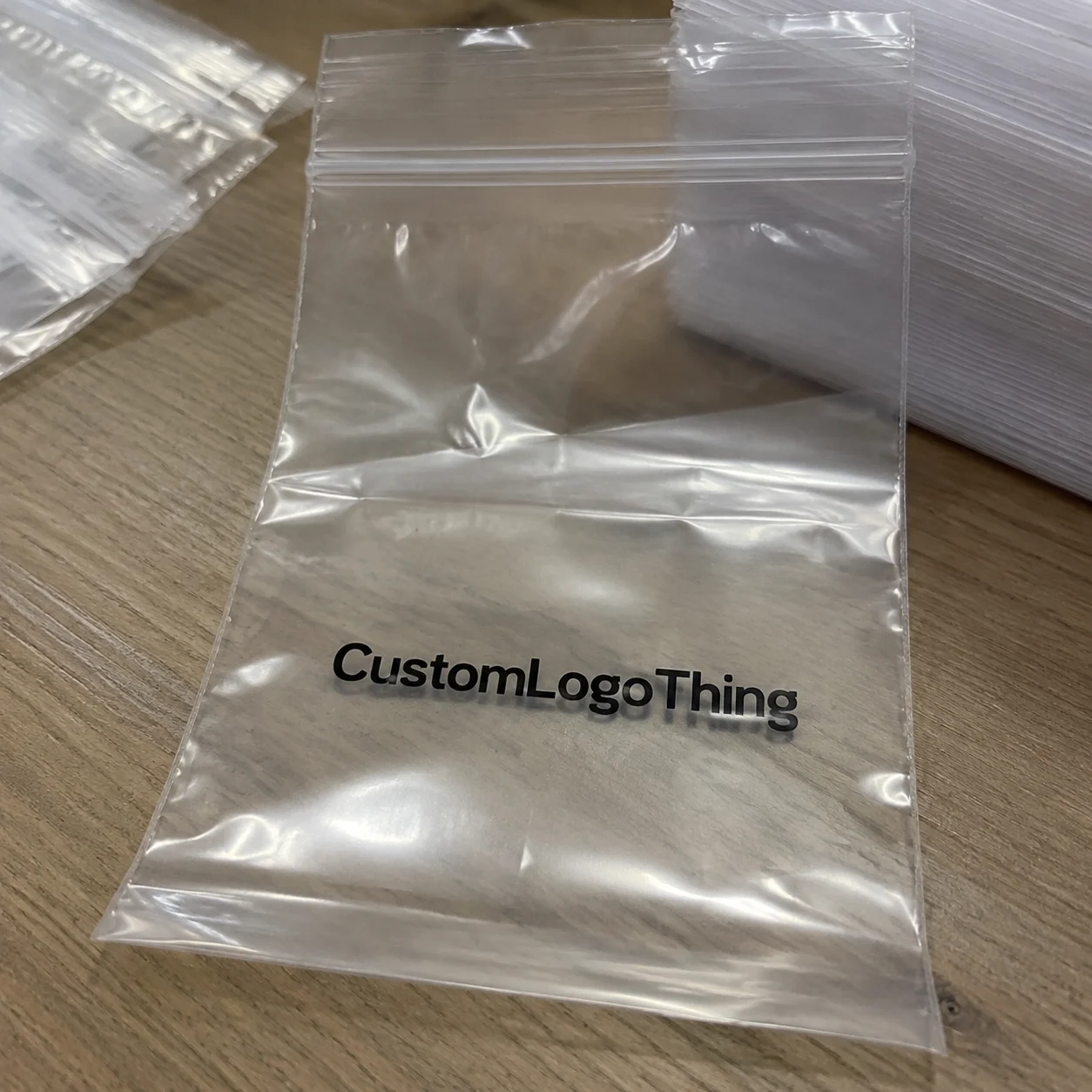
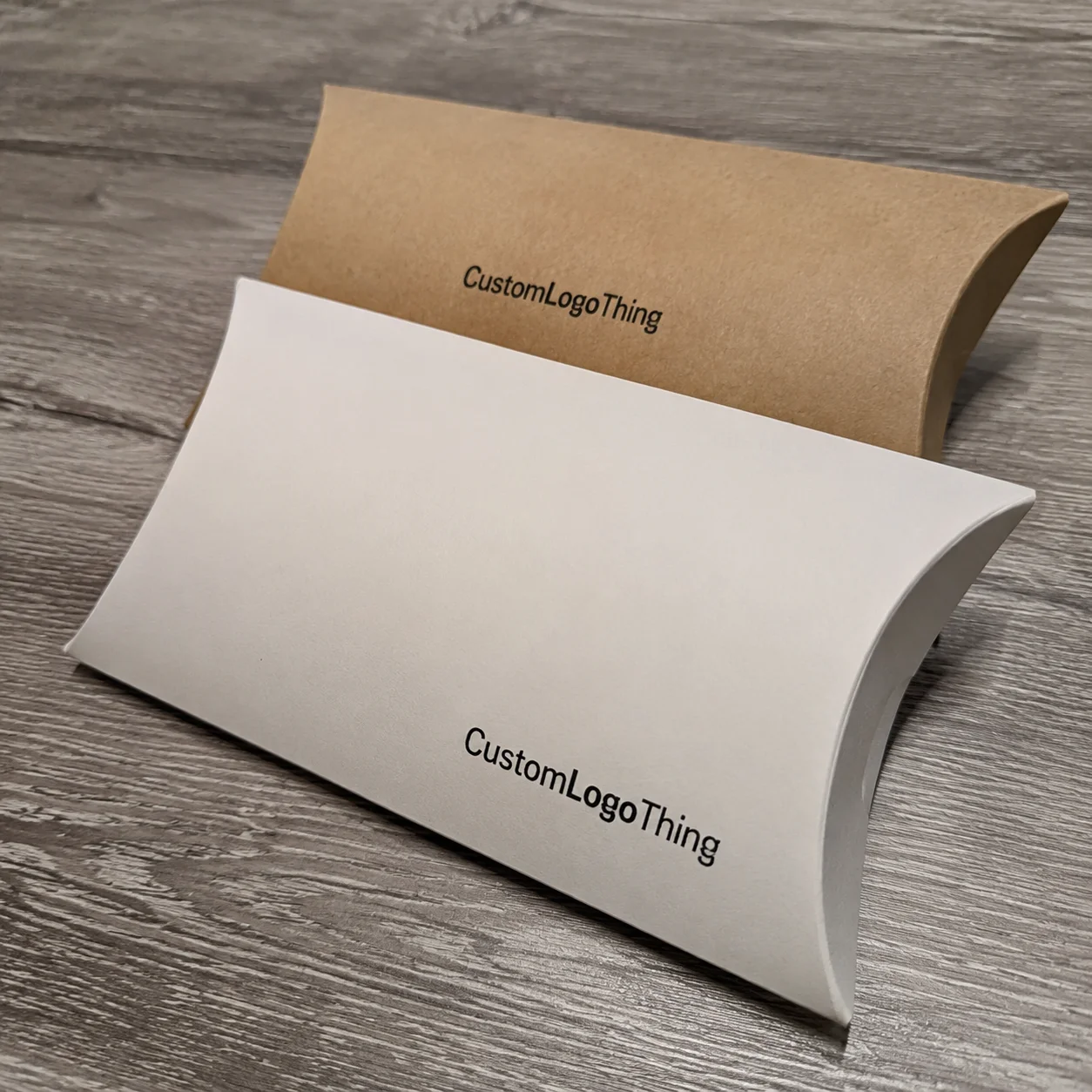
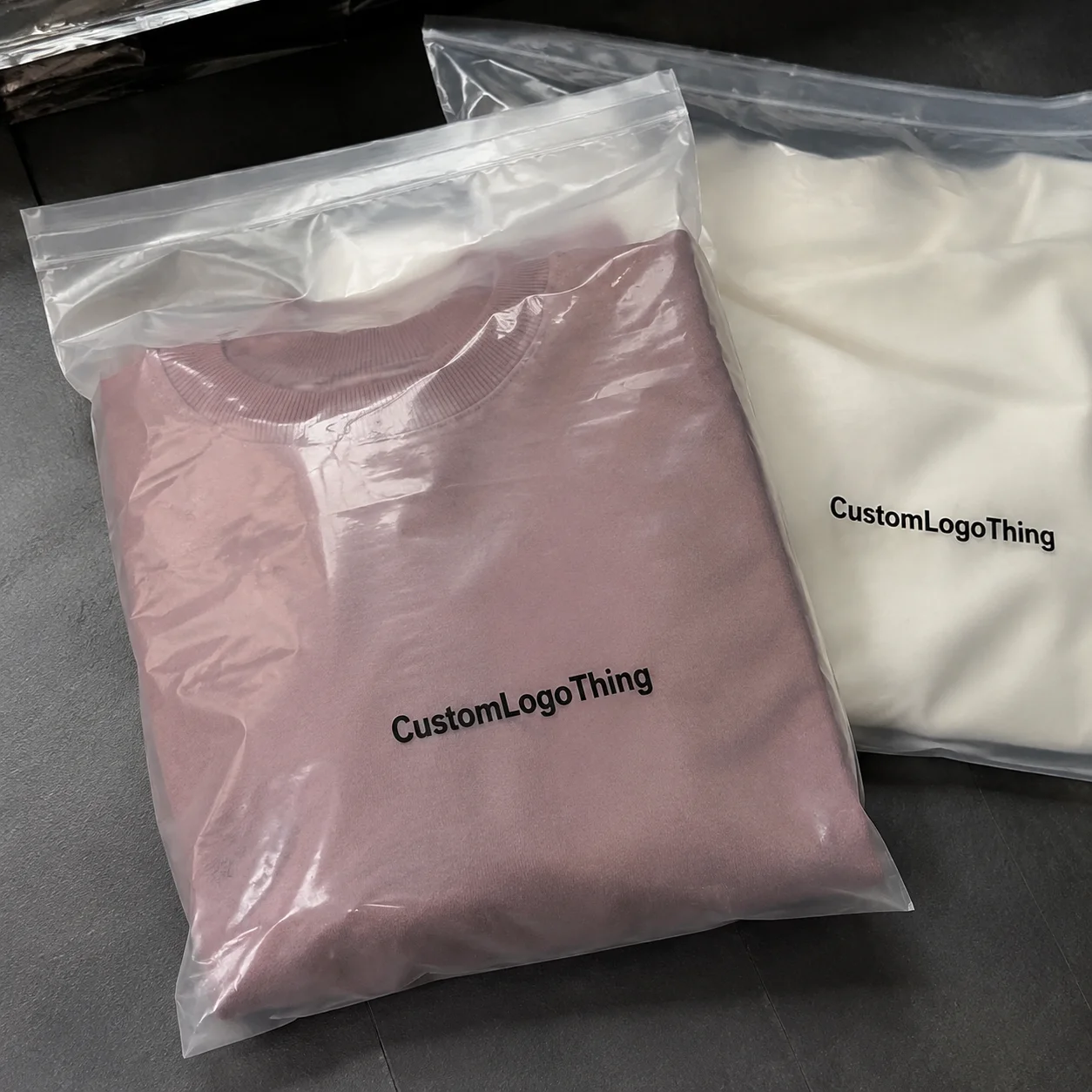
Buyer Fit Snapshot
| Best fit | affordable unboxing experience that still feels premium for packaging buyers comparing material specs, print proof, MOQ, unit cost, freight, and repeat-order risk where brand print, material, artwork control, and repeat-order consistency matter. |
|---|---|
| Quote inputs | Share finished size, material target, print colors, finish, packing count, annual reorder estimate, and delivery region. |
| Proofing check | Approve dieline scale, logo placement, barcode or warning zones, color tolerance, and any recyclable or compostable wording before bulk production. |
| Main risk | Vague material claims, crowded artwork, or missing packing details can create delays even when the unit price looks attractive. |
Fast answer: Affordable Unboxing Experience That Still Feels Premium should be specified like a repeatable production item. The safest quote includes material, print method, finish, artwork proof, carton packing, and reorder notes in one written spec.
What to confirm before approving the packaging proof
Check the product dimensions against the actual filled item, not only the sales mockup. Ask for tolerance on folds, seals, hang holes, label areas, and retail display edges. If the package carries a logo, QR code, warning copy, or legal claim, reserve that space before decorative graphics fill the panel.
How to compare quotes without losing quality
Compare board or film grade, print process, finish, sampling route, tooling charges, carton quantity, and freight assumptions side by side. A lower quote is only useful if the supplier can repeat the same color, closure quality, and packing count on the next order.
Unboxing Experience Affordable: How to Make Packaging Feel Premium Without Wasting Margin
I’ve spent enough time on factory floors to know one thing: a good unboxing experience affordable enough for a growing brand does not need gold foil, custom ribbon, or some dramatic nonsense that eats your margin alive. I remember standing beside a carton converting line in Shenzhen, Guangdong, with a brand owner who had fallen in love with a magnetic closure box that cost more to make than his margin could reasonably support. We swapped that idea for a printed 350gsm SBS artboard insert with one ink color and a die-cut product cradle, and the difference was ridiculous. The cost moved by $0.18 per unit on a 5,000-piece run, and the box suddenly looked like it belonged to a brand charging twice as much. That is the kind of unboxing experience affordable brands should aim for.
Customers judge perceived value fast. I mean fast-fast. In the first 10 seconds of opening the package, they decide whether your product feels intentional or just tossed into a cardboard cocoon with a logo slapped on top. That first impression shapes customer perception, brand recognition, and whether someone bothers to post it, keep it, or reorder it. A strong unboxing experience affordable enough to repeat at scale can drive reviews, social sharing, and repeat purchases without forcing you into luxury-tier packaging that makes your accountant stare into the void. On a 3,000-unit reorder, even a shift of $0.07 per unit changes the budget by $210, which is exactly the kind of number that keeps finance teams awake.
Here’s the real distinction: expensive-looking packaging is not the same thing as actually expensive packaging. You can build visual impact with tight sizing, clean print, and one smart branded touchpoint. You do not need to fill the box with six inserts, three tissue layers, and a custom wax seal unless your margins are already playing in the premium league. My job, and what I’ve done for 12 years in custom printing across Shenzhen, Dongguan, and Ningbo, is help brands get a unboxing experience affordable enough to protect cash while still strengthening brand identity and brand consistency. That balance is not glamorous, but it is what keeps the lights on.
“We thought we needed a fancy box. Sarah told us to fix the insert and the sizing first. She was right. The package looked better, and we cut wasted fill by 22%.”
— DTC accessories client, after a 4,000-unit reorder
Why an affordable unboxing experience matters more than hype
Most people overthink packaging on day one and underthink unit economics. Classic move. I’ve sat across from founders in Los Angeles, California, who wanted embossing, foil, spot UV, and magnetic closure boxes for products with a $24 retail price. That math is ugly. If your packaging cost eats too much of the gross margin, your “premium” experience becomes a cash leak with pretty corners. A better unboxing experience affordable enough to sustain growth lets you invest in ads, product quality, and repeat customer retention instead of paying for cardboard theater. If your landed box cost is $1.10 and your gross margin is only $8.40, a second decorative layer can quietly erase 12% or more of what you thought you were keeping.
One factory visit in Dongguan, Guangdong, stuck with me. A candle brand was using oversized cartons with too much void fill and a decorative insert that cost more than the candle label itself. We reduced the box footprint by 14mm on each side, switched to a standard E-flute mailer, and replaced a full-color insert with a one-color kraft card. The packaging still looked polished. The landed cost dropped by $0.41 per order, and the line speed improved by about 8 minutes per 100 units because the pack-out was simpler. That is why I keep saying the best unboxing experience affordable brands can build starts with sizing and structure, not decoration.
There’s another reason this matters: people share what feels deliberate. A neat box, a clean reveal, and a little branded message can lead to user-generated content without a huge packaging budget. That matters for visual branding and brand recognition. I’ve seen brands get more mileage from a simple thank-you card printed on 300gsm uncoated stock than from a multi-layer luxury box that nobody wants to throw away because it took a forklift and a prayer to assemble. I’m only half joking there, especially after watching a fulfillment team in Suzhou spend 42 extra seconds per order fighting with overdesigned packaging.
If you want an unboxing experience affordable enough to scale, stop chasing “wow” through cost. Aim for controlled spend. Every dollar should have a job. The box protects the product. The insert organizes the reveal. The tissue or sticker adds a branded cue. That’s it. Anything else should earn its place with a clear return on perceived value, whether that return is a 4% lift in repeat orders or a lower damage rate in transit from Chengdu to Chicago.
Affordable unboxing experience product options that work
The good news: you do not need a giant packaging stack to create an unboxing experience affordable brands can actually repeat. You need a smart combination of components, not a parade of extras. I usually break it down into six pieces: mailer boxes, folding cartons, tissue paper, stickers, inserts, and custom tape. Each one has a job. Each one has a cost. And yes, one of them is usually enough to make the package feel premium if the others are kept clean and simple. On a 5,000-piece run, replacing one extra insert with a branded sticker can save $90 to $240 depending on print coverage and die-cut complexity.
Mailer boxes are the easiest hero item. If your product ships directly to customers, this is where most of the visual impact lives. A one-color printed corrugated mailer box can still look strong if the artwork is sharp and the dimensions are right. Folding cartons work better for cosmetics, candles, and lightweight accessories that need shelf appeal as well as shipping protection. For apparel, I often recommend a mailer box with a branded sticker and tissue paper because it gives you an unboxing experience affordable enough to support margin while still feeling curated. For example, a 240 x 180 x 70 mm mailer in kraft E-flute often lands in a sweet spot for DTC apparel, especially when packed in a facility near Dongguan or Yiwu where short-run converting is common.
Here’s what usually creates the biggest visual return for the lowest cost:
- Printed insert with a short brand story or care instructions
- Logo sticker on tissue or box closure
- One-color box print on kraft or white board
- Custom thank-you card with a QR code for repeat purchase
For cosmetics, I like a folding carton with 350gsm C1S artboard and a matte aqueous coating. It prints clean, folds well, and keeps the structure sharp. For apparel, a corrugated mailer with a one-color logo plus tissue is often enough. For candles, use a folding carton or mailer depending on breakage risk; a 2 mm paperboard insert can reduce movement enough to avoid scuffing on jar lids. For accessories, a rigid box is usually too expensive unless the item price is high enough to justify it. The goal is always the same: a unboxing experience affordable enough to maintain brand consistency without pretending you’re packaging jewelry in a luxury hotel suite.
When I visited a supplier in Shenzhen last year, they showed me three versions of the same apparel mailer: blank, one-color print, and full-coverage CMYK. The blank box was cheapest, obviously. But the one-color option delivered the best cost-to-impact ratio. Full coverage raised ink cost, setup time, and rejection risk for only a modest bump in perceived value. That’s the kind of sourcing decision that makes an unboxing experience affordable rather than just “fancier than necessary.” On that line, the one-color version added only $0.09 per unit over the blank box, while full-coverage CMYK pushed the increase closer to $0.31 per unit.
For brands trying to protect cash, I usually recommend starting with one hero component and one supporting touchpoint. Example: a printed mailer box plus a thank-you card. Or a folding carton plus tissue sticker. That combination is usually enough to support customer perception and keep the package from feeling plain. If your product value is under $40, that two-part approach tends to outperform a more complex setup that adds cost without improving the opening moment.
For companies that want to stay disciplined, here’s the practical approach. Do not buy every packaging item just because it looks nice in a mockup. Match the item to the product and to your budget. A candle brand needs crush protection and a clean reveal. A cosmetics brand needs print clarity and a tidy fit. An apparel brand needs low friction and a simple branded reveal. That is how you build an unboxing experience affordable enough to keep on repeat orders, especially when your production is split between a warehouse in New Jersey and a converter in Guangzhou.
Best low-cost combinations by product type
Cosmetics: Folding carton + tissue wrap + one sticker. Usually enough for a polished retail feel, especially with 350gsm C1S artboard and matte aqueous coating.
Apparel: Mailer box + tissue paper + thank-you card. Strong visual branding without bloated cost, and often under $1.25 per unit at 3,000 pieces depending on size.
Accessories: Mailer box + insert + small sticker. Clean, compact, easy to ship, and practical for items under 250 grams.
Candles: Folding carton + protective insert. Focus on fit first, decoration second, especially for glass jars shipped from Ningbo or Xiamen.
Subscription boxes: Printed mailer + divider insert + branded card. Simple structure, repeatable cost, and easier pack-out for monthly fulfillment cycles.
Honestly, I think the worst mistake is adding too many touches that each cost a little but together destroy your margin. I’ve watched people get excited about a satin ribbon, a foil card, and custom tissue all at once, and then act shocked when the quote turns into a small horror story. That’s how brands end up with an unboxing experience affordable only on paper. On a 10,000-piece run, those “little” extras can add $0.27 to $0.48 per unit before freight even enters the conversation.
Specifications that make an affordable unboxing experience feel premium
Specifications matter more than people want to admit. A box can be inexpensive and still feel premium if the material, print, and fit are chosen properly. A sloppy box can be expensive and still look cheap. I’ve seen both, and the cheap-looking expensive box is honestly the more annoying one because you know somebody paid for it and still missed the point. The difference usually comes down to three things: board type, print coverage, and sizing. If you want an unboxing experience affordable enough to scale, these details are where the money gets won or wasted.
Start with the board. Kraft corrugated is great for a natural, eco-leaning look. It can support FSC-conscious branding if your supply chain is certified through sources like fsc.org. CCNB (clay-coated news back) is common for folding cartons and gives a smoother surface at a lower price than premium SBS in many cases. SBS is the nicer print surface. It is cleaner, brighter, and often preferred for cosmetics and retail presentation. Corrugated is the workhorse for shipping. If you need a unboxing experience affordable and durable, corrugated is usually the starting point, especially in E-flute or B-flute depending on crush resistance.
Then choose the print method. CMYK is flexible and works well for detailed graphics. Spot color is better if your brand uses one or two very specific colors and you want control over consistency. I’ve negotiated plenty of print runs where a brand wanted four-color process for a logo that only used black and one accent color. That’s not a design strategy. That’s extra cost dressed up as ambition. Keep the color count tight, and your unboxing experience affordable target gets much easier to hit. In Shenzhen, a one-color print run on kraft board can often shave 15% to 25% off the finishing cost compared with a full-coverage layout.
Finish matters, but only if it earns its keep. Matte coating gives a softer, more modern look. Gloss can feel brighter and more retail-driven. Soft-touch coating feels premium, yes, but it is not magic. It adds cost and can show scuffs depending on handling. Use it only when the order value supports it. Embossing and debossing can add tactile interest, but they should be used sparingly. Foil stamping looks strong on a small logo, especially in gold or black foil, but a full foil panel is usually a cost mistake for brands trying to keep an unboxing experience affordable. A simple 18 x 18 mm foil mark can look more deliberate than a full-panel finish that adds $0.22 per unit without improving the reveal.
Sizing is where a lot of people lose money without noticing. If the package is too large, you pay more in board, freight, and fill. If it is too tight, you risk damage and returns. I always recommend building the box around the product plus a controlled 2–4mm tolerance, depending on the item. That keeps the product secure and minimizes wasted space. Better fit means lower shipping cost and better presentation. Simple. Not glamorous, but it works. A box that fits a 92 x 92 x 40 mm jar snugly can reduce void fill by 30%+ compared with an oversized stock carton.
For packaging standards, I also look at testing. If your product ships through mail channels, ask about ASTM or ISTA-aligned transit testing. The International Safe Transit Association details useful testing frameworks at ista.org. You do not need to over-engineer every order, but you should know whether your packaging can survive normal distribution. Nothing kills an unboxing experience affordable faster than a crushed corner and a refund request, especially if your freight lane runs through long-haul trucking from California to the East Coast.
Here’s a simple spec checklist I give buyers before quoting:
- Product dimensions in millimeters
- Target order quantity
- Board type: kraft, CCNB, SBS, or corrugated
- Print method: one-color, two-color, or CMYK
- Finish: matte, gloss, soft-touch, or none
- Any insert requirement with exact product measurements
- Brand color references: Pantone codes if available
- Shipping destination and whether freight estimate is needed
That list alone saves hours. Sometimes days. And if you’ve ever watched three different people on a thread use three different measurements for the same box, you know why I say that with feeling. A missing 0.5 mm in a dieline discussion can become a $150 sample correction very quickly.
Affordable unboxing experience pricing and MOQ breakdown
Let’s talk money, because vague pricing helps nobody. For an unboxing experience affordable enough to work for real businesses, You Need to Know what you are paying per unit and where the price breaks sit. I’ve watched brands get excited over a cheap quote only to discover freight, setup, or finishing doubled the landed cost. That is not savings. That is a surprise invoice wearing a fake mustache. A quote at $0.49 per unit in the factory can become $0.78 landed once inland trucking, export docs, and carton packing are included.
Below is a practical pricing table based on common production ranges I’ve seen from Asia and mixed sourcing programs. These are not promises. Specs, board grade, print coverage, shipping lane, and seasonality all shift the numbers. But this will give you a realistic starting point for planning an unboxing experience affordable enough to approve without panic. Rates from Dongguan, Shenzhen, and Ningbo can move by 8% to 15% between peak and off-peak months, especially before Q4.
| Packaging Item | Typical MOQ | Common Unit Price Range | Notes |
|---|---|---|---|
| Printed mailer box, one-color kraft | 500–1,000 pcs | $0.72–$1.45/unit | Best value for DTC shipping and brand visibility |
| Folding carton, CCNB or SBS | 1,000–3,000 pcs | $0.18–$0.58/unit | Depends heavily on size and print coverage |
| Custom insert, paperboard | 500–1,000 pcs | $0.08–$0.32/unit | Die-cut complexity changes cost fast |
| Custom sticker | 500–1,000 pcs | $0.03–$0.12/unit | Usually the cheapest branded touchpoint |
| Printed tissue paper | 1,000–3,000 sheets | $0.06–$0.20/sheet | Ink coverage and sheet size drive the quote |
| Thank-you card | 500–1,000 pcs | $0.05–$0.22/unit | Good place for QR codes and reorder messaging |
| Custom tape | 1,000–3,000 rolls | $1.10–$2.80/roll | Can add impact, but only if your fulfillment team uses it consistently |
MOQ matters because the first price break often changes your unit cost more than any design tweak. If you order 500 boxes instead of 1,000, your unit price may jump by 20% to 40% because the setup cost gets spread over fewer pieces. That is why the first serious quantity break is usually the most valuable. For a growing brand, the sweet spot for an unboxing experience affordable enough to repeat is often somewhere between 1,000 and 3,000 units, depending on the item and whether the supplier is converting in Shenzhen, Wenzhou, or Foshan.
The main cost drivers are straightforward:
- Material thickness: 250gsm versus 350gsm changes board cost and rigidity
- Print coverage: full ink coverage costs more than a clean one-color layout
- Finishing: foil, embossing, soft-touch, and lamination add labor and setup
- Size: larger boxes use more board and increase freight cost
- Shipping: a low factory price can get wrecked by expensive air freight
I always tell buyers to compare quotes on a landed-cost basis, not just ex-factory price. A box quoted at $0.68 in one place and $0.54 somewhere else can end up more expensive once you add freight, packaging labor, and damage risk. A truly unboxing experience affordable package is one you can land, store, assemble, and ship without hidden pain. In one case, a buyer in Texas saved only $0.06 per unit on the box itself, then lost $0.11 per unit to slower packing and extra dunnage.
One more thing people miss: standard sizes save money. If you insist on a custom footprint for every SKU, you pay for tooling, make-ready, and complexity. In one negotiation, I convinced a client to use a standard mailer size with a nested insert instead of a fully custom structure. We saved $1,200 on tooling across the run and cut lead time by six days. That’s not hype. That’s boring arithmetic, which is usually where good packaging lives.
If you want an unboxing experience affordable but still polished, do not let fancy finishing be the first thing you quote. Quote the structure first. Then add only what actually improves the customer’s opening moment, and keep the whole plan within a target landed cost such as $0.95 to $1.35 per order for lighter DTC products.
Process and timeline for an affordable unboxing experience order
The process is usually simple, but only if the buyer is prepared. I’ve seen delays happen because someone approved artwork from a screenshot, forgot to send Pantone references, or changed the product dimensions after sampling. That kind of chaos extends every timeline. A solid unboxing experience affordable enough to launch on schedule starts with a clean workflow and good communication. If the supplier is in Shenzhen and your design team is in New York, that 13-hour time difference can add a full business day to every revision cycle if nobody is organized.
Here’s the step-by-step path I recommend:
- Briefing: share product dimensions, target quantity, budget, and style references.
- Dieline setup: the supplier creates the template for the box or insert.
- Artwork placement: your design team fits the logo, text, and color specs onto the dieline.
- Proofing: review digital proofs for layout, spelling, and measurements.
- Sampling: approve a physical sample if the order is complex or high value.
- Production: manufacturing starts after final approval and deposit.
- Inspection and delivery: quality checks and shipment booking happen before dispatch.
For a standard first order, sample production usually takes 5–10 business days. Mass production commonly runs 12–20 business days after proof approval, depending on quantity and finishing. If you add special coatings, complex inserts, or unusual shapes, extend that estimate. A practical unboxing experience affordable setup is often faster because it uses standard board and simple print. In many Guangdong factories, a one-color mailer on standard tooling can move from proof to shipment in 12–15 business days once the proof is approved and the deposit clears.
The most common delays are painfully predictable. Artwork changes after proof approval. Missing Pantone values. Last-minute size changes. And the classic: a founder decides to “just make the logo bigger” after the dieline is locked. That costs time. Every time. If you want the schedule to hold, approve dimensions first, then artwork, then sample, then production. No freelancing in the middle. A single artwork revision can add 2–4 business days, while a size change after sampling can push the whole job out by a week.
Approval checkpoints save money. On first orders, I always push for a physical sample when the product is fragile, oddly shaped, or expensive to replace. For simpler items, a digital proof may be enough if the supplier has strong prepress controls. In my experience, a clean approval process is the backbone of an unboxing experience affordable enough for small brands that cannot afford reprints. A $25 sample can prevent a $600 mistake, especially on runs under 2,000 units.
Communication with the factory or broker also matters more than people realize. A responsive contact can catch a sizing issue before plates are made. A slow one will tell you everything is “okay” until you receive a pallet of boxes that don’t fold correctly. I’ve had better results with suppliers who send annotated proof images and ask specific questions than with those who promise the moon and send confusion. The best teams in Dongguan will mark fold lines, glue zones, and barcode placement directly on the proof instead of leaving you to guess.
If you care about packaging standards, ask whether they can reference ISTA testing methods for transit performance or maintain material sourcing aligned with recognized sustainability expectations. That is especially useful if your buyers ask about claims or recycling. It shows you’re not guessing. It also helps protect the credibility of your unboxing experience affordable strategy, especially if your packaging is moving through regional distribution hubs like Chicago, Dallas, and Atlanta.
Why choose us for an affordable unboxing experience
Custom Logo Things is built for brands that want practical packaging, not performance art. That matters. I’ve spent years negotiating with factories, fixing bad dielines, and pushing suppliers to quote realistically instead of padding margins with vague “extra charges.” When a client needs an unboxing experience affordable enough to make business sense, I focus on structure, print efficiency, and fit first. Not fancy upsells. If a cleaner spec can save $0.14 per unit without hurting the reveal, that’s the route I’ll recommend.
Here’s the difference experience makes. I know which factories can hold print consistency across 5,000 units and which ones start drifting after the first thousand. I know when a material spec will cause scoring issues. I know how to trim cost without creating packaging that feels flimsy in the customer’s hands. That kind of supplier judgment does not come from staring at mockups. It comes from visiting production lines in Shenzhen, Dongguan, and Wuxi, checking cartons off pallets, and negotiating directly with people who care a lot about waste when it’s their waste and not yours.
We also understand small and growing brands. You do not need a giant order to get a professional result. You need a clear spec, realistic MOQ, and a package that supports your product’s price point. An unboxing experience affordable enough for a startup should still look coherent, branded, and fit for the market you’re selling into. If you’re selling a $28 skincare set, a 1,000-piece carton order with simple one-color print is usually a smarter fit than a luxury rigid box that forces you to raise retail price just to survive.
Quality control is non-negotiable. I’d rather tell a buyer that their requested finish will add cost than ship something that feels off-brand or folds badly. Print consistency, box fit, and accurate color reproduction matter because they shape brand consistency and trust. If your packaging looks different from one batch to the next, customers notice. They may not say it out loud, but they notice. In one case, a batch in Huizhou ran 1.5 shades darker than approved because the Pantone reference was missing from the spec sheet.
We also keep the recommendation process grounded in specs. If a cheaper option works, I’ll say so. If a premium finish is justified by retail price or product category, I’ll say that too. No pressure. No fluff. Just the numbers and the implications. That’s how you build an unboxing experience affordable enough to win repeat business without pretending every SKU deserves luxury treatment. If a 350gsm C1S artboard carton with matte aqueous coating does the job, there is no reason to pay for soft-touch plus foil plus embossing unless the brand story truly needs it.
“The best packaging quote is not the lowest one. It’s the one that lands on budget, protects the product, and doesn’t create problems for fulfillment.”
— What I tell every founder before they place their first custom order
How to start your affordable unboxing experience project
Start with the basics. Gather your product dimensions in millimeters, your target budget per order, and your initial quantity. If you want an unboxing experience affordable enough to quote accurately, these three inputs matter more than your mood board. Add your logo files, Pantone colors if you have them, and 2–3 reference photos of packaging you like. That gives the supplier something real to work with instead of a vague “make it premium” request, which is basically creative fog. A complete spec sheet can shave one full revision cycle off the quoting process.
Next, decide your hero packaging item. One item only, if possible. Maybe that’s the mailer box. Maybe it’s the insert. Maybe it’s the thank-you card if your product already ships in a strong retail carton. Then choose one supporting touchpoint like tissue or a sticker. That keeps the unboxing experience affordable while still creating a layered reveal and clearer brand identity. If you’re launching in Q2 and need inventory by mid-June, a simple two-part setup is much easier to produce within a 12–15 business day window than a fully custom multi-part kit.
For the first quote, ask for:
- Unit price at 500, 1,000, and 3,000 pieces
- Tooling or plate fees
- Sample cost and sample lead time
- Mass production lead time
- Shipping estimate to your destination
- Recommended material alternative if your budget is tight
If you want the cleanest path, begin with one branded box and one low-cost brand touchpoint. That might be a one-color mailer plus a thank-you card. Or a folding carton plus a logo sticker. It is enough to improve perceived value and customer perception without chasing unnecessary extras. A smart unboxing experience affordable approach does not try to impress everyone. It tries to impress the right buyer, efficiently, whether the order is shipping from Ningbo to Seattle or from Guangzhou to Miami.
I’ve watched brands waste weeks debating silver foil versus gold foil when they hadn’t even settled their box size. Don’t do that. Lock the structure. Lock the budget. Then ask for a quote that shows where the cost sits and where the savings come from. That is how you get a useful answer quickly. A 0.3 mm change in board thickness is worth discussing; a decorative flourish that adds $0.19 per unit but changes nothing about the opening moment is not.
If you’re ready, send your specs and ask for a quote based on a practical unboxing experience affordable for your product type. That is the fastest way to get a pricing plan That Actually Works in the real world, not just on a pretty mockup.
What is an unboxing experience affordable and how do you build one?
An unboxing experience affordable is packaging that feels intentional, polished, and on-brand without consuming more budget than the product can support. The best versions use a smart structure, a controlled reveal, and one or two branded touches instead of a pile of expensive finishing options. You build it by starting with product dimensions, choosing the right board type, limiting print coverage, and keeping the opening sequence clean. In practical terms, that often means a mailer box or folding carton, plus tissue, an insert, or a thank-you card. The goal is not luxury for luxury’s sake; the goal is perceived value that fits your margin.
How do I create an affordable unboxing experience without looking cheap?
Focus your budget on one visible hero element, like the box or insert, and keep the rest simple. Use tight sizing, limited color coverage, and standard materials to control cost. Avoid piling on extras that add expense but do little for the actual unboxing experience affordable brands need. A clean one-color mailer on 350gsm C1S artboard or E-flute can look deliberate if the dieline and artwork are done well.
What is the lowest-cost packaging combo for an affordable unboxing experience?
A printed mailer box, one custom sticker, and branded tissue or a simple insert is usually the best starting combo. It creates a branded feel without stacking expensive finishing options. If margins are tight, one-color print is often the smartest move for an unboxing experience affordable enough to scale. In many Guangdong factories, that setup can stay near $0.90 to $1.30 per unit depending on size and freight.
What MOQ should I expect for an affordable unboxing experience order?
MOQs vary by item, but many custom boxes start around 500 to 1,000 units. Smaller add-ons like stickers or inserts can sometimes start lower. Ordering near the first quantity break usually gives the best unit cost, which is exactly what you want for an unboxing experience affordable enough to repeat. A move from 500 to 1,000 units often reduces the unit price by 20% or more.
How much does an affordable unboxing experience cost per order?
Cost depends on size, material, print coverage, and quantity. A simple branded setup can often stay in a low per-order range when produced at scale. Freight and inserts can change the final landed cost, so always ask for a full estimate before approving your unboxing experience affordable package. For lighter products, a practical target is often $0.85 to $1.50 landed per box before fulfillment labor.
How fast can I launch an affordable unboxing experience package?
Sampling, proofing, and production timelines depend on artwork readiness and order size. Fast approvals and standard materials shorten the timeline significantly. The first order usually takes longer than reorders because dielines and proofs need approval, but a well-prepared unboxing experience affordable plan can move quickly. Typical timing is 5–10 business days for sampling and 12–15 business days from proof approval for production on straightforward jobs.
If you want packaging that supports brand recognition, protects the product, and doesn’t torch margin, keep the plan simple and the specs clean. That is how I build an unboxing experience affordable enough for growing brands, and honestly, it’s the only version that makes sense once the invoices start landing. A box that costs $0.12 less than expected matters a lot more when you’re ordering 8,000 units from Shenzhen than it ever does in a mockup deck.
The practical takeaway is straightforward: choose one hero component, keep the structure tight, and quote from the landed cost up rather than the factory price down. If the box size, board grade, and print coverage are locked early, the rest of the package stays manageable, and your unboxing experience affordable enough to repeat will also be the one that survives real fulfillment.