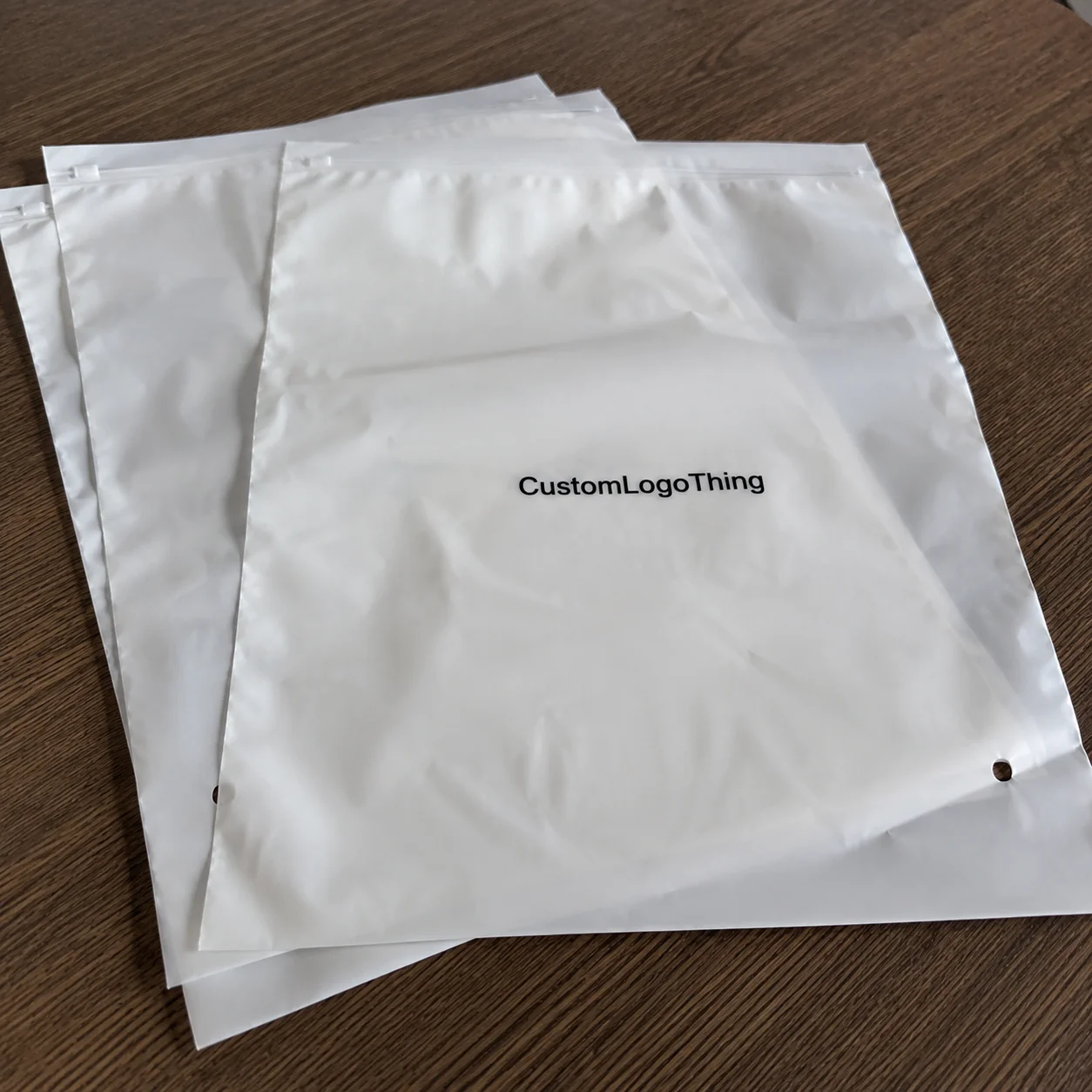
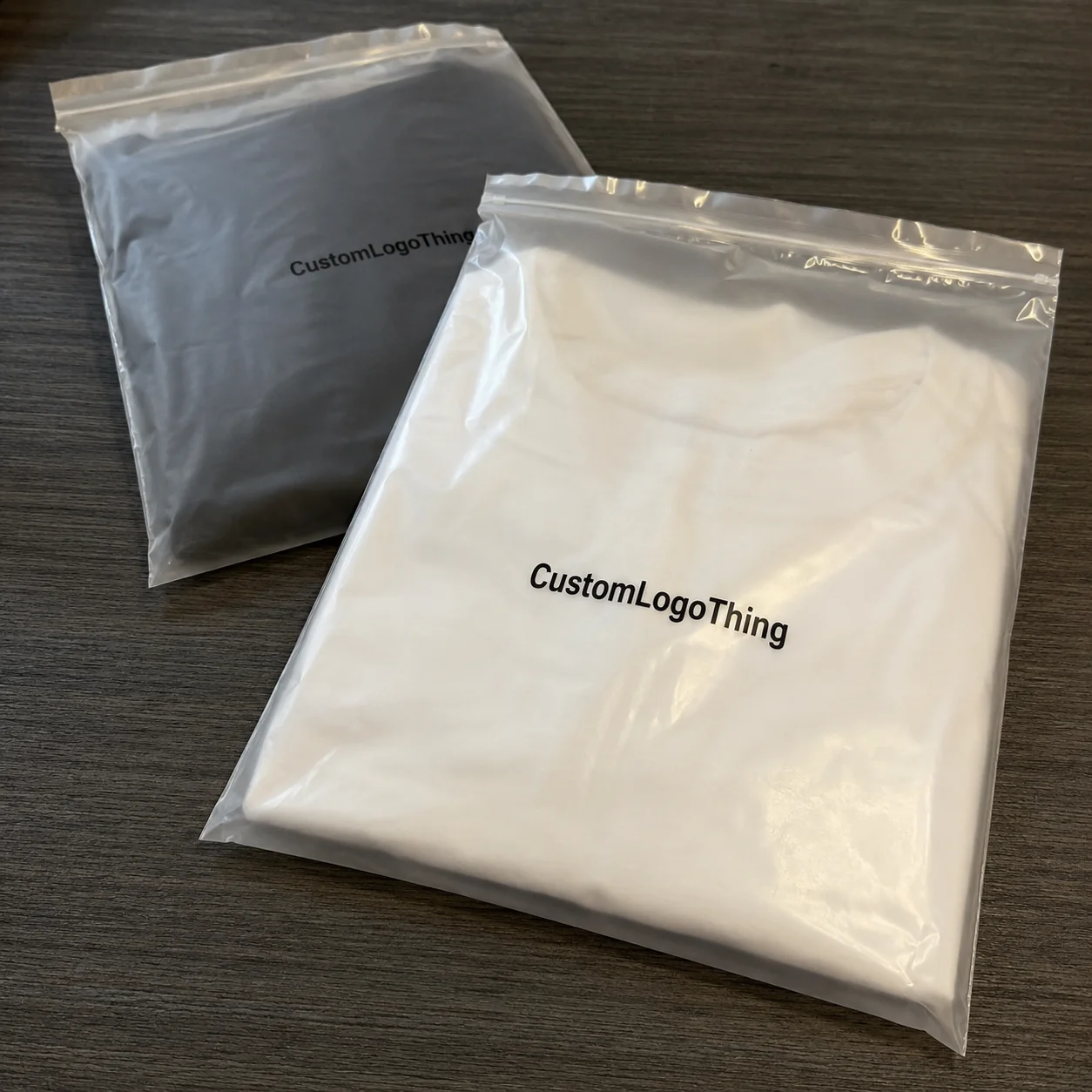
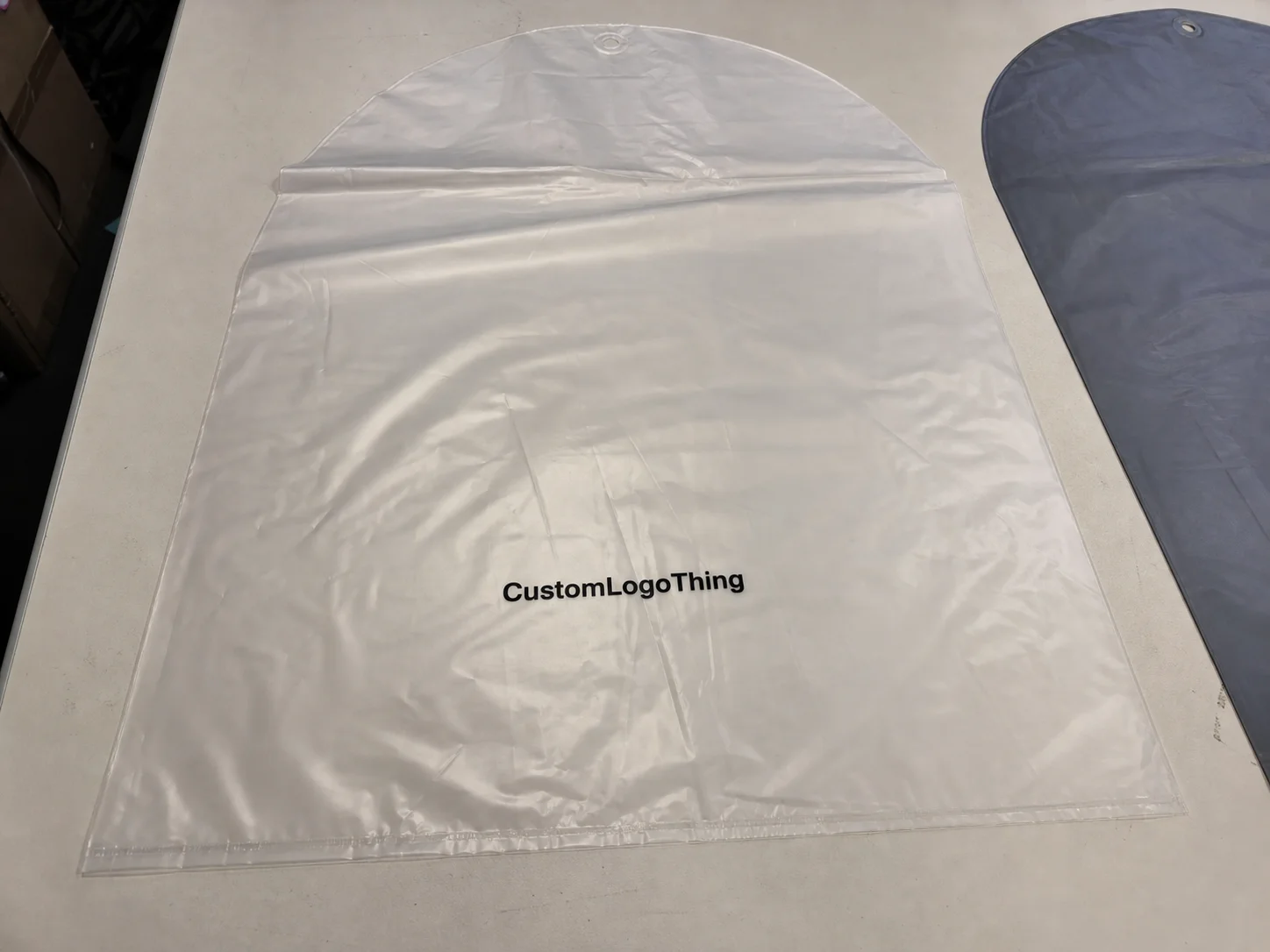
Buyer Fit Snapshot
| Best fit | Ai in Packaging for Logistics projects where brand print, material claims, artwork control, MOQ, and repeat-order consistency need to be specified before quoting. |
|---|---|
| Quote inputs | Share finished size, material target, print colors, finish, packing count, annual reorder estimate, ship-to region, and any compliance wording. |
| Proofing check | Approve dieline scale, logo placement, barcode or warning zones, color tolerance, closure strength, and carton packing before bulk production. |
| Main risk | Vague material claims, crowded artwork, missing packing details, or unclear freight terms can make a low unit price expensive after revisions. |
Fast answer: Ai in Packaging for Logistics: Material, Print, Proofing, and Reorder Risk should be specified like a repeatable production item. The safest quote records material, print method, finish, artwork proof, packing count, and reorder notes in one written spec.
Production checks before approval
Compare the actual filled-product size with the drawing, then confirm tolerance on folds, seals, hang holes, label areas, and retail display edges. Reserve space for logos, QR codes, warning copy, and material claims before decorative graphics fill the panel.
Quote comparison points
Review material grade, print process, finish, sampling route, tooling charges, carton quantity, and freight assumptions side by side. A quote is only useful when the supplier can repeat the same color, closure quality, and packing count on the next order.
One of the most expensive mistakes I keep seeing is this: a product leaves the warehouse in a box that looked fine on the packing bench, only to arrive crushed, dented, or swimming in void fill. I remember standing beside a pack line in Edison, New Jersey, while a supervisor held up two nearly identical cartons and said, “These should both work.” Except one was a nightmare on the UPS belt, and the other was just barely acceptable, which in logistics usually means the pain shows up after the invoice closes. That is exactly why AI in Packaging for logistics is drawing so much attention right now. It tackles a problem that used to sit in the blind spot between packaging design and shipping operations, and it does so with data instead of gut feel, often starting with carton dimensions, damage history, and lane performance from the first 30 to 90 days of shipment records.
In my experience, the fastest way to lose money in logistics is not always a carrier surcharge or a labor shortage. Sometimes it is a carton that is 2 inches too big, a liner that was never tested for a humid lane through Atlanta in August, or a fragile SKU that was packed the same way as a metal part. Honestly, I think that kind of mismatch is one of the most stubborn sources of waste because it hides behind routine. AI in Packaging for logistics can help teams spot those patterns before they turn into a stack of claims and refunds, especially when the system can compare pack-out behavior across 5,000 or 50,000 shipments instead of relying on a handful of anecdotal samples.
I’ve walked warehouse floors where the pack station had six carton sizes, three types of void fill, and two “tribal knowledge” rules no one had written down. That kind of setup works until volume rises or the product mix changes. Then the whole operation starts wobbling like a shopping cart with one bad wheel, usually right after a promotion, a supplier change, or a new 3PL goes live in Memphis, Tennessee. AI in Packaging for logistics aims to turn those informal decisions into repeatable, measurable rules, ideally tied to one carton library, one dunnage policy, and one clear exception process.
And just to be clear, this is not a case where software magically fixes everything. I’ve seen good teams get tripped up by dirty master data, oddball carton naming, and packaging specs that lived only in someone’s head. That is the unglamorous part, but it’s where the real savings usually hide.
AI in Packaging for Logistics: Why It Matters
AI in packaging for logistics is, in plain language, the use of machine learning, computer vision, and data analysis to decide how a product should be packed, labeled, sized, and protected for shipping. It can look at SKU dimensions, damage history, carrier lanes, package images, and material specs such as 32 ECT B-flute corrugated, 44 ECT single-wall, or a 350gsm C1S artboard insert, then recommend a box, insert, or cushioning setup. That sounds technical. The business case is simpler: fewer damages, less filler, lower dimensional-weight charges, and faster pack decisions at stations that are processing 180 to 600 orders per shift.
Packaging is not just a container. It changes pallet efficiency, truck utilization, warehouse throughput, and even the customer’s first impression when the box lands on the doorstep. A 14% reduction in carton volume can cascade into fewer pallets, less trailer air, and fewer labor touches. I’ve seen a 9,000-unit monthly program in Columbus, Ohio trim shipping spend by 11% simply by changing the carton logic, not the product itself, and by moving from a 10 x 8 x 6 inch mailer to a 9 x 7 x 5 inch configuration with a die-cut insert that added only $0.04 per unit. That was not magic; it was a case of the right corrugate, the right insert, and the right lane assumptions finally getting married to each other.
On a client visit in Cleveland, a fulfillment manager showed me a wall of returned items, each one with the same story: the product survived outbound transit but shifted inside the box enough to fail at the customer’s doorstep. The team had tried stronger tape and extra void fill. The real issue was box selection. AI in packaging for logistics would have flagged the mismatch in week one, not month nine, especially because the customer complaints clustered around two lanes with 48 to 72 hour transit times and a higher vibration profile on regional carriers. That is the kind of delay that makes me want to bang my head lightly on a pallet rack, very gently, for OSHA reasons.
The value is not only cost reduction. It is decision speed. When a warehouse team handles 400 SKUs, manual packaging rules break down fast. AI in packaging for logistics can examine patterns across thousands of shipments and recommend packaging changes in a fraction of the time a human analyst would need. That does not mean the system is always right. It means the team starts from evidence instead of guessing, which is already a huge improvement over “we’ve always done it this way,” especially when the evidence includes lane-specific damage rates, not just aggregate averages.
It also matters because packaging now carries branding duties it never used to. A plain brown carton can still be effective, but many brands want branded packaging, custom printed boxes, and stronger package branding that supports the unboxing experience. The trick is balancing that with shipping performance. AI in packaging for logistics can help teams compare aesthetics, cost, and protection without treating them as separate departments that never talk, whether the print is a one-color flexographic run in Charlotte, North Carolina, or a four-color litho-lam finish produced in Dongguan, China.
To keep expectations realistic: this is not magic, and it is not plug-and-play in every operation. It needs decent data, warehouse buy-in, and real shipping tests, such as 24-inch drop testing, vibration runs, and compression validation before release. If your current packaging decisions rely on static rules from three years ago, AI in packaging for logistics may expose inefficiencies that were hiding in plain sight. That can be uncomfortable, but I’d rather have an uncomfortable spreadsheet than a container full of broken merchandise.
How AI in Packaging for Logistics Works
The core of AI in packaging for logistics is pattern recognition. The system ingests inputs like SKU dimensions, order history, damage claims, material specs, carrier performance, and packaging test results, then looks for relationships that humans tend to miss when they are juggling shift schedules and rush orders. In a typical setup, the data set might include 18 months of shipping records, carton purchase prices, and test outcomes from an ISTA 3A protocol run in a lab in Chicago or Toronto.
Typical data inputs include:
- SKU length, width, height, and weight
- Order frequency and order combination patterns
- Damage claims by product type and shipping lane
- Corrugate grades, inserts, liners, and cushioning types
- Carrier route data and transit time
- Drop-test, vibration-test, and compression-test results
In a practical workflow, AI in packaging for logistics usually follows five steps. First, it ingests historical shipping and packaging data. Second, it identifies patterns such as which SKUs fail most often or which carton sizes create excessive void space. Third, it predicts risk, like breakage probability or oversize charge exposure. Fourth, it recommends packaging formats. Fifth, it learns from actual shipment outcomes and adjusts the model. A well-run pilot may start with 12,000 shipments, then compare three packaging options over a 6-week window so the model can actually see enough variation to be useful.
I’ve seen one team compare its manual rules to AI-driven recommendations for a mixed cosmetics line in Secaucus, New Jersey. The old rule was simple: use one of four carton sizes and add enough paper to keep items from moving. The AI system suggested a smaller box for 38% of orders, a different insert style for glass bottles, and a stricter lane-specific rule for westbound shipments that hit more temperature swings. The result was not perfect, but carton waste fell by 19% in the pilot, and the average pack-out time dropped from 52 seconds to 44 seconds per order. That kind of result is enough to make even a skeptical operations manager stop crossing their arms.
AI in packaging for logistics can use predictive analytics to estimate the likelihood of damage, image recognition to inspect package condition, and optimization engines to fit items into the smallest safe package. Some systems sit inside the order management process. Others connect to the warehouse management system and make recommendations at the pack station. A few are tied to label generation, so the package is selected right before the shipping label prints, often within 2 to 4 seconds of scan time at the bench.
That placement matters. If the system is used too early, it may not have the final order details. If it is used too late, the packer has already made the decision. The best setups tend to sit at three points: order creation, pack-out, and post-shipment analysis. That creates a feedback loop, which is really the whole point of AI in packaging for logistics, especially in operations shipping from regional nodes in Dallas, Illinois, or Southern California where lane mix shifts every week.
Think of the old method as a paper decision tree: if item A, use box B; if item C, add insert D. Useful? Yes. Adaptive? Not much. AI in packaging for logistics is more like a living rule book that updates when the data changes. That is especially useful for seasonal shifts, new product launches, and carrier disruptions, such as Q4 volume spikes, two-day-service cutoffs, or a carton supply change that hits the market with only 14 days’ notice.
Important distinction: AI does not replace packaging engineering. It augments it. The engineering team still needs to validate compression strength, seal integrity, and transit performance against real standards like ISTA test methods. For reference, the ISTA framework remains a critical benchmark for transit testing, and AI in packaging for logistics works best when it sits on top of that foundation, not instead of it. A recommendation for a 32 ECT mailer still has to survive actual 36-inch distribution drops, not just score well in a dashboard.
Key Factors That Shape AI Packaging Performance
AI in packaging for logistics is only as good as the data feeding it. If your SKU dimensions are off by 8 millimeters because the database was copied from a supplier sheet instead of measured at receiving, the system can recommend the wrong carton. If damage records are inconsistent—say one team logs “crushed,” another logs “broken,” and a third uses “customer issue”—the model may misread the actual risk. I’ve seen a single SKU listed as 12.1 oz, 12 oz, and 11.9 oz across three systems in the same facility in Louisville, Kentucky, and that tiny drift was enough to throw off packaging logic.
Data quality is not glamorous, but it is where most pilots succeed or fail. I once reviewed a packaging dataset where “same product” appeared under five different names because three departments used their own abbreviations. The AI output was noisy, and the team blamed the software. The real issue was garbage-in, garbage-out. AI in packaging for logistics cannot clean up a badly governed master data system by itself, no matter how fancy the dashboard looks, and no matter whether the dashboard was built in Tableau, Power BI, or a custom Python stack in Austin, Texas.
Material selection is another major factor. A model can weigh corrugate strength, cushioning thickness, inserts, and sustainability goals, but it still needs real-world constraints. For example, 32 ECT single-wall board may be fine for lightweight apparel in a controlled lane, while a fragile glass product might require 44 ECT or a different structure altogether. A cosmetics brand might specify a 350gsm C1S artboard sleeve with a 1.5 mm greyboard insert and a water-based varnish because the shelf impact matters as much as the transit protection. The AI should compare product fragility, transit profile, and material cost, not just choose the cheapest carton because the spreadsheet got impatient.
Cost is often presented too simplistically. Software licensing might run from $20,000 to $150,000 annually depending on scope. Integration fees can add another $10,000 to $60,000. Packaging redesign, sample tooling, and validation testing are additional line items. Yet the savings can be equally tangible: lower dimensional-weight charges, fewer repacks, less void fill, and reduced returns. In one negotiation I sat through, the supplier’s best pitch was not about software features. It was a spreadsheet showing a projected $0.27 savings per order on a 60,000-order account, which translated to about $16,200 over a single quarter. That got attention fast. Finance people love a clean number almost as much as they love asking where the number came from.
Warehouse constraints matter just as much as software features. A model might recommend six packaging options, but if the pack station only has room for two carton sizes and one dunnage dispenser, the recommendation is theoretical. AI in packaging for logistics needs to fit the actual rhythm of the warehouse: picking speed, station layout, labor training, and carrier cutoff times, whether the site is moving 2,000 orders a day in Hanover, Maryland or 200 orders a day in Reno, Nevada.
Governance is another issue. The model should be audited regularly, especially after a product change, a packaging material switch, or a carrier route shift. Otherwise, model drift creeps in. The recommendation that worked in the old distribution pattern may fail quietly once the shipping profile changes. That happens more often than executives admit, usually right around the time someone says, “I thought the system handled that automatically.” A monthly review cadence and a named owner for packaging rules can prevent a six-month blind spot.
Customer experience belongs in the same conversation. Better packaging can reduce returns and improve the feel of retail packaging for direct-to-consumer shipments. But over-engineering can backfire. If you add layers of material to reduce a 1% damage rate while increasing packaging cost by 9%, the math is not friendly. AI in packaging for logistics should help you find the balance, not chase one metric at the expense of five others, especially when the same box has to look good on a Brooklyn apartment stoop and survive a 1,200-mile truck route.
For teams interested in sustainability, the Environmental Protection Agency has useful references on waste and materials management at epa.gov. That matters because right-sizing packaging often reduces both shipping emissions and material use, but only if the protective design still passes transit requirements. A box that saves 6 cubic inches but fails in a hot, humid lane through Houston is not a win; it is a postponed refund.
| Packaging Approach | Typical Cost Impact | Typical Risk Level | Best Fit |
|---|---|---|---|
| Manual carton rules | Low software cost, higher hidden labor; often $0.00 in licensing but 10 to 20 extra seconds per order | Medium to high if volumes vary | Small, stable SKU assortments |
| Basic automation with fixed rules | Moderate upfront cost, often $15,000 to $40,000 for setup | Medium | Operations with predictable order profiles |
| AI in packaging for logistics | Higher setup cost, stronger savings potential; pilots often run $25,000 to $75,000 before rollout | Lower when data and testing are strong | Multi-SKU, damage-sensitive, high-volume operations |
Step-by-Step: How to Implement AI in Packaging for Logistics
The best way to deploy AI in packaging for logistics is in phases. Every time I’ve seen a company try to automate everything on day one, the project gets buried under exceptions. Start with a narrow goal, one product family, and one warehouse lane. The system should prove itself before it gets permission to wander across the whole network, whether that network includes one site in Newark or five sites across the Midwest.
- Audit the current state. Pull one to three months of data on carton usage, damage claims, oversize charges, and pack times. Identify the worst offenders. A lot of teams are surprised to find that 20% of SKUs generate 80% of the packaging pain, and that the biggest losses often come from a handful of fragile items shipping in 14 x 10 x 8 inch cartons that should have been right-sized from the start.
- Clean and standardize data. Make sure dimensions, weights, packaging names, and damage codes use the same format. If one system lists “mailer” and another says “padded envelope,” decide whether those are the same thing or not. In one Philadelphia warehouse, the same carton appeared as “RSC-12,” “12RSC,” and “small ship box,” which made reporting much harder than it needed to be.
- Define the goal. Pick one primary KPI. Is it damage rate, carton volume, void fill usage, pack speed, or shipping cost? AI in packaging for logistics works better when the objective is narrow enough to measure, such as cutting filler by 15%, reducing claims by 8%, or shaving 5 seconds from average pack-out time.
- Pilot one category. Choose a high-volume SKU family or one lane with obvious waste. Do not start with your most complex mixed-order flow unless you enjoy confusion. A good pilot might include 2,500 to 7,500 monthly orders from one product line, plus one backup carton size for exceptions.
- Validate with physical testing. Run drop tests, vibration testing, and pack-out trials. If a recommendation looks great in a dashboard but fails on the dock, the dashboard is not the winner. For many products, a 24-inch drop test, compression testing at the expected pallet load, and a 48-hour hold in a warm room tell you more than a month of internal debate.
- Train the team. Packers, supervisors, and quality staff need to know when to follow the recommendation and when to override it. Build rules for exceptions, not just the perfect case. A 20-minute training at each station in the first week, followed by a printed cheat sheet, often beats a 90-slide deck that nobody reads.
- Measure on a schedule. Weekly at first. Then monthly. Track cost per order, damage rate, carton utilization, material usage, and repack frequency. If the pilot runs for 8 weeks, review the numbers at weeks 2, 4, 6, and 8 so problems do not hide until the end.
Timeline is usually slower than vendors promise. Data cleanup may take 2 to 6 weeks. A pilot can run another 4 to 8 weeks. Testing and packaging changes often add 2 to 4 weeks. Full rollout may take several months, especially if you have more than one warehouse or if the design requires new custom printed boxes or new die lines. AI in packaging for logistics is not a one-click fix; it is a controlled operational project. And if a vendor says otherwise, I’d keep one hand on my wallet and the other on the exit.
One supplier negotiation sticks in my mind. The client wanted a system live in 30 days, but the warehouse had no standardized carton naming convention and three different tape specifications. We reset expectations, cleaned the data first, and launched a pilot on 120 SKUs. The result was slower than the original deadline, but the savings were real: a 13% reduction in filler usage, a drop in crushed-corner claims from 4.8% to 2.9%, and a pack-line time savings of roughly 6 seconds per order. Sometimes the best deadline is the one that actually lets the project survive contact with the dock.
Common Mistakes in AI in Packaging for Logistics
The biggest mistake is assuming AI in packaging for logistics can fix bad inputs automatically. It cannot. If the product dimensions are wrong, if the damage claims are incomplete, or if the material library is sloppy, the model will produce polished nonsense. That is still nonsense, even if it arrives with a sleek dashboard and a confident-looking forecast.
Another common error is trying to automate too many decisions at once. I’ve seen teams ask a new system to choose the carton, insert, label position, dunnage type, and ship method in the same pilot. That is too much. Start with one or two variables, prove the outcome, then expand. A pilot that only controls carton selection and void-fill amount in the first 60 days is far more likely to produce usable results than an overbuilt project that tries to solve every packaging problem in week one.
Some companies also ignore the warehouse team. That is a mistake I see with uncomfortable regularity. A dashboard may show 7% savings, but if it adds 12 seconds to each pack-out, labor costs can swallow the benefit. The smartest rollout of AI in packaging for logistics includes the people who touch the boxes all day, especially the packers in the 5 a.m. shift who know exactly which inserts jam and which cartons collapse when the humidity spikes.
Focusing only on cost is another trap. Lower carton spend means little if damage claims rise or customers start complaining about crushed packaging and poor presentation. Good product packaging is a system, not a single line item. For brands that depend on presentation, branded packaging and fulfillment efficiency need to be measured together, which often means comparing a $0.38 printed mailer against a $0.22 plain carton plus a $0.06 branded insert and then seeing how each performs in transit.
Compliance is easy to overlook until it becomes expensive. Hazardous goods, temperature-sensitive items, and regulated products can have specific packing rules that AI must respect. A system that recommends a lighter carton for a medical product may be useless if it violates internal standards or carrier requirements. The same goes for FSC-aligned sourcing if your company has paper sustainability commitments. You can review certification guidance at fsc.org and align packaging choices with verified material sourcing, ideally before the first print run of 5,000 units is approved in the shop drawing.
Skipping post-launch monitoring is one of the quietest ways to lose performance. Product dimensions change. Suppliers switch materials. Carriers alter routes. New returns patterns appear. If you do not review the model regularly, AI in packaging for logistics can drift away from reality while still producing confident recommendations. A quarterly review is usually the bare minimum, and monthly is better for high-volume accounts shipping through multiple regions.
Overcomplication is the final problem, and maybe the most annoying one. Too many exceptions make the system hard to trust. Too many manual overrides make the AI irrelevant. The target should be a process that is smart enough to help, simple enough to use, and disciplined enough to audit. If the exception list is longer than the rule list, the operation is telling you something very useful.
Expert Tips for Better Results with AI Packaging
The most effective deployments of AI in packaging for logistics use a hybrid approach. AI handles the pattern recognition and recommendation engine. Packaging engineers validate the structural side. Warehouse staff provide the reality check. That triangle is stronger than any one function working alone, especially when the packaging gets specified by a converter in Chicago, the software lives in Denver, and the actual shipping happens in a 3PL in Columbus.
Start with high-volume or high-damage SKUs. Small improvements there create outsized returns. If one product family ships 18,000 units a month and has a 2.4% damage rate, even a modest reduction means dozens of fewer claims. That can justify the pilot budget quickly. In one home goods program, a change that cost $0.11 more per unit reduced breakage enough to save nearly $8,000 in claim replacements over 90 days.
Track both hard numbers and softer signals. Hard numbers include cost per order, damage rate, material usage, and carton cube. Softer signals include repack requests, employee adoption, and customer complaints about packaging appearance. AI in packaging for logistics performs better when the business listens to both, because a savings report is less meaningful if the packing team hates the workflow and keeps overriding the recommendation.
Ask vendors tough questions. How does the model explain a recommendation? What integration methods are supported? Can it work with your warehouse management system? Has it been used in similar logistics environments, such as apparel, cosmetics, or fragile consumer goods? If a vendor cannot describe the logic in plain language, I get cautious fast. If they can only answer with buzzwords, that is usually my cue to reach for more coffee and fewer promises.
Build a review cadence. If the packaging library changes, if the carrier mix changes, or if the product line expands, the rules need a review. In my notes from a Midwest client, the biggest savings came not from the first model launch but from the second update, when the team removed three unnecessary carton sizes and standardized inserts across two product lines. That update took 11 business days to deploy after approval, which was far more realistic than the original “two-day rollout” fantasy.
Connect the packaging system with order management and shipping systems where possible. That gives the team better visibility from order to label to shipment outcome. It also reduces the chances that a recommendation gets stuck in one software silo. AI in packaging for logistics becomes much more useful when the data flows across the operation instead of sitting in isolated spreadsheets, especially if one spreadsheet is hiding in a supervisor’s desktop folder and another is in procurement’s shared drive.
If sustainability is a priority, test recycled materials and right-sized packaging carefully. A lighter board with recycled content may meet your environmental goals, but it still has to protect the product. I have seen teams celebrate a materials win and then lose money on breakage. The better answer is usually not “more material” or “less material.” It is the right material for the lane, the SKU, and the customer promise, whether that means 250gsm fold-over Packaging for Apparel or a 44 ECT insert tray for fragile glass in transit from Portland, Oregon to Miami, Florida.
“The best packaging system I ever saw was not the fanciest one. It was the one that stayed honest about its own limits and kept learning from every shipment.”
Next Steps to Put AI in Packaging for Logistics to Work
If you want to move forward with AI in packaging for logistics, start by naming the biggest pain points in plain English. Are you losing money to damages? Oversize cartons? Slow pack stations? Rising shipping charges? Write down the top three. Do not begin with a vague goal like “optimize packaging.” That is too broad to execute, and it usually produces a meeting instead of a plan.
Next, pull one month of order, damage, and carton data. Even a simple export can tell you a lot. Look for the SKUs that generate the highest claims, the carton sizes that appear most often, and the lanes that produce the most costly exceptions. AI in packaging for logistics needs a baseline, and a rough one is better than none, whether that baseline comes from Excel exports, SQL queries, or a TMS report run at 6:00 a.m.
Then map the current process from SKU selection to label print. Mark where decisions are made, who makes them, and what tools are used. Most operations discover at least one bottleneck at this stage: inconsistent pack rules, outdated carton libraries, or a missing handoff between purchasing and fulfillment. Once you see the path, you can spot where AI fits naturally, often right at the pack station where a barcode scan can trigger the carton recommendation in under 3 seconds.
Choose one measurable goal for the pilot. Maybe it is reducing void fill by 15%. Maybe it is cutting average carton size by 10%. Maybe it is lowering damage claims on one product group. Keep the goal specific. AI in packaging for logistics works best when the target can be checked against a number, not a feeling, and that number should be tied to a real operating window such as a 30-day or 60-day pilot.
Bring suppliers, software providers, and warehouse staff into the same conversation. That matters more than people think. Packaging suppliers understand board grades, inserts, and performance specs. Software providers understand data and integration. Warehouse staff understand speed and exceptions. The overlap is where the good decision lives, and it is usually easier to find in a 45-minute working session than in a three-hour status meeting.
If you need packaging materials, custom formats, or branding support, it helps to work with a supplier that understands both product protection and presentation. Custom Logo Things offers Custom Packaging Products that can support branded shipping while keeping performance in view. That matters because the right packaging is rarely only about cost or only about looks. It is about the job the box has to do, and the job changes when the carton is moving through a hub in Louisville versus being opened on a kitchen table in San Diego.
Set a review date before you launch. Thirty days is common for a pilot check-in, though some teams use 45 or 60 days if volume is lower. Compare results against the baseline. If the data shows lower damage rates, faster pack times, or reduced material usage, expand carefully. If it does not, adjust the inputs before scaling. That is not failure. That is normal operational learning, and it is cheaper than discovering the same problem after ordering 25,000 printed cartons.
Here is my honest view: AI in packaging for logistics is most valuable when treated as an operating system for packaging decisions, not as a magic switch. It works when the data is clean, the tests are real, and the warehouse team trusts the process enough to use it. When those pieces come together, the savings can be meaningful. When they do not, the tool just gives you a faster way to make the same old mistakes, only with more confidence and a nicer interface.
For brands balancing performance and presentation, the future is not plain boxes versus smart boxes. It is smarter product packaging, better packaging design, and tighter coordination between fulfillment and branding. That is where AI in packaging for logistics earns its place: fewer damages, less waste, better cube utilization, and packaging that finally behaves like part of the logistics strategy instead of a separate afterthought. For a 20,000-unit program, even a $0.08 per unit packaging improvement can create a savings pool large enough to fund the next round of testing, which is exactly how the good programs keep moving.
The clearest next move is simple: pick one SKU family, one lane, and one packaging metric, then test the recommendation against real shipping conditions before scaling it. That small, disciplined start is usually where AI in packaging for logistics proves whether it belongs in the operation or stays on the shelf.
How does AI in packaging for logistics reduce shipping costs?
It can recommend right-sized cartons and better material use, which helps reduce dimensional-weight charges and wasted filler. It also lowers damage-related costs by matching packaging strength to product fragility and shipping conditions. In many operations, even a $0.12 to $0.35 per-order improvement adds up quickly at 10,000 orders a month, and a 30,000-order account can see savings of $3,600 to $10,500 over a single billing cycle.
What data do I need to start AI in packaging for logistics?
Start with SKU dimensions, order volume, shipping lanes, damage history, packaging specs, and current pack-out rules. The cleaner and more consistent the data, the more reliable the AI recommendations will be. If your material names, weights, or carton sizes are inconsistent, fix that first, ideally before the data set grows beyond a few thousand records and becomes much harder to untangle.
Can small businesses use AI in packaging for logistics?
Yes, especially if they ship repeat SKUs or have recurring damage or oversizing issues. Small teams often start with one product group or one packaging problem instead of a full-system rollout. That keeps the project manageable and helps the business see value before investing more heavily, even if the pilot is only 500 to 1,500 orders over 4 to 6 weeks.
How long does it take to implement AI packaging tools?
A simple pilot can begin in a few weeks if the data is ready, but fuller rollout usually takes longer because testing and training matter. Timeline depends on integration complexity, data cleanup, and how many packaging decisions the system will handle. In practice, I usually expect phased implementation rather than a single launch date, with proof approval to production taking 12 to 15 business days on simpler carton programs and longer when new print or tooling is required.
What are the biggest risks of AI in packaging for logistics?
The biggest risks are bad data, poor staff adoption, and recommendations that look efficient but fail in real shipping conditions. Regular testing, warehouse feedback, and ongoing monitoring reduce those risks significantly. If the model is not audited after product or carrier changes, performance can drift before anyone notices, especially on lanes with different climate, transit time, or handling patterns from one region to the next.