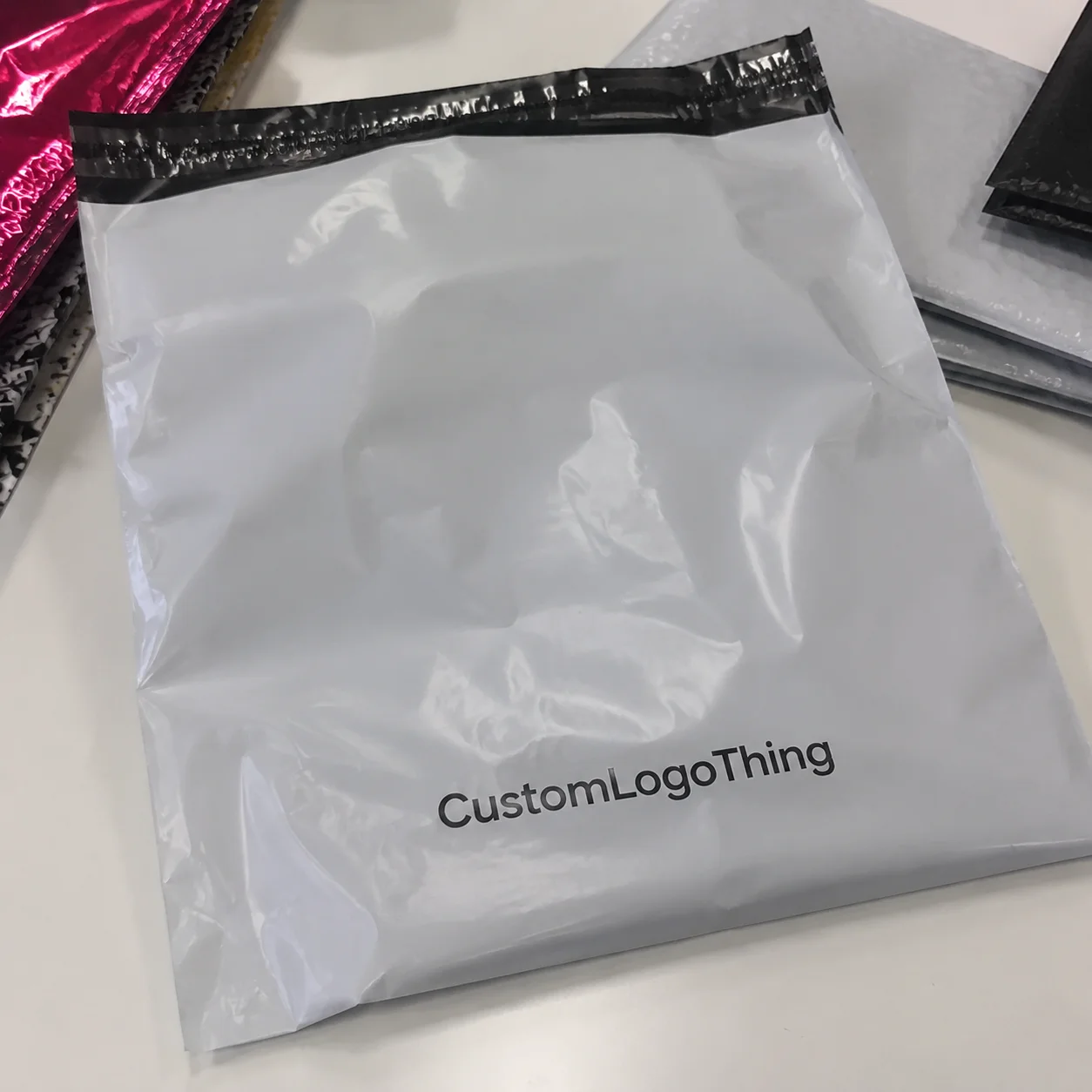
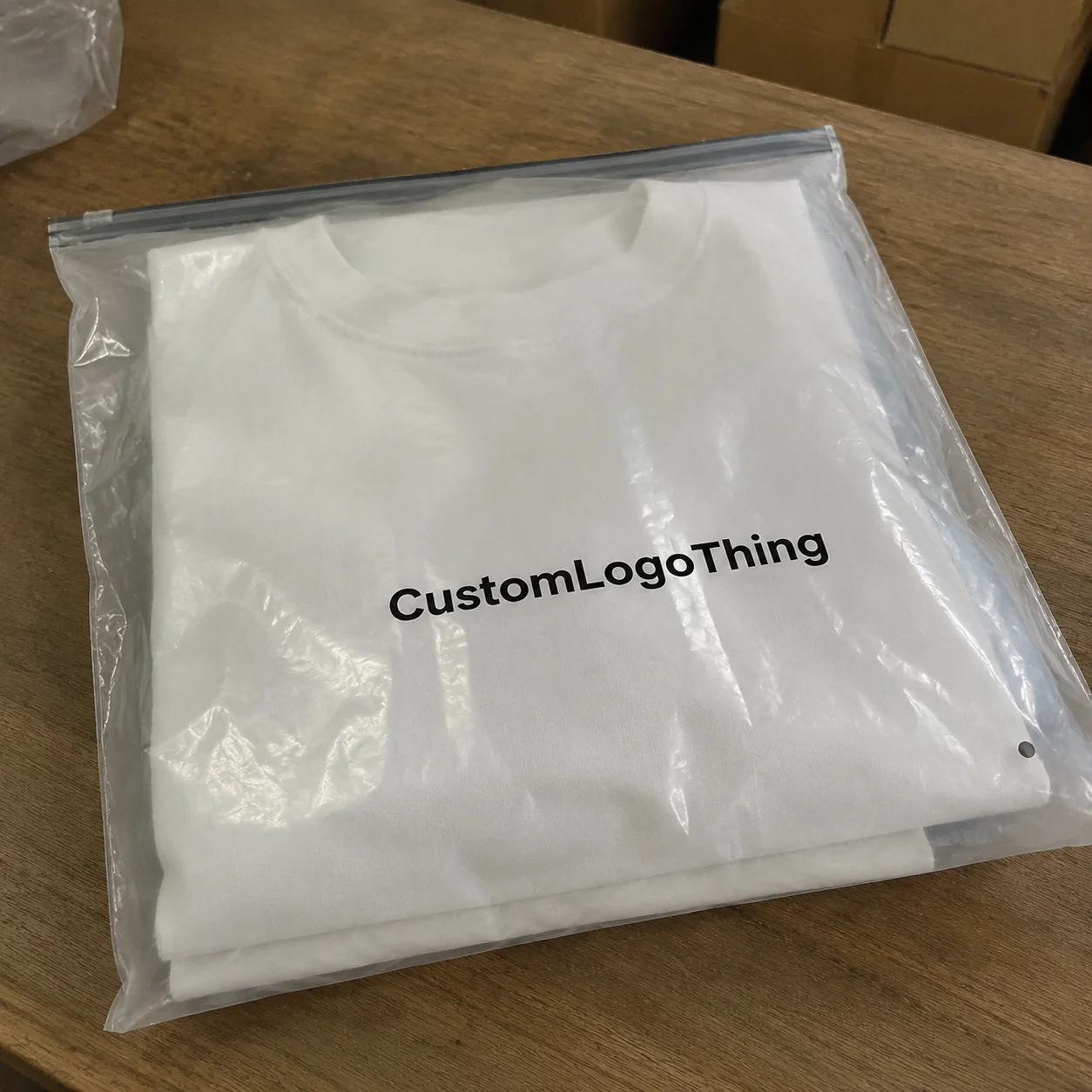
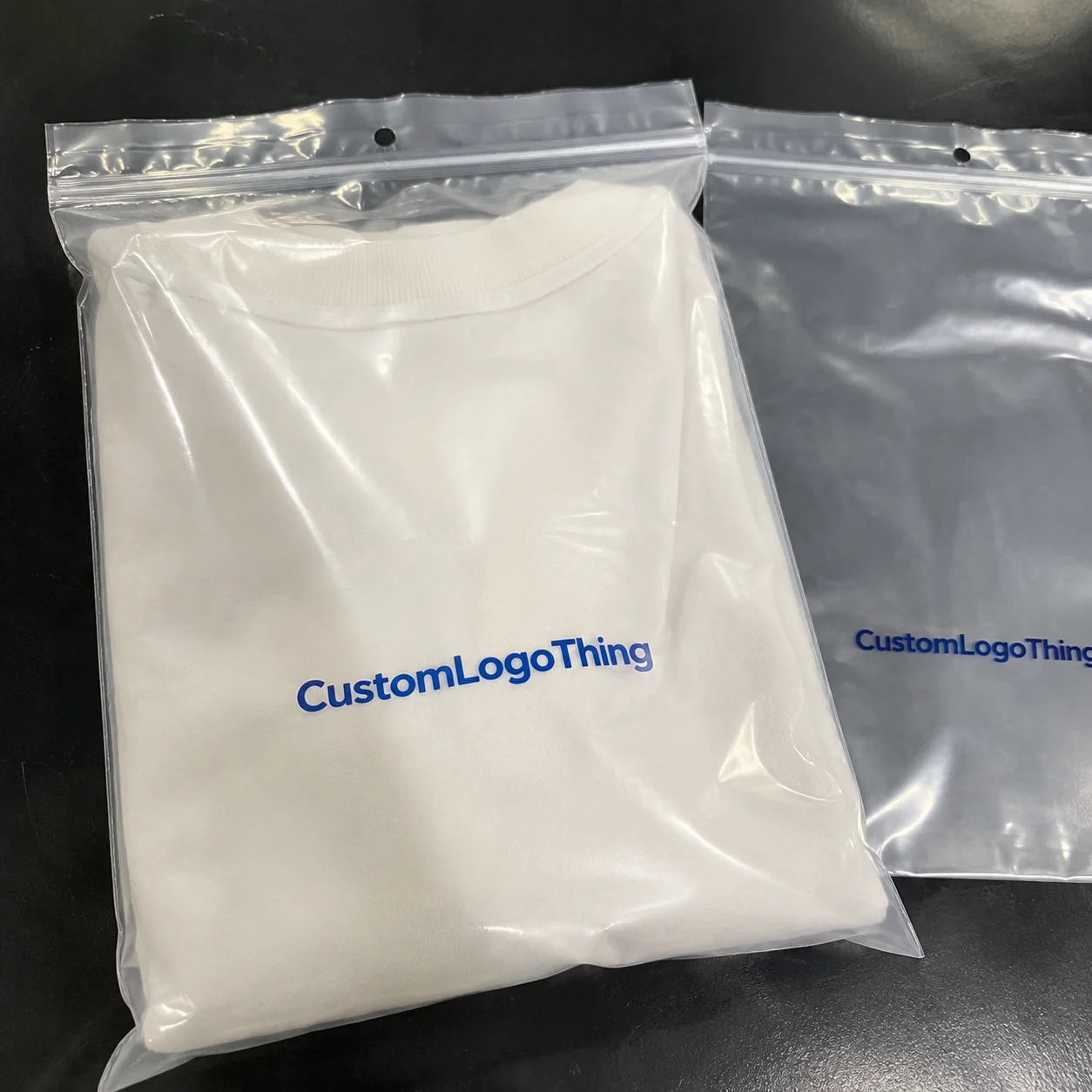
Buyer Fit Snapshot
| Best fit | Ai Packaging Design Tools for Packaging projects where brand print, material claims, artwork control, MOQ, and repeat-order consistency need to be specified before quoting. |
|---|---|
| Quote inputs | Share finished size, material target, print colors, finish, packing count, annual reorder estimate, ship-to region, and any compliance wording. |
| Proofing check | Approve dieline scale, logo placement, barcode or warning zones, color tolerance, closure strength, and carton packing before bulk production. |
| Main risk | Vague material claims, crowded artwork, missing packing details, or unclear freight terms can make a low unit price expensive after revisions. |
Fast answer: Ai Packaging Design Tools for Packaging: Material, Print, Proofing, and Reorder Risk should be specified like a repeatable production item. The safest quote records material, print method, finish, artwork proof, packing count, and reorder notes in one written spec.
Production checks before approval
Compare the actual filled-product size with the drawing, then confirm tolerance on folds, seals, hang holes, label areas, and retail display edges. Reserve space for logos, QR codes, warning copy, and material claims before decorative graphics fill the panel.
Quote comparison points
Review material grade, print process, finish, sampling route, tooling charges, carton quantity, and freight assumptions side by side. A quote is only useful when the supplier can repeat the same color, closure quality, and packing count on the next order.
Overview: What AI Packaging Design Tools Actually Do
The first time I watched an AI Packaging Design Tools guide demo for a snack brand, the software produced 24 box concepts in under 6 minutes, and the team was looking at mockups for a 120g granola pouch and a 250g corrugated club pack at the same time. That number startled the client, but what really changed the meeting was not speed. It was how quickly everyone could react to something visual instead of arguing over a vague mood board and three brand adjectives. Honestly, I think that is where these tools earn their keep: they turn foggy opinions into something you can actually point at and react to, which is a relief for anyone who has sat through a packaging meeting that somehow lasted two hours and accomplished less than a decent press check.
An AI Packaging Design tools guide is, at its simplest, a way to use software for concept generation, layout suggestions, color exploration, copy refinement, and mockup creation. In practice, that means a brand manager can type in a prompt like “premium plant-based protein bar, matte black carton, bold sans serif, clean ingredient story, 350gsm C1S artboard, 4-color offset print,” and the system will propose multiple packaging directions in seconds. Some tools also pull in dielines, place logos on panels, and render product packaging on shelf-style scenes. I’ve seen a junior marketer light up the second they realize the software can show the difference between a flat render and a shelf mockup for a $12 retail carton versus a $1.80 retail sleeve. That is often the first moment they stop calling every concept “pretty” and start asking real questions.
The catch is plain enough. Strong output still depends on strong input. If the brief is thin, the results look generic. If the brand files are messy, the mockups wobble. I’ve seen this happen in supplier meetings where a team expected polished retail packaging from three bullet points and a blurry logo export saved from a 72 dpi JPEG in an office in Atlanta. The software did exactly what it was asked to do. The problem was the ask. I remember one meeting where the team uploaded a JPEG logo that looked like it had been dragged through three email chains and a coffee spill, and everyone still wondered why the mockup looked off. Well... because the source file was off, and the bar code was sitting 2 mm too close to a crease line on the dieline.
That is why I think of an AI packaging design tools guide as a decision-support system, not a replacement for packaging design judgment. It belongs early in the workflow, when teams are exploring structure, style, and package branding direction for formats like folding cartons, stand-up pouches, rigid boxes, and mailers. It can help internal teams move from “we need something fresh” to “we have three realistic routes, and one is clearly the front-runner,” often before the first proof is even ordered from a plant in Dongguan or a carton converter in Leeds. That shift matters, because a lot of packaging projects stall not from lack of talent, but from too many opinions and not enough visual evidence.
Where does it fit best? In my experience, four places:
- Early-stage ideation for mood development and first concepts.
- Internal approvals when marketing, sales, and operations need a visual reference.
- Client presentations when custom printed boxes or labels need to be shown before artwork is finalized.
- Rapid variation testing for SKU changes, flavor extensions, or regional versions across markets like California, Ontario, and Bavaria.
What it cannot do is equally important. AI will not tell you whether a 350gsm C1S artboard is the right board for a folding carton, whether a foil stamp will crack on a tight radius, or whether the design passes a retailer’s copy hierarchy rules in Toronto or Melbourne. It will not replace structural engineering, material selection, prepress review, or brand strategy. That limitation is useful. If software handled everything, packaging teams would spend their days fixing avoidable production mistakes instead of solving real brand problems. And between you and me, nobody needs more avoidable production mistakes; I have already seen enough artwork panic to last a lifetime, including one rigid box job in Chicago that needed a full rework because the spot UV map was set 3 mm out of register.
So this AI packaging design tools guide is about speed with guardrails. It is for teams that want better concepts faster, but still care about printability, cost, and consistency. That balance matters more than hype, and I’ve seen the difference on factory floors in Shenzhen, in client boardrooms in London, and at midnight via proof notes from a pressroom in Ohio. The technology is useful, but the real value shows up when the concept survives the jump from screen to substrate, whether that substrate is 18pt SBS, 300gsm kraft board, or 120gsm uncoated label stock from a mill in Finland.
How AI Packaging Design Tools Work in Custom Packaging
Most people picture AI as magic. It is not magic. It is pattern recognition at scale, applied to design references, typography structures, color relationships, and layout conventions. In an AI packaging design tools guide, the workflow usually starts with a prompt, then moves through reference upload, concept generation, iteration, and export into a design file or mockup environment. It sounds tidy on paper. In real packaging work, it is usually a little messier, which is fine because actual packaging production is also a little messy, especially when a printer in Suzhou is waiting on a revised barcode file at 4:30 p.m. on a Thursday.
The prompt phase matters more than people expect. A good prompt might specify “clean, premium, environmentally conscious supplement box for women 30–45, shelf impact at 6 feet, warm neutrals with one accent color, minimal copy, FSC-certified paper feel, 200-unit pilot run, $0.15 per unit for 5000 pieces target on a folding carton.” A weak prompt says “make it modern.” Those two inputs lead to very different outputs. I’ve seen teams spend $8,000 on strategy decks and then feed a tool a six-word prompt. The output looked exactly as underdeveloped as the brief. Honestly, that part is almost funny until you’re the one trying to explain to a founder why the AI generated something that looks like it belongs to four different brands at once, with a color palette that feels more like a hotel lobby in Miami than a supplement line in Portland.
Under the hood, these systems compare patterns from training data and assemble likely combinations of composition, font pairing, imagery, and visual hierarchy. Some tools generate multiple packaging formats at once: cartons, mailers, sleeves, pouches, inserts, and labels. Others specialize in mockup rendering, which is useful when a client needs to picture Branded Packaging on a shelf or in a hand, not just on a flat artboard. That distinction matters because a flat concept can hide a lot of sins, while a mockup tends to reveal whether the idea actually has presence or is just pretending to have presence. I have watched a concept look elegant on screen and then collapse visually when shown on a 500mL bottle label with a 38 mm neck finish.
When a dieline is uploaded, the software can map panels, folds, and visible faces more convincingly. That is a big step up from rough sketching. A realistic mockup is still not the same thing as a printable file, though. A glossy render can hide the fact that a barcode sits too close to a fold or that a legal copy block is buried under a flap. In one client meeting, a beverage brand loved the AI concept until we overlaid the actual dieline and discovered their nutrition panel was broken across two panels on a carton destined for a co-packer in New Jersey. That would have been an expensive reprint, and the silence in the room after we pointed it out was the kind of silence that makes you suddenly hear the HVAC system and every sheet of paper on the table.
Manual design and AI-assisted design each have their place. Manual work is slower, but it gives the designer total control over each decision, from kerning to substrate behavior. AI is faster, but it asks the human team to filter output, correct errors, and choose the strongest route. The machine is good at breadth. The human is still better at judgment. I know some people love to frame that as a showdown, but it really is a division of labor, and a sensible one at that, especially when a production team in Manchester needs a layered PDF, not just a nice PNG.
That difference becomes obvious in production. A design that looks beautiful on screen may behave differently on kraft board, CCNB, or soft-touch laminated stock. Metallic ink behaves one way on coated stock and another on uncoated paper. A heavy black background can reveal scuffing in transit. An AI packaging design tools guide that ignores those realities is incomplete. If the design is going onto a 24pt white SBS folding carton, the same art can read very differently than it would on 18pt recycled kraft from a mill in Quebec.
For brands working on custom packaging, AI sits upstream of the technical phase. It helps narrow choices before the team invests in press checks, proofs, or sample cartons. It can also support package branding consistency by generating related looks across a full product line. It still needs real-world review against labeling rules, bleed zones, substrate texture, and finishing compatibility. My view? Use AI to explore. Use experts to decide. That is the boring answer, but boring answers tend to keep you out of trouble, and packaging has enough opportunities for trouble already, especially once a foil-stamped carton gets sent to a plant in Monterrey with a wrong white underprint spec.
Key Factors to Evaluate Before Choosing AI Packaging Design Tools
If you are comparing platforms, the first question is not “Which one is smartest?” It is “Which one fits the way we actually work?” That is the practical heart of any AI packaging design tools guide. A tool can be brilliant and still be wrong for your team if it does not support your file types, approval flow, or security standards. I wish more software demos led with that, instead of tossing around polished visuals and pretending the rest of the workflow just takes care of itself, especially when a 16-panel mailer insert set needs exact page mapping.
Design quality comes first. Ask whether the tool can produce packaging that looks polished enough for real stakeholder review. Does it understand box geometry, label placement, and panel hierarchy? Can it generate product packaging that feels aligned with your brand voice rather than stock-adjacent? I’d rather see one credible concept than twenty flashy ones that ignore proportions. Flash without structure is just a very expensive distraction, particularly if the package is a 210 x 150 x 60 mm carton with a tuck flap that needs to close flush on a line in Mexico City.
Cost structure comes next. I’ve seen pricing models range from $29 per user per month to enterprise licensing that runs into several thousand dollars depending on seats and usage. Some platforms charge per generation credit. Others charge per export. Then there are hidden costs: editing time, stock imagery licenses, font licensing, and the extra hour a designer spends cleaning up an AI-created margin issue. A tool that looks cheap at first can become expensive fast. I still remember one project where the software subscription seemed harmless, but the cleanup time turned into a mini side hustle for the design team, and the “cheap” route quietly became a $1,200 detour for a five-SKU launch.
Workflow integration matters more than the sales demo suggests. If your team uses Adobe Illustrator, CAD files, or e-commerce approval systems, the tool should fit into that environment without forcing everyone into a separate island. In one factory-side project, a brand used a promising AI tool that could not export a clean layered file. The design team loved the mockups, but prepress hated the handoff. That added two days of cleanup and several rounds of redlines. Nobody smiles when the prepress department says, very calmly, that they cannot use the file as delivered. That calmness is somehow worse, especially when the job is already queued for a press run in Wenzhou.
Security and IP handling are non-negotiable. Read the terms. Ask whether prompts, uploaded logos, or dielines are stored, reused, or trained into future outputs. If you are working on a pre-launch package branding concept or a private label line, that question is not theoretical. It is commercial risk. I have seen procurement teams stop a software trial entirely after legal flagged ambiguous reuse language. And honestly, that was probably the smartest move in the room, particularly for a cosmetics launch with a $75,000 first-order commitment and a supplier in Auckland waiting on approved artwork.
Output flexibility is also critical. Can the platform handle cartons, sleeves, mailers, inserts, pouches, and labels? Can it generate seasonal versions, regional language variants, or multi-SKU sets without breaking brand consistency? For brands scaling across 8 or 12 SKUs, that flexibility is often where the time savings show up, especially when the same system needs to support English, French, and Spanish packaging variants across Canada, Texas, and Catalonia.
| Tool Type | Typical Cost Range | Best For | Main Limitation |
|---|---|---|---|
| Low-cost subscription tool | $29–$99 per user/month | Quick concepting and internal mockups | Limited export control and fewer packaging-specific features |
| Credit-based platform | $0.50–$5 per generation/export | Teams with occasional bursts of use | Costs can jump with heavy iteration |
| Enterprise system | $2,000–$25,000+ annually | Multi-brand workflows and protected assets | Setup and onboarding can take longer |
One more thing I always check: whether the platform supports packaging design use cases, not just generic image generation. That distinction matters. A tool built for mood boards may still fail at box panel logic. A dedicated AI packaging design tools guide should point out that better results often come from software with packaging-specific templates, dieline handling, and mockup controls. I’ve watched teams fall in love with a general-purpose tool because it made pretty pictures, only to discover later that pretty pictures do not know where a fold line lives, especially on a 72 mm side panel for a retail sleeve from a converter in Ho Chi Minh City.
If you want to compare software against actual packaging needs, I recommend starting with your own product mix. If you sell Custom Packaging Products across boxes, sleeves, and inserts, the tool should be tested against those exact formats, not a hypothetical poster layout. Real packaging work is specific, and the software should respect that, whether you are specifying 2,000 units for a skincare launch in Sydney or 10,000 units for a bakery in Glasgow.
For structural and transport standards, I also like to check whether the workflow can support testing references tied to recognized methods such as the ISTA testing framework. It is not glamorous, but it keeps beautiful designs from turning into crushed deliveries. I’ve had enough conversations about dented corners and split seams to know that glamour is overrated when a shipment is on the line, especially if the boxes are traveling 1,200 miles by freight and the corner crush spec is 32 ECT.
Step-by-Step: Using AI Packaging Design Tools from Brief to Mockup
A strong AI packaging design tools guide should not stay abstract. Here is the workflow I use with brands when the goal is to move from brief to credible mockup without wasting time. It is simple enough to explain in a meeting, but detailed enough to keep the project from wobbling later, which is usually where the real pain starts, especially when the artwork needs to be approved before a 12–15 business day production slot in a plant outside Shenzhen.
Step 1: Build a strong brief. Include the product dimensions, material target, quantity, print method, finishing wishes, price ceiling, audience, and competitive set. If the product is a 120ml skincare serum in a rigid carton, say that. If it is a subscription mailer with six inserts and a 0.5mm tolerance on the internal fit, write that down. The more exact the brief, the better the output. I know that sounds obvious, but I still see teams try to skip it and then act surprised when the result feels vague. A brief that names 3,000 units, a 1.2 mm board caliper, and a soft-touch aqueous coating in one sentence gives the tool a far better chance of producing something usable.
Step 2: Feed the tool useful references. Upload brand assets, logo files, past packaging, competitor references, and dielines if you have them. Then generate several different directions. I never trust the first result. I want at least 6 to 12 options so the team can compare hierarchy, tone, and shelf impact. One client meeting I remember had a cosmetics founder who picked the third concept only after rejecting the first two for looking too much like her competitor’s retail packaging. That was a good call, because “too similar” is one of those phrases nobody wants to hear after a launch, especially after a $4,500 photo shoot in Brooklyn.
Step 3: Filter for print realities. Check legibility at small sizes. Check contrast. Check whether barcodes have quiet zones. Check whether a dark background makes the package look premium or just expensive to print. AI can suggest strong visuals, but only a packaging specialist can tell you whether the 1-point reverse type will vanish on natural kraft. I’ve had to explain that more than once, and it is never a glamorous conversation, usually because the sample is already on the table and the client is staring at a 0.75 pt disclaimer that will never survive the pressroom.
Step 4: Export the selected concepts. Once the direction is chosen, move it into mockups or design files for internal review. Use the outputs to align sales, operations, and marketing before final production work begins. This is where AI saves real time. Instead of debating a vague idea for a week, teams can review a visual within hours. And frankly, getting three departments to agree on one direction faster can feel like winning a small, very practical lottery, especially when the sales team is trying to protect a $19.99 shelf price and operations is watching board cost like a hawk.
Step 5: Validate with experts. Before production, have the structure, material, and print details checked by people who know packaging. That means bleed, dieline alignment, coating behavior, and finish compatibility all get reviewed. An AI packaging design tools guide that skips this step is setting teams up for rework. A printer in Glasgow may be fine with your artwork, but if the foil stamp and emboss are stacked too close together on a 0.3 mm raised area, the final carton will show it immediately.
Here is the short version of the sequence:
- Brief the project with exact specs.
- Generate multiple directions, not one.
- Reject weak concepts quickly.
- Build mockups for stakeholder review.
- Confirm production feasibility before artwork lock.
In my experience, the best packaging design projects use AI as a speed layer, not a shortcut around thinking. That distinction saves both money and reputation. It also keeps the team honest, which is useful because packaging can tempt even sensible people into making optimistic assumptions that the pressroom later refuses to honor. I have seen a small brand save two rounds of revision simply by specifying a 24-hour approval window and a single decision-maker in Berlin who could sign off on artwork without committee drift.
Process and Timeline: What to Expect from AI-Assisted Packaging Projects
AI can compress the front end of a project dramatically. I have seen a concept round that used to take three days of back-and-forth get reduced to a single afternoon, especially for a 250-unit pilot run of luxury candles with simple matte labels. That said, a full packaging project still has normal manufacturing steps, and no software removes the physics of printing. A good AI packaging design tools guide should make that plain. Otherwise, expectations get inflated, and inflated expectations are the fastest path to frustration I know.
Typical timeline, assuming a custom packaging project with standard complexity:
- Brief development: 1–3 business days
- AI concept generation and iteration: 2–8 hours
- Internal review and selection: 1–3 business days
- Technical cleanup and prepress review: 2–5 business days
- Sampling or proofing: 5–12 business days
- Production planning and manufacturing: varies by material, volume, and finish
What gets faster? Mood boards, first-draft visuals, variant testing, and presentation mockups. What does not get faster? Structural prototyping, print proofs, finishing tests, and supplier coordination. Those still depend on sample availability, factory schedules, and approval loops. If a rigid box needs foil, emboss, and a custom insert tray, the mockup might be ready on Tuesday, but the physical sample may still take 7 to 10 business days from a factory in Ningbo.
At a corrugated plant I visited outside Dongguan, a production manager told me something I still quote to clients: “The file can be ready in an hour. The board still needs to run through the machine.” He was right. AI can move creative review forward, but it does not change lead times for die-cutting, coating, lamination, or shipping containers. The machine does not care how elegant the concept deck looks, and a press operator in Shenzhen will still need accurate plate setup, ink density targets, and a clean dieline before anything moves forward.
If you are sourcing custom printed boxes, the accelerated concept phase can help you lock a direction sooner. That matters when a launch date is fixed. Even with fast concepting, you still need time for materials, sampling, and transport. A carton that uses foil, embossing, and spot UV will need more care than a plain paper box. A rigid set-up box with a wrapped lid takes longer than a simple folding carton. The software does not cancel that complexity, and a supplier in Guangdong will still quote the turnaround based on board availability, finishing capacity, and freight schedules rather than the speed of your design review.
Here is a useful way to think about the split: AI shortens exploration, not manufacturing. That distinction keeps expectations realistic. It also helps finance teams understand where time savings show up. Usually they appear in staff hours, reduced revision cycles, and fewer dead-end directions—not in the actual factory lead time. If a project used to need 18 concept comps and now only needs 6, that is where the savings live, not in the 14-day print and bind schedule.
I also advise brands to connect their timeline to standards and test requirements early. If shipping performance matters, use recognized references such as EPA packaging sustainability guidance as part of the planning conversation, especially when material reduction or recyclability claims are being discussed. Packaging claims are only useful if they can be supported, whether the boxes are headed to a warehouse in Dallas or a fulfillment center in Rotterdam.
So yes, AI makes the creative front end faster. But the rest of the schedule still reflects reality, and reality includes print setup, board sourcing, and freight booking. That is why the smartest teams treat this AI packaging design tools guide as a way to improve decision velocity, not as a fantasy about instant production. A good plan might save 3 to 5 working days in concept review, but it will not erase the 10 business days a factory needs to cut, print, laminate, and pack a custom run.
Common Mistakes Brands Make with AI Packaging Design Tools
Most failures are not technical. They are strategic. The tool works fine; the process around it is weak. That is the pattern I keep seeing in packaging design reviews, and it usually starts with somebody assuming software can replace thought. It cannot. If anything, it makes weak thinking more visible faster, especially when the AI-generated carton still needs to hold a 30-count supplement bottle and a tamper seal from a converter in Illinois.
First, brands use generic prompts. “Make it modern and premium” is not a brief. It is a wish. That kind of prompt produces packaging that looks trendy but could belong to any category. The result is nice-looking product packaging with no distinct point of view. If your competitor could swap their logo onto it and nobody notices, the prompt was too vague. I have seen this happen so often that I almost expect it now, especially for beauty and wellness lines that all start to drift toward the same beige, matte, rounded-corner language.
Second, they skip brand strategy. AI is very good at visual suggestion and very bad at understanding business positioning. If the brand is supposed to feel clinical, playful, or luxury-adjacent, the team needs to define that before generation starts. One beverage company I worked with had three internal stakeholders disagreeing on tone: one wanted “natural,” another wanted “scientific,” and a third wanted “Instagram-friendly.” The AI output reflected that confusion. It looked like three brands fighting inside one carton, and the version they nearly approved was headed for a 20,000-unit run in Ontario.
Third, they ignore print constraints. A design that looks crisp at 2000 pixels may fail at press resolution. Color can shift on uncoated stock. Fine lines can break. Coatings can mute contrast. A silver foil on a narrow panel can scuff during transit. None of this is theoretical. It happens daily in packaging plants and prepress rooms. The press does not care that the render looked fantastic on a laptop in a conference room with flattering lighting, and a plant in Poland will not pause a line because the artwork looked pretty on a Figma board.
Fourth, they treat mockups as production artwork. This one causes avoidable pain. An AI mockup may show clean alignment and rich shadows, but production files need exact bleed, dieline fit, resolution, and ink limits. I saw a startup bring in an “approved” AI design that had the barcode sitting 1.5 mm too close to a fold. Their team had already presented it to investors. That made the correction awkward and costly. Nobody enjoys explaining to a room full of excited stakeholders that the “approved” version needs surgery, especially when the printer in Taiwan has already reserved a slot for a 5,000-piece launch.
Fifth, they underestimate revision time. AI can generate variants quickly, which can create a false sense that the whole project is faster. But if the team does not have clear selection criteria, they end up reviewing 40 slightly different versions of the same idea. That wastes time. A better AI packaging design tools guide would remind users that more options are only useful if someone has the discipline to choose. Otherwise, you end up with a very efficient way to be indecisive, which is how a lot of otherwise decent launches lose 4 or 5 days to design drift.
Here is the honest truth: the software does not fail most projects. The process does. Strong package branding still needs a point of view, technical discipline, and someone willing to say, “No, that one is pretty, but it will not print well.” That sentence has saved more projects than any shiny interface ever will, especially when the final job needs to run on a 14pt SBS board with a matte varnish and a spot gloss logo in Chicago or a small-batch facility in Nashville.
Expert Tips for Getting Better Results from AI Packaging Design Tools
If you want stronger results, start with specifics. A good prompt should name the audience, emotional tone, shelf context, materials, and competitive positioning. “Premium trail mix for urban professionals, recycled kraft feel, natural color palette, bold nutrition callouts, minimal illustration, 120g pouch” gives the model something useful to work with. “Healthy snack bag” does not. The more detail you give, the less the tool has to guess, and guessing is where things get weird, especially on a shelf next to six other products with similar earth tones.
Use high-quality inputs. That means clean logo files, approved color values, actual dielines, and reference packs with real examples of what your brand likes and dislikes. In one supplier negotiation, I watched a buyer hand over a folder of 14 references, half of them screenshots with cropped logos. The resulting concepts were a mess. The issue was not the AI tool. It was the source material. You can’t expect elegant output from chaotic input; the machine is not a miracle worker, no matter how confident the marketing deck sounds, and a converter in Barcelona will not reinterpret a broken file for you.
Test multiple formats. Do not stop at one hero package. If the product family includes cartons, labels, and mailers, validate the design system across all of them. A layout that works on a rigid carton may collapse on a stand-up pouch. A strong AI packaging design tools guide should encourage systems thinking, not one-off pretty pictures. A packaging system should behave like a system, after all, not like a collection of unrelated one-night stands, especially when the same visual language needs to scale from a 250 ml bottle to a 2 lb refill pouch.
Pair AI with human review for compliance and print accuracy. If you sell food, cosmetics, supplements, or anything regulated, copy hierarchy and legal panels need expert review. If you are working with barcode placement, make sure the quiet zone is intact. If the finish includes matte laminate, emboss, or spot UV, confirm the combination will hold up on the chosen substrate. Those details matter more than the render. I know that is not the glamorous answer, but the glamorous answer tends to end with an expensive correction and a very tired procurement manager, usually after a proof from a plant in Minneapolis comes back with ink holdout problems on recycled stock.
I also suggest building a simple evaluation scorecard. Score each concept from 1 to 5 on shelf impact, brand fit, printability, cost risk, and scalability across SKUs. That keeps the conversation grounded. I’ve used that method in client meetings where everyone had a favorite concept for emotional reasons, but the scorecard showed which one was strongest commercially. If one direction scores a 5 on shelf impact but only a 2 on printability and a 2 on cost, the math gets clearer very quickly.
“The best AI output is not the prettiest one. It is the one that survives prepress, sells on shelf, and still feels like the brand after 10,000 units.”
That quote came from a senior production manager during a press check, and I think it sums up the whole subject. Speed is helpful. Accuracy is better. The combination of the two is where the real value sits, especially when the run size is 7,500 units and the finishing line is booked out of a plant in Ho Chi Minh City for the next two weeks.
One more practical habit: ask your packaging supplier to review the AI concept early. If you are ordering branded packaging in volume, supplier feedback can catch board limits, ink constraints, or finishing problems before the project gets too far. If the design is going to be turned into custom printed boxes, the factory should see it before the team falls in love with a concept that will add $0.12 per unit in unnecessary finishing cost. I have seen people get emotionally attached to a finish they later discover is a budget wrecking ball. It happens. It hurts. Then everyone orders another round of coffee and starts over, usually after someone in the room does the math on a $0.15 per unit target and realizes the extra foil is pushing the run beyond budget.
For packaging teams that want a simple rule, mine is this: use AI for breadth, then use people for precision. That combination works, and it keeps projects moving from concept to sample to production without wandering into expensive detours in a factory yard in Brisbane or a prepress studio in Montreal.
How can an AI packaging design tools guide help brands move from concept to production?
When I look at the strongest projects, they share the same pattern. The brand brought clarity. The tool brought speed. The packaging experts brought reality. That is the formula I trust most, and it is the reason an AI packaging design tools guide should always point back to structure, cost, and production feasibility. A good concept that can be printed in 12–15 business days from proof approval is worth far more than a dazzling concept that cannot survive a dieline review.
If you are evaluating tools for product packaging, choose the one that helps you make better decisions faster, not the one that just produces the most dramatic image. In custom packaging, drama is easy. Consistency is harder. And that is where the real value lives for branded packaging teams, from the first concept to the last proof. I know which one keeps projects on track, and it is not the one with the flashiest landing page, especially when the print run needs to match a 350gsm C1S artboard spec and a fulfillment calendar in Dallas.
How do AI packaging design tools help small brands with custom packaging?
They cut early concept time from days to hours, which is a big deal for small teams without in-house designers. They also help brands present 4 to 12 concept directions to stakeholders faster, so approvals move sooner. Still, the outputs need human review for structure, compliance, and print readiness before production. For a small team, that can be the difference between launching with confidence and spending another week staring at three nearly identical mockups for a 2,500-unit run in a plant near Columbus.
Are AI packaging design tools accurate enough for production artwork?
Usually not on their own. They are best for concepting, mockups, and layout exploration, but final production artwork still needs professional cleanup, prepress checks, and dieline verification. I would never send AI-generated artwork straight to print without confirming bleed, resolution, fold alignment, and finishing details. That is the kind of shortcut that sounds efficient right up until the first proof comes back with a problem you could have caught in ten minutes, like a 2.5 mm barcode shift or a missing varnish mask on a carton scheduled for a 10,000-piece run in Vietnam.
What do AI packaging design tools cost on average?
Pricing varies a lot. Some platforms are under $50 per user per month, while enterprise systems can run into thousands annually. Credit-based models can also become expensive if your team generates dozens of versions. Budget for editing and expert review too, because those costs often exceed the software fee. I’ve watched teams celebrate a low monthly subscription, then quietly absorb hours of cleanup that made the “cheap” option not so cheap after all, especially once the art team had to rebuild a layered file for a supplier in Los Angeles.
How long does it take to use AI packaging design tools in a real workflow?
Concept generation can happen in minutes or hours, which is the main time benefit. A full custom packaging project still needs revision cycles, proofing, supplier coordination, and manufacturing lead time. So AI speeds up ideation, but it does not remove the time required for actual production. That part of the timeline still belongs to the factory, the materials, and the shipping schedule, which are famously unimpressed by software hype. For most projects, plan on 12–15 business days from proof approval for a standard carton run, and longer if foil or embossing is involved.
What should I check before choosing an AI packaging design tool?
Check the quality of the outputs, the file formats it supports, the security policy for uploads, and the pricing model. Also make sure it supports your packaging format, whether that is custom printed boxes, labels, sleeves, pouches, or mailers. If it creates extra rework for your team, it is not saving time. I’d rather have a tool that is slightly less flashy and far more dependable than one that produces beautiful headaches, especially when the project depends on a 24pt board spec, a matte aqueous coat, and an on-time shipment from a factory in Shenzhen.
For teams building a repeatable packaging workflow, the clearest takeaway is simple: use AI to broaden the concept field, then narrow it with print knowledge, supplier input, and brand strategy before anything is locked. That order keeps the process fast enough to matter and careful enough to survive production, which is exactly where a practical AI packaging design tools guide should leave you.