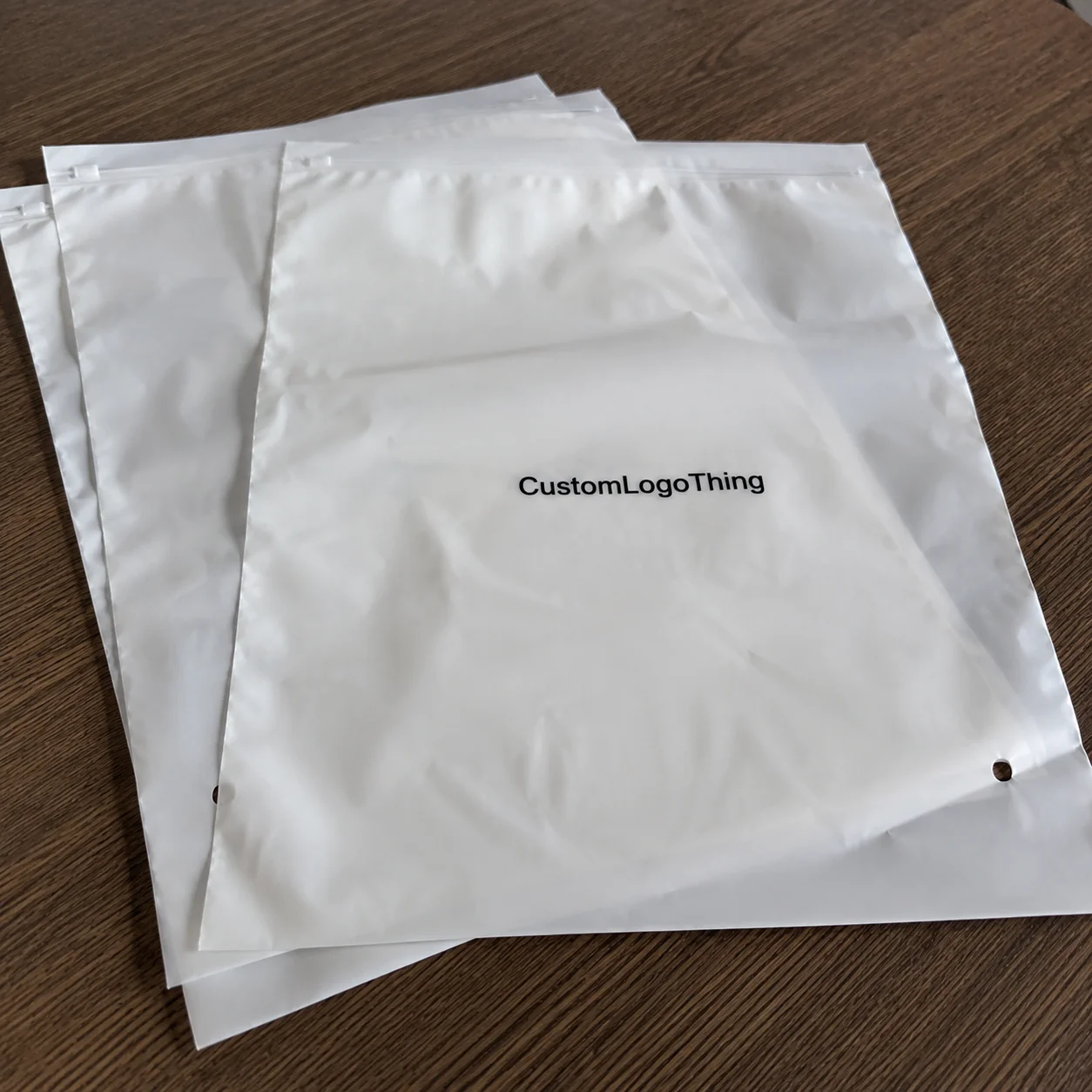
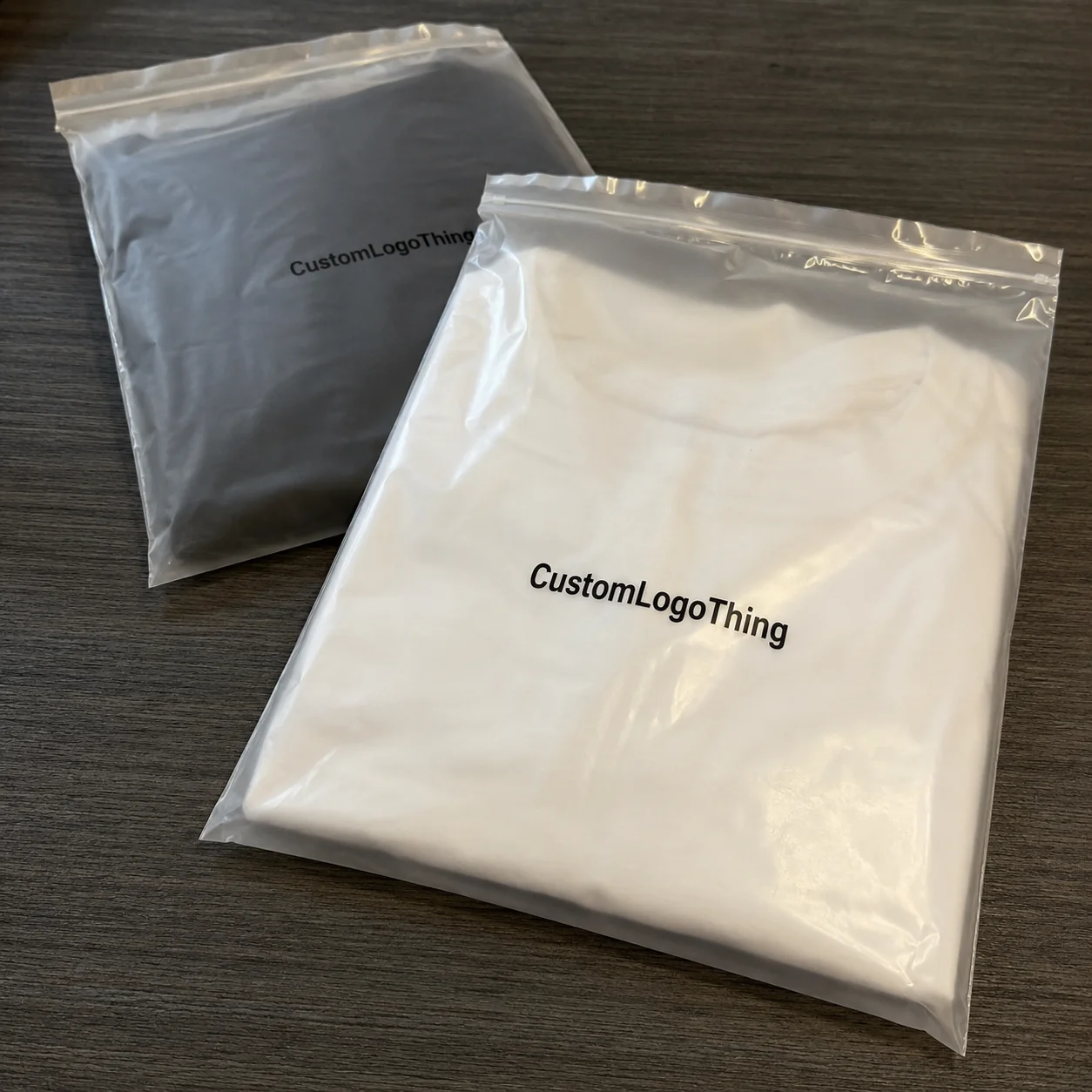
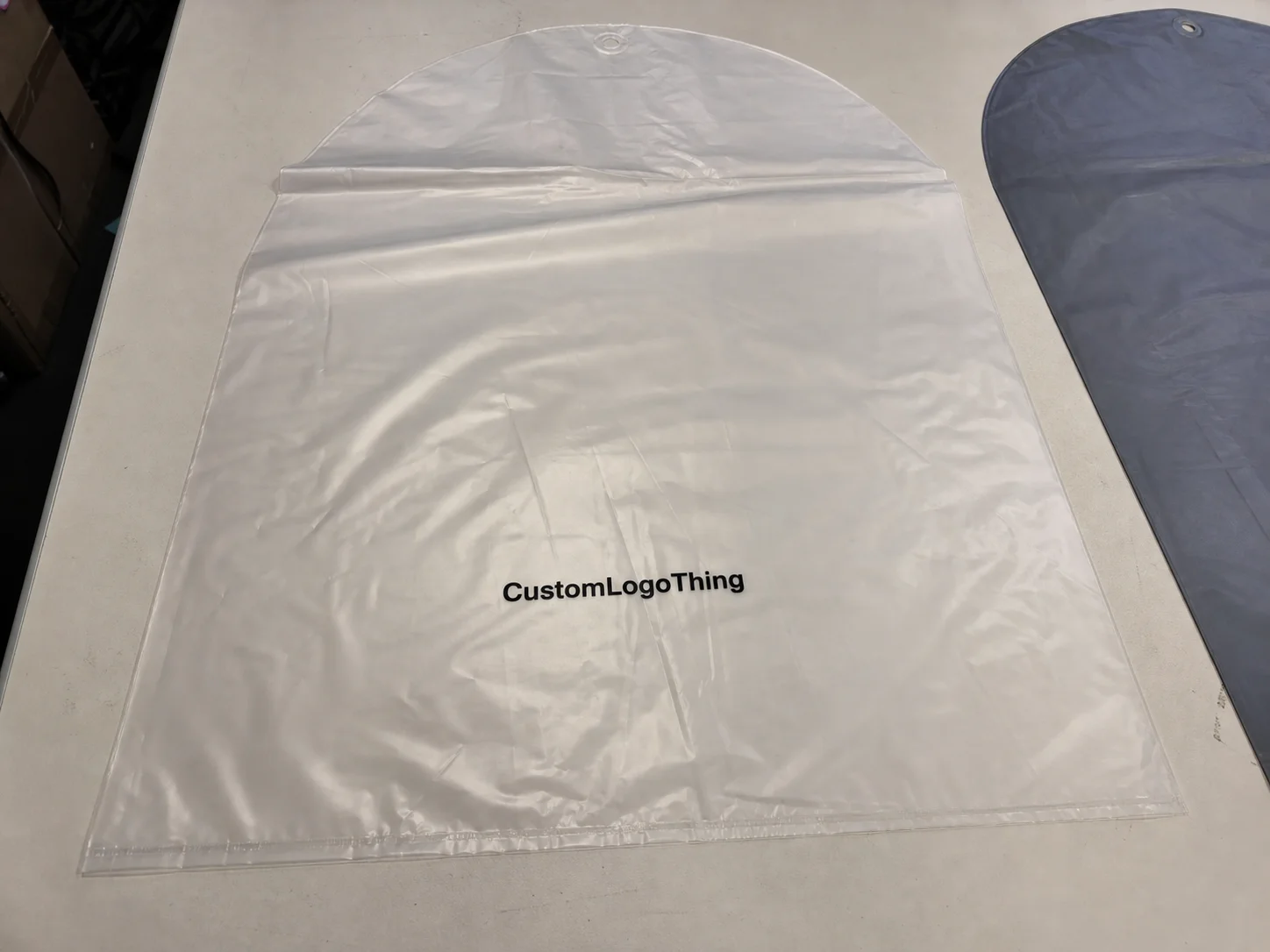
Buyer Fit Snapshot
| Best fit | bamboo fiber packaging wholesale growing brands for packaging buyers comparing material specs, print proof, MOQ, unit cost, freight, and repeat-order risk where brand print, material, artwork control, and repeat-order consistency matter. |
|---|---|
| Quote inputs | Share finished size, material target, print colors, finish, packing count, annual reorder estimate, and delivery region. |
| Proofing check | Approve dieline scale, logo placement, barcode or warning zones, color tolerance, and any recyclable or compostable wording before bulk production. |
| Main risk | Vague material claims, crowded artwork, or missing packing details can create delays even when the unit price looks attractive. |
Fast answer: Bamboo Fiber Packaging Wholesale Growing Brands: MOQ, Samples, Lead Time, and Quote Checks should be specified like a repeatable production item. The safest quote includes material, print method, finish, artwork proof, carton packing, and reorder notes in one written spec.
What to confirm before approving the packaging proof
Check the product dimensions against the actual filled item, not only the sales mockup. Ask for tolerance on folds, seals, hang holes, label areas, and retail display edges. If the package carries a logo, QR code, warning copy, or legal claim, reserve that space before decorative graphics fill the panel.
How to compare quotes without losing quality
Compare board or film grade, print process, finish, sampling route, tooling charges, carton quantity, and freight assumptions side by side. A lower quote is only useful if the supplier can repeat the same color, closure quality, and packing count on the next order.
I still remember a Monday morning audit in Dongguan where a skincare client replaced mixed PET trays with molded inserts from a best bamboo fiber packaging wholesale program and watched transit damage claims fall from 2.8% to 0.9% in a single quarter, while insert weight dropped from 46g to 31g per unit. That result got everyone’s attention because it came from invoice-level data, not a sales deck. Bamboo regenerates quickly, and in molded pulp formats it delivers structure without leaning hard on the fossil-based resins common in many rigid plastics. Buyers working at scale usually care about stable cost bands, predictable supply, reliable printability, and Shelf Presence That supports brand goals without creating fragile complexity.
I’ve spent more than two decades on packaging lines in Shenzhen, Suzhou, and Ho Chi Minh City, and the strongest procurement teams evaluate bamboo fiber as a purchasing decision first: qualification standards, tooling strategy, lot consistency, and freight cube efficiency. Sustainability still matters, yet signoff usually comes down to performance, repeatability, and landed cost. That is the practical way to assess best bamboo fiber packaging wholesale options, especially for brands shifting from plastic alternatives to molded fiber packaging at volume.
Why Best Bamboo Fiber Packaging Wholesale Outperforms Conventional Options
During one consumer electronics project, we compared a plastic thermoform insert against a bamboo pulp end-cap system across 10,000 shipped units. The bamboo structure passed the same ISTA-style drop sequence and cut total corrugate void fill by 14%. Freight planning improved immediately, with pallet count moving from 22 to 19 for the same order volume. Finance approved it quickly because landed packaging cost dropped by $0.07 per kit. A well-designed best bamboo fiber packaging wholesale setup should deliver this kind of measurable improvement, not just a nicer sustainability slide.
Bamboo fiber performs especially well in ecommerce mailers, cosmetic trays, electronics inserts, food-adjacent secondary packaging, and premium gift set components. Heavy liquids in glass benefit from molded bamboo inserts with controlled density that lock bottle shoulders while keeping a clean matte finish. Small metal accessories often need blended pulp with tighter tolerances so parts stay quiet during vibration profiles.
One issue shows up again and again in sourcing reviews: teams assume every bamboo pulp part behaves the same way. It doesn’t. Blend selection, mold venting, dry time, press tonnage, and post-press conditioning all affect final behavior. I’ve watched two suppliers quote nearly identical drawings, then deliver parts with a 0.8 mm thickness spread difference that shifted compression behavior in stacked cartons by more than 12%. The best bamboo fiber packaging wholesale programs run disciplined process controls, not broad raw-material claims.
Buyer-focused value proposition, plain and simple:
- Cost stability: clearer pulp blend formulas and price review windows (often 60–90 days).
- Scale reliability: multi-line capacity and backup mold sets to avoid single-point failure.
- Print consistency: predictable surface texture for labels, stamps, and water-based inks.
- Shelf impact: natural finish supports premium retail packaging and modern package branding.
From a qualification standpoint, strong suppliers map test plans before tooling release: fit checks, compression targets, drop protocols, and humidity exposure. I usually request dimensional checks at 23°C/50% RH and 40°C/80% RH because those two points reveal whether parts stay stable from warehouse storage through final-market handling. A dependable best bamboo fiber packaging wholesale partner treats those checkpoints as standard practice, not premium add-ons.
Product Options in Best Bamboo Fiber Packaging Wholesale Programs
Most procurement teams begin with a broad request for “bamboo packaging,” then run into friction during quoting. Sourcing gets easier once formats are grouped into functional families. Mature best bamboo fiber packaging wholesale programs typically cover six product groups, each with a distinct cost and performance profile.
Molded pulp clamshells and trays
Clamshells are common for accessory kits and light devices under 500g. Trays fit cosmetics and personal care sets where orientation and positioning are critical. Typical wall thickness ranges from 1.2 mm to 2.5 mm depending on cavity depth and expected load. Lines running auto-loading should confirm nesting angle and de-nesting force early; that one check can trim assembly labor and reduce jams.
Protective end caps and corner guards
Electronics and glassware applications use molded end caps to absorb shock and center products inside the outer carton. I’ve seen 32 ECT corrugated cartons perform like 44 ECT builds once end-cap geometry was engineered correctly, reducing board cost and cube at the same time. A premium best bamboo fiber packaging wholesale source will provide orientation-based compression and drop data rather than generic pass/fail statements.
Custom inserts and fitments
Custom inserts are the backbone of premium product packaging, holding jars, droppers, chargers, and components in fixed positions during transport and unboxing. Glass-contact tolerances often sit between ±0.5 mm and ±0.8 mm at critical points. Metal tins with low friction usually need ribbing or shoulder locks to prevent movement during vibration.
Sleeves, cartons, and hybrid structures
Many brands pair molded bamboo inserts with bamboo-fiber paperboard sleeves or foldable cartons. That hybrid structure gives more control over visual hierarchy and supports richer packaging design, often paired with Custom Printed Boxes for outer presentation. Paperboard specs frequently land in the 300–400 gsm range with matte aqueous coating where label adhesion is required.
Material blends: bamboo, bagasse, and recycled fiber
Pure bamboo pulp is not always the strongest economic answer. High-volume programs often run blends such as 60% bamboo and 40% bagasse to balance stiffness, surface consistency, and cost. Recycled fiber additions can lower unit price by about $0.01–$0.04 depending on size, though color variation may increase. Strong suppliers explain blend tradeoffs up front, which is exactly what buyers should expect from best bamboo fiber packaging wholesale quotations.
Branding and finishing options
Logos can be debossed directly into tooling, emboss features can be added, soy or water-based inks can be applied, and labels can handle SKU variation. Hot stamping can work, though molded pulp surface flatness and heat response limit fine detail; foil lines below 0.4 mm often break. Teams aiming for visual consistency usually set realistic ΔE expectations for printed sleeves and labels instead of promising exact color matches on textured fiber. If someone promises perfect Pantone matching directly on textured molded pulp every run, I’d treat that as a red flag.
Wholesale demand comes from cosmetics, consumer electronics, home fragrance, premium tea, and giftable wellness categories. Their specifications vary by priority. Beauty teams focus on finish and tone consistency. Electronics teams focus on drop resistance and repeatable fit. Food-adjacent buyers focus on odor neutrality and category-appropriate compliance evidence. The best bamboo fiber packaging wholesale program adapts by category instead of pushing a single template across every SKU.
Technical Specifications Buyers Should Verify Before Ordering
Supplier comparison stays clean when the checklist is measurable. I’ve sat through too many review meetings where teams argue over “quality feel” and then wonder why reorders drift. Technical data keeps procurement, engineering, and quality aligned in any best bamboo fiber packaging wholesale project.
Core measurable specs
- Basis weight: e.g., 700–1100 gsm depending on structure.
- Thickness range: typical 1.2–3.5 mm; critical zones should have tighter bands.
- Dimensional tolerance: often ±0.5 mm to ±1.0 mm, feature-dependent.
- Moisture content: commonly 6%–10% at shipment.
- Compression strength: define minimum load at specified deflection.
- Burst or puncture behavior: based on use case and stack profile.
QA checkpoints that matter
Incoming pulp checks should verify contamination levels, fiber consistency, and moisture before production begins. In-process inspection should track mold-fill density and part weight by cavity at set intervals, often every 60 minutes. Final inspection needs a defined AQL plan, commonly 2.5 for major and 4.0 for minor defects depending on risk category. A serious best bamboo fiber packaging wholesale supplier shares this workflow clearly and early.
Compliance and documentation
Market and product category determine document needs, which may include FSC chain-of-custody support, heavy-metal limits, or food-contact migration evidence for secondary food-adjacent applications. Buyers can verify FSC pathways through fsc.org. Teams needing broader environmental context often reference epa.gov. One honest caveat: “compostable” claims vary a lot by region and available facilities, so don’t print disposal claims until legal and compliance review are complete.
Finish grades and tradeoffs
Natural matte finish usually offers the strongest recyclability profile and stable cost. Semi-smooth finishes can improve premium feel but often add process steps. Coatings may increase print holdout and stain resistance, while some can reduce fiber recovery efficiency in certain recycling streams. The right best bamboo fiber packaging wholesale finish depends on your brand’s priority mix: appearance, recyclability, and cost rarely peak at the same point.
Print and converting limits
Direct printing on molded fiber should keep minimum positive line width around 0.3–0.4 mm to avoid fill loss. Reverse text below 6 pt often becomes inconsistent on textured surfaces. Companion sleeves for automated cartoning lines running above 40 packs per minute need clearly defined die-cut tolerances. Brands that require tight color fidelity often combine molded inserts with printed paperboard components for stronger visual control.
Procurement checklist for fast supplier comparison:
- Material blend ratio and acceptable variance
- Critical dimensions with tolerance map
- Moisture and conditioning requirements at shipment
- Compression/drop acceptance criteria
- AQL plan with defect photo standard
- Compliance documents and test ownership
- Packing method and pallet standard
Run this checklist once and your best bamboo fiber packaging wholesale shortlist becomes much clearer within a single review cycle.
Wholesale Pricing, Tooling, and MOQ Structure for Bamboo Fiber Packaging
Pricing confusion stalls more projects than material performance ever does. I’ve negotiated bamboo programs where the first quote looked high, then landed cost dropped 11% after cavity count and nesting geometry were adjusted. Cost in best bamboo fiber packaging wholesale is mostly mechanical: blend, geometry, cycle time, finishing, and pack-out.
Primary cost drivers
- Raw pulp blend: bamboo-heavy mixes are usually pricier than mixed fiber.
- Mold complexity: deeper draws and sharp detail add tooling time and reject risk.
- Cavity count: more cavities improve throughput but raise initial tooling spend.
- Cycle time: longer dry cycles push unit costs up.
- Finishing: deboss, print, coating, or label application each add handling.
- Pack-out method: nested bulk vs. individually bagged changes labor and cube.
One-time vs recurring cost structure
One-time charges include tooling/NRE and, in some cases, engineering validation samples. Recurring charges cover per-unit production, inspection, and logistics. Incoterms can shift total landed price more than many teams expect. A $0.19 EXW part can turn into $0.24 landed after freight, duties, and local drayage are added. Strong best bamboo fiber packaging wholesale suppliers model both views at the quoting stage so buyers aren’t surprised later.
| Cost Element | Typical Range | Notes for Buyers |
|---|---|---|
| Tooling/NRE (custom insert) | $1,200–$6,500 per tool set | Depends on size, detail, cavities, and mold steel grade |
| Sampling fee | $150–$600 per round | Often creditable against production after PO confirmation |
| Unit price at 5,000 pcs | $0.18–$0.46 | Blend, wall thickness, and finish drive spread |
| Unit price at 50,000 pcs | $0.11–$0.29 | Throughput efficiency improves at scale |
| Lead time after approval | 12–25 business days | Add booking and transit time by lane |
How MOQ is actually set
Prototype MOQ can run as low as 300–1,000 pieces for validation. Pilot MOQ often falls in the 2,000–5,000 range. Mass production MOQ usually begins where machine utilization becomes efficient, often 10,000+ depending on part size and line setup time. A well-structured best bamboo fiber packaging wholesale contract tiers MOQ by phase so scale-up risk stays manageable.
Design decisions that change landed cost
Wall thickness control, better nesting geometry, and optimized carton counts per pallet all influence landed cost quickly. I worked with a wellness brand that reduced pallet height by 90 mm through tray nesting changes, saving one full container every four shipments. Print method matters too: molded-in branding plus a single external label often outperforms full-surface printing on both cost and yield.
RFQ framework buyers should send
- Part dimensions (L × W × H) and weight load
- Product material type (glass, plastic, metal) and fragility note
- Annual volume forecast and order cadence
- Target unit price range and preferred Incoterm
- Destination port/warehouse with pallet constraints
- Required tests (drop, compression, humidity)
Negotiation levers based on facts
Forecast commitments usually produce better outcomes than aggressive one-off price pressure. Blanket POs support better raw-material planning. Shared tooling across similar SKUs can reduce NRE, and SKU consolidation often saves more than trying to shave cents off one isolated part. Buyers who perform well in best bamboo fiber packaging wholesale negotiations arrive with demand data and clear engineering priorities.
If you need additional format options beyond molded inserts, review Custom Packaging Products and compare how mixed-format builds may improve your full packaging stack.
Process and Timeline: From Dieline to Mass Production
Execution discipline separates smooth launches from expensive delays. Reliable best bamboo fiber packaging wholesale rollouts follow clear stage gates with documented ownership at every step.
Typical workflow and timeline
- Requirement intake (2–4 business days): product dimensions, risk points, branding, shipping profile.
- Structural engineering + CAD (3–7 days): draft geometry, fit assumptions, stack logic.
- Mold fabrication (7–18 days): tooling build and first run readiness.
- Sampling and revision (5–12 days): physical fit, visual checks, design tweaks.
- Validation testing (4–10 days): drop/compression/environmental checks.
- Production release (12–25 days): scheduling, manufacturing, final QA, shipment booking.
These ranges move with artwork timing, test-lab queue, and revision count. Late approvals remain the most common delay driver. I always advise clients to lock decision owners before samples ship; one missing signoff can easily cost a full week, and that’s kinda painful if your launch date is already committed to retail.
Critical quality gates
Pre-production sample signoff defines expected quality. Golden sample retention gives both buyer and supplier a physical reference for future lots. First-article approval at production start confirms the line is running to spec. Skipping any of these three gates increases rework risk quickly.
Factory planning details buyers should ask about
Ask how lines are allocated, what cavity-utilization target is planned, and how preventive maintenance is scheduled. Strong factories track batch traceability by date, line, and shift so root-cause analysis stays fast and factual. Any serious best bamboo fiber packaging wholesale partner should have traceability embedded in SOP.
Logistics planning that protects launch dates
Define pallet pattern, carton markings, and booking cutoff dates before production begins. Set safety stock policy around real consumption rate, usually 2–6 weeks for stable programs. Seasonal demand requires early forecast sharing. I once saw a gift-set brand avoid stockout by pulling production forward 12 days after forecast acceleration appeared in week three of the quarter.
For long-term scale support, evaluate structured Wholesale Programs that include reorder cadence planning and volume tier visibility.
“The fastest project is usually the one with the clearest brief. Every missing spec comes back as delay, cost, or both.”
My honest view after years on factory floors: the best best bamboo fiber packaging wholesale timelines come from prepared buyers and disciplined suppliers working from the same technical playbook.
Why Custom Logo Things Is a Reliable Partner for Best Bamboo Fiber Packaging Wholesale
Custom Logo Things stands out because projects are managed by operators, not brochure writers. Clients get packaging engineers who translate fragility into structure, a controlled supplier network with repeatable methods, and documented QA checkpoints from incoming material through pre-shipment inspection. Brands scaling across channels need that kind of operational backbone in a best bamboo fiber packaging wholesale partner.
I’ve worked with teams that promise everything and document very little; that model breaks quickly once volumes rise. What works here is milestone communication with clear signoff gates, escalation paths for defects, and line-item reporting procurement teams can audit. If a batch drifts, you can trace why it happened, where it happened, and which corrective action closed it.
Consultative engineering support
Clients receive structural optimization, cost-down redesign options, and blend recommendations tied to performance goals. A recent fragrance program reduced insert breakage at a bottle-neck contact point by increasing local rib geometry 0.6 mm while keeping average wall thickness unchanged. Protection improved without a broad cost increase.
Brand execution consistency
Logo placement is validated in tooling and in final checks. Color control is handled realistically across labels, sleeves, and companion print components. Compatibility with packing lines is reviewed so your branded packaging does not slow assembly throughput. Growing brands launching multiple SKUs under tight replenishment windows benefit most from that discipline.
Evidence-based outcomes
- Reduced damage claim rates through fit-focused insert revisions
- Lower cube utilization via nesting and carton optimization
- Shorter replenishment cycles with forecast-linked production windows
That is the practical value of a dependable best bamboo fiber packaging wholesale relationship: measurable results, fewer surprises, and packaging that performs in transit and on shelf.
How to Place Your First Best Bamboo Fiber Packaging Wholesale Order
Fast, accurate pricing with fewer revision loops starts with complete technical inputs. The first step in a best bamboo fiber packaging wholesale order is a clear brief, not just artwork and a target price.
Step-by-step order plan
- Submit product data: dimensions, weight, fragility points, orientation requirements.
- Define commercial targets: monthly forecast, reorder cadence, budget range.
- Share branding scope: logo treatment, print needs, finish preferences.
- Approve engineering concept: fit, nesting, and protection assumptions.
- Run prototype + transit tests: validate before pilot.
- Pilot batch with KPI gates: defect rate, fit pass rate, line efficiency.
- Scale to mass production: lock lead times, safety stock, and claim workflow.
Files and data to prepare
- Dielines and 3D files (STEP/IGES or equivalent)
- Print artwork (AI/PDF with fonts outlined)
- Pack-out method and pallet limitations
- Destination details (port, warehouse, receiving hours)
- Approval matrix with named decision makers
Buyer-ready RFQ template
A complete RFQ for best bamboo fiber packaging wholesale should include SKU list, dimensions, product materials, drop/compression criteria, annual volume by SKU, target Incoterm, and requested lead time. Add photos or short videos of current damage issues whenever possible; that single input often shortens engineering cycles by several days.
Trial strategy that controls risk
Use a staged path: prototype, transit protocol, pilot batch, then full scale. Set KPI thresholds before each gate. A common KPI set is under 1.0% critical defects, 98% fit pass rate, and zero major damage after the agreed drop sequence. Missed KPI targets should pause scale-up until corrective action is verified.
Onboarding checklist for ongoing supply
- Golden sample storage at both buyer and factory sites
- Reorder trigger point (for example, 6 weeks of demand cover)
- Safety stock policy and ownership by location
- Claims process with evidence requirements and response SLA
- Quarterly spec review for cost and performance updates
Here’s the actionable takeaway I give teams before they place a first PO: send one consolidated RFQ packet with technical specs, test criteria, forecast, and decision-owner names; require a landed-cost quote (not unit price only); and do not skip pilot KPIs before scaling. If you follow those three moves, your best bamboo fiber packaging wholesale launch is gonna be faster, cleaner, and far less likely to boomerang into rework.
FAQs
What is the typical MOQ for best bamboo fiber packaging wholesale orders?
MOQ depends on format and tooling. Stock-style items can start lower, while fully custom molded parts run higher because setup and mold amortization must be covered. A common pattern is prototype MOQ at 300–1,000 units, pilot MOQ at 2,000–5,000, then mass MOQ at 10,000+ based on line efficiency. Buyers reduce risk by validating with pilot quantities first, then moving into volume tiers. A complete RFQ with dimensions, load, and annual forecast helps suppliers set realistic MOQ options.
How is pricing calculated for bamboo fiber packaging wholesale projects?
Unit price is built from pulp blend, structural complexity, wall thickness, cycle time, finishing, and pack-out method. Tooling/NRE is usually separate from recurring production cost. Freight and Incoterms can shift landed cost significantly, so compare EXW, FOB, and delivered scenarios before approval. Cost-down opportunities usually come from nesting optimization, SKU consolidation, and committed production schedules.
How long does production take after sample approval for best bamboo fiber packaging wholesale?
After approval, lead time usually includes mold readiness confirmation, production slot allocation, manufacturing, QA, and outbound booking. Typical factory production windows run about 12–25 business days depending on complexity and order size. Delays most often come from late artwork signoff or design revisions. Clear approval gates and forecast visibility help prevent timeline slips and stockouts.
Can bamboo fiber packaging meet protective and compliance requirements?
Yes, if the structure is engineered correctly. Compression, drop, and fit tests should be defined before tooling and validated during sampling. Compliance documentation can include chain-of-custody support and relevant safety testing based on category and market. Buyers should align acceptance criteria early to minimize rework risk and confirm any disposal or compostability claims by destination market before printing.
What should I prepare before requesting a best bamboo fiber packaging wholesale quote?
Prepare product dimensions, weight, fragility notes, orientation requirements, branding scope, and destination details. Include annual forecast, order cadence, and target pricing band so suppliers can quote realistic tiers. Share artwork files and decision-maker contacts to accelerate sample scheduling. The stronger your RFQ package, the faster and more accurate your quote for best bamboo fiber packaging wholesale will be.