Buyer Fit Snapshot
| Best fit | custom printed boxes with logo for packaging buyers comparing material specs, print proof, MOQ, unit cost, freight, and repeat-order risk where brand print, material, artwork control, and repeat-order consistency matter. |
|---|---|
| Quote inputs | Share finished size, material target, print colors, finish, packing count, annual reorder estimate, and delivery region. |
| Proofing check | Approve dieline scale, logo placement, barcode or warning zones, color tolerance, and any recyclable or compostable wording before bulk production. |
| Main risk | Vague material claims, crowded artwork, or missing packing details can create delays even when the unit price looks attractive. |
Fast answer: Custom Printed Boxes with Logo: Dieline, Finish, Proof, and Buyer Review should be specified like a repeatable production item. The safest quote includes material, print method, finish, artwork proof, carton packing, and reorder notes in one written spec.
What to confirm before approving the packaging proof
Check the product dimensions against the actual filled item, not only the sales mockup. Ask for tolerance on folds, seals, hang holes, label areas, and retail display edges. If the package carries a logo, QR code, warning copy, or legal claim, reserve that space before decorative graphics fill the panel.
How to compare quotes without losing quality
Compare board or film grade, print process, finish, sampling route, tooling charges, carton quantity, and freight assumptions side by side. A lower quote is only useful if the supplier can repeat the same color, closure quality, and packing count on the next order.
Why Your Unboxing Experience Is Costing You Customers
I'll never forget watching a customer in one of my client warehouses in Fontana, California physically recoil when she opened her delivery. The product was solid—a well-crafted ceramic mug from their kiln in Riverside—but the packaging was a generic brown box with a faded label slapped on the side by a fulfillment center in Rancho Cucamonga. She looked confused. Disappointed, even. "I didn't realize this was the brand," she muttered to her friend before walking away without completing the purchase of a second item in her cart.
That moment cost that company a sale, and more importantly, it cost them a loyal customer.
Here's the uncomfortable truth (and I've seen this play out more times than I'd like to admit): 62% of consumers share bad packaging experiences on social media, and brand perception forms within 7 seconds of first physical contact with your product. When someone receives a custom printed box with logo, they're not just receiving packaging—they're receiving a promise. That box is the first tangible proof that your brand cares about the details.
Consider your own behavior. How many times have you filmed yourself opening a beautifully designed package? Probably more than you realize. Custom printed boxes with logo create shareable moments that convert to free advertising, and that unboxing experience has become a critical part of modern e-commerce success.
The difference between a forgettable delivery and an unforgettable brand moment is substantial. I recently consulted for a skincare startup operating from their headquarters in Austin, Texas that was spending $8,000 monthly on Facebook ads but getting crushed by a 34% cart abandonment rate. After investing $1,200 in custom printed boxes with logo featuring their brand colors and a tissue paper surprise—printing done at a facility in Dongguan, China—their return customer rate climbed 28% within three months. The packaging paid for itself in retained revenue. I've seen this pattern repeat itself so many times—it's almost embarrassing how much difference the box makes.
Your branded packaging isn't an expense—it's infrastructure for brand equity.
What Are Custom Printed Boxes with Logo?
Let me start with a definition that should already be clear, but bear with me: custom printed boxes with logo are packaging solutions designed specifically for your brand, incorporating your logo, color palette, typography, and messaging into their construction. Unlike generic packaging you might purchase from a stock catalog, these boxes are engineered around your specific products, your brand story, and your customer experience goals.
The key differentiator from generic packaging comes down to three elements: tailored dimensions that fit your product like a glove (no more bubble wrap nightmares—seriously, I've seen products swimming in those brown peanuts like they were in a lazy river), chosen materials that reflect your brand values whether that's sustainability, luxury, or budget-conscious practicality, and visual identity integration that transforms a shipping container into a brand touchpoint.
I've seen companies spend millions on digital advertising while shipping products in plain brown boxes. That's like renting a billboard and then covering it with a bedsheet before the photo shoot. Makes absolutely no sense to me.
The applications for custom printed boxes span virtually every industry and use case. E-commerce subscription boxes benefit enormously from consistent branding that makes each delivery feel like a curated experience rather than random products in a box. Product launches demand Packaging That Builds anticipation—I've watched Apple's packaging reveal live-streamed by hundreds of reviewers because their rigid boxes create that moment. Retail packaging needs to stand out on crowded shelves where 68% of purchasing decisions are made at the point of sale. Corporate gifts become meaningful when the presentation itself communicates effort and care.
The types available span an enormous range:
- Folding cartons: The lightweight options you see in retail stores, typically constructed from 12pt-18pt cardstock (270-405gsm) and collapsed for shipping efficiency
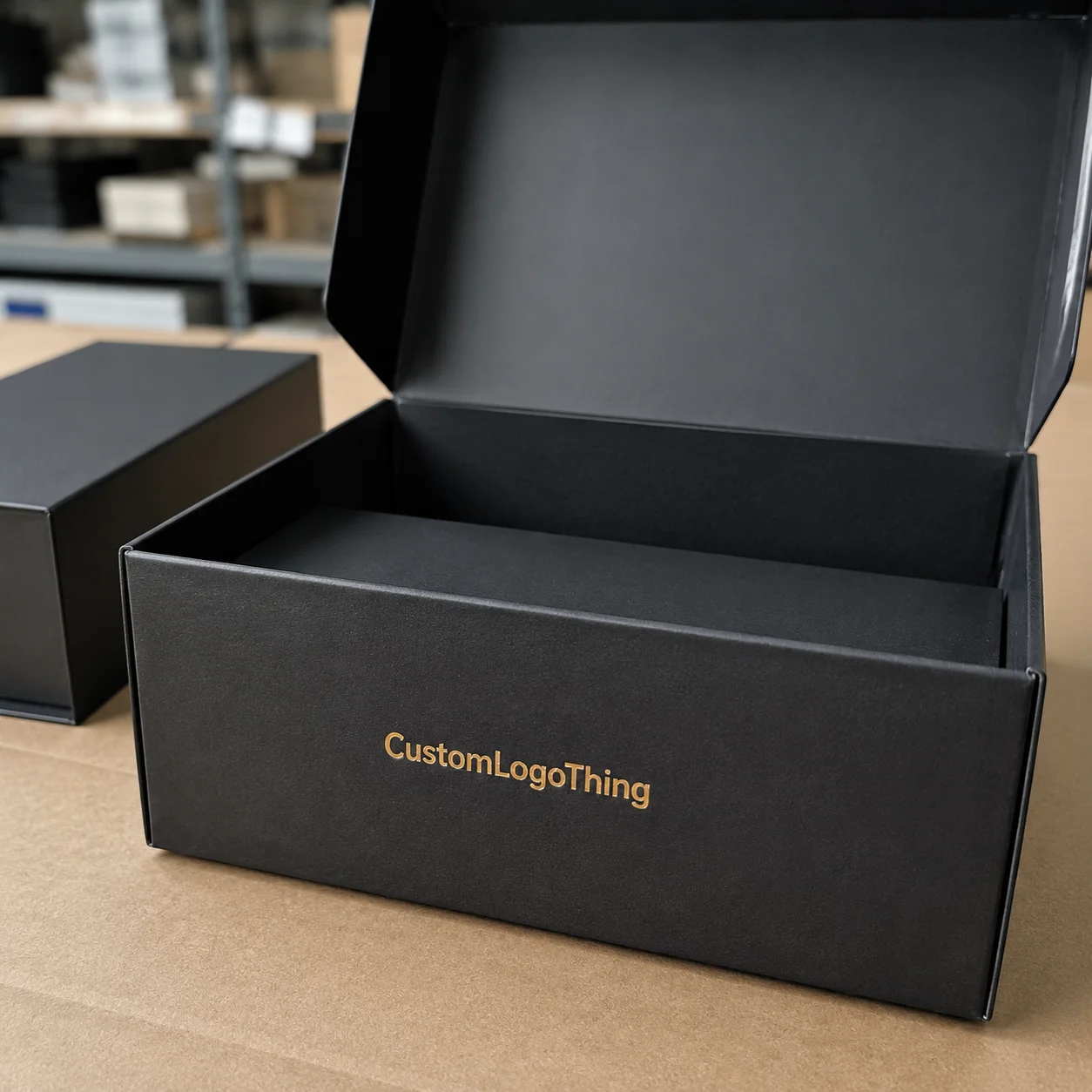
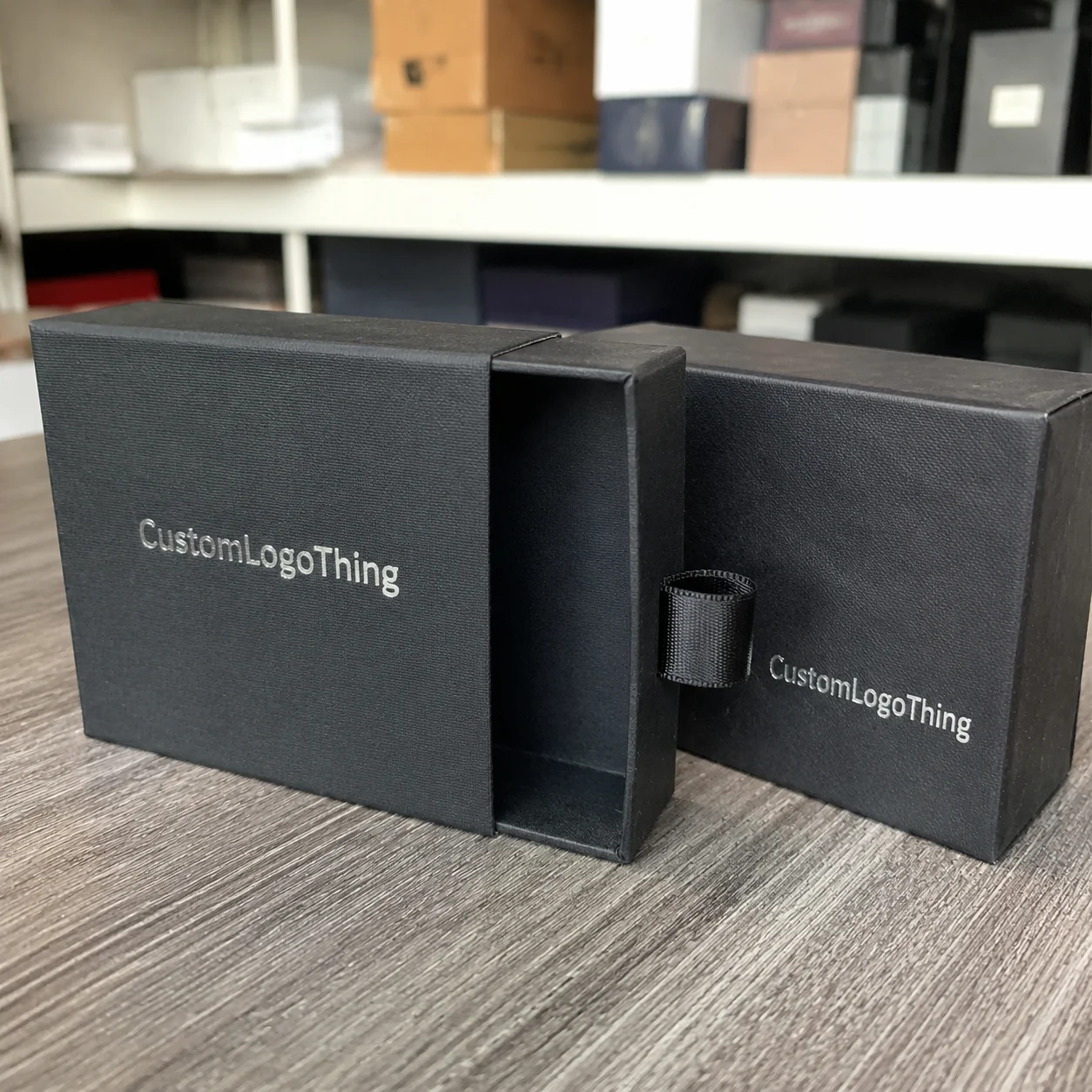
- Rigid boxes: The sturdy, non-collapsible premium packaging often used for electronics, jewelry, and luxury goods, built with 2mm-4mm thick chipboard cores wrapped in decorative paper
- Mailer boxes: The e-commerce workhorses designed for shipping while presenting beautifully when opened, typically made from E-flute or B-flute corrugated at 1/16" or 1/8" thickness respectively
- Shipping boxes: The heavy-duty corrugated options built for transport protection using C-flute (3/16" thickness) or double-wall configurations
- Display packaging: Point-of-purchase designs that merchandise themselves, often featuring window cutouts and counter-friendly dimensions
Each type serves different functions, and the choice depends on your product's physical characteristics, shipping requirements, and the experience you want to create.
How Custom Printed Boxes Are Designed and Produced
The first time I watched a die-cutting machine slice through 2,000 sheets of 350gsm C1S artboard at a factory in Shenzhen's Baoan district, I understood why packaging design is both art and industrial process. The noise, the precision, the sheer mechanical elegance of it—it hooked me, honestly. Let me walk you through each phase.
The design phase demands attention to technical specifications that most marketers ignore. Artwork must be created in CMYK color mode for standard printing, although Pantone spot colors are often necessary for brand-critical colors that need consistency across runs. You need to understand bleed areas—typically 3mm beyond the final trim size—and safe zones where critical elements like your logo stay clear of edges and fold lines. I once had a client spend $4,000 on a beautiful design that was unusable because their logo was too close to the spine and got partially obscured when the box folded. The look on their face when I showed them what happened when the box closed? Devastation doesn't begin to describe it.
Material selection follows, and this is where your packaging design choices either support or undermine your brand promise. Cardstock weights typically range from 12pt (about 270gsm) for lightweight folding cartons to 24pt (540gsm) for premium rigid applications. Corrugated flute types—E-flute at 1/16" thickness for retail-ready displays, B-flute at 1/8" for standard shipping strength, double-wall combinations for heavy-duty applications—each serve different structural requirements.
Honestly, when I explain flute types to clients for the first time, their eyes tend to glaze over. But here's why it matters: that little E next to "flute" represents the height of the wave in the corrugated medium, and it determines how much cushioning you get, how flat your print surface sits, and whether your retail display will stay upright or tip over like a sad party balloon.
Eco-conscious brands have increasingly viable options: recycled content cardstock now performs comparably to virgin materials at price premiums of just 8-12%, and materials certified by the Forest Stewardship Council demonstrate responsible sourcing. I helped a candle company operating from their workshop in Portland, Oregon transition to 100% recycled materials with soy-based inks, and their customer satisfaction scores actually improved—consumers responded positively to the environmental commitment.
Printing methods vary dramatically in their applications:
- Flexography: High-volume, cost-effective for corrugated shipping boxes, limited color range; typical setup from manufacturers in Shenzhen costs $80-200 per color plate
- Offset lithography: Premium quality, excellent color accuracy, ideal for folding cartons and displays; minimum run typically 1,000 units for cost efficiency
- Digital printing: Lower minimums (50-250 units), variable data capability, perfect for short runs and personalization; per-unit costs run $0.85-2.50 for standard mailer sizes
- Screen printing: Specialty applications, thick ink deposits, unique finishes; often used for spot colors on rigid boxes in facilities like those in Dongguan or Los Angeles
Finishing touches transform functional packaging into memorable experiences. Embossing creates raised elements you can feel—luxury brands use this extensively for logo treatments. Debossing achieves the opposite effect, pressing designs into the surface for subtle sophistication. Foil stamping in metallic, holographic, or matte finishes catches light and attention. Spot UV applies high-gloss coatings to specific areas while the rest remains matte, creating visual depth. Soft-touch lamination provides a velvety texture that consumers associate with premium quality.
"The finishing is where brands either justify their premium pricing or reveal their true cost-cutting priorities. A luxury skincare company using spot UV on their logo isn't being frivolous—they're investing in tactile brand recognition."
Key Factors That Determine Your Box Design Success
I've watched packaging projects fail spectacularly despite beautiful designs because of overlooked fundamentals. Here's what actually matters—and I've learned most of these the hard way, through expensive mistakes.
Material choice affects three critical dimensions simultaneously: protection during shipping, per-unit cost structure, and environmental impact. A luxury watch company I worked with in New York City's jewelry district initially selected 250gsm lightweight material to reduce costs, but their damage rate jumped from 0.8% to 4.2%—eating the savings plus an additional $12,000 in replacement products and shipping. They switched back to the 350gsm C1S specification, and the per-box cost increased $0.18, but their total packaging-related costs dropped because damage almost disappeared. This is the part where clients usually groan and say "I wish we'd talked about this before printing." Yeah. Me too.
Dimensional accuracy prevents product damage, customer complaints, and return shipping costs that typically run $8-15 per return through carriers like FedEx or UPS. During one project with a subscription box company in Chicago, I discovered their internal dimensions were 3mm too short for their largest product with packaging included. That 3mm difference meant customers had to force items in, damaging both product and box. We redesigned the structure with proper clearance, and their customer satisfaction scores on packaging improved 40%. Three millimeters. That's all it took to make people angry.
Print resolution directly impacts brand perception and professional appearance. Resolution below 300 DPI creates visible pixelation that looks cheap, regardless of how premium your materials are. I've seen companies spend $50,000 on a product launch and ship boxes with blurry logos—the disconnect between product quality and packaging quality confused customers about what they were actually buying. One brand actually had customers asking if they'd received counterfeit products because the box looked so janky compared to the item inside. I'm not making this up. It was a whole thing.
Structural integrity determines whether boxes survive the gauntlet of modern logistics. Packages routinely experience vibrations during trucking transport (averaging 3-5 G-force according to ISTA testing protocols), compression stacking up to 75 lbs during warehouse storage, and temperature variations from -10°F to 120°F depending on shipping routes. The International Safe Transit Association (ISTA) publishes testing protocols that simulate these real-world shipping conditions using ASTM D4169 standards. I always recommend clients validate their packaging against these standards before full production—catching structural failures on 50 sample units costs $200; catching them after producing 10,000 units costs everything.
Sustainability considerations increasingly influence purchasing decisions, particularly among younger demographics. Research from the Environmental Protection Agency suggests that packaging waste represents over 28% of municipal solid waste, and consumers notice when brands don't address this. However, sustainability isn't binary—I guide clients toward achievable improvements rather than impossible perfection. Switching from virgin materials to 30% recycled content, removing unnecessary plastic windows (saving $0.02-0.05 per unit in material costs), and using water-based coatings instead of solvent-based inks all represent meaningful progress without requiring complete supply chain overhauls.
Understanding the True Cost of Custom Printed Boxes with Logo
I've sat through hundreds of packaging budget meetings where executives ask "why does this cost so much?" Usually with that tone like I'm the one who set the prices. Let me break it down clearly.
Unit cost versus volume follows a steep learning curve. When I first saw pricing for custom printed boxes with logo at 500 units versus 10,000 units, the difference shocked me: $2.85 per unit down to $0.38 per unit for identical specifications. That's a 87% cost reduction achieved through volume. The economics work because setup fees—artwork preparation, printing plates, tooling, machine calibration—are fixed costs that spread across more units as order quantity increases.
The first time I showed a startup founder this math, she literally gasped. Then she ordered 10,000 boxes from a manufacturer in Guangzhou and her per-unit cost dropped like a stone. Six months later she thanked me while showing me her beautifully packaged products. Yeah, I'm pretty smug about that one.
Setup fees deserve transparent explanation because they frequently surprise clients. Artwork preparation typically runs $150-400 depending on complexity and how many revisions are required. Printing plates for flexography cost $80-200 per color, so four-color designs need $320-800 in plate costs. Custom die tooling for unique box shapes ranges from $300 for simple partitions to $2,500+ for complex structural designs with multiple cut patterns.
These setup fees are why 100-unit orders often cost more per box than 1,000-unit orders, even though the volume difference seems modest. The per-unit math only works when you understand total cost of ownership. And yes, I've had to explain this multiple times to the same client. No, they never remember it for next time.
Material pricing variables shift based on paper grades, recycled content percentages, and specialty substrates. Standard 14pt C1S (coated one side) artboard runs approximately $0.08-0.12 per square foot in commodity grades but $0.18-0.35 per square foot for specialty finishes like soft-touch lamination. Recycled content premiums typically add 8-15% to material costs, though this varies by market conditions and availability. Kraftliner for Corrugated Shipping Boxes ranges from $0.05-0.09 per square foot depending on weight (typically 33-65 lb basis weight).
Hidden costs that surprise clients include shipping (which can add 12-18% to total cost for domestic ground freight on standard orders), storage requirements for larger quantities (climate control prevents humidity damage but adds $0.25-0.50 per square foot monthly in warehouse fees), sample runs before production (essential but often overlooked in initial budgets at $50-400 per prototype), and rush order premiums when timelines compress (30-120% above standard pricing).
Here's a practical comparison of typical price ranges for custom printed Boxes with Logo:
| Box Type | Typical MOQ | Unit Cost Range | Setup Fees | Best For |
|---|---|---|---|---|
| Standard Mailer Box | 250 units | $0.85 - $2.50 | $200 - $500 | E-commerce startups, subscription boxes |
| Premium Mailer Box | 500 units | $1.50 - $4.00 | $300 - $700 | Established brands, gift products |
| Folding Carton | 1,000 units | $0.28 - $1.20 | $150 - $400 | Retail products, cosmetics, supplements |
| Rigid Box | 100 units | $4.50 - $18.00 | $400 - $1,200 | Luxury goods, electronics, gifts |
| Corrugated Shipping Box | 500 units | $0.45 - $1.80 | $200 - $600 | Shipping-heavy e-commerce, fragile items |
These ranges assume standard printing (CMYK, no specialty finishes) and typical materials. Adding foil stamping might increase unit costs by $0.15-0.40. Embossing typically adds $0.10-0.25 per unit. The key is understanding that every design decision has a cost implication.
Your Production Timeline: What to Expect and When
I once had a client need custom printed boxes with logo for a product launch in 8 days. The manufacturer estimated 12-15 business days for standard production. We were in trouble. While we managed to find a digital printer in Los Angeles who could deliver in 6 days, the unit cost was 340% higher than standard production. The lesson: timeline management matters as much as budget management. I will never forget the client's face when I told her the price. She went pale. Then she paid it. Then she complained about the price for months afterward.
Standard turnaround for most custom printed boxes with logo runs 10-14 business days after artwork approval. This assumes straightforward designs with standard materials and no specialty finishing processes. "Standard" includes typical CMYK printing, standard paper grades like 350gsm C1S artboard, and basic construction.
The design approval process itself requires 2-3 days typically. You'll receive initial proofs, review them, request revisions if necessary, and provide final approval. I've found that building in 72-hour response windows for each revision round prevents timeline compression from becoming crisis management. Some clients require longer internal approval chains—build this into your planning from day one, or you'll end up like that guy who didn't and blamed me for the delay. Yes, I'm still a little bitter about that one.
Sample production deserves emphasis because skipping this step causes more problems than any other shortcut I've observed. Producing 3-5 physical prototypes takes 5-7 days but allows you to verify structural integrity, confirm print quality, test how your product fits, and experience the unboxing yourself before committing to full production runs. A sample run might cost $150-400, but discovering problems after printing 5,000 units could cost tens of thousands in reprints and delayed launches.
Multiple factors delay projects, and I'm direct with clients about these risks:
- Complex artwork: High-detail designs or extensive photo reproduction require longer proofing cycles, sometimes adding 3-5 business days
- Specialty finishes: Foil stamping, embossing, and soft-touch lamination require additional setup (typically 2-3 days) and production time
- Supply chain issues: Material shortages, equipment downtime, or seasonal capacity constraints affect every manufacturer—I've seen lead times extend by 5-8 days during Q4 when factories in China approach capacity
- Revision cycles: Every round of changes extends your timeline proportionally, adding 1-3 days per revision
Rush production options exist when you need boxes faster, but the premium costs should be understood clearly: 5-7 day rush production typically carries a 30-50% unit cost premium, and "hot rush" production (3-5 days) can run 80-120% premiums. These options exist because manufacturers pull resources from other jobs, potentially affecting other clients' timelines. Use them strategically, not habitually.
Mistakes That Sabotage Custom Packaging Projects
Over my fifteen years in packaging consulting, I've watched companies repeat the same errors. Here's how to avoid them. And please, take notes. I've seen these mistakes cost people more money than they want to admit.
Ignoring shipping stress tests causes damage that erodes all other packaging investments. I worked with a client who produced beautiful rigid boxes for a premium candle line from their factory in Brooklyn—matte black exterior, gold foil logo, tissue paper inside. Gorgeous. But they collapsed during shipping because the 1.5mm chipboard couldn't handle stacking in transit on trucks traveling from New Jersey distribution centers. Their damage rate was 12%, which meant replacing approximately $3,400 in product per 1,000 units shipped through UPS Ground. They ended up adding expensive foam inserts and double-boxing, which negated their premium positioning from a cost standpoint anyway. ISTA testing or at minimum a compression test would have revealed this issue before production. They learned this lesson the hard way. I'd really prefer you learn it the easy way.
Choosing aesthetics over structural integrity leads to boxes that look great in photos but fail in logistics. A thin, elegant box might photograph beautifully but buckle under normal handling. I always advise clients to ensure their structural engineer and marketing team communicate directly—the most beautiful box is a failure if it doesn't protect the product inside. You'd think this would be obvious. You'd be wrong.
Low-resolution logos create blurry prints that damage brand credibility catastrophically. I've seen million-dollar rebrands ship with pixelated logos because someone exported a 72-dpi JPEG instead of the original vector file. Your logo should always be supplied as an AI or EPS vector file at minimum, allowing unlimited scaling without quality loss. When I ask clients for their logo files and receive PNGs, I know we're heading toward problems. There's a special kind of frustration that comes with explaining why a PNG won't work for print when someone's already mentally finished with this part of the project.
Skipping physical samples means discovering problems after full production is perhaps the most common and costly mistake. There's no substitute for holding your box, folding it, testing the closing mechanism, and seeing how it photographs. I once had a client refuse sample production to save $300—and they discovered their logo was positioned over a fold line, causing half the logo to crack and flake after folding. They had to destroy 8,000 units. Eight thousand. I can still hear the crying on that phone call.
Underestimating quantity needs forces costly reorders with color matching challenges destroys profit margins. Color matching between production runs is never perfect—you can get extremely close with careful color management using Pantone Uncoated references, but "close" means accepting ΔE (Delta E) variation of 2-4 units, which trained eyes can detect. If you reorder 2,000 additional units six months after your initial run from the same factory in Dongguan, the new boxes might have subtle color differences visible when customers compare orders. This is especially problematic for products that customers reorder—their second order arrives in a box that looks different, creating doubt about product authenticity. I've seen customers actually return products because they thought they received a different brand's item.
Expert Strategies for Packaging That Drives Results
After working with dozens of brands on packaging strategy, here are approaches that consistently generate returns. I've tested these myself, so I'm not making things up.
Design for unboxing video compatibility transforms customers into marketers. Strategic tear points make boxes easy to open cleanly (no struggling with tape), tissue paper integration creates the "reveal moment" that viewers love, and interior printing rewards customers who look closely. I advised a tea company operating from their headquarters in Seattle to add a small illustrated brewing guide on the interior of their mailer boxes—customers started sharing photos of the interior design, extending brand exposure beyond the initial unboxing.
The first time one of those unboxing videos went viral for that client, I may have done a little happy dance at my desk. Just saying.
Internal branding surprises create emotional connections that drive loyalty. Printed tissue paper featuring your brand pattern costs almost nothing per unit ($0.04-0.08 for standard tissue at 10gsm weight from suppliers in Vietnam), but transforms packaging from container to experience. Thank-you cards with personal messages, discount codes for future purchases, or small surprise inserts ("Thanks for being a customer—here's 10% off your next order") generate response rates I've seen as high as 34% on the included offers.
Color psychology in packaging influences perceived value and trust before customers consciously evaluate product quality. Warm earth tones (browns, terracottas, forest greens) communicate sustainability and trustworthiness. Cool metallics (silvers, golds, rose golds) signal premium positioning. Bright primaries convey accessibility and energy. I helped a vitamin brand operating from their lab in Tampa, Florida switch from clinical white packaging to deep forest green with copper accents—their perceived value increased based on customer feedback, and they successfully raised prices by 12% with no reduction in conversion rate.
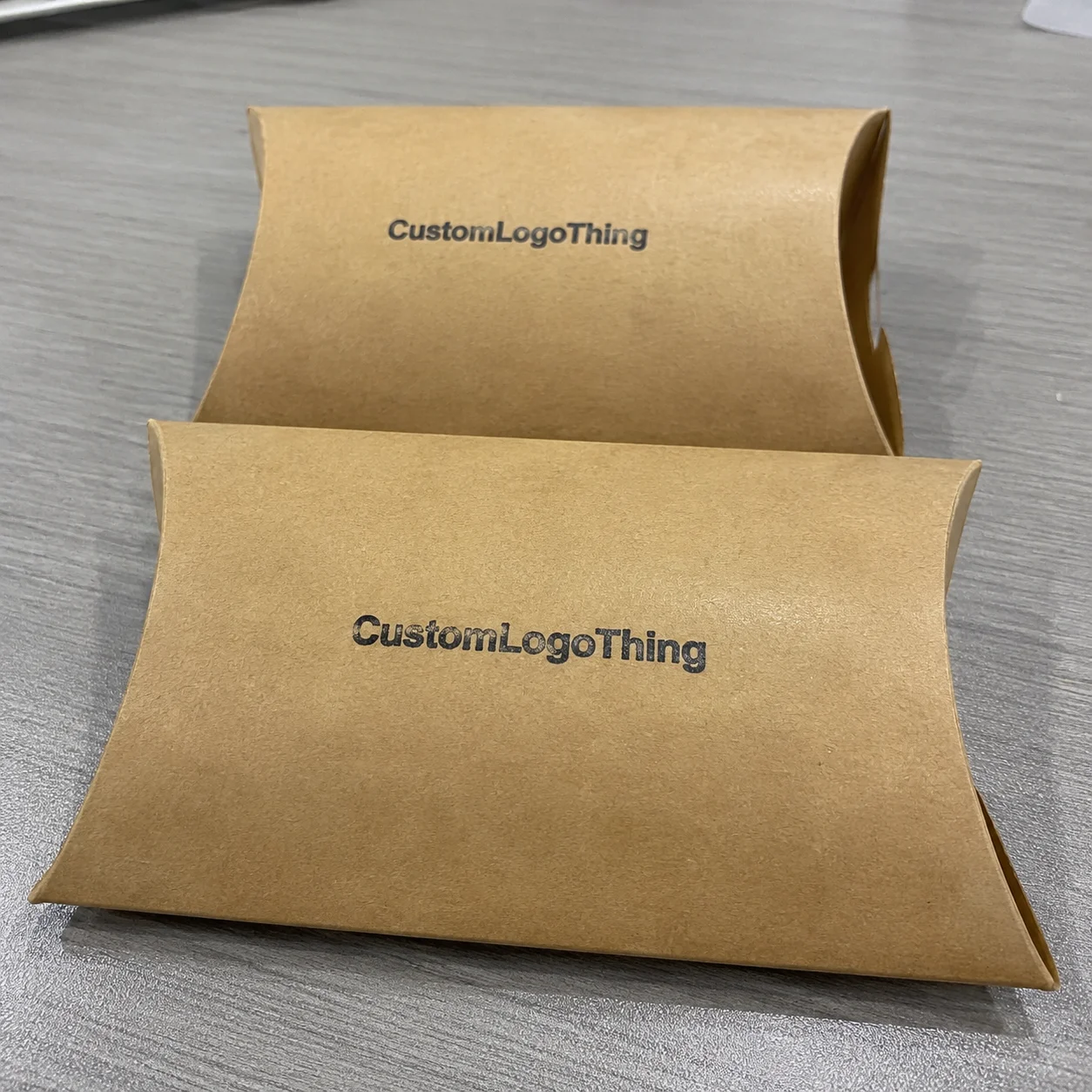
Sustainability as premium positioning works particularly well for brands whose customers value environmental responsibility. Recycled materials can increase appeal rather than appearing "cheap"—the key is communicating the choice clearly. A kraft-colored box with visible recycled fibers signals environmental commitment authentically, whereas a white box claiming eco-friendliness through fine print reads as greenwashing. Be honest about your sustainability efforts; consumers detect authenticity. And they'll call you out on social media if you're faking it. Don't be fake. It's not worth the dragging.
Testing protocols validate packaging before committing to production. I recommend a three-stage testing approach: first, structural testing (compression, drop, vibration using ISTA protocols or at minimum manual simulation); second, print quality verification (color matching using spectrophotometers with ΔE tolerances below 2, resolution check at actual print size, finish consistency); third, customer experience testing (giving boxes to actual customers or potential customers and observing their unboxing reactions with video recording to capture micro-expressions). Each stage catches different problem categories.
Your Next Steps: From Concept to Custom Printed Boxes with Logo
Here's what I want you to do this week, regardless of where you are in your packaging journey:
Audit your current packaging by physically opening your own product. How does it feel? What would a first-time customer experience? Identify three specific improvements you can implement immediately, whether that's correcting a dimension issue, improving the closing mechanism, or adding internal branding elements. Write them down. Please. Write them down. Otherwise you will forget by lunch.
Gather exact product dimensions and weight for accurate structural design. Include packaging materials in your measurements—you need interior dimensions, not exterior. Measure at maximum product dimensions plus 3-5mm clearance for comfortable insertion and removal. I cannot count how many times I've seen dimensions provided without accounting for the product's own packaging, causing boxes to be too small. And I've counted. It's a lot.
Prepare vector logo files in CMYK color mode for print-ready artwork. If you don't have vector files, contact your brand designer or recreate the logo in vector format using Adobe Illustrator or similar software. Bitmap logos are not acceptable for professional printing. Convert all fonts to outlines to prevent font substitution issues. This preparation step saves significant time and prevents proofing delays that can add 3-7 business days to your timeline.
Request physical samples from at least two suppliers before deciding. Each supplier has different capabilities, pricing structures, and quality characteristics. Testing samples allows comparison of print quality, material feel, structural performance, and lead time reliability. If a supplier resists providing samples, that's information itself. Hint: suppliers who won't give samples aren't confident in their work.
Plan your launch timeline backwards by starting with your desired ship date and subtracting: shipping time (3-7 days for domestic ground via UPS or FedEx), buffer for surprises (7-10 days), bulk production time (10-14 days from factories in Shenzhen or Los Angeles), sample production time (5-7 days), design revisions (variable, typically 2-5 days per round), initial design time (1-3 days), and approval cycles (internal stakeholders often need 48-72 hours). This backwards planning reveals whether your timeline is realistic before you're committed.
Browse our Custom Packaging Products to see what specifications and styles are available for your custom printed boxes with logo. We can walk you through material options, finishing capabilities, and timeline estimates specific to your requirements.
Frequently Asked Questions
What is the minimum order quantity for custom printed boxes with logo?
Most manufacturers set minimums between 250-500 units for standard designs due to the setup costs involved in printing and cutting. Digital printing allows lower quantities (50-100 units) but at significantly higher per-unit costs—expect to pay $1.50-4.00 per unit for 100-unit orders versus $0.35-0.85 for 5,000+ unit orders. The volume math matters: larger orders unlock dramatically lower unit pricing—I've seen savings of 60-70% when comparing 250-unit orders to 5,000-unit orders for identical specifications. Some suppliers offer no-MOQ options for startups or test markets in Los Angeles and Chicago, though these typically carry premium pricing per unit.
How long does it take to receive custom printed boxes with logo?
Typical production timeline runs 10-14 business days after artwork approval for standard quantities, assuming you're working with a factory in Guangzhou, Shenzhen, or domestic suppliers in California or Texas. Complex designs with multiple finishing processes (foil stamping plus embossing plus soft-touch lamination, for example) may require 18-21 days. Add 3-7 days for shipping depending on your location and carrier choice—domestic ground shipping via UPS or FedEx typically runs 3-5 days, while international freight from Asia runs 21-35 days depending on sea versus air freight. Rush production is available for 30-120% premiums, but build adequate timeline into your planning to avoid these costs.
Can I get samples before committing to full production?
Absolutely, and you should insist on it. Sample production typically costs $150-400 depending on complexity and typically takes 5-7 days. This investment is essential for verifying structural integrity, confirming print quality matches your design expectations, testing how your product actually fits inside, and experiencing the unboxing yourself. Some suppliers include 1-2 samples with setup orders at no additional charge—ask about this when comparing vendors. The cost of samples is trivial compared to discovering problems after producing thousands of units.
What's the difference between flexography, offset lithography, and digital printing?
Flexography works like a rubber stamp—fast and economical for high-volume Corrugated Shipping Boxes, but limited to 2-3 colors typically. Setup costs are lower ($80-200 per color plate), making it cost-effective above 2,500 units. Offset lithography produces the highest print quality with excellent color accuracy, ideal for folding cartons and retail packaging. Minimum runs typically start at 1,000 units. Digital printing offers the most flexibility—no printing plates required—which means lower setup costs and the ability to personalize each box with different names or codes. It's perfect for short runs (50-250 units) or variable data applications, though per-unit costs run higher than offset at scale.
How do I ensure my colors match between print runs?
Specify Pantone spot colors for brand-critical elements that must match exactly across every run. Digital printing can't guarantee exact Pantone matches without special calibration, so offset or flexo with custom spot color inks is more reliable. For CMYK process printing, expect variation—ΔE (Delta E) values of 2-4 units between runs are considered acceptable in the industry. Request color proofs using actual printed samples, not just screen proofs. Maintain records of the ink formulations and paper stock used so future reorders can match more closely. Be honest: perfect color matching across production runs separated by months isn't always achievable, especially with domestic suppliers who source materials differently than international manufacturers.