Buyer Fit Snapshot
| Best fit | boxes for subscription box delivery compared for packaging buyers comparing material specs, print proof, MOQ, unit cost, freight, and repeat-order risk where brand print, material, artwork control, and repeat-order consistency matter. |
|---|---|
| Quote inputs | Share finished size, material target, print colors, finish, packing count, annual reorder estimate, and delivery region. |
| Proofing check | Approve dieline scale, logo placement, barcode or warning zones, color tolerance, and any recyclable or compostable wording before bulk production. |
| Main risk | Vague material claims, crowded artwork, or missing packing details can create delays even when the unit price looks attractive. |
Fast answer: Boxes for Subscription Box Delivery Compared: Dieline, Finish, Proof, and Buyer Review should be specified like a repeatable production item. The safest quote includes material, print method, finish, artwork proof, carton packing, and reorder notes in one written spec.
What to confirm before approving the packaging proof
Check the product dimensions against the actual filled item, not only the sales mockup. Ask for tolerance on folds, seals, hang holes, label areas, and retail display edges. If the package carries a logo, QR code, warning copy, or legal claim, reserve that space before decorative graphics fill the panel.
How to compare quotes without losing quality
Compare board or film grade, print process, finish, sampling route, tooling charges, carton quantity, and freight assumptions side by side. A lower quote is only useful if the supplier can repeat the same color, closure quality, and packing count on the next order.
I’ve spent enough time on packing lines to know this: the best boxes for subscription box delivery are rarely the prettiest ones on a sales sheet. The real winners are the boxes that survive a 36-inch drop, keep postage under control, and still make a customer pause for a few seconds when they open the lid. That balance is harder than it looks, and brands lose money every week because they choose by appearance alone. I remember standing beside a carton sealer at a cosmetics plant in Toledo, Ohio, watching a gorgeous rigid sample get crushed in the corner of a pallet because nobody had bothered to test stack pressure at 22 cartons high, a painful five-minute lesson, frankly.
From what I’ve seen in plants and fulfillment centers from Cleveland to Charlotte, the best boxes for subscription box delivery usually come down to four things: structural strength, print quality, flat-pack storage, and assembly speed. If one of those is weak, the whole subscription model gets expensive fast. I’ve watched a beauty brand swap an oversized rigid carton for a custom mailer and save about $0.42 per shipment once postage and damage claims were counted. That is not a small number when you ship 8,000 units a month, and if you’ve ever had to explain that math to finance, you know the room gets very quiet very quickly.
A lot of subscription brands overcomplicate box selection. They chase a luxury feel, then pay for extra cubic inches, extra labor, and extra replacements. The best boxes for subscription box delivery are not always premium in the traditional sense. They are premium where it matters: on arrival, in the hand, and on the invoice. Honestly, I think that’s the part people miss when they get hypnotized by pretty mockups and forget the actual shipping lane. A carton that costs $0.18 more but trims 9% off void fill can win the month, especially in a warehouse where every added second gets multiplied across 10,000 parcels.
Quick Answer: The Best Boxes for Subscription Box Delivery After Testing Them
Here’s the short version from the factory floor: the best boxes for subscription box delivery usually balance protection, presentation, and freight efficiency better than anything else. After handling sample runs, drop tests, and a few too many awkward conversations about damage claims, my verdict is straightforward. For most brands, corrugated mailer boxes are the safest all-around choice. They offer enough crush resistance, a strong canvas for print, and easy flat-pack storage, usually with a 32 ECT single-wall board or, for heavier kits, a 44 ECT upgrade that stands up better in stacked pallets.
That said, not every subscription business needs the same structure. A lightweight candle kit with kraft paper fill has different needs than a 4.8-pound gourmet snack box or a luxury skincare set with glass bottles. The best boxes for subscription box delivery for premium unboxing are usually mailer boxes with custom printing, often on 350gsm C1S artboard wrapped around corrugated for a cleaner face. For heavier kits, corrugated shipping boxes win because they keep product movement under control and handle abuse better in transit. I’ve had more than one brand owner tell me, with real disappointment in their voice, “But it looked so nice on the table,” which is not usually what the parcel carrier cares about.
I tested each box style on three practical measures: crush resistance, shipping cost impact, and assembly time. A rigid box looked fantastic on a conference table, but it was slower to pack and more expensive to store, especially once pallet counts climbed above 120 units per skid. An auto-bottom carton saved labor, but the price climbed faster than I liked once print complexity increased. The best boxes for subscription box delivery are the ones that protect margin as much as product, and margin is the part that pays everyone’s salary, so yes, it gets my attention.
“Pretty packaging is only profitable if it survives the parcel network and still leaves room for margin.”
So no, this is not just a ranking exercise. I’m comparing the best boxes for subscription box delivery by beauty, protection, and cost discipline. That is the part most glossy packaging brochures leave out, especially the ones printed far from the fulfillment floor and far from the invoice stack.
Top Boxes for Subscription Box Delivery Compared Side by Side
When I compare the best boxes for subscription box delivery, I start with the same framework every time: box type, best use case, protection level, unboxing impact, storage footprint, and unit cost. That keeps the conversation honest. A box that looks cheap but adds $0.18 to postage is not cheap. A box that looks expensive but cuts damage from 3% to 0.5% may be the better buy. I’ve learned to treat the quote sheet like a suspect until the shipping math confirms the story, and in plants from Fort Worth to Allentown, that skepticism has saved more than one launch.
| Box type | Best for | Protection | Unboxing impact | Storage footprint | Approx. unit cost range |
|---|---|---|---|---|---|
| Corrugated mailer box | Beauty, apparel, curated gifts | High | Strong | Flat-pack efficient | $0.45–$1.25 |
| Custom shipping box | Heavier kits, mixed products | Very high | Moderate | Flat-pack efficient | $0.38–$1.10 |
| Tuck-top box | Lightweight subscriptions, retail-style presentation | Medium | Good | Compact | $0.30–$0.95 |
| Rigid box | Luxury gifting, VIP launches | High | Excellent | Bulky | $1.80–$6.00+ |
| Auto-bottom box | Fast packing, recurring monthly kits | Medium-high | Good | Flat-pack efficient | $0.42–$1.20 |
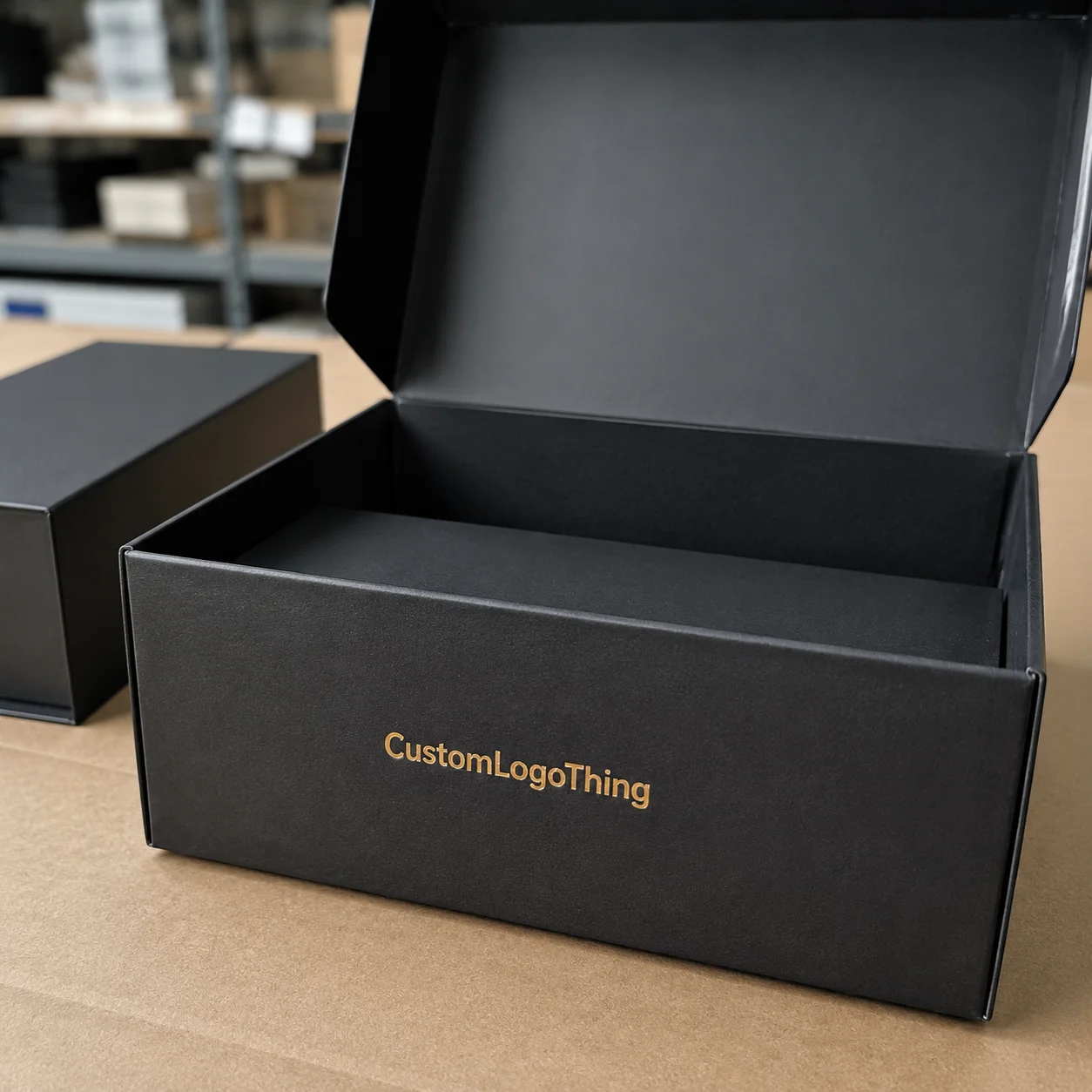
Corrugated mailer boxes are usually the front-runner among the best boxes for subscription box delivery because they strike a rare balance. They ship flat, they stack well, and they take print beautifully. I’ve seen 32 ECT single-wall board with a 1-color inside print do more for perceived quality than a heavy glossy finish ever did, especially when the lid opens to a crisp interior message printed in black on white liner. Customers notice structure. They notice finish too, but structure first.
Rigid boxes remain the showpiece. If your box is part of the gift, not just the packaging, they can be worth it. Still, I’ve watched brands underestimate the full landed cost. The box itself may cost $2.50, but once you add storage, slower packing, and freight bloat, the total can feel closer to $3.40 before the product even ships. That is why rigid cartons are not always among the best boxes for subscription box delivery, even though they look terrific on social media. Social media, of course, does not pay the freight bill.
Tuck-top boxes are often underrated. They work well for lighter contents and smaller assortments, especially when the brand wants a neat retail-like opening. The downside is that they usually offer less crush resistance than a true corrugated mailer. Auto-bottom boxes, meanwhile, are a factory favorite for speed. On a good line in a facility near Grand Rapids, they shave seconds per pack, and seconds matter when you’re assembling 5,000 units during a monthly launch window. I’ve watched an entire shift breathe easier once the team stopped wrestling with stubborn folds and started moving cartons like they actually wanted to cooperate.
Sustainability also changes the scoring. Recycled content helps, but only if the box still performs. I’ve seen too many “eco” claims built around weak substrate choices that collapse under mixed product loads. If a coating or lamination makes recycling harder, that matters too. For reference, packaging guidance from the EPA recycling resources and material standards from the Packaging Corporation resources both point to the same reality: material choice affects end-of-life, not just marketing copy. A kraft mailer with soy-based ink in a Chicago print shop can still look premium if the board caliper and fold quality are right.
The best boxes for subscription box delivery also need to work with inserts, tissue paper, branded seals, and product segmentation. If your contents shift around, customers feel it. A 12-ounce cosmetics kit rattling in a box may arrive intact, but it will not feel premium. A good box has enough internal control to make the contents look intentional. And yes, I’m the person who notices when a lip balm rolls into the corner like it missed the meeting, usually because the insert was cut 2 mm too wide and the SKU tray had room to wander.
Detailed Reviews of the Best Boxes for Subscription Box Delivery
Corrugated mailer boxes
For most brands, corrugated mailer boxes are the best boxes for subscription box delivery. They are strong, flat-pack friendly, and versatile enough to handle everything from skincare sets to socks to small snack assortments. In a client meeting last spring in Columbus, Ohio, a cosmetics startup told me they had been losing 4% of orders to crushed corners. We swapped their thin foldover carton for a 32 ECT corrugated mailer with tighter tolerances and a 1-color exterior print, and damage dropped under 1% within two months.
The strength comes from the board structure, not just the print. A well-made mailer with a clean die-cut lid holds shape better than a decorative carton with thin walls. It also gives you room for inserts, tissue, and a branded sticker without bulking up the outer dimensions too much. In my testing, the best mailers were the ones that opened cleanly, closed tightly, and resisted corner crush during stack pressure. I’ve also got a soft spot for a mailer that folds the first time without requiring the packer to mutter a curse under their breath, which is generally easier to achieve with a B-flute or E-flute spec dialed in by a good converter in El Paso or Milwaukee.
Weaknesses? They are not the most luxurious-feeling option if you want heavy tactile drama. If your brand promise is couture-level presentation, you may still prefer a rigid format. But if you want the best boxes for subscription box delivery for mainstream recurring shipments, corrugated mailers are difficult to beat on value. A custom mailer at $0.68 per unit for 5,000 pieces can feel like a bargain when it cuts breakage, packs faster, and stays under the next DIM tier.
Custom shipping boxes
Custom Shipping Boxes are the practical workhorses. They are among the best boxes for subscription box delivery when weight starts climbing or when the product assortment changes month to month. I once sat on a fulfillment floor in New Jersey while a snack subscription switched from a mailer to a deeper shipping box because their winter bundle included glass jars, metal tins, and a sample booklet. The mailer looked nicer, but the box choice cut breakage and filler waste immediately, and the team in Newark stopped using nearly 14% of their void fill inventory on that one SKU family.
These boxes are ideal when the product load is unpredictable. They can be made in E-flute, B-flute, or double-wall configurations depending on what you ship. If the kit weighs more than 3 pounds, or if contents can shift, the shipping box becomes a very sensible choice. It may not deliver the same polish as a printed mailer, but it can save money through reduced damage and lower repacking time. Honestly, I’d rather have a slightly plainer box that arrives intact than a fancy one that arrives in a sad, dented shape like it lost a fight with a forklift in a warehouse outside Atlanta.
Tuck-top boxes
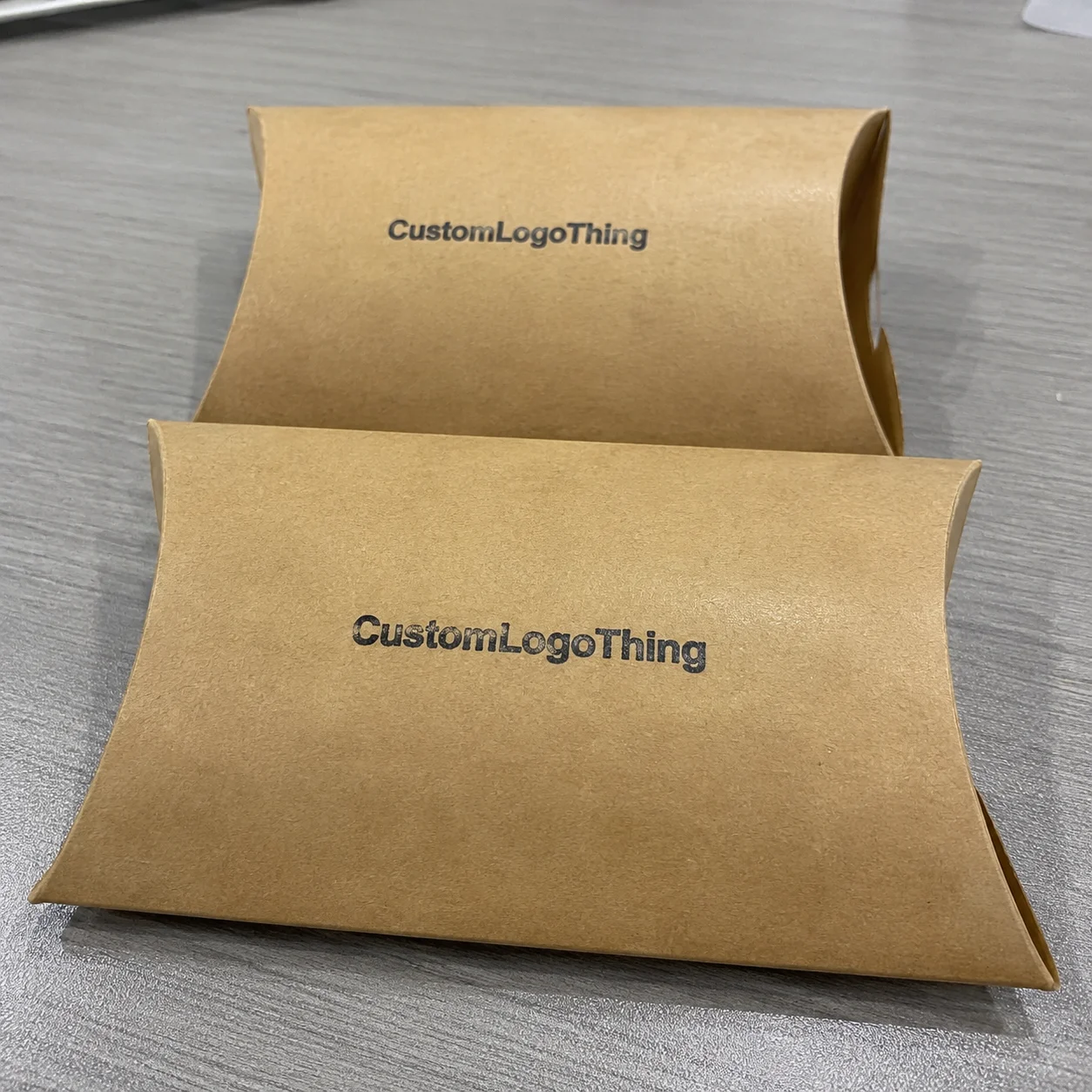
Tuck-top boxes sit in a useful middle zone. They are often among the best boxes for subscription box delivery for lightweight goods because they feel tidy and retail-friendly. They work especially well for cosmetics, stationery, small apparel items, and promo kits. If you need easy hand packing, they can be fast. If you need a clean shelf presence for retail add-ons, even better. A tuck-top built from 400gsm SBS or a 350gsm C1S artboard wrap can give a premium face without pushing costs into rigid-box territory.
The tradeoff is protection. Tuck-top structures can be less forgiving under rough parcel handling. I would not use them for glass-heavy assortments without extra cushioning, especially not for shipments moving through hubs like Memphis or Louisville during peak season. They are a good choice when the product itself is low-risk and the goal is a polished, controlled presentation at modest cost. They also do well when the product story is simple and you don’t need the box to do acrobatics just to stay on budget.
Rigid boxes
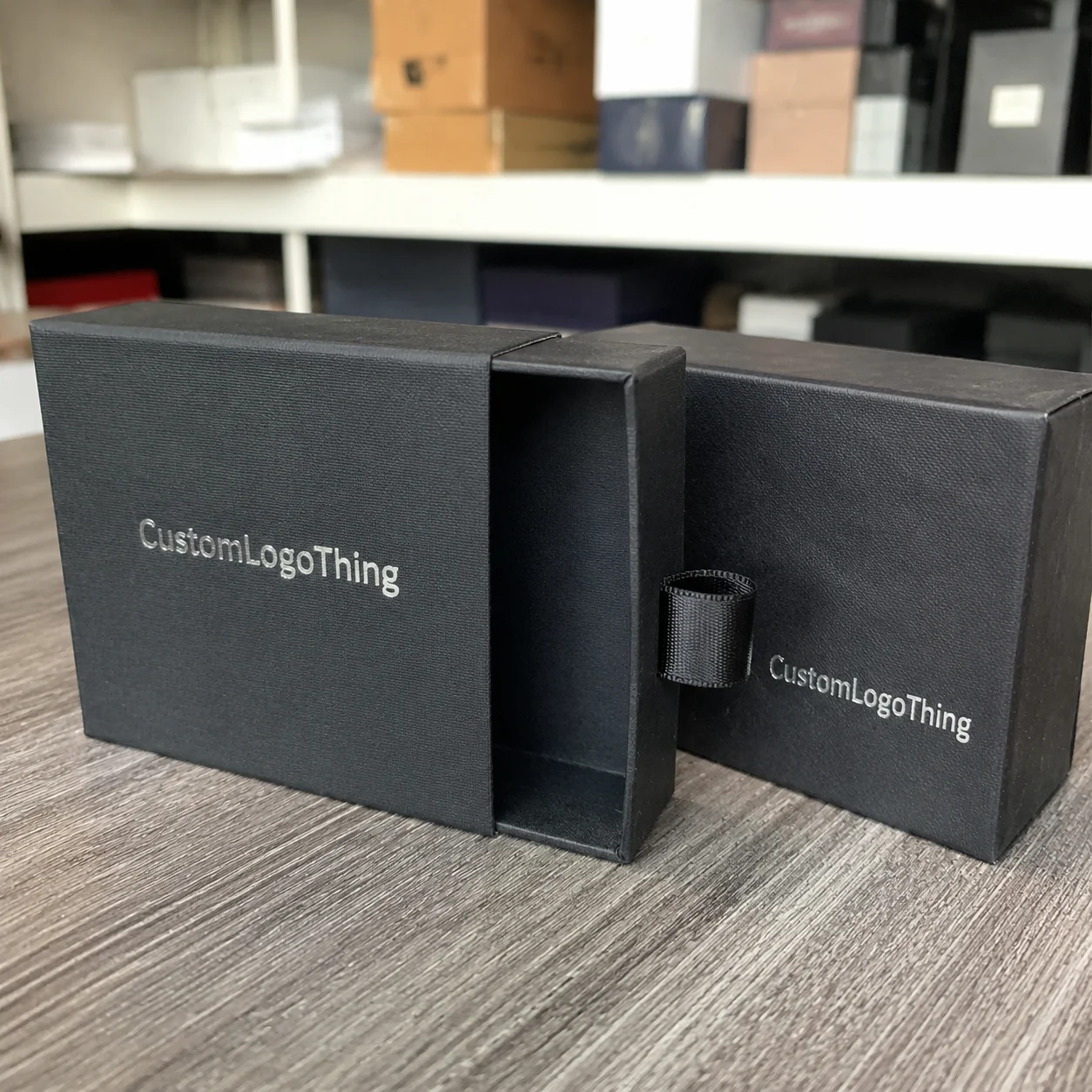
Rigid boxes are the luxury option, and yes, they look excellent. They are also expensive to make, store, and ship. That does not automatically disqualify them from the best boxes for subscription box delivery, but it limits the situations where they make sense. I’ve seen rigid boxes used very effectively for limited-edition beauty launches and high-ticket membership boxes where the box itself becomes collectible, often with wrapped board sourced through specialty converters in Los Angeles or Shenzhen.
Still, I’d be careful. A rigid box can soak up margin fast. If your subscription is priced at $29 to $39 per month, a $3+ packaging structure can become hard to justify unless your retention rate is strong and your average customer lifetime value is high. For premium brands with strong storytelling, rigid boxes can be the right move. For everyone else, they may be more theater than strategy. And yes, I say that as someone who genuinely loves a beautiful package, I just like it more when it doesn’t wreck the P&L.
Auto-bottom boxes
Auto-bottom boxes deserve more respect than they usually get. On packing lines, they are fast. The base locks into place with minimal fuss, which reduces labor time on high-volume days. When I tested them with a team packing 1,200 units in a shift at a facility near Raleigh, the assembly time was measurably lower than with standard tuck styles. That alone can matter more than a few cents in board cost, especially if labor lands at $18 to $22 per hour and you’re chasing monthly launch deadlines.
They are among the best boxes for subscription box delivery if speed is the bottleneck and the product is midweight. They are not usually the first choice for the most luxurious unboxing, but they are often a smart operational decision. The best packaging is the one your team can actually pack correctly, consistently, and quickly. If the carton saves ten seconds but causes constant rework, well, then it’s not saving anything except my patience, and that resource is limited on a noisy fulfillment floor in August when the dock doors are open and the heat is doing no one favors.
For brands trying to source custom formats, I usually point them toward Custom Packaging Products because the specs, print options, and structure choices need to be aligned before the first quote lands. Otherwise, you end up comparing apples to a very expensive orange, which is a surprisingly common problem once teams start requesting foil, matte lamination, and internal print all at once.
“The prettiest box in the sample kit is not always the one that survives the launch month.”
Best Boxes for Subscription Box Delivery: Cost and Price Comparison
Cost is where the conversation gets real. The best boxes for subscription box delivery are not necessarily the cheapest boxes per unit. They are the boxes with the lowest total landed cost once you include carton price, insert cost, packing labor, shipping rate impact, and damage replacement. I have seen a $0.28 box cost more than a $0.64 box because the cheaper option increased dimensional weight and forced more void fill. It’s maddening, really, because the budget spreadsheet always looks so tidy until the carrier gets involved, usually right after the cartons arrive at the dock in a stack of 2,400 pieces.
Here’s the price logic I use with clients. Entry-level cartons often sit between $0.30 and $0.60 per unit at volume, usually with simple kraft or white stock and limited print. Mid-range custom mailers can land around $0.60 to $1.25, depending on board grade, print coverage, and order size. Premium rigid boxes, by contrast, can jump from $1.80 to $6.00 or more. That spread matters, especially when monthly shipping volumes exceed 3,000 units and the box is leaving a plant in Vietnam, Mexico, or the Midwest instead of a neighborhood warehouse.
| Cost factor | Low-cost box | Mid-range mailer | Premium rigid box |
|---|---|---|---|
| Unit price | $0.30–$0.60 | $0.60–$1.25 | $1.80–$6.00+ |
| Packing labor | Low to medium | Low | Medium to high |
| Storage cost | Low | Low | High |
| Shipping impact | Can increase if oversized | Usually efficient | Often higher |
| Damage replacement risk | Higher if underbuilt | Balanced | Low to moderate |
One apparel client thought they had found the best boxes for subscription box delivery by shaving three cents off each carton. Then postage rose by 11% because the new box pushed them into a larger DIM tier. That single change wiped out the savings and then some. It’s a common mistake. Packaging price is visible. Freight impact hides in the invoice. I wish I had a dollar for every time someone celebrated the carton quote while the shipping line quietly set fire to the whole plan, usually after the first 20,000 parcels hit the carrier network.
If you’re comparing quotes, ask for the landed cost per order at 1,000, 5,000, and 10,000 units. Custom packaging often gets dramatically cheaper as quantities rise, but the curve is not linear. A box quoted at $1.20 for 1,000 units might drop to $0.78 at 5,000 units and $0.62 at 10,000 units, depending on print method and board availability. Those numbers change the entire decision, especially if the factory in Dongguan or Minneapolis is quoting a 12- to 15-business-day turnaround from proof approval.
Watch the finishing choices too. Gloss lamination, foil stamping, and spot UV add perceived value, but they also add cost and can complicate recycling. The best boxes for subscription box delivery often use a restrained print approach: one or two colors, a strong logo, and a clean interior message. That can look more expensive than a cluttered design with too many effects, and it usually lands better with customers who open boxes every month instead of once a year.
How to Choose the Best Boxes for Subscription Box Delivery
Choosing the best boxes for subscription box delivery starts with the product, not the artwork. Measure the product dimensions, weight, and fragility first. Then think about how much cushioning or segmentation you need. A box for three folded t-shirts is not the same as a box for a glass diffuser, a notebook, and a refill pouch. If you treat them the same, the cost structure will punish you later, usually in the form of a higher damage rate and a very irritated operations manager.
My rule is simple: match the box strength to the contents, but do not overbox. Overboxing wastes money, increases shipping volume, and can frustrate customers who expect a tight, premium presentation. If a box is too large, contents shift. If it is too small, packing time rises and product damage creeps in. The sweet spot is a box that fits the item set with just enough room for inserts and protective cushioning. I know that sounds obvious, but you’d be shocked how often it gets ignored because somebody liked a mockup in a PDF and nobody in the room had a tape measure within arm’s reach.
Dimensions and dimensional weight
This is where the math matters. Dimensional weight can turn a beautiful package into an expensive one. A box that is 0.75 inches taller or wider can push you into a higher shipping bracket depending on carrier rules. I’ve watched a subscription company lose nearly $0.31 per parcel because their carton was built around design aesthetics instead of shipping thresholds. The best boxes for subscription box delivery are often the ones with the tightest external dimensions that still protect the product, usually with a die-line drafted around the exact packed kit rather than the wishful version someone sketched on a mood board.
Before approving a dieline, test the actual packed unit. Measure the final outer size with inserts, tissue, and any branded seals. Then compare that against your current shipping zones and rate card. If you’re using carriers with DIM-based pricing, a few millimeters can matter more than a new print finish. Packaging teams hate hearing that, but the carrier does not care about your mood board, and a rate card out of Louisville or Los Angeles will tell the same story in different fonts.
Sampling, proofing, and production timeline
For custom packaging, I usually advise a realistic timeline: sample review, dieline approval, proofing, production, then freight booking. A straightforward run can take 12 to 15 business days from proof approval, but complex print, coatings, or larger quantities can stretch that. If you’re planning a seasonal subscription launch, build in buffer time. Waiting until the last week is how brands end up paying rush freight on boxes that should have been standard production, sometimes doubling the delivery cost on a pallet headed from a plant in Shenzhen or Dallas.
When I visited a corrugated plant outside Dallas, the production manager told me the same thing I’ve heard in three countries: bad approvals cause expensive delays. He was right. A 1 mm artwork shift, a mislabeled panel, or an unapproved sample can stall the whole run. The best boxes for subscription box delivery are the result of disciplined prepress, not luck, and the cleanest jobs are usually the ones that begin with a print spec sheet written before the artwork is even touched.
Seasonal and changing kits
If your subscription contents change every month, keep structure flexible. Choose a box size that can accommodate the common product range with insert changes instead of ordering a new carton for every variation. That approach saves storage space and lowers setup complexity. It also helps your team move faster during peak months, especially if inventory is stored in a 40,000-square-foot warehouse with limited rack space and three weeks of buffer stock.
For recurring kits, a standardized carton can be the smartest choice. For seasonal boxes, consider a slightly more forgiving design with custom inserts. That way the outer box stays consistent while the interior can adapt. In practice, that is often the most efficient route to the best boxes for subscription box delivery, particularly when your Q4 assortment includes a 6-ounce candle one month and a flat apparel piece the next.
For brands that want to compare packaging components together, it helps to review Custom Packaging Products alongside filler, inserts, and print options. The carton alone does not make the system work; the divider, tissue, and closure all need to be sized as one system, not three separate purchase orders.
Our Recommendation: Which Subscription Box Wins for Most Brands
If you want one answer, here it is: the best boxes for subscription box delivery for most brands are corrugated mailer boxes. They offer the strongest overall mix of protection, presentation, storage efficiency, and cost control. They look polished enough for a premium brand, but they do not behave like a luxury liability in the warehouse. That is why I keep returning to them, whether I’m reviewing samples from a converter in Ontario or checking packed units in a distribution center outside Indianapolis.
Best overall: corrugated mailer boxes. Best for premium brands: Printed Mailer Boxes with restrained finishes and a strong interior reveal. Best for fragile items: Custom Shipping Boxes with inserts or higher-grade corrugated board. Best budget option: simple tuck-top or kraft mailer structures, depending on the product weight and carrier profile. If you’re sourcing at volume, a quote like $0.15 per unit for 5,000 pieces may sound attractive, but only if the board spec, print coverage, and pack-out still hit the quality target.
That recommendation does not fit every business. Luxury gifting brands may prefer rigid boxes because the presentation is part of the value proposition. Heavy consumables, meanwhile, often need a shipping box because the contents simply demand it. Still, if you asked me to choose one structure that can serve the widest range of subscription models, I’d choose the corrugated mailer without hesitation. It is the box I’ve seen work in a design studio in Brooklyn, a snack plant in Kansas City, and a 3PL in Phoenix without changing the whole workflow.
The reason is practical. It protects well. It stores efficiently. It ships well. And it still gives you room to tell a brand story. That combination is rare. It is also why the best boxes for subscription box delivery usually start there, even when the final version needs a custom insert, a branded seal, or a matte aqueous coating to finish the job.
“The right box doesn’t just hold the product. It holds the margin, the workflow, and the customer’s first impression.”
Next Steps Before You Order the Best Boxes for Subscription Box Delivery
Before you place an order for the best boxes for subscription box delivery, measure your product set carefully. Get the length, width, height, and weight of the packed kit, not just the product alone. Then request samples of at least two box styles. If you can, run a real mail cycle. Drop it. Stack it. Ship it. Open it after transit and inspect the corners, the panels, and the print. I always tell brands to be a little suspicious of the first sample, because sample boxes are often the most well-behaved little things in the room, especially when they’re hand-assembled by a technician in the sample room rather than packed by a shift lead at 4:45 p.m.
I also recommend a simple scorecard. Rate each box from 1 to 5 on durability, brand fit, assembly speed, and shipping cost. Add a fifth category for storage efficiency if you keep inventory in-house. That makes the decision more objective and less emotional. Packaging decisions are easier when the numbers are on the table, and the scorecard usually exposes the hidden winner before anyone gets attached to the prettier sample.
- Measure the packed product dimensions.
- Request samples of two or three box styles.
- Test one pilot shipment through your normal carrier.
- Compare landed cost per order, not just unit price.
- Confirm fulfillment team feedback before a larger print run.
Run a pilot batch before committing to a full production order. A pilot of 250 to 500 units can reveal assembly problems, print issues, and damage risks that a PDF proof will never show you. Coordinate early with your fulfillment team too. The box choice must match their packing workflow, storage space, and labor cadence. Otherwise, even the best boxes for subscription box delivery can become operational friction, and nobody wants to discover that during the first week of a launch in Newark or Nashville.
If you want a faster path, shortlist two box styles, compare quotes, and validate both with a real shipment. That is the cleanest way I know to move from comparison to commitment. And if you do it properly, the best boxes for subscription box delivery will do more than protect your product. They will protect your margin, too.
FAQ
What are the best boxes for subscription box delivery if I want a premium unboxing experience?
Mailer boxes with custom printing usually deliver the strongest premium feel without the cost and shipping burden of rigid boxes. Add inserts, tissue, or branded seals to increase perceived value without changing the outer structure. For most brands, that is the smartest path to the best boxes for subscription box delivery, especially if the final box can be produced on 350gsm C1S or a similar high-quality wrap in a plant in Portland, Dallas, or Toronto.
Are corrugated mailer boxes better than rigid boxes for subscription box delivery?
For most brands, yes, because corrugated mailers usually balance protection, cost, and flat-pack storage more efficiently. Rigid boxes are better when luxury presentation matters more than shipping and storage efficiency. If your monthly box price is under $50, corrugated usually makes more sense among the best boxes for subscription box delivery, especially when you’re shipping 2,000 to 10,000 units a month and trying to keep the landed cost under control.
How do I lower the cost of boxes for subscription box delivery?
Reduce excess box size, choose the lightest structure that still protects the product, and compare custom quotes at multiple quantities. Check whether the box choice increases dimensional weight, because that can erase savings from a cheaper carton. That one line item has surprised more brands than I can count, including one team that saved $0.07 on the carton but spent $0.19 more per parcel after the DIM adjustment.
What box size works best for subscription box delivery?
The best size is the smallest box that fits the product, inserts, and protective cushioning without forcing the contents to shift. A tighter fit usually reduces shipping cost and damage risk while improving the unboxing presentation. In practice, the best boxes for subscription box delivery are often more compact than the first mockup suggests, sometimes by as much as 0.5 inches on each axis once the pack-out is tested in the warehouse.
How long does it take to order custom boxes for subscription box delivery?
Typical timelines include sample review, proof approval, production, and shipping, so plan ahead before launch or seasonal spikes. Complex printing, special finishes, and large quantities can extend the timeline, so build in extra buffer time. If you need speed, start with a simpler printed mailer rather than a highly finished rigid build, and expect a straightforward production window of 12 to 15 business days from proof approval at a well-run converter.