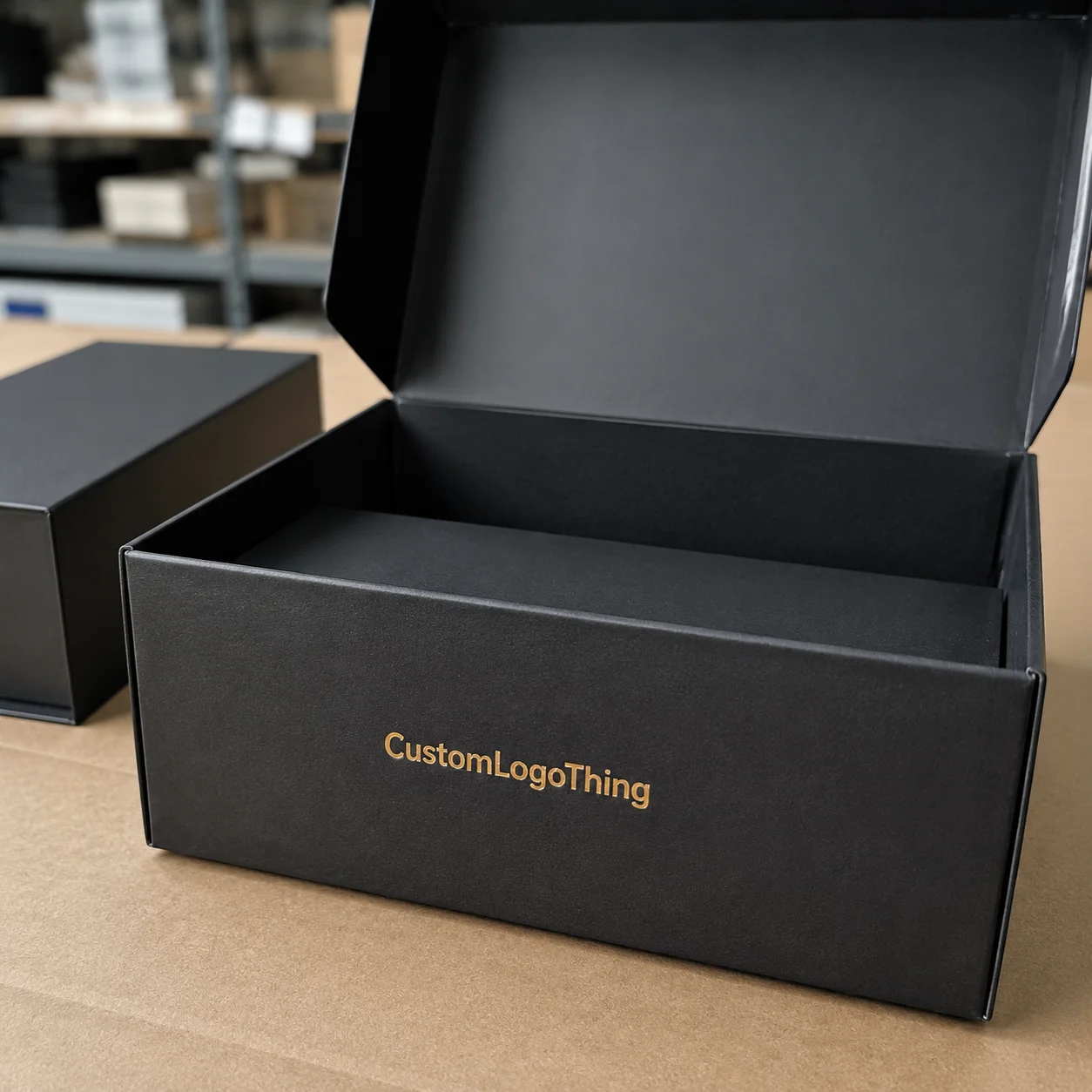
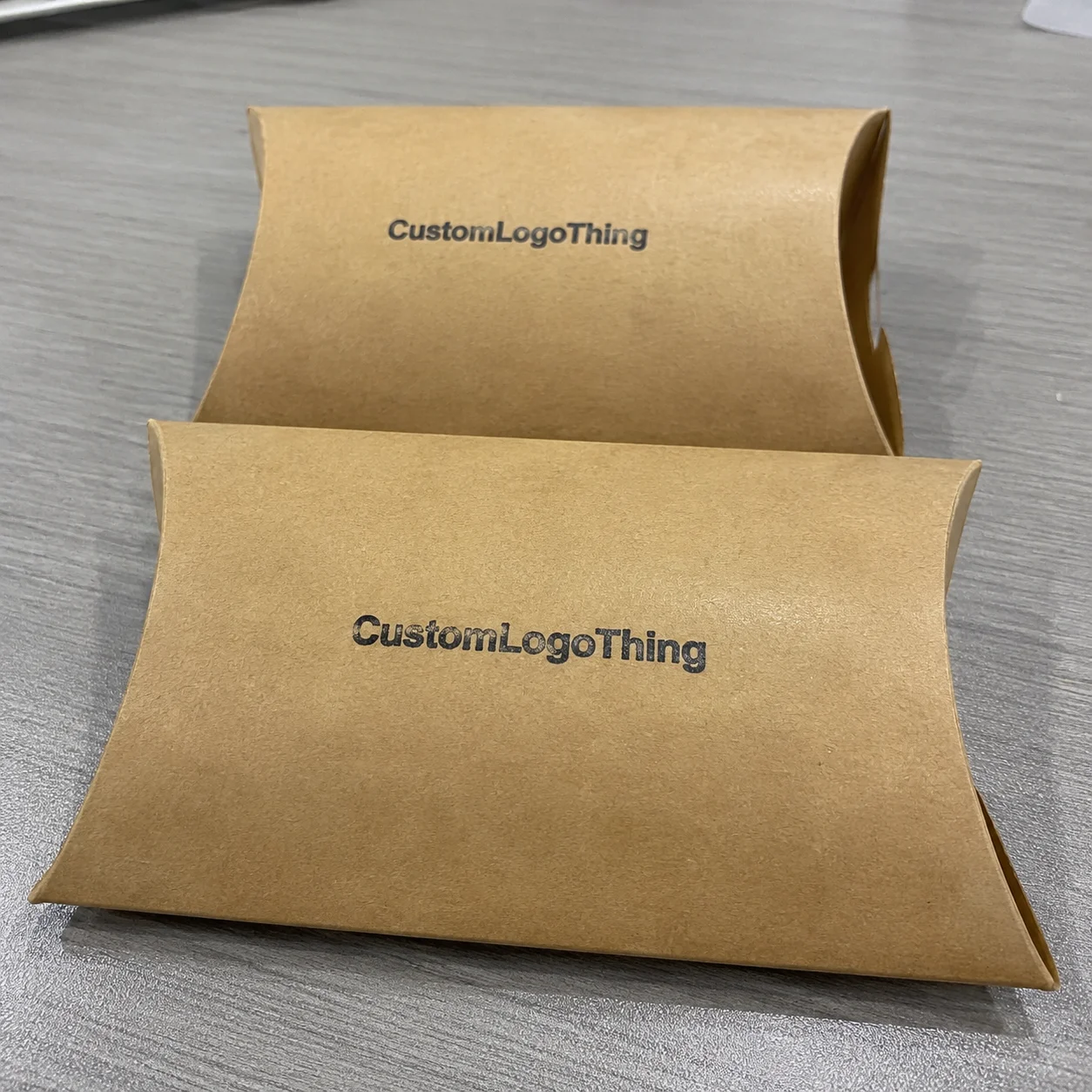
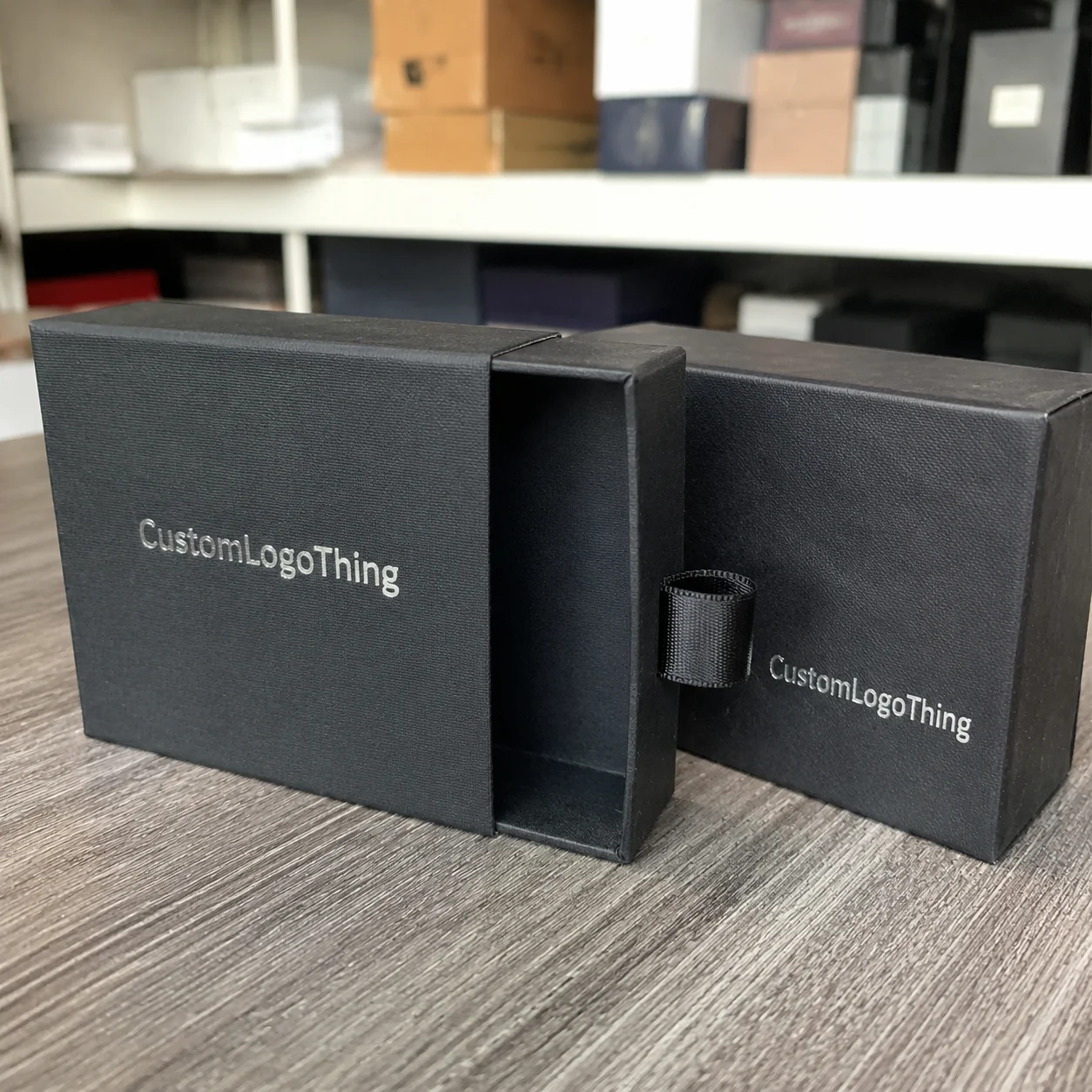
Buyer Fit Snapshot
| Best fit | Custom Printed Mailer Boxes Small Business projects where brand print, material claims, artwork control, MOQ, and repeat-order consistency need to be specified before quoting. |
|---|---|
| Quote inputs | Share finished size, material target, print colors, finish, packing count, annual reorder estimate, ship-to region, and any compliance wording. |
| Proofing check | Approve dieline scale, logo placement, barcode or warning zones, color tolerance, closure strength, and carton packing before bulk production. |
| Main risk | Vague material claims, crowded artwork, missing packing details, or unclear freight terms can make a low unit price expensive after revisions. |
Fast answer: Custom Printed Mailer Boxes Small Business: Film, Print, MOQ, and Carton Packing should be specified like a repeatable production item. The safest quote records material, print method, finish, artwork proof, packing count, and reorder notes in one written spec.
Production checks before approval
Compare the actual filled-product size with the drawing, then confirm tolerance on folds, seals, hang holes, label areas, and retail display edges. Reserve space for logos, QR codes, warning copy, and material claims before decorative graphics fill the panel.
Quote comparison points
Review material grade, print process, finish, sampling route, tooling charges, carton quantity, and freight assumptions side by side. A quote is only useful when the supplier can repeat the same color, closure quality, and packing count on the next order.
On a rainy Thursday in a corrugated plant outside Dongguan, I watched a pallet of plain mailers come back from a trial shipment with crushed corners, scuffed ink, and two customer returns that cost more than the boxes themselves. The sample run was only 500 pieces, but the damage told the whole story. That kind of mess is exactly why Custom Printed Mailer boxes small business owners choose have become a practical part of product packaging, not just a branding flourish.
I’ve spent enough years on factory floors and in client meetings to know this: a box is never just a box. For many brands, Custom Printed Mailer boxes small business teams use are the first physical handshake with the customer, and that handshake has to do three jobs at once—protect the product, communicate the brand, and move cleanly through fulfillment without slowing the line. If one of those jobs fails, somebody in the warehouse is muttering under their breath. Usually me, standing next to a packing table in Shenzhen with a ruler in one hand and a rejected sample in the other.
Why Custom Printed Mailer Boxes Matter for Small Businesses
I still remember a cosmetics startup in Los Angeles that came to us after losing nearly 4% of orders to transit damage. Their serum bottles were packed in a nice-looking stock mailer, but the inserts were wrong, the board was too light at roughly 300gsm, and the closure tabs loosened after two carrier handlings. The box looked fine on a desk. In a delivery truck between California and Texas? Different story. We reworked the structure, moved them to a stronger E-flute corrugated board with a 1.5 mm profile, and the returns fell fast. That’s the practical side of Custom Printed Mailer boxes small business buyers should care about first.
Put simply, a mailer box is a corrugated shipping carton designed with folds, dust flaps, and a tuck-in closure that holds up better than a thin folding carton. When it’s printed with logos, product messaging, or seasonal graphics, it becomes part of branded packaging and not just transit protection. For small brands, that matters because customers often judge the product before they ever touch the product. Fair? Maybe not. Real? Absolutely, especially when a $28 candle shows up in a box with water stains from a cross-country freight lane.
Custom Printed Mailer boxes small business brands rely on are especially useful for direct-to-consumer orders, subscription kits, influencer send-outs, and lightweight retail Packaging That Still needs a polished feel. I’ve seen a well-designed mailer box do more for repeat purchase rates than a paid ad campaign, especially when the inside print includes a thank-you message or a QR code that points to reorder instructions. People remember the box. They really do. One skincare client in Austin saw post-purchase email clicks jump by 12% after we added a printed inside panel with a 20% reorder code.
There’s also a logistics angle that gets ignored far too often. Box size changes dimensional weight, and dimensional weight changes freight cost. A box that’s too large wastes void fill, slows packing speed, and raises the odds of product movement in transit. A box that’s too small can crush contents or force awkward packing. Good packaging design is really the art of finding the middle ground where presentation, protection, and shipping efficiency all work together. On one New Jersey project, trimming the box height by 6 mm saved $0.38 per shipment in dimensional charges across a 15,000-unit season.
Honestly, I think a lot of owners overfocus on the print and underfocus on the structure. The best Custom Printed Mailer Boxes small business programs I’ve seen balance all four sides of the equation: branding, protection, Cost, and Production speed. If one of those is off, the whole order starts costing more than it should. And yes, the math always shows up eventually. Usually right after the boxes arrive in a 40HQ container from Guangdong and everyone starts comparing invoices.
“A beautiful box that arrives dented is just an expensive disappointment.” That’s something a warehouse manager in Chicago told me during a fulfillment audit, standing next to a pallet of 2,000 mangled units, and he was right.
How Custom Printed Mailer Boxes Small Business Orders Are Made
The production path is more technical than many buyers expect, but it’s not complicated once you break it down. A typical custom printed mailer boxes small business order starts with a dieline, which is the flat template showing the exact panel sizes, fold lines, glue tabs, and cut-outs. From there, the carton is sized to fit the product, the artwork is placed on the dieline, and the job moves into print and converting. For a 6 x 4 x 2 inch mailer, even a 2 mm error on the tuck flap can change how the box closes.
From dieline to finished carton
In a corrugated converting plant, the board is printed first or laminated first depending on the print method, then die-cut on a rule die, scored, folded, and glued on a finishing line. That finishing line is where a stack of flat sheets becomes an actual shipping-ready mailer. I’ve watched operators on a BOBST die-cutter in Dongguan and a folder-gluer in Foshan keep production moving at 300 to 500 sheets per minute, but only when the dieline was accurate and the artwork had proper bleed. If the file is sloppy, the machine doesn’t care how lovely the mood board looked.
For custom printed mailer boxes small business orders, the workflow usually includes proof approval, sample confirmation, and then production cartons packed flat on pallets. If the box design is smart, the fulfillment team can pop it open in one motion, pack the item, and seal it without wrestling with stubborn flaps or awkward inserts. That part matters more than people think. A pretty box that fights your packers is not a pretty box. It’s a problem with lipstick on it. On a 4,000-unit order in Vietnam, one second saved per pack added up to more than an hour of labor per shift.
Common materials: E-flute and B-flute
E-flute is a very common choice for lightweight retail products, subscription kits, skincare, apparel accessories, and small electronics. It gives a clean print surface and enough structure for a polished unboxing moment. B-flute is thicker and generally better for heavier items or products that need more crush resistance. In plain terms, E-flute is often the friendlier option for presentation, while B-flute gives you a little more muscle. Most E-flute sheets land around 1.5 mm thickness, while B-flute is closer to 3 mm.
That said, there’s no universal winner. I’ve seen custom printed mailer boxes small business teams choose E-flute for candles because the product was light but delicate, then move to B-flute once they added glass jars and a heavier insert. The product weight, inner protection, and carrier route all matter. And if a supplier tells you one board works for everything, I’d ask them which warehouse they’ve actually stood in. Usually the answer is “not the one with the broken forklifts and the humid dock in Guangzhou.”
Printing methods and what they mean
Digital printing is often the easiest route for short runs and faster artwork changes. It works well for smaller quantities and variable designs, and it’s friendly for startups testing different branding directions. Flexographic printing can be efficient for larger repeats and simpler graphics. Litho-lamination gives a premium look by printing on a coated sheet and laminating it onto corrugated board, which can be a smart move for higher-end retail packaging. For a 1,000-piece test run, digital is often the cheapest setup. For 10,000 pieces with one-color graphics, flexo can be far more cost-efficient.
Each process has tradeoffs. Digital is flexible, flexo can be economical at volume, and litho-lam can look beautiful but usually carries more setup. For custom printed mailer boxes small business buyers, the right choice usually depends on quantity, artwork complexity, and how much shelf or mail impact the box needs to make. I’ve seen people fall in love with a finish and then discover it blows the budget by $0.22 to $0.40 per unit. Pretty, but not useful. My least favorite category.
Artwork setup that saves headaches
File prep is where many projects either stay on schedule or fall behind. You need bleed, usually 1/8 inch or 3 mm depending on the plant’s standard, plus a safe zone so logos and copy do not land too close to the cut line. CMYK is common for full-color work, while spot colors can help keep brand tones tighter, especially if a company lives and dies by a specific Pantone 294 blue or Pantone 186 red.
Here’s what most people get wrong: they design on a rectangle and forget the box has folds, glue tabs, and areas that disappear once assembled. A logo sitting across a score line may look fine on screen and look crooked on the finished carton. That is why custom printed mailer boxes small business artwork should always be checked on the real dieline, not just a mockup. Screens lie. Corrugated does not. I learned that the hard way on a Toronto order where the barcode landed half a centimeter over the fold and failed the first scan test.
For brands building out their packaging system, it can help to review broader options too, including Custom Packaging Products and related formats like Custom Poly Mailers when a project includes non-corrugated shipping needs.
Key Factors That Affect Cost, Pricing, and Performance
Pricing for custom printed mailer boxes small business orders comes down to a few hard numbers: dimensions, board grade, ink coverage, finishing, and quantity. A 6 x 4 x 2 inch mailer in 2-color print is a very different job from a 12 x 9 x 4 inch full-coverage box with matte coating and an insert. The second one takes more board, more press time, and usually more freight space. No mystery there. Just physics and invoices. On a 5,000-piece run from Vietnam, that gap can easily shift unit cost by $0.18 to $0.65 depending on board and finish.
Here’s a practical comparison I often share with buyers during quote reviews:
| Option | Typical Use | Relative Unit Cost | Strength / Presentation |
|---|---|---|---|
| Plain stock mailer | Basic shipping | Lowest | Good strength, low branding impact |
| Custom printed E-flute mailer | Apparel, skincare, lightweight kits | Moderate | Balanced strength and branding |
| Custom printed B-flute mailer | Heavier or more fragile products | Moderate to higher | Stronger board, more protection |
| Litho-laminated mailer | Premium retail packaging | Higher | Excellent print appearance, premium feel |
Quantity affects cost in a way that surprises new buyers. The first few hundred boxes often feel expensive because setup, plates, and make-ready time are spread over a small run. Once you move into larger quantities, the unit price usually comes down. I’ve seen custom printed mailer boxes small business buyers cut per-unit cost by 25% to 40% simply by moving from a 1,000-piece run to a 5,000-piece run, though this depends on size and print method. On one Shenzhen quote, the price dropped from $0.44 at 1,000 units to $0.19 at 5,000 units for the same E-flute mailer with one-color exterior print. That’s not magic. That’s just spreading the pain around more boxes.
Board grade matters just as much. A stronger corrugated structure can reduce damage claims, but stronger board also adds cost. If your product is already packed in a rigid inner tray or molded pulp insert, you may not need to overbuild the outer mailer. A 350gsm C1S artboard wrap over corrugated can look premium, but if your product is an acrylic kit shipping from Illinois to Florida in July, you may need more crush resistance than a pretty surface layer provides. That’s where experienced product packaging review pays off.
Finishing can change both appearance and budget. Matte coatings, gloss varnish, soft-touch laminations, and aqueous coatings each create a different feel. Matte tends to photograph well and looks modern. Gloss can make color pop. Soft-touch feels premium, but it’s not always necessary for a brand shipping everyday goods. For custom printed mailer boxes small business buyers, the right finish depends on where the box is seen: on a porch in Atlanta, on a retail shelf in Portland, or in social media photos shot on an iPhone 15 under daylight bulbs.
Shipping cost is another hidden lever. A box that nests better on a pallet can lower freight cost, and a box that fits products tightly may eliminate void fill entirely. I’ve sat in client meetings where a two-millimeter reduction in box height saved enough dimensional weight to matter across 20,000 annual shipments. That’s the kind of detail that turns custom printed mailer boxes small business from a design decision into an operations decision. If your freight lane runs from Shenzhen to Los Angeles, those millimeters show up on the invoice faster than you’d like.
There’s also the choice between custom and stock. Stock mailers may be cheaper up front, but they can force sticker labels, extra inserts, or secondary branding to create the same effect. A custom printed solution may cost more per unit, yet bring higher perceived value and better package branding. In some cases, that supports a healthier margin because the customer sees the box as part of the purchase, not just a shipping container. I’ve seen a $0.12 print upgrade support a $4.00 price increase on a limited-edition launch in Brooklyn. That math made everyone smile for once.
Step-by-Step Process for Choosing the Right Mailer Box
Start with the product, not the artwork. Measure length, width, height, and weight of the packed item, not just the bare product. If you sell candles, include the jar, label, tissue, insert, and any safety wrap. If you sell apparel, note whether the item is folded flat, bagged, or boxed. A good custom printed mailer boxes small business plan begins with real dimensions and real handling conditions. A 7 oz candle in a 4 x 4 x 5 inch glass jar needs a very different box than a folded T-shirt in a polybag.
- Measure the packed product. Use outer dimensions, not a wishful estimate.
- Define the shipping use. Subscription, DTC, wholesale, or PR kit each has different demands.
- Pick the board style. E-flute for lighter presentation, B-flute for more protection.
- Choose the print method. Digital for flexibility, flexo for efficient repeats, litho-lam for premium presentation.
- Approve the dieline carefully. Check bleed, scores, tuck flaps, and logo placement.
- Test the fit. Pack real products, seal the box, and inspect the result after a short transit trial.
Next, think about customer experience. A subscription box might benefit from an inner message and a structured insert. A wholesale shipment may care more about stack strength and fewer decorative touches. A PR kit might need dramatic unboxing value, because the whole point is to be photographed. Custom printed mailer boxes small business owners use should reflect the actual journey the parcel takes, not the fantasy version where every package floats gently to the doorstep. If the box travels from Dallas to Miami in August, humidity and handling are part of the design brief whether you like it or not.
Artwork approval deserves slow attention, even if everyone is eager to move fast. Check the logo contrast on the selected board color, confirm that barcodes have enough quiet space, and make sure small text remains readable after print and scoring. On one job for a boutique tea brand in Seattle, a beautiful gold logo had to be revised because the metallic tone disappeared on the darker kraft liner; that kind of issue is common and preventable with proper proofing. Annoying? Yes. Fixable? Also yes.
I also recommend a pilot run. Order a small batch, pack actual products, and ship a handful through normal carrier routes. If the mailer survives that test, you’ve learned something valuable before committing to a larger order. In my experience, custom printed mailer boxes small business teams that test early save money later because they catch fit problems before inventory is locked in. A 300-piece pilot is a lot cheaper than scrapping 8,000 boxes because the insert was 4 mm too wide.
For brands that are still building out their shipping system, it can help to compare structures and not just graphics. Sometimes a mailer box works better for one product line, while a different format is better for another. Good packaging design is rarely one-size-fits-all. If anyone tells you otherwise, they’re probably trying to sell you whatever’s on the shelf in that warehouse outside Ho Chi Minh City that’s suddenly “in stock.”
Process and Timeline: From Quote to Delivery
A clean project usually moves through quote request, dieline confirmation, artwork proofing, sampling, production, finishing, and freight shipment. Simple custom printed mailer boxes small business jobs can move fairly quickly if the specs are already clear, but any round of artwork revisions, special coatings, or custom insert changes adds time. That’s normal, not a red flag. A plain 2-color mailer might move from proof approval to shipment in 12–15 business days, while a coated premium version may need 18–25 business days.
From the buyer’s side, the fastest projects are the ones where product dimensions, target quantity, print method, and delivery deadline are shared up front. If your packaging vendor has to chase those details, the calendar slips. I’ve seen a seven-day delay happen because a client sent a mockup instead of a print-ready file, and the artwork had to be rebuilt from scratch before production could begin. Everyone was “just making a small tweak,” which is usually code for “we are now behind schedule.”
For planning, I usually advise small businesses to think in stages rather than one deadline. If you need boxes before a launch, a seasonal push, or a subscription cycle, work backward from the ship date and leave room for proofing and transit. A realistic plan for custom printed mailer boxes small business orders often includes enough cushion to handle one proof revision and a sample approval round. If your launch date is June 10, start the quoting process in late April, not the Friday before Memorial Day.
Here’s a practical timeline example for a straightforward corrugated mailer project:
- Quote and spec review: 1–3 business days
- Dieline and artwork proofing: 2–5 business days
- Sampling or prototype approval: 3–7 business days
- Production and finishing: 10–15 business days
- Freight shipment: depends on lane, usually 3–10 business days
Freight planning matters more than many first-time buyers expect. Ask about pallet counts, carton quantities per pallet, and whether your receiving area can handle the stack height. If your warehouse has a narrow dock or limited storage, it may be smarter to split shipments. I’ve watched custom printed mailer boxes small business orders get delayed at the receiving end simply because no one had space for 18 pallets of flat-packed cartons. A glamorous problem, apparently, especially when the truck arrives at 7:30 a.m. and the dock crew is already dealing with a 53-foot trailer from Ningbo.
Common Mistakes Small Businesses Make with Mailer Boxes
The first mistake is choosing the wrong size. A box that’s too large invites movement, filler, and a sloppy reveal. A box that’s too tight can crush packaging or slow assembly. I’ve seen custom printed mailer boxes small business teams spend extra money on a great print job, then undo the value by using a size that doesn’t fit the actual packed item. One jewelry client in Miami used a 9 x 7 x 3 inch mailer for a 5 x 4 x 2 inch kit and burned through $0.11 per unit in extra paper fill they never needed.
The second mistake is ignoring the folds. Artwork can look perfect in a flat file and then land across a score line, flap, or tuck edge. When that happens, the logo may split, or a key word may disappear inside the finished fold. That’s a packaging design problem, not a printing problem, and it usually shows up only after the first sample. A proof viewed at 100% on a screen is not a substitute for checking the real dieline in millimeters.
The third mistake is ordering too much too soon. If the fit has not been tested, or the product is still changing, a huge run can create expensive leftovers. Small businesses often move fast, which I respect, but in corrugated packaging a little caution saves a lot of write-offs. With custom printed mailer boxes small business orders, a pilot batch of 250 to 500 units is usually worth the extra time, especially if you are still refining inserts or closures.
The fourth mistake is focusing only on unit price. Freight, storage, assembly labor, and return costs can outweigh the savings from a cheaper box. I had one client choose a lower-cost mailer that required extra tape and void fill, and the packing labor alone erased the savings. That’s a classic trap. Cheap on paper. Weirdly expensive in real life. If the box saves $0.06 but adds 9 seconds to each pack, the warehouse will find the missing money very quickly.
The fifth mistake is assuming a pretty box is automatically strong enough. A nice-looking outer print does not fix weak board or a poor closure style. For custom printed mailer boxes small business brands, the outer shell must survive real carrier handling, not just look good in a photo studio. A mailer sent from Chicago to Phoenix in January might survive; the same box sent through a humid Houston route in July may fail if the board spec is too light.
For guidance on packaging sustainability and waste reduction practices, the U.S. EPA has useful material on reuse and recycling at epa.gov/recycle. If your company is making claims about recycled content or recyclable structures, validate them carefully and keep the documentation close. A recycled claim without paperwork is just a nice sentence.
Expert Tips to Make Custom Printed Mailer Boxes Work Harder
My best advice is to design for operations first and branding second, then bring them together. A box that assembles in one easy motion, stacks neatly on a cart, and seals without drama will save real money every shift. Then you layer in the brand story. That’s how custom printed mailer boxes small business programs become efficient instead of decorative. On one Dallas fulfillment project, shaving 5 seconds off assembly saved more than $1,200 a month in labor.
Use the inside of the box. A simple printed message, a reorder QR code, or a small set of care instructions can improve the customer experience without adding much complexity. I’ve seen inside print outperform fancy exterior artwork because it catches the customer’s attention at the exact moment they open the package. That is good package branding in the truest sense. A black-on-white thank-you note inside a 350gsm C1S artboard lid can be more memorable than a loud outside graphic.
Standardize where you can. If you sell five product sizes, you may not need five box sizes. Often, three well-chosen mailer sizes cover most orders and simplify inventory, purchasing, and packing station setup. I’ve watched fulfillment teams move faster simply because they had fewer box choices on the table. For custom printed mailer boxes small business operations, fewer SKUs often means fewer mistakes, fewer reprints, and fewer boxes gathering dust in a warehouse corner in New Jersey.
Think carefully about finish. Matte can reduce glare and feel modern, especially in social content. Gloss can help bright colors stand out. If your brand relies on soft, lifestyle photography, matte or soft-touch often photographs better under warehouse lighting or window light. That said, not every project needs a premium coating, and sometimes the cleanest solution is the simplest one. A standard aqueous coating on a 4-color print can be enough if your box is traveling mostly by parcel rather than sitting on a retail shelf for weeks.
Test against real shipping conditions. Carrier belts, stacked pallets, humid docks, and last-mile handling are the real exam. An ISTA-style transit check can help you spot weaknesses before customers do. The International Safe Transit Association has helpful standards and testing context at ista.org, and those practices are worth respecting if you ship fragile goods or premium kits. I’d rather fail a test box in a lab in Shenzhen than a live order in someone’s apartment building.
If sustainability is part of your brand story, look for FSC-certified paper options and responsible fiber sourcing where possible. The Forest Stewardship Council offers general information at fsc.org. Not every structure or print finish is available with every environmental claim, so verify what your supplier can document before you publish anything on your site. If your supplier says “100% recycled” but cannot show chain-of-custody paperwork, keep your pen in your pocket.
On one subscription-box project, we reduced pack-out time by 11 seconds per unit just by adjusting the tuck flap and changing the insert slot. Across a busy month of 8,000 units, that saved more labor than the print upgrade cost.
For some brands, it also makes sense to pair corrugated mailers with other formats depending on the order type. A lightweight apparel brand may use mailer boxes for premium orders and Custom Poly Mailers for simple replenishment shipments. That kind of mixed system can keep costs under control while preserving a stronger presentation for the orders that need it most. I’ve seen this split work especially well for brands shipping from both California and Pennsylvania warehouses.
Next Steps for Small Business Packaging Planning
If you’re planning custom printed mailer boxes small business owners can rely on, start with a short checklist: product dimensions, product weight, artwork files, target quantity, delivery deadline, and any insert or coating requirements. That one page of details usually prevents most quoting problems and gets you to a usable sample faster. A clear brief can save three email rounds and a week of waiting.
Then compare at least two constructions or print approaches. Maybe E-flute with digital print is the right fit, or maybe B-flute with a simpler graphic is smarter for your shipping lane. You won’t know until you compare the options against your real product and your real budget. I’ve seen too many people choose based on a catalog image and regret it later. The catalog image did not have to pay freight, after all, and it definitely did not have to answer the customer service emails.
Audit your current shipments. Look at damage rates, customer feedback, void fill usage, and how much time your team spends packing each order. If a box is causing a recurring issue, that is a signal. If customers keep mentioning the unboxing experience, that is also a signal. Good custom printed mailer boxes small business planning starts with actual behavior, not assumptions. A 2% damage rate on 10,000 orders is 200 problems, not a rounding error.
A sample order is usually the smartest first move. Test one box size, one print layout, and one production method before scaling. If it works, you can expand with confidence. If it doesn’t, you’ve learned cheaply. That kind of controlled testing is what separates a tidy packaging program from a costly one. A $300 prototype order can save a $9,000 mistake, which is a trade I’ll take every time.
In my experience, the best results come from a balance of practical sizing, clean artwork, and honest expectations about what the box must do on the warehouse floor and inside the customer’s hands. If you keep that balance in mind, custom printed mailer boxes small business teams use can protect the product, strengthen the brand, and make shipping feel more intentional from the very first order. That’s true whether your boxes are made in Dongguan, Shenzhen, or Ho Chi Minh City.
Frequently Asked Questions
What are custom printed mailer boxes for small businesses used for?
They are used to ship products safely while presenting a branded, professional unboxing experience. They work well for subscription boxes, ecommerce orders, PR kits, and retail fulfillment, especially when the company wants product packaging that does more than just survive transit. A typical order might use 350gsm C1S artboard over E-flute or B-flute corrugated, depending on the product weight and shipping route.
How much do custom printed mailer boxes small business orders usually cost?
Pricing depends on size, board grade, print coverage, quantity, and any special finishes or inserts. For example, a 6 x 4 x 2 inch E-flute mailer in one-color digital print might land around $0.15 per unit for 5,000 pieces, while a larger full-coverage coated box can run $0.40 to $0.85 per unit at the same volume. Higher quantities usually lower the per-box price, while short runs may cost more because setup and production prep are spread over fewer units.
How long does it take to produce custom printed mailer boxes?
The timeline usually includes quoting, artwork proofing, sampling, production, and shipping. For a straightforward order, production is typically 12-15 business days from proof approval, plus 3-10 business days for freight depending on the lane. Simple projects move faster, while custom sizing, complex artwork, or special finishes can add time, so it helps to plan with a realistic delivery window.
What is the best material for custom printed mailer boxes small business brands should choose?
E-flute corrugated is often a strong choice for lighter retail products and attractive presentation. B-flute, which is thicker and better for crush resistance, may be a better fit for heavier or more fragile products. If your packaging includes premium print, a 350gsm C1S artboard wrap over corrugated can improve appearance, but the board spec should always match the product and shipping route.
How do I know what box size I need?
Measure the product’s outer dimensions and allow room for protective fit, inserts, and closure depth. A sample fit test with real products is the best way to confirm the box size before a full order, because even a few millimeters can change how the box closes and ships. If your item is 8 x 5 x 2 inches packed, don’t guess and call it “close enough.” That’s how returns happen.