The phrase best custom box companies only matters if the box arrives on time, prints cleanly, and protects your margin. A low quote is useful only when it reflects the real job, including board grade, print method, finish, inserts, freight, and rework risk.
Packaging is more than a container. It affects product protection, brand presentation, shipping cost, and launch timing at the same time. If you are moving from stock mailers to custom packaging, one weak supplier choice can create delays, damage, or hidden expense.
I am not ranking vendors by website polish. I am using practical buyer criteria: print consistency, structural strength, finish quality, proofing speed, QC discipline, and whether the company can actually hit the promised date.
Why the cheapest box quote can be the most expensive mistake
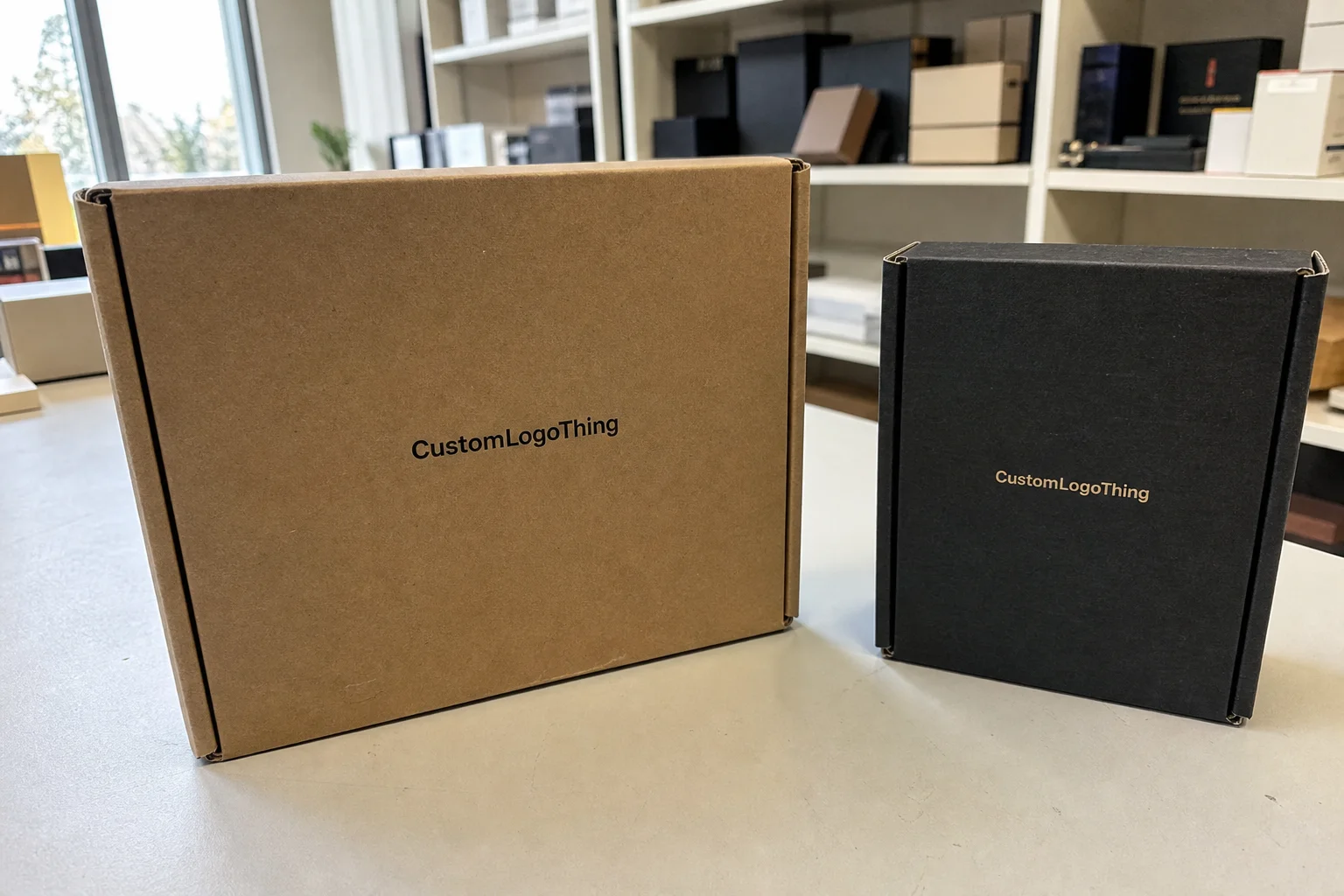
The lowest quote usually hides something: thinner board, extra plate charges, samples that are not included, or freight from another facility. Sometimes the price looks good because it omits part of the job.
Judging a box quote like a sales pitch is how buyers get burned. A real quote should read like a production spec: board grade, print method, coating, dieline accuracy, insert requirements, and the intended use. A mailer for parcel shipping is not the same job as a folding carton for retail shelves or a rigid gift box for premium kits.
A cheap quote is only cheap until the first correction, the first freight bill, or the first carton that arrives crushed because someone guessed on board strength.
For launch-heavy brands, packaging is not the place to gamble. The best custom box companies make total landed cost predictable, not just the headline price. If you are still comparing box styles and sizes, start with the categories on our Custom Packaging Products page before you request vendor quotes.
If the box has to survive parcel abuse, ask whether the supplier references transit testing or a similar validation process. Standards such as ISTA testing practices do not guarantee perfection, but they are a better sign than “it feels strong enough.”
Best custom box companies: top options compared
Not every supplier fits every job. The cleanest way to compare suppliers is by buyer type, not by generic marketing claims.
The table below breaks the market into the supplier types that matter most: low-MOQ digital partners, premium rigid box specialists, high-volume corrugated converters, design-led platforms, and rush reorder shops. Each one can be the right answer. Each one can also be a bad mismatch.
| Supplier type | Best for | Typical MOQ | Typical turnaround | Pricing behavior | Strongest point |
|---|---|---|---|---|---|
| Digital-first startup supplier | Small brands, launch runs, test orders | 50-500 units | 7-15 business days after proof approval | Higher unit cost, lighter setup fees | Fast proofing and flexible order sizes |
| Premium rigid box specialist | Luxury, gifting, premium unboxing | 250-1,000 units | 12-25 business days | Higher material and handwork cost | Sharp finishing and presentation value |
| High-volume corrugated converter | Retail packaging, shipping boxes, repeat SKUs | 1,000-10,000 units | 10-20 business days | Lower unit cost at scale | Price stability on larger runs |
| Design-led platform | Brands needing artwork help and guided ordering | 100-1,000 units | Varies by print method and stock | Mid-range with service included | Useful support for packaging design and dielines |
| Rush reorder specialist | Replacement orders and deadline recovery | Usually higher than digital-only shops | Fastest available if inventory exists | Expensive, but time-sensitive | Speed when the calendar is already a problem |
Digital-first suppliers are usually best for new launches and low-MOQ test orders. Premium rigid specialists handle presentation well, but they are not the cheapest way to ship product. Volume converters make more sense when the SKU is established. Design-led platforms help when your team needs support on artwork, inserts, or file setup.
If you are comparing suppliers, use the same box size, same stock, same print coverage, same insert requirement, and same delivery address. Otherwise the comparison is fiction. Some vendors will still quote a better-looking number by using lighter board or a simpler finish.
Detailed reviews: where each supplier actually fits
Digital-first startup supplier
This is usually the cleanest Fit for Brands that need low MOQ and fast proofing. These vendors tend to move from quote to dieline to sample without turning the project into a week of back-and-forth.
The tradeoff is higher unit cost, especially on smaller quantities, and fewer finish options. Still, flexibility matters more than a tiny savings per box when the design is still changing.
Premium rigid box specialist
Rigid box shops are the right answer for luxury sets, subscription gifts, and premium branded packaging where unboxing matters as much as protection. They usually deliver stronger presentation, better wrap quality, and cleaner magnetic-closure or drawer-style structures.
The catch is cost. Foil, embossing, soft-touch lamination, specialty inserts, and wrap paper upgrades add up quickly, and rigid boxes also take more handwork. If the product margin is thin, this type of supplier can overbuild your budget.
High-volume corrugated converter
This is the supplier type I trust most for repeat shipping programs and retail packaging at scale. Once the spec is locked, cost per unit drops and production becomes easier to forecast.
These companies can be excellent on structure too. Corrugated mailers, retail shippers, and trays often need the right board grade, proper score depth, and clean glue lines more than they need decoration. The hard part is minimums.
Design-led platform
Some companies sit in the middle and make life easier for teams that do not have an in-house packaging person. They usually offer dieline support, artwork checks, and guided ordering.
The downside is the service layer costs money. I would use this type of supplier when communication speed matters and the file needs close review.
Rush reorder specialist
These are the people you call after another vendor slips. They are not cheap, and they should not be. Their value is inventory access, working stock, and the ability to rescue a deadline.
Still, rush work should be a backup plan, not a business model. If you depend on it every month, your supply chain is fragile.
For sustainability claims, ask for the actual paper or board spec and verify it. A logo on a landing page is not a sourcing strategy. If recycled or certified material matters to your brand, check the chain-of-custody language at FSC and ask how that claim appears on the finished carton.
Cost, pricing, and MOQ: what your box should really cost
Box pricing is driven by size, board grade, print coverage, finish, inserts, and quantity. Change one of those and the quote can move fast. Change three, and you are comparing different products, not different suppliers.
For a standard corrugated mailer with one- or two-color print, I usually expect about $0.80-$1.40 per unit at 1,000 pieces before freight, depending on dimensions and ink coverage. A simple folding carton can be lower, sometimes around $0.12-$0.45 at larger volume, while a premium rigid box with wrap paper and custom inserts can run $3.50-$8.00 or more at 500 pieces.
MOQ matters because setup cost has to go somewhere. Low minimums usually push the unit price up. Larger runs lower the cost per box, but they also tie up cash in inventory.
Buyers also miss the hidden extras. Ask about these before you compare suppliers:
- Artwork setup or prepress fees
- Plate or tooling charges for offset work
- Custom insert costs
- Sample or prototype fees
- Freight from more than one facility
- Reprint policy if the art or spec changes
A landed cost comparison is the only comparison that matters. Factory price is incomplete. A quote that looks $0.08 lower per unit can disappear once freight, setup, and the second round of proofs land on your desk.
On quality expectations, a buyer should also ask about acceptable tolerances. For corrugated packaging, I want to know the caliper range, board grade, ECT or burst strength, and whether the supplier checks glue strength and score accuracy. For printed cartons, color consistency matters more than people think.
Process, turnaround, and lead time: what happens after you request a quote
Most buyers think the timeline starts after approval. It does not. It starts when the quote is requested, because every missing spec pushes the schedule around. A clean project usually moves through spec sheet, quote review, dieline approval, proofing, sample or prepress check, production, QC, and freight.
Here is the realistic timing breakdown I would plan around:
- Quote response: 1-2 business days if your specs are clear
- Dieline or artwork adjustment: 1-3 business days
- Proof approval: 1-3 business days if the team is responsive
- Prototype or sample: 5-10 business days, sometimes longer for specialty work
- Production: 10-25 business days depending on print method and volume
- Freight: 2-7 business days domestic, longer if the shipment crosses borders
Where do delays usually happen? Not in the machine room. They happen in approvals. Artwork revisions drag. Someone wants one more color change. Someone on the supplier side waits too long to flag a problem.
For boxes that must survive parcel transit, ask whether the supplier has a test path that matches the job. If the package is fragile or high-value, a standard “looks good to us” sample is not enough. The box should be validated against the real shipping environment.
Do not confuse fast response with fast delivery. A supplier can answer a quote in an hour and still miss the ship date by two weeks. Build in buffer for sample review, transit time, and the correction nobody wanted but everybody now has to manage.
Quality control should also be part of the conversation early. Ask who checks registration, cutoff, creasing, glue integrity, and print rub resistance. If there is a window patch, magnet, or insert, ask how those pieces are inspected.
How to choose the right partner without getting burned
Start with the job, not the supplier. Are you trying to move fast, look premium, hold a low MOQ, keep repeatability tight, or control budget hard? Different goals point to different vendors.
Ask these questions before you place an order:
- What exactly is included in the quote?
- Who checks artwork and dieline fit?
- What is the standard defect or reprint policy?
- How are rush jobs handled?
- Can you show a sample that matches this spec?
- What changes if I reorder the same box next month?
Then compare like for like. Same dimensions. Same stock. Same print coverage. Same insert. Same delivery address. If one quote includes a divider and the other does not, the comparison is meaningless.
Polished websites help, but they do not protect margin. A clean homepage does not stop a late shipment or catch a logo that is too close to the fold line. I would rather work with a supplier that asks sharp questions than one that relies on stock photos and vague promises.
If you need help narrowing box styles before requesting quotes, use the product pages on Custom Packaging Products to lock the format first. That way the variables left are the ones that should actually change: pricing, proofing speed, and production quality.
Our recommendation and next steps for a clean shortlist
For small brands, prioritize low MOQ, responsive proofing, and clear communication over the lowest printed-unit number. For larger operators, focus on price stability, defect control, and the ability to reorder without redoing setup every time.
The smartest move is simple: shortlist three suppliers, request identical quotes, and compare total landed cost instead of chasing the cheapest headline. If the box will touch a launch, a retail shelf, or a premium unboxing moment, ask for one sample or a short test run first.
Before you send RFQs, gather these specs:
- Exact box style and internal dimensions
- Material or board grade
- Print method and color count
- Coating or lamination
- Insert requirements
- Quantity and reorder forecast
- Delivery address for freight comparison
If the supplier cannot translate those details into a clean quote, move on. Good packaging partners ask for the same information because they know it prevents ugly surprises later.
How do I compare the best custom box companies fairly?
Use the same box size, material, print coverage, finish, and quantity for every quote. Compare landed cost, not just base unit price, because freight and setup fees change the real number fast. Check proofing speed, sample quality, and whether the company answers technical questions clearly.
What usually makes a custom box quote look cheaper than it is?
The quote may exclude freight, tooling, artwork setup, inserts, or coating upgrades. Some suppliers also price a weaker board or simpler print method to hit a low headline number. Always ask what is included before comparing the quote to another vendor.
What MOQ should I expect from custom box companies?
Digital-first vendors often support lower minimums, while offset and structural packaging usually require higher runs. The right MOQ depends on whether you need test volume, launch volume, or repeat production. Ask if mixed SKUs, sample runs, or repeat reorder pricing are available.
How long do custom box orders usually take from quote to delivery?
Quotes can move quickly, but proofing, sampling, and approval stages usually control the real timeline. Production time varies by box type and volume, then freight adds more time on top. If your deadline is fixed, build in buffer for revisions and transit.
Which custom box company is best for small brands?
Look for low MOQ, clear pricing, responsive design support, and easy proofing. Small brands usually need flexibility more than the absolute lowest unit cost. A supplier that explains tradeoffs clearly is usually a better fit than one that only advertises cheap pricing.
If you are still comparing the best custom box companies, stop chasing the prettiest quote and lock the same spec across every vendor request. That is the only way to see who is actually cheaper, faster, and more reliable once real production starts.


