Why custom made wood boxes stand out in premium packaging
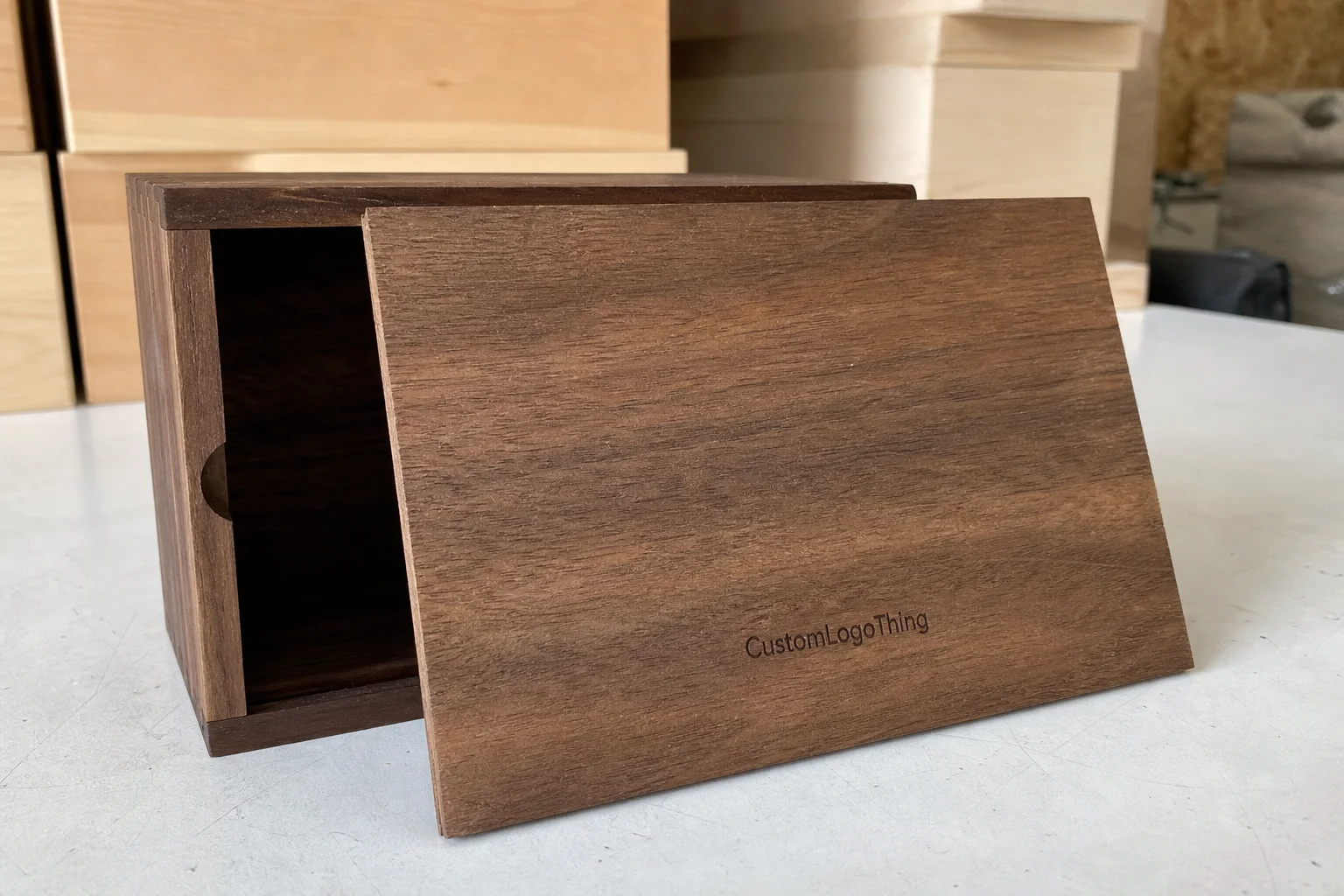
custom made wood boxes do more than hold a product. They set expectations before the seal is broken, before the lid lifts, and sometimes before the buyer has read a single line of copy. That is why they keep showing up in spirits, corporate gifting, luxury retail, collectibles, and presentation kits. The package becomes part of the object’s value, not just a layer around it.
For buyers, the appeal is not only visual. Wood gives rigidity that paperboard cannot match, especially when the contents are heavy, glass, metal, or assembled in multiple parts. It also supports closures and hardware that feel durable rather than disposable. If the package is meant to be reused or displayed, that permanence matters.
But not every premium-looking box is a good buy. A thick presentation case can create freight headaches, add hand assembly, and push the landed cost beyond what the product can support. A 400 g whiskey set, a fragrance sampler, and a watch box all demand different structures, even if the marketing brief sounds similar.
The practical comparison is straightforward. Paperboard is lighter and usually cheaper. Corrugated is better for transit protection. Wood sits higher in the stack because of its tactile feel, structural strength, and perceived permanence. That makes it suitable for branded packaging, but only if the structure, insert, and finish are aligned with the sales channel. A retail shelf brief and a subscription-kit brief rarely lead to the same build.
The real job is not choosing a box in isolation. It is deciding how the product will be handled, opened, shipped, and remembered. If the spec is right, the packaging lifts the item. If it is wrong, the box becomes an expensive correction.
What the box is made of: structure, inserts, and finish
A wood box is a system, not a single material. The core may be solid wood, MDF, plywood, or an engineered composite, and each behaves differently in cost, weight, surface stability, and finishing quality. Panel thickness commonly sits somewhere between 3 mm and 12 mm, but that range only starts the conversation. A fragrance set, a bottle presentation case, and a tool kit do not ask the same thing of the structure.
Solid wood has the strongest natural story, yet it is not automatically the best answer. It moves with humidity, can show variation from board to board, and usually costs more to source and finish. Plywood is often a useful middle ground: lighter than solid wood, more stable than many natural options, and less likely to warp when climate changes. MDF is useful when the goal is a smooth painted surface or laminate finish, though it does not offer the visible grain that many buyers associate with wood.
The build style matters just as much. Common formats include lift-off lids, hinged boxes with metal or concealed hinges, sliding sleeves, and compartment boxes for sets. A lift-off lid is simple and clean. Hinged formats feel more permanent. Sliding-sleeve styles can create a strong opening sequence, but they tend to add labor and demand tighter dimensional control. The more touchpoints a box has, the more valuable precise specification becomes.
The insert does the real retention work. Foam is common for fragile items because it absorbs impact and keeps products from shifting. EVA gives a cleaner cut and sharper edges for tight-fitting cavities. Molded pulp can suit buyers looking for a lower-impact material profile. Velvet-lined trays and die-cut wooden partitions move the package further into premium presentation territory, but they also raise cost and assembly time. The insert should match product weight, shape, and the level of shipping abuse it is likely to face.
Finish choices change the emotional read quickly. A natural stain with clear coat sends a different signal from matte paint, open-pore finish, laser engraving, or foil logo treatment. Hardware changes the feel too. Magnetic closures, clasps, ribbon pulls, and metal badges all affect price and the opening experience. For custom printed boxes, the decoration method may be direct UV, screen print, hot foil, or a combination with engraved details. If brand identity is being built into the object itself, finish is not decoration; it is part of the sales argument.
Important: exact dimensions should be locked before quoting. A 2 mm shift can affect insert depth, hinge alignment, and lid closure. With custom made wood boxes, small structural changes often create real cost differences because tolerances, labor, and assembly time move together.
Material and design factors that change performance
Performance starts with the product, not the box. Weight, fragility, shelf life, resale value, and shipping distance all influence the spec. A heavy item may need a reinforced base and thicker sidewalls. A fragile product may need a denser insert and tighter cavity tolerances. A reusable gift box may justify a more durable coating because the user will keep opening it. If the box is going into retail packaging, display value matters more than it would in a distribution-only format.
Buyers often ask whether solid wood is always the premium choice. The answer is no. Solid wood feels rich, but engineered substrates can be more stable and easier to finish consistently. They also allow better repeatability across larger runs. Plywood often lands in the practical middle. It is strong, relatively light, and usually easier to keep dimensionally stable than some natural woods. MDF can give an excellent painted result, but it is less forgiving if the package will be exposed to moisture or rough handling.
For packaging design, dimensions are where mistakes become expensive. Irregular shapes, multi-piece kits, and products with accessories should always be measured with clearance in mind. You need room for the item, the insert, the lining, and any protective wrap. Outer dimensions matter for freight and shelf fit, but internal usable space is what decides whether the pack actually functions. If a bottle is 92 mm wide and the insert cavity is 93 mm, that is not a proper fit; it is a tolerance problem waiting to happen.
Branding methods should support the structure, not fight it. Laser engraving gives a clean, permanent mark. Metal plaques feel more formal. Printed artwork can add color, but large ink coverage on wood may require surface prep or a coating layer to keep the result consistent. Interior messaging is a high-value detail that is often underused. A short brand line inside the lid can add more perceived value than a larger logo on the outside. That is one reason custom printed boxes and wood formats are often used together for gift sets: the exterior draws attention, and the interior does the storytelling.
If environmental documentation matters, ask early. FSC chain-of-custody paperwork may be relevant if the buyer, retailer, or end customer expects it. For broader materials guidance and end-of-life context, the FSC and EPA recycling guidance pages are useful references when comparing substrates and disposal expectations.
Process and timeline: from brief to sample to delivery
The cleanest projects follow a predictable sequence. First comes the brief: what the product is, how it is used, how it ships, and what budget range is realistic. Then comes dimensional review, structure selection, artwork preparation, sampling, revisions, approval, and full production. Skip a step, and the project usually pays for it later.
The fastest quotes come from the most specific inputs. A useful brief should include exact product dimensions, quantity, target budget, shipping destination, finish preference, and insert requirements. If the box will contain multiple items, say so at the start. If the brand wants a high-gloss exterior and a matte interior, specify that too. The supplier can only control what is written down.
Sampling is where many buyers misread timing. A prototype is not the same as a production unit. A sample may be hand-built, adjusted by eye, or made from non-final tooling, which means it is a proof of direction rather than a promise of mass-run speed. If the sample needs revision, the clock partially resets. If the artwork changes after sample approval, the process slows again because structure and decoration are no longer in sync.
Typical lead times vary, but a straightforward run often lands around 12 to 15 business days after proof approval. More complex builds can stretch longer if there is hand assembly, specialty coating, or multiple inserts. That range is not universal. It depends on factory capacity, tooling, and how many approvals sit between the buyer and production. The more structural changes made after sampling, the longer the timeline becomes.
For teams handling several packaging categories, it helps to align custom made wood boxes with the broader packaging workflow. If cartons or protective shippers are being ordered at the same time, a consolidated view through Custom Packaging Products can make it easier to keep finishes, branding, and delivery windows consistent across formats.
Cost, pricing, MOQ, and quote drivers
Pricing is usually driven by six variables: substrate choice, panel thickness, finish complexity, closure hardware, insert design, and decoration method. A simple stained lift-off box with a foam insert sits in a very different cost zone from a hinged presentation case with engraved branding, velvet lining, and a custom die-cut tray. Hand assembly adds another layer because labor can outweigh material cost faster than many buyers expect.
Order volume matters because setup costs are spread across the run. The first 100 units often carry more overhead per piece than the same design at 1,000 or 5,000 units. That is why MOQ should be read as a production-planning issue, not only a sales rule. A small run can still make sense, but it usually costs more per unit because tooling, sample work, and finishing time are divided across fewer boxes.
A quote should include more than a unit price. At minimum, ask for dimensions, material spec, quantity, decoration method, insert type, sample cost, freight terms, and any special packing requirements. If the quote only gives a unit number without structure detail, there is nothing reliable to compare. A complete quote makes it possible to evaluate alternatives without guessing.
| Option | Typical Use | Relative Cost | Notes |
|---|---|---|---|
| Painted MDF with foam insert | Gift sets, promotional kits | Lower | Good for smooth finishes and repeatable branding |
| Plywood with engraved logo | Premium retail packaging | Mid | Balanced weight, good structural feel, strong presentation |
| Solid wood with metal hardware | Collectibles, spirits, executive gifts | Higher | Best tactile value, but shipping and assembly costs rise |
The real question is not whether the box is expensive. It is whether the premium supports the product value. If the item is reused, displayed, or tied to a higher retail price, the packaging can justify a larger share of budget. If the product is seasonal, low-margin, or shipped in high volume, a simpler build may be smarter. Strong packaging design is not about spending more. It is about spending where the buyer notices the difference.
Price ranges vary widely, but experienced buyers usually separate a few bands mentally. Basic painted or stained wood presentation boxes with simple inserts can sit in a moderate range for small runs, while specialty hardware, custom linings, and detailed decoration move the cost up quickly. Once hand finishing or complex assembly enters the picture, labor becomes the main driver, not raw material.
Common ordering mistakes that waste budget or time
The first mistake is measuring only the product and forgetting everything around it. Clearance for inserts, lid movement, magnets, lining, and protective wrap all consume space. A box that fits a bottle on paper may be unusable once foam and finish tolerances are added. That error is common because buyers focus on dimensions they can see, not the room needed for the pack to function.
The second mistake is vague finish language. “Natural wood” and “premium look” are not specifications. They do not tell a supplier whether the buyer wants matte clear coat, satin stain, visible grain, painted exterior, or tight color matching. If repeatability matters, specify sheen level, color reference, and surface treatment. Otherwise, the sample may look acceptable while the production run drifts away from the intended result.
Artwork approval is another weak point. Do not approve logo placement before dimensions are final. Panel seams, lid wrap, and closure hardware can shift the visible area. A logo centered on a flat face may end up too close to a hinge or edge once the actual build is locked. This is where a quick approval often creates a slow correction later.
Shipping is easy to ignore until freight arrives. Wood packaging is heavier than paperboard, so carton count and palletization affect cost more than some teams expect. A box that looks compact in a sample room can become freight-intensive at scale. That matters especially in cross-border orders, where volumetric weight and duty treatment can change the landed price. The packaging may be right, yet the economics can still miss the target.
The last common mistake is changing the insert after sample approval. That usually forces another round of adjustments because the product cavity, lid clearance, and assembly process are connected. If a different insert material is needed, decide before sign-off. It is cheaper to solve the fit once than to rework it after the run has already been planned.
Another quiet problem is over-specifying. Some buyers add hardware, thick walls, multiple finishes, and elaborate interior branding to a product that does not need it. Each decision looks minor in isolation, but together they can turn a clean packaging project into a budget strain. The best spec is often the one that removes unnecessary steps.
Expert checks and next steps before you place the order
Before placing the order, confirm the spec line by line. Dimensions, quantity, finish, insert material, closure type, delivery window, and branding method should all be written in one place. If the quote and the sample do not match, stop and reconcile them before production starts. That is the simplest way to avoid expensive back-and-forth.
Ask for one physical sample, or at least a close pre-production reference, if the box must work on a retail shelf, inside a gift set, or in an influencer kit. Screen approval helps, but it does not reveal how the lid closes, how the insert grips the product, or how the finish reads under real light. A side-by-side review of a lower-cost finish and a premium finish can also help stakeholders decide on value rather than instinct.
For teams with multiple decision-makers, a simple approval sheet saves time. Design signs off on artwork and color. Operations confirms dimensions and packaging flow. Finance checks landed cost and MOQ. That structure avoids the common mistake of approving three different versions in three different meetings. If the spec is shared, the result is more likely to match the launch plan.
Two useful external references for procurement teams are ISTA for transit-testing context and The Packaging School and Packaging Association resources for broader packaging standards and education. They are not replacements for a supplier spec sheet, but they help frame the questions worth asking.
Used properly, custom made wood boxes are less about decoration and more about control: fit, feel, durability, and the unboxing experience all on one line item. Treat them like a structured packaging purchase rather than a generic gift box, and the comparison process becomes sharper. Quotes are easier to read. Sample changes are easier to judge. Rework becomes less likely.
FAQ
What sizes are common for custom wood boxes?
The most common sizes are built around the product first, then adjusted for insert thickness, lid clearance, and shipping protection. If the item is unusually shaped, ask for internal dimensions rather than only outside measurements. A good supplier should help confirm usable space, not just the overall box size.
How long does it take to make custom made wood boxes?
Lead time usually depends on sampling, finish complexity, and run size more than on the box shape alone. Simple runs move faster when artwork and dimensions are approved early. Any revision after sampling can add extra production time, especially if the insert or closure changes.
What affects the price of custom wooden packaging most?
Material choice, finish method, insert design, hardware, and order quantity are the biggest cost drivers. Hand assembly and specialty decoration usually increase unit cost more than basic structural changes. A complete quote should separate sample cost, unit cost, and freight so you can compare offers cleanly.
Can I add foam or dividers inside the box?
Yes, but the insert should match the product’s shape, weight, and fragility. Foam is common for delicate items, while dividers work better for multi-piece kits or sets. The insert choice affects both presentation and the final quote.
What should I approve before production starts?
Approve the exact dimensions, finish, decoration placement, and insert layout before mass production begins. Check that the sample reflects the real product, not just a placeholder item. Ask for a written sign-off record so everyone is aligned on the final spec.