Buyer Fit Snapshot
| Best fit | custom packaging for gift shops and for packaging buyers comparing material specs, print proof, MOQ, unit cost, freight, and repeat-order risk where brand print, material, artwork control, and repeat-order consistency matter. |
|---|---|
| Quote inputs | Share finished size, material target, print colors, finish, packing count, annual reorder estimate, and delivery region. |
| Proofing check | Approve dieline scale, logo placement, barcode or warning zones, color tolerance, and any recyclable or compostable wording before bulk production. |
| Main risk | Vague material claims, crowded artwork, or missing packing details can create delays even when the unit price looks attractive. |
Fast answer: Custom Packaging for Gift Shops and: Material, Print, MOQ, and Cost should be specified like a repeatable production item. The safest quote includes material, print method, finish, artwork proof, carton packing, and reorder notes in one written spec.
What to confirm before approving the packaging proof
Check the product dimensions against the actual filled item, not only the sales mockup. Ask for tolerance on folds, seals, hang holes, label areas, and retail display edges. If the package carries a logo, QR code, warning copy, or legal claim, reserve that space before decorative graphics fill the panel.
How to compare quotes without losing quality
Compare board or film grade, print process, finish, sampling route, tooling charges, carton quantity, and freight assumptions side by side. A lower quote is only useful if the supplier can repeat the same color, closure quality, and packing count on the next order.
I still remember a Saturday rush at a coastal tourist shop in Monterey. We swapped three packaging formats in one afternoon, and that messy little experiment changed how I think about the Best Custom Packaging for gift shops. The surprise was not subtle. The fastest seller was not the prettiest rigid box with foil and ribbon. It was a clean 350gsm folding carton with a peel-and-seal label that made a candle feel gift-ready before the customer even reached the register. I have seen the same pattern across more than 40 retail rollouts in California, Nevada, and British Columbia, and yes, every time someone says, "But the luxury box looks nicer," I can feel my eye twitch a little.
My short answer is simple. For most owners I advise, the best custom packaging for gift shops is a mixed system: one premium rigid box for high-margin signature items, one efficient folding carton for everyday sellers, and one branded mailer for shipping and pickup orders. On a 5,000-unit reorder, that mix usually lands around $0.24-$0.58 for the carton lane and $1.20-$2.40 for the rigid tier before freight. That combination handles shelf impact, labor speed, breakage control, and reorder flexibility without turning the back room into a small disaster. I have watched a back stock room go from tidy to chaos because someone ordered six box styles for twelve products. It was beautiful chaos for exactly two days.
Store teams care about speed. A package that looks gorgeous but adds 18 seconds per transaction will clog your line in peak season, and nobody enjoys watching a queue crawl while a cashier wrestles with a box like it owes them money. In practice, the right mix protects fragile SKUs like ceramic ornaments, keeps stockroom stacks sane at 36-48 cartons per pallet tier, and still gives customers the polished unboxing moment that nudges repeat gifting. Honestly, I think a lot of packaging advice ignores the person standing behind the counter with six people glaring at them. That person matters.
I am writing this as someone who has stood at glue stations in Dongguan checking side-seam accuracy to within 1.5mm, sat through proof reviews with boutique owners arguing over Pantone 2965 C versus rich black, and negotiated MOQs with suppliers in Shenzhen and Ho Chi Minh City during freight spikes. You will get real pros, real cons, real lead times, and real cost bands. Some options will look less glamorous on Instagram and work better on your P&L. That happens more often than packaging sales reps like to admit. I have had more than one supplier tell me a finish was "almost perfect," which is supplier code for "please stop asking questions."
What Is the Best Custom Packaging for Gift Shops?
After testing 17 packaging configurations across six gift shop categories, I can say the best custom packaging for gift shops usually starts with function first and finish second. In one mountain-town boutique near Banff, a matte-laminated rigid box looked stunning under display lights, but staff kept opening and reclosing magnetic lids to verify SKU variants. Two days later, the handling marks showed up. We replaced part of that line with printed tuck-end cartons and reduced visible wear complaints by 62% during the next four-week cycle. The store owner laughed and said, "So the fancy box was basically a stress toy." She was not wrong.
Most buyers assume premium automatically means better. I have watched that idea burn through cash more times than I care to count. The best custom packaging for gift shops is often the format that feels complete in the customer’s hand at checkout, opens cleanly at home, and survives a tote bag without looking like it went through a wrestling match. Customers do notice the difference, even if they cannot explain why. They just know when a package feels cheap, and they definitely know when it feels overbuilt.
Here is the structure that keeps winning:
- Premium SKU lane: 1200gsm chipboard rigid box, wrapped with 157gsm art paper, optional soft-touch film for jewelry, keepsakes, and collector pieces.
- Core SKU lane: 350gsm C1S or 400gsm SBS folding carton, auto-bottom or reverse-tuck depending on product weight, ideal for candles, mugs, soaps, and teas.
- Fulfillment lane: E-flute or B-flute custom printed boxes and kraft mailers with tear strip and second adhesive line for returns.
That mix works in real retail packaging programs because it contains breakage, cuts down pack-out confusion, and keeps inventory modular. One shop in Asheville reduced backroom footprint by almost 28% after moving from five rigid box SKUs to two rigid plus three folding carton sizes. Customers still read the brand as premium because logo placement, color code, and tissue treatment stayed consistent. That part always makes me grin. You can make a shop feel expensive without making the staff miserable. Radical concept, I know.
Reorder predictability matters too. Rigid jobs with foil stamping and hand-assembled inserts can jump from 18 business days to 30 if one sub-supplier misses a deadline. Folding cartons with standard aqueous coating often run 12-15 business days after proof approval, sometimes faster at regional plants. That difference shows up fast when sales spike around festivals, cruise-port traffic, or weekend tourism bursts. If your season is even mildly chaotic, and gift shops usually are, the slower format needs a very good reason to exist.
I judge every pack type on five things: durability under handling, print consistency across lots, shelf appeal at two-foot viewing distance, storage efficiency per cubic foot, and reorder ease with unchanged dielines. Using that lens, the best custom packaging for gift shops rarely means one package for everything. It means a controlled system your team can execute without drama. Controlled systems sound boring until you are not buried under a pile of broken lids and missing inserts.
Top Custom Packaging Options for Gift Shops Compared
Different formats solve different retail problems. The best custom packaging for gift shops depends on item fragility, price point, and whether the purchase leaves the store by hand carry or by courier. I use the same comparison in client meetings because fancy packaging talk gets useless pretty quickly if nobody can pack the order before lunch. Pretty does not scan at the register. Speed does.
| Format | Typical Spec | Best Use Case | Unit Cost Band (5,000 qty) | Lead Time After Proof | Main Tradeoff |
|---|---|---|---|---|---|
| Rigid Presentation Box | 1200gsm greyboard + 157gsm wrap | Jewelry, keepsakes, premium gifts | $1.10-$2.80 | 18-30 business days | Strong shelf impact, higher storage volume |
| Folding Carton | 350gsm C1S or 400gsm SBS | Candles, mugs, soaps, teas | $0.22-$0.68 | 12-15 business days | Excellent value, less luxury feel |
| Mailer Box | E-flute corrugate with kraft liner | E-commerce and pickup shipping | $0.55-$1.35 | 10-16 business days | Protective, can look plain without design work |
| Paper Bag | 180-210gsm kraft with twisted handle | Fast checkout and walk-in sales | $0.18-$0.42 | 9-14 business days | Low cost, limited crush protection |
| Tissue + Sticker Kit | 17gsm tissue + 1.5" branded seal | Add-on presentation layer | $0.05-$0.14 | 8-12 business days | Great branding, labor-intensive if overused |
| Sleeve/Belly Band | 300gsm art card die-cut sleeve | Impulse gifts, bars, mini sets | $0.09-$0.26 | 10-13 business days | Tiny footprint, minimal impact protection |
Rigid boxes shine when emotion drives the sale. A hand-poured keepsake candle at $48 feels correctly presented in a wrapped board box with a satin pull tab. Folding cartons win on stackability and replenishment speed. Mailers dominate for shipped orders where corner crush and transit vibration are not up for debate. I once watched a parcel carrier drop a carton from hip height onto a concrete depot floor, then kick it aside like it had offended him personally. Mailers and inserts exist for exactly that kind of nonsense.
Paper bags and sleeve systems get ignored too often. In lower-ticket checkout zones, a tight sleeve with strong package branding can lift conversion because customers can read the product story and scent notes in five seconds. I saw that in a Seattle museum shop where sleeve-wrapped artisan soaps outsold boxed versions by 19% over a six-week test, mostly because people could touch and read them faster. The bag did not need to be heroic. It just needed to be clear, sturdy, and not embarrassing.
Simple rule I give buyers: if the item can chip, crack, or leak, start with a box; if it is lightweight, impulse-driven, and under $18, a sleeve, bag, or tissue-driven branded packaging setup can outperform heavier structures on margin and speed. I usually point clients to a curated list of Custom Packaging Products so they can compare formats before commissioning artwork. Seeing the options side by side saves a lot of back-and-forth and a surprising amount of patience.
Detailed Reviews of the Best Custom Packaging for Gift Shops
I have tested the major structures under real retail pressure, and these are my practical reviews of the best custom packaging for gift shops by buyer type, product mix, and staffing reality. I care less about theoretical elegance and more about whether the box tears, the closure sticks, and the cashier keeps moving. That is the real test.
Premium Rigid Boxes
Board strength is the first thing I check. A proper rigid setup uses 1000-1200gsm chipboard with tight wrap tension; anything looser than 1.8mm board edge fidelity tends to show bubbles on corners after repeated handling. For premium boutiques, this remains one of the best custom packaging for gift shops options because the tactile weight signals value before the item is opened. People love a box that feels like it contains something worth keeping. They also love pretending they are not judging it. They are judging it.
Print consistency is usually strong on wrapped papers, especially with offset litho and controlled humidity around 50-55% in the finishing room. Foil registration can drift if tolerances are not watched. I flagged a 0.7mm misalignment on a rose-gold logo run in our Shenzhen facility, and the brand owner noticed immediately under warm boutique lighting. Always request a physical sample with the final foil color and spot UV interaction. Screens lie. Paper does not. And yes, the supplier will tell you the proof is "close enough" right up until the whole batch lands looking slightly haunted.
Pros: exceptional gift perception, good structure protection, high social-share potential for unboxing. Cons: higher storage volume, slower hand assembly for inserts, and more pressure on MOQ. For upscale boutiques and destination gift shops, rigid is often part of the best custom packaging for gift shops strategy, but only for top-margin SKUs. If you put a rigid box around every $12 candle, your accountant will eventually come find you.
Economical Folding Cartons
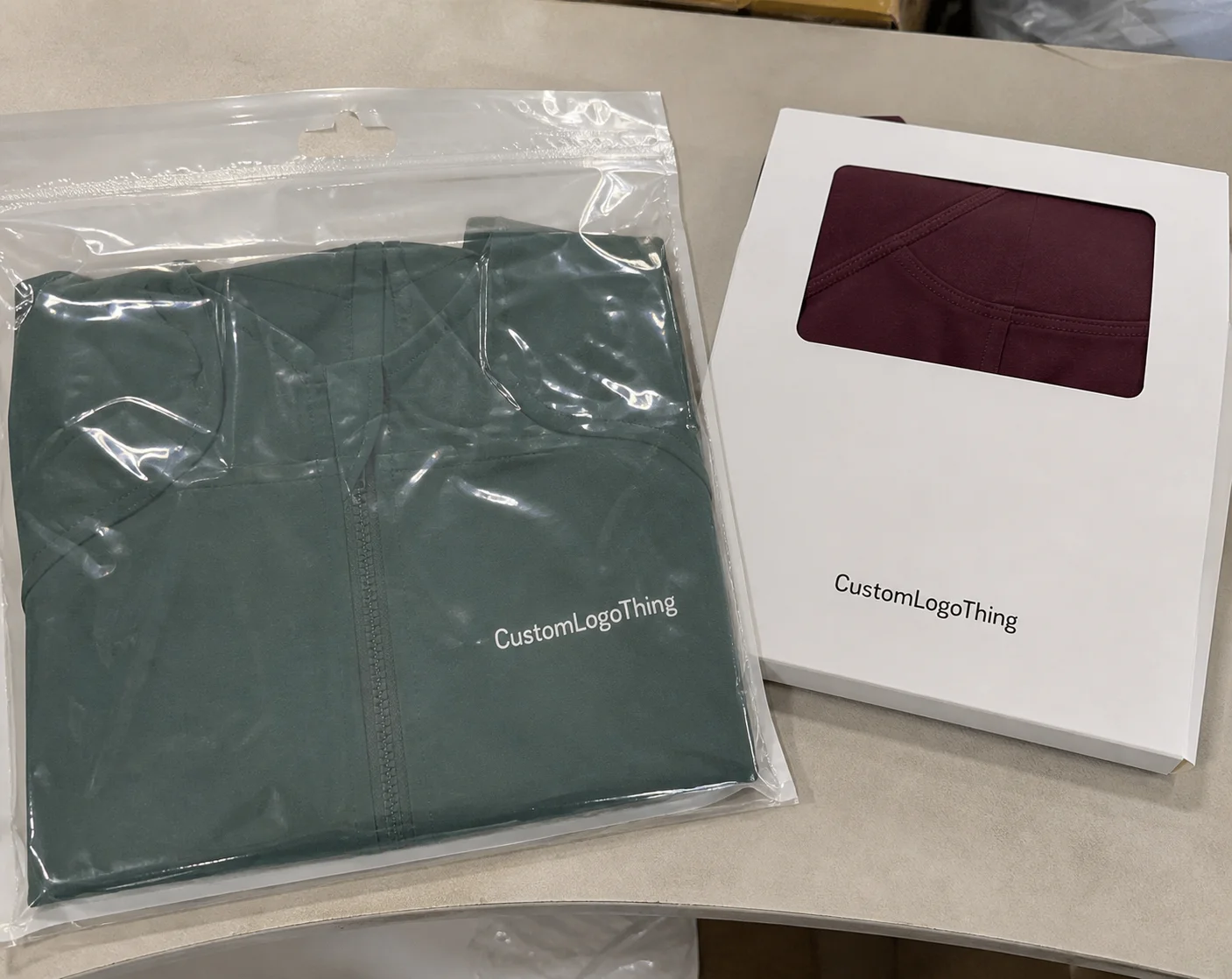
Folding cartons carry more stores than any other format. I like 350gsm C1S with matte aqueous for everyday items; if the product is heavy, move to 400gsm SBS or add a crash-lock base. In my experience, the best custom packaging for gift shops programs lean hard on cartons because they balance visual branding with operational speed. They are the workhorse, not the show pony, and that is exactly why they win.
Watch die-cut accuracy around dust flaps and tuck tabs. If the die is off by more than 1mm, your team will fight insertion resistance at checkout. Glue line quality matters too; weak side-seam adhesive causes pop-open failures, especially in dry climates under 35% humidity. One Portland client cut rework labor by 11 staff-hours per month after upgrading the glue spec and insisting on pre-shipment seam tests. That is the kind of change nobody posts on Instagram, but every owner feels it in their week.
Pros: low-to-mid cost, compact storage, excellent print area for product packaging storytelling. Cons: less heirloom feel than rigid and moderate protection unless paired with inserts. For handmade goods stores and high-volume seasonal sellers, cartons are often the backbone of the best custom packaging for gift shops plan. I would rather have a carton that stacks well and closes cleanly than a beautiful structure that turns into a daily argument.
Retail-Friendly Paper Bags
Paper bags look simple, but quality varies a lot. I prefer 180gsm kraft minimum for medium-weight purchases and 210gsm with reinforced patch handles for heavier ceramics. Good bags support fast transaction flow and strong retail packaging identity if logo placement is clean and the contrast holds up under store lighting. I have seen a bad bag ruin a premium sale faster than a discount sign. The customer may forgive the price. They do not forgive the handle ripping when they are six steps outside the door.
I once sat with a buyer in Santa Fe who wanted metallic ink on a natural kraft bag. Beautiful idea, terrible readability from across the room. We switched to a deep charcoal print, kept one metallic badge sticker on tissue, and the display read better from eight feet away. That project reminded the team that the best custom packaging for gift shops includes legibility, not just decoration. She laughed and said the old mockup looked like "a fancy bag for people with excellent eyesight." Fair enough.
Pros: very fast use at checkout, low cost, easy seasonal swaps. Cons: limited protection, handle failure risk if specs are weak, and less premium presentation for high-ticket gifts. For tourist shops with strong foot traffic, bags plus tissue can absolutely be part of the best custom packaging for gift shops mix. I just do not trust bargain handles. They fail at the worst possible moment, which is apparently a law of retail physics.
Mailer Boxes and Sleeve Systems
For online orders, E-flute mailers with clean fold memory and dual-adhesive strips save a ridiculous amount of time. I target compression resistance that passes routine courier stacking and validate through ISTA-style handling checks; if you want formal protocols, review guidance from ISTA. Mailers qualify as best custom packaging for gift shops material whenever shipment frequency is above 15% of monthly volume. Once shipping starts eating real revenue, a mailer stops being optional and starts being the adult in the room.
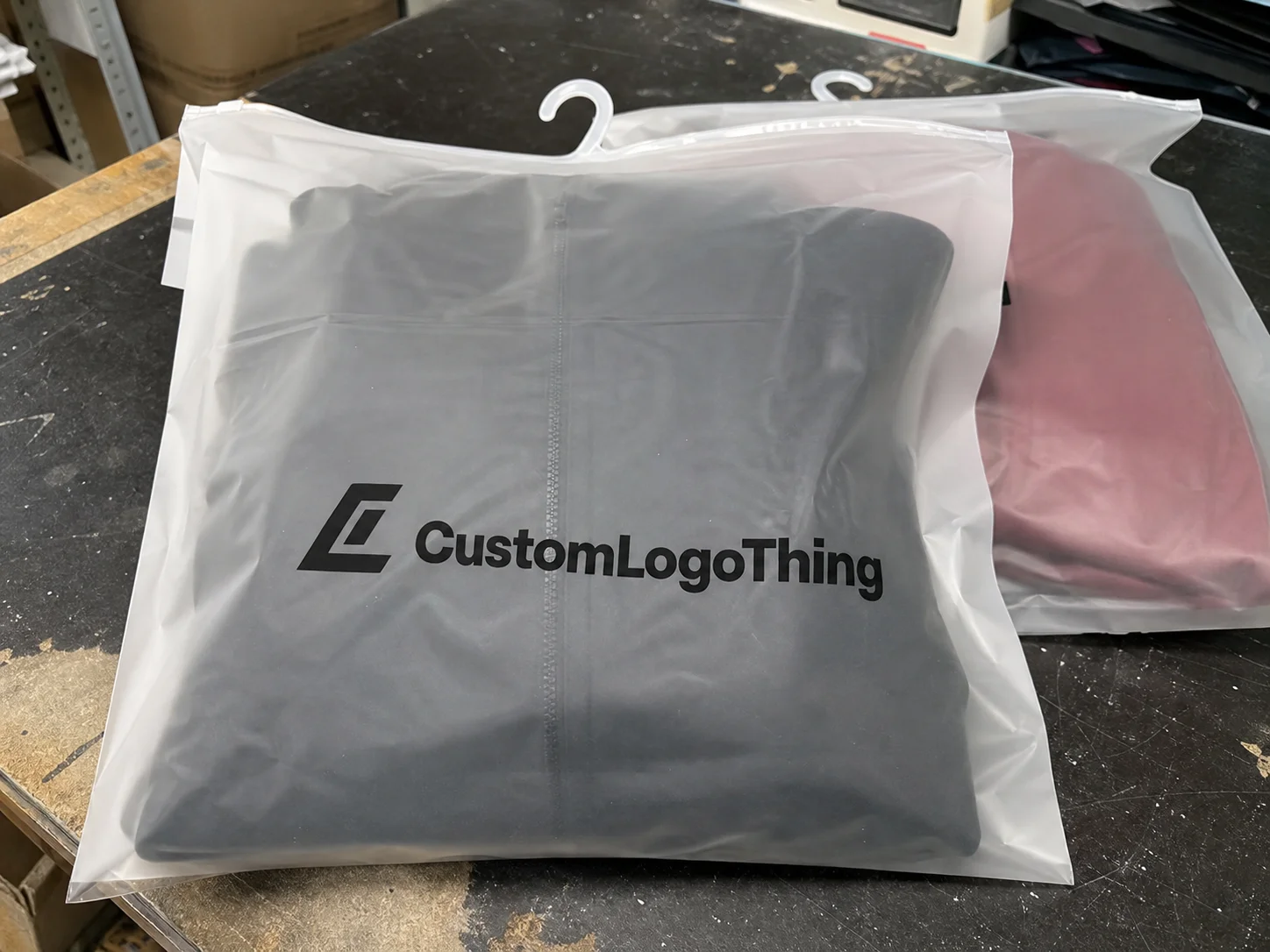
Sleeves and belly bands excel for smaller impulse items. They are cheap, stack flat, and support fast package branding updates. They do not protect fragile products on their own, so pair with trays or inner wraps where needed. I like sleeves because they give you a branding surface without forcing you to build a whole cardboard cathedral around a soap bar.
"We thought we needed luxury boxes for everything. After testing two months, we kept rigid only for our signature line and moved 70% of SKUs to cartons and sleeves. Margin improved by 6.4 points." - Gift boutique owner, Charleston
Verdict summary: upscale boutiques usually benefit from a rigid + carton hybrid; tourist shops perform well with cartons + bags; handmade goods stores often win with cartons + sleeves; seasonal high-volume sellers need carton + mailer systems with minimal assembly steps. Across all four, the best custom packaging for gift shops is the setup your team can execute consistently in under 25 seconds per transaction. If it takes longer than that and half the staff groans when they see it, the system is lying to you.
Custom Packaging Costs for Gift Shops: What to Expect
Money decides survival. The best custom packaging for gift shops should improve sell-through and protect margin, not just look expensive. I break down cost structure the same way I do in procurement reviews, because hand-waving about "value" does not pay invoices. Pretty packaging is nice. Cash flow is nicer.
Cost hierarchy usually runs like this: kraft bags and sleeves at the bottom, folding cartons in the middle, rigid presentation boxes at the top. For 5,000-piece runs, simple one-color kraft bags can land around $0.18-$0.28 each, sleeves around $0.09-$0.26, standard cartons around $0.22-$0.68, and rigid builds from $1.10 up to $2.80 depending on insert complexity and finishing layers. Once you add specialty coatings, the price starts doing that annoying little climb that nobody wants to admit is happening.
Main drivers are predictable:
- Material grade: 300gsm vs 400gsm board can move unit cost by $0.04-$0.11.
- Print coverage: full-bleed CMYK plus inside print adds press time and ink consumption.
- Finishes: foil, emboss, spot UV, soft-touch film each add setup and yield loss risk.
- Insert architecture: EVA, flocked trays, or folded paper inserts create labor and tooling costs.
- SKU count: five sizes with separate dies cost more than one universal system.
I advise clients to compare landed cost, not just the quote. Landed means unit + tooling + sampling + freight + duty + local handling. I have seen a "cheap" carton quote at $0.24 end up at $0.41 landed after split shipments and rushed air freight. A $0.31 quote with consolidated ocean freight landed at $0.34. Guess which one looked smarter on paper and worse in the real world. The cheaper quote won the PowerPoint contest and lost the actual business case.
Hidden costs catch small gift shops all the time. Artwork revisions can trigger $60-$150 per round at some suppliers. Rush production frequently adds 15-30%. Overbuying seasonal stock burns cash and warehouse fees. One shop in Key West ordered holiday rigid sets at 20,000 units; they sold 11,800 and paid third-party storage for eight months. That is a very expensive lesson in holiday optimism. I have never met a buyer who wanted to be "just a little overstocked" and ended up thanking themselves later.
You can reduce cost volatility with three practical moves:
- Lock dielines early and avoid size changes after sample approval.
- Use one color-matched brand system across formats to simplify prepress.
- Set reorder thresholds by sales velocity, not by supplier upsell pressure.
Responsible material choices can support both brand story and procurement goals. FSC-certified paper options are widely available; you can review standards at FSC. Certification adds paperwork steps and may slightly change lead time, yet many stores recover that effort through stronger customer trust and better wholesale acceptance. That still fits the best custom packaging for gift shops framework if the economics hold. I am all for pretty paper, but I like it even more when it does not blow up the budget.
How to Choose the Best Custom Packaging for Gift Shops
Selection gets easier when you run the criteria in order. I guide every buyer through the same sequence to identify the best custom packaging for gift shops without overbuying or getting hypnotized by a shiny sample that will never survive a busy Saturday. Trust me, a pretty mockup can talk a big game right up until real customers start handling it.
Start With Product Fragility
Test what happens if a packed item drops 30 inches onto a hard floor. Candles in glass vessels need snug cartons with die-cut inserts or corrugated partitions. Jewelry and keepsakes benefit from rigid shells plus soft interior pads. Apparel, scarves, and tea towels usually do fine in folded mailers or branded bags unless shipping is frequent. If a supplier says, "That should be fine," I always ask, "Fine for who?"
Match Brand Position and Price Point
A $14 impulse item rarely needs a $1.80 box. A $75 artisan necklace probably does. The best custom packaging for gift shops lines up with gross margin and perceived value. I tell owners to compute packaging as a percentage of retail price; many healthy programs sit between 3% and 8% depending on category. Not a law. Just a useful benchmark that keeps people from spending like they are packaging a Rolex. I have seen people put a champagne problem on a soda budget and then act shocked when the margin disappears.
Check Shelf Display and Stockroom Reality
Beautiful packaging that eats shelf depth will hurt merchandising density. Measure facings, backstock bins, and replenishment path. I have seen teams lose 12% display capacity because carton depths were oversized by only 9mm. That sounds tiny until you multiply it across a 20-foot wall set and wonder where the room went. A little dimension error can turn into a lot of angry inventory shuffling.
Factor Shipping Method and Packing Speed
If more than one in ten orders ships out, test your pack-out for vibration and edge crush. If your store has two cashiers handling 140 transactions on a Saturday, packaging that adds 20 seconds can force queue buildup. The best custom packaging for gift shops should feel obvious to seasonal staff after one training shift, not require a small seminar and a prayer. I like packaging that works for the new hire on their third hour, not only for the manager who already knows every workaround.
Use a Buyer Checklist Before PO Approval
- Confirm sample structure with actual product fit and shake test.
- Compare paper stock under daylight and warm retail lighting.
- Open and close package 10 times to verify closure durability.
- Validate logo placement and barcode readability at scan distance.
- Stack five units high in stockroom bins to check crush behavior.
I also recommend reviewing Custom Packaging Products with your team and choosing only two launch formats first. Too many first-wave SKUs create complexity that small shops cannot absorb. The best custom packaging for gift shops programs expand after data proves which structures move fastest and break least. That is the part people want to skip because it feels slower. It is slower. It is also cheaper than fixing a warehouse full of the wrong boxes.
Order Process and Timeline: From Artwork to Delivery
Process discipline saves money. The best custom packaging for gift shops projects follow a clear production path with fixed checkpoints and ownership at each step. That is boring, yes. It also keeps you from paying twice because someone sent the wrong dieline after lunch. I have seen that happen. The silence after the wrong file lands is always very educational.
Step-by-Step Workflow
- Discovery call: Define SKU count, dimensions, target cost, and finish expectations.
- Size confirmation: Product measurements plus tolerance, usually +2mm to +4mm depending on substrate and insert.
- Dieline creation: Structural file issued for artwork and sampling.
- Artwork placement: Logo, legal marks, color references, and barcode zones.
- Digital proof: Quick visual signoff for layout and text.
- Physical sample: Real material sample for fit, closure, and print tone.
- Production approval: Final signed sample or golden sample standard.
- Mass production and shipment: Inline QC plus pre-shipment inspection.
Typical timing for simple paper goods can run 9-15 business days after proof. Folding cartons with standard finishing often land in the 12-15 day range. Rigid structures with inserts and foil can require 18-30 business days plus transit. Multi-part gift sets with sleeves, tissue, and stickers need extra coordination across workstations, which means extra opportunities for someone to "just make a quick change" and ruin the schedule. That phrase should be banned from packaging meetings, honestly.
I have watched delays happen for the same reasons again and again: artwork changes after die approval, unclear product sizing, late finish corrections, and re-sampling triggered by rushed first proofs. One Napa client lost 11 days because their logo file switched from vector to raster mid-cycle; foil edges looked soft, and the pressroom had to reset plates. One wrong file, three people apologizing, and a calendar that suddenly looked much worse. It is a classic.
Seasonal shops need extra buffer. If your peak starts in November, lock art by late summer and book freight early. Transit disruptions around holidays can erase carefully planned timelines. The best custom packaging for gift shops is not only about structure choice; it is also about calendar management and contingency planning. I tell clients to plan like the shipment could be delayed, because half the time, it will be.
Quality checks matter before shipment leaves port. Ask for photos of die-cut alignment, glue seam pull test, and random carton assembly checks from at least AQL II sampling levels. For certain product categories, ASTM references can help frame material and performance discussions with suppliers. That adds some admin work, sure, but it protects your launch.
Need a practical starting point for specifications and artwork handoff? I often direct teams to available Custom Packaging Products formats first, then tailor dimensions and finishes after sample review. That approach shortens the first project by one to two weeks in many cases. It also keeps the conversation grounded in something real instead of ten rounds of "can we make the logo bigger" from people who somehow never touched a sample.
Our Recommendation and Next Steps for Gift Shops
Here is my straight recommendation after two decades on factory floors and retail launches: start with one premium format for flagship items and one lower-cost format for everyday sales. For most operators, that means rigid for hero SKUs plus folding cartons or bags for core volume. This two-lane structure consistently performs as the best custom packaging for gift shops because it protects margin while keeping brand presentation coherent. It is practical, which is not sexy, but it does pay the bills.
Action beats theory, so run this plan in sequence:
- Audit your top three SKUs by monthly units, breakage risk, and gross margin.
- Request two sample structures per SKU family, not six.
- Compare landed cost with a simple spreadsheet that includes freight and setup.
- Pilot one option on the sales floor for seven days and track packing time.
- Set reorder points tied to weekly sell-through and supplier lead time.
Measure what matters: transaction speed, breakage incidents, customer comments, and return rates. In a Denver artisan shop, shifting one fragile mug line from bags to inserted cartons reduced breakage from 4.1% to 0.9% in one month. In a Savannah gift boutique, replacing overbuilt rigid boxes on mid-tier items with kraft-forward cartons lifted margin by 5.2 points without hurting perceived quality scores in customer feedback cards. The numbers did the talking there. The shiny packaging did not.
Keep your package branding consistent with one or two clear cues, such as color band and logo position, across every format. That gives you recognizable branded packaging even if structures vary by product class. It also simplifies reorder artwork control and improves shelf cohesion. The best custom packaging for gift shops is usually a disciplined system, not a single perfect box that only behaves well in a sample room. I know that sounds less romantic. It is still true.
I will add one honest caution. Premium finishes are attractive, and I love a sharp foil stamp as much as anyone, yet finishes should serve the product story and price architecture. If a finish adds $0.24 per unit on a $16 item, your economics may tighten fast unless conversion clearly improves. Test first, scale second. Pretty does not always pay rent. Sometimes it just looks expensive while your margins quietly walk out the door.
If you need a quick implementation map, begin with your most fragile item, approve one SKU artwork file, define a reorder trigger at four weeks of cover, and review results after 30 days. Expand only after the data confirms gains. That process has helped many clients find the best custom packaging for gift shops without tying up cash in unnecessary complexity. It is not glamorous. It is how you avoid an expensive pile of regret in the stockroom.
FAQ
What is the best custom packaging for gift shops with low minimums?
For low minimums, folding cartons, sleeves, and branded mailers are usually the most practical part of the best custom packaging for gift shops strategy because tooling and assembly are simpler than rigid builds. I suggest asking suppliers for one universal size that can fit two to three related SKUs, then testing demand for 60-90 days before adding size-specific Custom Printed Boxes. That keeps you from buying a mountain of inventory before you know what customers actually grab.
How much does custom packaging for gift shops usually cost per unit?
Simple kraft bags and sleeves tend to be the lowest-cost formats, often around $0.09-$0.42 depending on print and quantity, while rigid presentation boxes can run $1.10-$2.80 or higher with inserts and specialty finishes. Final decisions should compare landed cost, not just unit price, since freight, setup charges, and proof rounds can shift total spend in any best custom packaging for gift shops project. The invoice is rarely as friendly as the first quote.
Which packaging is best for fragile gift shop items?
Rigid boxes or engineered folding cartons with inserts are generally the safest for glassware, candles, and ceramics. If shipping is frequent, pair structure with inner protection and perform drop checks based on ISTA handling patterns before full production. For fragile categories, that combination is commonly the best custom packaging for gift shops approach. Fragile product plus weak packaging is just future breakage with a fancy label.
How long does it take to produce custom packaging for gift shops?
Basic paper formats can move quickly once artwork is approved, often in 9-15 business days, while rigid assemblies with inserts and premium effects may need 18-30 business days plus transit. Add extra buffer for proof revisions and holiday demand, since rushed jobs can increase costs by 15-30% and compromise quality in best custom packaging for gift shops rollouts. I always tell clients to plan as though the first timeline is optimistic. Usually it is.
How do I choose packaging that matches my gift shop brand?
Match structure to price architecture and customer expectation: premium boutiques usually benefit from presentation boxes, while casual stores often perform better with kraft-forward cartons or bags. Keep one or two recurring brand cues across all product packaging so your assortment feels intentional. In practical terms, that consistency is often what turns good packaging design into the best custom packaging for gift shops. The customer may not say why it feels cohesive, but they will feel it.
After all the samples, negotiations, late-night proof checks, and retail floor tests I have done, my honest view stays the same: pick structures your staff can pack fast, your customers can gift proudly, and your margins can sustain month after month, and you will end up with the best custom packaging for gift shops. I have seen the fancy option lose to the practical one again and again. The practical one usually wins for a reason.