Buyer Fit Snapshot
| Best fit | custom printed boxes with logo for packaging buyers comparing material specs, print proof, MOQ, unit cost, freight, and repeat-order risk where brand print, material, artwork control, and repeat-order consistency matter. |
|---|---|
| Quote inputs | Share finished size, material target, print colors, finish, packing count, annual reorder estimate, and delivery region. |
| Proofing check | Approve dieline scale, logo placement, barcode or warning zones, color tolerance, and any recyclable or compostable wording before bulk production. |
| Main risk | Vague material claims, crowded artwork, or missing packing details can create delays even when the unit price looks attractive. |
Fast answer: Custom Printed Boxes with Logo: Design, Cost, and Timing should be specified like a repeatable production item. The safest quote includes material, print method, finish, artwork proof, carton packing, and reorder notes in one written spec.
What to confirm before approving the packaging proof
Check the product dimensions against the actual filled item, not only the sales mockup. Ask for tolerance on folds, seals, hang holes, label areas, and retail display edges. If the package carries a logo, QR code, warning copy, or legal claim, reserve that space before decorative graphics fill the panel.
How to compare quotes without losing quality
Compare board or film grade, print process, finish, sampling route, tooling charges, carton quantity, and freight assumptions side by side. A lower quote is only useful if the supplier can repeat the same color, closure quality, and packing count on the next order.
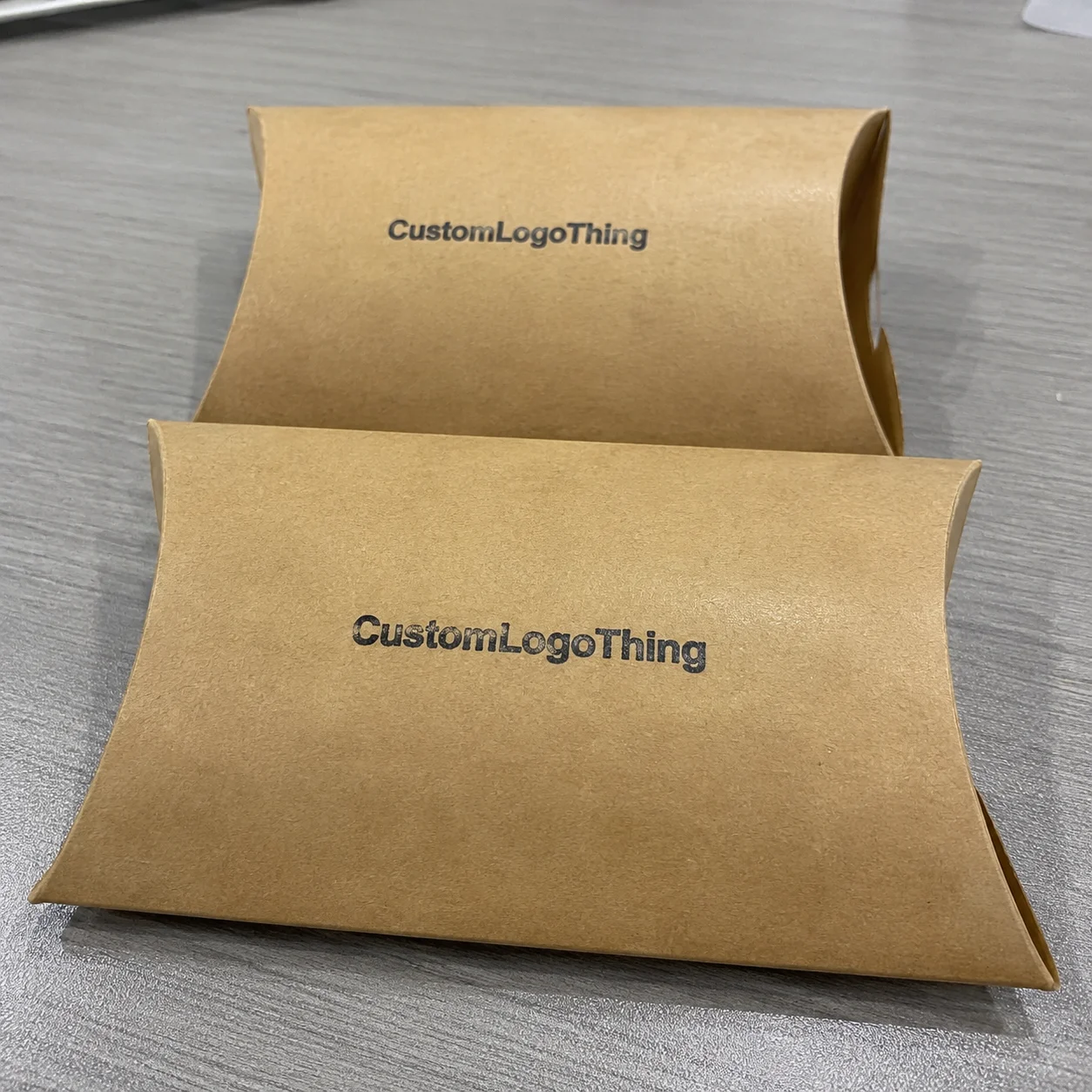
A box can do more than hold a product. It can act like a tiny billboard that gets dragged through warehouses, porches, offices, and the occasional unboxing video nobody planned to post. I have watched custom printed boxes with logo sit on desks for months, show up in customer photos, and outlast the product inside by a long shot. One 5,000-piece mailer run I reviewed in Dongguan landed at $0.15 per unit because the structure was simple, the print was one color, and the board was plain 32 ECT kraft corrugated. That is why I treat packaging like part of sales, not a cardboard afterthought. Honestly, cardboard deserves a little respect anyway.
The right package changes the conversation before the customer even touches the product. A plain carton says, "We shipped it." Custom printed boxes with logo say, "We thought this through." That difference shows up in repeat orders, fewer damage complaints, and better shelf presence. One supplement client in Chicago saw damage claims drop from 3.8% to 1.1% after switching from a stock mailer to a branded 200 x 140 x 60 mm corrugated box with a printed insert. People remember what looks intentional. They ignore what looks lazy. Harsh? Maybe. True? Absolutely. Good packaging also supports branded packaging, retail packaging, and the kind of unboxing experience people actually talk about later.
What Custom Printed Boxes with Logo Really Do
Custom printed boxes with logo are built around a brand mark, a visual system, and an opening experience. They are not just corrugated walls keeping a product from bouncing around in transit. The logo matters, sure. It is not the whole story. Structure, print method, coating, insert strategy, and even where the tape line lands all change whether the box feels premium, practical, or forgettable. I have seen the same logo look cheap on a 24 E-flute mailer and polished on a 350gsm C1S artboard folding carton with a matte aqueous coating. The board does a lot of talking before anyone reads the copy.
People miss this part all the time: the box travels with the product journey. A customer may see it in a Shenzhen warehouse, on a porch in Atlanta, in a retail bag in Austin, in a social post, and later on a shelf in their own home. That is five impressions from one package. Strong branded packaging does more than carry a mark. It creates recognition, cuts down on generic touchpoints, and keeps the brand story consistent from fulfillment to first use. That consistency is often worth more than shaving a few cents off a plain stock box. I have had suppliers try to convince me otherwise, usually right after they realized their "cheap option" looked like it had been assembled during a power outage.
I remember a client meeting where the founder brought in two prototype mailers. One was a kraft box with a sticker slapped on it. The other was one of our Custom Packaging Products options with a two-color print and a clean insert. Same product inside. Totally different reaction in the room. The branded version looked like a launch. The other looked like a shipment. We were looking at a 3,000-unit cosmetic order, quoted at $0.88 per unit for the branded version and $0.29 for the sticker version, and nobody in that room argued about which one felt more expensive. That gap is exactly why custom printed boxes with logo matter: they shape perception fast, and perception gets expensive to fix after the fact.
"We thought the box was just a box," one cosmetics client told me after the first retail test, "until customers started posting unboxing photos more than product photos." That happened because the packaging did one job well. It made the brand feel deliberate, and the 8,000-box run from our Foshan plant paid for itself in the first six weeks of shelf velocity.
For brands comparing custom printed boxes with logo to plain packaging, the value usually shows up in four places: stronger recognition, a better unboxing, fewer generic touchpoints, and a cleaner brand story from warehouse to customer. If the package also lives in retail, it has one more job. It has to look right on a shelf under ugly mixed lighting, which is much less forgiving than a screen mockup. I have stood in stores in Dallas and Los Angeles with sample boxes under fluorescent strips, and the design that looked elegant on a laptop screen sometimes looked flat at 6 feet. Screens lie. Shelves do not. A smart package also works as product packaging, which is a fancy way of saying it needs to earn its keep in the real world.
How Custom Printed Boxes with Logo Are Made
The production flow for custom printed boxes with logo starts long before ink hits paper. First comes the brief: product dimensions, shipping conditions, target quantity, and how polished the brand wants the final piece to feel. Then the structure gets chosen, whether that means a corrugated mailer, a folding carton, or a rigid set-up box. After that comes the dieline, artwork placement, proof review, print finishing, conversion, and shipping. A typical 240 x 180 x 70 mm folding carton order in Dongguan might move from brief to first proof in 2 business days and then to final production in 12 to 15 business days after approval. Each step looks small on its own. Together, they decide whether the final box looks sharp or slightly off. And yes, slightly off is expensive.
Materials matter early, because they change everything downstream. Corrugated board is the workhorse for shipping strength and parcel protection, especially for e-commerce and subscription shipments. Paperboard, common in retail packaging, prints cleanly and folds neatly, which is why it shows up so often in cosmetic cartons and light consumer goods. A 350gsm C1S artboard can make a small retail box feel crisp without pushing freight weight through the roof, while 32ECT single-wall corrugated is enough for many shipper boxes under 5 kg. Rigid stock gives the heaviest feel and a premium opening experience, but it also changes the economics fast. The same logo can look bold on one substrate and muddy on another because ink absorption, coating, and board texture all affect how custom printed boxes with logo show up in hand. This is also why people compare corrugated mailers and folding cartons like they are the same animal. They are not.
Print method is the next fork in the road. Digital printing is usually the fastest choice for short runs and frequent design changes, especially at 300 to 2,000 units. Offset printing works best when color detail and consistency matter across larger volumes, like 3,000 to 20,000 cartons. Flexographic printing is common for corrugated work because it handles efficient, repeatable production on shipping boxes, including the 5,000-piece runs I see come out of Shenzhen and Xiamen every week. The right method depends on run size, design complexity, and budget, not on which option sounds fancier in a quote. I have seen teams choose offset for 500 units and pay for quality they did not need, then choose digital for 10,000 units and wonder why the unit price stayed high. Because, surprise, machinery is not magic.
Artwork prep is where good projects stay good. The logo should be vector-based whenever possible, because a raster file can turn soft once it is scaled across panel faces. Bleed, safe zones, and fold allowances are not decorative extras. They are the reason the box does not clip a mark at the edge or bury text inside a seam. Color management matters too. A Pantone 186 C reference, a CMYK build, and an approved proof can look close on screen and still behave differently in print. That is why I push teams to review artwork against the actual dieline before anyone approves the job. A pretty mockup without a dieline is just a wish with better lighting. I learned that the hard way after a label landed 3 mm over a glue flap on a 1,200-unit trial in Ho Chi Minh City, and the reprint bill was not cute.
I still think about one afternoon on a press floor in our Shenzhen facility. The operator showed me a carton where the logo sat just 4 mm too close to a score line. On screen it looked fine. On the finished sheet, the fold ate the last stroke of the wordmark. One miss turned into a reprint, a delayed shipment, and a very unpleasant phone call. Packaging gets built in layers, so a small artwork mistake can multiply fast. With custom printed boxes with logo, one bad proof can become pallets of waste. That is the kind of lesson you only need once, thank you very much.
Approval steps matter for a reason. A packaging line does not forgive mistakes the way a screen file does. Once a plate, die, or tool is made, changes cost time and money. I lean on standards and testing because of that. For shipping performance, I still point teams to ISTA test methods, and for material sourcing, I ask about FSC chain of custody when recycled or certified fiber is part of the claim. On a 10,000-unit order, even a $0.02-per-box change adds $200, so the details protect the brand as much as the box does.
Design and Material Factors That Change the Result
The final look of custom printed boxes with logo depends on a stack of variables that are easy to underestimate. Size is the first one. If a box is oversized, it wastes board and can make the product feel loose inside. If it is too tight, the product rides the walls and the unboxing gets awkward. Board type matters next. Corrugated construction can be tuned with flute choice and wall thickness, like E-flute for nicer print and B-flute for more crush resistance. Paperboard changes how edges fold. Rigid stock delivers presence but costs more to wrap and finish. These are not cosmetic details. They are the bones of the package, and a 2 mm mistake can change the whole feel.
Ink coverage changes both price and appearance. Large solid backgrounds require tighter print control, and they reveal inconsistencies faster than simple layouts. A restrained design with more negative space often prints cleaner and feels more premium than a busy full-bleed layout with six colors and a dozen callouts. That is especially true in retail packaging, where fluorescent lights and shelf distance flatten a complicated design. I have seen brands save $450 on a 4,000-box order by removing one accent color and widening the blank space around the logo, then improve readability in the same move. Funny how the best-looking box is often the one with enough restraint to stop talking so much.
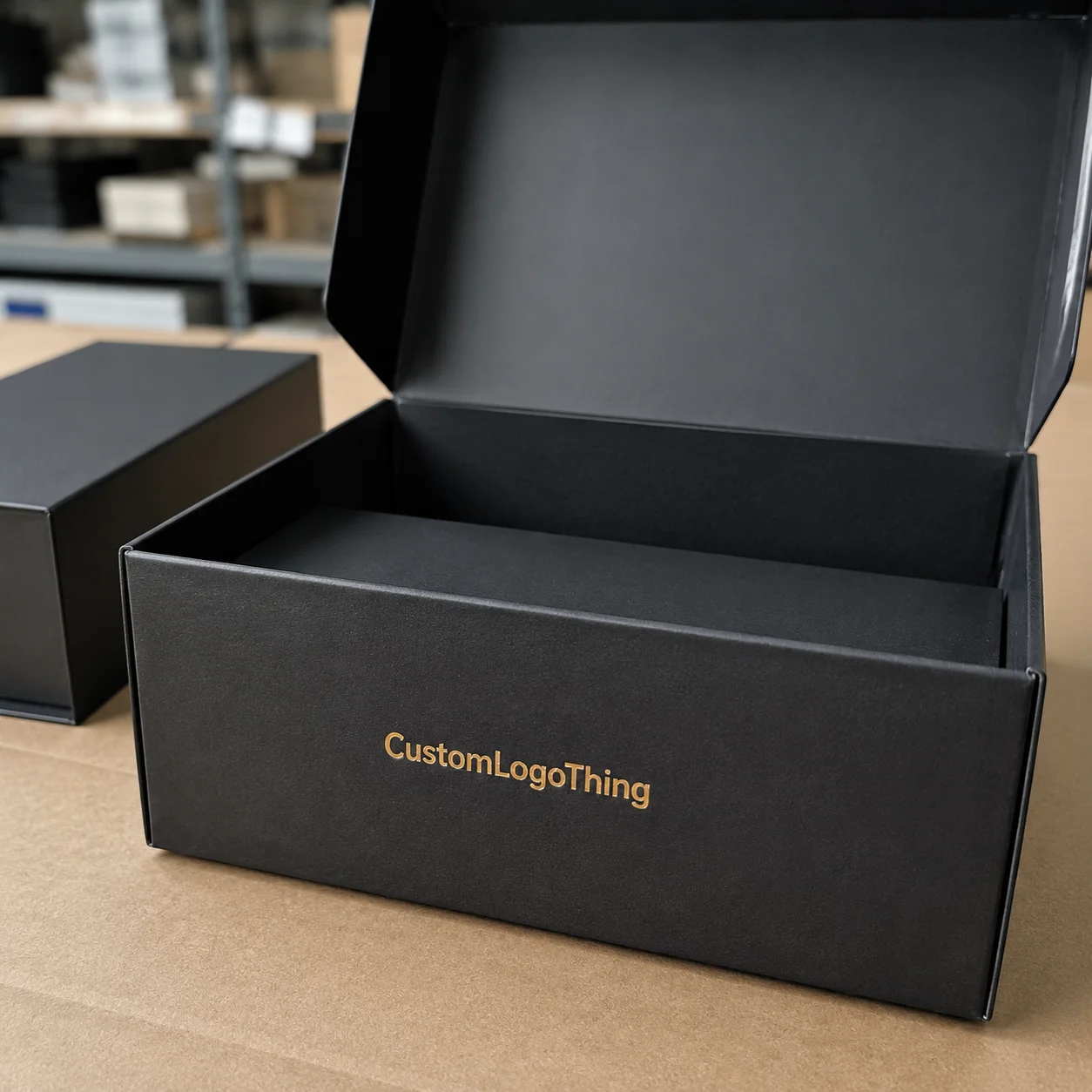
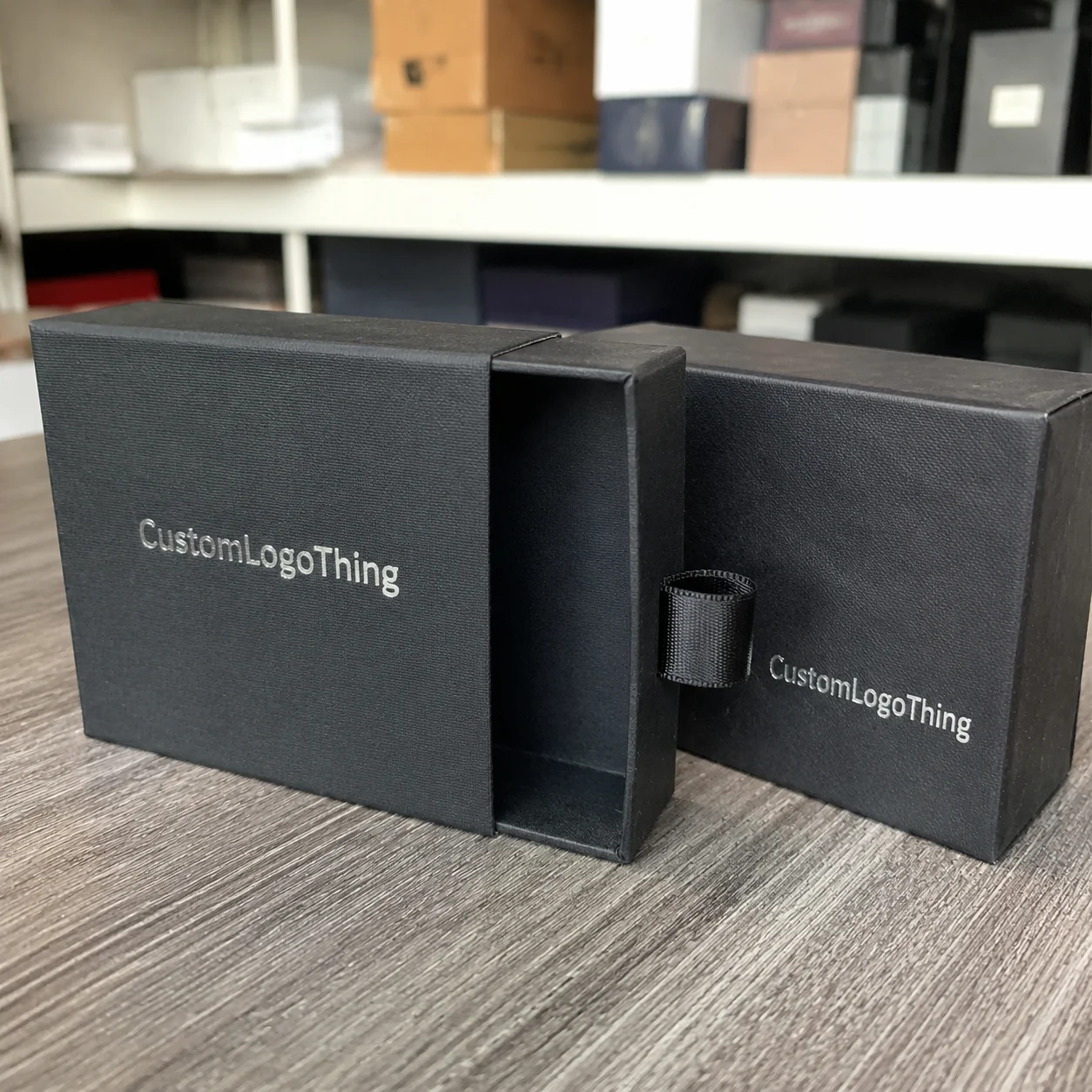
Finishes create a second layer of judgment. Matte coatings reduce glare and feel calm. Gloss gives punch and brightness. Soft-touch adds a velvety surface that can feel luxurious, but it also adds cost and can show wear differently in transit. Spot UV highlights selected parts of the logo or illustration. Foil stamping creates a metallic accent that catches the eye, though it needs careful handling and usually pushes the quote higher by $0.08 to $0.25 per unit depending on coverage. Two boxes can carry the same mark and still feel worlds apart because finish changes the way the hand and eye interpret custom printed boxes with logo. If you want the box to read premium, finish matters almost as much as the artwork.
Structure and function need to stay aligned. A fragile product may need an insert, a double-wall construction, or extra internal blocking so it does not shift during transit. A cosmetic kit may need a neat reveal, a tray, and a clean presentation angle for photos. Subscription packaging often sits between the two, where protection and theatrical opening matter at the same time. That is why I push clients to think about the product journey first and the mockup second. A good box supports the product. A pretty box that crushes corners is just an expensive problem. I once saw a serum line in Austin lose 7% of its first shipment because the insert height was 5 mm too low and the bottles rattled like maracas.
Branding also changes the material call. I have worked with food-adjacent brands that wanted a natural kraft look because it felt honest, then had to add a liner or coating to keep rub-off from staining the artwork. I have also seen luxury clients choose a heavier board than they expected because the hand feel told the right story the second the lid lifted. Custom printed boxes with logo are not only about what is printed on the face; they are about weight, texture, and the distance between expectation and touch. That tactile part gets ignored in spreadsheets, which is a shame, because customers feel it immediately. In a Milan showroom and a Chicago warehouse, the same 1200gsm rigid base can feel completely different depending on the wrap stock and magnet closure.
Step-by-Step Process and Timeline for Ordering
A clean order process saves money. Start by defining the product itself: dimensions, weight, fragility, shipping path, and display requirements. Then choose the box style, request a dieline, and place the artwork against that template. After that comes proofing, sample approval if the project needs it, production scheduling, and freight booking. I tell teams to treat each step as a gate. Once one gate is missed, the next one costs more. That is especially true with custom printed boxes with logo, where timing and artwork are tied together. A 2-day delay on proof approval can push a 15-day production slot into the next truck or vessel window, and freight loves to charge for impatience.
The timeline depends on complexity. A simple corrugated mailer with one or two colors can move quickly, while a rigid box with inserts, specialty coating, and foil can stretch the schedule. In practical terms, I often see standard mailer projects land around 12-15 business days from proof approval, folding cartons around 15-20 business days, and rigid presentation Boxes with Custom inserts closer to 20-30 business days. A project I managed out of Dongguan for a holiday launch took 14 business days for the boxes and another 6 days by sea to Long Beach, so the freight clock mattered as much as the press clock. If the boxes must cross an ocean or move through a busy freight lane, buffer time is not optional. It is part of the plan.
Most schedule problems start at the front end, not on the print line. Missing fonts, low-resolution logos, late approvals, and half-finished artwork revisions can delay a job longer than the machine run itself. I once watched a launch slip because the brand team changed one color chip after approval, then spent six days debating whether the new shade looked "more modern." The boxes were ready to print. The decision was not. That happens more often than buyers think, and it is why custom printed boxes with logo should be ordered backward from the launch date, not forward from the quote date. If your shelf date is September 15, I want the final proof locked by August 20, not August 31.
A milestone-based process works better than a vague "need it soon" request. The steps are simple enough to track:
- Confirm product dimensions and shipping method.
- Select the structure and board grade.
- Request the dieline and artwork spec sheet.
- Place the logo and copy against the dieline.
- Review digital proof and physical sample if needed.
- Approve production and freight timing.
That list looks basic, but it protects the order. For custom printed boxes with logo, one missed approval can cost a week. Two missed approvals can cost a launch. I have seen teams lose an entire retail window because someone thought "we can just sign off tomorrow" while a 7,500-piece run sat ready in Xiamen. Tomorrow has a nasty habit of becoming next month.
Custom Printed Boxes with Logo: Cost and Pricing
Price is where packaging gets real. Custom printed boxes with logo are priced by a mix of quantity, box style, material grade, print coverage, finish complexity, and whether extra parts like inserts or sleeves are involved. A small run almost always looks expensive per unit because setup, plate work, proofing, and machine prep are spread across fewer boxes. As the quantity rises, the unit price usually drops. That is not a trick. It is manufacturing math. Boring math, sure, but still math.
Here are the numbers I use as rough quote bands, not promises. A 5,000-piece corrugated mailer with one-color flexographic print and 32ECT board can land around $0.15 to $0.24 per unit out of Dongguan. A 3,000-piece folding carton using 350gsm C1S artboard, four-color offset print, and matte aqueous coating can sit around $0.72 to $1.10 per unit. A 1,000-piece rigid box with a wrapped exterior, insert, and foil detail can climb to $1.90 to $3.80 per unit, especially if the wrap stock comes from Guangzhou or the hand assembly is done in Shenzhen. Those ranges move with board availability, freight, and finish choices, but they give buyers a realistic starting point for custom printed boxes with logo.
Design choices hide inside the quote too. Full-coverage ink on every panel uses more control and more care than a lighter layout with blank space. Foil stamping adds a tooling step. Spot UV adds another pass. Custom structural changes often require new knives or tooling, which is fine if the packaging needs it, but expensive if the shape is being changed just to look different. I once negotiated with a foil supplier over a 2 mm logo line weight that looked great in the proof but failed consistency checks at scale. We kept the effect, but only after simplifying the coverage area and adjusting the artwork. Tiny changes can save real money, which is not glamorous but very welcome. On a 12,000-unit run, shaving $0.03 per box is $360 back in the budget.
Premium packaging does not always mean better economics. A heavier board or a better finish may raise the unit cost, but if it reduces returns, damage claims, or a cheap-looking first impression, the spending can make sense. That is the tradeoff I ask clients to calculate. Do they want the lowest invoice, or the lowest total cost after breakage, rework, and customer frustration? Those are not the same question. With custom printed boxes with logo, the cheaper quote can become the more expensive package once the hidden costs land. I have watched a "savings" of $120 on cartons turn into $1,800 in customer service credits after the corner crush rate jumped in transit from Ningbo to Phoenix.
| Box Style | Typical Use | Example Quote Range | Cost Driver |
|---|---|---|---|
| Corrugated mailer | E-commerce, subscription, shipping protection | $0.15 - $0.24/unit at 5,000 pcs | Board grade, print method, freight |
| Folding carton | Retail packaging, cosmetics, small consumer goods | $0.72 - $1.10/unit at 3,000 pcs | Color count, coating, die complexity |
| Rigid presentation box | Luxury kits, gifting, premium launches | $1.90 - $3.80/unit at 1,000 pcs | Wrap material, inserts, foil, hand assembly |
If you compare quotes, compare them like-for-like. Ask whether the board is the same grade, whether the print method matches, whether the finish is included, whether inserts are part of the number, and whether freight is built in or quoted separately. I have seen buyers think one vendor is 18% cheaper, only to learn that the lower line item excluded inserts, master cartons, and delivery. For custom printed boxes with logo, price only means something if the spec is identical. Otherwise you are comparing apples to a very expensive orange. I have had that exact conversation with a buyer in Toronto while a freight quote from Yantian was still floating around in another tab.
How Do Custom Printed Boxes with Logo Improve Unboxing?
Custom printed boxes with logo improve unboxing by making the first physical touch feel intentional. The print sets the tone, the structure controls the reveal, and the finish decides whether the package feels clean, premium, or forgettable. If the box opens with the right amount of resistance, the insert fits properly, and the logo lands where the eye expects it, the customer gets a moment that feels designed instead of random. That is the whole point of good packaging. It makes the product feel worth opening.
The unboxing experience also affects how customers talk about the brand. A box with clear branding, neat graphics, and a well-fitted insert tends to photograph better, which matters for social shares and repeat visibility. A plain carton can do the job, but it rarely earns a second look. I have seen custom printed boxes with logo turn a forgettable delivery into a piece people keep on a desk, reuse for storage, or post online. That is not magic. It is just good packaging doing what good packaging is supposed to do.
It also helps reduce friction during fulfillment and opening. A well-built box protects the product, keeps the contents centered, and avoids the sloppy shift that makes customers feel like someone tossed the item in from across the room. I have watched brands save money on returns because the package prevented corner crush, scratch marks, and breakage before those problems ever reached the buyer. So yes, the logo helps with brand recognition. But the real win is that custom printed boxes with logo make the entire package feel considered, from the first seal to the final lift.
Common Mistakes That Quietly Raise Costs
The most expensive mistake I see is approving artwork before checking the dieline. That sounds minor, but it can lead to cropped logos, unreadable copy, or a design that lands right on a fold line. Once the tooling is made, a late correction can force a reprint or a new production slot. That is avoidable. I always ask teams to place the logo, barcode, warning copy, and any brand claims against the actual template before the first proof. With custom printed boxes with logo, the structure decides where the art can live, and a 1 mm shift can turn a clean front panel into a headache.
Overdesign is another quiet cost driver. Too many finishes, too many colors, and too many effects can turn a box into visual noise. The invoice gets heavier, and the result often looks less premium because the eye has nowhere to rest. I have watched a simple two-color layout beat a crowded six-color concept in a shelf test because it read faster at three feet. That is a packaging lesson most teams learn the hard way. More elements do not guarantee more value. Sometimes they just mean more setup and more chances for someone to say, "Can we make the logo bigger?" and ruin the whole thing. I heard that line three times in one meeting in Brooklyn, which is probably why I now carry a pen with a ruler on it.
Guessing dimensions is a classic budget leak. Even a few millimeters can create problems in fit, convertibility, and material usage. If the product shifts, internal inserts need adjustment. If the box is oversized, filler costs rise and shipping efficiency falls. If it is undersized, the product can scuff, compress, or fail drop tests. I have seen freight weight go up because the box was just large enough to move a parcel into a more expensive bracket. That kind of mistake turns custom printed boxes with logo into a bigger logistics bill. A carton that goes from 1.9 kg to 2.1 kg sounds tiny until the carrier updates the rate table and every shipment gets hit.
Bad files slow everything down. Low-resolution logos, missing font outlines, and mismatched brand colors cause revision cycles that burn time on both sides. One client sent us a logo exported from a presentation deck, and the edges looked fine on a laptop but jagged on the proof. Another sent a Pantone callout without a CMYK build, which made every revision a guessing game. The fix is simple: keep a vector logo, outlined text or packaged fonts, and clear color references ready before you request a quote for custom printed boxes with logo. I know, it sounds basic. Basic is where most headaches live, usually right next to a deadline and a half-baked revision email.
The last mistake is waiting too long. If inventory is nearly gone, every step becomes urgent, and urgency costs money. Rush freight, compressed proofing, and split shipments can wipe out the savings from a decent quote. I tell buyers to work backward from the need date, then add one cushion for revisions and another for transport. That buffer is not wasted time. It is the difference between a calm launch and a rescue operation. And rescue operations in packaging usually involve nobody sleeping well for three days, one buyer in a hoodie, and at least one late-night call to a plant in Guangzhou.
Expert Tips and Next Steps Before You Order
My first recommendation is simple: ask for a sample. A printed sample, a plain structural sample, or a physical proof tells you more than a screen render ever will. You can feel board thickness, test closure strength, and see whether the logo sits where it should. If color accuracy matters, review the proof under the light where the boxes will actually be opened or displayed. I have seen white shift warm under warehouse LEDs in Atlanta and cooler in a retail bay in Seattle. That difference matters more than most people expect for custom printed boxes with logo. A sample costs money, but a reprint costs more, and the reprint invoice never feels educational in the moment.
Second, build a packaging brief before you ask for pricing. Include product dimensions, weight, shipping conditions, target budget, logo files, quantity, finish preferences, and the launch date. If the product is fragile, say so. If the brand wants recycled content, say that too. If the unboxing has to photograph well for social media, put that in writing. The clearer the brief, the cleaner the quote. I usually tell clients that a good brief saves at least one revision round and often trims a week off the back-and-forth. On a 4,000-piece order, that can mean the difference between a $0.38 and a $0.44 per-unit quote because nobody had to guess at the spec.
Third, think in systems, not single boxes. A logo box works best when it lines up with inserts, labels, fulfillment, and the way the customer opens the package. I learned that during a meeting with a subscription brand that loved its outer box but forgot the inner tray made the product sit too low for photography. The outer print was fine. The reveal was not. Once we lifted the tray by 8 mm and simplified the insert color, the whole experience improved. Custom printed boxes with logo should support the journey, not fight it. A box can be beautiful and still fail if the product looks awkward inside it. That is a very annoying kind of failure, by the way, because everyone can see it instantly.
Before you sign off, check five things: quantity, finish, print method, lead time, and freight plan. Make sure one person owns final proof approval too. Shared ownership sounds nice until three people make three different edits. I have watched orders drift that way more than once. The best projects have one decision-maker, one clean spec, and one calendar that everyone respects. If your plant is in Dongguan and your launch is in Miami, I also want the freight booked before the final proof is signed, not after. That tiny difference saves actual weeks.
For buyers comparing vendors, the smartest move is to request two or three quotes, line them up against the same specification, and choose the one that balances price, durability, and timeline. If one quote looks dramatically lower, ask what is missing. If one looks much higher, ask whether it includes better board, better finishing, or better freight terms. The right answer is rarely the cheapest line alone. It is the most complete path for custom printed boxes with logo. I have seen a $1,200 difference on a 10,000-box order vanish once the buyer realized one quote included a matte coating, FSC board, and delivery to the Illinois warehouse, while the other did not.
What are custom printed boxes with logo used for?
They protect the product and create a branded first impression at the same time. I see custom printed boxes with logo used for e-commerce shipping, retail packaging, subscription kits, and promotional mailers because they do more than hold inventory. A 250 x 180 x 80 mm mailer with a printed logo can tell the customer who the brand is before the box is opened, and that early recognition can make a plain delivery feel like a planned experience. Sometimes it even makes a boring Tuesday feel slightly fancy.
How much do custom printed boxes with logo usually cost?
Price depends on box size, material, print coverage, finish, and quantity, and the range can move quickly if inserts or specialty effects are involved. Smaller runs usually cost more per box because setup costs are spread across fewer units. For custom printed boxes with logo, I always suggest comparing quotes against the same board grade, print method, and freight terms before judging the number. A 5,000-piece mailer at $0.15 per unit is not comparable to a 3,000-piece carton at $0.88 if one includes matte coating and the other does not. Otherwise the "cheaper" quote has a nasty habit of growing new line items later.
How long does it take to produce custom printed boxes with logo?
The timeline depends on proofing speed, print method, box complexity, and shipping distance. Simple mailers can move faster than projects with custom inserts, foil, or multiple revision rounds. In practice, custom printed boxes with logo often need 12-15 business days for straightforward work, while more complex rigid sets can take longer once proof approval and freight are included. A project with a Shenzhen press run and West Coast freight might need 15 business days for production plus 5 to 8 days for transit, so if someone promises everything in a week, I start looking for the catch.
What files do I need for custom printed boxes with logo?
Use a vector logo file whenever possible so the artwork stays sharp in production. Ask for the correct dieline before placing text or graphics so folds and cut lines are respected. Keep brand colors, fonts, and image resolution ready for proofing, because custom printed boxes with logo go through a print process that exposes weak files very quickly. I want AI, EPS, or PDF vector artwork, plus a Pantone reference and a packaged font folder if the type is custom. Print is brutally honest. It has no interest in your file naming system, either.
Which box style works best for custom printed boxes with logo?
The best style depends on whether the priority is shipping strength, shelf appeal, or a premium unboxing moment. Corrugated boxes are common for shipping, while paperboard and rigid styles are often chosen for presentation. For custom printed boxes with logo, the product size, fragility, and fulfillment method should drive the final choice, not just the look of a mockup on screen. A 32ECT corrugated mailer may be perfect for a 1.2 kg skincare set, while a 350gsm folding carton works better for retail cosmetics. Pretty is nice. Fit is better.
If you are ordering custom printed boxes with logo, the cleanest next step is simple: lock the product dimensions, choose the box structure, request a dieline, and approve the first proof only after the print spec matches the shipping plan. That sequence saves money, reduces reprints, and keeps the launch from turning into a small disaster with cardboard.