Quick answer: what actually holds up when water hits it?
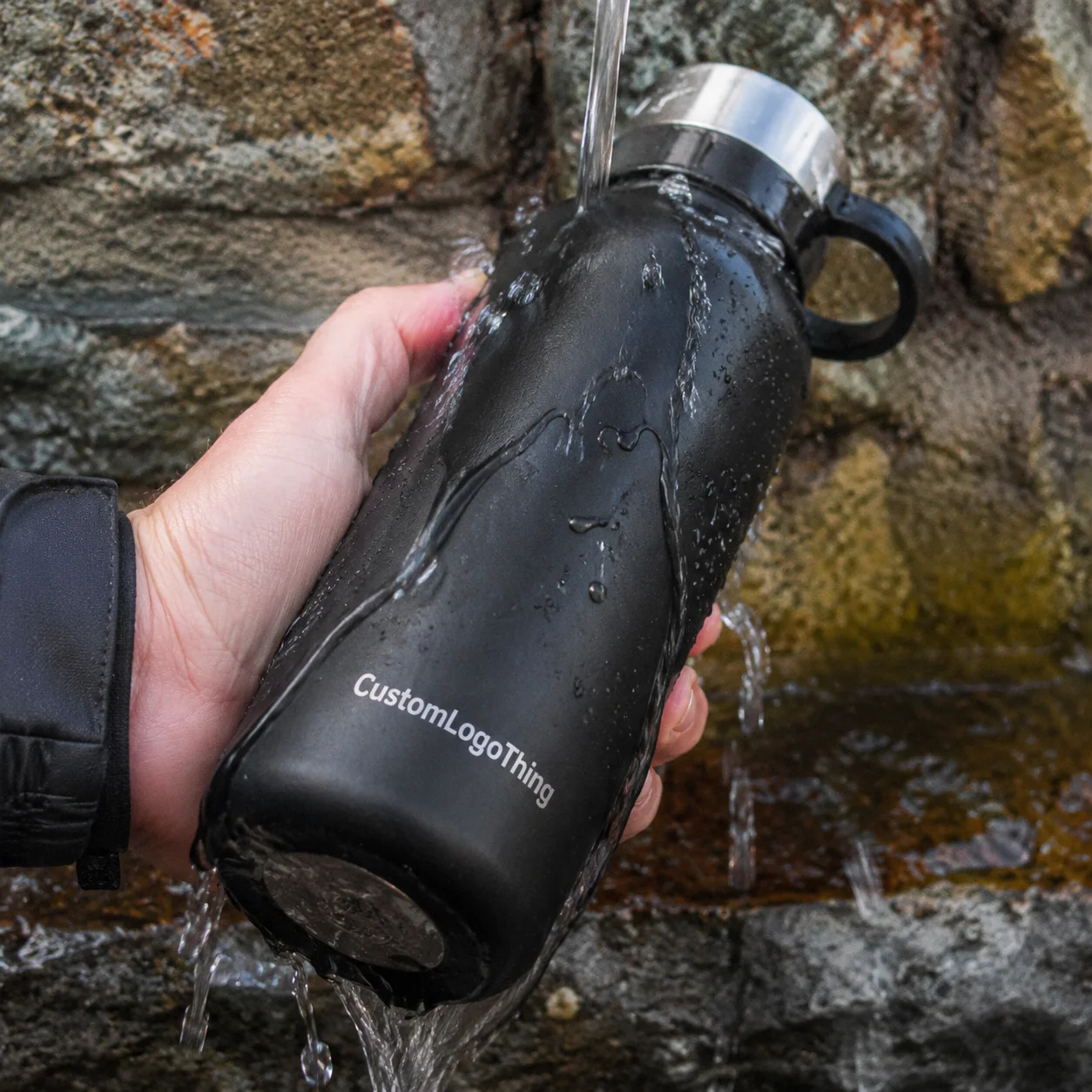
If you’re comparing the best Custom Waterproof Stickers, the first thing to sort out is what “waterproof” means in practice. A label can survive a splash, a wipe-down, or a humid storage room and still fail once it faces repeated washing, condensation, freezing, or abrasion. That difference matters more than most product pages admit.
In real production work, the strongest options are usually vinyl stickers or BOPP labels paired with the right adhesive and, in many cases, a protective laminate. That combination handles drink bottles, cosmetic jars, chilled packaging, hand-washed containers, and outdoor gear much better than paper stock. The weak point is rarely the printed image itself. It is usually edge lift, especially on curved surfaces, refrigerated items, or containers that get handled with damp hands.
The right choice depends on exposure, not just appearance. A jar that sits on a shelf has a different requirement than a shaker bottle that gets tossed into a gym bag, or a warehouse label that has to survive freezer storage. If your goal is the best Custom Waterproof Stickers for a launch or reorder, start with the product conditions first and the artwork second.
Practical rule: if moisture exposure is frequent, skip plain paper and thin uncoated stock. Use vinyl or BOPP, then make sure the adhesive is matched to the surface.
For brands building out branded packaging, the sticker also affects the rest of the presentation. A label that survives water but looks dull beside Custom Printed Boxes can make the whole pack feel less finished. Good package branding depends on consistency across the box, label, and product container, not on one strong piece doing all the work.
Top waterproof sticker options compared
Buyers usually narrow the field to five common options, and they are not equal. Some are built for shelf appeal. Some are built for abuse. Some look fine until they are near water long enough to prove otherwise.
| Option | Best use case | Typical strength | Common weak spot | Relative cost |
|---|---|---|---|---|
| Glossy vinyl | Bottles, jars, outdoor items | High moisture resistance | Fingerprints and glare | Medium |
| Matte vinyl | Premium product packaging | High, especially when laminated | Scuffing and surface marks | Medium to high |
| Clear vinyl | Minimalist labels, glass, cosmetics | High on smooth surfaces | Bubbles, wrinkles, and application flaws | Medium to high |
| Laminated paper-look labels | Retail packaging, short-run branding | Moderate to high | Edge wear in heavy moisture | Low to medium |
| Removable waterproof labels | Temporary promotions, seasonal SKUs | Moderate | Weaker long-term hold | Low to medium |
Glossy vinyl is the safest default for most high-moisture products. It prints vividly, cleans up well, and tolerates handling better than paper-based stock. It also performs well on product packaging that needs strong color and a clear retail read. The tradeoff is shine; some brands prefer a quieter finish.
Matte vinyl fits brands that want a softer, more refined surface. It looks premium on shelf, especially with restrained color palettes, but it can show rub marks sooner than gloss if the label gets stacked, shipped, or handled repeatedly. For products that spend more time being displayed than being moved, that can be a good trade.
Clear vinyl is popular for modern, minimal branding on glass and transparent containers. It can look excellent, but the application needs to be clean. Small bubbles, dust, or a slightly crooked placement stand out immediately, which is why clear labels tend to reward patient application and smooth substrates.
Laminated paper-look labels make sense when the branding needs the feel of paper with more resistance to moisture and scuffing. They are useful for short-run retail packaging, but they still have limits in heavy wet use. If a label will be rinsed, soaked, or frozen, film-based materials are usually the safer route.
Removable waterproof labels serve temporary uses well: rotating inventory, promotions, sample runs, or seasonal product variations. They are convenient when a label must come off cleanly, but that convenience usually comes with a weaker long-term bond. For permanent branding, removable is not the first choice.
Detailed reviews: materials, adhesive, and finish
The material matters, but adhesive usually decides whether the label survives the real world. That is the part many buyers overlook. Then a chilled bottle sits in a cooler for two days, the corners start to curl, and the blame lands on the printer instead of the spec sheet.
Material choices that actually make sense
Vinyl is the durable workhorse. It resists tearing, handles moisture well, and gives you room to choose between gloss, matte, and clear surfaces. For the best Custom Waterproof Stickers, vinyl is often the default recommendation when durability matters more than paper texture.
BOPP is a strong film choice for labels that need moisture resistance without the heavier feel of vinyl. It is common in beverage, wellness, and personal care packaging because it prints cleanly and performs well on smooth containers. If the bottle or jar has a consistent surface and the artwork needs crisp detail, BOPP is often the most economical film option.
Polyester is more technical and usually tougher than the other common films. It makes sense for labels exposed to abrasion, cleaning chemicals, freezer conditions, or harsher handling. It is not always the prettiest material, but it can be the right one when the label has to stay readable after repeated use.
Laminated stock is useful when the printed face needs extra protection from scuffs, moisture, and general handling. A laminate can improve the wear life of a label on consumer goods, especially when the packaging gets picked up often or spends time in transit. It also helps preserve rich color on busy shelves, where fingerprints and friction add up fast.
Adhesive strength by surface
Adhesive choice depends on the surface, and that is where many orders go wrong. Smooth glass is forgiving. Smooth plastic usually works well if it is clean. Powder-coated metal can hold if the surface is prepared properly. Textured cartons, dusty containers, oily packaging, and highly curved bottles are harder.
For refrigerated surfaces, the adhesive has to deal with condensation and temperature swings. If the label is applied cold, the initial bond is weaker and the failure rate rises. That is why lower-quality labels often lift at the corners first and then peel farther once moisture gets underneath. On oily or frequently handled surfaces, the risk climbs even faster.
“If the surface is dirty, cold, or curved, the sticker isn’t the problem. The prep is.”
That sounds blunt, but it is accurate. Clean the surface. Let it dry. Apply even pressure. Give the adhesive time to settle before the product is stressed. This is not the glamorous part of packaging, but it is usually the difference between a clean result and a reprint.
Finish changes more than appearance
Gloss finish is easier to wipe clean and usually works well for bright, saturated artwork. It is a natural fit for beverage labels and active-lifestyle products that may see sweat, water, or frequent handling. Matte finish hides fingerprints and gives a softer premium feel, though it can show rub marks more readily. Soft-touch adds a high-end tactile effect, but it is not always the best choice for wet-use stickers because the surface can mark more easily under friction.
For products exposed to condensation, the finish should support the adhesive rather than fight it. That matters even more when labels are part of a coordinated system with custom printed boxes. If the box stays pristine and the sticker looks tired, the packaging set loses visual authority quickly.
Format: die-cut, kiss-cut, or sheet
Die-cut stickers are cut all the way through and work well for brand giveaways, seals, and single-piece application. Kiss-cut stickers stay on a backing sheet, which makes them easier to peel in batches and less likely to get damaged in shipping. Sheet formats are practical for hand application, storage, and small teams that label products as part of a packing workflow.
For faster application on a production line, kiss-cut sheets can be efficient. For premium retail presentation, die-cut pieces often look cleaner. If you are ordering waterproof stickers for a product that has to look retail-ready the moment it leaves the box, the format should fit the workflow as much as the design.
Cost, pricing, and MOQ realities
Sticker pricing gets messy when people expect one universal number. There is no single price that covers every size, material, quantity, and finish. The quote moves with shape complexity, print coverage, proofing needs, and whether the order needs anything beyond a standard setup.
For rough planning, sample runs and very small batches often land around $0.50-$1.50 per piece, depending on size and setup. Small production runs may land near $0.18-$0.45 per piece. Mid-volume brand orders can fall around $0.08-$0.20 per piece. Larger wholesale orders can go lower, especially with standard shapes and simple print coverage. Those are practical ranges, not fixed promises.
Minimum order quantities matter because they change the unit economics. A low MOQ helps when you are testing artwork or validating a new package, but the cost per piece is usually higher. Once an order moves into larger quantities, pricing generally improves quickly. That is why many brands start with a smaller run, then reorder in larger volumes after the design is locked and the surface performance has been checked.
What drives cost the hardest
- Size: larger stickers use more material and finishing time.
- Shape complexity: intricate die cuts cost more than simple rounds or squares.
- Color coverage: heavy ink coverage and dense artwork can raise print cost.
- Special finishes: white ink, spot gloss, foil, and clear stock add production steps.
- Proofing and revisions: extra rounds slow the schedule and can affect price.
Hidden costs usually appear in places buyers forget to ask about. Custom die lines, white ink on clear stock, split shipments, added proof rounds, and last-minute art changes can all alter the final total. When comparing vendors, look beyond the sticker price and ask what the delivered cost includes, how many revisions are covered, and what happens if the first round does not match the intended surface.
The cheapest quote is not always the lowest-cost order. If the label peels, needs replacement, or forces a rush reorder, the savings disappear quickly. That is especially true for products with short selling windows, where missing a launch date can cost more than the label run itself.
Process, timeline, and turnaround expectations
The production path is usually simple: artwork review, digital proof, print, finish, trim, pack, ship. The pace depends less on the machine than on the file quality. Clean files move quickly. Messy files slow everything down.
Standard turnaround for straightforward sticker runs is often 7-12 business days after proof approval. More complex orders with custom shapes, specialty finishes, or multiple revision rounds can take 12-18 business days or longer. Rush jobs are possible in some cases, but they usually narrow the available finish options and may limit order size.
The delays are predictable. Low-resolution artwork, missing cut lines, unclear color direction, and uncertainty about the application surface all add time. If the printer has to guess whether the label is going on glass, plastic, metal, or freezer-safe packaging, the schedule is more likely to slip.
Digital proof approval is the quickest path. Multiple revisions are normal on complex packaging work, but they do slow things down. For seasonal drops, retail launches, or product refreshes, the safest move is to finalize the sticker spec before the rest of the packaging gets locked. A label should not be the last thing holding up a finished product.
For buyers building custom printed boxes and labels together, coordinate artwork early. Matching type weight, color tone, and finish across the package system is easier when the sticker is designed with the box instead of added later as a separate decision.
How to choose the right sticker for your surface
The cleanest way to choose is surface first, finish second, budget third. That order saves time and avoids mismatched expectations.
If you are labeling a smooth bottle, glossy vinyl or BOPP with a strong permanent adhesive is usually the right starting point. For a curved jar, a slightly smaller label with rounded corners reduces the chance of edge lift. For a freezer pack or refrigerated item, cold-tolerant adhesive and moisture-resistant film matter more than a premium-looking finish. For a shipping box, you may not need the same level of waterproofing, but a laminated label can still help with humidity and handling. For outdoor equipment, move up to tougher film and a stronger adhesive.
Surface preparation matters more than buyers expect. Even a high-grade label can fail if the container is dusty, oily, or damp at application. Pressure helps too. A firm press across the center and then along the edges gives the adhesive a better start. On a busy line, that is the boring step that prevents complaints later.
Design matters as well. Bold type, strong contrast, and cleaner layouts tend to perform better in wet-use conditions than delicate gradients or very small reverse text. If the logo has thin strokes, make sure the smallest elements will still read after some wear. The label has to survive handling, not just a mockup on screen.
A practical decision path looks like this:
- Choose the material based on moisture and handling.
- Select the finish based on shelf appearance and scuff resistance.
- Match the adhesive to the surface type.
- Pick the shape and size that reduce edge lift.
That is the path to the best custom waterproof stickers without paying for features the product will never use.
Our recommendation: which option wins by use case
If you want one default answer, choose glossy vinyl or BOPP with a strong permanent adhesive for most brands. That combination gives the best balance of durability, print quality, and price. It is not the fanciest answer, but it is the one that tends to hold up after the first, second, and third reorder.
For premium packaging, matte vinyl or a laminated paper-look label can be the better visual fit, especially when the rest of the packaging uses softer tones and a refined shelf presence. For harsher moisture exposure, like bottles that get rinsed, chilled, or handled often, move up to a tougher film and a more aggressive adhesive. Cheap labels become decorative optimism very quickly once they are actually used.
Budget buyers should avoid chasing the lowest quote if the label has to survive repeated handling. If the order is for a short promotion, removable waterproof labels can be the smartest option. If the goal is long-term branding on a frequently handled container, permanent adhesion is worth the extra cost.
Here is the short version:
- Best overall: glossy vinyl or BOPP for most moisture-heavy products
- Best premium look: matte vinyl or laminated stock for upscale retail packaging
- Best harsh-use option: tougher vinyl or polyester for repeated washing and outdoor exposure
- Best short-run option: removable waterproof labels for seasonal or temporary branding
Brands should also think beyond the sticker itself. The label has to work with the product packaging, the shipping carton, and the rest of the branded packaging system. A strong label on a weak system still feels weak. Consistency is what makes the whole package feel deliberate.
For buyers who want to validate performance instead of guessing, test the label against the conditions it will actually face: moisture, abrasion, cold storage, and handling. Resources such as ISTA for transit testing and EPA packaging guidance show why controlled testing is better than assumptions. If paper components matter and sustainability is part of the brief, look at FSC options where appropriate.
My honest take: the best custom waterproof stickers are the ones matched to the real surface, real handling, and real shelf life of the product. Start with a sample run, check the edge performance, confirm the artwork, and then scale. That approach saves money, protects the launch, and avoids paying twice for the same mistake.
What are the best custom waterproof stickers for bottles and jars?
Vinyl or BOPP with a strong adhesive is usually the safest choice for smooth bottle and jar surfaces. Rounded corners and a protective finish help reduce peeling from repeated handling and condensation.
Are waterproof stickers actually dishwasher safe?
Some are, but dishwasher-safe is not automatic just because a sticker is called waterproof. True dishwasher resistance depends on the material, adhesive, and laminate or coating.
What affects the price of custom waterproof stickers most?
Size, quantity, shape complexity, finish, and specialty print requirements are the main cost drivers. Small runs cost more per sticker, while larger orders usually improve unit pricing.
How long do waterproof stickers take to produce?
Standard turnaround depends on proof approval, material choice, and order complexity. Simple runs move faster; custom shapes, revisions, or specialty finishes add time.
How do I know which sticker material is right for my product?
Match the sticker to the surface: glass, plastic, metal, refrigerated packaging, or outdoor equipment. For the best fit, balance moisture exposure, handling frequency, and the look you want on shelf.


