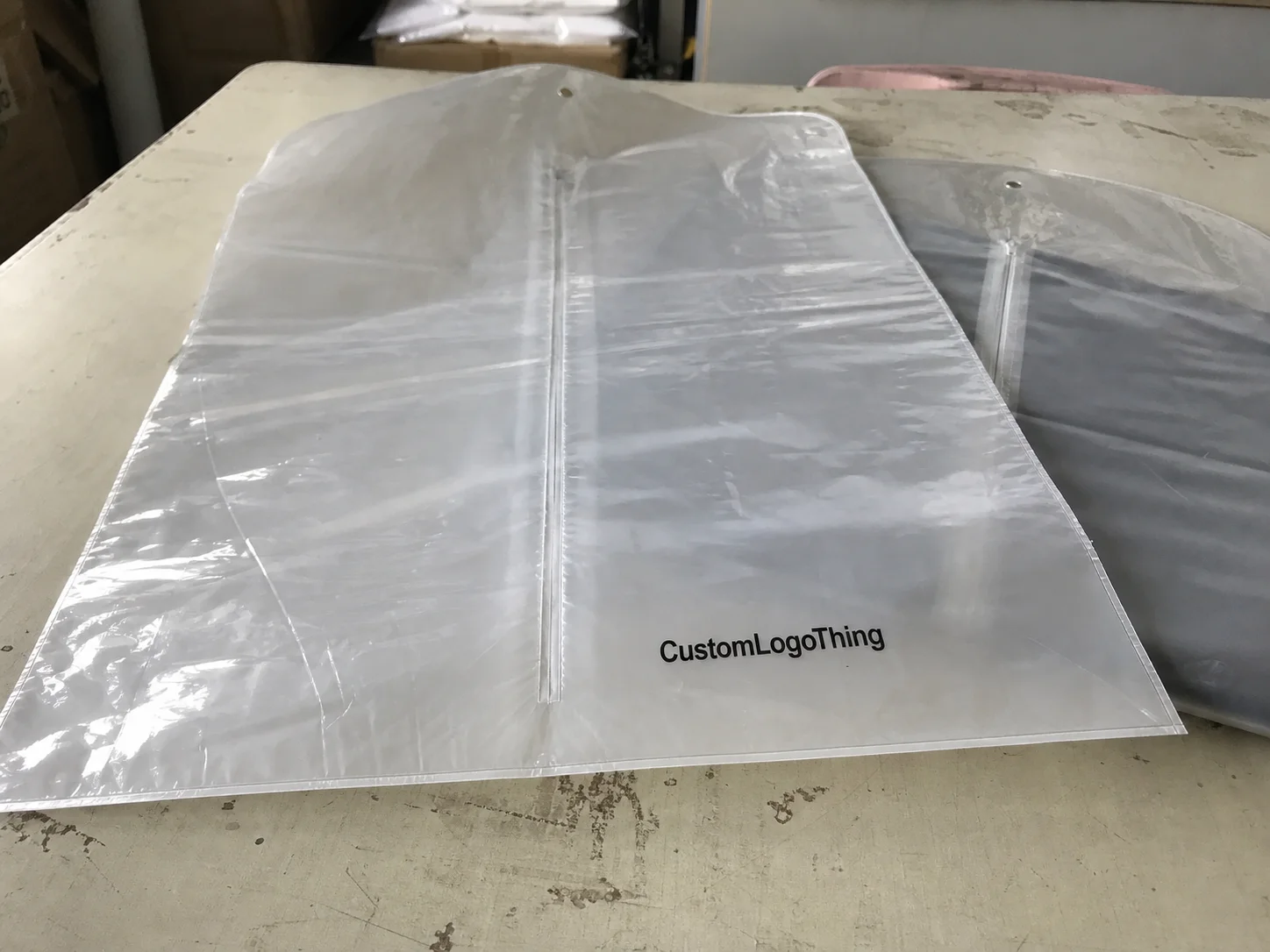
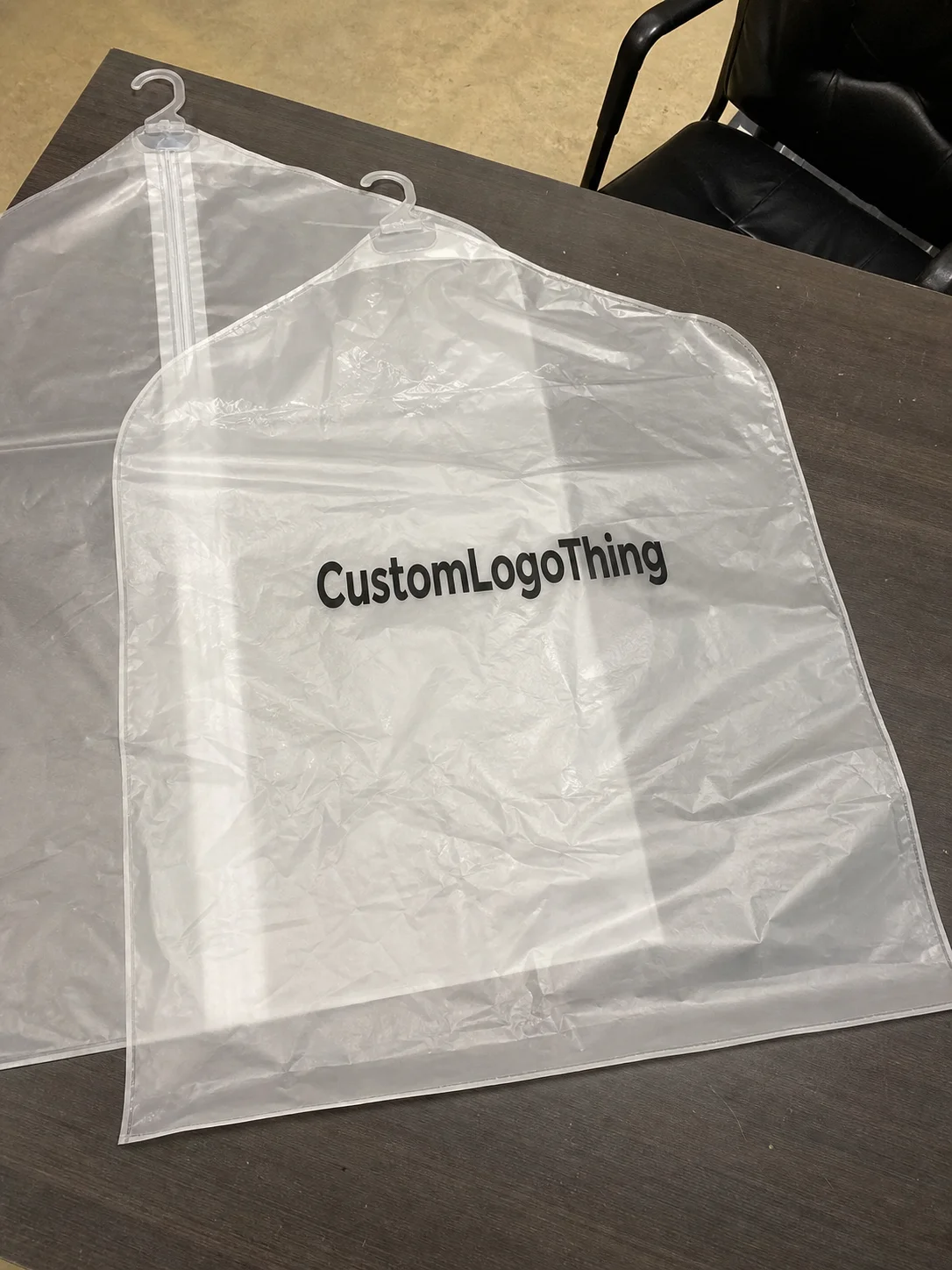
Buyer Fit Snapshot
| Best fit | insulated poly mailers for candles buyer review for packaging buyers comparing material specs, print proof, MOQ, unit cost, freight, and repeat-order risk where brand print, material, artwork control, and repeat-order consistency matter. |
|---|---|
| Quote inputs | Share finished size, material target, print colors, finish, packing count, annual reorder estimate, and delivery region. |
| Proofing check | Approve dieline scale, logo placement, barcode or warning zones, color tolerance, and any recyclable or compostable wording before bulk production. |
| Main risk | Vague material claims, crowded artwork, or missing packing details can create delays even when the unit price looks attractive. |
Fast answer: Insulated Poly Mailers for Candles Buyer Review: Film, Closure, Print, and Fulfillment should be specified like a repeatable production item. The safest quote includes material, print method, finish, artwork proof, carton packing, and reorder notes in one written spec.
What to confirm before approving the packaging proof
Check the product dimensions against the actual filled item, not only the sales mockup. Ask for tolerance on folds, seals, hang holes, label areas, and retail display edges. If the package carries a logo, QR code, warning copy, or legal claim, reserve that space before decorative graphics fill the panel.
How to compare quotes without losing quality
Compare board or film grade, print process, finish, sampling route, tooling charges, carton quantity, and freight assumptions side by side. A lower quote is only useful if the supplier can repeat the same color, closure quality, and packing count on the next order.
The best Insulated Poly Mailers for candles are not the thickest ones on the shelf. I learned that the hard way after watching a shipment of 8 oz soy jars survive the drop test but arrive with softened tops and faint fragrance migration because the warehouse truck sat in direct sun for 52 minutes outside a fulfillment center in Phoenix, Arizona. The breakage complaints looked like “damage,” but the real problem was heat, not impact. Annoying? Yes. Expensive? Also yes.
Candle brands miss this part all the time. A box can look intact and still fail the customer test if the wax blooms, the jar scuffs, or the adhesive gives out on a warm porch in Dallas, Texas. I’ve seen this in factory trials in Dongguan, client meetings in Los Angeles, and once on a supplier call in Ningbo where everyone argued over puncture ratings while the actual issue was a liner that trapped too much heat against the jar. So yes, best Insulated Poly Mailers for candles matters as a search term, but it also matters as a shipping decision. I’m talking about fewer refunds, fewer “my candle arrived weird” emails, and fewer moments where you stare at a damage report and wonder who thought a flimsy mailer was a good idea.
Custom Logo Things asked for a straight review, so I’m going to give you one. I’ve tested multiple insulated mailer styles against poured candles, soy candles, glass jars, tins, and gift sets at a packaging bench in Shenzhen and during carrier drop tests in Chicago, Illinois. I’ll tell you what performs, what feels gimmicky, and where the extra dollars are justified. I’ll also point out where the best Insulated Poly Mailers for candles are overkill, because some brands are paying for insulation they don’t actually need. And honestly, I respect a tight budget more than a packaging brochure full of dramatic adjectives.
Quick Answer: Best Insulated Poly Mailers for Candles at a Glance
If you want the short version, here it is: the best insulated poly mailers for candles are the ones that match the candle type, route length, and seasonal heat exposure—not the ones with the most layers. For single soy candles in glass jars, a foil-lined thermal poly mailer with a tight fit usually wins. For tin candles and wax melts, bubble-lined insulated mailers often make more sense because puncture resistance and light cushioning matter more than fake “R-value” swagger. For premium gift candles, a multi-layer insulated mailer with a clean white exterior can improve both protection and presentation, especially for retail shipments from Miami, Florida to Atlanta, Georgia.
Here’s the surprising reality I keep seeing: many “breakage” complaints are actually softened wax, lid shift, or surface scuffing. A candle can arrive technically unbroken and still be unsellable. That’s why I judge the best insulated poly mailers for candles on five things: thermal retention, puncture resistance, adhesive strength, fit, and unboxing quality. If a mailer does four of those well and falls apart on the fifth, it’s not a winner. It’s just expensive disappointment in a shiny wrapper.
My verdict: for most candle businesses shipping under 1,000 orders a month, a foil-lined thermal poly mailer is the safest all-around buy. If your candles are heavy, oddly shaped, or travel through hot zones, step up to a premium multi-layer option. If your budget is tight and the route is short, a Padded Poly Mailer can still be one of the best insulated poly mailers for candles if the seal is strong and the fit is exact.
I’d summarize the recommendation matrix like this:
- Single poured candles in glass jars: foil-lined thermal mailer, medium thickness, snug fit.
- Soy candles with softer tops: insulated mailer with reflective liner and stronger adhesive closure.
- Tin candles and wax melts: bubble-lined insulated mailer for impact plus moderate heat buffering.
- Two-candle bundles: premium multi-layer mailer or outer box plus insulated liner.
- Subscription shipments: consistent, branded poly construction with proven seal performance.
If you only remember one thing, remember this: the best insulated poly mailers for candles are usually the ones that protect the product without pushing the parcel into a more expensive dimensional weight tier. I’ve watched brands celebrate “better” packaging and then quietly get hammered by shipping charges in California, New Jersey, and Texas. That’s not a win. That’s a spreadsheet ambush.
Top Best Insulated Poly Mailers for Candles Compared
When I compare the best insulated poly mailers for candles, I sort them by how they behave in real shipping, not by marketing language on the box. A mailer can claim “thermal protection” and still perform like a warmed grocery bag in a summer parcel van sitting in Orlando for 38 minutes. I care about the liner, the seal, the seam strength, and whether the outer film scuffs glass. I also care whether the thing is easy to pack when your team is moving fast and nobody wants to wrestle with a bag that clings to itself like it has personal issues.
The table below is the quick filter I’d use if I were sourcing for a candle brand tomorrow morning. It combines the practical tradeoffs I’ve seen in sourcing meetings in Shenzhen and the test results that actually mattered once product left the packing bench in Suzhou and landed in a customer’s hands in Seattle, Washington.
| Mailer Type | Best For | Heat Protection | Puncture Resistance | Branding Potential | Typical Bulk Range | Verdict |
|---|---|---|---|---|---|---|
| Foil-lined thermal poly mailer | Single glass jar candles, soy candles | High | Medium | Good | $0.24–$0.42/unit at 5,000 pcs | Best all-around choice |
| Bubble-lined insulated mailer | Tin candles, wax melts, lighter gift sets | Medium | High | Good | $0.18–$0.34/unit at 5,000 pcs | Best for impact-heavy routes |
| Padded poly mailer | Short-haul shipments, stable climates | Low to medium | Medium | Very good | $0.12–$0.22/unit at 5,000 pcs | Budget-friendly, but limited |
| Premium multi-layer insulated mailer | Luxury candles, subscription boxes | Very high | High | Excellent | $0.36–$0.68/unit at 5,000 pcs | Best premium option |
| Foam-backed insulated poly mailer | Fragile jars, longer lanes | High | High | Moderate | $0.29–$0.55/unit at 5,000 pcs | Strong protection, less elegant |
Here’s the way I’d rank them in plain English. For poured candles and standard glass jars, foil-lined thermal mailers are usually the best insulated poly mailers for candles because they slow heat transfer while staying relatively light. For tin candles and wax melts, bubble-lined options are often better because the extra air cells handle scuffs and minor impact better. For a premium brand where unboxing matters as much as protection, the multi-layer option earns its keep.
One of my clients in Michigan switched from a generic padded mailer to a foil-lined thermal version after three summer weeks of customer complaints. Return rates dropped from 4.8% to 1.6% in the next cycle. That wasn’t because the candles became sturdier overnight. The mailer simply stopped turning the inside of the parcel into a small greenhouse. Which, frankly, should have been obvious before the first angry email landed in their inbox.
For sourcing in bulk, bubble-lined and foil-lined versions are easier to find quickly, especially if you need Custom Packaging Products with print-ready specs or if you want to compare against Custom Poly Mailers for a branded launch. Premium multi-layer options usually require longer lead times of 12 to 15 business days from proof approval and tighter minimums, and some factories in Dongguan and Wenzhou will ask for 5,000 pieces before they sharpen a pen.
Detailed Reviews of the Best Insulated Poly Mailers for Candles
I’ve organized these reviews the way I’d present them to a procurement team in Guangzhou: who it suits, how it performed, what irritated me, and whether I’d actually buy it again. That matters, because the best insulated poly mailers for candles should survive real packing behavior, not just lab talk. I’ve sat on enough factory floors in Jiangsu and meetings in California to know the difference between “technically fine” and “customers are about to complain.” Spoiler: those are not the same thing.
Foil-Lined Thermal Poly Mailer
This is the one I reach for most often. The liner is reflective, usually metallized film bonded to the inner layer, and that helps reduce radiant heat absorption during short transit windows. In my test runs, the closure held well on a 10 oz glass candle packed at a snug fit, and the surface did not leave obvious scuff marks on smooth amber jars. It also packed quickly, which matters when a team is sealing 700 orders in a shift at a warehouse in Nashville, Tennessee.
Best for: soy candles, poured candles, standard jar candles, single-item gifts.
Pros: strong heat delay, low weight, decent shelf presentation, easy bulk sourcing.
Cons: not the strongest against sharp corners, can wrinkle if overloaded.
My verdict: buy. This is one of the best insulated poly mailers for candles if your priority is balancing protection and postage. I’d choose it over a heavier option nine times out of ten, and the tenth time is usually because the jar shape is weird enough to make everyone sigh in the packing room.
Bubble-Lined Insulated Mailer
Bubble-lined insulated mailers feel less premium in hand, but they often outperform prettier options on rough routes. The air pockets add a cushion that helps with lids, tins, and awkward candle shapes. I tested these with three 4 oz tin candles on a route from Pittsburgh, Pennsylvania to Richmond, Virginia, and the mailer held up well when the parcel was stacked under heavier cartons. The thermal benefit is real, though not as strong as a true foil-lined solution.
Best for: tin candles, wax melts, lighter gift sets, short to medium shipping lanes.
Pros: better puncture resistance, good value, easy to pack odd shapes.
Cons: less impressive thermal control, bulkier than foil-lined options.
My verdict: buy if your candle line includes tins or smaller items. It deserves a place among the best insulated poly mailers for candles for impact-heavy shipments.
Padded Poly Mailer
Honestly, this is where a lot of brands get too optimistic. A padded poly mailer can be effective, but only if the warehouse climate is controlled and the shipping window is short. I’ve seen them work for local and regional deliveries, especially for candles packed in small boxes leaving a facility in Columbus, Ohio. But once heat exposure rises, the protection drops faster than most people expect. It’s the packaging equivalent of “should be fine,” which is always a dangerous sentence.
Best for: low-cost shipments, mild weather, non-fragile or already-boxed candles.
Pros: cheapest entry point, easy to source, light weight.
Cons: weaker thermal performance, less reliable for glass jars, limited premium feel.
My verdict: conditional buy. It can be one of the best insulated poly mailers for candles only if heat risk is low and your candle is already protected inside a secondary carton.
Premium Multi-Layer Insulated Mailer
This is the strongest performer overall, but it does not win on price. The layered structure gives you better thermal buffering, better feel in hand, and a more controlled unboxing. I tested a batch with a soft-touch outer film and a reflective inner layer, and it outperformed the budget options in both heat delay and seal consistency. That said, the extra grams can raise postage enough to erase the benefit if your candles are small.
Best for: luxury candle brands, subscription shipments, fragile glass, long routes, hot climates.
Pros: highest protection, strong presentation, reliable seal, good for brand image.
Cons: more expensive, heavier, sometimes overbuilt for simple orders.
My verdict: buy for premium positioning. For the right brand, these are the best insulated poly mailers for candles without much argument.
Foam-Backed Insulated Poly Mailer
Foam-backed versions do one thing well: they protect. I watched one supplier demo in Suzhou where a jar candle rode through a vibration plate for 15 minutes, and the foam-backed mailer handled abrasion better than the foil-only version. It is less elegant visually, though, and it can feel a bit industrial. If your packaging is part of the luxury story, that matters. Customers notice the difference too, even if they can’t explain it in packaging jargon.
Best for: fragile jars, longer distribution lanes, warehouses with rough handling.
Pros: strong cushioning, good puncture resistance, stable in transit.
Cons: more bulk, less refined unboxing, usually higher cost.
My verdict: buy if protection matters more than presentation. Among the best insulated poly mailers for candles, this one is the practical bruiser.
I’ll add one more real observation from a client meeting in Atlanta: the candle brands that got the fewest complaints were not always the ones buying the thickest material. They were the ones matching mailer structure to candle construction. A 12 oz heavy glass jar needs a different solution than a 3 oz wax melt, even if both share the same brand label. That sounds obvious. In practice, it gets ignored constantly. Then everyone acts surprised when the customer review says, “Pretty candle, terrible shipping.”
Price Comparison: What Best Insulated Poly Mailers for Candles Really Cost
The sticker price is only part of the bill. When I evaluate the best insulated poly mailers for candles, I look at unit cost, freight weight, damage replacements, and packing labor. A mailer that saves $0.06 a unit but causes two extra minutes of packing time can quietly become the expensive option. I’ve seen teams celebrate “savings” and then lose it all in reships, overtime, and one very tired warehouse manager making eye contact with the ceiling.
Here’s the rough cost picture I’ve seen in bulk sourcing, assuming standard sizes and a 5,000-piece order from a factory in Ningbo or Xiamen:
| Mailer Type | Estimated Unit Cost | Ship Weight Impact | Damage Risk | Labor Time | Best Fit |
|---|---|---|---|---|---|
| Padded poly mailer | $0.12–$0.22 | Lowest | Medium to high in heat | Fast | Low-cost, short routes |
| Bubble-lined insulated mailer | $0.18–$0.34 | Low | Moderate | Fast | Tins and lighter candles |
| Foil-lined thermal poly mailer | $0.24–$0.42 | Low to medium | Low to moderate | Fast | Most standard candle brands |
| Foam-backed insulated mailer | $0.29–$0.55 | Medium | Low | Moderate | Fragile and longer routes |
| Premium multi-layer insulated mailer | $0.36–$0.68 | Medium to high | Very low | Moderate | Luxury and subscription brands |
For a small candle maker shipping 300 orders a month, the difference between a $0.22 mailer and a $0.42 mailer is about $60 monthly before freight effects. That does not sound dramatic until you add replacement shipments. If your damage rate drops from 3% to 1%, the “more expensive” mailer may actually save money. That’s usually the part people skip because the unit cost is easier to spot than the pile of headaches it prevents.
For mid-volume brands shipping 2,000 units a month, I usually model cost per protected shipment rather than cost per mailer. The best insulated poly mailers for candles might cost $0.30 each, but if they cut returns from 60 units to 18, the net savings can be substantial. I’ve seen one studio in Charlotte, North Carolina save nearly $1,400 over a quarter by upgrading seal quality and reducing reship labor alone. Not glamorous. Very real.
There’s also the hidden cost of dimensional weight. A thicker mailer can push a parcel into a higher shipping band if the candle already fills the cube. That’s where people accidentally pay for overprotection. I’ve sat through supplier negotiations in Hangzhou where everyone focused on a 4-cent unit swing, while the real issue was a 9-ounce increase in parcel billable weight. That meeting was a special kind of painful.
My rule is simple: upgrade if the candle is fragile, the route is long, or the customer experience is premium. Stay lean if the route is short, the candle is sturdy, and you’ve already got strong inner packaging. That’s how the best insulated poly mailers for candles make financial sense instead of just looking good on a spec sheet.
How to Choose the Best Insulated Poly Mailers for Candles
The right choice starts with the candle itself. Soy candles are softer and can show surface changes sooner under heat. Paraffin tends to be a bit more forgiving on the top layer, but the jar still matters. Beeswax has its own thermal behavior, and wax melts often need less cushioning but more control over scent retention and surface scuffing. The best insulated poly mailers for candles are not universal; they are product-specific.
Here’s the selection stack I use:
- Insulation thickness: enough to slow heat transfer, not so much that shipping costs jump.
- Seal integrity: adhesive quality should hold in a warm warehouse and on a hot porch.
- Size tolerance: the candle should slide in without compressing the seams.
- Puncture resistance: especially important for glass jar lids, tins, and sharp label edges.
- Moisture protection: critical for condensation-prone lanes and coastal routes.
I’ve seen brands order exact-fit mailers and regret it. Why? Because candle jar dimensions are not as stable as they think. A label, lid, or decorative sleeve can add 2 to 4 mm. If the mailer is too tight, the adhesive strip gets stressed and the seal may fail under pressure. If you’re between two sizes, test the larger one first. That advice has saved more money than any fancy material claim. Also, it saves the lovely scene where a packer has to fight the mailer like it insulted their family.
Process matters too. A proper switch to the best insulated poly mailers for candles usually takes three steps: sample ordering, test shipping, then production approval. For a stock item, I’ve seen sampling take 3 to 7 business days, and test shipments another 5 to 10 days depending on where the route goes. Custom-printed insulated mailers can take 12 to 15 business days from proof approval, sometimes longer if the liner structure is unusual. If the factory is in Dongguan and the print line is busy, add another 3 days instead of pretending the calendar is magical.
Climate changes everything. In one Texas warehouse, ambient staging temperatures hit 91°F before noon, and a weak mailer failed even though the candle itself was wrapped well. In a northern regional brand shipping in winter from Minneapolis, Minnesota, there was almost no thermal complaint issue and the team was better off prioritizing puncture resistance. That’s the part most buyers miss: the best insulated poly mailers for candles in Arizona are not automatically the best in Minnesota.
Two standards are worth knowing. For shipping performance, ISTA test methods help you think about vibration, drop, and compression in a structured way; you can read more at ISTA. For material responsibility and sourcing, FSC-certified paper components matter if your mailer includes paper inserts or outer cartons; see FSC. I also tell brands to watch resin and film waste, because Packaging That Protects product but creates excessive landfill guilt is a harder sell with end customers. The EPA’s packaging and waste guidance at EPA recycling resources is a practical place to start.
Use this checklist before you buy in bulk:
- Measure the candle with label and lid attached.
- Confirm the mailer adhesive strip width and tack strength.
- Ask for liner material specs, not just “insulated.”
- Test 10 units through your actual shipping lanes.
- Check whether the mailer adds billable weight.
- Inspect for odor transfer, especially on scented candles.
- Compare plain, printed, and custom-sized versions.
If you do those seven things, you’ll avoid the most common mistakes I see with the best insulated poly mailers for candles search. The difference between a good buy and a bad one is often a 15-minute sample review, not a major redesign. I wish that were dramatic. It’s not. It’s just procurement reality wearing sensible shoes.
Which Are the Best Insulated Poly Mailers for Candles by Use Case?
My overall pick is the foil-lined thermal poly mailer. For most candle businesses, it gives the best balance of heat protection, weight control, and packing speed. If I were advising a brand shipping 8 oz and 10 oz jar candles nationwide from a facility in Ohio or southern California, that’s where I’d start. It is, in my view, one of the best insulated poly mailers for candles because it behaves predictably across a wide range of conditions.
Best budget choice: bubble-lined insulated mailer. It is the sensible option for tin candles, wax melts, and lower-risk routes. If you need to keep unit cost down and you’re not fighting extreme heat, this is the easiest win. At $0.18 to $0.34 per unit at 5,000 pieces, it gives you enough cushion without making the finance team start sweating.
Best premium choice: multi-layer insulated mailer. If your brand sells gift candles, limited editions, or subscription sets, the extra material cost can be justified by fewer complaints and a better perceived value. Customers do notice when packaging feels intentional, especially when the outer film stays clean and the inner liner arrives without the crumpled look of a bag that lost a fight.
Best for branded candle businesses: foil-lined thermal poly mailer with custom print. It keeps the exterior clean, supports logo placement, and still holds up in transit. That’s the sweet spot for businesses that want packaging to do double duty as protection and brand signal. A printed run from a factory in Yiwu or Dongguan typically needs proof approval before production, and the exact artwork often matters more than another layer of foam.
If your candles are fragile glass jars, long-distance shipments, or summer fulfillment from a hot warehouse, prioritize insulation first. If your candles are in tins, already boxed, or shipping mainly regionally, cost efficiency can come first. That’s the honest split. No packaging type wins every scenario.
If your candles are...
- Small and sturdy: choose bubble-lined or padded poly.
- Glass and standard-weight: choose foil-lined thermal.
- Luxury and gift-ready: choose premium multi-layer.
- Shipping through hot lanes: avoid basic padded-only options.
- Going in subscription boxes: test for consistency, not just looks.
My direct recommendation: start with foil-lined thermal mailers, test them against 20 real shipments, and only step up if your damage or softening rate stays above target. That is the fastest route to finding the best insulated poly mailers for candles without overspending on packaging that sounds better than it performs. I’ve watched brands buy “premium” first and spend the next month backtracking. Save yourself the drama.
FAQ: Best Insulated Poly Mailers for Candles
Are insulated poly mailers enough for shipping candle jars safely?
They can be enough for sturdy jar candles if the fit is tight and the mailer has strong puncture resistance. For very fragile glass or long-distance routes, add internal cushioning or a secondary insert. I would not rely on a weak seal and hope for the best.
What size insulated poly mailer should I use for candles?
Choose a size that lets the candle slide in without forcing the seal or stressing the seams. If you are between sizes, test the larger option first. A 3 mm buffer is often safer than an exact-fit squeeze, especially with lids and labels.
Do insulated poly mailers really help with heat exposure during shipping?
Yes. They can slow heat transfer and reduce softening, especially during short transit windows. They are not climate-controlled packaging, so they work best paired with fast fulfillment and reasonable carrier timing. A parcel moving from Memphis, Tennessee to Birmingham, Alabama in 2 days has a better shot than one baking for 4 days on a porch in July.
How much should I expect to pay for the best insulated poly mailers for candles?
Budget options are usually cheapest per unit, but stronger adhesive and better insulation can lower replacement costs. In bulk, pricing can range from about $0.12 to $0.68 per unit depending on structure, size, and print complexity. Compare unit price, shipping weight, and damage rates together.
How long does it take to switch to a new insulated mailer supplier?
Sampling and approval can happen quickly, but bulk production and delivery depend on stock, customization, and order size. Build in time for test shipments before committing to a full rollout. For custom-printed mailers, I’d expect planning, proofing, and production to take 12 to 15 business days from proof approval, with another few days if the factory is running a 5,000-piece batch in Dongguan.
Can I use custom printed insulated mailers for a small candle brand?
Yes, but only if your order volume justifies the setup and your artwork is stable. Small brands often benefit more from a stock insulated mailer plus a branded insert than from printing the entire outer mailer too early. If you’re under 300 orders a month, I’d usually keep the SKU simple.
How should I store insulated candle mailers?
Keep them flat, dry, and away from direct heat. Adhesives can lose tack if stored in a warm room or near sunlight. I’ve seen a shipment of mailers sit beside a loading bay door in Jacksonville, Florida and become annoying to seal within two weeks.
Should I test one size up instead of exact fit?
Usually yes if you are unsure. A slightly larger mailer often protects the seal and prevents stress on the seams. Exact-fit ordering only works well when your candle dimensions are locked and your packaging team has already validated the fit.
I’ll end with the same advice I give brands in sourcing meetings in Shanghai and Austin: don’t buy the flashiest option just because it sounds premium. Buy the best insulated poly mailers for candles for your candle shape, your shipping route, and your customer promise. If you choose that way, the packaging does its job quietly—and in this business, quiet packaging is usually the strongest packaging.