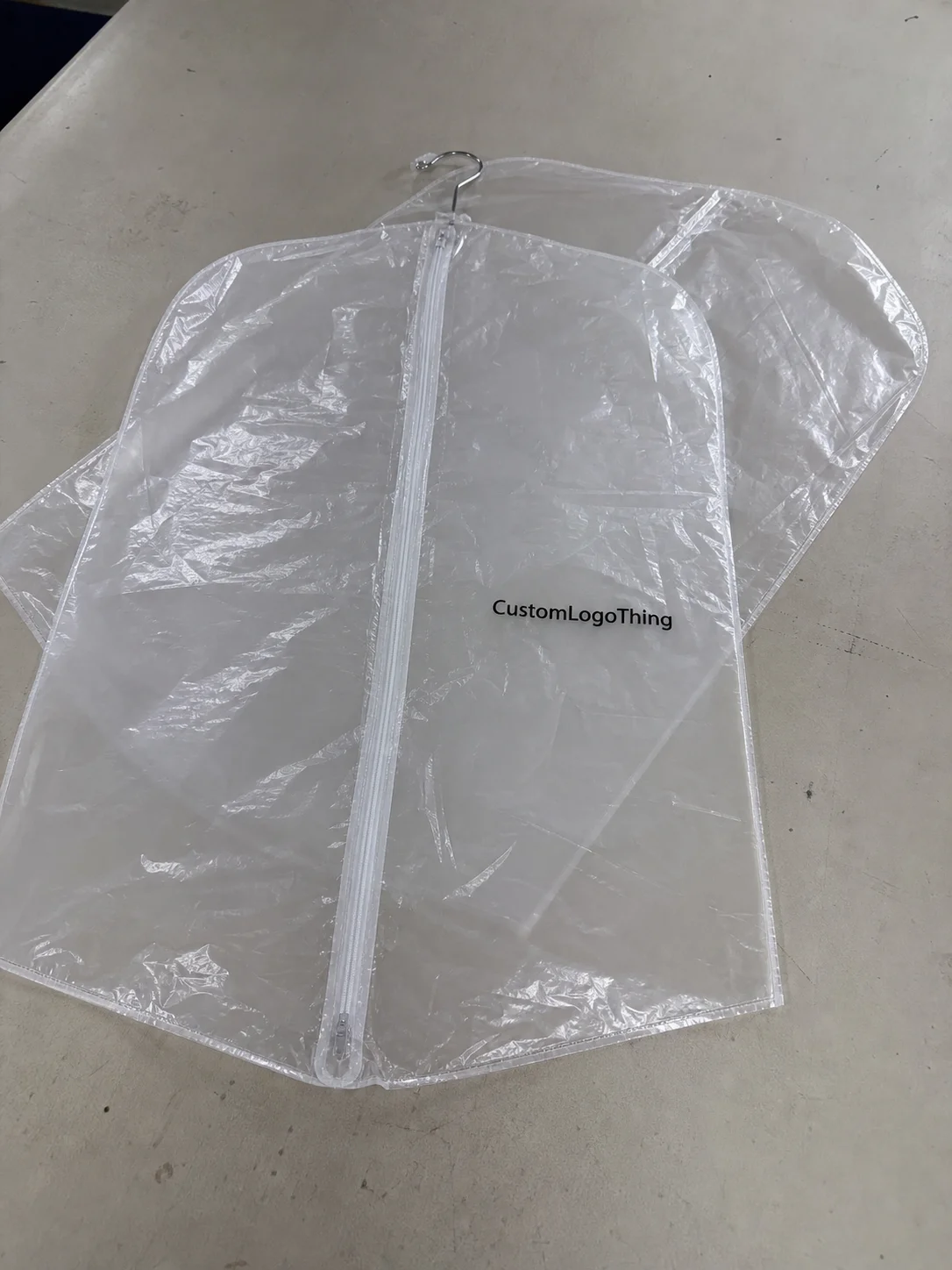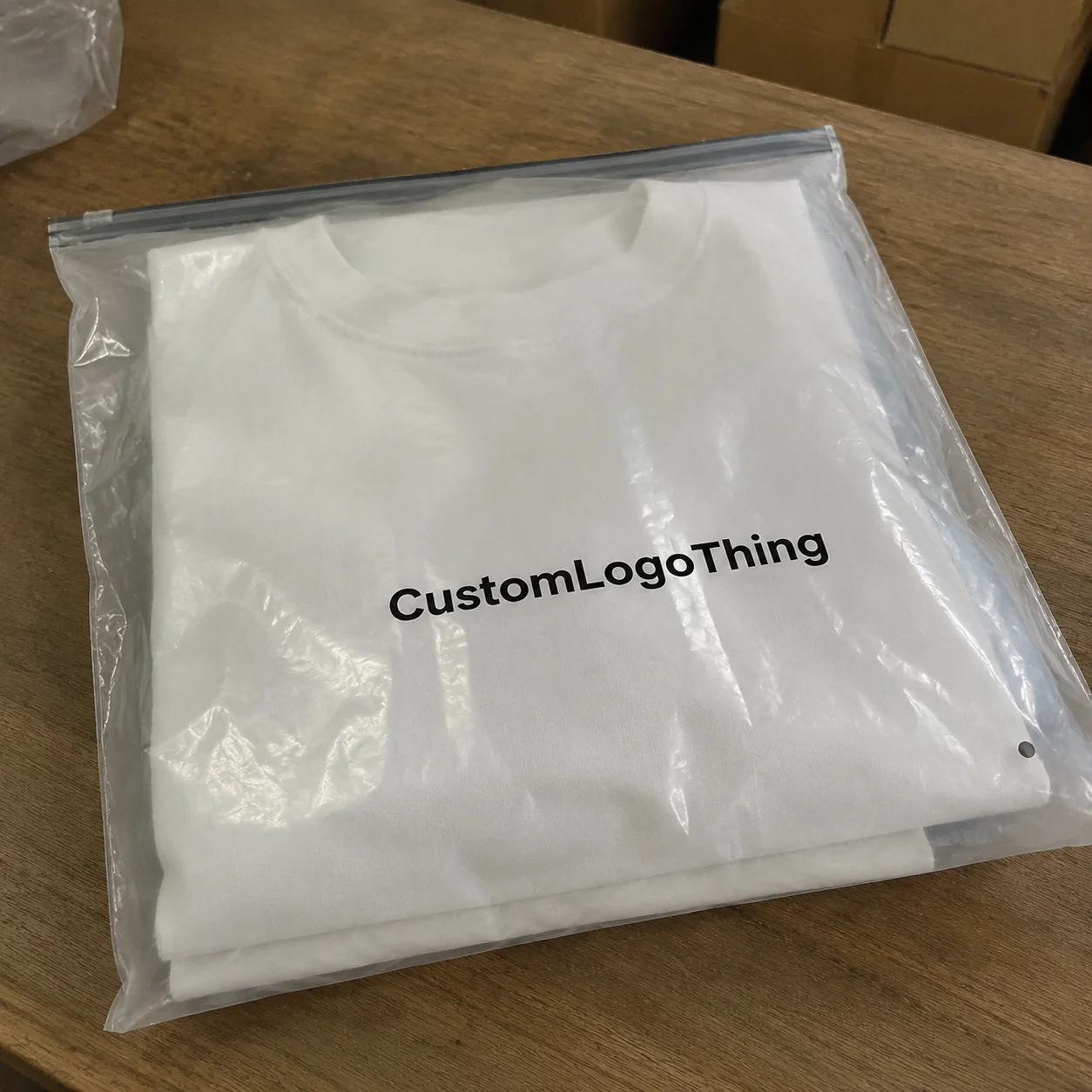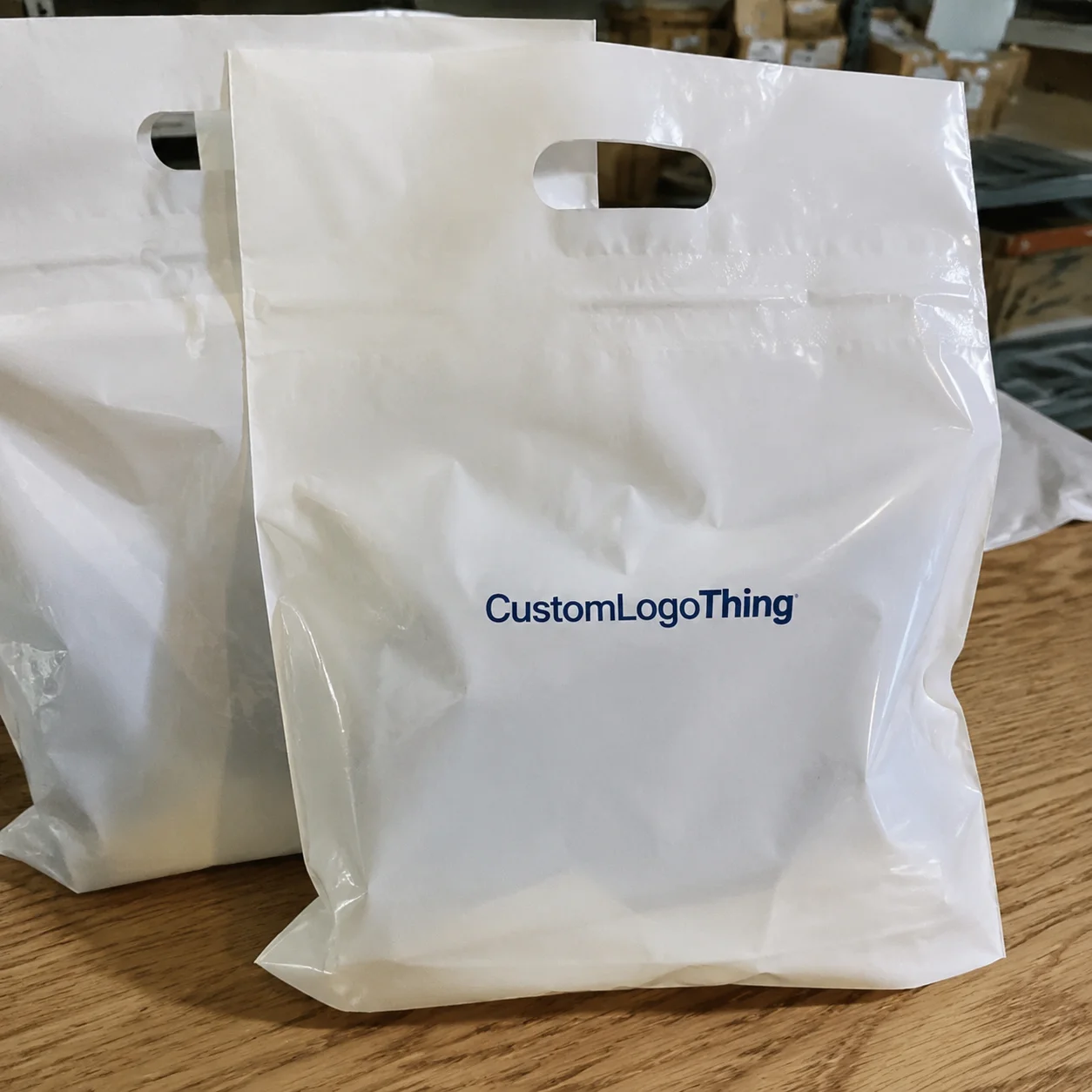
Buyer Fit Snapshot
| Best fit | seasonal poly mailers for spring tested for packaging buyers comparing material specs, print proof, MOQ, unit cost, freight, and repeat-order risk where brand print, material, artwork control, and repeat-order consistency matter. |
|---|---|
| Quote inputs | Share finished size, material target, print colors, finish, packing count, annual reorder estimate, and delivery region. |
| Proofing check | Approve dieline scale, logo placement, barcode or warning zones, color tolerance, and any recyclable or compostable wording before bulk production. |
| Main risk | Vague material claims, crowded artwork, or missing packing details can create delays even when the unit price looks attractive. |
Fast answer: Seasonal Poly Mailers for Spring Tested: Film, Closure, Print, and Fulfillment should be specified like a repeatable production item. The safest quote includes material, print method, finish, artwork proof, carton packing, and reorder notes in one written spec.
What to confirm before approving the packaging proof
Check the product dimensions against the actual filled item, not only the sales mockup. Ask for tolerance on folds, seals, hang holes, label areas, and retail display edges. If the package carries a logo, QR code, warning copy, or legal claim, reserve that space before decorative graphics fill the panel.
How to compare quotes without losing quality
Compare board or film grade, print process, finish, sampling route, tooling charges, carton quantity, and freight assumptions side by side. A lower quote is only useful if the supplier can repeat the same color, closure quality, and packing count on the next order.
If you’re hunting for the best seasonal Poly Mailers for Spring, I’ll give you the straight version: the prettiest sample is not always the smartest buy, especially when a 2.5-mil bag has to carry a 9-ounce sweater through a Memphis sort center and still arrive with the seal intact. I remember one spring launch where a pastel mailer with a tulip print got everyone excited in the sample room, then split on the bottom seam after a 38-mile local courier run because the film was too thin for the gusset. Cute does not matter if the seal splits, the ink scuffs, or the landed cost chews through your margin by 14% before the order even reaches the customer. The best Seasonal Poly Mailers for spring are the ones that still look fresh after a rough FedEx ride and still make your customer feel like your brand thought the whole thing through.
I’ve handled enough custom packaging projects to know spring packaging gets emotional fast, especially when a founder in Austin wants sage green, a buyer in Brooklyn wants blush, and operations in Phoenix wants a bag that won’t fail at 105°F in a warehouse trailer. Founders want soft colors, floral accents, and a “new season, new vibe” feeling. Fair enough. The factory floor, though, cares about gauge, seal integrity, print registration, and whether your artwork can survive a real production window in Dongguan or Ningbo. That is why the Best Seasonal Poly Mailers for spring usually land in a narrow zone: visual lift, honest durability, and a price that doesn’t make your accountant blanch when the invoice lands at $0.22 per unit for 5,000 pieces. Honestly, I think that balance is the whole trick.
For Custom Logo Things, I’m keeping this practical. I’ll show you which styles actually work, which ones look premium in unboxing videos filmed on a marble counter in Chicago, and which ones are basically Instagram bait with a shipping label slapped on top. I’ll also walk through realistic pricing, the production details suppliers tend to gloss over, and the little traps that only show up after you’ve already approved the art in a Guangzhou proof room and paid the deposit, which is always a fun little surprise.
Quick Answer: Best Seasonal Poly Mailers for Spring
The best seasonal poly mailers for spring are usually pastel minimalist mailers, floral print mailers, and biodegradable kraft-look mailers with spring color accents. Those three options give you the cleanest mix of seasonal appeal, shipping durability, and brand flexibility. I’ve seen them work for boutiques in Portland, subscription boxes in Nashville, handmade goods in Asheville, and DTC apparel brands out of Los Angeles because they feel fresh without boxing you into one holiday. Which is nice, because nobody wants leftover inventory whispering “Easter” at them in July when the pallets are still in a New Jersey warehouse.
Here’s the factory-floor truth. A client once sent me a “spring refresh” sample in a pale mint finish with tiny white flowers, and the mockup looked excellent under 5000K lighting in the sample room. It sold beautifully during the first week because customers liked the look before they opened the bag. Then the print proved too light on a glossy film, and after a few warehouse scrapes the flowers started looking gray around the edges. That is the difference between a design that photographs well and a design that survives real shipping abuse on a 2,000-mile UPS lane. The best seasonal poly mailers for spring need both.
What “best” means here is simple: print quality, seal strength, shipping durability, and whether the design still looks premium after a carrier has tossed it around like it owes them money. If the mailer splits at the flap, fades under abrasion, or costs so much that your margin shrinks by 18%, it’s not best. It’s decorative nonsense with a tracking number.
My short list:
- Pastel minimalist for fashion, skincare, candles, and premium DTC brands that want a matte finish and a clean logo lockup.
- Floral bright for gifting, handmade goods, and seasonal promos that need immediate visual lift and strong shelf presence in 12x15 and 14x19 sizes.
- Biodegradable kraft-look with spring accents for eco-focused brands that want a natural, softer feel and a post-consumer-friendly story customers can actually understand.
If you want a quick internal starting point, browse Custom Poly Mailers and compare them with your current shipper before you fall in love with a design that can’t handle your product weight. I’ve seen too many brands choose from the mockup alone, then discover the final 11x15 mailer is three millimeters too narrow for the folded knitwear they ship from a warehouse in Carson. That is a great way to lose money politely.
“The best-looking mailer is the one that still looks intentional after it’s been dragged through a hub in Indianapolis, stacked under ten other cartons, and opened with a box cutter by someone in a rush.”
One more blunt note: if your products are heavy, sharp-edged, or moisture-sensitive, you may need a stronger film, a thicker gauge, or a different structure altogether. Pretty mailers are useless if they split on day one, and a 3-mil film in a dusty warehouse in San Bernardino does not magically become 4-mil because the mockup looked elegant. The best seasonal poly mailers for spring are the ones that balance charm with basic survival.
Top Best Seasonal Poly Mailers for Spring Compared
I’ve compared the most useful seasonal options I’d actually recommend to a brand owner who cares about cost, presentation, and failure rates. Below is the practical version, not the influencer version, with real production ranges I’ve seen quoted from factories in Shenzhen, Foshan, and Yiwu, plus distributor pricing in the U.S. market. Some are better for photo-friendly unboxing. Some are better for margin. A few are better for brands that want a spring look but still need something they can use past the seasonal launch without looking dated.
| Style | Typical Price Range | MOQ | Print Method | Durability | Best Fit |
|---|---|---|---|---|---|
| Pastel Minimalist | $0.14-$0.28/unit at 5,000+ | 3,000-5,000 pcs | Gravure or flexo | Very good | Apparel, beauty, boutique DTC |
| Floral Bright | $0.16-$0.32/unit at 5,000+ | 5,000 pcs | Flexo with multi-color art | Good | Gift brands, handmade goods, spring promos |
| Eco-Inspired Kraft-Look | $0.18-$0.36/unit at 5,000+ | 3,000-5,000 pcs | Flexo, sometimes water-based ink | Very good | Eco brands, natural skincare, artisan products |
| Custom Logo Seasonal | $0.17-$0.40/unit at 5,000+ | 5,000 pcs | Gravure, flexo, or digital for small runs | Excellent if spec’d well | DTC apparel, subscription boxes, premium retail |
| Metallic Accent | $0.22-$0.45/unit at 10,000+ | 10,000 pcs | Hot-stamped accent or printed metallic ink | Good, but finish can scuff | Premium gifting and high-visual campaigns |
| Limited-Edition Pattern | $0.15-$0.34/unit at 5,000+ | 5,000 pcs | Full-color flexo | Good | Seasonal drops, influencer kits, campaign launches |
My honest read? Pastel minimalist is the safest all-rounder. It looks clean, it doesn’t scream “holiday aisle,” and it still works if you have leftover inventory in June or even August. That matters. A lot of founders overbuy seasonal packaging and then spend the rest of the year pretending the bags are “limited edition” while their freight forwarder in Long Beach stores the cartons under regular stock. I mean, sure, if you say it with enough confidence, maybe nobody notices, but the warehouse always notices.
Floral bright looks best in photos, but only if your artwork is crisp and your background color has enough contrast. I’ve seen soft florals print beautifully on a 1.5-inch matte film and look muddy on cheap glossy stock sourced from a smaller run in Dongguan. That is why sample approval matters. Cheap-looking mailers usually do not come from bad art. They come from bad material choices, weak ink density, or a rushed proof cycle that gets approved in 17 minutes because everyone wants to move on to lunch.
Eco-inspired kraft-look is the quiet winner for brands that want spring freshness without going too sugary. It works well with natural skincare, tea, soaps, and hand-poured candles. If you want the mailer to feel intentional and a little elevated, this is a strong route. It also photographs better than people expect under warm indoor lighting, especially when the finish is matte and the print uses cream, sage, or pale peach rather than a heavy brown flood coat.
Custom logo seasonal is where you get the best balance of brand control and seasonal design. Put your logo on one side, a spring accent on the other, and you can use the same structure for multiple campaigns. I’ve negotiated these runs at Shenzhen suppliers where a simple one- or two-color logo print kept the price around $0.19-$0.24/unit at 5,000 pieces, while a full-coverage four-color design pushed it close to $0.31/unit. If you add a matte lamination and a custom flap, the quote can move another 6% to 9%, and that spread is real money.
Metallic accent is a look, sure. It’s also where people pay extra to say “wow” and then discover scuffing after transit. I like it for high-end gifting, but I rarely recommend it for heavy products. If the product can rub against the inside of the bag during shipping, the finish can pick up wear, especially on a route that starts in Ontario, California and ends in a retail backroom in Atlanta.
Limited-edition pattern is the most campaign-friendly option. It works if you want seasonal traffic, influencer box openings, or a product launch that needs a memorable visual hook. Just don’t make the design so busy that your shipping label disappears into it. I’ve seen that mistake more than once, and no, the carrier is not impressed by your tulips or your little bees.
Detailed Reviews of the Best Seasonal Poly Mailers for Spring
Pastel minimalist mailers are my first pick for brands that want the best seasonal poly mailers for spring without locking themselves into a design that expires the moment customers switch from sandals to summer orders. I’ve tested pale blush, soft mint, and cloud blue versions on 2.5-mil and 3-mil film, and the 3-mil versions held up better on corners and seams, especially with folded apparel packed in Chicago for cross-country delivery. Pros: premium feel, broad brand fit, low visual clutter. Cons: light colors show dirt faster in warehouse handling, and weak ink coverage can look washed out. Best for: boutiques, skincare, and any brand that wants understated seasonal packaging.
Floral bright mailers are the prettiest option when done right. When I visited a supplier in South China near Dongguan, they showed me a run of full-color floral bags with a satin-matte finish, and the quality was solid because the ink lay flat and the artwork had enough negative space. That is the key. If every inch of the bag is screaming for attention, the design turns cheap fast. Pros: strong seasonal appeal, high unboxing value, great for campaign photos. Cons: more print complexity, higher reject risk if color matching is sloppy, and some floral art looks dated in a hurry. Best for: gift boxes, craft sellers, and spring promos with a short sales window.
Eco-inspired kraft-look mailers deserve more credit than they get. I’ve seen brands assume “natural” means plain brown and boring. Not true. A kraft-look film with muted green, cream, or pale peach accents can feel warm, modern, and cleaner than full floral art. Pros: better fit for sustainability-focused brands, easy to style, less likely to look seasonal-only, and the texture reads well on camera. Cons: some so-called eco mailers are just standard plastic with a brown print, which is marketing smoke and mirrors unless the supplier can show a documented recycled-content spec like 30% PCR or a compostable resin certification. Best for: clean beauty, artisan goods, and brands trying to signal thoughtful packaging with Custom Packaging Products that don’t look disposable.
Custom logo seasonal mailers are usually the smartest long-term purchase. In my experience, brands that keep the logo simple and use the spring palette as an accent get a better ROI than brands that redesign everything from scratch every season. I’ve sat through supplier negotiations where the buyer wanted five colors, a metallic layer, and a special seal tint, then wondered why the unit price jumped by 28%. Surprise. Printing costs money, and a five-color flexo run in Guangdong will always cost more than a one-color logo with a spot accent. Pros: stronger brand recognition, easier to keep semi-evergreen, flexible for multiple categories. Cons: requires better artwork discipline, and the simplest design often wins. Best for: DTC apparel, subscription boxes, and repeat purchasers.
Metallic accent mailers are the flashy option. They’re the one your marketing team loves and your operations team worries about. I’ve tested silver-pink and gold-green spring combinations, and the unboxing shot looks rich when the lighting is right in a studio in Los Angeles or a product room in Brooklyn. But scuff resistance depends on the laminate. If you go cheap, the shine gets nicked before the bag even leaves the sorting center. Pros: premium visual punch, high clickability, strong shelf impact if mailers are displayed. Cons: higher cost, more handling sensitivity, and not ideal for products with hard corners. Best for: luxury gifts, premium cosmetics, and limited launches.
Limited-edition pattern mailers are where brands try to have fun. I get it. I’ve done seasonal runs with tiny bees, abstract blossoms, and soft confetti dots. The ones that sold best were the designs that kept the brand logo visible and did not overload the bag. Pros: fresh, memorable, great for influencer kits. Cons: can feel dated fast, and some patterns look amazing in mockups but muddy in print if the line weight drops below 0.4 mm. Best for: brands with active social content and a strong campaign calendar.
Here’s the real industry detail nobody puts in the cute mockup deck: print finish changes the mood more than most people think. A glossy finish makes spring colors louder, but it can also make low-cost bags look like snack packaging. A matte finish usually feels more premium, especially on pastel or kraft-look designs, and that matters when the bag is sitting on a white marble counter in a customer’s apartment in Denver. If you want the mailer to read as one of the best seasonal poly mailers for spring, I’d lean matte unless you’re doing a high-contrast floral or metallic concept.
I also care about storage. Some seasonal bags sit for six weeks before use in a 72°F stockroom, and some sit for three months in a hot dock area near Houston. If the finish scuffs in storage, you’ll notice it on the first pick-and-pack day. That is not a design problem. That is a finish and film selection problem. There’s a difference, and suppliers know it.
“The sample looked great. The production run looked fine. The warehouse looked at the bags for 10 minutes and found the real problem: the seal was weak on overfilled orders.”
If you’re balancing visual appeal against performance, the winner is usually the simpler bag with the stronger spec. That is why the best seasonal poly mailers for spring often aren’t the loudest ones. They’re the ones that hold shape, protect the product, and still make the unboxing feel seasonal on day one and day ninety.
Best Seasonal Poly Mailers for Spring: Price Comparison
Pricing is where good intentions go to die. The best seasonal poly mailers for spring can be affordable, but the final landed cost depends on film thickness, print coverage, minimum order quantity, and any special finish you ask for. A lot of founders get a “great quote” and then discover shipping, plates, and matching fees waiting around the corner like unpaid interns. I’ve had more than one client stare at a quote sheet in a conference room in Seattle like it personally insulted their family.
Here’s a realistic pricing frame based on custom runs I’ve seen from factories in Shenzhen and Guangdong, plus distributor quotes in the U.S. market. These are not fantasy numbers. They’re the kind that show up when you ask for a real sample, a real pantone match, and a real production schedule.
| Option | 5,000 pcs | 10,000 pcs | 25,000 pcs | Common Add-Ons |
|---|---|---|---|---|
| Pastel Minimalist | $0.18-$0.28/unit | $0.15-$0.22/unit | $0.12-$0.18/unit | Matte finish, logo print, custom sizing |
| Floral Bright | $0.20-$0.32/unit | $0.17-$0.26/unit | $0.14-$0.21/unit | Full-color art, higher ink coverage |
| Eco-Inspired Kraft-Look | $0.22-$0.36/unit | $0.18-$0.29/unit | $0.15-$0.23/unit | Eco material blend, water-based ink, recycled content |
| Custom Logo Seasonal | $0.19-$0.30/unit | $0.16-$0.24/unit | $0.13-$0.20/unit | Two-side print, matte lamination, custom flap |
| Metallic Accent | $0.28-$0.45/unit | $0.23-$0.36/unit | $0.19-$0.30/unit | Foil effect, special ink, higher QC |
| Limited-Edition Pattern | $0.17-$0.34/unit | $0.14-$0.25/unit | $0.12-$0.19/unit | Campaign art, variable pattern, seasonal logo lockup |
Hidden costs matter. Plates can run $60-$180 per color depending on supplier setup, and a two-color spring design with two sides printed can easily add another $120 in tooling if the factory in Foshan is setting up fresh plates. Color matching can add $75-$250 if you’re picky, and you probably are if you want the bag to match your site palette. Shipping can be another $180-$900 depending on volume, packout, and whether you’re shipping air or ocean from Yantian, Ningbo, or Shanghai.
For a boutique ordering 5,000 bags, I usually see monthly spend land around $900-$1,600 if they use a simple seasonal design and keep the structure at 2.5-mil to 3-mil. For a scaling DTC brand doing 25,000 bags, monthly seasonal packaging spend can sit closer to $3,200-$5,500 depending on the style and how many SKUs they ship in that mailer. If your margin can’t support that, simplify the print or shorten the seasonal run. I know that sounds boring, but boring usually keeps the lights on in a warehouse that bills by pallet space.
The sweet spot? Usually a pastel or custom logo seasonal mailer at $0.16-$0.24/unit after volume. That range tends to feel premium enough for customers while staying kind to the P&L. Go above that, and you better have strong AOV or repeat purchase value. Otherwise you’re just paying extra for flowers no one will remember.
If you want to compare packaging categories beyond mailers, the broader catalog at Custom Packaging Products can help you see where the money really goes when you add inserts, tissue, or secondary outer packaging. Mailers look cheap until you add the extras. Then suddenly everybody is a CFO with a calculator and a strong opinion.
For industry standards and shipping performance, I also recommend checking the ISTA testing framework. If a supplier says their mailer is “strong,” ask how it performs under actual distribution testing. Strong is not a technical term. ISTA methods are, and they give you a much cleaner way to compare a supplier in Dongguan with one in Los Angeles.
How to Choose the Best Seasonal Poly Mailers for Spring
Choosing the best seasonal poly mailers for spring starts with your product, not your Pinterest board or a moodboard from a design intern in Brooklyn. If you ship soft apparel, you can go thinner and more decorative. If you ship hard goods, handmade ceramics, or anything with corners, you need more film strength and probably a safer structure. I’ve seen brands choose by color first and regret it the first time a zipper pouch punched through the bag on a route from Dallas to Miami. Nothing humbles a packaging strategy faster than a cracked product and an angry email with photos attached.
Start with weight and dimensions. A 6 oz T-shirt and a boxy candle are not the same packaging problem, and a 10x13 bag will not rescue a 12x15 product with a rigid insert. If the product shifts around, your mailer needs enough slack for insertion and enough structure to avoid a floppy mess. I usually recommend sizing with a small buffer, not a giant one. Too much extra space makes the package look cheap and can drive up postage by a full rate tier in some carrier zones.
Then choose the spring look. If your brand is elegant, use soft pastel colors like blush, sage, lilac, or sky blue. If your brand is artisanal, a kraft-look mailer with muted floral accents reads more honest and less sugary. If your customer base loves playful design, floral bright can work, but don’t shove every blossom on the same bag and call it a concept. That’s how you end up with a mailer that looks like a garden center coupon from Raleigh.
Here’s a quick rule I use:
- Luxury or beauty: matte pastel or custom logo seasonal with a one-color logo on a 3-mil film.
- Eco-focused: kraft-look with minimal spring accents and a documented recycled-content or lower-waste spec.
- Gift and handmade brands: floral bright or limited-edition pattern with a clear brand mark.
- Apparel and subscription boxes: custom logo seasonal with simple art and a consistent flap size.
Seal type matters too. A strong peel-and-seal strip is standard, but I ask about adhesive quality because cheap adhesive weakens in heat, and a bag that leaves a warehouse in Atlanta in June can tell you the difference. That is not theory. I’ve had a supplier in Ningbo blame “weather conditions” when the glue failed during summer transit. The fix was a better adhesive spec and a slightly longer cure cycle of 24 to 48 hours before packing. Funny how that works. Expensive lesson, though.
Thickness is another place where brands get sloppy. For most spring mailers, I like 2.5 mil to 3 mil for apparel and lightweight goods, and I move higher if the item has edges or if returns are expensive. Do not assume thicker is always better, though. A bag that’s too stiff can feel clumsy and increase material cost without improving customer experience much. Same old story: more plastic is not the same thing as better packaging.
Print placement also matters. I like the logo on the front and the seasonal art on the back or border when a brand wants a subtle feel. If you want the mailer to be the hero, larger artwork can work, but keep the brand name visible. A spring-themed mailer that buries the logo is cute for one day and useless for recall when customers reorder six weeks later.
Timing is where brands blow the budget. Artwork approval, sample production, revisions, and final mass printing can easily take 4-8 weeks, and a full gravure run with new plates can stretch to 10 weeks if the factory is backed up in March. If you need special finishes or multiple colors, add more time. The worst pattern I see is founders approving a concept in late March for an April campaign. That is not a plan. That is optimism with a tracking number.
For eco concerns, check whether the material is actually recyclable, recycled, or just “eco-inspired” because the bag is brown. Real sustainability claims should line up with the material spec and supplier documentation, such as PCR percentages, resin type, or certification from a recognized body. The EPA and FSC are good references when you need to separate real claims from packaging poetry.
One more thing. Many brands miss spring not because the factory is slow, but because the internal approval cycle is slow. Marketing wants three rounds. Finance wants a lower unit cost. Operations wants the box size changed. By the time everyone agrees, the season is half over and the bags are still sitting in a proof folder. The best seasonal poly mailers for spring only work if you decide early and order before the calendar gets cute with you.
What Makes the Best Seasonal Poly Mailers for Spring Stand Out?
The best seasonal poly mailers for spring stand out because they do three things at once: they feel fresh, they ship safely, and they fit the brand without looking like a costume. That balance is harder than it sounds. A bag can be visually charming and still fail in the warehouse if the film is too slick, the seal is undercured, or the print coverage adds friction in the wrong places. A well-made spring mailer should feel intentional in hand, not just pretty on screen.
Material choice is usually the first differentiator. Standard polyethylene works fine for most apparel and lightweight goods, but the finish, gauge, and film structure decide whether the mailer feels premium or disposable. A matte laminated poly mailer with a 3-mil structure can give you a softer visual read, while a glossy finish can make the colors pop if that matches the brand direction. The point is not to choose the fanciest coating. The point is to choose the coating that supports the product and the story you want to tell.
Print quality matters just as much. Clean edges, accurate color matching, and consistent registration are the things customers may not name, but they absolutely feel. A pastel mailer from a good gravure line in Guangdong will look calm and polished if the ink density is right. A rushed flexo run with weak coverage can make even a beautiful design look tired. For spring packaging, small defects stand out more because the colors are softer and the design often relies on restraint rather than heavy graphics.
Size and proportion are another reason some mailers outperform others. A mailer that hugs the product well looks more premium and can reduce the chance of contents sliding around during transit. Too much dead space makes the package look oversized and, in some cases, increases postage. Too little space can stretch seams and weaken the seal. The best seasonal poly mailers for spring usually sit in that comfortable middle zone where the product fits with room to spare, but not so much room that the bag turns into a floppy envelope.
Brand consistency is the final piece. Spring packaging should not fight your main identity. A beauty brand can use blush or sage without becoming a flower shop. A craft brand can add floral accents without looking like an Easter display. A DTC apparel label can use a custom logo seasonal design and still keep the overall brand system intact. The best seasonal mailers don’t replace the brand; they give it a seasonal accent that customers remember.
And there’s a practical bonus: strong spring mailers reduce customer service headaches. When the material holds up, the adhesive stays put, and the design is clear, fewer packages arrive damaged and fewer customers ask whether the item was packed correctly. That may not sound glamorous, but a lower return rate is one of the quietest ways to prove that a packaging decision was smart.
“A spring mailer earns its place when it looks like part of the brand and performs like part of the shipping system.”
That is why the best seasonal poly mailers for spring are usually the ones that look simple on purpose. A pastel palette, a clean logo, and a tested structure often outperform louder designs that rely on charm alone. Spring packaging should lift the experience, not create a new operational problem.
Our Recommendation: Which Spring Mailer Actually Wins
If I had to pick one overall winner, I’d choose the custom logo seasonal pastel minimalist mailer. It gives you the best mix of premium appearance, seasonality, and year-round usability. It’s the option I’d recommend most often for brands that want the best seasonal poly mailers for spring without creating dead inventory the moment the weather changes. It also photographs cleanly, which matters more than people admit, especially when your product photos are being used on Shopify, Instagram, and an email banner the same week.
The runner-up is the eco-inspired kraft-look mailer. It’s especially strong for natural skincare, artisan goods, and brands that want a calmer, less sugary spring presentation. It does not win every unboxing contest, but it wins in the real world where customers care about feel, not just flash, and where a muted cream-and-sage mailer from a supplier in Jiangsu can outperform a louder bag by looking more intentional.
Here’s the quick decision tree I use with clients:
- Budget brand: pastel minimalist with one-color logo and a 2.5-mil film.
- Premium brand: custom logo seasonal with matte finish and a 3-mil structure.
- Eco-focused brand: kraft-look with muted spring accents and documented material specs.
- Campaign-heavy brand: floral bright or limited-edition pattern with strong logo visibility.
From supplier negotiations, the biggest lesson is that MOQ and color count control your price more than most founders expect. A 5,000-piece order with two colors is one thing. A 5,000-piece order with six print colors and a special finish is another. I’ve sat in those discussions in Shenzhen showrooms. The quote jumps, the buyer gets annoyed, and the supplier is basically thinking, “Yes, ink costs money.” That tension never changes.
My practical advice? Skip seasonal mailers entirely if your brand needs aggressive inventory control, your margins are tight, or your shipping mix is too varied to justify a design change. In that case, use a strong evergreen custom poly mailer and add spring through inserts, tissue, or a sticker that costs $0.03 to $0.08 per unit. That is often the smarter move. The best seasonal poly mailers for spring are not the right answer for every business.
FAQ: Best Seasonal Poly Mailers for Spring
What are the best seasonal poly mailers for spring if I want a premium look?
Choose soft pastel prints, floral accents, or minimal designs with one strong brand color. Avoid busy graphics that make the bag feel cheap in hand or in photos. A matte finish or subtle custom logo usually reads more premium than loud full-coverage art, especially on a 3-mil film produced in a factory in Guangdong. I’d also keep the logo visible at least once on the front panel so the mailer still works after the box cutter comes out.
How far in advance should I order seasonal poly mailers for spring?
Plan 4-8 weeks ahead for standard custom orders and longer if you need special finishes or a higher MOQ. Add time for artwork revisions, sample approval, and shipping delays from ports like Yantian or Ningbo. If your launch date matters, do not wait until your campaign is already live. That’s how spring packaging turns into a summer apology.
Are seasonal poly mailers for spring worth the extra cost?
Yes, if packaging is part of your customer experience and you sell visually driven products. They can raise unboxing value and make seasonal campaigns feel more intentional. If margin is tight, use a limited seasonal run instead of changing every shipment, such as 5,000 units at $0.19 to $0.24 each. That keeps costs under control while still giving you a fresh look.
Do eco-friendly seasonal poly mailers for spring perform as well as standard poly mailers?
Some do, but performance depends on thickness, seal quality, and material blend. Test them with your actual product weight before you commit to a large order, ideally with a real 24-hour warehouse hold and a shipment from your fulfillment center in Texas or New Jersey. Eco-friendly options can be great, but not if they rip in transit. A weak bag is not sustainability; it’s a complaint email waiting to happen.
What size should I choose for spring seasonal poly mailers?
Size to the product plus a little buffer for inserts, tissue, or a thank-you card. Do not over-size the mailer just because the design looks better on the sample. The right fit improves protection and keeps shipping costs under control, and a 12x15 bag can be a smarter choice than a 14x19 bag if it saves a rate tier. In packaging, sloppy sizing is how you waste both materials and postage.
Next Steps: Get Your Spring Mailer Plan Moving
Before you ask for quotes, audit your current packaging. Measure your products, list the SKUs that will use the mailer, and decide whether this is a decorative upgrade or a real shipping solution. Then pick one spring direction. Pastel, floral, or kraft-look. Don’t try to force three ideas into one bag unless you want a design that confuses people and costs more than it should, especially if your product line ships out of a facility in Ohio, California, or New Jersey with different packout teams.
Request physical samples from at least 2-3 suppliers. I do this every time because print renders lie and paper-thin samples hide seal issues. Check color accuracy, seal strength, corner protection, and whether the mailer still looks good after a few scratches. If possible, run a short test with your actual product and your actual shipping label, then compare it against a 48-hour hold in your warehouse at room temperature. Real-world testing beats a glossy PDF every single time.
Then lock the production plan: finalize art, confirm MOQ, approve the sample, set delivery dates, and place the order early enough to avoid seasonal panic. If you need help comparing structures, browse Custom Poly Mailers and compare them against your current shipping setup. You’ll spot weak points fast once you stop staring at mockups and start looking at specs like 350gsm C1S artboard for inserts, 2.5-mil to 3-mil film for bags, and a real proof-to-production timeline of 12-15 business days after approval.
The best seasonal poly mailers for spring are the ones that look good, ship safely, and protect margin. That is the whole game. Pretty helps. Performance pays the bills. If you can get both without overcomplicating the order, you’ve got a spring package that can leave a factory in Shenzhen, clear a port in Los Angeles, and still look right when it reaches a customer in Minneapolis.
And yes, the best seasonal poly mailers for spring are absolutely worth it when they’re chosen with your product, brand, and margin in mind. That’s the takeaway: start with the item, spec the bag for real transit, and pick the spring finish that your team can actually order on time. Do that, and you’re not just buying packaging — you’re buying a better first impression that survives the trip.