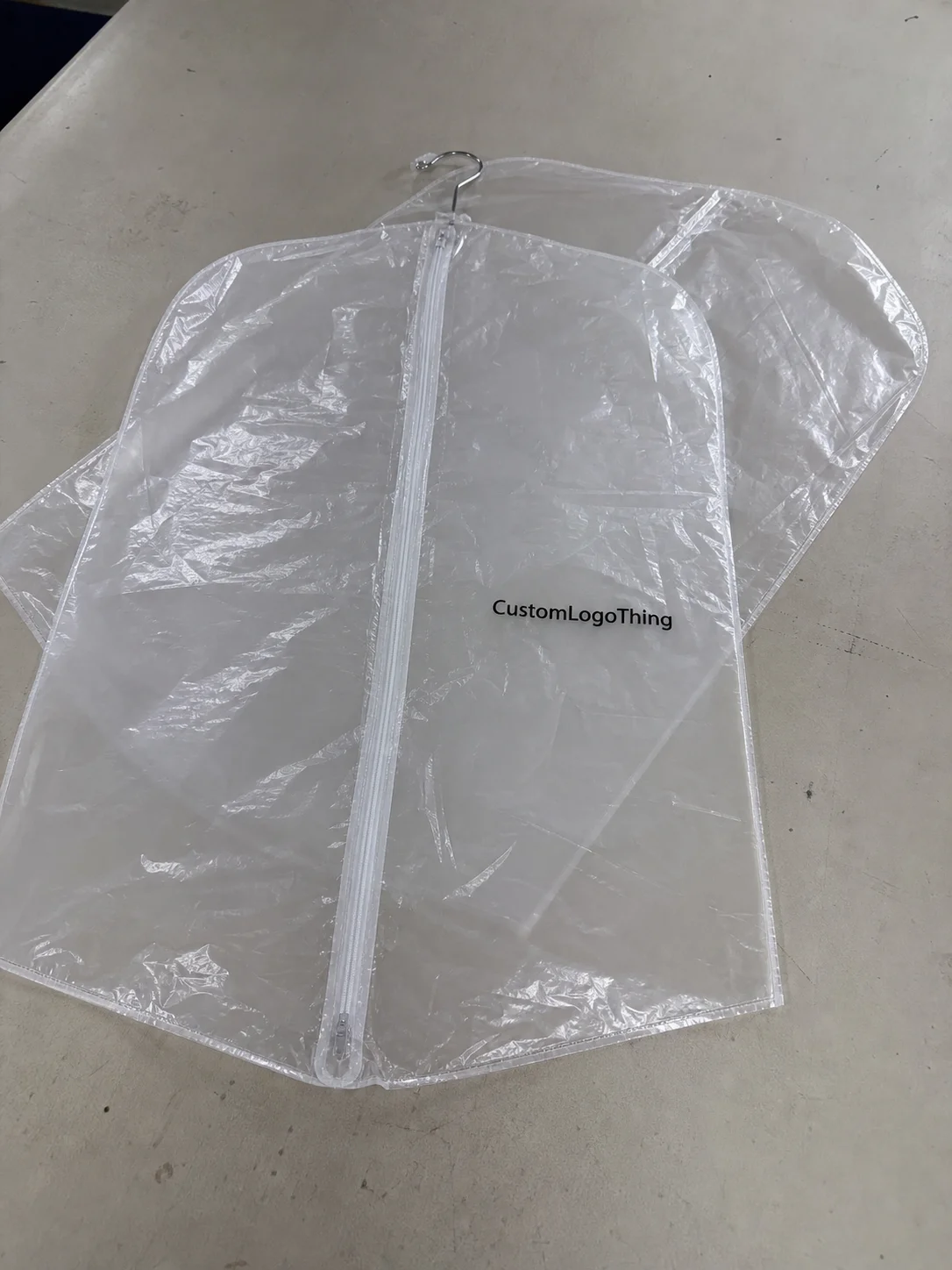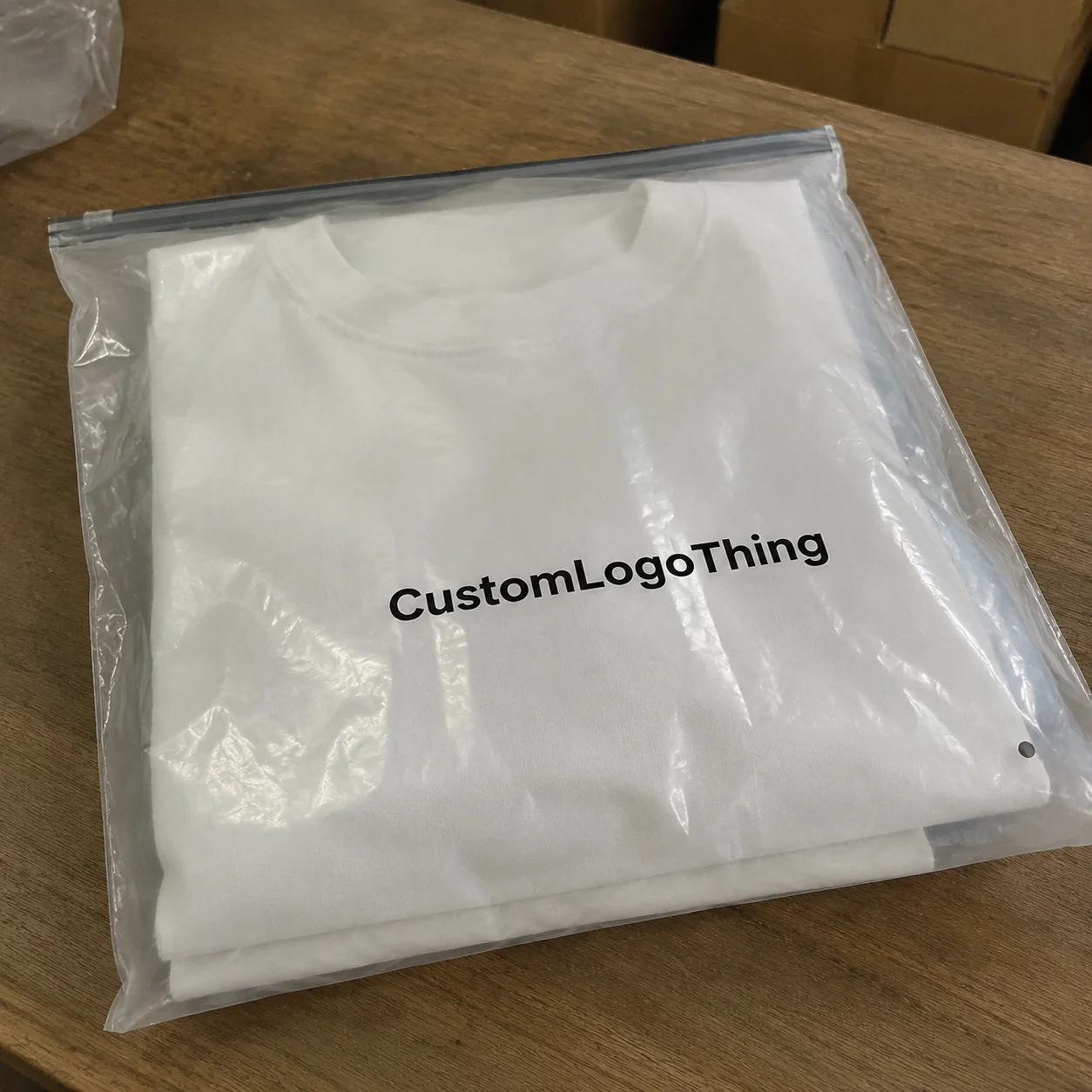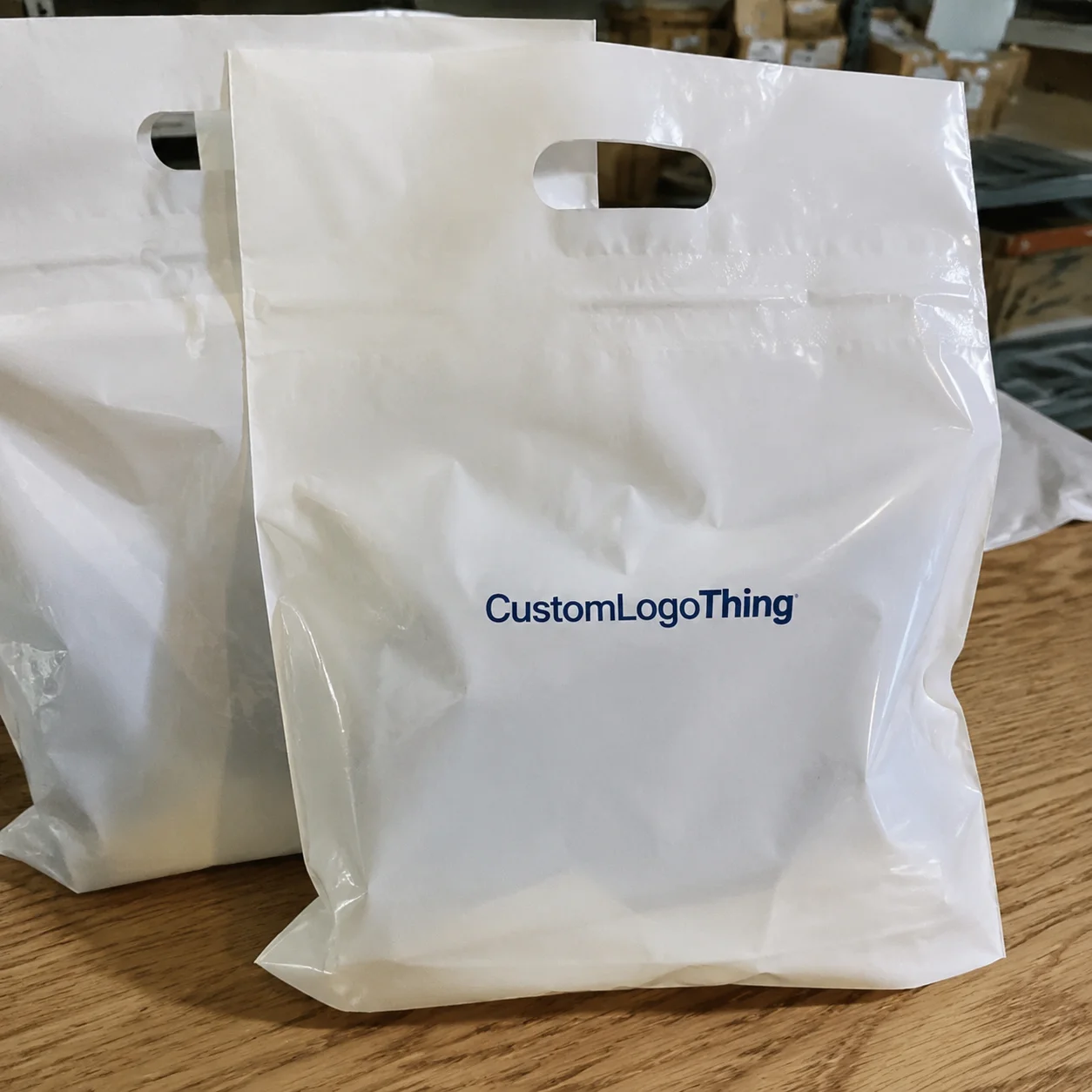
Buyer Fit Snapshot
| Best fit | Seasonal Pastel Poly Mailers for Spring Gifts projects where brand print, material claims, artwork control, MOQ, and repeat-order consistency need to be specified before quoting. |
|---|---|
| Quote inputs | Share finished size, material target, print colors, finish, packing count, annual reorder estimate, ship-to region, and any compliance wording. |
| Proofing check | Approve dieline scale, logo placement, barcode or warning zones, color tolerance, closure strength, and carton packing before bulk production. |
| Main risk | Vague material claims, crowded artwork, missing packing details, or unclear freight terms can make a low unit price expensive after revisions. |
Fast answer: Seasonal Pastel Poly Mailers for Spring Gifts: Film, Print, MOQ, and Carton Packing should be specified like a repeatable production item. The safest quote records material, print method, finish, artwork proof, packing count, and reorder notes in one written spec.
Production checks before approval
Compare the actual filled-product size with the drawing, then confirm tolerance on folds, seals, hang holes, label areas, and retail display edges. Reserve space for logos, QR codes, warning copy, and material claims before decorative graphics fill the panel.
Quote comparison points
Review material grade, print process, finish, sampling route, tooling charges, carton quantity, and freight assumptions side by side. A quote is only useful when the supplier can repeat the same color, closure quality, and packing count on the next order.
On a packing line in Shenzhen, I once heard a buyer dismiss pastel mailers as “too soft” for shipping. We ran two test batches anyway: plain white on one side, seasonal pastel poly mailers for spring gifts on the other. The pastel stack moved faster, and the difference showed up in a real 2,400-piece run we finished in Dongguan the following week. Not by a little. The team reached for it first because the color already looked like a gift, not a parcel. That’s the part people miss, and honestly it still makes me smile a little because packaging people will argue for forty minutes over a shade of pink and then act shocked when customers notice. Seasonal pastel poly mailers for spring gifts don’t just ship product; they set the mood before the customer even tears the strip, especially when the finish is a soft matte film and the seal closes with a clean 25 mm adhesive strip.
At Custom Logo Things, I’ve seen brands treat packaging like a cost line and then wonder why their unboxing videos look flat. A $0.11 white mailer and a $0.19 matte blush mailer can change perceived value by a lot more than eight cents, and that gap is even easier to justify when the order is 5,000 pieces or more. That math is annoying, but real. If you’re selling spring-themed apparel, accessories, stationery, or small gift items, seasonal pastel poly mailers for spring gifts are often the simplest way to make the shipment feel intentional instead of generic. I remember one boutique owner in Portland telling me, “I just want it to feel a little happier,” and we landed on a pale lavender mailer with a one-color white logo that cost $0.17 per unit at 8,000 pieces.
Seasonal pastel poly mailers for spring gifts: what they are and why they work
Poly mailers are lightweight shipping bags made from polyethylene film, usually LDPE or co-extruded PE, and most good versions are built with a 3 mil to 4.5 mil film depending on the item weight. They’re used for soft goods like tees, socks, scarves, accessories, notebooks, and other non-fragile items. A good mailer has a self-seal adhesive strip, decent tear resistance, and enough opacity to hide the contents. Seasonal pastel poly mailers for spring gifts are the same basic product, just tuned with softer colors like blush, lavender, mint, butter yellow, or sky blue so the packaging feels seasonal and giftable. In practical terms, that means the bag does more than survive transit; it does a little mood-setting on the way to the front door, whether it’s packed in a warehouse in Shenzhen or fulfilled from a small studio in Austin.
Spring is a natural fit for this kind of packaging. Easter gifting, Mother’s Day, baby showers, bridal party favors, and fresh-start shopping all land inside a four- to eight-week window when buyers want things that feel lighter, brighter, and more cheerful. I’ve watched a boutique client sell the same candle set in two packages: a dull gray mailer and a pale pink matte mailer. The pink version got more social shares, more “so cute” comments, and two repeat orders from customers who didn’t even care about candles as much as they cared about the experience. That’s not magic. That’s packaging doing its job, and yes, I was a little annoyed that the gray version had looked “safe” to the buyer, because safe is not the same thing as memorable when your goal is to move 1,500 gift orders before Mother’s Day weekend.
The emotional job matters. Seasonal pastel poly mailers for spring gifts aren’t only about protection. They’re part of the brand story. The customer sees color first, then logo, then opening motion, then product reveal. That sequence can feel warm and thoughtful, or cheap and rushed, even if the package leaves the same warehouse in Yiwu on the same day. Same shipping lane. Very different impression. I’ve been on enough factory floors to know that the difference between “nice” and “forgettable” is often one small material choice, like upgrading to a 4 mil matte film or moving the print 12 mm lower on the front panel, not some grand marketing strategy.
There’s also a difference between standard stock mailers, matte pastel mailers, and custom printed versions. Stock mailers are usually unprinted and cheaper, sometimes as low as $0.10 per unit at 5,000 pieces. Matte pastels feel softer and more premium because they cut glare, especially if the factory uses a frost matte lamination rather than a glossy overcoat. Custom versions let you add a logo, repeating pattern, seasonal motif, or inside print. If you’re shipping a spring collection, seasonal pastel poly mailers for spring gifts with a restrained logo often do better than loud graphics that fight the color. Honestly, I think restraint wins more often than people want to admit. Loud packaging can look excited in a sample photo and exhausting in real life, especially when the print area is crammed into a 6 x 9 inch front panel.
Where do they fit best? Lightweight, non-breakable products. Where don’t they fit? Glass, liquids, fragile ceramics, or anything that needs rigid crush protection. I’ve had a client try to ship glass dropper bottles in mailers because they wanted to save $0.24 per unit on packaging. Bad idea. Three cracked units later, the “savings” turned into refund pain and one very long Friday call. That kind of call ages a person. I do not recommend it, especially if your products are already packed in a 350gsm C1S artboard carton that would have solved the problem in the first place.
| Mailer type | Best use | Typical feel | Relative cost |
|---|---|---|---|
| Plain white poly mailer | Basic ecommerce shipping | Neutral, utilitarian | Lowest |
| Matte pastel poly mailer | Giftable spring shipments | Soft, seasonal, premium | Medium |
| Custom printed pastel mailer | Branded seasonal campaigns | Most polished | Higher |
If you need a broader packaging mix, I’d pair Custom Packaging Products with a few seasonal inserts, then keep the outer mailer simple and clean. For brands that ship apparel or soft goods, Custom Poly Mailers are often the easiest place to start, especially if your first spring run is 3,000 to 5,000 pieces and you want the cost to stay near $0.15 to $0.20 per unit.
How seasonal pastel poly mailers for spring gifts work in shipping and presentation
The construction is simple, which is why people underestimate it. Most mailers use polyethylene film in a single-layer or co-extruded format, and I’ve seen solid versions produced in factories from Shenzhen to Ningbo with film gauges measured at 60 to 100 microns depending on the order. The adhesive strip closes with pressure, the seams are heat-sealed, and the film is designed to resist punctures and moisture. Good seasonal pastel poly mailers for spring gifts should hold up through normal parcel handling, light rain, warehouse rubbing, and the general disrespect that shipping carriers can bring to a package. I’ve watched a carton get kicked across a dock like it had personally insulted someone’s mother, so yes, I have opinions about seam strength and why a 12 mm side seal is safer than the flimsy version some factories still push.
From the customer side, the unboxing sequence is where color pays off. The parcel lands on the doorstep. It’s not a random brown sack. It’s a soft mint or blush or lilac rectangle that already feels selected for the occasion. Then the surface texture matters. Matte mailers feel less slippery and less industrial than glossy ones, especially under porch light at 6:30 p.m. when the camera on a phone catches every reflection. When the customer pulls the tear strip, the opening moment becomes part of the gift. That’s why seasonal pastel poly mailers for spring gifts can lift perceived value even when the product inside is modest, whether the order was packed in Los Angeles or shipped out of a contract facility near Foshan.
Opacity matters too. If the film is too thin or too translucent, you get shadowing, and the contents show through. That instantly cheapens the presentation. I’ve had a buyer in LA bring me a sample that looked great empty, then turned oddly see-through once folded around a cream sweater. We switched to a thicker film, and the whole thing looked more controlled. So yes, pastel is nice. But opacity is what keeps it from looking amateur, which is a lesson I seem to repeat every spring like a grumpy weather forecast. For most gift orders, I want a film that hides a folded tee, a tissue insert, and a hangtag without showing the silhouette clearly under daylight.
Print placement is another detail people overlook. A logo too large can overwhelm a pale color. A logo too tiny can look accidental. I usually prefer one clean print zone on the front, with optional return information and maybe a subtle seasonal line. You don’t need to slap a giant blossom on everything. Sometimes the best seasonal pastel poly mailers for spring gifts are the ones that whisper, especially if your print method is flexographic with a single Pantone match and a 70% ink coverage cap. In my opinion, whispering is underrated in packaging, because customers remember the feeling of precision more than a loud graphic they saw for two seconds.
There’s also the shipping math. Poly mailers reduce dimensional weight compared with cartons, especially for flat goods. A folded knit top in a mailer can stay under a lower postage bracket than the same item in a box with void fill, and that gap can be $0.42 to $0.78 per shipment depending on zone. On a 3,000-piece spring run, that difference can matter more than the decoration. I’ve watched brands save real money by moving from a rigid carton to the right-size mailer, sometimes cutting outbound cost by nearly $2,000 across a single seasonal campaign. Not always possible, but worth checking before you order a mountain of boxes because they “feel nicer.” I say that with love, but also with the faint exhaustion of someone who has seen too many warehouse corners filled with expensive cardboard.
Sustainability is more nuanced than people like to admit. Plastic is not automatically evil. That would be too easy. The real question is whether you Choose the Right material, reduce waste, and communicate honestly. Some suppliers offer recycled-content films at 30% or 50% post-consumer resin, and some operations accept returns in the same mailer. For guidance, I tell clients to look at material claims carefully and avoid vague green language. If you want to understand broader packaging responsibility standards, the EPA’s plastics guidance and ISTA testing standards are good places to start, especially if your spring line ships through regional hubs in Dallas, Atlanta, or Toronto.
Key factors to compare before ordering seasonal pastel poly mailers for spring gifts
The first thing I tell buyers to compare is cost, but not in the lazy “what’s your unit price?” way. Ask for blank stock, one-color print, and full custom pricing separately. A blank pastel mailer might land around $0.10 to $0.16 per unit in moderate quantities, while a one-color logo version can sit around $0.14 to $0.22. A fully custom printed run with a special matte finish can climb higher, especially at lower volumes. Seasonal pastel poly mailers for spring gifts get expensive fast when the order is tiny and the supplier has to eat setup time, proofing, and color adjustment, and that is exactly why a 5,000-piece order often makes more financial sense than two separate 1,000-piece orders.
MOQ changes the story. If you order 500 pieces, the unit cost may look ridiculous. If you order 5,000 or 10,000, the price usually drops hard because printing setup gets spread across more units. I’ve seen a quote fall from $0.31 to $0.17 just by going from 1,000 pieces to 8,000 pieces. That kind of spread is why I tell founders not to panic at the first quote. Ask what’s driving it. Tooling? Printing plates? Special color matching? Freight? The number is only useful when you know what built it. I’m always a little suspicious of a quote that looks too neat, because neatness sometimes hides the expensive parts, and I’ve seen more than one factory in Guangdong save the surprises for the sample stage.
Thickness matters, and this is where some brands cheap out and regret it. Poly Mailer Thickness is often discussed in mils, though some factories still talk in micron or gsm equivalents. For everyday apparel, a moderate thickness may be enough. For heavier knits, two-item orders, or anything with buttons, zippers, or sharp edges, go thicker. You want puncture resistance and seam strength, not a pretty bag that splits because somebody packed it like a pancake and hoped for the best. That “hope for the best” method has never once impressed me, and it gets even less convincing when the mailer is only 55 microns and the product has a metal zipper pull.
Size selection should be based on product dimensions, folded thickness, and closure room. Not guesswork. Not vibes. Measure the flat product, add allowance for tissue or a thank-you insert, then choose the smallest mailer that closes cleanly without straining. If the package bulges, the pastel color won’t save it. A wrinkled, overstuffed seasonal pastel poly mailers for spring gifts shipment still looks overstuffed, just in a nicer color, and the customer can usually tell when the bag is stretched past its intended 9 x 12 inch or 10 x 13 inch range.
Color accuracy is a real issue with pastels. A mint from one factory can look like a hospital scrub, and from another it can drift toward seafoam. Blush can come back peachy. Lavender can skew gray under different lighting. Ask for physical swatches or printed proof sheets, not just screen images. I’ve had a factory sales rep in Dongguan tell me a shade was “basically blush.” It arrived looking like a peach popsicle that lost a fight with the sun. Pastel is unforgiving. That’s why samples matter so much for seasonal pastel poly mailers for spring gifts, especially if your brand palette is already locked to a specific Pantone reference or a CMYK value from a packaging deck.
Branding options are where you decide how loud you want to be. A logo on the front is the minimum. Seasonal motifs can add personality. Inside print can make the reveal feel more premium. But restraint usually works better than trying to pack every spring idea onto one bag. I’ve seen a flower border, logo repeat, QR code, and promotional copy all fighting for space on a single mailer. It looked like four departments lost a meeting and took revenge on packaging. Funny in hindsight, less funny when the pallets were already on the water from Ningbo and the window for a spring launch in Chicago was already shrinking.
Process and timeline deserve a written plan. Typical steps include artwork approval, proofing, printing, curing, packing, and freight, and a realistic production run is usually 12 to 15 business days from proof approval for a stock-color order. If the factory says 12 to 15 business days, ask whether that includes proof approval or starts after proof signoff. Then ask about transport time to your warehouse. I like timelines that spell out each stage in plain terms. A rush order can add 10% to 25% to the cost, depending on production line availability and freight speed. If your spring launch is tied to a Mother’s Day push, vague promises are not a strategy, especially when a few extra days in transit can turn a March drop into an April compromise.
Supplier reliability is the last filter, and frankly it should be one of the first. Check communication speed, sample policy, and whether the factory can actually hit the ship date they promised. I’d rather work with a supplier who says “14 days, if the paper proof is approved by Tuesday” than one who says “sure, no problem” and disappears for six days. If you want FSC materials or packaging that touches a broader certified supply chain, check for documentation and ask for exact certificates, not a marketing sentence pasted into a PDF. FSC information lives at fsc.org, and for paper inserts I often ask whether the inner note stock is 350gsm C1S artboard or a lighter 250gsm sheet so I know how the full pack will feel in hand.
| Ordering option | Typical setup cost | Typical unit price | Best for |
|---|---|---|---|
| Blank stock pastel mailer | $0 to $40 | $0.10 to $0.16 | Fast start, low branding needs |
| One-color custom print | $60 to $180 | $0.14 to $0.22 | Logo-first ecommerce brands |
| Full custom seasonal design | $120 to $350 | $0.18 to $0.35 | Spring campaigns, giftable launches |
Step-by-step guide to choosing seasonal pastel poly mailers for spring gifts
Step 1: Identify the product mix. List your top spring items with size, weight, and any awkward features like zippers, hooks, or corners. A folded T-shirt is easy. A scarf with a metal clasp is less easy. If you don’t know what you’re shipping, seasonal pastel poly mailers for spring gifts become a guessing game, and guessing is how teams burn budget, especially when a 2 oz accessory order gets packed the same way as a 9 oz knit.
Step 2: Define the spring gifting theme. Decide whether your palette should feel playful, premium, romantic, or clean. Blush and cream can read bridal. Mint and butter yellow feel fresher. Lavender and sky blue lean calmer. I usually ask clients to pick one emotional lane and stay there. Mixing all four pastel directions in one order can make the brand feel confused. And confusing packaging is how a beautiful product accidentally starts looking like it was packed by committee, which I have seen happen more than once in factories around Guangzhou and Yiwu.
Step 3: Set budget boundaries. Decide your target landed cost per mailer. Not just unit cost. Landed cost. That means product, print, packaging, and freight. If your maximum is $0.24 landed and your supplier quotes $0.19 before shipping, you’re already close to the edge. This is where people forget that a beautiful mailer can get ugly once freight enters the chat. Freight always shows up like an uninvited cousin at the worst moment, especially if your boxes are heading to the East Coast and the ocean quote just moved by 8% in the same week.
Step 4: Request samples. Ask for blank samples and printed samples. Compare seal strength, finish, opacity, and color under natural light. I once reviewed samples under a warehouse LED that made everything look better than it was. Then we walked the same samples to the loading dock and suddenly one “soft pink” looked like a faded pharmacy bag. Lighting matters more than anyone wants to admit, and a sample that looks perfect at noon in Shenzhen can look completely different under a warm bulb in a Brooklyn packing room.
Step 5: Confirm artwork specs. Get the bleed, safe zones, logo size, and print method in writing. If the supplier uses flexo printing, ask about line limits and color registration. If they use gravure, ask about cylinder cost and repeat patterns. Seasonal pastel poly mailers for spring gifts can look elegant with just a small logo and a neat border, but only if the artwork is prepared correctly. I’ve seen one misplaced safe zone turn a polished design into a very expensive almost-right, and that was on a 7,500-piece order where the reprint would have cost more than the original freight.
Step 6: Place a test order. Don’t jump straight to 20,000 units unless you already trust the factory and you’ve run this exact color before. A pilot order of 500 to 2,000 pieces will tell you more than ten Zoom calls. I learned that the hard way when a “dusty rose” batch came back too magenta and we had to rework an entire launch window. A small trial also lets you check whether the adhesive strip grabs cleanly after 2 or 3 seconds of pressure, which sounds tiny until a fulfillment team is packing 300 units an hour.
Step 7: Inspect receipt and fulfillment workflow. Make sure your team can pack fast, seal consistently, and store the mailers without scuffing the surface. Matte finishes can pick up abrasion if handled carelessly. If the team is fighting the adhesive strip or stuffing product too tightly, the pretty packaging becomes a bottleneck. That’s not premium. That’s a slow line with a nice color, and I’ve watched a single mis-sized mailer turn a smooth 5-hour packing shift into an 8-hour scramble.
- Measure the product flat and folded.
- Choose the smallest workable size.
- Confirm pastel color in a physical sample.
- Lock artwork after proof approval.
- Run a pilot before peak spring demand.
I’m blunt about this because I’ve seen enough bad launch plans to last a lifetime. A founder once ordered 6,000 seasonal pastel poly mailers for spring gifts before checking whether the logo print would sit on the front or the flap. The factory followed the file exactly. The founder hated the result. We had to renegotiate a partial reprint at a cost of $1,140, which was painful but still better than scrapping the whole run. The factory wasn’t wrong. The brief was. That distinction saves money if you catch it early. If you’ve ever had to explain that distinction to a very unhappy owner before lunch, you know why I keep repeating it.
Common mistakes brands make with seasonal pastel poly mailers for spring gifts
The biggest mistake is choosing color from a monitor and skipping physical samples. Screens lie. They always have. A pastel can look airy and elegant online, then arrive washed out, neon, or muddy. If the color is central to your brand identity, test it in hand. I’ve seen seasonal pastel poly mailers for spring gifts make a brand look high-end or childish based on a shade that was off by just one notch. One notch. That’s the part that drives me a little crazy, because it feels tiny until it hits the dock and suddenly everyone is in crisis mode and the freight is already booked out of Ningbo.
Wrong size is another classic. If the mailer is too small, the seam stretches, wrinkles appear, and the package looks stressed. If it’s too large, the product slides around and the shipment feels loose. Either way, you lose presentation points. And yes, the customer notices. They may not know why, but they notice, especially if the package lands looking like a product swimming in extra air.
Overprinting can kill the pastel effect. Heavy ink coverage turns a soft bag into a visual wall. The whole point of seasonal pastel poly mailers for spring gifts is color harmony. If your logo, pattern, and copy all scream, the pastel becomes background noise. A restrained print often looks more premium and photographs better in social content. I’m pretty opinionated about this: if the bag looks like it’s yelling, the gift moment gets smaller, not bigger, and the customer tends to notice the clutter before they notice the product.
Postage is a sneaky margin leak. A mailer that adds bulk or weight can push an order into a higher shipping bracket. That’s especially frustrating when the product itself is light. I had a client move from a slim mailer to a thicker one without checking parcel thresholds. The packaging upgrade added $0.63 in postage on some zones. Nice appearance. Ugly math. That one still irritates me, and probably will for a while, particularly because the brand was shipping mostly under 12 oz and didn’t need the extra bulk.
Seasonal inventory planning is the one that stings later. If you buy spring-specific pastel stock and still have half of it in July, congratulations, you now own a storage problem. “Limited edition” becomes “why is this pallet still here?” Decide whether you’ll use the mailers for a specific campaign, a broader spring window, or a year-round soft-color brand identity. That choice changes how much you should order, whether 1,000 pieces makes sense or whether a 5,000-piece run at $0.15 per unit is the more honest buy.
Adhesive strength matters more than people think. Warmer climates, longer transit routes, and pressure from overfilled packages can all test the seal. I always ask whether the factory uses a stronger closure tape for export orders. It’s a boring detail until a delivery opens in transit and ruins the moment. Seasonal pastel poly mailers for spring gifts should look gentle, not act fragile, and a properly spec’d adhesive strip from a factory in Dongguan or Suzhou usually solves more problems than a prettier color ever will.
Return flow is another blind spot. If the mailers are used for retail ecommerce and returns are part of your customer promise, think through resealing and reuse. Some customers will attempt to reuse the same mailer. Others won’t. If your brand gets a lot of size exchanges, a second adhesive strip can be useful. The goal is not just outward beauty; it’s practical handling after the first shipment too, especially when the package is moving from a front porch in Texas back to a warehouse in Nevada.
“Pretty packaging that fails in transit is just expensive disappointment.” — I’ve said that to more than one buyer, usually after opening a damaged carton on a factory floor in Shenzhen or after a rushed reprint in Dongguan.
Expert tips to make seasonal pastel poly mailers for spring gifts feel premium
Use muted typography. Big bold fonts can fight the softness of the color. A clean sans serif, a small logo, and some breathing room usually look better. I’d rather see one well-placed mark than a crowded layout trying too hard to be “brandy.” The pastel should be the hero, and seasonal pastel poly mailers for spring gifts work best when the design supports that, whether the print is a one-color flexo run or a two-color setup with a 2 mm registration tolerance.
Match your whole shipping system. If the mailer is blush, don’t toss in neon tissue and a loud sticker unless that’s truly your thing. The best spring packaging sets a consistent tone: mailer, tissue, thank-you card, seal sticker, maybe a ribbon on the product itself. When those pieces speak the same visual language, the package feels deliberate. That consistency is what makes customers think, “Okay, they actually care.” And they do notice, even if they only mention it in a review after the fact, especially when the thank-you card is printed on 350gsm C1S artboard and the insert doesn’t buckle inside the pack.
Matte finishes are usually the smarter choice for premium feel. They reduce glare, hide fingerprints better than glossy film, and photograph well in natural light. Glossy can work if you want a playful look, but matte pastel usually wins for gifts. I’ve had customers hold both versions side by side and pick matte within ten seconds. The glossy sample gets called “nice.” The matte sample gets called “giftable.” Small difference. Big outcome, and very often worth the extra $0.02 to $0.04 per unit if your order is 5,000 pieces or more.
Seasonal details should be small and controlled. A tiny floral line, a subtle spring message, or a discreet border pattern can add personality without overwhelming the mailer. You do not need a botanical explosion. That’s how good designs become craft fair chaos. For seasonal pastel poly mailers for spring gifts, restraint often sells better than decoration, especially if the outer package only has a 3 x 1 inch logo zone and the rest of the front panel stays clean.
Ask for real samples, not just mockups. I can’t say that enough. A digital file will never tell you how the film feels, how the adhesive closes, or whether the pastel carries enough opacity. I’ve had factories in Shenzhen swear a shade was “basically blush” when it was really peach candy from a fever dream. Real sample in hand. Every time. Saves arguments, saves money, saves your launch from embarrassment, and it’s the only way to know whether the bag feels like 3.5 mil or more like a flimsy sleeve.
Negotiate using volume tiers and freight details. I’ve seen a $0.08 per-unit savings vanish because the shipping quote was inflated and the cartons were packed inefficiently. That’s why I ask suppliers to break out unit cost, setup charges, packaging, and freight separately. If they won’t, that’s already a signal. Good suppliers know the difference between a fair quote and a fuzzy one, and a factory in Guangzhou that can itemize by unit, plate fee, and carton count is usually easier to trust than a salesman who only sends one clean total.
Test pack speed before launch. A beautiful design that takes twice as long to pack will hurt fulfillment performance. Run ten to twenty sample packs on the actual line. Time the seal, the label placement, and the final stack. If your team struggles with the adhesive strip or the mailer collapses oddly around the product, fix it before spring demand spikes. Seasonal pastel poly mailers for spring gifts should make the order feel special, not slow down the warehouse. I’ve watched an entire afternoon disappear because one cute bag was a little too fussy, and nobody needs that kind of drama before a launch.
For brands that care about standardized testing, ask whether the film has been evaluated for package handling and transit conditions aligned with ISTA or similar protocols. I’m not saying every small brand needs a lab report for a mailer. But if you’re shipping higher-value goods or your returns are expensive, testing is cheaper than guessing. Packaging is one of those categories where a $250 sample run can prevent a $2,500 problem, and that’s before you count the cost of damaged customer trust.
Next steps for ordering seasonal pastel poly mailers for spring gifts
Start with two or three sizes, not nine. Pick based on your top spring products and any set bundles you plan to sell. If most orders are one folded item, one medium size may do it. If you have both slim accessories and thicker apparel, build a small size ladder so the fit stays clean. Seasonal pastel poly mailers for spring gifts work best when sizing is intentional, not random, and a neat 10 x 13 inch format often covers more spring apparel than founders expect.
Request blank and printed samples from at least two suppliers. Compare them under natural light, not warehouse LEDs. Ask for the same pastel shade across both if possible so you can judge finish and color accuracy separately from the factory’s camera quality. Supplier photos are useful for nothing except giving salespeople a place to point. Actual samples tell the truth, which is a relief because I’ve been burned enough times by polished product photos that were basically decorative fiction.
Get a written quote that separates unit cost, plate or setup fees, freight, and rush charges. If a quote only gives one neat total, keep asking until it breaks down. I want to know what I’m paying for and where the surprise fees live. With seasonal pastel poly mailers for spring gifts, the final landed cost matters more than the number that looks pretty in the inbox, and a quote that says $0.15 per unit for 5,000 pieces tells me a lot more than a vague “competitive pricing” line ever will.
Confirm timeline in writing. I want proof approval timing, production days, packing time, and freight transit spelled out. If you’re launching around a spring campaign, one missed week can wreck the promo calendar. I’ve seen brands lose a full gifting window because they assumed “two weeks” meant the same thing as the factory did. It never does unless you define it, and in practice a solid run usually lands at 12 to 15 business days from proof approval before the cartons even leave the floor.
Create a simple test pack. Use one folded item, one with tissue, and one with a sticker seal. Then inspect the look, the seal, and the presentation. If the pack photographs well, ships flat, and closes without fighting the product, you’re close. If not, adjust the size or finish before ordering at scale. The sample stage exists for a reason. Use it, because a spring launch is no place for guesswork dressed up as optimism.
Set a reorder point before spring demand peaks. Don’t wait until inventory gets low and freight prices jump. A practical reorder point might be 20% to 25% of your initial stock, depending on lead time and sales velocity. For seasonal pastel poly mailers for spring gifts, stockouts hurt twice: once in lost sales and again in broken brand consistency when you switch packaging mid-campaign. A brand that starts with blush and suddenly finishes the season in plain white looks improvised, not premium.
Once the sample passes, lock the artwork and place a small pilot order. Then scale after you confirm fit, color, and packing speed. That’s the boring answer. It’s also the one that keeps margins intact. I’ve been on enough factory floors to know that the brands who respect process usually get the better result. Fancy packaging is nice. Controlled packaging is better, especially when the whole production line in Ningbo is already scheduled around your ship date.
If you’re building a spring shipping system from scratch, I’d start with the mailer, then add the insert, then align the outer label and internal note. That sequence keeps costs sane and the experience coherent. And yes, seasonal pastel poly mailers for spring gifts can be the anchor piece that makes the whole thing feel finished instead of improvised, whether you’re shipping 800 boutique orders or 12,000 gift bundles from a fulfillment center outside Atlanta.
FAQ
What size seasonal pastel poly mailers for spring gifts should I choose?
Measure the product flat, then add room for folding, tissue, or a small insert. Choose the smallest size that closes cleanly without stretching the seam. If you ship multiple items, size up one step to avoid bulging and sloppy presentation, especially if the flat product is already close to 9 x 12 inches.
How much do seasonal pastel poly mailers for spring gifts usually cost?
Blank stock mailers are the cheapest option; Custom Printed Mailers cost more because of setup and printing. A 5,000-piece blank pastel order might run around $0.10 to $0.16 per unit, while a one-color logo version often lands around $0.14 to $0.22. Pricing changes by thickness, size, finish, and order volume, so ask for landed cost, not just unit cost, because freight can move the real number quickly.
Are seasonal pastel poly mailers for spring gifts strong enough for shipping?
Yes, for lightweight non-fragile items like apparel, accessories, stationery, and soft goods. Choose thicker material if the product has sharp edges or multiple pieces. Use inner protection for items that could snag, puncture, or shift in transit, and ask for a film thickness of 3 mil or more if the product is heavier than a folded tee.
How long does it take to produce custom seasonal pastel poly mailers for spring gifts?
Timeline depends on proofing, printing, curing, packing, and freight. Custom runs usually take longer than stock mailers, especially if color matching is important. A straightforward order often takes 12 to 15 business days from proof approval before shipping, and rush work can add 10% to 25% to the cost.
Can I use seasonal pastel poly mailers for spring gifts for branded e-commerce orders?
Yes, they work well for ecommerce brands that want a softer, giftable unboxing moment. They’re especially useful for fashion, accessories, wellness, and handmade products. Keep branding clean and controlled so the pastel color supports the brand instead of fighting it, and test the exact shade in hand before committing to a 5,000-piece run.
If you’re deciding whether to use seasonal pastel poly mailers for spring gifts for your next launch, my honest take is simple: get samples, check your real landed cost, and test the pack before you buy in volume. That’s how you protect margin and still give customers a spring shipment that feels thoughtful. I’ve seen seasonal pastel poly mailers for spring gifts turn a basic order into a repeat customer moment, and I’ve also seen them fail when the color was wrong or the size was sloppy. The difference is usually a few details, not a huge budget, and a supplier who can quote $0.15 per unit for 5,000 pieces with a 12 to 15 business day timeline from proof approval is usually giving you something you can actually plan around. And if a supplier tells you everything is “basically fine,” I’d raise an eyebrow politely, because packaging decisions that matter are never basically fine. Start with a sample, a size check, and a written quote, then lock the design only after it feels right in hand.