Buyer Fit Snapshot
| Best fit | shipping boxes for ecommerce work for packaging buyers comparing material specs, print proof, MOQ, unit cost, freight, and repeat-order risk where brand print, material, artwork control, and repeat-order consistency matter. |
|---|---|
| Quote inputs | Share finished size, material target, print colors, finish, packing count, annual reorder estimate, and delivery region. |
| Proofing check | Approve dieline scale, logo placement, barcode or warning zones, color tolerance, and any recyclable or compostable wording before bulk production. |
| Main risk | Vague material claims, crowded artwork, or missing packing details can create delays even when the unit price looks attractive. |
Fast answer: Shipping Boxes for Ecommerce Work: Claims, Protection, MOQ, and Cost should be specified like a repeatable production item. The safest quote includes material, print method, finish, artwork proof, carton packing, and reorder notes in one written spec.
What to confirm before approving the packaging proof
Check the product dimensions against the actual filled item, not only the sales mockup. Ask for tolerance on folds, seals, hang holes, label areas, and retail display edges. If the package carries a logo, QR code, warning copy, or legal claim, reserve that space before decorative graphics fill the panel.
How to compare quotes without losing quality
Compare board or film grade, print process, finish, sampling route, tooling charges, carton quantity, and freight assumptions side by side. A lower quote is only useful if the supplier can repeat the same color, closure quality, and packing count on the next order.
Quick Answer: Best Shipping Boxes for Ecommerce
The Best Shipping Boxes for ecommerce are the ones that protect the product without quietly draining margin through breakage, oversizing, or expensive handling time, and that usually means matching board grade, flute profile, and box style to the actual item rather than to a nice-looking concept board. I’ve watched brands spend $18,000 on elegant packaging programs that failed a simple 30-inch drop test, then blame the carrier as if a UPS hub in Louisville had singled them out personally. The answer is steadier than that: the best shipping boxes for ecommerce protect the product, fit the item correctly, and avoid dimensional weight surprises that show up later on the invoice.
I still remember a factory visit in Shenzhen’s Longhua district where a flimsy single-wall mailer folded like a cheap lawn chair during a corner-load test at 72 hours of compression. The customer wanted a premium unboxing moment, but the board was only 250gsm with an 18ECT equivalent and the flute was contributing very little structural stiffness. One box. One bad drop. One pallet of returns later, they changed their tune and started asking for real package protection instead of visual polish that could not survive a truck ride from Guangdong to California. That collapse changed how I talk about the Best Shipping Boxes for ecommerce.
For light products, corrugated mailers do the job. For general fulfillment, RSC boxes remain the unflashy workhorse. For heavy or fragile items, double-wall boxes cut damage claims before they start snowballing. Premium brands often like tuck-top mailer boxes for the unboxing experience, and that instinct is not wrong. The best shipping boxes for ecommerce are not one style. They are the right box for the product, the route, and the warehouse line that has to assemble it 5,000 times without slowing down.
My quick decision rule stays simple. Under 1 lb, start with mailers. Between 1 and 5 lb, use sturdy corrugated mailers or RSCs with the right inserts. Above 5 lb, or for anything breakable, move to stronger double-wall options. That rule has saved more than one client from paying twice, once for broken goods and again for replacement freight. It also keeps dimensional weight from quietly draining the margin that should have gone into growth, especially on Zone 7 shipments where a 0.5-inch size increase can add $1.80 to $3.20 per parcel.
Best shipping boxes for ecommerce depend on more than board thickness. Product weight matters. Carrier handling matters. Branding matters. Storage space in your warehouse matters too. I have sat through enough order fulfillment meetings in Los Angeles, Dallas, and Newark to know that a beautiful box that slows packing by 12 seconds per order can become a $2,000 monthly headache before anyone notices. So choose the box that looks good, then make sure it actually works under pressure, from the pallet wrap in the warehouse to the conveyor belt at the regional sort center.
Top Shipping Box Options Compared
Five box styles keep showing up in ecommerce shipping, and each one earns its place for a different reason. The best shipping boxes for ecommerce are usually a mix of these, not one universal answer. I have sourced all five from suppliers such as International Paper, Pratt Industries, and local converters in Dongguan, Foshan, and suburban Chicago who can turn around samples in 7 to 10 business days when they are not buried under peak-season volume.
| Box Style | Best For | Strength | Branding | Typical Weak Spot |
|---|---|---|---|---|
| Corrugated mailers | Apparel, accessories, small kits | Light to medium | Good | Not ideal for heavy or crush-prone items |
| RSC boxes | General ecommerce fulfillment | Medium to strong | Fair to good | Less premium presentation |
| Tuck-top mailer boxes | Premium products, subscription boxes | Light to medium | Excellent | Can be pricey at higher print levels |
| Double-wall boxes | Fragile, heavy, high-value items | Very strong | Fair | Higher cost and more storage space |
| Custom-printed ecommerce boxes | Branded shipping and retail-like unboxing | Depends on spec | Excellent | Setup costs and longer lead time |
Corrugated mailers are the quiet workhorse. They ship flat, pack fast, and use less material than oversized cartons. For folded tees, small skincare sets, and electronics accessories, they rank among the best shipping boxes for ecommerce because they keep protection and cost in the same lane. In practice, a decent E-flute mailer with 32ECT board and a 280gsm kraft liner can hold up well for items under 1 lb. Their weakness shows up fast, though: do not ask a lightweight mailer to carry a dense glass jar or a metal part with sharp corners. That story never ends well.
RSC boxes, or regular slotted cartons, remain the default choice for a reason. They are easy to source, stack neatly, and close with standard packing lines that already know how to live with tape guns and void fill. I have watched warehouses in Los Angeles push through 1,500 units a day using nothing more exotic than an RSC, a 2-inch pressure-sensitive tape gun, and a well-trained team. For brands that want the best shipping boxes for ecommerce without turning fulfillment into a science project, this is often the practical answer.
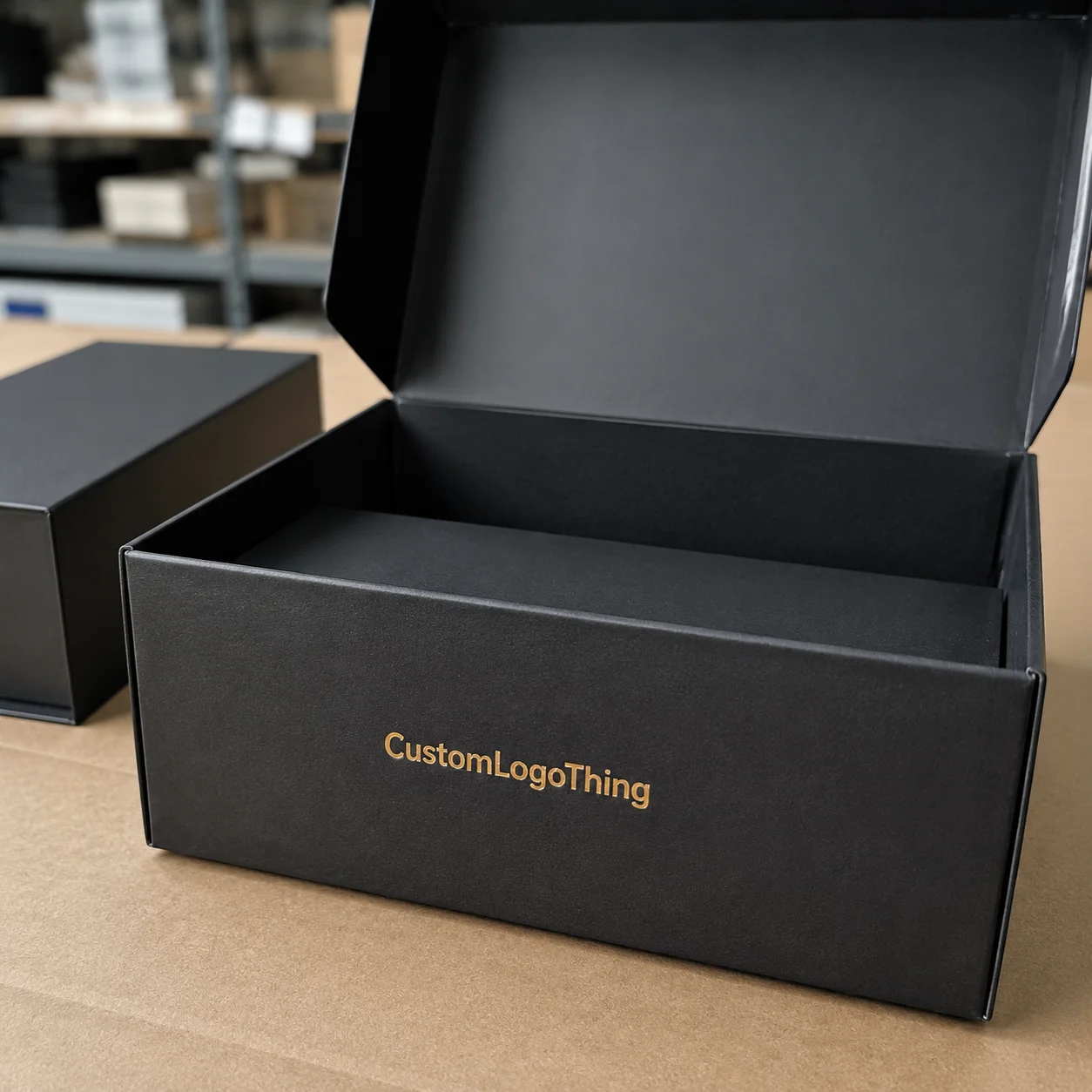
Tuck-top mailer boxes are the box most founders fall for first. They look polished, photograph beautifully, and make a $28 candle feel more considered. I have used them for subscription kits where presentation mattered almost as much as package protection, often specified in 350gsm C1S artboard with a matte aqueous coating for retail-shelf appeal. That said, I am not going to pretend they are always the smartest purchase. If margins are tight and the product already needs inserts, a tuck-top box can become an expensive ego accessory with a shipping label on it.
Double-wall boxes are the option people avoid until one broken shipment changes their mind. They cost more, take more warehouse space, and never win beauty contests. They still earn their place as the best shipping boxes for ecommerce for heavy skincare bundles, bottles, ceramics, supplements in bulk, and anything with fragile corners. I have negotiated board upgrades from B-flute to BC-flute after one client’s damage rate crossed 3.8%, and the difference was not subtle: the product went from a 12% return problem to under 2% after the switch. It was a dull conversation. It saved them a fortune.
Custom-printed ecommerce boxes are where branding and shipping meet in the same piece of board. They can be beautiful, especially with a restrained one-color print on kraft or a crisp full-color exterior on white board. I have seen them work well for DTC brands that care about repeat purchase and social sharing. The tradeoff is straightforward: if the print forces a larger box size or a thicker board than the product really needs, the brand moment starts charging rent. The best shipping boxes for ecommerce earn their keep by helping sell the next order, not by merely looking good on a mood board.
Supply chain realities matter too. Stock sizes are easier to replenish, while custom dielines can take 12 to 18 business days before production even begins, depending on sample revisions and board availability in regions like Zhejiang, Jiangsu, or the Pearl River Delta. Narrow warehouse aisles make footprint matter. A fulfillment team that hates odd sizes makes that matter even more. The best shipping boxes for ecommerce are the ones your team can store, grab, assemble, and ship without friction.
Detailed Reviews of the Best Shipping Boxes for Ecommerce
I have tested more box styles than I care to count, from thin 200gsm mailers that bent if you looked at them too long to heavy-duty custom cartons from suppliers like WestRock and DS Smith that could probably survive a forklift’s bad mood. Here is the honest version of the best shipping boxes for ecommerce, drawn from actual use, not polished sales decks or a factory brochure written in a hurry.
Corrugated mailers
Corrugated mailers are my first pick for apparel, small accessories, and lighter cosmetics. They pack quickly, store flat, and usually cost less than a fancier printed carton. On a compression check, a decent E-flute mailer with 32ECT board and a 300gsm white liner can hold up well for items under 1 lb. That is why many brands rank them among the best shipping boxes for ecommerce for low-risk products that still need a clean presentation.
Speed is their real strength. A trained packer can assemble a mailer in 6 to 8 seconds, especially on a folding line set up for 500 to 800 orders per shift. Abuse is where they fall apart. I have done corner-drop tests where the box survived, but the product inside shifted because the fit was sloppy by half an inch. That half inch turns into a damage claim later. Funny how that works. If the product has room to wander, the box has not done its job.
Standard slotted cartons
RSC cartons sit in the dependable middle ground. They are often the best shipping boxes for ecommerce for brands shipping a mixed catalog because they scale from books to bundled kits to small household goods. Add void fill and the box can protect the product without overcomplicating the packing line. I like them for fulfillment teams because they are familiar. No awkward folds. No fussy tuck geometry. Tape, fill, close, ship, and keep the line moving at 900 to 1,200 units per day.
The drawback is presentation. Plain kraft RSCs are practical, not emotional. If unboxing matters, you may need a printed label, branded tape, or an insert so the customer experience does not feel like a warehouse accident in a 16x12x8 carton. Even so, for many operations, they are the best shipping boxes for ecommerce because they keep cost under control and the process simple, especially in fulfillment centers where labor costs have climbed to $18 to $24 per hour.
Tuck-top mailer boxes
Tuck-top mailer boxes are the darlings of premium DTC brands, and for good reason. They open neatly, they look intentional, and they take print beautifully, especially on 300gsm to 350gsm SBS or strong corrugated board with a clean white liner. For gift sets and subscription boxes, they can absolutely belong among the best shipping boxes for ecommerce, particularly when the brand wants a retailer-quality finish straight out of a California or Guangdong production line.
The unboxing video can be a trap, though. I have seen founders spend an extra $0.42 per unit on print upgrades and structural tweaks, only to discover that customer acquisition costs left no room for that indulgence. If the product is low-margin, the fancy box may be the wrong expense. If the product is premium and retention matters, it can pay off. Context makes the call, not the mood board, and a factory quote from Yiwu or Huizhou will not magically fix bad unit economics.
Double-wall boxes
Double-wall construction is where package protection gets serious. I recommend it for glass, ceramics, heavy supplements, and dense hardware. If boxes are stacked high in transit, or if a single loss hurts badly, these are often the best shipping boxes for ecommerce even when they are not the cheapest option on paper. A typical BC-flute double-wall carton can deliver the extra compression strength needed for cross-country routes and warehouse stacking in the 6-high to 8-high range.
During one supplier meeting in Suzhou, I asked for burst strength and compression data instead of a vague promise about a “stronger box.” The rep finally admitted the single-wall option was fine for shirts, but not for 12-bottle beverage shipments or 4 lb candle sets with glass lids. That honesty saved the client from a week of returns. Numbers always beat adjectives. ASTM and ISTA test language matters here, especially if goods are fragile or travel long distances. For a practical reference, the ISTA testing framework lays out transit testing basics clearly enough to keep a packaging team honest.
Custom-printed ecommerce boxes
Custom-printed boxes are less a material category than a business decision. Printing can happen on mailers, RSCs, tuck-top boxes, and double-wall cartons. The real question is whether the print lifts customer perception enough to justify the cost. The best shipping boxes for ecommerce in this category usually combine smart structure with restrained branding. A one-color kraft print can look more expensive than a noisy full-color layout if the design has discipline, especially when the ink is paired with a matte aqueous finish instead of a high-gloss flood coat.
I once sat in a client meeting where the founder wanted foil, embossing, and a magnetic closure on a box shipping $22 skincare. I asked one question: how many replacements are you willing to pay for when the freight driver tosses this into a pile? They cut the spec down to a better RSC with a branded insert. Smart move. That kind of decision separates the best shipping boxes for ecommerce from packaging that only performs in a pitch deck or a photo shoot.
“We cut our damage rate from 4.1% to 0.9% after switching to a stronger box and better inserts. The packaging cost went up $0.27, but refunds dropped enough to cover it in the first month.”
For brands that need a full packaging mix, I usually point them toward Custom Shipping Boxes for structural choices, then pair that with Custom Packaging Products for inserts, labels, and related shipping materials. If the product is light and mailer-friendly, Custom Poly Mailers can also make sense. Not every order needs a cardboard cathedral, especially if the item is under 8 ounces and already sealed in its retail pack.
Best Shipping Boxes for Ecommerce: Price Comparison
Price is where people start pretending math is optional. It is not. The best shipping boxes for ecommerce should be judged by unit cost, freight, setup, void fill, damage risk, and the time each order takes to pack. A box that costs $0.12 less but triggers one extra return per hundred can turn into the expensive option fast, especially once you factor in re-shipments, labor, and the lost margin on a replacement order.
| Box Type | Low Volume | Mid Volume | Bulk | Common Extra Costs |
|---|---|---|---|---|
| Corrugated mailers | $0.68 to $1.25/unit | $0.42 to $0.85/unit | $0.24 to $0.55/unit | Labels, inserts, void fill |
| RSC cartons | $0.55 to $1.10/unit | $0.32 to $0.70/unit | $0.18 to $0.42/unit | Tape, dunnage, freight |
| Tuck-top mailer boxes | $1.10 to $2.40/unit | $0.75 to $1.55/unit | $0.45 to $1.05/unit | Printing, tooling, sample revisions |
| Double-wall boxes | $1.20 to $2.80/unit | $0.80 to $1.65/unit | $0.52 to $1.20/unit | Higher freight, larger storage footprint |
Custom printing adds another layer. Expect setup charges, plate fees, and sometimes a color-match fee if you insist on a branded Pantone that your supplier has to chase across two presses and a good deal of patience. I have seen print setup run from $75 to $350 for simpler runs, while more complex artwork can cost more, especially if the factory is using water-based flexographic printing in Guangdong or offset litho in an East China converter. That is normal. The best shipping boxes for ecommerce are rarely the cheapest printed ones on the quote sheet, but they can still be the best value if they reduce damage or increase repeat purchase.
Hidden costs matter more than founders expect. Void fill can add $0.03 to $0.18 per order. Inserts can add another $0.08 to $0.40. Tape looks cheap until you are using 4 inches more per box than necessary. Oversized cartons trigger dimensional weight charges on FedEx and UPS, and suddenly that “cheap” box costs an extra $2.60 in shipping. I have watched it happen on a pallet of beauty kits packed one size too large. Painful. Entirely avoidable, especially when a 9x6x3 box would have done the same job as an 11x8x4 carton.
Here is my budget framework. If your average order value is under $30, keep packaging tight and functional. If AOV sits between $30 and $75, spend enough to protect and present well, maybe $0.35 to $0.90 on the carton depending on volume and print complexity. If AOV is above $75, the best shipping boxes for ecommerce can justify more presentation and stronger construction, especially if the unboxing helps drive repeat orders. Just do not overspend on the box while starving the product inside. That is backwards.
Freight can change the math in a hurry. A double-wall box that ships flat may cost more up front, but if it prevents crushed inventory and lowers re-shipments, it can still be the smarter play. That is the unglamorous math behind the best shipping boxes for ecommerce. It is not about the prettiest quote. It is about total landed packaging cost, from the carton plant in Vietnam or Ohio to the final mile at the customer’s door.
How to Choose the Right Ecommerce Shipping Box
Start with the product, not the box catalog. Measure the packed item, not the naked item sitting on your desk. I mean all of it: product, insert, wrap, and any void fill. I have watched teams order boxes that matched the product length perfectly, then discover the product needed another 0.75 inches for foam corners or a molded pulp tray. Suddenly the supposed best shipping boxes for ecommerce were useless because the inside clearance was wrong.
Leave enough room for protection, but not so much that the product slides around like it is in a bowling lane. A good rule is 0.25 to 0.75 inches of clearance on each side for smaller items, then adjust for fragility. For heavier or glass items, use inserts or dividers rather than empty space. The best shipping boxes for ecommerce are sized for both fit and protection, and a 10-pack fit test will tell you more than a spec sheet ever will.
Weight and shipping zone exposure matter too. If you are shipping across zones 5 to 8 regularly, transit packaging needs more respect. A thin board that survives local deliveries in Atlanta may fail after a longer carrier journey with multiple handoffs through Memphis, Newark, and Phoenix. That is why I push brands to test by route, not just by spec sheet. The best shipping boxes for ecommerce in a regional test may not be the best for cross-country fulfillment.
Branding should stay honest. If customers never open the outer carton on camera, a plain RSC with a sharp insert may be smarter than a flashy printed shell. If the box is part of your product experience, then invest where it actually shows up in the customer’s hands. The trick is deciding whether the box is selling the product or decorating it. I have seen both, and the difference often shows up in repeat purchase rate within 60 to 90 days.
Here is my mini decision tree:
- Light and flat: choose corrugated mailers or poly mailers if the product is soft and not breakable.
- Small and fragile: use a snug RSC with inserts or a double-wall mailer if the item is high value.
- Premium and giftable: choose tuck-top mailer boxes or custom-printed mailers with controlled fit.
- Heavy and dense: move to double-wall boxes and confirm compression data before buying.
If you want to reduce risk, order samples and run a 10-box pack test. Put the product in, shake it, drop it from waist height, and stack it under heavier cartons for 24 hours at room temperature, ideally 68 to 72 degrees Fahrenheit. That is not glamorous work, but it is how you find the best shipping boxes for ecommerce before customers do. I have seen a product pass visual inspection and fail stack testing because the bottom panel flexed after overnight compression. That kind of failure never shows up in a polished spec sheet.
Process and Timeline: From Sample to Shipment
The sourcing process stays straightforward until someone rushes the artwork or signs off on a dieline with the wrong measurements. First comes the box style and board grade. Then samples. Then testing. Then revision. Then approval. That sounds slow because it is, and there is a reason for it. The best shipping boxes for ecommerce usually come from a few careful rounds of precision, not one lucky guess, especially if the factory is working with a 350gsm C1S artboard spec, an E-flute insert, and a printed outer carton.
Stock boxes can move quickly, sometimes within days if the supplier already has the right size in inventory. Custom boxes take longer. Realistically, sample approval, production, and freight can add up to 18 to 30 business days, depending on order size and the factory location. If cartons are coming from overseas, ocean freight from Shenzhen, Ningbo, or Ho Chi Minh City can stretch that timeline even more, and a 20-foot container can add 14 to 28 days door to door before the cartons hit your DC. Peak seasons make everything worse, because apparently everyone needs boxes at the same time.
In one supplier negotiation, I asked for a white sample before approving any printed run. Good call. The customer’s artwork looked clean on screen, but the actual structure needed a stronger flute and the logo placement shifted 4 mm because of the fold. A white sample catches structural problems before ink gets involved. That is how you keep the best shipping boxes for ecommerce from turning into expensive rework, especially when the press run is 5,000 pieces and the carton maker in Dongguan wants sign-off before a Friday cutoff.
Where mistakes happen most often:
- Bad dielines: the cut size looks right, but the fold points crush the product.
- Wrong flute choice: E-flute looks nice, but B-flute or BC-flute may be needed for strength.
- Inaccurate size specs: product dimensions were measured loose, not packed.
- Premature art approval: the print looks fine, but the box structure is wrong.
- Ignoring board grades: a lower-cost board can fail compression tests in transit packaging.
Ask suppliers for compression test data, board grade information, and a clear sample schedule. If they cannot tell you whether the board is 32ECT, 44ECT, or a double-wall equivalent, that is a clue. Not a helpful one. The best shipping boxes for ecommerce come from suppliers who can talk specs without hiding behind vague language, and a quote that includes $0.15 per unit for 5,000 pieces is more useful than a shiny promise with no material description.
For brands that care about sustainability, I also ask about FSC-certified board and recycled content. You can verify certification standards through FSC. If sustainability claims are part of your marketing, make sure the paper trail is real. Customers notice. Regulators notice more, and a recycled kraft mailer with 60% post-consumer content is easier to defend than a vague “eco-friendly” claim.
Our Recommendation: Best Shipping Boxes for Ecommerce by Use Case
Here is the blunt recommendation matrix I use when clients ask for the best shipping boxes for ecommerce. If your product is light and low risk, do not overbuild. If it is fragile or expensive, stop trying to save pennies with thin board that fails under real carrier handling. I have seen too many brands confuse cheap with smart. They are not the same thing, and a $0.09 savings can disappear the first time a customer files a claim.
- Safest low-cost option: standard RSC cartons with right-sized inserts and kraft void fill.
- Best all-around option: corrugated mailers for light products and RSCs for mixed catalogs.
- Best premium branding option: custom-printed tuck-top mailer boxes with disciplined artwork.
- Best option for fragile products: double-wall boxes with proper inserts and tested closure strength.
For apparel, I usually recommend corrugated mailers or a tidy tuck-top box if presentation matters. For supplements, especially bottled or bundled sets, a snug RSC with inserts is often the best shipping boxes for ecommerce choice because the structure matters more than the logo. For candles, I favor sturdy mailers or RSCs with dividers, depending on glass thickness and wax weight. For electronics accessories, mailers work well if the item is small and the packaging does not need much cushioning. For skincare, it depends on bottle shape, leakage risk, and how much branding the founder wants to show off.
Some brands should absolutely choose plain boxes and put the savings into inserts, stronger tape, or better void fill. That is especially true if product margins are thin or damage risk is low. A plain box with a smart label and clean internal presentation can outperform a fancy printed carton that eats your margin. I have had clients cut box costs by $0.31 and spend $0.11 on a better paper insert, then see fewer breakages and stronger reviews. That is what good ecommerce shipping decisions look like.
My final rule is easy: choose the smallest box that protects the product, looks decent, and keeps dimensional weight under control. If you do that, you are already ahead of half the market. Then order samples, confirm carrier pricing, and run a 10-box test pack before you scale. That is how you find the best shipping boxes for ecommerce without learning the hard way through returns and angry emails, especially when your fulfillment team is shipping 2,000 orders a week from a 25,000-square-foot warehouse.
If you want a starting point, explore Custom Shipping Boxes, compare options with Custom Packaging Products, and keep Custom Poly Mailers on the table for soft goods that do not need rigid protection. The best shipping boxes for ecommerce are not the fanciest ones. They are the ones that arrive intact, keep your fulfillment line moving, and protect your margin while doing it.
What are the best shipping boxes for ecommerce apparel?
Use lightweight corrugated mailers or tuck-top mailer boxes for folded apparel. Choose the smallest size that avoids shifting, because oversized boxes waste money fast. If branding matters, a printed mailer box often beats plain shipping cartons for unboxing, and a 9x7x2 mailer is usually plenty for a folded tee. For soft tees and hoodies, I would also keep Custom Poly Mailers in the conversation if you want to cut shipping weight and keep postage under 8 ounces on lighter orders.
Are double-wall boxes necessary for ecommerce shipping?
They are best for heavy, fragile, or high-value items. Most lightweight products do not need double-wall construction. Use them when crush resistance matters more than saving a few cents per box, especially if your item weighs over 5 lb or includes glass, ceramic, or dense hardware. If you are shipping glass jars, dense hardware, or stacked product kits, double-wall is often the safer choice, and a BC-flute carton can be worth the extra $0.18 to $0.42 per unit.
How do I compare shipping box prices for my store?
Compare unit cost, freight, setup charges, and damage risk together. Look at low-volume and bulk pricing, not just the first quote you see. Include tape, inserts, and void fill in your real packaging cost. The cheapest box on the invoice is not the cheapest box once you count returns and re-shipments, and a $0.15 unit price at 5,000 pieces can still be the better buy if it lowers breakage by 2%.
What size shipping box is best for ecommerce products?
The best size is usually the smallest box that fits the product with protective clearance. Too much empty space increases shipping cost and product movement. Measure the packed product, not just the item itself, and allow 0.25 to 0.75 inches of clearance around the product for smaller items. If you skip that step, your dimensional weight bill will remind you pretty quickly.
How long does it take to get custom ecommerce shipping boxes?
Stock boxes can ship quickly, while custom printed boxes take longer because of sample approval and production. Timeline depends on artwork approval, order size, and freight method. A typical custom project runs 12 to 15 business days from proof approval for production, then another 5 to 10 business days for domestic freight, or longer for ocean shipments. Always build in extra time before peak sales periods. If your launch date is fixed, start sampling early or you will be paying for speed instead of quality.