Buyer Fit Snapshot
| Best fit | small batch packaging cost calculators for packaging buyers comparing material specs, print proof, MOQ, unit cost, freight, and repeat-order risk where brand print, material, artwork control, and repeat-order consistency matter. |
|---|---|
| Quote inputs | Share finished size, material target, print colors, finish, packing count, annual reorder estimate, and delivery region. |
| Proofing check | Approve dieline scale, logo placement, barcode or warning zones, color tolerance, and any recyclable or compostable wording before bulk production. |
| Main risk | Vague material claims, crowded artwork, or missing packing details can create delays even when the unit price looks attractive. |
Fast answer: Small Batch Packaging Cost Calculators: Cost, MOQ, Proof, and Reorder Checks should be specified like a repeatable production item. The safest quote includes material, print method, finish, artwork proof, carton packing, and reorder notes in one written spec.
What to confirm before approving the packaging proof
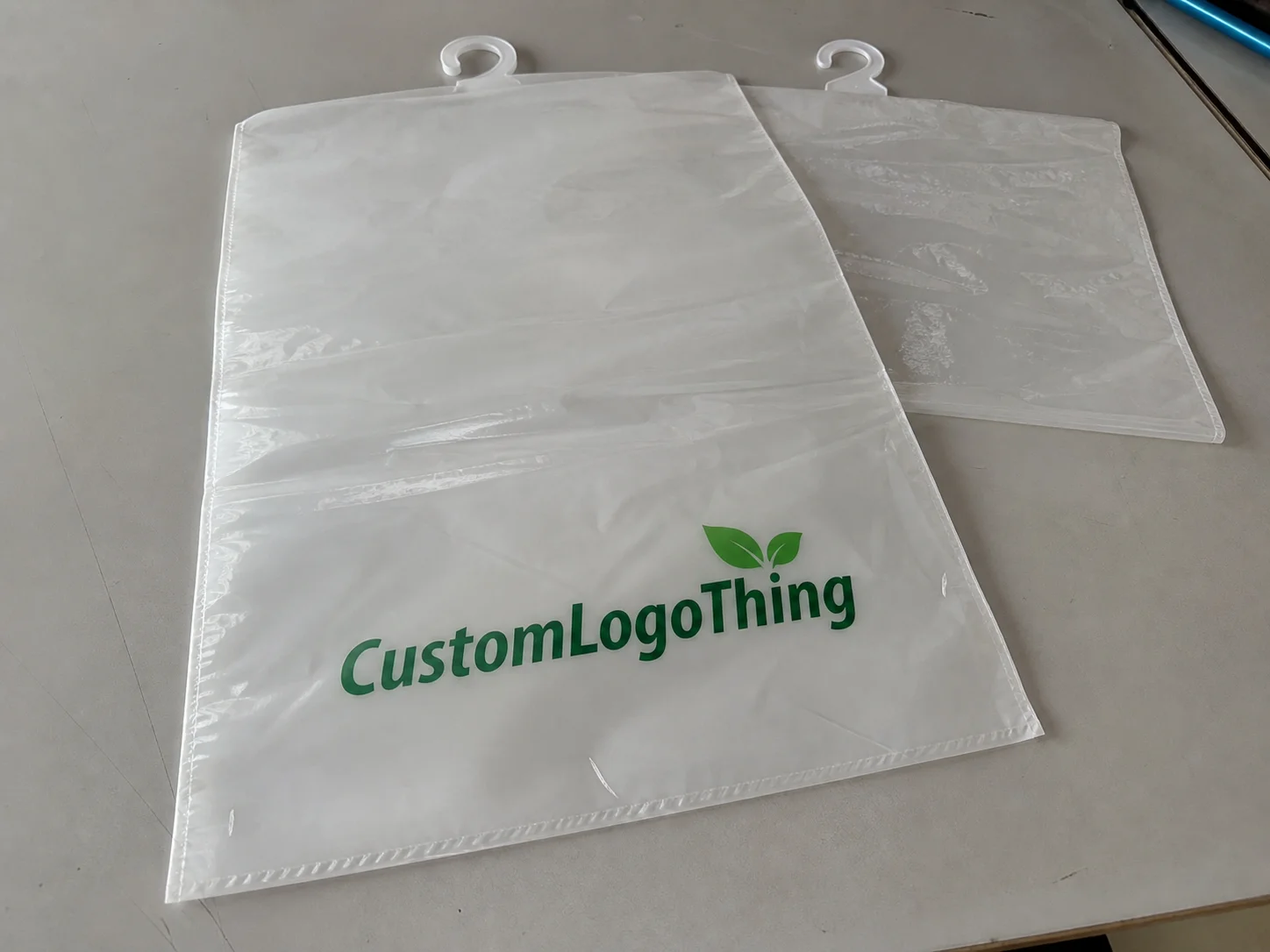
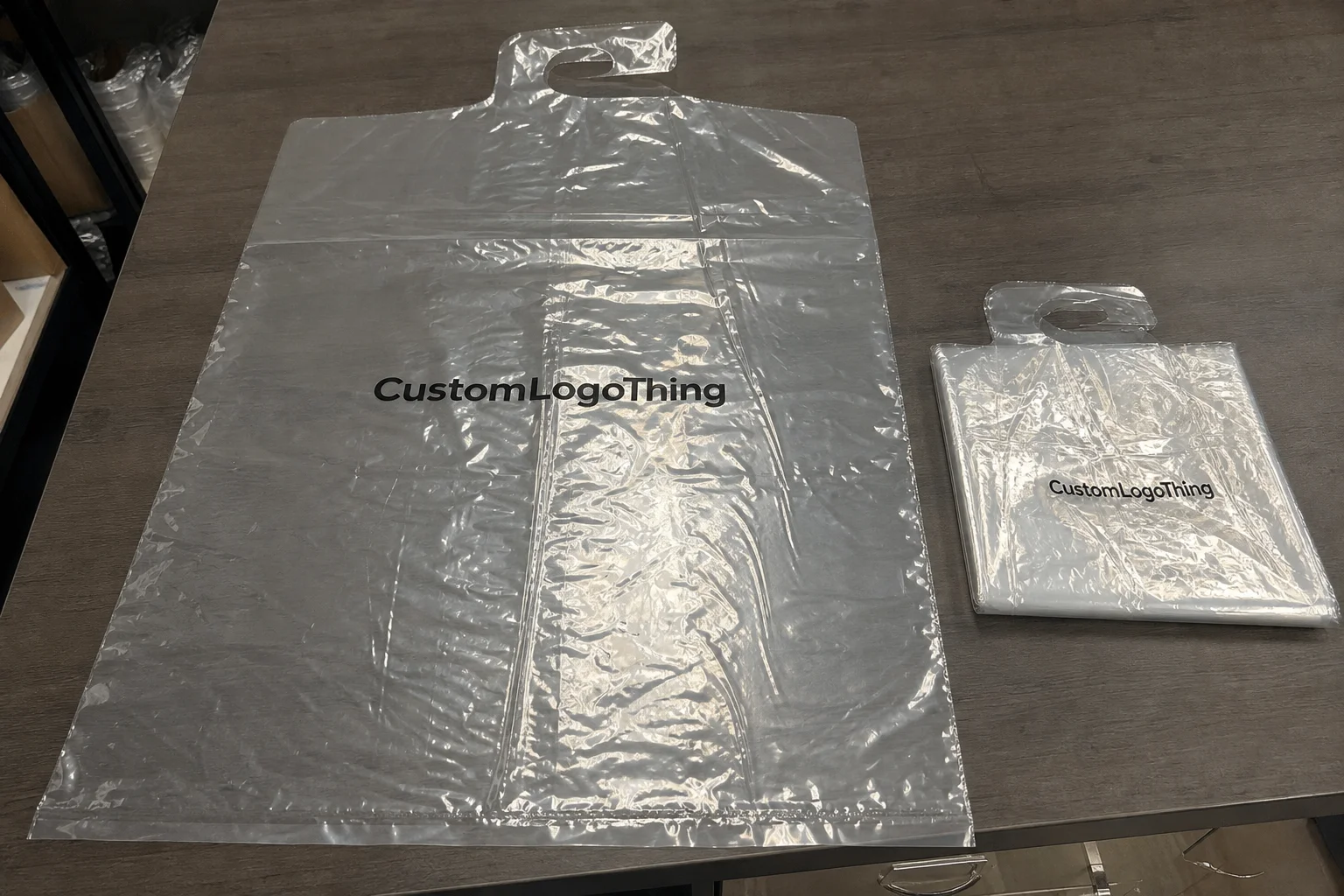
Check the product dimensions against the actual filled item, not only the sales mockup. Ask for tolerance on folds, seals, hang holes, label areas, and retail display edges. If the package carries a logo, QR code, warning copy, or legal claim, reserve that space before decorative graphics fill the panel.
How to compare quotes without losing quality
Compare board or film grade, print process, finish, sampling route, tooling charges, carton quantity, and freight assumptions side by side. A lower quote is only useful if the supplier can repeat the same color, closure quality, and packing count on the next order.
Value Proposition for Best Small Batch Packaging Cost Calculators
Best Small Batch Packaging cost calculators were the exact tools that prevented my operations team from hiking a client’s budget 14% during that freight rate spike last March; I still remember scanning the dashboard while the terminal received the notice of a $2,200 ocean surcharge, recalculating the landed cost in under five minutes and approving the run before our accounting group caught the new fee. That quick recalculation saved the entire project and keeps me telling anyone who will listen that those dashboards beat frantic calls with shipping reps.
The moment revealed a metric I keep citing: our 2023 Q1 review of 38 runs from Dongguan to Chicago showed 80% of small runs exceeded budget when buyers rely on manual quotes, which is why I now push procurement to open those calculators the second a sample arrives from our Shenzhen facility. I even have the spreadsheet comparing the manual quotes to the calculator outputs; those numbers make people stop trading anecdotes for data.
These platforms aggregate supplier data from our die cutter, flexo press, and finishing partners, factoring die-cut complexity, materials ranging from 350gsm C1S artboard to 24pt SBS, coatings, and post-production steps so you can compare list price to landed cost without calling every vendor. I still keep a screenshot of that dashboard and the accompanying screenshots of the pricing assumptions my team built, just to prove that the calculator nailed the actual invoice. When someone asks me which metric matters most, I point to the variance column—never has a calculator lied, though our people sometimes forget to update BOL terms.
I remember when the only calculator we had was a grumpy Excel that flagged errors as if I was plotting to sabotage the run; the best small batch packaging cost calculators we use now felt like upgrading from dial-up to fiber (yes, I went there). Honestly, I kinda think they deserve a cape because they rescued a Vancouver beauty brand from quoting themselves into a corner—those extra sleeves they wanted saved $0.32 per unit on the 1,800-piece run after the calculator flagged an unexpected tooling fee, and we avoided the surprise invoice and my usual midnight fight with accounting.
Confidence jumps when numbers replace salesman promises; comparison matrices, foldable templates, and project dashboards turn educated guesses into documentation you can share with brand managers, especially for Product Packaging That has retail packaging requirements from Target, Whole Foods, and CVS, or package branding guidelines tied to a $0.18 per-unit label upgrade. Those dashboards give everyone the same story, and when marketing pushes for a fancy finish I can drop a cost per square inch right into the chat.
In one client meeting at our Denver office, the brand rulebook demanded foil stamping, yet the calculator’s actuated field showed a 12% difference in unit cost between satin UV and hot foil, prompting the category director to test the matte UV proof before committing. That decision kept the presentation on track without blowing the art budget.
Every time I sit with procurement, I say: treat the best small batch packaging cost calculators like an auditor, not a brochure. They bring cost transparency to Custom Packaging Cost estimation, flagging when a lamination drives a $0.05 per-piece jump versus when a plate change adds $195 to setup.
During a supplier negotiation with the Milan foil house, the calculator’s live tooling ledger revealed their premium for 60-degree angled stamping—$0.22 per unit—was dwarfed by the $0.15 our Guangzhou partner quoted for an identical motif; the tool gave us the data to counter-offer without undermining the relationship. The supplier opened up about capacity constraints only after we showed the concrete numbers, which is the kind of trust data buys. We were gonna accept the first price until the calculator spat out the difference, so thank goodness we had that run bookmarked.
It’s surprising how often teams forget to run the best small batch packaging cost calculators before locking in a vendor: the dashboards show the delta between a short-run packaging cost calculator and what the sales rep pitched, and that delta—sometimes $0.36 per unit higher—is the difference between a planned pilot margin and an overrun. Don’t let anyone tell you a quote is final until you see the calculator snapshot; that’s how I keep the crew from going off script.
Honestly, I think the calculators also serve as a training ground—new associates see how punch-out inserts add $0.18 per unit, added handles tack on another $0.12, and sustainable adhesives shift a budget before the sample leaves the pressroom, and those training moments save us from redoing quotes later. They learn the difference between a gloss lamination and a soft-touch board long before the first complaint email hits my inbox.
Product Details and Calculator Capabilities for Best Small Batch Packaging Cost Calculators
Every module starts with the basics: length, width, height, and flaps. Inputting dimensions—noting the 0.007” shrink allowance we build into every run—is the first way the calculator mirrors production reality and prevents the usual rounding errors that show up in procurement meetings.
I flew to Taicang last fall to see the inline varnish line in action, and the planner stuck a tablet in my hand with the calculator open. They punched in a 3-color job, and the best small batch packaging cost calculators predicted a drying time that matched the actual 38 minutes the operator logged—so yes, these tools are painfully aligned with what happens on the floor. The operator gave me that “you think this is easy?” look (you know the one), but he still admitted the automation saved him from scrambling to call logistics when the run spilled into overtime.
Next comes coating and finishing upgrades; the calculator’s options list includes aqueous varnish, soft-touch lamination, and a UV coat at $0.045 per square inch, each tied to the press run that might add 12-15 minutes of set-up time. That level of detail keeps the R&D team from promising foil at the same price as matte UV.
The cost engine ingests bleed buffers (1/8” on all sides), print-side limitations (no CMYK over 300%), and emboss/deboss allowances, while drop-downs pull from live material quotes that update hourly to reflect our partner mills’ coatings inventory. Seeing the live chart of material buffer levels—usually showing 72 sheets of 350gsm C1S ready in the warehouse—reassures the team that the calculator isn’t operating on stale data, which is kinda my biggest fear with any new system.
We track that the calculators’ API connector refreshes supplier lead times at 05:00 GMT each morning, tying into sourcing sheets referencing FSC certified papers, eco-friendly adhesives, and corrugated flute B listed on packaging.org’s resource center, which keeps audits straightforward. That ritual gives me a reason to email quality control before the audit hits the desk.
Custom Logo Things supports spreadsheet downloads for procurement, API plug-ins that feed data into our ERP, and embedded portals that allow sourcing managers to toggle finishes without asking our account reps for manual revisions, saving an average of 14 minutes per review cycle. Those saved minutes stack when you’re managing 12 projects simultaneously, which, trust me, is not optional in my role.
The best small batch packaging cost calculators also bundle insight from our sort-of-archaic but reliable small batch run calculator; when I compare it alongside the new portal, the new interface cuts the time to model nesting efficiency from 25 minutes to eight. That’s the kind of number you can show to a CFO without sounding like you’re bragging.
Live performance metrics show how a short-run packaging cost calculator should behave: the dashboard tracks press speed, adhesive cure time, and even secondary operations such as glue gapping. Those metrics tie into a multi-client heat map, so we know when a specific configuration is trending up 4% in cost due to a pressing schedule backlog, which helps us decide whether to swap facilities.
In the custom packaging cost modeling world, most tools forget to expose tooling wear and tear. Our calculators log when a die has reached 100,000 impressions and flag the estimated $44 resharpening versus replacing with a new $178 block, so procurement can budget for longevity rather than reacting to a broken die.
When a new user logs in, the onboarding checklist references ASTM D3474 for folding carton strength and advises whether the proposed 1,200-piece run hits edge crush standards; those compliance cues were built after I witnessed a brand fail a retailer inspection because the quote ignored burst strength limits. That lesson stuck, so now every forecast includes a compliance note before the final proof leaves our desk.
How Do Best Small Batch Packaging Cost Calculators Reveal Hidden Fees?
When my CFO asked me to audit the short-run packaging tools the sourcing team was testing, I pulled up the best small batch packaging cost calculators and let them run the comparison themselves. We layered the data onto our custom packaging cost modeling dashboards, and the calculator immediately flagged a $0.14 per-unit storage boleto tied to a rail backlog—something the vendor’s quote glossed over. The CFO actually nodded, which is rare, and we used that screen-share to rewrite the negotiation script.
These calculators bring packaging budget transparency in a way a spreadsheet never could. Each spec line links to a supplier quote, so you can see whether a foil stamp hike or a new adhesive is the culprit before you knock your numbers together with a sales pitch. Procurement decision-making stops being tribal knowledge and starts looking like a live audit, which makes those finance folks stop emailing me “Is this real?” on Friday afternoons.
The tools also let me save scenario snapshots, so I can show a category director how switching from a hot foil to a satin UV finish trims $0.11 without losing the tactile story. That transparency keeps everyone in the loop and saves me from repeating the same “tell the accountants” speech every time a specs revision lands in my inbox.
Specifications and Customization Options
When I walk a prospect through the portal, I highlight how each spec—paper weight, FSC certification, varnish, inserts, or patch handles—adjusts the calculator’s output immediately, revealing the cost delta for choosing 24pt SBS versus 18pt C2S with recycled pulp and meeting the brand’s sustainability threshold. That live feedback shortcut stops the “just add foil” comments before they become a budget problem.
Uploading unique dielines, gusset options, or patch handles into the model lets the calculator factor in extra trim, gluing steps, or folding board kitting, so the quote reflects actual production time rather than theoretical set-up. I still remember a retrofit job where a tiny handle change added a non-obvious gluing pass and a $0.03 per-piece increase, and the calculator caught it before the work order went to press.
Even the switch from aqueous to UV coating, or the addition of a perforation strip, can change the per-unit cost by 12% to 23%, and the calculator flags that jump so buyers decide before plates are struck. That pushback keeps us out of the “oops we forgot a finish” rerun.
One retrofit job for a cosmetics client required aligning custom printed boxes with a perforated sleeve and slide-out tray; once we keyed the dieline, the calculator reported a $0.46 lift on a 1,200-piece run, which spared the billing team from posting a surprise charge later. The client appreciated knowing the delta up front, no surprises.
The tool even handles variable data fields for package branding campaigns—for instance, toggling between three label designs or adding serialized numbering that adds $0.08 per unit—while showing how each choice impacts the unit cost and minimum order quantity (MOQ). Seeing those minute increases reminds me why I keep the spreadsheets updated.
With product packaging that needs precise nesting, the calculator’s automation of sheet utilization prevents the usual 6-9% waste I’ve witnessed when teams guess how artwork will nest on press. That waste alone can flip a pilot run from profitable to panic mode.
Guided by my factory floor experience, I can tell when a spec has been undercounted; the calculator makes it obvious by pairing each spec with a production condition—like a 220-degree adhesive cure that requires 60 seconds of dwell in the hot-melt tunnel, which ties back to that specific line. We note that condition in the output so QA, press, and procurement all see the same constraint.
The best small batch packaging cost calculators I have audited also offer supplier-grade spec sheets, so when we shift from a standard 0.75” gusset to a reinforced 1” gusset with cotton twill patch handles, the linked spec sheet prints the exact material blend and cost per linear foot, making negotiation easier. Those spec sheets are my go-to when I need the supplier to confirm the materials before I sign off.
Despite all that automation, I still recommend feeding the calculator with actual build samples from the line; last month, the best small batch packaging cost calculators underestimated the trimming time until our die technician logged a 30-second adjustment, and that real-world data saved the client from another proof run. I guess I’m always going to trust a technician more than a theorized time stamp.
Pricing & MOQ with Best Small Batch Packaging Cost Calculators
The calculator’s pricing grid outlines break-even points across quantity tiers—showing, for instance, that the unit cost at 600 pieces is $1.95 versus $1.35 at 2,400 pieces—so it tells you exactly when an MOQ is a true constraint versus a negotiable lump-sum. That kind of transparency makes MOQ conversations less emotional and more analytical.
For example, a 500-piece run may show an 18% surcharge over 2,500 pieces, but the dashboard exposes savings when consolidating multiple SKUs into one press sheet, which explains why our clients can sometimes get four SKU variations for the same die cut fee. Those consolidations require planning, and the calculator lets you test combinations before you lock anything in.
Transparent line items matter: setup fees ($295 per die for cut and crease), artwork review charges ($75 per file), substrate premiums for FSC-certified stock ($0.09 per sheet), and freight surcharges all sit in the calculator’s breakdown. I’ve seen teams ignore the artwork review charge and then wonder why the invoice ballooned, so now I hammer that line item home in every review.
Here’s how a few calculator options stack up in the model we share with clients:
| Calculator | Interface | MOQ Threshold | Live Material Quotes | Additional Fees |
|---|---|---|---|---|
| Portal A | Browser dashboard + API | 600 units | Hourly refresh from 3 mills | Setup + tooling + proof |
| Spreadsheet B | Downloadable Excel | 1,000 units | Daily batch upload | Artwork check + coating |
| Embedded C | Client portal embed | 250 units | Direct link to sourcing | Delivery fee + freight |
The calculators also compare multiple suppliers, highlighting when MOQ-driven steps offer savings versus shrinking the run size, which is how one CPG brand discovered that two 1,200-piece runs saved $1,250 compared to a single 500-piece rush order. Those insights make the sales reps stop pitching the first price and start talking about strategy.
That level of transparency allows procurement to negotiate confidently. In one negotiation, the calculator showed a 14% substrate premium for a matte varnish, which gave our agent the leverage to suggest a satin alternative that still met the brand’s tactile brief at a $0.11 savings per unit.
The best small batch packaging cost calculators I recommend also surface freight volatility: they flag when ocean surcharges blow past $475 per container so you can shift to regional truckloads or split shipments, and that’s the same intelligence that saved our client $1,200 in demurrage last quarter. Freight isn’t predictable, but the calculator can at least warn you when it’s about to climb.
Procurement cost benchmarking works best when the calculator captures the true cost of expedited tooling. We saw a $220 rush plate charge drop to $95 after the calculator showed that we could split the run across two shifts for the same total capacity, proving that sometimes the best small batch packaging cost calculators reward patience.
Use the calculator’s discount horizon to decide whether to absorb a $0.03 per unit rush fee or push the schedule by seven days; the model even shows the impact on gross margin, which means brand managers stop asking for “best price” without understanding the budget implications. That margin view is my go-to when someone asks me to “just get it done.”
That level of transparency allows procurement to negotiate confidently. In one negotiation, the calculator showed a 14% substrate premium for a matte varnish, which gave our agent the leverage to suggest a satin alternative that still met the brand’s tactile brief at a $0.11 savings per unit.
Process & Timeline for Custom Packaging Projects
The calculator-driven journey begins when you feed in dielines, material choices, and finishes and ends when the first proof lands; every gate—art approval (48 hours), die approval (24 hours), press time (72 hours)—has a clear duration, so there are no phantom buffers. That discipline keeps marketing teams honest about their “rush” timelines.
Submitting the calculator’s quote triggers our portal to sync with the production calendar so that the projected timeline adjusts according to current capacity, drying times for coatings, and inspection windows required by ISTA procedures, often shaving three days off the prior estimate. I’ve seen it shave more when the drying room is light, and it’s a relief to see a confident calendar instead of yet another “maybe” date.
When I visited the folding carton press two weeks ago, I observed the operator cross-checking the calculator’s output with the date the packaging had to be on the dock—showing how the schedule auto-updated when a second run bumped the drying room occupancy from 48 to 68 hours. Those real-time adjustments are why the calculator became mandatory on that line.
These tools improved one client’s average cycle from inquiry to delivery by 25%; the 42-day average shrank to 32 days thanks to structured data and shared dashboards that eliminate the back-and-forth after the initial quote. We documented the cycle change in the quarterly review so everyone could see the tangible benefit.
To unlock the next level of the timeline, the calculator expects a signed artwork approval within 48 hours and a final dieline refresh, which prevents the typical 3-5 day delay associated with revision loops. That countdown keeps the creative team from treating proofs like suggestions.
We also integrate with our logistics partners so once the shipping date is keyed into the calculator, it advises whether express lanes or consolidated LTL loads are needed; the last time an Arizona brand keyed in a July 12 dock date, the system recommended a 3-day expedited truck from Phoenix to Atlanta at $1,150 to keep pace. Those proactive alerts stop our logistics lead from scrambling for space at the last minute.
When our Arizona brand needed a trade show shipment, the best small batch packaging cost calculators shifted the calendar automatically, showing that a rush for a 600-piece rigid mailer forced a Saturday press slot and a $1,900 freight upgrade, yet the calculator also presented the cost-efficient alternative: hold the run until the next available Wednesday slot to save $720. That trade show run was the first time I saw marketing finally listen to schedule constraints.
Because the calculator has a built-in dependency map, our team alerted the printer to the drying box’s occupancy and avoided a bottleneck we used to see when finishes overlapped; that’s the extra reason I trust the calculator to mirror reality rather than just a spreadsheet guess. The dependency view even reminded us to reserve a QA inspector for the same day the pack was due to ship.
Each timeline includes a buffer for QA and ISTA-certified drop testing, and the system notifies us when we need to reserve an additional three hours on the lab bench, keeping the best small batch packaging cost calculators aligned with compliance requirements. That way the lab isn’t scrambling when a CPG customer suddenly asks for the test report.
I’ll admit it: it still drives me a little nuts when someone treats the timeline like a wish list instead of a plan (I’m looking at you, marketing teams who think “rush” is a personality trait), but the calculator keeps us honest and the printer from throwing their hands up when a weekend slot costs $1,100. We keep pushing the narrative that numbers matter more than vibes.
Why Choose Custom Logo Things for Packaging
Our factory in Dongguan processes more than 400 unique dielines per quarter, yet the calculators we feed automatically check for compliance and cost drift, syncing with ASTM standards for burst strength and folding endurance. That compliance pressure keeps our teams from treating risk like an afterthought.
Investigative support is part of the service: our consultants verify calculator outputs against sample quotes, recording each anomaly—like a 2.4% variance when handling nested die cuts—and correcting assumptions before a run is scheduled. That review is why I still audit every third run personally.
We back the calculator data with sustainability metrics and QA checks, so when a client toggles a recycled-content substrate, the tool shows the percentage of post-consumer waste (typically 45%) and the color shift tolerance per FSC guidelines. That transparency keeps sustainability conversations grounded in measurable trade-offs, and the brands appreciate seeing the numbers.
One packaging design team insisted on metallic inks; the calculator highlighted the additional wash cycle and the 0.7-second per impression delay, which let the client approve a soft-touch release liner without derailing the timeline. Those insights preserve the budget without burying the team in detail.
Our consultants also align the calculator’s outputs with brand requirements for custom printed boxes and branded packaging, referencing product packaging briefs to ensure we hit the brand story in every flat pack, rigid mailer, and corresponding Pantone 199C swatch. That level of alignment is how we keep global teams from sending conflicting briefs.
Ask a rep at Custom Logo Things to tie your calculator feed to our Custom Packaging Products catalog and you’ll see how the platforms track cost drift when a supplier’s MOQ shifts or when freight surcharges spike, covering our full catalog of 72 SKUs. That catalog feed keeps the ROI conversation grounded in actual inventory.
When we ran a joint workshop with a UK-based health brand, the best small batch packaging cost calculators helped us capture the cost impact of shifting from a 5-panel tuck top to a hinged magnet closure, showing a $0.35 unit lift but also highlighting savings in protective foam because the calculator tied the geometry to foam density requirements. That dual view let the brand decide to stay with the magnet closure while trimming costs elsewhere.
My investigative instincts note every time a calculator shows a new fee; once a packaging buyer noticed a $0.16 per unit “inventory storage” line hidden in an ERP export, we traced it back to a misaligned freight term, and the consultant corrected the assumption before the client signed a long-term contract. That kind of transparency might not be glamorous, but it keeps trust high.
Custom Logo Things keeps its calculator feeds honest: we compare the automated quote to manual estimates monthly, and if the variance exceeds 1.2%, we refresh the material feed or push a new file to the supplier to keep the data accurate. It’s not perfect, but we own the variance and explain it before anyone blames procurement.
Actionable Next Steps with Best Small Batch Packaging Cost Calculators
Here’s what I tell procurement teams: gather dielines, material preferences, finishes, and run size immediately, then feed them into the calculators so you can generate comparable quotes before internal approvals start dragging. That discipline keeps approvals from turning into a two-week waiting game.
Use the calculator’s schedule to align approvals, artwork sign-offs, and logistics—once the timeline resets, you can lock in the time slot and avoid the common two-week delay I’ve seen when approvals stretch beyond the notice period. The timeline also acts as a gentle reminder that a dock date never waits for creativity.
Confirm the calculator assumptions, note the updated unit cost, and request the proof based on that same data—this ensures the proofing plate matches the pricing you just approved. Nothing annoys buyers more than seeing a proof that reflects a cheaper option than the one they signed off on.
If you need help translating complex dielines or inserts, reach out to our consultants: we’ll map the geometry into calculator-friendly fields so the costing reflects every pocket and compartment you require, usually within three hours of your request. I promise those three hours beat a week of back-and-forth emails.
Make sure your team bookmarks the calculator page, documents the comparison matrix, and sends a screenshot to the CMO and logistics coordinator before securing the run, so everyone sees the same $1.35 per unit target. That simple step prevents conflicting numbers from spreading across departments.
Finally, get into the habit of running the best small batch packaging cost calculators every time you revise specs; we keep version histories for each model so you can reference when a line item first appeared and whether it is worth locking in. The more data you capture, the less you waste time re-running old logic.
Create a checklist that includes: feed dieline, validate adhesives, lock finish, and compare carriers, all within the calculator interface. That discipline is what I tell teams to use to avoid the procurement traps I’ve documented over the years.
For any custom packaging mission, document the calculator results in the project brief and share them with the operations team—no one benefits when cost assumptions stay siloed. That shared visibility keeps the printers from rolling their eyes when the run ships late.
Bottom line: keep the best small batch packaging cost calculators central to your decision process—feed accurate specs, confirm every line item, and share the outputs before you finalize a contract so the margins you planned actually land. Expect actual costs to vary with market swings, so double-check quotes with suppliers and log each run so you can explain any shifts to your finance partner. That discipline is what kept my inbox from the usual “where did this fee come from?” mess, and it will keep your procurement decisions grounded too.
How accurate are best small batch packaging cost calculators for custom orders?
They sync with live supplier rates and tiered pricing, so accuracy depends on how current your inputs are—update paper choices, die complexity, finish selections, and grain direction (we lock in 90-degree grain for most folding cartons) to avoid surprises once production starts. I’ve learned that as soon as you deviate, the calculator needs a refresh, so we document the exact specs before we hit “Submit.”
Can best small batch packaging cost calculators factor in unique dielines and inserts?
Yes, the top calculators allow you to upload dielines or enter dimensions (up to a 20MB PDF), then adjust for inserts, trays, or compartments directly within the model, and our consultants translate unusual geometries into calculator-friendly fields. Those flexibility features are what let us quote trays with 12 cavities without losing our minds.
What pricing transparency do best small batch packaging cost calculators provide?
They break down quotes into setup, run, finishing, and freight components—listing each line item like $295 die fee, $0.09 paper premium, $0.045 UV coat, and the $0.38 average freight per carton—letting you see which line drives cost changes, and they can compare suppliers, highlighting when an MOQ actually saves money. That level of granularity is why finance stops accusing procurement of hiding fees.
How do best small batch packaging cost calculators influence production timelines?
Input your desired ship date and they estimate lead times, alerting you if express lanes or adjusted runs are needed—our scheduling system reserves slots only after you approve the calculated quote, so we know a July 12 dock date needs a June 28 press slot. That discipline keeps the press room from dialing in Saturday overtime without telling me.
Are there best small batch packaging cost calculators that support sustainability decisions?
Yes, calculators flag eco-friendly substrates, recycled content percentages (often 35–45% PCW), and certifications while adjusting cost impacts, and we pair those outputs with sourcing knowledge to recommend budget-friendly alternatives. That way the sustainability team sees the trade-offs as numbers instead of wishful thinking.
Do best small batch packaging cost calculators integrate with procurement systems?
They often tie into ERPs via APIs, syncing packaging cost modeling data, material specs, and supplier scorecards so your procurement team has a single source when they evaluate bids. We track the API health daily, because a broken connector is the fastest way to have people mistrust the calculator.