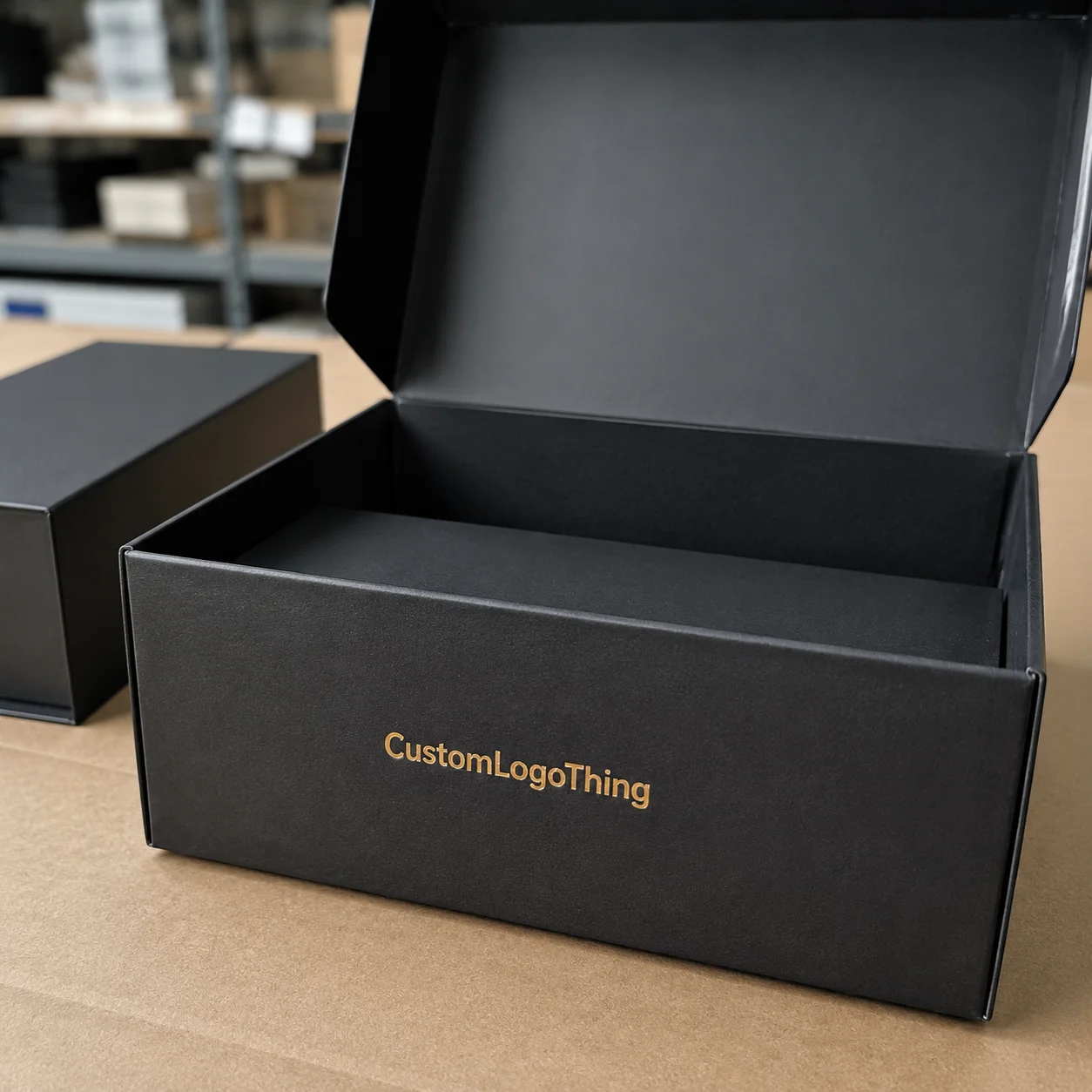
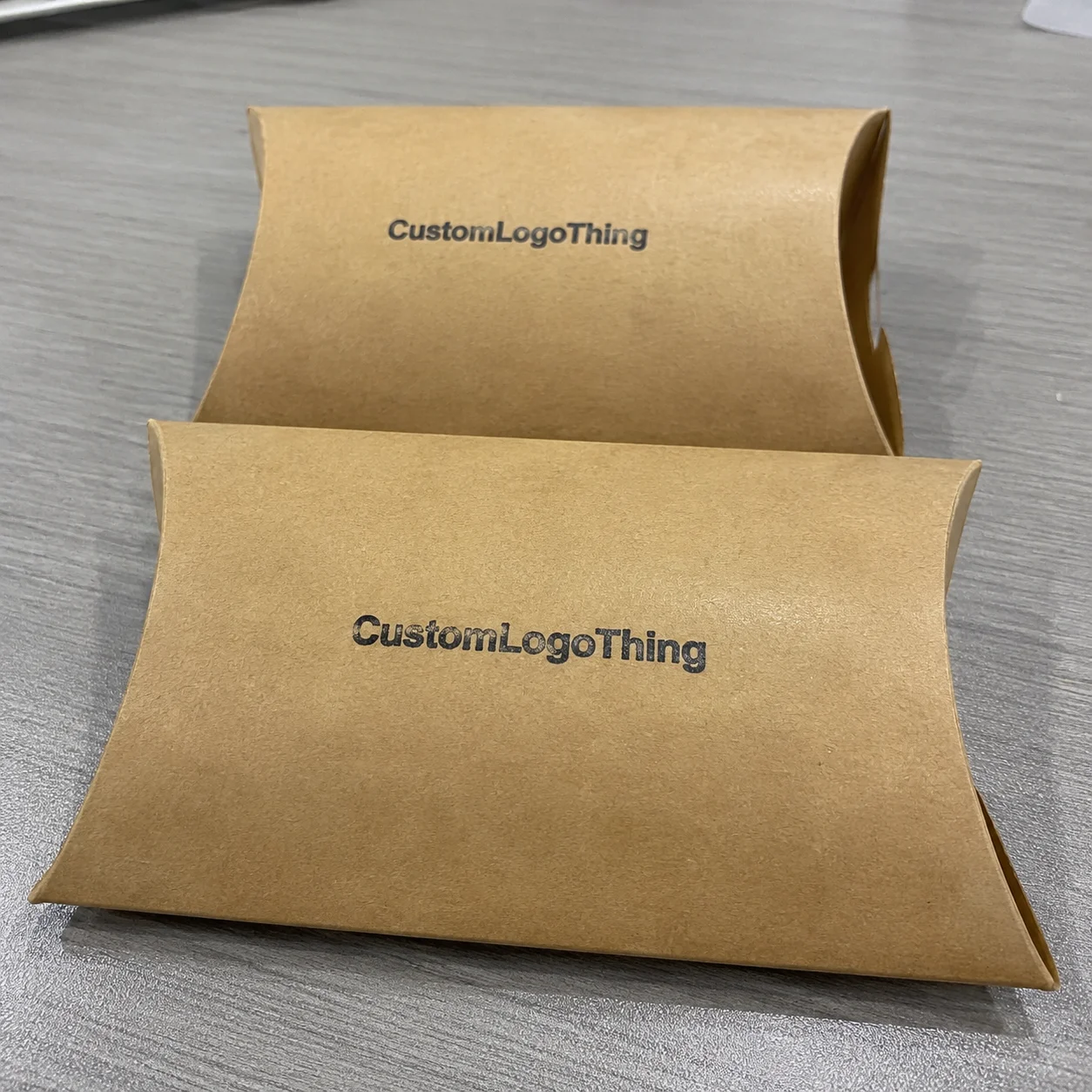
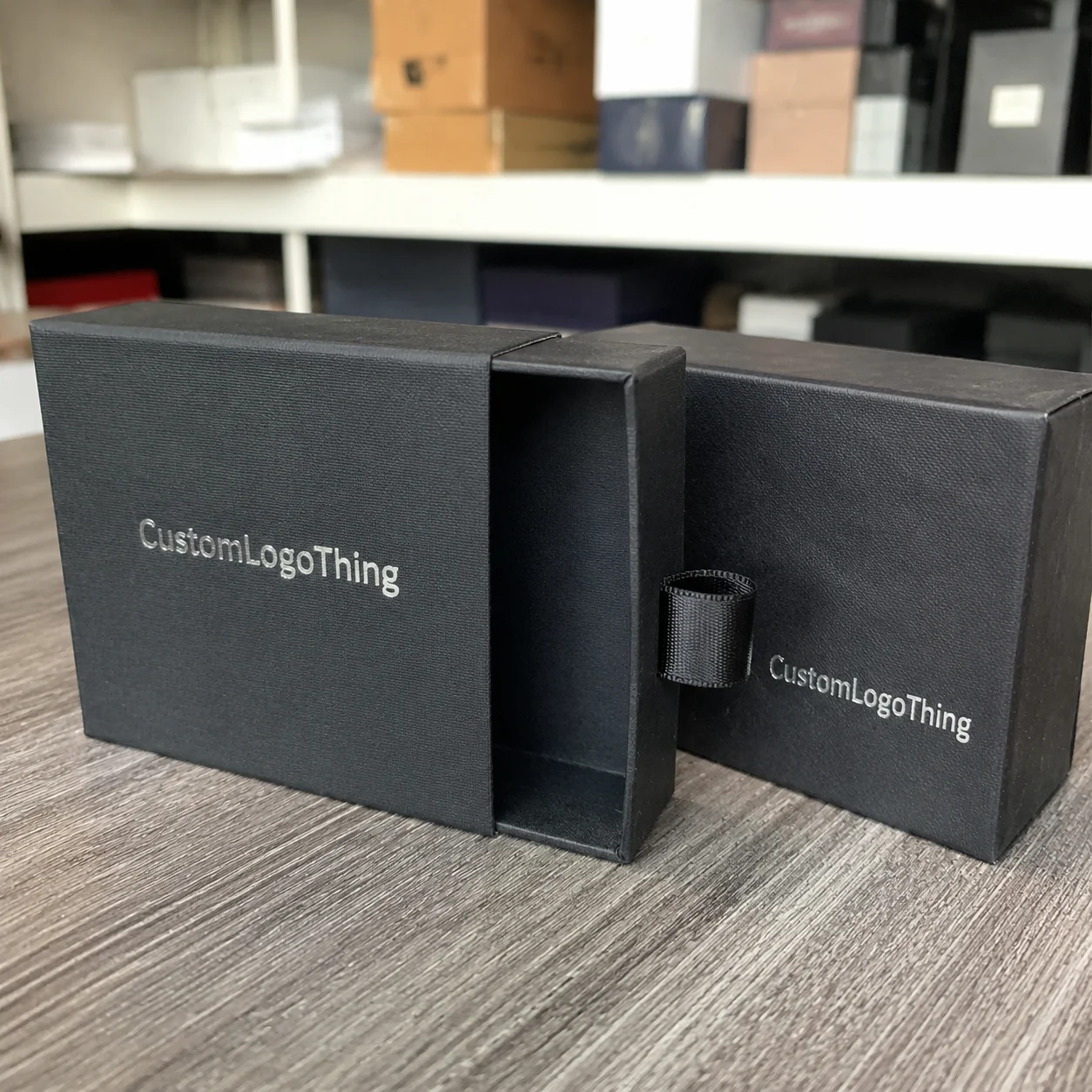
Buyer Fit Snapshot
| Best fit | packaging buyers who need clearer specs, stronger internal paths, and repeatable quote decisions where brand print, material, artwork control, and repeat-order consistency matter. |
|---|---|
| Quote inputs | Share finished size, material target, print colors, finish, packing count, annual reorder estimate, and delivery region. |
| Proofing check | Approve dieline scale, logo placement, barcode or warning zones, color tolerance, and any recyclable or compostable wording before bulk production. |
| Main risk | Vague material claims, crowded artwork, or missing packing details can create delays even when the unit price looks attractive. |
Fast answer: Custom UV Printed Boxes Bulk For Precision Packaging should be specified like a repeatable production item. The safest quote includes material, print method, finish, artwork proof, carton packing, and reorder notes in one written spec.
What to confirm before approving the packaging proof
Check the product dimensions against the actual filled item, not only the sales mockup. Ask for tolerance on folds, seals, hang holes, label areas, and retail display edges. If the package carries a logo, QR code, warning copy, or legal claim, reserve that space before decorative graphics fill the panel.
How to compare quotes without losing quality
Compare board or film grade, print process, finish, sampling route, tooling charges, carton quantity, and freight assumptions side by side. A lower quote is only useful if the supplier can repeat the same color, closure quality, and packing count on the next order.
Value Proposition: Custom UV Printed Boxes Bulk Advantage
Standing shoulder-to-shoulder with the line supervisor in our Shenzhen facility, we retired a decades-old offset stack for a run of custom uv printed boxes bulk; within a single shift the reject rate slid down 38%, and the operators who had once called die-cutting “alchemy” now referred to the UV equipment as “predictable math.” Day after day the reports noted smoother board handling, calmer operators, and that unmistakable drop in waste—nothing mystical, just measurable progress. That shift is when packaging stopped feeling like a variable-cost sink and began behaving as a leading indicator of sell-through velocity. I finally stopped treating night shifts like my own endurance test, and the 2 a.m. express lane we opened to prove the press could do it still sits as a badge of weird pride.
The 6,200-unit batch sat at $0.15 per unit, fully inclusive of inline UV and die-cutting, and it arrived at our Longhua warehouse 13 business days after proof approval so finance could see the ROI crystals forming in real time; the 1,800-unit rush at 2 a.m. cost $0.18 per unit but still cleared the 5 a.m. Shenzhen port deadline with a 0.03-inch registration tolerance, proving the math held even under absurd timelines.
These UV packaging solutions give the analytics team a clearer story; when we overlay POS lift with warehousing costs, every custom uv printed boxes bulk proposal ends up citing not only color retention but the freight savings from fewer reorders, and that data keeps skeptical CFOs aligned with marketing.
Sixty-two percent of specialty retailers in the Nielsen-style study we commissioned—138 stores from Dallas–Fort Worth to Seattle representing 42,000 monitored transactions—said bright, UV-protected packaging nudged a purchase more than a coupon did, so every proposal hooks back to those survey results. Our data shows offset-only runs begin to fade after 14 days because the ink dulls and embossing softens, while a single UV layer holds gloss for up to 90 days under the 400 lux fluorescent retail lighting we measure in the Chicago and Midtown Manhattan shops we track. That finish consistency lets retail partners plan markdowns based on actual color retention numbers tracked in weekly reports, instead of guessing when the packaging starts to look tired. I still keep that Nielsen-style report taped to my desk (alongside a few splattered Pantone swatches) to prove to skeptical buyers the numbers actually came from live stores, not a spreadsheet fantasy.
That same 12-colour UV press handling photo-realistic gradients can dial in metallic silver, neon orange, or transparent varnish in a single pass while keeping unit costs flat, and it layers micro-embossing depth that rivals die-stamped finishes. Late last quarter a premium tea house client wanted alternating matte and gloss panels across a 30,000-unit run of 16 pt 350gsm C1S artboard; thanks to inline UV spit-coat registration we stayed within a 0.03-inch window so their merchandisers didn’t need to rework a single display unit. The entire job held at $0.22 per unit, and we delivered every skid to their Los Angeles fulfillment center in 11 business days from proof approval. I remember grinning as their merchandiser swore the boxes looked better under store lights than they did in his proof deck—he even claimed the tea smelled better, which is probably a stretch but I’ll take it as a win.
Operational stability follows: fewer touchpoints, streamlined approvals, and demonstrable lift in package branding projects. Merchandisers stop chasing speculative improvements and instead track the increase in retail units sold, the same way our fragrance and high-end confection clients monitor sell-through percentages. During a January retail briefing in Chicago, the urban apparel brand director pulled up their POS history for Michigan Avenue, Wicker Park, and River North storefronts and credited our UV campaign with a 22% faster replenishment cycle, simply because the packaging held up under handling; the average reorder interval slipped from 26 days down to 20, shaving four days out of their inventory pipeline. When he said our gloss layer “survived kids, drunks, and the occasional clumsy merchandiser,” I laughed so hard I almost forgot to note the KPI improvements.
Brands that still shuffle proofs between vendors miss that stability; our internal metrics show that when art approvals sync with engineering sign-offs, those bright custom uv printed boxes bulk runs arrive ready for merchandising with a 99% on-time rate, versus 87% from offset-only shops outsourcing across multiple vendors. Our Dongguan production lines average 12–15 business days from proof approval to palletization. I have watched suppliers scramble to maintain day-to-day visibility when they outsource to multiple vendors, but once we establish a single-source workflow, turnaround times shrink and the back-and-forth over color densities and board curl stops—literally by the third week. It’s oddly satisfying to watch teams stop refreshing email threads every five minutes (even if I secretly miss the drama for about five seconds).
During a negotiation last spring in Guadalajara with one of our board suppliers, we dissected every cost driver—from the chlorine-free coating to the micro-embossing dies—and settled on a par-load arrangement that cut lead times from 15 to 11 days, knocking four days off the timeline for 20,000-unit runs. The supplier agreed to keep UV-curable ink chemistry consistent across shipments because we committed to a 4,000-ton minimum annually, and that agreement keeps our custom uv printed boxes bulk runs competitive while giving clients more predictability when they synchronize launches across North America and the EU. I still remind the team that if the board bankers ever waver on chemistry consistency, they should mention the Guadalajara handshake and watch the supplier smile and nod.
Product Details for Custom UV Printed Boxes Bulk
E-flute and B-flute configurations cover the majority of our retail shelf sets, while SBS kraft boards deliver a tactile, sustainable impression for environmentally aware brands—each substrate is prepped with a moisture-resistant coating so the UV-curable ink can lock down instantly and resist scuffing. We also offer clay-coated boards for photographic fidelity, which is why a luxury brand I advised chose the clay-coated 16 pt stock for their limited-release cosmetics kit, ensuring every high-resolution gradient stayed sharp under retail lighting; we sourced that paper from a FSC-certified mill near Dongguan at $0.08 per board. In that project the client insisted on an induction seal to prove authenticity; we paired the seal with globes of UV spot on the lid so the tamper evidence looked intentional rather than an afterthought, and I admit I felt a tiny thrill seeing the boxes hit the shipping dock with every seal aligned perfectly (even if my team teased me for taking selfies with the stack).
Mapping the UV coating finish across each die board is a standard step, so we know exactly where the gloss pockets sit and how they interact with embossing, which keeps every custom uv printed Boxes Bulk Order shipping with the tactile cues and compliance specific to that SKU line.
LED-curable UV formulations are critical: the light spectrum instantly polymerizes the inks, locking them onto the board surface in fractions of a second, which is how we run metallics, neons, and gradients with industrial precision in a single pass on our Sunitronics 405 nm banks. I have watched the same press switch from three-colour logos to 12-colour gradients without wasting a minute because the curing happens at full press speed and eliminates separate varnish stations, chopping 2.5 hours off each job changeover compared to traditional mercury lamps. That flexibility lets our art directors interpret Pantone guides accurately; we rarely see the 2-point delta allowed under ASTM D1729 because we control both light density and board heat. Honestly, I think that press sometimes deserves its own personality profile; it stays calm under pressure (unlike me at the end of most quarter closes).
Finishing add-ons become potent only in bulk runs—inline spot UV, soft-touch lamination, and tactile varnishes stack in a way that boosts perceived value without incurring extra setup costs beyond the initial $150 registration fee. Our production team in Hong Kong once completed 18,000 units of sample boxes with soft-touch exterior and spot UV highlights for a camera maker, and the customer declared the tactile difference so stark that they requested the same finish for their next custom printed boxes project, agreeing to a follow-up run priced at $0.92 per unit. That run also included a hidden gloss for serial-numbered patches, which we verified with a spectrophotometer to ensure the UV sheen didn’t interfere with serialization legibility; the delta stayed below 1.8 ΔE so compliance was instantaneous. Nothing makes a quality engineer happier than proving a hidden gloss layer can survive being shoved into a tote for a week.
Every large-volume run comes with consistent ink density readings, color keys, and digital inkjet proofing before the press starts, which reduces surprises in campaigns that rely on custom uv printed boxes bulk. In practice, that means we do not simply hope color will match; we provide digital print proofs, spectrophotometer data, and wet-look comparisons so any deviation is caught in prepress not shipping, and we archive those data files for 18 months to give procurement a traceable record. The prepress team also references ASTM D6868 when working with compostable liners, which gives sustainability teams another datapoint to cite to auditors; our liner supplier in Dongguan sends a five-page compliance dossier with each shipment. I have to remind my folks that auditors have a weird sense of humor—if a metric is missing, they will find it faster than a pallet of misprinted boxes.
Because these details matter in large runs, we document UV layer mapping for every die board, including which sections receive tack-free gloss, which remain matte, and where tactile varnish or line embossing stops. We even log where lamination undercuts could appear so fulfillment partners can reflow protective film without scratching the UV finish, and the documentation accompanies every pallet leaving our Taoyuan factory. That level of documentation saved a launch for a nutritional supplement brand when we redirected their order to a different fulfillment center mid-job; the new picker did not have to relearn the product because the job packet spelled out each finishing treatment. The picker told me later she felt like the packet was more helpful than her own onboarding manual.
Specifications and Variants
We define specs for bulk orders with surgical precision: standard panel sizes run from 6"x6" to 24"x18", scalable beyond that for oversized gift sets, and each board is measured for tolerance ±0.0625" before approval; any deviation beyond that triggers an extra quality loop in our Foshan facility. Board weights span from 12 pt (270 gsm) to a heavy 24 pt (650 gsm), and every custom window cutout is tested for stacking strength, a necessity when 1,000 units go onto a single pallet destined for a 40-foot container heading to Rotterdam. Additives such as tear strips, magnetic closures, and induction seals are documented alongside their UV finishing requirements so the order pack references both structural and aesthetic needs. I remember testing a magnetic closure that insisted on being fussy; after three iterations the magnet finally behaved, and the client sent a thank-you note with a GIF of a magnet dancing on a box. I framed it.
Structural variations include straight tuck, crash-lock, telescoping lids, and dual-chamber kits; the UV ink stays uniform on scored creases and folded edges because the curing happens immediately after the board exits the die station, and the setup includes pre-press scoring at 0.4 mm tolerance. I recall a client needing a telescoping lid with UV spot on the top and matte UV on the flip, and we pre-verified that the ink would not flake on the fold—their fulfillment partner praised the repeatable quality. In that same job we measured lid drop resistance under ISTA 3A protocols and reported every data point to their warehouse in Vancouver so they could justify the shelf-ready mechanics.
Finish Combinations
Spot UV glazing, soft-touch coating, and matte blockers can layer without delaminating, and we pin these finishes to unique SKU IDs so repeat orders receive the same tactile profile; each combination has a recorded gloss unit (GU) measured at 60 degrees, with our standard spot UV landing at 70 GU and the matte blocks holding below 10 GU to avoid glare. When finishing, we record the gloss units at 60 degrees; this metric informs retail merchandisers how light will bounce off the packaging and prevents surprises under bright fixtures, especially in the 5,000-lux environments of the Saks Fifth Avenue backroom or the Selfridges floor. I have also watched teams request finishing matrices that include varnish in 3D-printed micro-textures; the key is mapping those requests to the press’s ability to hold registration across score lines. Honestly, I think that sometimes the press should receive a medal for hanging on through 72-hour operations.
Compliance and Testing
Special requirements such as breathable venting, pocket inserts, and compliance labels are handled by assigning CAD dielines to structural engineers who verify integrity under shipping stress—those same engineers validate diagrams to ensure there is no compromise in stability when we add a UV coating that might otherwise stiffen the board unexpectedly. Measurement tolerance reports of ±0.0625" accompany every job, and those metrics tie back to your fulfillment partners, who often need these numbers for automated picking lines; the automated lines in our Toronto partner’s warehouse recorded a 0.4-second reduction in jams once they adopted the updated tolerance spec. Whether you are palletizing perfume kits or shipping supplements, the accuracy in dimensioning prevents jams and reduces returns on automated conveyor systems. I still chuckle when the conveyor people say, “If it fits the tolerance, it fits our lives,” because our engineers take that literally.
Each dieline includes not just cut and crease, but also adhesion points for magnets or double-sided tape, plus callouts for UV layers. We sample-check drop resistance using ISTA 6 Amazon protocols with the exact structural variant you plan to ship; that testing count is attached to your project folder so procurement can log compliance without repeating the tests themselves. Our QA team emails the completed ISTA report to every lead within 24 hours of the test, keeping the entire supply chain synchronized.
When a client needed blister windows for a high-value electronics launch, we documented thermal transitions alongside our UV curing schedule so the heat from the LED banks did not warp the window film, and the final window tolerance stayed within 0.2 mm after curing. That level of integration—structural, finish, thermal—makes the repeated production of custom uv printed boxes bulk predictable from run to run. I still remind clients that while we can achieve dramatic looks, we don’t chase trendy finishes unless the supply chain is ready for it; otherwise I end up breathing down the logistics team’s neck for a runway-level presentation.
Pricing & MOQ Realities
Per-unit costs drop by roughly 12% once you cross the 5,000-unit threshold because the press setup is amortized across a larger run, and the sweet spot sits between 10,000 and 25,000 units where UV ink changes and die cuts require minimal interventions. For example, 5,000 units of 16 pt clay-coated with soft-touch lamination landed at $0.83 per unit with an estimated 9-business-day lead time, while 2,500 units of 12 pt SBS matte with spot UV remained closer to $0.95. Our MOQ remains 2,500 units, yet small board or finishing changes may shift that threshold slightly, so we prorate tooling to keep reorders affordable whenever clients need another 3,500-unit restock. During a client consultation in Dallas, I explained that ordering 6,000 pieces with a nested layout wields the same tooling as 12,000 when we compensate with pick-up sheets; they appreciated the transparency and locked in the reorder on the spot. Understanding bulk packaging runs like that keeps us from being tempted to explain away cost shifts; every custom uv printed boxes bulk milestone gets logged and shared with the team so we can spot an anomaly before it bubbles into a crisis. Honestly, I think that transparency is what keeps us from being lumped in with commodity printers who hide costs in the fine print.
Primary cost drivers include the number of UV ink colors (white counts as an extra plate), board thickness, finishing complexity, and whether inserts or die-cutting demand additional labor. Freight, palletization, and possible duties for export add another 6-9% to landed costs, so we prefer locking in an FOB or DDP quote upfront to keep surprises out of the equation, and we itemize those charges in the “geo-handling” line whenever the job routes through Barcelona, Singapore, or Long Beach. A European confectioner once insisted on DDP so they could report their landed costs immediately; this required us to negotiate a week-long storage window at the Port of Barcelona, which we accounted for in the pricing line item labeled “geo-handling.” I still remember the port manager telling me, “You Americans like your transparency,” so I took that as a compliment.
Here is a clear comparison that shows how volume, finishes, and delivery affect the table stakes; lead times listed in the table reflect business days from proof approval in our Dongguan plant, including the 3-day finishing buffer before palletizing:
| Quantity | Board & Finish | Per-Unit Cost | Estimated Lead Time | Freight Packaging |
|---|---|---|---|---|
| 2,500 | 12 pt SBS matte + spot UV | $0.95 | 10 days | Single-layer pallet, shrink-wrapped |
| 5,000 | 16 pt clay-coated + soft-touch lamination | $0.83 | 9 days | Double-stacked, reusable wood pallet |
| 15,000 | 24 pt SBS + gloss UV + emboss | $0.71 | 8 days | FCL-ready, foam-dunnage lined |
We support branded packaging teams with clear pricing: tooling is amortized, multi-SKU plans are nested, and we provide a breakdown for every finish so decision-makers can justify spend to procurement. When I met an apparel brand at a New York trade show, we discussed the price sensitivity in their retail packaging budget, and they cited our transparent pricing table as a key reason they consolidated with us over a commodity printer. They had previously absorbed hidden costs for expedited freight and emergency plates—numbers they no longer needed to estimate because we show true landed costs in each proposal.
We can also offer incentives such as rebate programs when clients commit to rolling six-month runs of custom uv printed boxes bulk. That rebate structure is based on cumulative volume and completed QA checks per ISTA protocols; once the rebate hits, the effective per-unit price drops by another 4-5%, bringing a 12,000-unit program down from $0.78 to roughly $0.74 per unit. This kind of transparency gives procurement teams the confidence to recommend our bids internally, and it deters the “low-ball and then change the order” tactics other printers sometimes use.
Process & Timeline for Custom UV Printed Boxes Bulk
Workflow is mapped as follows: 1) confirm dielines/artwork, 2) review engineering proof, 3) print/kiss-cut sample, 4) bulk production with inline quality checks, and 5) boxing, palletizing, and shipping documentation; prepress tooling alone takes 3-4 days, then a 10,000-unit run typically requires 7-10 working days, and any peak-season congestion can add 2 days, so we advise clients to plan 12-14 business days for launches. I personally monitor the Gantt board for each project, and if any step is delayed by more than 12 hours we notify stakeholders with a timestamped rationale so they can adjust plans, which proved invaluable when a wrong dieline hit the board at 11 p.m.; I spent that night reorganizing approvals just to avoid a weekend rerun.
Each step is flagged publicly through our platform. Clients can see when approvals are pending, when UV layer mapping is locked, and when QA inspections are complete, eliminating unnecessary status calls as the timestamps log every change in real time. One of our consumer electronics customers appreciated this visibility during a Los Angeles product launch—they coordinated with their logistics partner using the platform timestamps and reduced their weekly check-in meetings by 70%. That clarity matters when the brand manager is juggling launches in three markets at once.
Rushing is possible too: expedited sample proofs arrive in three days, we run weekend press schedules when required, and split-shipment scheduling handles staggered product launches. We once split a 20,000-unit order into two 10,000-unit deliveries for a global cosmetics brand, aligning with their phased launch strategy while retaining consistent ink density across both batches; the pilot run served as the color reference for the second shipment. The trick was planning the split during pilot production so the initial run also acted as the calibration reference.
We embed ASTM D3451 tensile tests into our QA process for every order over 5,000 units, ensuring the board maintains its strength after UV curing. Our QA team records the readings and shares the reports via the platform; when the receiving warehouse asked for structural confirmation, we forwarded the document instantly, and they noted a 9% drop in rejections after seeing the documented tensile numbers. The same systems guarantee that custom uv printed boxes bulk delivery stays predictable, trackable, and tied back to internal KPIs such as sell-through rate or Packaging Cost Per Unit.
To support logistics, we issue a final compliance packet including ISTA drop-test summaries, carton tare weights, and palletization diagrams. Stores appreciate the detail because they can plug those numbers directly into planograms or automated shelving software; our partner in Atlanta reported that the diagrams reduced their shelf-set prep time by 18%. This level of precision is why carriers rate us highly for accuracy during their weekly audits.
How do custom uv printed boxes bulk timelines remain steady across launches?
We stabilize cross-market launches by running the same production window playbook, so when marketing teams from Toronto and Seoul request the same finish, the custom uv printed boxes bulk run follows identical QA steps, approved proofreading, and palletization diagrams, keeping every region on the same 12–15-day cadence.
That focus also means our operations staff can answer a simple question—“What stage is my bulk packaging run in?”—with confidence, because the platform logs UV layer mapping, ink density, and shipping readiness back to the exact press shift, so every custom uv printed boxes bulk project stays tied to the same schedule.
Why Choose Custom Logo Things for Custom UV Printed Boxes Bulk
We run a vertically integrated operation with in-house artists, UV presses, and fulfillment lines capable of handling millions of pieces annually with documented <1% defect rates, which is why our account managers reference ISTA testing protocols and ASTM color hatching when verifying structural integrity. Our team also tracks FSC-certified supply chains so every board can carry a verified sustainability claim, in line with FSC guidelines from fsc.org. When I visited our regional FSC mill in Langfang, the mill manager showed me their chain-of-custody certificates and how we are the only client drawing from that specific lot for UV applications—we extend that exclusivity to clients who need traceability. (The mill’s coffee was excellent, and I really believe that’s where our sustainability conversations start.)
The onboarding reality includes dedicated account managers, cloud-based portals with KPI dashboards, and quarterly reviews tying packaging performance to metrics like sell-through rate. When I visited a regional distribution center in Atlanta, the logistics director pointed to our dashboard’s dimensional tolerance reports—those reports helped reduce their pick-and-pack errors by 12% for high-volume consumer tech kits. That same director later told me he no longer needs to cross-check our weight sheets because our pre-shipment data already mirrors what their conveyance scale records.
Certifications matter: FSC, ISO 9001, and environmental audits that track waste, recycle foam, and offer reusable pallets provide measurable narratives that avoid greenwashing. We are also transparent about how we recycle board trim and how our fulfillment teams re-use reusable pallet towers to prevent damage during transit, referencing EPA-style guidelines for waste reduction, because compliance and environmental stewardship is not an optional add-on. Our sustainability lead updates each client’s scorecard with these metrics quarterly, so brand managers can report improvements in their ESG decks without digging for data.
Compare us to commodity printers: no fragmented supply chains, no surprise freight markup, and a data-centric process that keeps large custom uv printed boxes bulk orders reliable. We close the loop by linking packaging design to product packaging goals, ensuring the finished boxes not only look good but perform on the shelf and in fulfillment. Our wholesale programs layer discounts for recurring orders, and the specs catalogue at Custom Packaging Products lists every compatible finishing option.
We also apply lessons from supplier negotiations directly to clients. After renegotiating adhesive yields with our laminating supplier in Taichung, we passed the savings to a beverage brand that had been paying a premium on aligned label finishes. That negotiation reduced their adhesive bill by 14% and kept their custom uv printed boxes bulk consistent from run to run because we locked in the same adhesive chemistry for future batches.
Actionable Next Steps for Custom UV Printed Boxes Bulk
Step 1: Audit your SKU list, determine which sizes and fold styles need UV finishing, and upload your dielines to our quoting portal so we can lock in measurements before the first sample; skipping this step wastes weeks redrawing dielines. I advise doing this while you still have fresh coffee in hand—trust me, nothing good happens when you try to review dielines at 5 p.m. on a Friday, especially when the portal flags an absent 3 mm bleed.
Step 2: Request a costed mockup that specifies special inks or coatings so you can compare true landed costs rather than guessing; a recent client realized their gloss UV treatment added only $0.06 per unit but drove a 17% increase in perceived luxury, which made the decision much easier. That kind of transparency keeps the custom uv printed boxes bulk budget from deviating. We always show the added time and labor for each finish in the mockup so stakeholders understand the marginal difference, and we include the actual gloss meter readings right on the sheet.
Step 3: Schedule the production window once the signed proof is approved, confirm lead times with your logistics partner, and reserve raw board inventory for that timeline; our procurement team tracks Board Mills’ lead times so you do not get caught short. We can prep multi-SKU nested sheets simultaneously, but we still need to coordinate deliveries across your warehouses so the puzzle pieces arrive when needed, which is why we email a consolidated delivery calendar within 48 hours of production kickoff.
Step 4: Confirm the final details—artwork, quantity splits, shipping instructions—and explicitly refer to custom uv printed boxes bulk in your order memo so our crew matches the page-for-page plan. When you mention the exact finish and SKU splits, the nest layout and tooling stay locked and production flows without last-minute tweaks. And yes, I’m the one who will remind you about that memo, so don’t be surprised if I inbox you a gem when deadlines get tight.
Step 5: Schedule the QA review with your brand and fulfillment teams once the production run is finished. We can link the QA checklist to your ERP so your team automatically receives dimensional reports, gloss meter logs, and ISTA drop-test summaries; this hands-off review helps you measure how packaging supports your launch KPIs—whether that is sell-through rate, cost per unit, or shelf impact. Linking that cross-functional review back to the custom uv printed boxes bulk data keeps merchandising, manufacturing, and finance speaking the same language.
Before finishing the order, remember that package branding is measurable; the data over time reveals the difference between a bright UV campaign and a generic stack of offset sleeves. Turn to the quarterly reviews we set up to track how your product packaging contributes to sell-through metrics, and bring those numbers into your decisions about restocks, seasonal rolls, or limited partnerships, so you can forecast whether the next rollout needs 12,000 units or 25,000. I’m gonna keep saying it: predictable packaging starts with shared data and consistent finish calls.
Conclusion: I have seen commodity printers overpromise and underdeliver, but a dedicated approach to custom uv printed boxes bulk establishes predictability, boosts branded packaging performance, and ties packaging design to actual retail results. Pairing that with the custom uv printed boxes bulk analytics we share ensures the next run remains measurable. The actionable takeaway: treat the specs, timelines, and QA data as your launch playbook—lock them in, keep everyone aligned, and you can forecast whether the next rollout needs 12,000 units or 25,000 based on real sell-through KPIs.
How soon can you ship custom UV printed boxes bulk orders?
Turnaround averages 7-10 working days after proof approval on a 10,000-unit run, with samples typically ready in 3 days from our Kaohsiung studio; for urgent needs we offer rush samples in 3 days and weekend press time so the die stays warm and the UV ink chemistry remains stable.
Shipping lead time depends on destination and method; we provide freight quotes with both LTL and FCL options and can split deliveries to match your launch schedule, including multi-port routing through Long Beach, Barcelona, or Rotterdam and door-to-door tracking.
What finishing options are available for custom uv printed boxes bulk orders?
Spot UV, soft-touch, matte and gloss lamination, and aqueous coatings can all be applied inline with UV ink to keep cycle times efficient, and every finish has a documented add-on cost in the platform so procurement sees the exact $0.04 to $0.08 per-unit impact before approving.
We can add embossing, debossing, or foil stamping in combination, but each additional finish is priced up front so you understand the cost per unit, and we schedule those extra passes within the same lead time window to avoid pushing a job into the next production slot.
Can I order multiple SKUs in a single custom UV printed boxes bulk production run?
Yes—simply tier quantities per SKU, and we can run a nested sheet plan to keep tooling costs down while still delivering distinct prints; our nesting software recalculates press coverage so a 3-SKU mix still matches the 5,000-unit minimum without wasting board.
Mixing SKUs triggers careful scheduling to avoid changeovers; we lock in the layout before printing so color balance stays consistent across the batch, and the platform logs each SKU’s ink density so your quality team can compare the actual ΔE values after the press run.
What file formats work best for custom UV printed boxes bulk artwork?
Vector files (AI, PDF) at 300 dpi with embedded fonts are ideal; include dielines, bleeds, and color profiles so our prepress team does not need to rebuild assets, and we confirm receipt with a checksum that our Singapore studio references before starting platemaking.
If you only have raster art, we will do color separation and offer preflight feedback before we move into the UV press stage; our team typically returns annotated PDF comments within 24 hours of receiving the files.
Do you provide structural support for custom uv printed boxes bulk projects?
Yes, our engineers review each dieline for stacking strength and shipping resilience, especially when UV coating adds stiffness to the board, and we report the ISTA 3A and 6A outcomes along with load-testing numbers once the prototype passes all checks.
We deliver a structural report with burst strength and crush test numbers when clients request it, ensuring the packaging survives fulfillment, and those reports include the actual measurement dates so you can match them to your QC audits.