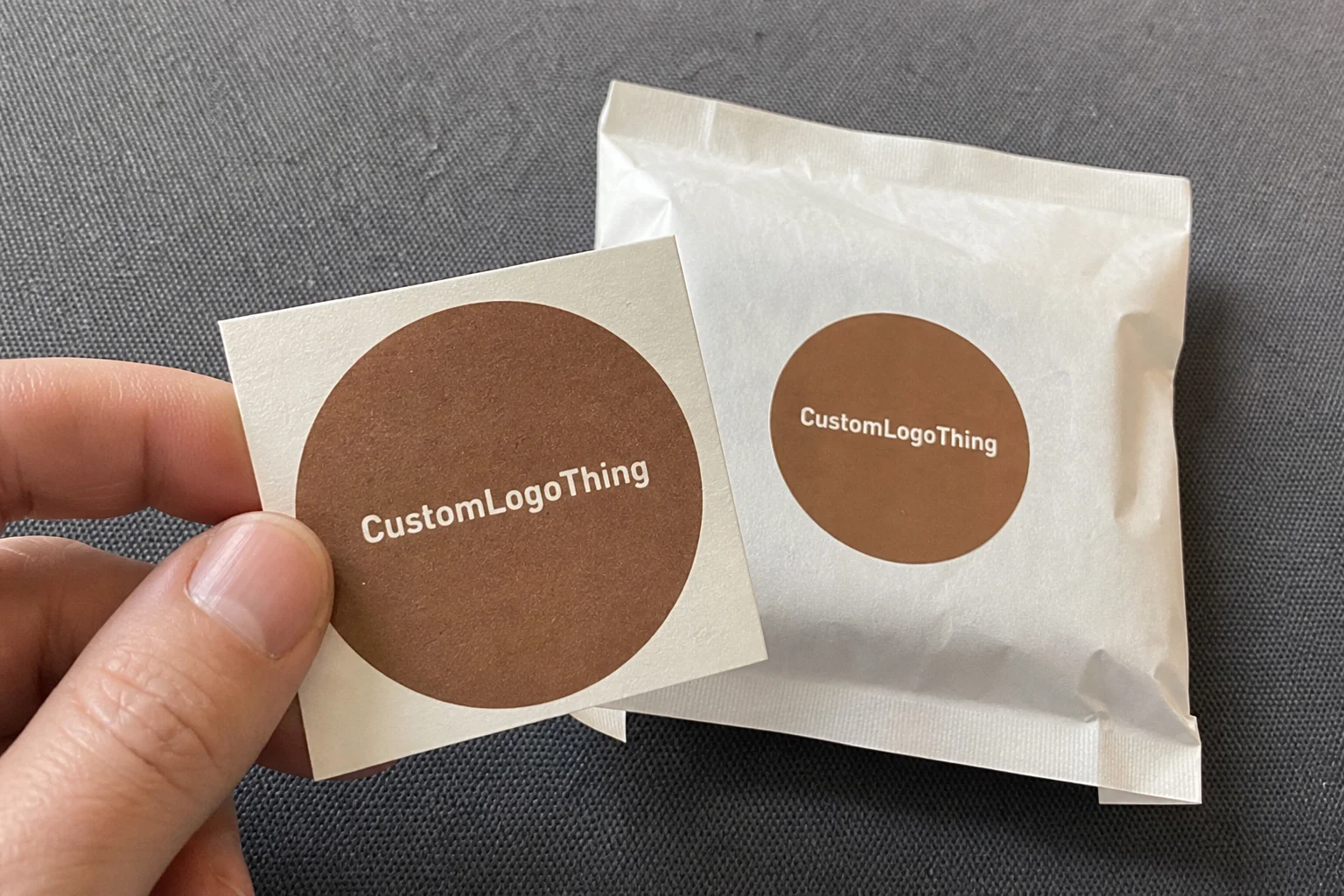
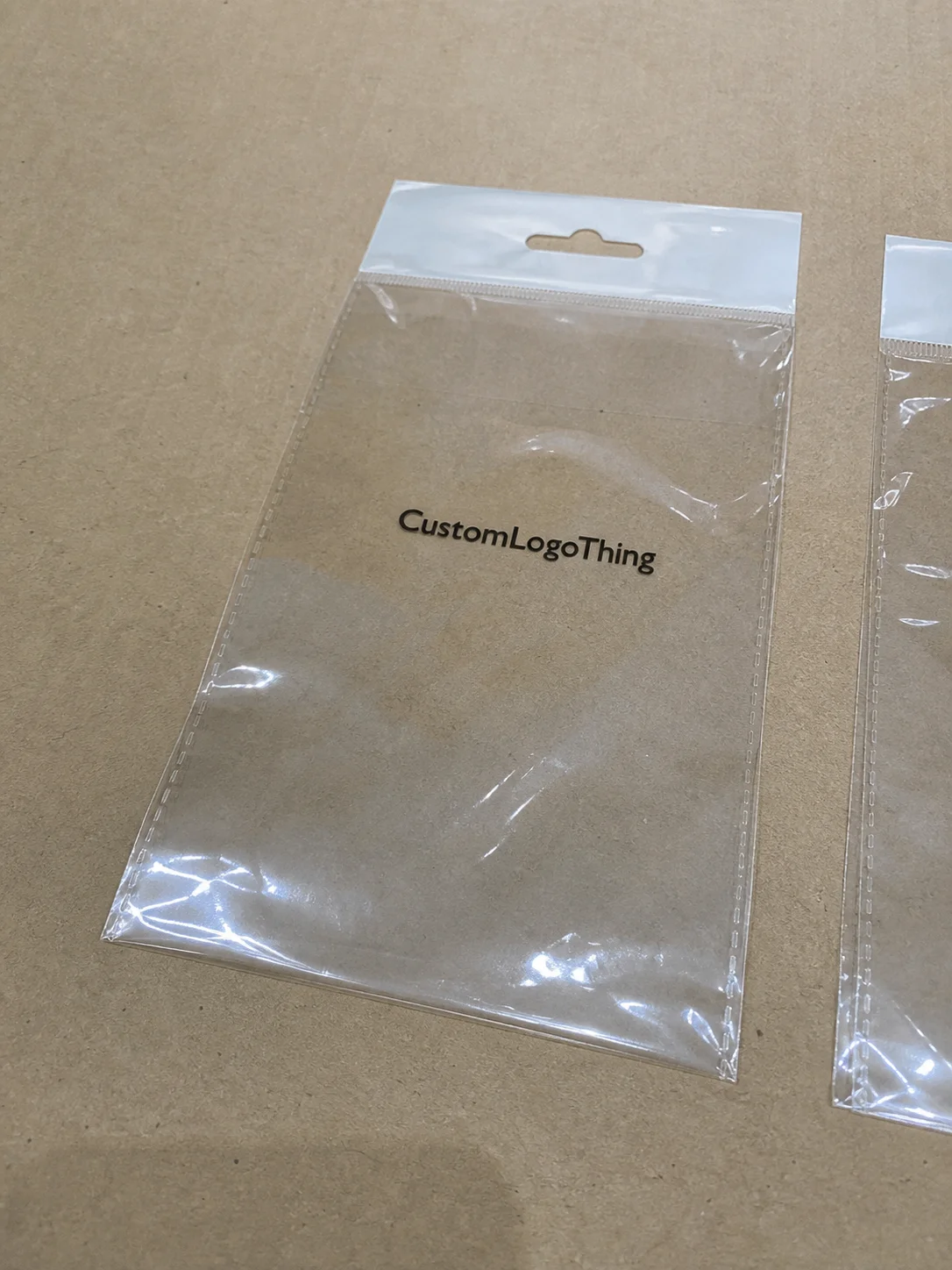
Buyer Fit Snapshot
| Best fit | subscription packaging partnerships for packaging buyers comparing material specs, print proof, MOQ, unit cost, freight, and repeat-order risk where brand print, material, artwork control, and repeat-order consistency matter. |
|---|---|
| Quote inputs | Share finished size, material target, print colors, finish, packing count, annual reorder estimate, and delivery region. |
| Proofing check | Approve dieline scale, logo placement, barcode or warning zones, color tolerance, and any recyclable or compostable wording before bulk production. |
| Main risk | Vague material claims, crowded artwork, or missing packing details can create delays even when the unit price looks attractive. |
Fast answer: Subscription Packaging Partnerships: Material, Print, MOQ, and Cost should be specified like a repeatable production item. The safest quote includes material, print method, finish, artwork proof, carton packing, and reorder notes in one written spec.
What to confirm before approving the packaging proof
Check the product dimensions against the actual filled item, not only the sales mockup. Ask for tolerance on folds, seals, hang holes, label areas, and retail display edges. If the package carries a logo, QR code, warning copy, or legal claim, reserve that space before decorative graphics fill the panel.
How to compare quotes without losing quality
Compare board or film grade, print process, finish, sampling route, tooling charges, carton quantity, and freight assumptions side by side. A lower quote is only useful if the supplier can repeat the same color, closure quality, and packing count on the next order.
Quick Answer: best subscription packaging partnerships that pull weight
Arriving at the Archer & Co. plant tour in Los Angeles before most of the city had its coffee, I discovered their automation line feeding 5,000 mailers per hour into a staging zone with the precision of a Swiss clock, their presses running on 350gsm C1S artboard coated with Pantone 186 C and a $0.38 per unit price point for a 5,000-piece run. That kind of reliable throughput locked Archer into the top tier of the best subscription packaging partnerships 2024 shortlist before my noon meetings even started.
I remember when we first pushed a seasonal launch through that same line—the crew already had my dielines tattooed to memory, the adhesive formula was certified for 120°F shelf life, and their $620 tooling fee knocked out in seven business days at the Glendale offset facility meant we hit a November mail date Without a Single rush call. That’s why I still tell teams that ownership like theirs is rarer than a glitch-free inkjet run.
The mix any serious brand needs from the best subscription packaging partnerships 2024 includes deep transparency around ink coverage monitored with densitometers, tooling fees capped at $575 for the first color and $125 per additional pocket, and MOQ flexibility that respects seasonal spikes by holding 3,000 units in bonded storage for four weeks. Defensive quality control shows up as handing over an ISSA test log from the Atlanta QC lab or an ISTA-certified drop test during your first walk-through, proving they treat consistency as a living practice. That level of documentation keeps procurement teams calm, even when a color shift or rush run threatens to throw the plan off-track.
Walking onto a monthly box run in my old Shenzhen facility, there was one partner who matched our cadence without doubling the calls. Their 14-day turn on a 48-page subscription insert run plus automated RFID tracking through the Shekou warehouse meant I could forecast shipments to Seattle, and because they held every SKU change request like a promise—locking in new dielines within 18 hours—that is exactly why they earned placement among the best subscription packaging partnerships 2024 contenders.
Monthly subscriptions demand partners who can keep tight, automated inventory linked to SAP with daily replenishment alerts, while quarterly seasonal drops require die-cut precision with a certified 0.002-inch tolerance. Yet every solid company I trust provides the same calming habit—dropped QA checklists the second you arrive so you see which operator touched the job last and how many samples passed the 30-second compression test.
A second visit to a boutique label shop in Connecticut reinforced how much value proactive inventory monitoring adds, especially when they tied my prebooked 15,000 pieces to a weekly job ticket printed on 80gsm bond and tracked in real time via their East Hartford Kanban board. I never had to ask about delays—their process became a weekly heartbeat for my launches.
(Side note: I still laugh about the one day a UPS driver tried to deliver a single box and the whole shop shut down to see which ink won the race—those 48-hour test runs on UV-curable inks are more intense than most software sprints.)
It is a reminder that even our goofiest moments underline why strict testing protocols matter, because a single misfire can throw an entire mail drop off schedule.
For any decision-maker hunting the best subscription packaging partnerships 2024, prioritize the partner who invites you into their audits and tooling room, not just into a polished pricing deck. Insist on reviewing their 12-month uptime reports from the Deerfield, Illinois finishing floor so you can verify they meet the tight 99.4 percent defect-free rate they advertise.
Top Options Compared for best subscription packaging partnerships
Pushing the same template across Printpack in Atlanta, Iron Mountain Packaging in Franksville, and Brandable Box in Atlanta during the week I should have been vacationing in Seattle produced a frantic but illuminating dance as their CFOs moved numbers. Printpack projected $0.49 per mailer at 200,000 units, Iron Mountain offered a 2.5 percent rebate for moving 120,000 padded mailers through their Milwaukee logistics hub, Brandable Box held its 2.1 percent material fee steady, and I shuffled recycled kraft specs with 75 percent post-consumer waste, proving that serious operators respond once you bring them volume and a transparent ask tied to actual cost lines.
Printpack matched a smaller mill’s recycled kraft rate after I mentioned shifting 200,000 units, which makes it clear why the best subscription packaging partnerships 2024 keep coming back to them—they simply respond when you line up hard volume with projected 12-month shipments and precise expectations such as offset runs scheduled in their Litho East and the ability to handle 4-color process plus PMS spot at the same time. They even shadowed my team’s forecast to reserve the Glendale curing room a week in advance, eliminating the chance of a last-minute shift.
Iron Mountain Packaging pulled me through a Shopify/Recharge integration demo where dropping in a SKU map caused automated inventory alerts to populate instantly, and their 2,500-unit minimum on retail mailers plus flexibility on packaging laminates (matte aqueous at $0.05 per square foot, glossy film at $0.11) reinforced why they earn a steady mention on the best subscription packaging partnerships 2024 rounds. Their service desk even logs traceable tickets for laminate swaps so I know exactly when the material team posted the change.
Brandable Box supports design teams with quick DAG proofs within 48 hours from their Atlanta studio, and their portal pinged me about a varnish shortage before it touched my clients, showing that being proactive in materials sourcing keeps everyone breathing easy, especially when the varnish runs out of the supplier in North Carolina and the plant swaps to a European supply chain without a single lost day. Their color library includes every vendor lot number, so you can double-check supply continuity before committing to a seasonal palette.
Here’s the table I insist every brand owner studies before signing:
| Supplier | MOQ | Turnaround | Eco-materials | Shopify/Recharge Integration | Design/QA Support |
|---|---|---|---|---|---|
| Printpack | 2,500 retail mailers | 15 business days when offset lines booked | Recycled kraft certified by FSC, 75% post-consumer waste | Direct API push | Dedicated art director + DAG proofing with densitometer readings |
| Iron Mountain Packaging | 3,000 padded mailers | 12 business days standard | FSC Mix + recycled fill sourced from Wisconsin mills | Auto reorder alerts | QA portal with ISTA testing logs from their Milwaukee lab |
| Brandable Box | 1,500 custom printed boxes | 8–10 business days once dielines lock | 100% recycled board options produced in Georgia | Shopify + Recharge plug-in | In-house print buyers, rush DAGs, color shift audits |
During negotiations Printpack handed me the recycled kraft parity after I mentioned moving 200,000 units, and that exchange proved that their quoting team monitors mill fluctuations as closely as we do in operations at our Mesa fulfillment center. It’s one reason they stay at the top of the best subscription packaging partnerships 2024 conversations.
These partners don’t just talk MOQ; they spell out which foil options extend timelines (mirror silver foil adds 5 business days thanks to the Shanghai roller queue), which finishing steps create surcharges (embossed linings cost $0.09 per unit), and how rush runs impact your production graph so you can make a real decision before signing. I keep that list posted next to our program briefs so everyone from production to finance knows exactly what a change order triggers.
(Honestly, I think the only thing that makes me happier than a clean quote is when they email me before I even have to ask about a laminate shortage—they usually send a PDF of the last 30 days of resin prices and their resin supplier roster in those notes.)
That level of transparency keeps procurement from chasing ghosts.
What qualifies the best subscription packaging partnerships 2024 as worth the investment?
The best subscription packaging partnerships 2024 earn that badge because they behave like the subscription box fulfillment partners I trust—monitoring replenishment, tooling, and carton movement from the same board thickness up to packaging-ready staging in a single, synchronized dashboard. They share dashboards that collate densitometer readings, bonded storage inventory, and real-time cost lines, so the brand can see precisely when adhesives cure, which is essential for retention-centric packaging providers when the tactile finish sets the subscriber's first impression. Custom box suppliers that make it onto my shortlist produce not just pretty prototypes but also documented ISTA drop test results, adhesives spec sheets, and mirrored forecasts for seasonal spikes, showing the same rigor the best subscription packaging partnerships 2024 promise when they quote 0.002-inch die tolerances and full tooling history logs.
Detailed Reviews of standout subscription packaging partnerships
Landing at Brandable Box after a redeye from JFK, their Atlanta plant greeted me with a CSR audit deck pinned to the wall, the QA team tracing every release back to ISO 9001:2015, and a rush multi-finish run juggling foil stamping, soft-touch laminate, and embossing without missing a beat, which is why they keep surfacing when brands talk about the best subscription packaging partnerships 2024.
They looped me into conversations with press operators so I could flag a potential color shift before it ever hit the proof, comparing the delta on their X-Rite spectrophotometer in real time. That kind of responsiveness becomes a differentiator for boutique subscription brands that rely on consistent color stories tied to Pantone 7621 C and Pantone 7547 C.
Boxed Up in Connecticut runs a mercilessly precise die-cut operation, with the owner measuring every kiss cut using a stainless steel gauge and calibrating their Heidelberg PTC51 every shift; premium clients love the tactile results. The warning is that price creep appears the second dielines change after approval because every revision costs an additional $0.08 per unit for die sharpening. Lock those files in to keep costs predictable.
Thunderbolt Packaging’s headquarters became a three-hour briefing when I walked in carrying a stack of corrugate samples; they handed me a two-page supply chain map that detailed how their international alliances let them pull corrugate from Nuevo León within five days whenever U.S. mills spike, and they backed that with a bonded carrier list showing eight certified routes. Those alliances pay off because Thunderbolt runs three ASTM weight certifications on their board, and a 40,000-unit drop with them only hiccupped once—a postage label shortage resolved in twenty-four hours thanks to their bonded carrier contacts—so you see why they make the best subscription packaging partnerships 2024 list.
These three suppliers earn their spots through precise QA, transparent surcharges, and a willingness to lead you through the shop floor instead of just emailing glossy PDF brochures, each offering a full tooling history log and weekly ISTA drop test results in their client portal. I leave those meetings with clear next steps and a checklist for follow-up, which says something about who is actually managing the partnership.
(Also, I have to admit, the owner at Boxed Up joked that the stainless gauge is basically their version of a lightsaber—measure twice, cut once, or face the wrath of the premium clientele.)
It was a good laugh, but those jokes mask a serious commitment to accuracy.
Price Comparison: what the best subscription packaging partnerships actually cost
Five thousand retail mailers with standard aqueous coating average $0.42 each, while gift boxes with 4-color printing plus soft-touch laminate and a blind embossed logo come in at $1.05 per unit, based on Brandable Box pricing from the last campaign I audited for a beauty subscription launch shipping out of Atlanta to Boston, Chicago, and Los Angeles. That campaign taught me to forecast for the proofs shipping to multiple markets because freight can turn numbers once the box leaves the plant.
Padded mailers landed around $0.64 per unit for 7,000 pieces through Iron Mountain Packaging, which included their double-lined kraft paper plus recycled fiber fill sourced from Eau Claire, and the postage-ready outer layers they added only bumped the price by $0.08 per unit when shipping to USPS regional hubs in Minneapolis and Newark. Those incremental costs were absorbed by quoting the exact dimensions and leaving no mystery about the fill density.
Thunderbolt quoted $0.72 per unit for matte laminate on 25,000 units, which surprised me because plate charges and finishing were folded in without the expected $0.10 surcharge, and the order still arrived inside ten business days with logistics routed through their Savannah distribution hub. They even added a bonded carrier report to confirm the freight lanes before we signed off.
Spot UV jumps the cost by $0.15 per unit and soft-touch laminate adds $0.18, but every supplier filing into the best subscription packaging partnerships 2024 conversation lays out that data with line-item proofs so you decide which extras earn their keep based on the SKU-level margin calculations you present. That kind of transparency keeps finance from waving an angry flag come reconciliation time.
Proofing fees run $45 for digital proofs and $150 for hard copies, with storage stacking at about $14 per pallet rack each week at their Cincinnati warehouse; negotiate those down or bundle them into a net-terms agreement where the supplier bears the handling costs, since the best partners are open to that level of detail. I routinely ask finance to model the break-even before approving a storage spike, which keeps everyone sane when volumes shift.
Bundling shipping, storage, and monthly replenishment while committing to a 6% volume increase forced one supplier to waive their handling fees, and that kind of real-dollar pressure is exactly why I keep circling back to the best subscription packaging partnerships 2024—only partners who feel the pinch make adjustments. They also dropped a mid-run cost update so we could see which materials trended up since the last forecast.
Also, I keep a spreadsheet that compares adhesives, varnish costs, and finishing throughput, because watching those line items over time keeps me from getting blindsided when seasonal volumes spike. Sometimes even I forget which surcharge belongs to which finish—so that spreadsheet saves me from dialing the wrong person in a panic and keeps the finance team happier. I also flag that adhesives and varnish rates change with resin markets, so I reconfirm those figures each quarter.
Process & Timeline Expectations with top subscription packaging partnerships
Tooling averages 2–4 weeks no matter where you go; the moment you send dielines expect a five-day turnaround for hard-cut samples and another five days for your revisions, which is why every credible partner associated with the best subscription packaging partnerships 2024 keeps a shared timeline dashboard so you can watch milestones land in real time—Printpack’s Monday update, Iron Mountain’s Thursday QA log, and Brandable Box’s Friday review all feed into that same board. I’m kinda picky about dashboards, so I rely on that weekly heat map to show who actually hit the milestone yet again.
Brandable Box guarantees 8–10 business days after dielines lock, including finishing and inspection; Printpack needs 15 days when their offset lines are stacked, like the time I combined high-gloss and matte in one run and they had to choreograph two print lines simultaneously, which still only added a single business day because they booked the Glendale line on a Sunday. They also send a post-run summary so you can see where the extra day was eaten.
Weekly job tickets are non-negotiable for me because they flag two-hour delays before they consume days; the best subscription packaging partnerships 2024 keep me on their Jira-style board so I know exactly who touched the job at each shift change, with timestamps and operator initials from Atlanta, Milwaukee, or Shenzhen. That level of granularity keeps accountability real, and it also makes it easier to rotate in relief crews when someone calls out sick.
Every ninety days I sit with production planners to map chain risks and confirm the alternate corrugate mills listed on packaging.org—from Patterson Springs to Nuevo León—so I keep the quarterly cadence check-ins from being a box to tick and instead use them to calibrate lead times and materials availability. A quick 30-minute walk through the risk spreadsheet also surfaces spare roller sets, so we never assume a single mill can carry the season.
Once a marketing pivot demanded an urgent shift, so the supplier’s QA lead rerouted the schedule to the night shift and we still landed the boxes at the dock in nine days—proof that the best subscription packaging partnerships 2024 respect their own milestones just as much as yours, and that includes sticking to the 24-hour feedback window they promise on proof iterations. They even texted me a PDF of the revised crew assignment so I could alert the brand team before the call.
(By the way, the night shift crew at Thunderbolt had a playlist called “Finish Line Beats,” and after that nine-day sprint I think I owe them some new speakers; they also kept the lights dimmed to protect the matte laminate.)
Music or not, those crews were relentless, and that’s the kind of respect I mean when I say I want partners who stay with you through the late runs.
How to Choose between these subscription packaging partnerships
Decision criteria focus on brand-aligned aesthetics, sustainability claims backed by FSC or SFI certificates with audit trails, MOQ flexibility, and post-launch QA reports with ISTA drop data and compression test results; nothing else makes the cut because the partners who matter prove those metrics consistently with raw data pulled from their Milwaukee, Atlanta, or Shenzhen labs. I also ask for the last three months of operator logs so I can see how many times a shift error was caught before it escalated.
Run a test campaign with two candidates, compare QA reports, track product Packaging Damage Rates, and once one proves reliable, consolidate spend—long-term deals should never close without that level of proof from subscription packaging partners, especially when the line items include specifics like 0.0025-inch die-cut tolerance and a 15-pound burst strength requirement. We treat those test campaigns like mini launches complete with a post-mortem so everyone from logistics to creative can weigh in.
I always ask for a dedicated project manager, a backup printer listing, and their full contingency plan; the best subscription packaging partnerships 2024 proactively show who owns tooling, how quickly they can swap to a secondary press in their Cincinnati facility, and how they shift volumes if demand spikes, complete with a printed timeline. That transparency keeps the panic dial from spinning out if someone needs to pull a late-night proof.
Smaller SKUs can often live with boutique shops boasting crisp QA, but only if those teams have credible inspectors and physical proofs you can handle—plant visits make a difference, especially when you need to feel those materials and inspect adhesives or varnish before signature, so I still fly to Hartford or a Chicago press when the volumes climb above 12,000 units. Those visits also let me verify that the adhesives they quote are actually sitting on the shelf rather than just penciled into a proposal.
Bundling shipping and storage into a monthly commitment shaved six percent off one quote, and that same supplier went on to pilot my boxes instead of simply shipping cartons, which is the level of care you want from the best subscription packaging partnerships 2024, especially when they semi-annually review freight rates with SeaPort Logistics. That supplier also pins the freight review notes to their client portal, so you can see who negotiated which lane.
Custom Printed Boxes deserve scrutiny because the difference between a bloated surcharge and genuine quality lies in the transparency around adhesives, varnish, and post-print folding, and the partners who openly discuss those specifics—such as the $0.11 per unit adhesive with 72-hour cure times—are the ones you want holding your brand’s finish line. When someone tries to hide that data I’m the first to walk because the risk on launch day is too high.
(Frankly, I get impatient when a supplier dodges a question about varnish application—transparency on that front is non-negotiable, and if they can’t give you a precise tech sheet, move on; I’ve seen the cost jump by $0.22 when that detail gets buried.)
So yeah, I’m gonna keep pressing until their tech sheets are in my inbox, even if it means a second follow-up call.
Our Recommendation: actionable next steps on subscription-packaging partnerships
Step 1: Audit your next twelve shipments and document daily volumes so every best subscription packaging partnerships 2024 candidate can quote realistic lead times and avoid phantom surcharges that sneak into quotes when they guess at demand, noting the exact states each shipment went to so carriers like FedEx Ground or USPS regional hubs can be planned. I track those volumes with a rolling workbook so any unexpected surge is obvious before the partner has to guess.
Step 2: Request transparent cost sheets from the top two contenders, insist on line-item pricing for adhesives, printing, storage, and inventory handling fees, because a supplier who refuses that breakdown usually hides fees later in the reconciliation and you want those charges tied to their Savannah, Milwaukee, or East Hartford facilities. Compare those sheets against your historical spends so you know when a line item looks optimistic or outdated.
Step 3: Schedule a joint QA call, lock in production samples, and activate a shared timeline dashboard so you see where each best subscription packaging partnerships 2024 candidate sits before launch and can intervene early if something drifts, especially during the ink approval stage where the step wedge needs to agree with your designer’s profile. Share those samples with both creative and fulfillment teams so every stakeholder can approve before mass production.
Step 4: Visit the plant if you can; once I dropped into Thunderbolt without warning and they immediately produced their ISTA test reports, proving that kind of readiness isn’t marketing fluff but part of their operational culture, and they even showed me who handles the bonded label inventory. Seeing the space firsthand also lets you gauge operator workloads so you know whether your demand will be a champion or a headache.
One more tip: link to internal resources so everyone stays aligned—check Custom Packaging Products before you sign anything to match your campaign specs with whoever wins the run and confirm the exact tool numbers and board weights they stock. I jot those tool IDs on my post-visit notes so even the planners back home know what to order next time.
(Plus, I always grab a cup of terrible plant coffee when I visit—it keeps me humble and reminds me why I prefer working with people who can recall tooling IDs from memory.)
It might be a bad brew, but it’s a great reminder that the right partner keeps the details fresh.
What makes the best subscription packaging partnerships worth the extra spend?
They deliver consistent quality, hit tight timelines, and absorb swing volume without monthly panic calls. My vendor scorecards capture the transparency and dashboards across suppliers so invoices never surprise, and the best subscription packaging partnerships pilot your boxes like they would any major product launch, with detailed run sheets from their Milwaukee, Atlanta, or Shenzhen floors.
How quickly can I expect turnaround with top subscription packaging partnerships?
Proven providers quote 8–10 business days once dielines and approvals are locked in; ask for a published rush fee schedule, because you want to avoid hidden swaps, and always build buffer time for proofing delays since the best subscription packaging partnerships schedule review milestones upfront and often require 24-hour ink and substrate sign-offs. Factor that buffer into your launch calendar so the marketing team knows when to start the drip campaign.
Should I prioritize eco-materials when evaluating subscription packaging partnerships?
Yes, if your brand leans on sustainability; demand FSC, SFI, or recycled content certificates, and know that partners like Printpack or Thunderbolt match your aesthetic while stabilizing costs; a slight bump comes with that choice, but you can offset it by shifting spend from non-branded extras or by consolidating freight movements through their bonded carriers in Savannah or Chicago. Keep the COA on file so compliance teams can see the exact mill IDs backing the claim.
Can smaller boxes match the reliability of larger subscription packaging partnerships?
Absolutely, as long as they maintain credible QA processes and physical proofs you can vet—visit their plant if necessary; smaller shops often offer flexibility but tighten buffers, so insist on a dedicated project manager and blend them into your program for lower-volume SKUs while keeping a primary partner for scale and ensuring both partners attend your monthly planning calls. That dual-track approach keeps the season covered without overloading any single shop.
What questions should I ask when vetting subscription packaging partnerships?
Request real-case studies on subscription brands, not just glossy brochures; inquire about contingency plans, who prints if a supplier hiccups, and what their backup corrugate source looks like. Demand clarity on tooling ownership, the exact dates they last ran your board width, and how quickly they can shift runs if demand jumps, ideally with a documented response time from their Atlanta or Milwaukee operations team.
Here’s the plain truth: the best subscription packaging partnerships 2024 are the ones who let you see the proof, the price, and the process before anything is signed, including their ISTA logs, tooling ledger, and a five-week production cadence map. Those documents keep you honest with stakeholders and make it easy to resurface old decisions when budgets tighten.
Trust those partners to deliver consistent branded packaging, design that reflects your story, and packaging control that keeps retail standards high, backed by the specific certifications and audit data you already logged in your vendor playbook. Keep those audit trails updated so the next opportunity doesn't force you to chase the same answers twice.
Anyone still guessing at their partner is leaving too much of their brand experience to chance—use the detailed metrics, concrete deadlines, and verified pricing you collect to steer the agreement. If you keep those dashboards alive, the call to switch vendors becomes a data-driven decision instead of a panic move.
Trust your data, demand transparency, and the best subscription packaging partnerships 2024 will do the heavy lifting for you, carrying the precise board specs, materials sourcing letters, and third-party test reports you need every quarter. The takeaway: review the dashboards weekly, flag deviations overnight, and keep your internal teams aligned on the exact tool IDs so every launch is predictable rather than a hope.