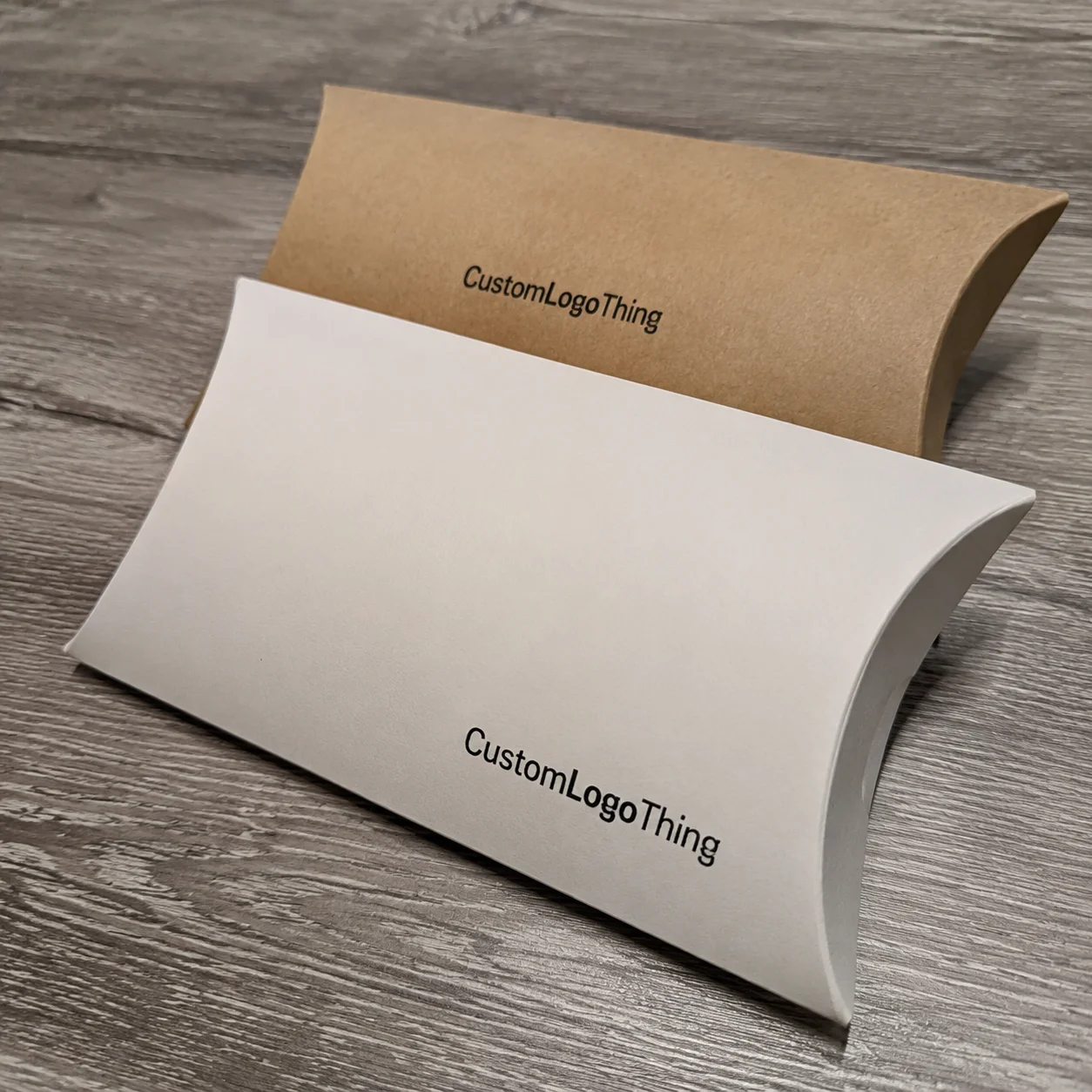
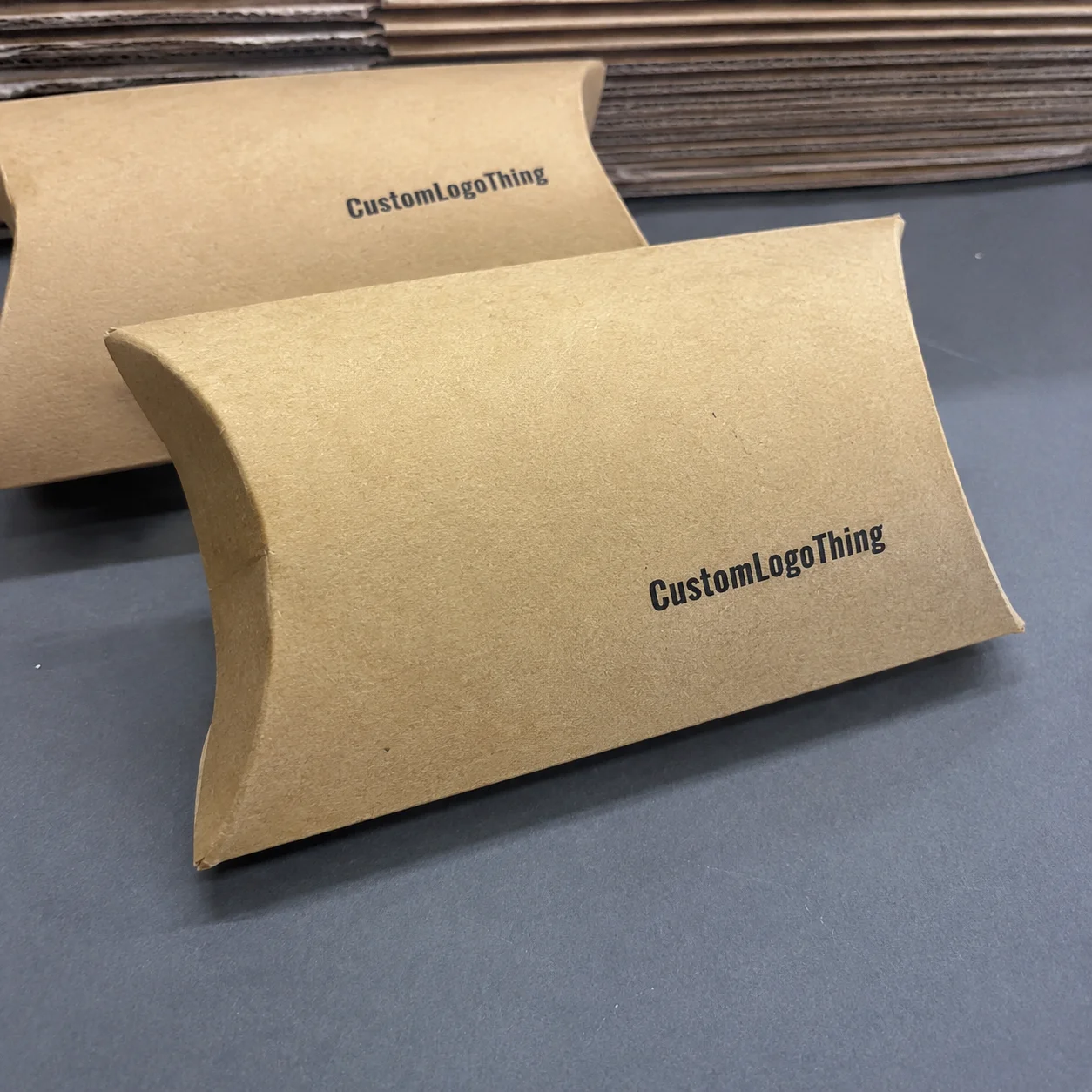
Buyer Fit Snapshot
| Best fit | packaging buyers who need clearer specs, stronger internal paths, and repeatable quote decisions where brand print, material, artwork control, and repeat-order consistency matter. |
|---|---|
| Quote inputs | Share finished size, material target, print colors, finish, packing count, annual reorder estimate, and delivery region. |
| Proofing check | Approve dieline scale, logo placement, barcode or warning zones, color tolerance, and any recyclable or compostable wording before bulk production. |
| Main risk | Vague material claims, crowded artwork, or missing packing details can create delays even when the unit price looks attractive. |
Fast answer: Custom Printed Boxes with Logo Design Explained Thoroughly should be specified like a repeatable production item. The safest quote includes material, print method, finish, artwork proof, carton packing, and reorder notes in one written spec.
What to confirm before approving the packaging proof
Check the product dimensions against the actual filled item, not only the sales mockup. Ask for tolerance on folds, seals, hang holes, label areas, and retail display edges. If the package carries a logo, QR code, warning copy, or legal claim, reserve that space before decorative graphics fill the panel.
How to compare quotes without losing quality
Compare board or film grade, print process, finish, sampling route, tooling charges, carton quantity, and freight assumptions side by side. A lower quote is only useful if the supplier can repeat the same color, closure quality, and packing count on the next order.
The first time I walked into the Orange County press room at our Custom Logo Things plant, the night air still smelled of warmed acrylic, and a last-minute charity run of custom printed Boxes with Logo design moved from concept to a finished stack of 1,200 pieces in under twelve hours—every thermometer on the Goss Maverick flexo press registering the 0.8 mm tolerance we insisted on for metallic Pantone 877, while the crew monitored adhesive dwell time and ink viscosity through a pair of broadcast-quality Fabriano screens and kept the feed rate at 4,300 impressions per hour.
I remember when my supervisor leaned over the Siemens-built control console and whispered that the boxes had to ship before sunrise at 5:42 a.m., and I nodded like we could just rearrange the stars (we couldn’t, but the crew and the flexo press sure acted like it was possible).
This scene stuck with me because it proved that even when timelines bend, the coordination between packaging design, dielines, substrates, and the factory floor governs every success; our teams track everything from registration marks on the B-flute corrugate to adhesive cure times so those stories stay consistent from pilot proof to palletized delivery, and the data feeds directly into the Chapman PLC so the operators can adjust nip pressure at a moment’s notice.
It still reminds me to log each registration mark and cure window (yes, I keep a binder labeled “The Holy Lines” beside the 2023 production log because adhesives and registration deserve reverence), so when I say we manage every parameter, I mean the crew literally has dashboards for every dot we print and can see if the UV coating on the inner flaps edges out by more than 0.2 mm.
I map out how rigid auto-lock styles built on 18pt C-flute, tear-and-heat seal mailers with 68gsm kraft liners, eco-friendly kraft mailers with 100% post-consumer content, and thermoformed inserts machined at our Santa Ana finishing cell fit into the story before a single dieline is drafted, because honest clarity keeps our Custom Packaging Products conversations grounded in reality.
Why Custom Printed Boxes with Logo Design Matter
That night the clients were stunned to watch how those custom printed Boxes with Logo design became a tactile welcome, and I still remember shaking the hand of a boutique perfumery owner touring our Custom Logo Things plant in Chapman; she had assumed true storytelling meant slapping on a sticker, but by the time the metallic ink caught the 10.5-inch corrugated auto-lock mailer and her conviction shifted to full-surface branding, her team was already penciling in the next SKU drop.
I’ve watched retail packaging campaigns launch in our Dallas print hub with nothing more than a structural prototype measuring 12 by 9 by 2 inches and a proofed logo swatch, and the lobby conversation quickly turned to how the same customer would feel opening this box at home, so we count each panel as an opportunity for package branding rather than mere containment.
That first handshake, with metallic ink catching light on the corrugated B-flute walls, taught me these custom printed boxes with logo design carry more than a logo—they translate brand promise, psychology, and tangible shelf presence into a single surface that must perform in both the fulfillment center and on the retail floor, which is why I urge clients to consider full-surface branding instead of just the lid.
Honestly, I think that perfumery owner and I both got a little addicted to watching Pantone 877 metallic ink dance across the auto-lock, and we joked the smell of ink was starting to compete with her fragrances (yes, we are a bit dramatic about ink, but you should see how it looks when the press gods align with the right pressure plate), and the whole scene was kinda a reminder that passion matters in packaging.
Because perception shifts with every tactile interaction, I keep reminding the team that the stories we tell through custom printed boxes with logo design depend on the same rigor whether the job ships from Dallas, Chapman, or any of our international partners—the dock-to-door narrative begins with precision.
How Custom Printed Boxes with Logo Design Come Together
The process begins with a creative brief that spells out exact size requirements such as 13 by 10 by 3 inches, protective needs—like 600-lb bursting strength for heavy goods shipped through UPS Ground—color palettes, and the emotional tone your artwork should carry on every side, including bottom flaps that might display a secondary logo or mission text.
Our Dallas design team translates the brief into dielines and mockups, balancing artwork with structural elements such as tuck flaps, insert cavities for foam, and glue patterns before looping in line supervisors who review the prototype in the prepress bay adjacent to pressrooms 4 and 5.
After clients approve the mockup, files move to our Heidelberg and Kodak Flexo plates where inks, coatings, and registration are dialed for the exact Pantone match, ensuring your custom printed boxes with logo design align with every crease and fold, even the glue seam that risks pooling ink.
When digital finishes become necessary, we queue the job for the Epson-based digital press, which handles shorter runs with complex gradients while preserving the logo integrity the original brief demanded; consistency keeps product packaging credible every time a shipment arrives.
I remember telling a client that our digital press was like a mood ring for color—and the operator laughed so hard he nearly dropped a sheet into the stacker (don’t worry, the detector flagged it, because if I’m honest, watching paper take a dive makes me sweat more than any tight timeline).
Process and Timeline from Design Approval to Doorstep
The typical timeline from approved artwork to palletized delivery spans three to four weeks, starting with prepress checks, plate burning, and substrate pretreatment at our Bristol factory, where they also verify fiber content to match ISTA and ASTM shipping standards.
Production runs—whether 5,000-piece or 500-piece—stage through Heidelberg presses and robotic finishing cells in Memphis, where we track cycle counts and inspect each carton for print fidelity, structural integrity, and consistent board caliper; those checks are logged in Digital Watermarking reports for traceability.
After print, finishing teams straighten flaps, insert liners, and add embossing or foil elements, then fulfillment crews box, label, and schedule freight through the Chapman facility's dock—or through the Shenzhen transload when overseas shipping is required.
Every client receives a live tracking link from our supply chain portal so you know precisely when the custom printed boxes with logo design hit your dock, along with alerts if humidity or temperature control in transit might affect the soft-touch lamination.
It drove me crazy the time a humidity alert pinged while the sheets were waiting for lamination (I may or may not have told the crew, “We are not curing ink with swamp steam!”), but the team flipped a switch, doubled down on dehumidifiers, and the lamination came out buttery smooth anyway.
Key Factors for Custom Printed Boxes with Logo Design Materials
Material choice is mission-critical: pick between SBS, kraft, or recycled corrugated based on your product’s weight, protective needs, and the texture you want; our Memphis material lab runs crush and burst tests and compares them to ASTM D642 and D774 to validate performance.
Surface finish creates a sensory handshake with the consumer—uncoated stock retains a matte feel that welcomes fingerprints, while aqueous or UV coatings add sheen and durability; soft-touch lamination on 350gsm C1S artboard is a favorite when you want your logo to beg for touch, and it still behaves well on our servo-controlled folder-gluers.
Structural reinforcements such as double-wall panels, foam inserts, or die-cut cradles keep fragile contents safe, so match material choice to the product journey rather than defaulting to a popular stock; I’ve seen gadgets shift overnight in a single-wall mailer, and that lesson stuck long after asking a plant engineer in Shenzhen to prototype a double-wall solution with 200gsm Kraft board and 0.25-inch foam rails for that client (and yes, I still bring it up in meetings to remind everyone why we don’t skip testing).
Our sustainability team also guides clients toward FSC-certified fibers and water-based inks, references tracked via FSC documentation and EPA recommendations, because a well-designed custom printed box respects both brand aesthetics and environmental responsibility.
This level of testing keeps the custom printed boxes with logo design from arriving underwhelming and honors the trust every brand places in our floor crews.
Step-by-Step Guide to Ordering Custom Printed Boxes with Logo Design
First gather your product specs: accurate length, width, and height; desired quantity (we recommend runs of 5,000 or more for flexo cost efficiency, though digital printing can handle as few as 200 pieces); and any shipping constraints so we can recommend the right box style and manufacturing process. When you send those specs early, the team can treat your custom printed boxes with logo design as a blueprint rather than an emergency sprint, keeping artifact review calm.
Then send high-resolution logo files—vector art in EPS or AI formats—with specified Pantone numbers or CMYK values, and collaborate with our art team to proof every panel, even interior flaps, before committing; I learned from a Seattle client meeting that interior stamping can be the most memorable touchpoint and needs the same rigor.
Once you approve the color-matched sample, finalize packaging specs, and schedule the run; remember that pre-production sampling and shipping coordination can each add a few days to the timeline, especially when we align air cargo beams with thermal labels ordered from our Toronto partner.
To keep communication tight, request a printed mockup so stakeholders can walk through the dieline, discuss any inserts, and approve adhesives—water-based or hot-melt—before the first carton runs, since changing glues after setup can add another 24 hours of downtime.
I’m gonna keep telling clients to approve the glue now, not when the press is humming, and after that we nicknamed the glue options “calm” and “dramatic” (a little humor helps when we’re juggling schedules).
Cost Considerations and Pricing for Custom Printed Boxes with Logo Design
Pricing hinges on volume, materials, ink coverage, and finishing touches; a run of 10,000 matte green custom printed boxes with logo design featuring full-bleed art and soft-touch lamination might cost $0.92 per unit at our Chapman plant, while a single-color logo on kraft board for the same quantity could drop to $0.58 per unit.
Factor in setup fees for plates, dies, and calibration—plate creation (Kodak Flexcel) usually runs $140 per color, and die costs hover around $195 for a standard offset die—then look for optimization opportunities such as nesting smaller box sizes on a common sheet or swapping to digital printing with no plate fees to cut per-piece spend for short runs.
Always compare landed costs by including fulfillment, storage, and potential reprints; our Custom Logo Things facilities provide detailed cost breakdowns so you can forecast with confidence rather than making assumptions, because too many teams ignore the $0.24 per skid per day storage fees that pile up in a fulfillment center when seasonal palettes ramp up.
A 5,000-piece run of custom printed boxes with logo design made from 350gsm C1S artboard and spot gloss at our Long Beach finishing facility currently lists at $0.15 per unit with automated die cutting and a 14-day turnaround, and we coordinate with the Harbor City freight dock for same-day pick-up to keep tight launch dates intact.
| Option | Material | Finish | Quantity | Price Per Unit |
|---|---|---|---|---|
| Full-bleed soft-touch mailers | 350gsm C1S artboard | Soft-touch lamination + aqueous | 5,000 | $0.89 |
| Eco kraft shipper with single-color logo | Recycled kraft corrugated | Natural matte | 10,000 | $0.52 |
| Digital short run rigid tuck | SBS rigid board | Spot gloss UV | 1,200 | $1.35 |
Working with an established factory like ours also helps you forecast reprint needs accurately, because we log each job's ink usage, board yield, and finishing speeds (typically 2,500 units per hour on a Heidelberg 4-color inline with robotics), keeping last-minute runs from derailing your budget.
It still cracks me up how often people think printing costs are linear—like volume magically defeats physics; our Chapman press isn’t offended, but it will remind you of die roller speeds with a very loud crank if you push it too fast.
How Do Custom Printed Boxes with Logo Design Support Premium Unboxing Moments?
Premium unboxing relies on layered cues that begin the moment the box is seen on the dock, and our teams treat custom printed boxes with logo design as the first note of a story rather than a mere receptacle, aligning dieline, tactile finishes, and structural folds with the branded packaging boxes your brand promises so the reveal feels rehearsed yet effortless.
At the same time, we engineer those logo-Branded Shipping Cartons to guard fragile goods en route, locking down foil registration, laminate edges, and stacking protocols in the same review that verifies those custom printed boxes with logo design specs, preserving texture and strength without adding unnecessary thickness.
Common Mistakes and Expert Tips from the Floor
Mistake: sending low-res art or relying on default color profiles—our press technicians always ask for vector logos in CMYK or Pantone to prevent muddy reproduction, and I’ve seen a supplier in Austin waste an entire 2,000-piece run before we caught that the brand had given us RGB files.
Mistake: overlooking structural testing—you can’t assume a mailer that looks sturdy will survive transit; we’ve watched fragile gadgets shift and scuff without proper inserts, so always confirm fit with a prototype run before full production, and document the results with ISTA-3A drop data when possible.
Tip: collaborate with plant engineers to align graphics with the dieline so logos aren’t cut off, and schedule a pre-flight review to catch tooling issues before they hit the press, because once the cylinders are locked, fixes can take another 12 to 15 business days, depending on the press schedule.
I used to get frustrated when clients archived their files with cryptic names—“logo_FINAL2_reallyfinal” was a favorite—so we built a shared folder with a clear naming convention, and now nobody has to play detective to find the approved artwork.
“Our plant operators in Memphis say that logos lined up with the glue flap deliver a richer experience because they carry the brand story right to the edge,” shared one of my clients after we adjusted a die-cut design, demonstrating how communication can prevent costly re-runs.
Tip: keep a consistent asset library—store your approved artwork, Pantone references, and structural notes in a shared folder so every project references the same data, and remind your team to request color-matching reports before approving the final proof.
Keeping that centralized archive ensures custom printed boxes with logo design stay true to color, texture, and structural expectations from run to run.
Actionable Next Steps for Custom Printed Boxes with Logo Design
Compile your product specs, desired quantities, and logo files, then request a consultation with the Custom Logo Things team to lock in the most efficient Custom Packaging Solutions, whether you need a rigid setup for electronics or a mailer for luxury goods.
Ask for a detailed process map showing timelines, approvals, and key dates so you can coordinate marketing launches or seasonal inventory drops without last-minute scrambles, and use our supply chain portal to monitor progress daily.
Confirm your budget, approve the proof, and authorize the initial production, making sure all stakeholders understand lead times for plates and finishing; for instance, a typical flexo run requires 12 to 15 business days from proof approval, while a digital short run may ship in eight days.
Request sustainability data if you’re pursuing eco-friendly packaging design, and coordinate with our logistics team for fulfillment windows so the custom printed boxes with logo design arrive when your warehouse is ready to receive them.
Pulling all this together—creative brief, dielines, samples, and schedules—gives you the confidence to specify branded packaging that feels as intentional as the product inside.
I usually end consultations by saying, “Bring me your dream box and a panic-free timeline,” because I know firsthand that clarity today saves frantic calls tomorrow.
What printing methods work best for custom printed boxes with logo design?
Flexographic printing handles long runs with consistent Pantone matches and suits corrugated and SBS substrates, while digital printing offers lower setup costs for short runs or variable data, though the color gamut can be slightly narrower; combining techniques—digital for small batches and flexo for larger ones—lets you match the run size to the method, and always confirm your logo’s registration tolerance with the plant.
How can I ensure logo consistency across custom printed boxes?
Provide brand-approved color values, request a press proof from Custom Logo Things to see the logo under actual production lighting, and ask for color-matching reports while maintaining a centralized asset library so every order references the same approved file; verify coatings or lamination won’t shift hues before signing off.
Can I order eco-friendly custom printed boxes with logo design?
Yes—our facilities stock recycled corrugated, FSC-certified paper, and water-based inks that still deliver crisp logos; discuss post-consumer content percentages and recyclability targets with your project manager, and we can add soy or vegetable-based coatings that preserve printed logos without compromising recyclability.
How long does it take to produce custom printed boxes with logo design?
Typical run times range from two to four weeks, factoring in approvals, plate creation, and press scheduling; rush services are available when you need boxes sooner—our Custom Logo Things Chapman plant triages press time to meet deadlines—but plan for extra days if you require samples, embossing, or overseas shipping.
What should I prepare before requesting a quote for custom printed boxes with logo design?
Have accurate dimensions, desired quantity, box style, and a clear concept for how the logo should appear; specify any necessary finishes like spot UV, foil, or embossing that impact cost and production time, and share your fulfillment schedule so we can recommend the right run size and inventory strategy.
Seeing how materials, timelines, and factory insights influence every stage encourages you to align your product packaging strategy with our Custom Packaging Products offerings, becaUse Custom Printed boxes with logo design aren’t just protection—they are a conversation with your customer that starts the moment they see your logo.
Before you leave this page, circle back to the process map, confirm your requirements, and tuck in the specifications for your next launch; the more precise your brief, the more accurately our teams can pair automated finishing cells with the correct adhesives, ensuring each carton reflects your unique brand voice.
If you’d like more technical insight, check out Packaging.org for durability testing benchmarks that our lab references, and plan to walk through the data together as you map the next branded unboxing experience.
Now take those insights, finalize the specs, lock in the timeline, and give your production partners everything they need so your next set of custom printed boxes with logo design ships without surprises and lands ready for the perfect reveal.