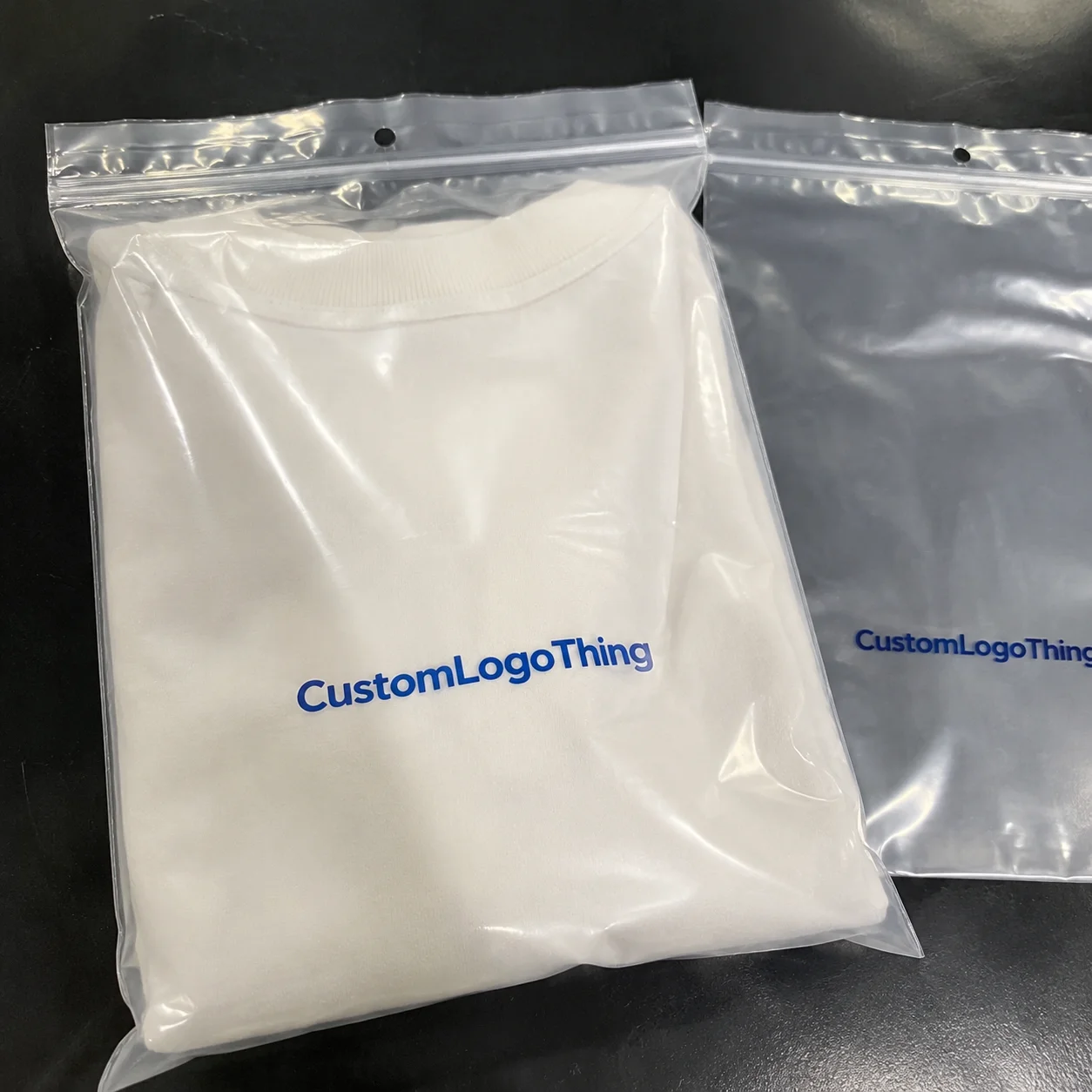
Buyer Fit Snapshot
| Best fit | Biodegradable Mailers Manufacturer projects where brand print, material claims, artwork control, MOQ, and repeat-order consistency need to be specified before quoting. |
|---|---|
| Quote inputs | Share finished size, material target, print colors, finish, packing count, annual reorder estimate, ship-to region, and any compliance wording. |
| Proofing check | Approve dieline scale, logo placement, barcode or warning zones, color tolerance, closure strength, and carton packing before bulk production. |
| Main risk | Vague material claims, crowded artwork, missing packing details, or unclear freight terms can make a low unit price expensive after revisions. |
Fast answer: Biodegradable Mailers Manufacturer: Material, Print, Proofing, and Reorder Risk should be specified like a repeatable production item. The safest quote records material, print method, finish, artwork proof, packing count, and reorder notes in one written spec.
Production checks before approval
Compare the actual filled-product size with the drawing, then confirm tolerance on folds, seals, hang holes, label areas, and retail display edges. Reserve space for logos, QR codes, warning copy, and material claims before decorative graphics fill the panel.
Quote comparison points
Review material grade, print process, finish, sampling route, tooling charges, carton quantity, and freight assumptions side by side. A quote is only useful when the supplier can repeat the same color, closure quality, and packing count on the next order.
I’ve walked warehouse aisles in Los Angeles and Dongguan where a mailer stayed in use for about 12 minutes and then, if the brand chose poorly, kept living on in the environment for years. That gap is exactly why choosing a biodegradable mailers manufacturer deserves more scrutiny than most people give it. A serious supplier is not just selling a bag; they are balancing material science, seal strength, print quality, and disposal claims that can either hold up under scrutiny or collapse under one customer complaint. In practical terms, that means asking whether the mailer is built from a 60-micron PBAT/PLA blend, whether the seal passes a 1-meter drop test, and whether the certification actually matches the marketing copy.
Honestly, I think this category gets oversold constantly. “Eco-friendly” looks wonderful in a pitch deck. It also looks wonderful right up until a carton splits open on a delivery truck in Chicago and the customer sends a photo that lands in your inbox before breakfast. I’ve seen that mistake in client meetings, in supplier negotiations, and once on a factory floor in Shenzhen where a 2 mm seal variation turned into a rejection rate of nearly 8%. A biodegradable mailers manufacturer can be a strong partner, but only if you know what to ask and what the numbers actually mean.
What a Biodegradable Mailers Manufacturer Actually Does
A biodegradable mailers manufacturer turns raw materials into shipping mailers that are meant to break down under specific conditions. In plain language, they source or blend polymers and plant-based inputs, convert them into film, form that film into mailers, add closures or printed branding, and then test the finished product for shipping use. The work sounds simple until you watch it happen in a facility outside Guangzhou or in a converting line near Ho Chi Minh City. The details are where quality lives, and they are often quantified in microns, grams, and business days rather than slogans.
In my experience, the best manufacturers are part chemistry shop, part print house, and part logistics problem-solver. A brand selling 180 gsm apparel or a lightweight cosmetic kit does not need the same mailer as a subscription box shipping glass jars. One wrong material choice, and the package may tear at the corner fold, fail in humid transit, or lose seal tack after a few days in storage. I remember one beauty client in Singapore who thought a “standard eco mailer” would handle everything. It did not. The samples looked fine on the table, then behaved like wet paper towels the moment humidity hit 78% and the warehouse doors stayed open.
Here’s the terminology trap: biodegradable, compostable, recyclable, and oxo-degradable are not interchangeable. Biodegradable means the material can break down through biological processes, but the conditions and time frame may vary widely. Compostable is narrower and usually tied to standards such as ASTM D6400 or EN 13432. Recyclable means it can enter a recycling stream, but only if the local infrastructure accepts it. Oxo-degradable materials contain additives that make plastic fragment more quickly; they are not the same as truly compostable materials, and many buyers now avoid them because they can create microplastic concerns. If a supplier cannot explain those differences in one phone call, they probably should not be writing your packaging claims.
That distinction matters. A biodegradable mailers manufacturer should be able to explain where the product fits, what certifications exist, and what disposal route is realistic. Otherwise, “green” is just a label with a nice font. I’ve reviewed spec sheets from factories in Zhejiang and Tamil Nadu that used the word biodegradable six times but included no third-party test number, no disposal guidance, and no temperature range. That is not a sustainability strategy; that is marketing with no brakes.
I’ve seen these mailers used most often in apparel, cosmetics, accessories, subscription boxes, and low-to-medium weight e-commerce shipments. A 0.06 mm mailer may work beautifully for a T-shirt and fail badly for a boxed candle set with sharp corners. A 50-micron mailer is usually a different proposition than an 80-micron version, especially if the product includes corners, glass, or metal hardware. The use case drives the material choice, not the other way around. If someone tries to sell you the same solution for every product, I’d be suspicious immediately and, frankly, a little impatient.
Client quote from a retailer meeting: “We thought we were buying sustainability. What we actually bought was a weak seal and a lot of customer complaints.” That line stuck with me because it sums up the whole category in one sentence, and I’ve heard some version of it in both New York and Sydney.
Not every product marketed by a biodegradable mailers manufacturer breaks down the same way in the real world. Industrial composting conditions, oxygen levels, moisture, heat, and microbes all matter. A mailer that performs well in a controlled lab at 58°C and 60% humidity can behave very differently in a landfill or a backyard compost pile in Portland or Berlin. That is the part marketing often skips, probably because “it depends on oxygen, time, and temperature” is a far less exciting slogan than a one-line green promise.
How a Biodegradable Mailers Manufacturer Makes the Product
A competent biodegradable mailers manufacturer usually follows a fairly consistent production chain: material selection, film extrusion or blending, bag forming, sealing, printing, and quality checks. The sequence sounds tidy on paper. On a factory floor in Dongguan, Penang, or Ningbo, it is a dozen moving parts and a lot of judgment calls. The difference between a good run and a bad one can come down to temperature control within 2°C or adhesive dwell time measured in seconds.
Material selection comes first. Common inputs include PBAT, PLA, starch blends, and plant-based additives. PBAT adds flexibility. PLA contributes bio-based content and structure. Starch can lower fossil-based content, but it also introduces performance variables if the blend is not dialed in correctly. A strong formula depends on the full recipe, not one “green” ingredient. I’ve seen two suppliers both claim 100% biodegradable performance, yet one tore at the heat seal and the other passed a 1-meter drop test without complaint. Same headline. Very different reality. In one case, the material spec was 70 microns; in the other, it was 85 microns with a tighter seal band. Those numbers matter more than adjectives ever will.
Then comes film extrusion or compound blending. The resin is turned into film at a controlled thickness, often in the range of 50 to 80 microns for lightweight mailers, though the right gauge depends on the product load and shipping route. After that, the film is formed into bags, edges are sealed, and closures are added. Many biodegradable mailers manufacturer teams use pressure-sensitive adhesive strips for returns or tamper evidence, but adhesive chemistry matters. A strong adhesive can interfere with compostability claims if the total system is not certified properly. A mailer meant for a 250 g apparel order in Toronto may need a different adhesive than one built for a 900 g mixed-product shipment leaving Milan.
Printing is not a cosmetic afterthought. It is a technical decision. Colored inks, heavy flood coverage, and large logo blocks can affect material recovery and end-of-life behavior. I’ve sat in supplier negotiations where a brand wanted full-bleed black graphics on a supposedly compostable mailer, then acted surprised when the printer warned about certification limits. If the supplier shrugs and says yes to everything, that is not flexibility. That is risk dressed up as enthusiasm. A good printer will tell you whether the artwork needs a water-based ink set, a one-color layout, or a reduction from six colors to three so the substrate stays within spec.
Quality checks should include tensile strength, tear resistance, puncture resistance, seal integrity, and moisture handling. For shipping use, I’d also want a realistic drop or transit simulation. Standards from organizations like ISTA help here; their protocols are designed to expose weak packaging before customers do. You can review more about testing at ISTA, and sustainability claims are often discussed in the context of broader packaging guidance from the Packaging School and industry resources. I’ve seen factories run 10-unit spot checks, then 100-unit QC pulls, then a final AQL inspection before cartons are sealed and loaded.
Certification is where the conversation gets serious. A biodegradable mailers manufacturer may claim the material is compostable, but if the product does not meet an accepted standard and carry usable documentation, the claim is weak. Ask for third-party verification, not just a logo on a spec sheet. If you sell into the U.S. or Europe, ask which standard applies, what testing was done, and whether the claim covers industrial composting, home composting, or only biodegradation under lab conditions. A product tested to ASTM D6400 in one facility does not automatically tell you how it behaves in London, Phoenix, or rural Queensland.
One factory visit in Guangdong still stands out. A technician showed me a line running at 220 bags per minute, but the real story was not speed. It was the way the QC team pulled random samples every 30 minutes, checked seal strength, and weighed finished mailers to catch resin drift. That kind of discipline separates a serious biodegradable mailers manufacturer from a supplier who just bought a nice website. And yes, I have seen the nice website do all the talking while the product quietly fell apart in a pallet stack in under a week.
Key Factors to Compare Before You Buy Biodegradable Mailers
If you are comparing a biodegradable mailers manufacturer against another supplier, start with total cost, not just unit price. A quote of $0.18 per unit for 5,000 pieces can look attractive until you add freight, customs duties, printing setup, sampling, and reject allowances. I’ve seen a $0.14 quote land above $0.24 once the shipment reached the warehouse in Houston after duties and last-mile delivery were added. The lowest number on the page is often the most expensive number in practice.
Performance comes next. The mailer should match the product weight, shape, and shipping route. A soft apparel mailer for a 250 g T-shirt is a different animal from a padded biodegradable mailer carrying a skincare bundle with glass bottles. Sharp corners, moisture exposure, and return shipping all change the equation. A biodegradable mailers manufacturer worth working with will ask how the mailer is used, not only how it should look. If your cartons travel from Shenzhen to Seattle in rainy season, the supplier should be talking about seal tack, not just color match.
Certifications and claims deserve close inspection. I like to see documents from recognized testing bodies, a clear explanation of whether the product meets ASTM or EN requirements, and disposal instructions written in plain English. If the supplier says, “It is biodegradable,” ask: under what conditions, in what time frame, and verified by whom? That is not a hostile question. It is a necessary one. I’ve had suppliers bristle at that question, which tells me more than the spec sheet does. A factory that can answer with a certificate number, a test date, and the name of the lab is usually a better bet than one that just sends a brochure.
Branding options matter more than people expect. The logo placement, color consistency, and print finish can make a custom mailer look premium or sloppy. Some biodegradable mailers manufacturer partners can hit tight Pantone targets; others need a wider tolerance because the substrate is more sensitive than standard poly. If you are building a private label line, ask for a proof on the exact film, not on a paper sample that flatters the print. For broader packaging support, brands often compare their options against Custom Packaging Products and then narrow down to Custom Poly Mailers when they need a more traditional benchmark. If your design includes a 350gsm C1S artboard insert or a matching thank-you card, confirm whether the color profile will shift once the mailer and insert sit side by side.
Supply reliability is the part brands underestimate. Raw material shortages, plant maintenance, and seasonal demand spikes can all extend lead times. A good biodegradable mailers manufacturer should tell you their typical production window, raw material sourcing strategy, and whether they can scale from 5,000 units to 50,000 without changing film performance. I trust the supplier who says, “We may need 18 business days if resin supply shifts,” more than the one who promises everything in 7 days. The honest estimate is almost always the useful one, especially if your business ships from a regional warehouse in Dallas or Rotterdam and cannot afford a gap in inventory.
| Comparison Point | Low-Cost Supplier | Experienced Biodegradable Mailers Manufacturer |
|---|---|---|
| Unit price | $0.12 to $0.15 | $0.16 to $0.24 |
| Sampling | Generic swatch or unprinted sample | Finished sample with printed artwork |
| Documentation | Basic sales sheet | Spec sheet, certification, disposal guidance |
| Lead time | Promises 7 to 10 days | 12 to 18 business days with QC buffer |
| Risk profile | Higher rejection and seal variability | Lower defect risk, clearer accountability |
That table does not mean every expensive supplier is better. It means the real comparison is much broader than a single quote. A serious biodegradable mailers manufacturer is selling consistency, not just a bag. The difference between $0.15 per unit for 5,000 pieces and $0.21 per unit may look small on a spreadsheet, yet over 50,000 units it can decide whether you absorb a 3% spoilage rate or carry a clean on-time launch.
For brands trying to position themselves carefully, I often suggest comparing options like a procurement analyst would: price, compliance, lead time, print quality, and failure rate. The best supplier is usually the one that costs slightly more but saves you from returns, reships, and customer service noise. Nobody ever put “we processed fewer angry emails” on a packaging brief, but maybe they should. It would at least reflect the actual cost of poor packaging more accurately than a glossy sustainability slogan.
Biodegradable Mailers Manufacturer Process and Timeline
The buying process with a biodegradable mailers manufacturer usually starts with an inquiry, but the quality of that inquiry changes everything. If you send only “Need biodegradable mailers, please quote,” you’ll get a generic reply. If you include size, weight, artwork, target certification, monthly volume, shipping destination, and your preferred closure style, the conversation gets useful very quickly. A supplier in Shenzhen or Ahmedabad can quote far more accurately when you provide a 250 x 350 mm size, 60-micron thickness, one-color print, and a monthly run of 20,000 pieces.
After inquiry comes sample review. I always tell brands to ask for finished samples, not just material swatches. A swatch tells you the film exists. A finished sample tells you whether the seal holds, the glue strip works, and the print sits properly on the material. Test the mailers with your actual product, on your actual fulfillment line, using your actual packing pace. A 300 g supplement box behaves differently than a folded cotton tee. If your fulfillment center in Chicago packs 400 orders per hour, the mailer has to work at that pace, not in a quiet conference room.
Artwork approval is where many timelines drift. A biodegradable mailers manufacturer may need one or two revision rounds to fine-tune registration, print density, or barcode visibility. If the design includes more than two colors, expect proofing to take longer. I’ve watched a simple logo move from “ready” to “reworked” because the brand team wanted a softer green on a matte substrate that absorbed ink differently than expected. Print can be a little dramatic that way, especially on a film with a 72-micron gauge and a matte finish that dulls color by 10 to 15% compared with glossy poly.
Production time depends on order size and tooling complexity. For a standard custom run, 12 to 15 business days from proof approval is a realistic baseline. Add another few days if the order requires special certification documents, larger print coverage, or a new size mold. If the manufacturer is overseas, customs clearance and ocean or air transit can add another week or more. That is not delay. That is supply chain reality. A factory in Ningbo can complete a run in 13 business days, but if the cartons then sit in port for six more days, your real lead time is not what the factory promised.
Minimum order quantities also shape the timeline. A 5,000-piece MOQ is manageable for a small brand, but it may require you to hold more inventory than you want. A 20,000-piece order often lowers the per-unit cost, yet it ties up cash and storage space. I have seen brands save $300 on unit pricing and then spend twice that on warehouse handling because they overbought. That math hurts. It also tends to surface right when the finance team asks why the shelving plan now looks like a hostage situation, especially in smaller facilities in Austin or Leeds.
Here is a practical timeline snapshot for a custom run:
- Inquiry and quote: 1 to 3 business days
- Sample preparation: 3 to 7 business days
- Artwork proofing: 2 to 5 business days, sometimes longer if revisions are needed
- Production: 12 to 18 business days after approval
- Freight and customs: 5 to 20 business days depending on route
That schedule changes if the biodegradable mailers manufacturer already has your size in stock or if you are ordering plain stock items. It also changes if your design includes a special tear notch, a second adhesive strip, or a thicker gauge material. The more custom the product, the more the calendar matters. A stock 250 x 300 mm mailer in plain kraft can move faster than a printed 300 x 400 mm version with custom branding, tamper evidence, and certification inserts.
I remember one client who insisted on launching a new mailer two weeks before a major promotion. We warned them the print proof alone might take five days because the artwork had six elements and a QR code. They pushed anyway. The result was a rushed shipment, a reprint, and a warehouse that spent an entire morning relabeling cartons. That is the kind of headache a realistic timeline prevents. Nobody wants to discover packaging timing by improvisation, especially on a Monday when the first truck leaves at 7:30 a.m.
What should you ask a biodegradable mailers manufacturer before placing an order?
Ask for the material composition, certifications, minimum order quantity, lead time, and a finished sample. Also confirm whether the mailer is biodegradable, compostable, or both, and under what conditions it breaks down. I would also request total landed cost so freight, printing, and setup fees are included in the comparison. If possible, ask for a specification that lists thickness in microns, seal width in millimeters, and the exact test standard used. A strong biodegradable mailers manufacturer should answer these questions without hesitation, because the best suppliers know buyers are not asking for extra paperwork; they are trying to avoid expensive surprises.
Common Mistakes When Choosing a Biodegradable Mailers Manufacturer
The biggest mistake is assuming every biodegradable claim means compostable, and every compostable claim means home-compostable. It does not. A biodegradable mailers manufacturer should be able to show what the product does, where it does it, and under which standard. If that information is missing, treat the claim cautiously. I would rather see a clear industrial-compostable claim with a lab number from 2024 than a vague “green” promise with no testing context at all.
Another common error is buying on price alone. A low quote can hide weak seals, inconsistent thickness, poor print adhesion, or a high reject rate. I once reviewed a batch where the film thickness varied enough that some bags passed while others split at the bottom seam during packing. The buyer had saved $0.02 per unit and lost far more in labor and replacements. Cheap is only cheap if it works, and in packaging that usually means measuring more than one sample from each carton.
Brands also overlook product-specific needs. If your item has sharp edges, like metal accessories or boxed tools, the mailer needs better puncture resistance. If your shipments travel through humid zones, moisture handling becomes critical. If you run returns, the adhesive strip and closure strategy deserve serious testing. A biodegradable mailers manufacturer cannot solve these issues after the fact. A mailer that performs well for a 200 g cotton shirt in Barcelona may fail badly for a 650 g tool kit in Manila if nobody checked puncture resistance before production.
Print durability is another weak spot. A logo that looks crisp on day one can smear after abrasion in transit. Adhesive performance can also shift if the pouch is exposed to heat in a truck or cold in a sorting center. Ask for rub testing, sample transit trials, and sealed-package checks before you order at scale. I’ve had to explain to more than one team that “it looked great in the office” is not a shipping spec. If the mailer needs to survive 36 hours in a container and then another two conveyor transfers, that should be part of the test plan.
The final mistake is vague sustainability messaging. Where does the material break down? In industrial composting? Under specific temperature and humidity conditions? Does it need oxygen? If a supplier cannot answer that clearly, your marketing team should not make broad claims. The U.S. Environmental Protection Agency has useful general guidance on waste and materials management at EPA.gov, and that kind of public reference is useful when you are trying to keep claims honest. A clear statement like “industrially compostable under EN 13432 conditions” is far safer than a vague “earth-friendly” line on a product page.
I’ve had brand owners tell me, “Our customers want green packaging, so we just need something that sounds eco.” That approach is risky. Customers may like the story, but regulators, retailers, and sustainability-minded shoppers are asking for evidence now. A credible biodegradable mailers manufacturer makes that evidence easier to assemble, especially when they can provide a certificate, a test date, and a material breakdown down to the resin blend.
Expert Tips for Working With a Biodegradable Mailers Manufacturer
Start by requesting a full spec sheet. You want thickness, dimensions, material composition, certifications, closure type, print method, and disposal guidance in one document. A serious biodegradable mailers manufacturer should have this ready without drama. If they do not, that tells you something. I also like to see carton pack count, pallet dimensions, and gross weight because those details affect freight pricing from day one.
Test the mailers using your own products, not a generic weight test. Weight alone misses the problem of corners, pressure points, and awkward shapes. A 500 g product with one sharp edge can be harder on the mailer than a 700 g smooth item. I’ve watched teams discover this only after packing 200 units and noticing stress whitening near the seam. That is a costly lesson that a 20-unit pilot would have exposed. If your product ships from a fulfillment center in Atlanta or Amsterdam, test it on the actual packing table, not just in a lab.
Negotiate on total landed cost, not factory price. Freight, duties, printed tooling, sample fees, and reject allowances all belong in the conversation. A biodegradable mailers manufacturer with a slightly higher unit rate can still be the lower-risk option if they ship on time and consistently pass QC. If a quote is $0.15 per unit for 5,000 pieces but the supplier adds $180 in packaging setup and $260 in freight, the first number is only half the story.
Ask about color matching, print method, and future size changes. If your brand expects seasonal SKU shifts, the right supplier can often keep the same material base and adjust dimensions without a full requalification. That flexibility matters when you are adding a new collection or testing a new market. A supplier in Vietnam or South Korea may be able to switch from a 250 x 350 mm format to a 300 x 400 mm version with the same resin blend and only a modest tooling update.
Build a short compliance checklist for claims. Mine usually includes:
- Does the material have a third-party certification?
- Are we saying biodegradable, compostable, or both?
- Is the disposal route clearly stated on-pack and on-site?
- Does marketing wording match the supplier documentation?
- Have we tested the mailer with real products and real transit conditions?
If you want to compare packaging styles while keeping brand control, start with resources from About Custom Logo Things. That is often where brands realize they need more than one packaging format, especially when pairing outer mailers with inserts, labels, or retail-ready cartons. For example, a business may choose a biodegradable outer mailer and a 350gsm C1S artboard insert card to keep the unboxing experience consistent while still controlling cost.
When I visited a converting line in Foshan last year, the plant manager said something I still quote: “The package has to survive the truck, the shelf, and the customer’s opinion.” That line is simple. It is also true. A biodegradable mailers manufacturer has to satisfy all three, and usually within a production window of 12 to 15 business days after proof approval if the order is moving on schedule.
What to Do Next Before You Place an Order
Make a comparison sheet with three to five suppliers. Keep it basic but strict: unit price, MOQ, lead time, certifications, customization, finished sample quality, and total landed cost. A biodegradable mailers manufacturer should stand up well against those columns, not just a headline price. If one supplier quotes $0.15 per unit for 5,000 pieces and another quotes $0.19 per unit for the same size, ask what changes in thickness, certification, or print method justify the difference.
Define your shipping conditions before you commit. Record product weight, parcel dimensions, transit time, return needs, and whether the mailer should include tamper evidence or a second adhesive strip. If you ship cosmetics or supplements, moisture and odor control may matter too. The more precise you are, the better the supplier’s recommendation will be. A brand shipping from Miami to Madrid needs a different answer than one moving goods between Dallas and Denver.
Set a pilot test plan. I like to include drop tests, seal checks, shelf storage for 7 to 14 days, and customer feedback on unboxing. If you want a more formal approach, use packaging testing references like ISTA protocols as a guide. Not every brand needs a full lab program, but every brand needs some version of real-world validation. Even a 25-unit pilot can reveal whether the mailer curls, splits, or scuffs under ordinary use.
Confirm disposal messaging. Your mailer insert, product page, and FAQ should all say the same thing. If the mailer is industrial-compostable only, say that clearly. If it is biodegradable under specific conditions, say that clearly too. Misaligned claims create trust problems fast, and a biodegradable mailers manufacturer cannot fix messaging after the shipment has already gone out. A well-written line like “Compostable in industrial facilities where accepted” is far safer than a vague claim that leaves customers guessing.
Then choose one supplier for a pilot run. Order enough units to reveal failures, not enough to create a warehouse problem. If the pilot goes well, scale in stages. If it fails, the data will tell you whether the problem is the material, the print, the seal, or the disposal claim. I’ve seen a 3,000-piece pilot save a brand from a 30,000-piece mistake, and that is the kind of insurance no one notices until later.
For brands that want to align packaging and identity, Custom Logo Things can help connect sourcing decisions with presentation. The best packaging choice is usually not the fanciest one. It is the one that survives transit, fits your brand, and matches your actual sustainability claims. If your brand palette depends on a specific matte finish or a restrained one-color layout, build that into the sourcing brief from the start.
FAQ
What should I ask a biodegradable mailers manufacturer before ordering?
Ask for material composition, certifications, minimum order quantity, lead time, and a finished sample. Also confirm whether the mailer is biodegradable, compostable, or both, and under what conditions it breaks down. I would also request total landed cost so freight, printing, and setup fees are included in the comparison. If possible, ask for a specification that lists thickness in microns, seal width in millimeters, and the exact test standard used.
How do biodegradable mailers compare with regular poly mailers?
Biodegradable options are designed to reduce persistence in the environment, but performance varies by material blend and disposal conditions. Regular poly mailers may offer lower upfront cost and high durability, while biodegradable versions can cost more but support sustainability goals. The best choice depends on product weight, shipping frequency, and brand positioning. For example, a $0.13 poly mailer may be enough for a 200 g garment, while a $0.18 biodegradable version may be better if your brand needs a documented compostability story.
Are biodegradable mailers actually compostable?
Not always; biodegradable and compostable are not interchangeable terms. A compostable mailer should meet recognized standards and be supported by clear certification. Always verify whether the material is industrial-compostable, home-compostable, or only marketed as biodegradable. If the supplier cannot produce an ASTM D6400, EN 13432, or comparable report, treat the claim as unverified.
How long does it take to produce custom biodegradable mailers?
Timing depends on sampling, artwork approval, order size, and factory capacity. Simple stock orders move faster than fully custom printed runs. International shipping and customs can extend the timeline, so plan early and build in a buffer of at least several business days. For most custom orders, 12 to 15 business days from proof approval is a realistic factory timeline, with freight adding another 5 to 20 business days depending on destination.
How can I reduce biodegradable mailers cost without lowering quality?
Standardize sizes, order in larger batches, and simplify printing where possible. Compare suppliers using total landed cost rather than quote price alone. Choose the lightest mailer that still passes your product damage tests, because excess material thickness raises cost quickly. If a 70-micron mailer passes your drop test and a 90-micron version does not improve performance, the thinner option may be the smarter commercial decision.
Choosing a biodegradable mailers manufacturer is not really about finding the cheapest quote or the prettiest sample. It is about matching material science, certification, print execution, and shipping reality. I’ve seen brands win trust by getting this right, and I’ve seen others lose it with one brittle seal and one vague claim. If you want the packaging to support your brand instead of undermining it, work with a biodegradable mailers manufacturer that can prove its specs, explain its limits, and back up every claim with documentation. Start by defining your product load, transit conditions, and disposal language before you request quotes; that single step cuts through the noise faster than any sales pitch, and it keeps the final package honest.