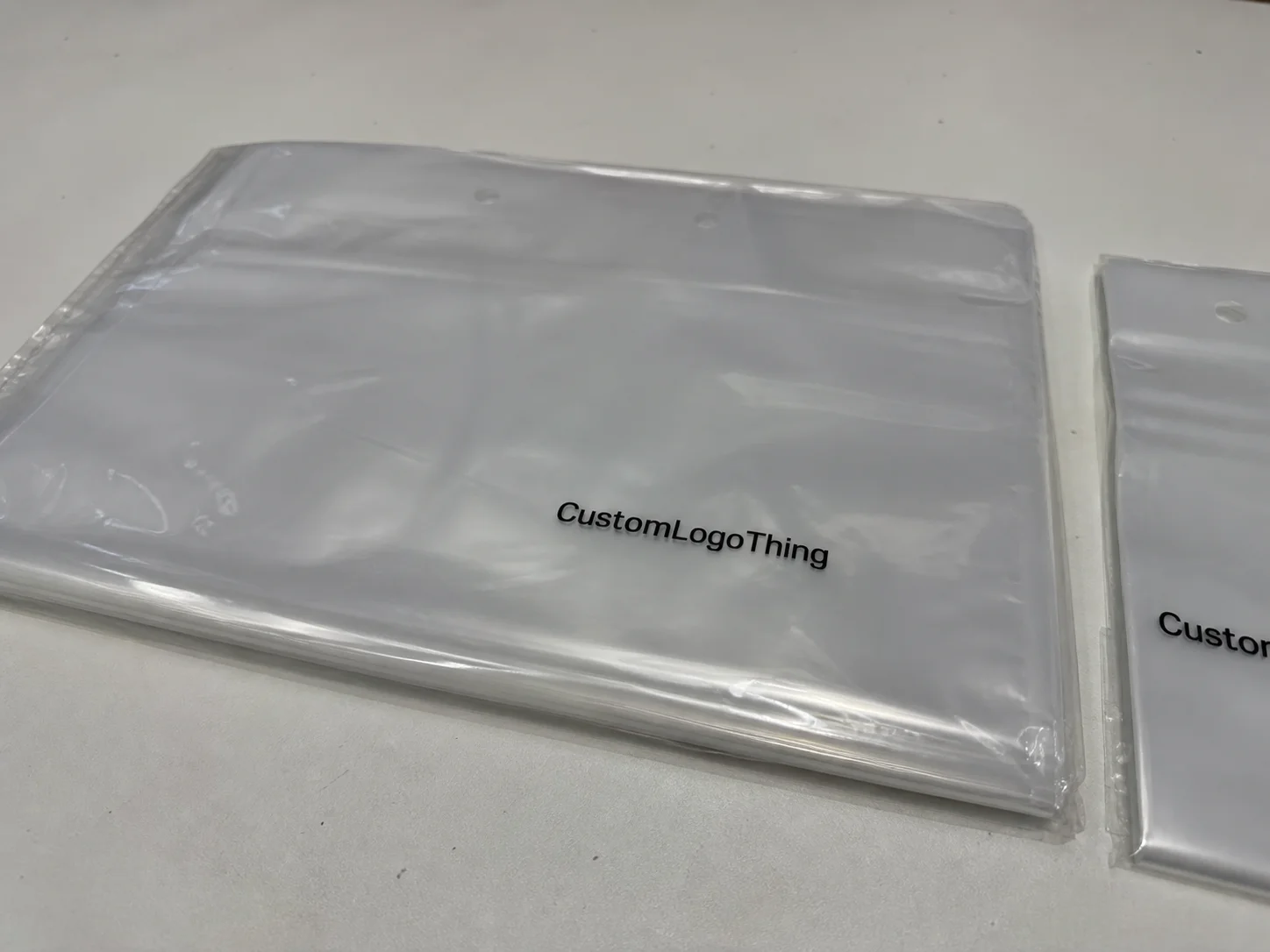
Buyer Fit Snapshot
| Best fit | Price per Dozen Poly Mailers Bulk projects where brand print, material claims, artwork control, MOQ, and repeat-order consistency need to be specified before quoting. |
|---|---|
| Quote inputs | Share finished size, material target, print colors, finish, packing count, annual reorder estimate, ship-to region, and any compliance wording. |
| Proofing check | Approve dieline scale, logo placement, barcode or warning zones, color tolerance, closure strength, and carton packing before bulk production. |
| Main risk | Vague material claims, crowded artwork, missing packing details, or unclear freight terms can make a low unit price expensive after revisions. |
Fast answer: Price per Dozen Poly Mailers Bulk: Material Claims, Seal Quality, and Freight Cost should be specified like a repeatable production item. The safest quote records material, print method, finish, artwork proof, packing count, and reorder notes in one written spec.
Production checks before approval
Compare the actual filled-product size with the drawing, then confirm tolerance on folds, seals, hang holes, label areas, and retail display edges. Reserve space for logos, QR codes, warning copy, and material claims before decorative graphics fill the panel.
Quote comparison points
Review material grade, print process, finish, sampling route, tooling charges, carton quantity, and freight assumptions side by side. A quote is only useful when the supplier can repeat the same color, closure quality, and packing count on the next order.
Buyers asking about Price Per Dozen Poly Mailers bulk usually expect the cheapest quote to win. It rarely does. I’ve stood on packing floors in Dongguan and Los Angeles where a two-cent savings on the mailer turned into higher postage, more tears in transit, and a second order three weeks later. That is not savings. That is delayed expense with a clean invoice.
The real question behind price per dozen poly mailers bulk is simple: what does each packed shipment truly cost after film thickness, seal quality, carton counts, freight, and reorders are included? Small brands, Etsy sellers, and in-house fulfillment teams all use dozen pricing because it translates better than a vague per-unit number. Twelve pieces is tangible. So is a carton. So is a pallet. Finance teams usually nod once the quote is broken into those familiar steps, especially when the quote shows figures like $0.15 per unit for 5,000 pieces or $3.60 per dozen for lower-volume stock.
Custom Logo Things works with buyers who need practical packaging, not sales theater. I’m treating price per dozen poly mailers bulk as a buying equation, not a slogan. Compare only the sticker price and the bill gets larger later. Compare total landed cost and the better deal shows up faster, whether the bags ship from Shenzhen, Guangdong or a contract line near Ningbo, Zhejiang.
Custom Poly Mailers are one of those products where a small construction change creates an outsized financial result. A 2 mil mailer versus a 3 mil mailer. A weak adhesive strip versus a wider peel-and-seal closure. White stock versus four-color printed branding on 60 gsm LDPE film. Those differences show up in the quote, yes, but they also show up in damage rates, repack time, and customer perception. That is where most buyers get tripped up.
Price Per Dozen Poly Mailers Bulk: What Actually Drives Value
The cheapest-looking bag is not always the cheapest shipper. I saw that firsthand during a client meeting with a women’s apparel brand in Chicago that was buying mailers for 8,000 monthly orders. They saved about $0.012 per bag by switching to a thinner film, then lost far more on garments that arrived scuffed, split seams, or had to be repacked. That is why price per dozen poly mailers bulk has to be judged against shipment success, not just invoice line items.
Buyers search price per dozen poly mailers bulk because dozen pricing makes ordering economics visible. A small seller might buy 5 dozen at a time. A fulfillment team may compare 50 dozen, 100 dozen, and case pricing. Once you move beyond one-off shopping, unit price becomes only part of the story. Carton count, freight class, and inventory turnover start shaping the final number, especially when a pallet contains 40 cases and delivery takes 6 to 9 business days by truck from a warehouse in Dallas or Atlanta.
A slightly higher price per dozen poly mailers bulk can still produce the best total value if the film resists puncture, the adhesive closes cleanly, and the size fits the product without wasted void space. Compare that with a lower-cost option that tears at the corners, needs double-bagging, or triggers customer complaints. The second option looks cheap on paper. It is expensive in operations, where one damaged return can cost $7 to $14 in labor and replacement materials.
In a supplier negotiation I handled for a subscription accessory brand in Austin, the buyer wanted the lowest quote from three vendors. We asked each one to quote the same size, same 2.75 mil thickness, same print coverage, and same shipping terms. The difference between the quotes narrowed sharply once specs were standardized. That taught the team something valuable: price per dozen poly mailers bulk only means something when the variables are aligned.
Client note: “We stopped chasing the lowest bag price and started comparing landed cost. Our damage claims dropped, and our reorder cycles became more predictable.”
There is also a psychological factor. Buyers often trust dozen pricing because it feels closer to how they actually consume inventory. Twelve bags per dozen, 25 dozen per case, 40 cases per pallet. Those numbers help planners estimate runway. That is especially useful for smaller brands that do not have a full procurement department and may only reorder every 21 to 30 days.
For packaging operations, the better comparison is never “What is the cheapest price per dozen poly mailers bulk?” It is “What order format gives me the lowest cost per successful shipment?” That question cuts through a lot of noise. Honestly, it cuts through a lot of nonsense too, especially when the difference between two quotes is only $0.08 per dozen but the defect rate doubles.
Product Details That Change Price Per Dozen Poly Mailers Bulk
The biggest price drivers are construction, print method, and size. A single-layer poly mailer usually sits at a lower entry point than a co-extruded film, but the lighter option is not always the better buy. Co-extruded bags can improve stiffness, print receptivity, and puncture resistance. That matters if you ship apparel with zippers, jewelry boxes with edges, or accessories that shift during transit. A 3-layer co-extruded mailer with a 1.5 mil outer skin and 1.5 mil inner skin often performs differently from a basic mono-layer 3 mil bag.
Opaque, clear, and printed mailers all land at different price points. Opaque stock bags tend to be the baseline. Clear mailers can be useful for insert visibility and internal sorting, but they are not always ideal for brand presentation. Printed bags cost more because ink, setup, and registration add labor and materials. If your logo coverage is 10% of the surface, the quote will look very different from a full-wrap design. I still remember one buyer in Miami who wanted “just a tiny logo” and then changed their mind after seeing the sample. The sample did its job. The ego recovered later.
Size is another quiet cost driver. A 10 x 13 mailer and a 14.5 x 19 mailer are not close cousins. The larger format uses more film, weighs more, and often increases freight cost. Yet I’ve seen teams overbuy oversized bags because they wanted “room to grow.” That usually creates more void, more wasted material, and a less polished customer experience. Plus, if the mailer flaps around the product like an empty raincoat, customers notice it at the doorstep in Houston just as quickly as they do in Brooklyn.
Closure type matters too. A standard peel-and-seal adhesive is common because it is fast and dependable. Tamper-evident seals can improve confidence for returns-sensitive products. Reusable seals are useful when a package needs to be opened and closed twice, such as return workflows or document transfers. Each option shifts price per dozen poly mailers bulk by a measurable amount, sometimes only pennies, sometimes more if the closure spec is custom or the adhesive strip is widened from 25 mm to 30 mm.
Thickness is often quoted in mils, and buyers fixate on it. I get why. It is easy to understand. But thickness alone does not guarantee performance. I’ve seen 3 mil films with weak edge sealing fail faster than a well-made 2.5 mil co-extruded mailer. Film quality, seal integrity, and stretch behavior matter just as much as the number printed on the spec sheet. A film made with 100% virgin LDPE in Wenzhou can outperform a thicker recycled blend if the extrusion and sealing are consistent.
| Mailers Compared | Typical Use | Relative Cost Per Dozen | Performance Notes |
|---|---|---|---|
| Single-layer stock opaque | Basic apparel and soft goods | Lowest | Good for routine shipping, limited branding |
| Co-extruded printed | Branded e-commerce orders | Medium | Better print presentation, stronger film consistency |
| Heavy-duty tamper-evident | Higher-value items and returns control | Higher | More secure closure, stronger puncture resistance |
| Custom size with full coverage print | Premium branded fulfillment | Highest | Best visual impact, more setup and material cost |
That table is exactly how I explain price per dozen poly mailers bulk to new buyers. Not all mailers compete in the same lane. A basic stock bag and a premium branded mailer can both be “poly mailers,” but they solve different problems. One minimizes spend. The other protects margin and brand image.
Water resistance is not just a marketing line. In humid lanes, rainy delivery routes, or warehouse loading docks, a good poly mailer should shed moisture and retain closure strength. I once visited a Gulf Coast fulfillment site in Mobile where uncoated outer cartons sat near an open dock door. Bags with weak adhesive softened in storage and started failing at the seal. Their price per dozen poly mailers bulk looked excellent, until they counted replacements. The operations manager just stared at the pallet and laughed once, the kind of laugh that means, “Well, that’s a problem.”
What Should Buyers Compare Before Ordering Price Per Dozen Poly Mailers Bulk?
If you want a real comparison, start with measurable specs. Thickness in mils. Outer dimensions. Usable interior space. Adhesive width. Surface finish. Those five items tell you more about price per dozen poly mailers bulk than a vague “good quality” description ever will. A supplier in Guangzhou can say “premium” all day; a 10 x 13 mailer with 60 mm adhesive and 2.8 mil film tells you something tangible.
Outer dimensions can be misleading if the usable interior is too tight. A 12 x 15 mailer might sound adequate for folded apparel, but if the seal area and gusset structure reduce packing room, you may find yourself forcing product into the bag. That slows packing speed and raises risk. Packaging should fit the item, not fight it. I’ve watched a whole afternoon vanish because someone chose a bag by the outside measurement and ignored the actual interior. It was like buying shoes by looking at the box.
Surface finish also affects the result. Matte finishes present a cleaner brand look and usually photograph better for unboxing content. Gloss can feel more vibrant and often makes printed artwork pop. Neither finish is automatically better. I always ask what the item is, how it is packed, and whether the buyer cares more about shelf presence or handling durability. A cosmetic brand in Los Angeles may want gloss for color saturation, while a warehouse club order in Phoenix may prefer matte for scuff resistance.
Use-case matching matters more than generic specs
For e-commerce apparel, I generally look for mailers in the 2.5 to 3 mil range with a reliable peel-and-seal strip. For subscription boxes with lightweight inserts, an 8 x 10 or 10 x 13 format may be enough. Literature mailings can often use lighter stock, while retail returns may justify a stronger closure and better tear resistance. The right price per dozen poly mailers bulk is the one that matches the item profile without overbuilding the package.
For soft goods, seal integrity matters because product movement inside the bag can stress the corners. For accessories, puncture resistance matters more because edges and hardware can nick weak film. For return mailers, the adhesive width and closure consistency matter because the bag may need to be resealed. The use case changes the spec priority. Every time. A garment shipped from Portland does not face the same failure mode as a set of metal phone accessories leaving Newark.
I remember a supplier meeting with a footwear brand in San Diego that insisted on a black mailer because it looked premium. Fair enough. But the better question was whether the black stock bag had the right film gauge and adhesive laydown for boxed shoes. Once we compared samples, they chose a slightly higher price per dozen poly mailers bulk because the box corners stopped punching through during freight testing.
Artwork is another cost layer. A one-color logo is simpler than a full-coverage pattern with multiple registration points. Two colors are simpler than four. White ink on dark film can add complexity. If you want a printed mailer, ask how the art sits on the film, how many screens or print stations are needed, and whether there is a setup charge. Those details affect the final number more than many buyers expect, especially if the supplier is quoting from a facility in Yiwu or Foshan where print runs are scheduled in batches.
For standards-minded buyers, the broader packaging and transit environment matters. The ISTA test framework is a useful reference point when you need to think about distribution hazards, not just bag aesthetics. For responsible material choices and waste reduction planning, the EPA recycling guidance is worth reviewing, especially when your packaging mix includes multiple material types. Teams usually make better mailer decisions once packaging stops being treated as a single-line item.
My honest view: ask for samples before you approve any price per dozen poly mailers bulk quote. A spec sheet can lie by omission. A sample can show how the closure feels, how the film folds, how the ink sits, and whether the mailer tears cleanly or raggedly. That is the kind of detail a photo never catches.
Price Per Dozen Poly Mailers Bulk: Pricing Tiers and MOQ
Bulk pricing works in tiers because setup costs and production efficiency shift as quantity rises. A dozen or two is rarely where the best economics live. The real breaks usually appear at carton quantities, case quantities, and pallet quantities. That is why price per dozen poly mailers bulk should be requested at several order levels, not just one. A factory in Dongguan may quote $4.20 per dozen at 10 dozen and $2.85 per dozen at 100 dozen for the same 2.5 mil stock size.
For stock mailers, a small order might sit near the top of the pricing curve. Add quantity, and the per-dozen rate can fall quickly. For Custom Printed Mailers, the curve changes because setup, plates or screens, and proofing are part of the cost. That means the minimum order quantity, or MOQ, often starts higher. If the print run is too small, the setup cost dominates and the price per dozen poly mailers bulk can look surprisingly high, especially when a 4-color job requires separate screens and color matching.
Here is a practical way to think about it. If a stock mailer is quoted at $3.60 per dozen for low quantity and $2.95 per dozen at case volume, the savings only matter if the additional inventory will move before storage or damage becomes an issue. If a custom printed mailer is quoted at $5.40 per dozen for 10 dozen and $4.10 per dozen at 50 dozen, the larger order may be the smarter buy only if your design and sales forecast support it. A business in Nashville shipping 600 orders a month can justify very different math than a boutique in Santa Fe shipping 75.
In one factory-floor visit in Shenzhen, I watched operators pack a larger run of printed mailers and saw exactly why MOQ exists. The press had already been set, color matched, and dialed in. Once the line stabilized, the cost per dozen dropped sharply. That efficiency does not appear in a tiny order. Production has a setup curve, and buyers pay for the point where the line starts running efficiently. On that line, the approved proof had already been signed the day before at 4:30 p.m.
Variables that move quotes up or down:
- Film thickness, such as 2.0 mil versus 3.0 mil
- Size, especially oversized formats above 14 x 19
- Print coverage, from logo-only to full-bleed artwork
- Number of ink colors
- Closure type and adhesive width
- Lead time, especially rush production
- Shipping destination and freight method
Carton pricing and pallet pricing deserve attention because they reveal the point where storage and freight become more efficient. A dozen-based quote may look cheap, but if the cartons are awkwardly packed or the pallet count is low, freight can erase the gain. That is why buyers should ask for a quote with clear shipping terms. FOB origin, delivered, or zone-based freight all change the math on price per dozen poly mailers bulk, and a move from rail to air can add 18% to 30% quickly.
Wholesale Programs are useful when buyers need repeat orders, but even wholesale pricing deserves a sanity check. I always ask clients to compare three quantities: one dozen, five dozen, and full case quantity. The breakpoints usually reveal the real buying sweet spot. Sometimes the mid-tier wins. Sometimes the larger order is only better on paper, especially if the warehouse in Columbus can only hold 12 pallets at a time.
| Order Level | Typical Buyer | Likely Pricing Behavior | Inventory Risk |
|---|---|---|---|
| 1 dozen to 5 dozen | Small sellers, sample buyers | Highest per-dozen cost | Low inventory risk |
| 10 dozen to 25 dozen | Growing stores, niche brands | Moderate drop in unit cost | Balanced risk |
| Case quantities | Regular fulfillment teams | Better per-dozen economics | Moderate storage needs |
| Pallet quantities | High-volume operations | Lowest per-dozen cost | Highest storage commitment |
One buyer I worked with ordered 18 dozen at a time because it felt “safe.” Their reorder cycle, however, was every ten days. They were paying a premium for tiny batches and constantly rushing freight. Once we moved them to a larger case-based schedule, the price per dozen poly mailers bulk improved, freight became more predictable, and the warehouse stopped running short every other week. Everyone on that floor looked about ten pounds lighter after the change, including the manager.
Process and Timeline for Bulk Poly Mailer Orders
A good order process is boring in the best way. Inquiry. Quote. Artwork review. Proof approval. Production. Quality check. Shipping. If one step gets skipped, the whole schedule can drift. That is especially true for custom orders where print files, size specs, and delivery instructions all have to match. A straightforward stock run might finish in 5 to 7 business days, while a printed run can stretch to 12 to 15 business days from proof approval.
Stock mailers usually move faster because the film is already produced and the only variables are quantity, carton count, and shipping. Custom printed mailers take longer because the artwork must be checked for bleed, resolution, color accuracy, and placement. If a logo file arrives as a low-resolution JPG instead of a vector file, time disappears immediately. I’ve seen three-day delays caused by a single missing die-line file. I still get a little annoyed just thinking about it. If the proof comes back with a Pantone mismatch, another 1 to 2 business days can disappear before the press restarts.
For many buyers, a realistic timeline is more useful than a vague promise. Stock mailers may ship in a shorter window, while custom printed mailers often need more production time after proof approval. Rush jobs can be done, but they usually cost more because the schedule compresses setup and freight planning. The best price per dozen poly mailers bulk is rarely the one attached to the tightest deadline, especially if air freight from Shenzhen to Chicago adds $0.20 to $0.35 per dozen.
What to prepare before requesting a quote
Have your logo files ready in vector format if you want printed mailers. Know the exact size of the product you are shipping. Decide whether you want stock, printed, opaque, clear, matte, or gloss. Estimate your monthly usage so the quote can match reality instead of guesswork. If you can tell us whether your product is apparel, accessories, printed literature, or returns-sensitive merchandise, the recommendation gets sharper immediately. A buyer shipping 2,400 units a month needs a different answer than one shipping 240.
One client meeting stands out because the buyer arrived with only a rough idea of size and an urgent shipping deadline. We spent more time clarifying dimensions than quoting price. Once we got the product samples on the table, the original size estimate was off by nearly 1.5 inches. That would have been enough to cause packing issues. Better to spend ten minutes measuring than ten weeks correcting a bad order, especially when a carton has already left a warehouse in Louisville.
Freight logistics can be the hidden variable. Carton configuration affects pallet density. Freight class affects cost. If the order needs split shipments to serve multiple warehouses, that has to be known upfront. I have seen otherwise strong quotes lose their appeal because the buyer forgot to include final-mile distribution costs. Price per dozen poly mailers bulk only matters if the bags arrive where they are needed, when they are needed, and in the right carton count.
Quality checks should not be skipped. A decent supplier will confirm dimensions, thickness, print placement, and seal performance before release. For high-value programs, ask about sampling, incoming inspection, and whether the supplier can accommodate a signed proof. That extra discipline is one reason experienced buyers keep coming back to the same vendor, whether the production line sits in Suzhou or a bonded facility near Ho Chi Minh City.
Why Choose Us for Price Per Dozen Poly Mailers Bulk
Custom Logo Things is built for buyers who want clarity. Clear specs. Clear pricing. Clear expectations. That matters because the packaging market is full of vague claims and soft language. I prefer hard numbers: 2.5 mil, 10 x 13, one-color print, 15 business days from proof approval. Those details help buyers compare options without guessing, and they make price per dozen poly mailers bulk easier to evaluate across suppliers in different regions.
We focus on consistency. A mailer that prints cleanly once but shifts on the next run is not a dependable supply solution. A seal that works in a sample but fails in bulk is not acceptable. A size that fits one product category but creates packing errors on another is a problem waiting to happen. In my experience, the cost of inconsistency usually exceeds the savings from chasing the lowest quote, especially when a redelivery fee adds $1.75 per package.
There’s also a practical advantage in working with a manufacturer-oriented supplier rather than a pure reseller. Control over production schedules, print coordination, and spec compliance is tighter. That often translates to fewer surprises on price per dozen poly mailers bulk, better proof support, and more realistic lead times. Buyers notice that quickly, especially when reorder season gets busy in October and November.
When I visited a production line that was handling branded mailers for a fast-growing apparel label in Hangzhou, the best sign was not the machinery. It was the process discipline. Finished goods were checked against the approved sample, seals were tested by hand, and cartons were labeled clearly by size and print run. That is the kind of operational detail that reduces packing errors later. The line moved at about 800 to 1,000 pieces per hour, and the scrap bin stayed nearly empty.
What buyers usually gain:
- Fewer damaged shipments due to better film and seal selection
- Cleaner branding through accurate print placement
- More predictable reorders because specs are documented
- Less warehouse confusion from correct carton labeling
- Better control over price per dozen poly mailers bulk across repeat orders
We also support broader packaging sourcing through Custom Packaging Products and repeat buyer programs through Wholesale Programs. For buyers managing multiple SKUs, that can simplify procurement. One supplier, fewer mismatched specs, less admin time. Those operational gains may not look dramatic, but they save hours every month in fulfillment centers from Miami to Minneapolis.
My direct opinion: if your mailer is part of the customer experience, it deserves the same scrutiny you give a product label or shipping box. A bag that arrives cleanly printed, closes properly, and protects the contents does more than hold merchandise. It reinforces trust.
How to Compare Quotes and Place the Right Order
Start with an apples-to-apples comparison. Same size. Same thickness. Same print method. Same color count. Same shipping terms. If one supplier quotes a 2 mil stock mailer and another quotes a 3 mil custom printed version, the lower number is not a real comparison. It is just a different product wearing the same name, and the difference can be $1.10 per dozen or more.
Ask for pricing at several quantities, ideally 1 dozen, 5 dozen, 10 dozen, and case quantity. That makes the breakpoints visible. If the per-dozen price drops sharply at 10 dozen and barely changes afterward, you may have found the efficient order size. If the savings only show up at a very high quantity, you need to ask whether storage, cash flow, and reorder timing support it. A 48-inch pallet footprint in a narrow storeroom can make a cheap quote expensive fast.
Then confirm sample approval. I cannot stress this enough. A quote means almost nothing until you have checked the sample for size, seal strength, and print clarity. If the mailer feels too flimsy or the artwork looks muddy, You Need to Know before production. Sampling is inexpensive insurance compared with correcting 5,000 defective bags later. In many cases, a sample review takes 15 minutes and prevents a 6-week mistake.
Here is a concise checklist I use with buyers:
- Confirm the exact dimensions and usable interior space.
- Verify thickness, closure type, and surface finish.
- Compare printed and unprinted versions at multiple quantities.
- Ask for freight cost and delivery terms in writing.
- Review artwork, proof, and sample before release.
- Match the order size to realistic monthly consumption.
Stock versus custom is a straightforward decision if you are honest about your timeline and brand needs. Choose stock when you need speed, lower MOQ, and simple packaging. Choose custom when repeat branding matters, the product is visible in transit, or the mailer is part of the unboxing experience. The right price per dozen poly mailers bulk is the one that fits your actual operations, not your wish list, whether you are fulfilling from a 12,000-square-foot space in Phoenix or a shared warehouse in Newark.
I have seen buyers choose custom too early and regret the inventory burden. I have also seen buyers stay on stock too long and miss the branding value of a printed bag. The best answer usually sits in the middle: enough customization to support the brand, enough discipline to keep the supply chain lean.
If you are comparing quotes this week, gather the specs first, request line-item pricing at several dozen counts, and insist on a sample before approval. That is the cleanest path to a smarter price per dozen poly mailers bulk decision. Not the loudest quote. Not the prettiest brochure. The one that performs in the warehouse, on the truck, and at the customer’s door.
FAQ
What affects the price per dozen poly mailers bulk most?
Size, thickness, print coverage, and order quantity are the biggest drivers. Shipping and MOQ can change the landed cost quickly, and custom colors or logos usually raise the price per dozen poly mailers bulk versus stock mailers. A 10 x 13 2.5 mil bag with one-color print may cost far less than a 14.5 x 19 full-bleed design with a wider adhesive strip.
How many poly mailers do I need to qualify for bulk pricing?
Bulk pricing often begins at carton quantities, but the best breakpoints usually appear at case or pallet orders. Ask for pricing at multiple dozen counts so you can see where the unit cost drops most. Custom mailers often require a higher MOQ than stock options, and some factories will not start a print run below 500 to 1,000 pieces.
Are thicker poly mailers always worth the higher cost per dozen?
Not always. Thicker film can improve puncture resistance, but construction quality matters too. A well-made lighter mailer can outperform a poorly made heavier one. Match thickness to product weight, shipping distance, and damage risk before deciding on the price per dozen poly mailers bulk you want to accept. For example, a 2.5 mil co-extruded bag may be better than a 3.2 mil mono-layer bag with weak seals.
How long does it take to receive a bulk poly mailer order?
Stock mailers usually ship faster than custom printed mailers. Artwork approval, production queue, and freight speed all affect delivery timing. Having final specs and print files ready reduces delays and improves your chance of hitting the planned price per dozen poly mailers bulk without rush charges. Custom orders typically take 12 to 15 business days from proof approval, plus transit time by air, sea, or truck.
Can I get a sample before ordering price per dozen poly mailers bulk?
Yes, samples are strongly recommended for custom or high-volume orders. A sample confirms size, seal strength, print clarity, and material feel. Sampling helps prevent expensive reorder problems and packaging mismatches, especially when you are comparing several price per dozen poly mailers bulk quotes at once. If needed, ask for a plain sample, a printed proof, and a pre-production sample before approval.