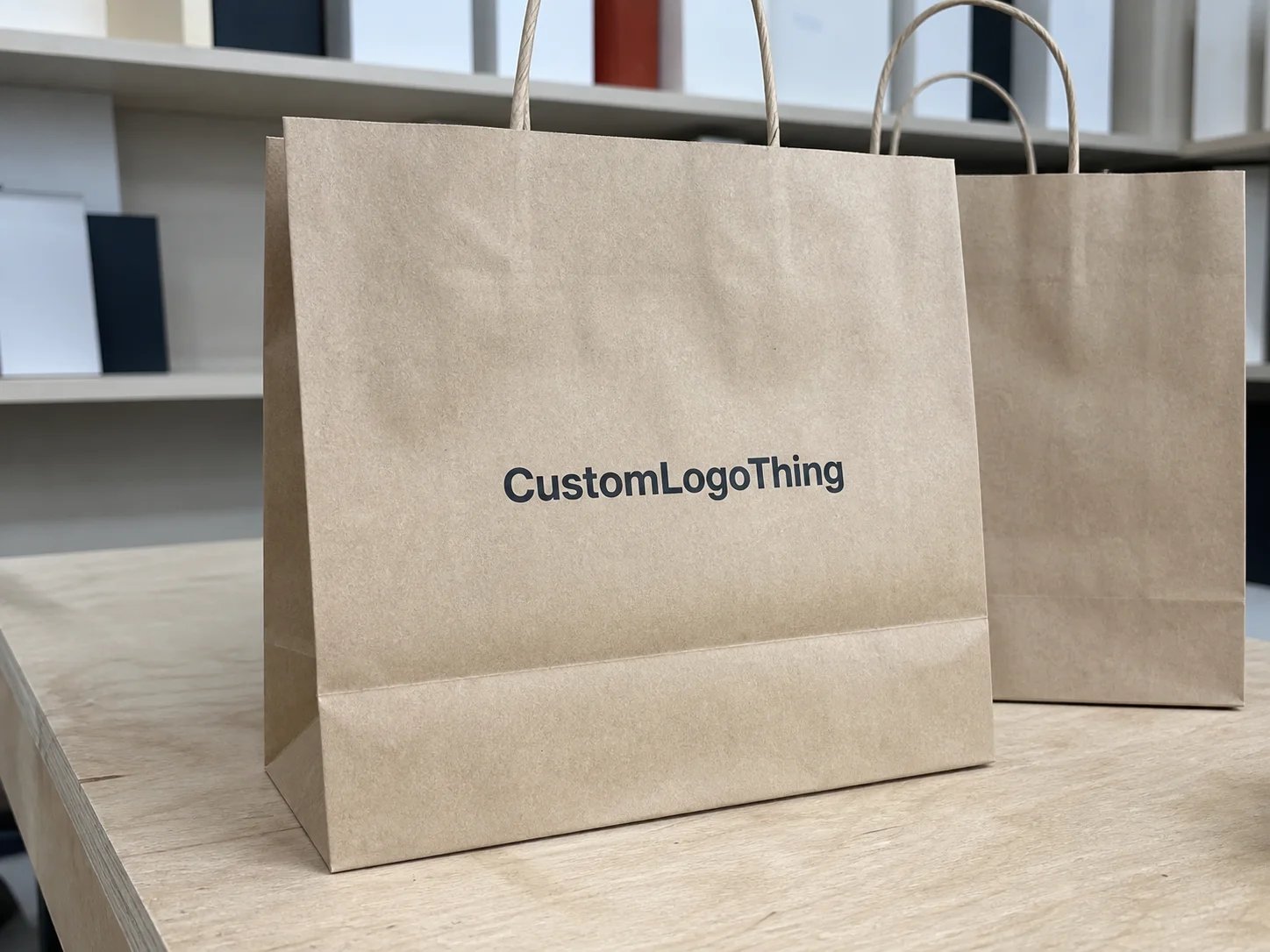
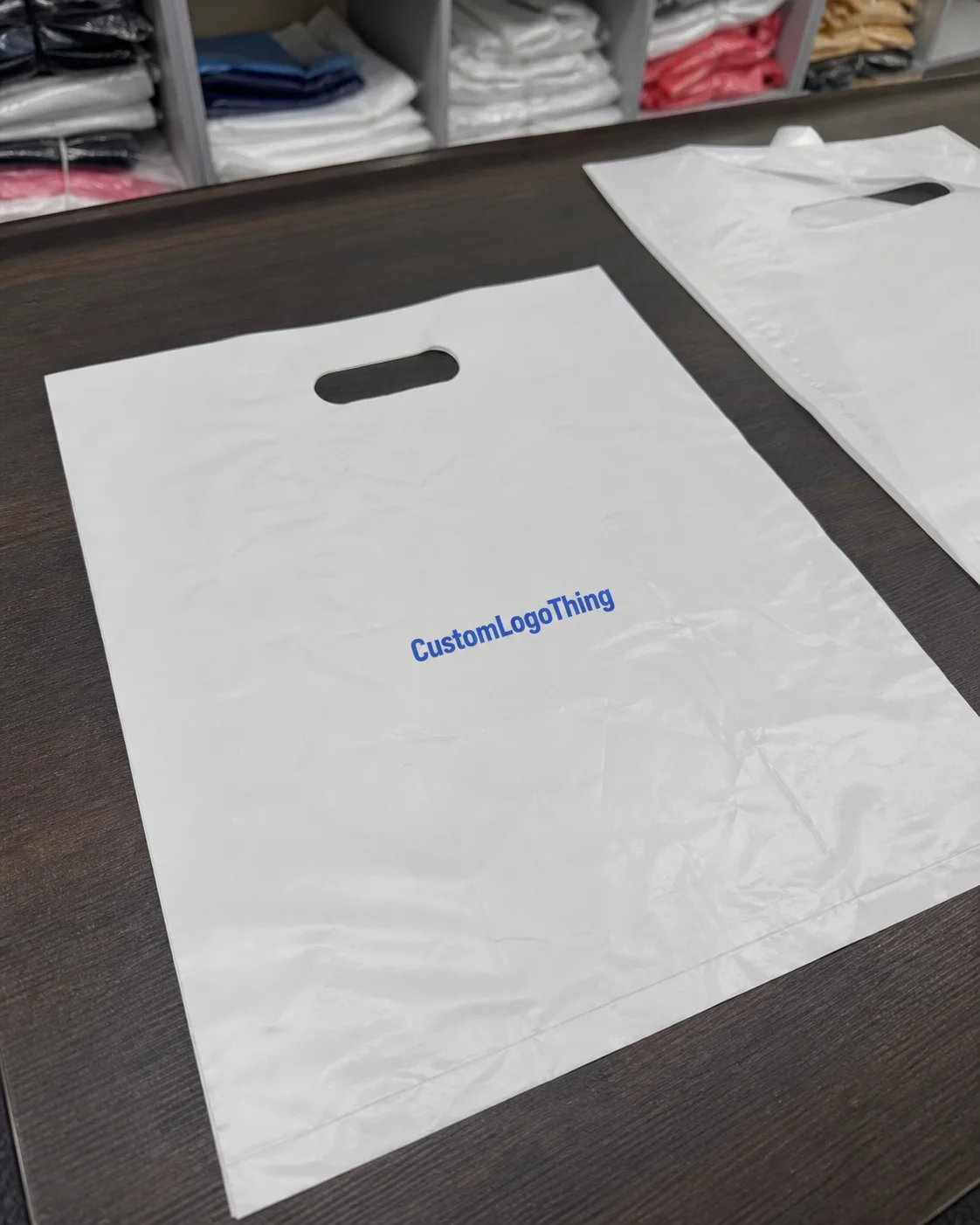
Buyer Fit Snapshot
| Best fit | Biodegradable Mailers Manufacturer projects where brand print, material claims, artwork control, MOQ, and repeat-order consistency need to be specified before quoting. |
|---|---|
| Quote inputs | Share finished size, material target, print colors, finish, packing count, annual reorder estimate, ship-to region, and any compliance wording. |
| Proofing check | Approve dieline scale, logo placement, barcode or warning zones, color tolerance, closure strength, and carton packing before bulk production. |
| Main risk | Vague material claims, crowded artwork, missing packing details, or unclear freight terms can make a low unit price expensive after revisions. |
Fast answer: Biodegradable Mailers Manufacturer: Material Claims, Seal Quality, and Freight Cost should be specified like a repeatable production item. The safest quote records material, print method, finish, artwork proof, packing count, and reorder notes in one written spec.
Production checks before approval
Compare the actual filled-product size with the drawing, then confirm tolerance on folds, seals, hang holes, label areas, and retail display edges. Reserve space for logos, QR codes, warning copy, and material claims before decorative graphics fill the panel.
Quote comparison points
Review material grade, print process, finish, sampling route, tooling charges, carton quantity, and freight assumptions side by side. A quote is only useful when the supplier can repeat the same color, closure quality, and packing count on the next order.
I’ve spent enough time on factory floors to know this: a biodegradable mailers manufacturer is only as good as the material blend, the seal bar temperature, and whether the sales rep can answer simple questions without dancing around them. I remember one afternoon in a warehouse in Dongguan, Guangdong, when I watched a stack of “eco” mailers split open before they even left the packing table. Not a great look. A lot of packaging looks noble on a spec sheet and then tears like wet tissue in a real warehouse. That’s not sustainability. That’s landfill with better marketing.
If you’re buying shipping mailers for ecommerce, subscription boxes, or retail fulfillment, the biodegradable mailers manufacturer you choose matters more than the word printed on the bag. I’ve seen clients pay $0.24 per unit for 10,000 pieces and still get better value than a cheaper $0.17 quote because the cheaper run had weak seals, inconsistent thickness, and a 7% defect rate. On a 10,000-piece order, that difference can mean 700 bad units before you even factor in reships. Honestly, I think “cheap” is one of the most expensive words in procurement. Half the time it just means you’ll pay later, only with more swearing.
About Custom Logo Things is built around the same idea I learned from years of supplier negotiations: the right packaging partner should explain the material, the process, and the tradeoffs in plain English. If they can’t do that, keep moving. I say that as someone who has listened to more polished nonsense than I care to admit, from plants in Shenzhen to contract converters in Guangzhou and Ningbo.
What a Biodegradable Mailers Manufacturer Actually Does
A good biodegradable mailers manufacturer does more than print a logo and toss film into a bag machine. They source resin or blended raw material, run extrusion, manage printing, cut and seal finished mailers, and check whether the final product can survive real shipping abuse. A standard production line might use 2.0 to 3.0 mil film, a hot-melt adhesive strip, and a heat-sealed side seam with a 10 to 15 mm seal width. That sounds basic until you visit a plant in Shenzhen and see how one adjustment in film thickness can change tear resistance by a mile. I’ve watched operators make a tiny machine tweak and suddenly the whole run feels different in your hand. Same design. Different behavior. Packaging has a sneaky habit of doing that.
Here’s the part people mess up: biodegradable, compostable, and recycled-content are not the same thing. Biodegradable means the material can break down under specific conditions, but that does not mean it disappears in your backyard by Tuesday. Compostable usually refers to a material that breaks down under controlled composting conditions and often needs certification such as ASTM D6400 or EN 13432. Recycled-content mailers use post-consumer or post-industrial material, which helps reduce virgin plastic use, but that is a different claim entirely. One claim can fit a PLA/PBAT blend; another may fit a 50% post-consumer recycled poly mailer. Same aisle. Different rules.
In plain English, a biodegradable mailers manufacturer should be able to tell you exactly what the mailer is made from, what conditions it needs to break down, and what standards support the claim. If the answer is vague, the claim is probably doing more work than the material. I’ve heard salespeople pitch “earth-friendly” so many times that I now treat it like an alarm bell (a polite one, but still an alarm bell). Ask for the resin ratio, the country of origin, and the test standard. If they say “proprietary” and stop there, that’s not a spec.
Poly mailers still fit into this conversation because they are light, flexible, and cheap to ship. For ecommerce brands sending apparel, soft goods, or accessories, they can save a lot of freight versus rigid cartons. I once helped a clothing brand switch from small folding cartons to printed mailers and cut outbound shipping weight by 18% on a 4,000-unit monthly run. That added up fast. The biodegradable mailers manufacturer they used also improved the gusset sealing, which reduced corner splits during transit. On that account, a 3.5 ounce parcel dropped to just under 3.0 ounces, and the carrier bill stopped bleeding.
“We thought the green label was enough,” one client told me after a bad sample batch. “Then the mailers started tearing at the corners in fulfillment.” That’s usually the moment they stop shopping on vibes and start asking for test data.
When I visited a Shenzhen facility years ago, the engineer showed me two film blends that looked identical. Same color. Same print. Same thickness on paper. But one blend had better elongation and survived a drop test from 1.2 meters without seam failure, while the other split right at the edge seal. Same factory. Same machine. Different result. The good blend had a 25% higher stretch tolerance on the data sheet, and you could feel it with your hands. That’s why the biodegradable mailers manufacturer matters more than the label on the front panel.
If you need more packaging categories beyond mailers, Custom Packaging Products can help you compare formats without guessing. And if your brand is focused on ecommerce shipping, take a look at Custom Poly Mailers for branded options, including 10 x 13 inch and 12 x 15 inch sizes with one-color or full-color artwork.
How Biodegradable Mailers Are Made and Tested
The production flow for a biodegradable mailers manufacturer usually starts with raw material blending. That can mean a PLA-based blend, starch-based formulation, PBAT mix, or another proprietary resin system depending on the supplier. A common specification might use 40% PLA, 30% PBAT, and 30% starch-based additive, though the exact ratio depends on the target strength and breakdown behavior. The material is fed into film extrusion, where heat and pressure create a roll of plastic film. After that, the film is printed, folded, cut, sealed, and boxed for shipment. On a 20,000-piece run, the line speed may sit around 60 to 120 meters per minute depending on print coverage and seal complexity.
The tricky part is not making a mailer. The tricky part is making the same mailer every time, at 30,000 or 300,000 units. Small changes in additive ratio can affect flexibility, break strength, and how fast the material starts to break down under the wrong storage conditions. I’ve seen a 5% shift in blend ratio change the hand-feel from crisp to soft enough that operators assumed it was thinner, even though the micrometer reading stayed the same. That sort of thing can drive you a little mad if you like order and predictability (I do). A roll that measures 60 microns on day one can still feel different if the additive dispersion is uneven by just a few percentage points.
A strong biodegradable mailers manufacturer should test more than appearance. They should check tensile strength, seal integrity, puncture resistance, print adhesion, and shelf stability. If they can’t show you test data, they’re asking you to be the quality department. That’s a bad hobby. I’ve got enough hobbies already. For a practical benchmark, I want to see a minimum seal strength figure, a puncture result, and a print rub test after 24 hours of cure time. A proper sample report should make sense without a decoder ring.
Common test references include ASTM methods for material performance, and in some cases ISTA shipping protocol tests for transit durability. For broader environmental context, the EPA has useful packaging and waste reduction information at epa.gov, and packaging professionals often consult the Institute of Packaging Professionals through packaging.org. If a supplier says they pass “industry tests” but refuses to name the standard, treat that as a red flag with a barcode on it.
Here’s what I want in a supplier file before I trust a biodegradable mailers manufacturer:
- Material data sheet with resin or blend composition.
- Test report showing tensile, puncture, and seal performance.
- Compliance documentation for any biodegradability or compostability claim.
- Print proof or press sample for color and registration review.
- Shelf-life guidance with storage temperature and humidity range, such as 15°C to 25°C and under 60% RH.
A great-looking mailer can still fail if the seal bar is off by a few degrees or if the film thickness drifts across the web. That’s why I always tell buyers to inspect a random sample from the top, middle, and bottom of the carton. I learned that lesson after a client’s shipment had perfect front panels and weak side seals. The outside looked polished. The inside was a headache. And yes, the warehouse team was thrilled (that was sarcasm, in case the tone was too subtle).
How Do You Choose a Biodegradable Mailers Manufacturer?
Choosing a biodegradable mailers manufacturer starts with three questions: what is the actual material, what test data supports the claim, and can the supplier repeat the same result on the next order? That sounds simple, but simplicity is often where procurement gets messy. A supplier can have a polished website, a nice sample bag, and a green icon in the corner, yet still be vague on resin ratio, seal strength, or reorder consistency. If they can’t explain those three things without jargon, keep looking.
The best way to compare suppliers is to put them on the same sheet. Same size. Same thickness. Same print colors. Same pack count. Then ask each biodegradable mailers manufacturer for MOQ, sample cost, lead time, certifications, and defect tolerance. Once you line up the numbers, the gaps become obvious. One may have a lower unit price. Another may include better documentation. A third may offer faster sampling but weaker freight terms. The real winner is usually the one that balances all three.
One of the fastest filters is communication. A responsive biodegradable mailers manufacturer should answer within a day, ask sensible questions, and return a quote that includes the basics: finished size, material type, thickness, adhesive format, print method, and pack-out. If the quote arrives with missing details and a vague promise to “confirm later,” that later often lands right before your launch date. I’ve seen that movie. It never ends with a happy warehouse manager.
Pricing deserves a sober eye. A quote that is $0.03 cheaper per unit can disappear quickly once plate charges, freight, cartons, and rework are added in. I’ve watched buyers save $600 on the first order and lose $2,000 on the second because the cheaper supplier substituted a softer blend and the seams failed in transit. A reliable biodegradable mailers manufacturer will be transparent about setup fees, plate charges, and shipping terms so the landed cost is visible from the start.
Another useful filter is where the product is actually made. Plants in Dongguan, Ningbo, Jiaxing, Wenzhou, and Shenzhen often specialize in different packaging formats, equipment types, and print capabilities. That doesn’t automatically make one better than another, but it does help explain why one biodegradable mailers manufacturer may be stronger at flexographic printing while another is better at small-batch customization. Geography doesn’t guarantee quality. But it often predicts what kind of machinery and workflow you’re dealing with.
And yes, certifications matter. ASTM D6400, EN 13432, and other recognized standards can support compostability or biodegradability claims, depending on the product. But the certificate is only useful if it matches the exact product you’re buying. I’ve seen perfectly good documentation attached to the wrong line item. That is not compliance. That is paperwork cosplay.
Key Factors to Compare Before Choosing a Biodegradable Mailers Manufacturer
Not every biodegradable mailers manufacturer is selling the same thing, even if the website copy sounds identical. Start with the material claim. Ask what “biodegradable” means in their case, what environment it requires, and whether the claim is certified or self-declared. A supplier who says “it breaks down naturally” without documentation is not giving you a spec. They’re giving you poetry. Ask whether the product is made in Dongguan, Wenzhou, or Jiaxing, because manufacturing region often tells you a lot about specialty equipment and shipping access.
Then look at price the right way. I’ve watched buyers chase a quote that was $0.03 lower per unit, only to discover $180 in plate charges, $260 in freight, and a 2-week delay because the supplier had to source an unusual resin. The real landed cost matters. So does the defect rate. A biodegradable mailers manufacturer that quotes $0.19/unit for 20,000 pieces with 1.5% waste may beat a $0.16 quote with 6% failure and $340 in hidden shipping add-ons. On 20,000 units, a 6% defect rate means 1,200 units either reworked or written off, which is not a rounding error.
Customization matters too. You may need a 10 x 13 inch mailer, 2.5 mil thickness, matte finish, one-color logo, and a reseal strip. Or maybe you need pastel color matching and a gloss exterior for retail unboxing. A capable biodegradable mailers manufacturer should handle size, thickness, color, finish, adhesive strip type, and branding layout without treating every request like a special favor. Honestly, I think that’s the bare minimum. If they can quote 350gsm C1S artboard for a header card, they can usually keep the mailer artwork under control too.
| Comparison Point | Lower-Price Supplier | Stronger Biodegradable Mailers Manufacturer |
|---|---|---|
| Quoted Unit Price | $0.16 at 20,000 pcs | $0.19 at 20,000 pcs |
| Setup / Plate Charges | $220 | $120 |
| Sample Turnaround | 12 business days | 5 business days |
| Documentation | Basic spec sheet only | Spec sheet, test report, and claim support |
| Consistency on Repeat Order | Mixed film thickness | Tight tolerance and batch traceability |
Production capacity is another big one. If you need 15,000 mailers once a quarter, a smaller plant may work fine. If you need three SKUs, repeat orders, and a reprint every 6 weeks, capacity and scheduling matter. A reliable biodegradable mailers manufacturer will tell you whether they can hold your spec on reorder or whether they need a fresh approval every time because the source blend changes. In practical terms, that means asking whether the same 2.5 mil film will be available from the same factory in Shenzhen or if they’ll substitute a compound from a converter in Suzhou.
Communication is underrated. I’d rather work with a supplier who answers clearly in 24 hours than one who sends a fancy brochure and then disappears for a week. Ask for sample turnaround. Ask whether they can quote low-volume test runs, like 2,000 or 5,000 pieces, before you scale to 25,000. A solid biodegradable mailers manufacturer should be comfortable with that because good buyers test first and scale second. If they offer $0.15 per unit for 5,000 pieces with proof approval and 12 to 15 business days production, that’s a concrete starting point, not a mystery novel.
One more thing: ask about certifications, but don’t worship the logo. FSC matters for paper-based packaging, and environmental or compostability claims should be backed by the proper documents, not just a green icon slapped on a PDF. If a supplier can’t explain the standard, I get suspicious fast. Not dramatic. Just experienced. There’s a difference. A warehouse in Guangzhou might be excellent for flexographic printing, but if nobody can explain the certification trail, the region doesn’t matter much.
Typical pricing ranges I’ve seen for a custom run from a biodegradable mailers manufacturer vary by size and quantity. For a 12 x 15 inch printed mailer, 2.5 mil equivalent, and one-color branding, I’ve seen quotes land around $0.18 to $0.28 per unit at 10,000 to 20,000 pieces, plus $80 to $250 in setup depending on printing method. Larger runs usually come down, but freight and carton pack-outs can wipe out a pretty quote if you ignore them. A 20-foot container out of Ningbo looks cheap until you realize the cartons were packed inefficiently and you paid to move air.
Biodegradable Mailers Manufacturer Process and Timeline
The normal path with a biodegradable mailers manufacturer starts with inquiry, quote, sample, revision, mass production, quality inspection, and shipping. That sounds tidy on paper. In real life, it often looks like three emails, two artwork corrections, one material swap, and someone asking if the logo can be moved 8 millimeters left because the mockup “feels off.” I’ve had projects stall for longer over a misplaced barcode than over actual production issues. Humans, honestly. If your artwork is ready in AI or vector PDF format, you can save 2 to 3 business days immediately.
Artwork approval affects lead time more than most buyers expect. If you send a clean AI or PDF file with Pantone references and exact dimensions, you save days. If the artwork is fuzzy and nobody can agree on the barcode placement, the project stalls. A seasoned biodegradable mailers manufacturer will want the dieline, print colors, finished size, and packing format before the machines start rolling. I’d also include trim allowance, seal position, and carton count on the first round, because every missing detail becomes a new email at 6:40 p.m.
Material selection changes the clock too. Some specialty resin blends take longer to source, especially if the manufacturer is balancing biodegradability claims with durability targets. If a supplier needs to pull in a specific compound, that can add 5 to 10 business days before production even starts. International freight can add another layer of drama. Sea freight from Shenzhen to Los Angeles is cheaper. Air freight from Hong Kong is faster. Both can make you question your life choices during peak congestion, especially if you are shipping a 40-foot container during Q4.
For sampling, I tell buyers to expect 5 to 12 business days for a decent custom sample from a dependable biodegradable mailers manufacturer, depending on print complexity. Full production can take 12 to 25 business days after proof approval for mid-sized runs. If a supplier promises 3 days for a fully Custom Printed Biodegradable mailer, ask how they plan to bend time. A more realistic target for many orders is typically 12-15 business days from proof approval for production, plus 3 to 7 days for domestic freight depending on the route. It’s a good icebreaker, and it usually tells you whether you’re talking to a planner or a magician.
Here’s a simple timeline example from a project I handled with a startup apparel brand in Los Angeles:
- Day 1-2: RFQ and spec review for a 10 x 13 inch mailer.
- Day 3-7: Sample development with one-color branding.
- Day 8-10: Sample approval and quote finalization.
- Day 11-22: Mass production, inspection, and carton packing.
- Day 23-30: Freight booking and final delivery depending on route.
If you’re running inventory tight, reorder planning is everything. I’ve seen brands wait until they have 9 days of stock left, then panic when a biodegradable mailers manufacturer needs an extra week because the print plate is being remade. Don’t do that. Place reorders when you still have enough runway for a delay, a correction, or a freight hiccup. Six weeks ahead is safer than “we’ll be fine.” Famous last words. In practice, a reorder placed at 30% inventory remaining gives you room for a 7-day freight delay and still keeps fulfillment moving.
Common Mistakes Buyers Make with Biodegradable Mailers
The biggest mistake is buying on price alone. I’ve watched teams choose the cheapest biodegradable mailers manufacturer and then spend more on customer service, replacements, and reshipments than they saved on unit cost. A mailer that fails a drop test or splits along the seal is not a bargain. It’s a refund with packaging. And an angry email. Usually several. If the unit cost drops from $0.19 to $0.16 but the defect rate jumps from 1.5% to 6%, you have not saved money. You have merely rearranged the pain.
Second mistake: assuming every biodegradable claim means the same thing. It doesn’t. One supplier may mean a biodegradable additive blend, another may mean a compostable film under a specific standard, and another may be using recycled content with a green label. Ask for clarity. A serious biodegradable mailers manufacturer won’t get defensive when you ask what the claim actually covers. They should be able to distinguish between a starch blend produced in Wenzhou and a PBAT/PLA film made in Jiangsu without sounding offended.
Third mistake: skipping samples. I know, samples feel slow. But I’ve had clients approve a mockup based on a PDF and then call me furious when the real batch had weak seams and blurry logos. The sample stage is where you catch line thickness, seal behavior, and print quality before you’re staring at 20,000 units of regret. Any trustworthy biodegradable mailers manufacturer should encourage sampling, not rush past it. A $35 sample fee is cheaper than one bad pallet.
Another common miss is choosing the wrong thickness. A lightweight T-shirt in a 2.0 mil-equivalent mailer is fine. A bulky hoodie with a hang tag and polybag may need more structure. Product weight, corner shape, and shipping distance all matter. I’ve seen 10 x 13 inch mailers perform beautifully for soft goods and fail miserably for boxed skincare because the box corners punched through during parcel handling. A 3-pound cosmetic kit can need 3.0 mil equivalent film and a wider seal than an apparel order shipped across town.
Storage also gets ignored. Some biodegradable blends are more sensitive to heat and humidity than standard poly. If your warehouse sits at 30°C with a lot of moisture, the shelf life and print stability may change. A credible biodegradable mailers manufacturer should tell you how to store the product and how long it stays stable in carton. If they shrug, that’s not confidence. That’s avoidance. In humid regions like Guangzhou or coastal Ningbo, that detail matters as much as the ink choice.
Finally, buyers forget to verify the language on the artwork. If you print “compostable” when your documentation only supports “biodegradable,” you can create a compliance mess. Don’t guess. Match the claim to the proof. A good biodegradable mailers manufacturer will help you keep the label honest, even if that means changing the front-panel copy from “compostable” to “made with biodegradable materials.”
Expert Tips for Working with a Biodegradable Mailers Manufacturer
Ask for sample swatches, spec sheets, and a written tolerance range before you place a purchase order. I mean written. Not “trust me, boss.” A dependable biodegradable mailers manufacturer should tell you finished size tolerance, film thickness tolerance, seal width, print variance, and acceptable defect rate. If they won’t put those numbers on paper, you’re not buying packaging. You’re buying hope. A tolerable width spec might be ±2 mm on a 10 x 13 inch mailer, with film thickness tolerance of ±0.2 mil. Those numbers matter when the box labels are already printed.
Request a cost breakdown so you can compare suppliers properly. I like to see unit price, setup fees, plate charges, carton pack-out, inner bagging, and freight separated out. That way I can compare a quote from one biodegradable mailers manufacturer to another without getting tricked by an artificially low sticker price. I’ve negotiated enough purchase orders to know that “low quote” can hide three extra line items like a magician with a grudge. If the quote says $0.15 per unit for 5,000 pieces, ask what the print plate, sample, and freight add up to before you celebrate.
Test mailers with real products. Not paper inserts. Not a stack of postcards. Put the actual item inside, seal it, shake it, drop it, and send it through a real route. For ecommerce, I like to run a basic transit test that includes a 1-meter drop, a corner impact check, and a 24-hour hold in warehouse conditions. If your shipping lane is rough, ask the biodegradable mailers manufacturer whether they’ve tested against ISTA protocols or similar handling standards. One brand I worked with in Chicago reduced damage claims by 11% after testing with an actual 2.4-pound product rather than a paper dummy.
Freight can move the numbers more than people expect. A 3,000-piece order at $0.20/unit looks okay until you realize the air freight adds $480. Sometimes it makes sense to increase order size to reduce per-unit freight and production batching costs. A smart biodegradable mailers manufacturer will help you plan carton counts and palletization so you’re not paying to ship empty space. That part may sound boring, but boring can save money. I’m a fan of boring when the invoice arrives, especially when a 1,200-piece pallet could have been packed more tightly in a 40HQ container.
Here’s a simple approval checklist I’ve used with brands that want fewer surprises:
- Finished size: exact width and length in inches or millimeters.
- Thickness: stated in mil or microns with tolerance range.
- Material claim: biodegradable, compostable, or recycled-content, with proof.
- Artwork: final logo file, color references, and placement marks.
- Seal type: adhesive strip, reseal strip, or heat-seal format.
- Packing format: pieces per carton, carton size, and pallet count.
One more tip from a negotiation I still remember: if a supplier offers a better price for a slightly larger run, ask what changed. Sometimes it’s just batch efficiency. Sometimes they’re mixing in a lower-cost resin. A trustworthy biodegradable mailers manufacturer won’t hide that. They’ll explain the tradeoff. That’s the kind of supplier I keep. If a factory in Jiaxing offers a 15% discount on 25,000 units but can’t explain the resin source, the discount is doing too much talking.
If you’re also building a broader packaging lineup, it helps to coordinate the mailers with your inserts, boxes, and labels so the whole order ships in the same window. That’s where Custom Packaging Products can save time because you can align specs instead of chasing five vendors for one launch. I’ve seen a single launch move from chaos to control just by locking in the mailers, inserts, and carton labels at the same time.
What to Do Next When You Need a Biodegradable Mailers Manufacturer
Start with your product weight, shipping lane, brand look, and monthly volume. Those four things narrow the search fast. A biodegradable mailers manufacturer that’s perfect for a 1-pound apparel order may be wrong for a 3-pound skincare kit with rigid inserts. The more you know about your use case, the less likely you are to buy a beautiful failure. And yes, I’ve seen beautiful failures. They photograph well and ship terribly. A mailer built for a 10-ounce shirt is not automatically right for a 2.8-pound bundle.
Then build a comparison sheet with 3 to 5 suppliers using the exact same spec list. Ask each biodegradable mailers manufacturer for MOQ, unit price, sample cost, lead time, print options, and documentation. If one supplier answers in vague language and another sends you a proper breakdown, the difference is not subtle. That’s process. And process matters. Include the same size, same thickness, same print colors, and same carton count so you can compare apples to apples instead of apples to marketing decks.
Before you approve anything, request samples and test them with real products. Do a seal check. Pull on the seams. Drop the package. Store a few samples in warm conditions for a week if your warehouse runs hot. A serious biodegradable mailers manufacturer should welcome that kind of scrutiny because good packaging should survive contact with reality. I usually tell clients to keep a control sample in the office and another in the warehouse for side-by-side comparison after 30 days.
Plan your reorder date now, not later. I tell clients to calculate consumption based on actual shipments, then reorder before they hit the final 30% of stock. That gives enough cushion for production, freight, and rework if needed. Nothing is more annoying than a great product launch held hostage by a missing mailer pallet. I’ve watched otherwise calm teams turn into amateur detectives over one delayed carton shipment. If your monthly burn is 8,000 mailers, a reorder at 12,000 remaining is a lot less stressful than calling at 2,000 remaining.
If you want help evaluating options, start by reviewing Custom Poly Mailers and compare the specs against what your current supplier offers. Sometimes the best move is not the fanciest one. Sometimes it’s the one that actually gets your goods to the customer without drama. If your current supplier can’t match a 2.5 mil film, a 15 mm seal, and a realistic 12-15 business day timeline from proof approval, the comparison already told you something useful.
I’ve seen brands waste months arguing over green claims while their packaging failed basic shipping tests. Don’t make that mistake. Choose a biodegradable mailers manufacturer that can prove the material claim, show the testing, explain the cost, and hold the line on consistency. That’s how you get sustainable Shipping Mailers That do the job instead of just looking virtuous on a sales deck. The best suppliers can tell you what happens in Shenzhen, Dongguan, or Guangzhou without turning every answer into a slogan.
Frequently Asked Questions
What should I ask a biodegradable mailers manufacturer before ordering?
Ask what material blend is used, whether the biodegradability claim is certified or self-declared, and what test reports they can provide. I’d also request MOQ, unit price, sample cost, lead time, and freight estimate in writing. Confirm thickness, seal strength, print options, and shelf-life expectations so you know exactly what you’re buying from the biodegradable mailers manufacturer. If they can’t answer whether the run is produced in Dongguan, Jiaxing, or Wenzhou, keep asking until they do.
How much do biodegradable mailers from a manufacturer usually cost?
Pricing depends on size, thickness, print colors, order quantity, and the material type. For a custom run, I’ve seen numbers around $0.18 to $0.28 per unit for mid-sized orders, plus setup or plate charges that can run from $80 to $250. In smaller trials, some buyers can get a quote near $0.15 per unit for 5,000 pieces, while larger volumes such as 20,000 units may land closer to $0.19 per unit depending on print coverage. The cheapest quote from a biodegradable mailers manufacturer is often not the lowest landed cost once shipping, defects, and reorders are counted.
How do I know if a biodegradable mailers manufacturer is trustworthy?
A trustworthy supplier provides samples, technical data, and clear answers about materials and certifications. They should be able to explain performance limits without dodging the question or hiding behind vague language. Consistency across sample, production, and reorder batches is one of the strongest signs you’ve found a reliable biodegradable mailers manufacturer. If they can quote a 12-15 business day timeline from proof approval and actually hit it, that usually says more than a polished brochure ever will.
What is the typical timeline for custom biodegradable mailers?
Sampling usually comes first, followed by artwork approval, production, quality check, and shipping. For many custom orders, sampling can take 5 to 12 business days and mass production can take 12 to 25 business days after approval, depending on print complexity and material sourcing. Lead time can stretch if the biodegradable mailers manufacturer needs specialty resin or if freight is tight. In many cases, production is typically 12-15 business days from proof approval for standard printed runs, with freight adding 3 to 10 more days depending on origin and destination.
Can a biodegradable mailers manufacturer make branded poly mailers for e-commerce?
Yes, many can print logos, slogans, and product messaging on lightweight shipping mailers. You’ll want to confirm print method, color accuracy, and whether the finish matches your brand look. Always test durability with real shipments before scaling the branded run with any biodegradable mailers manufacturer, because a pretty mailer that tears in transit is just expensive confetti. For branded runs, ask for a proof on the exact size, such as 10 x 13 inches or 12 x 15 inches, before you approve the full order.
Actionable takeaway: shortlist three suppliers, compare the exact same spec sheet, and refuse to approve any biodegradable mailers manufacturer that cannot provide material documentation, test data, and a repeatable production timeline. If those three pieces line up, you’re probably looking at a supplier worth keeping.