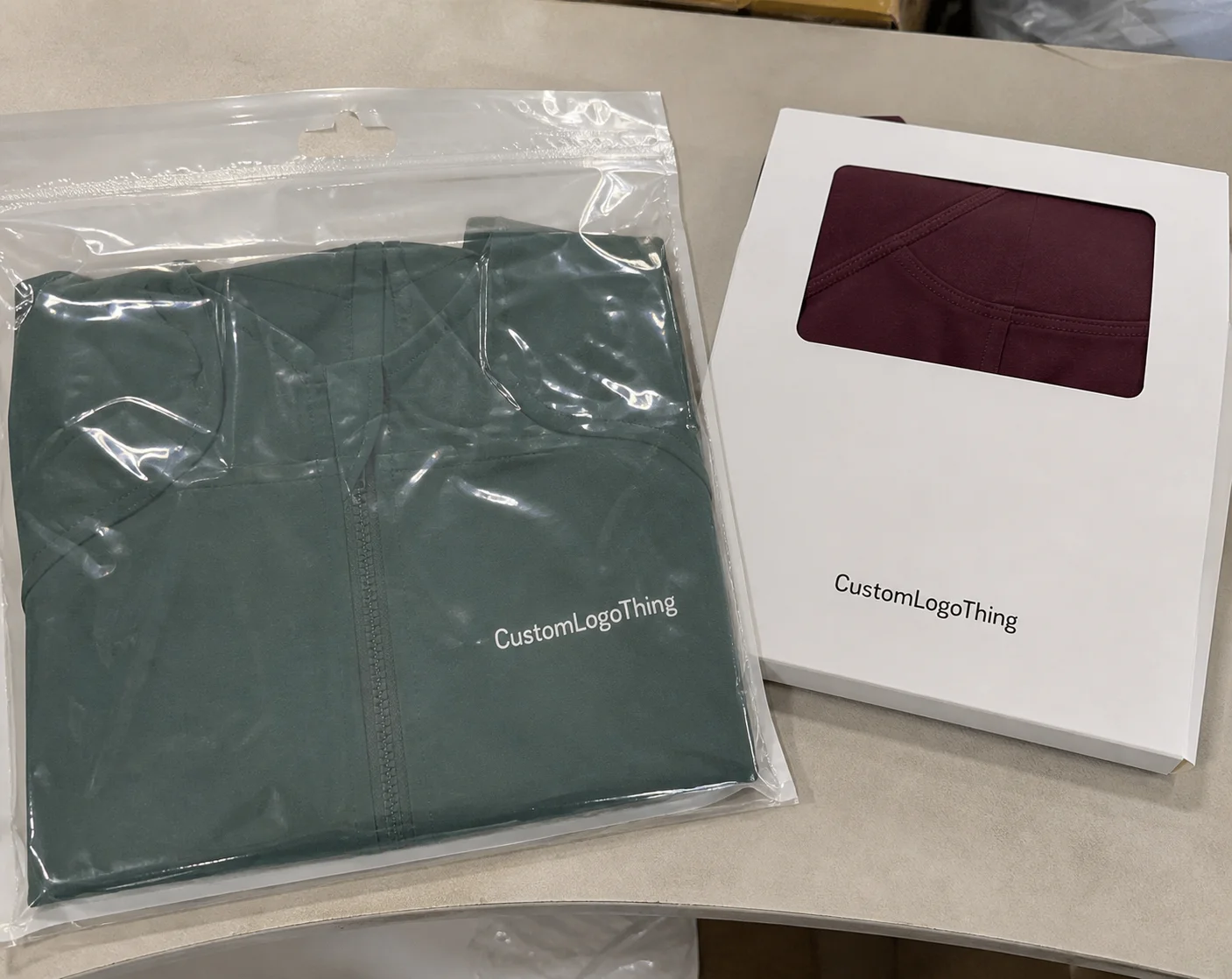
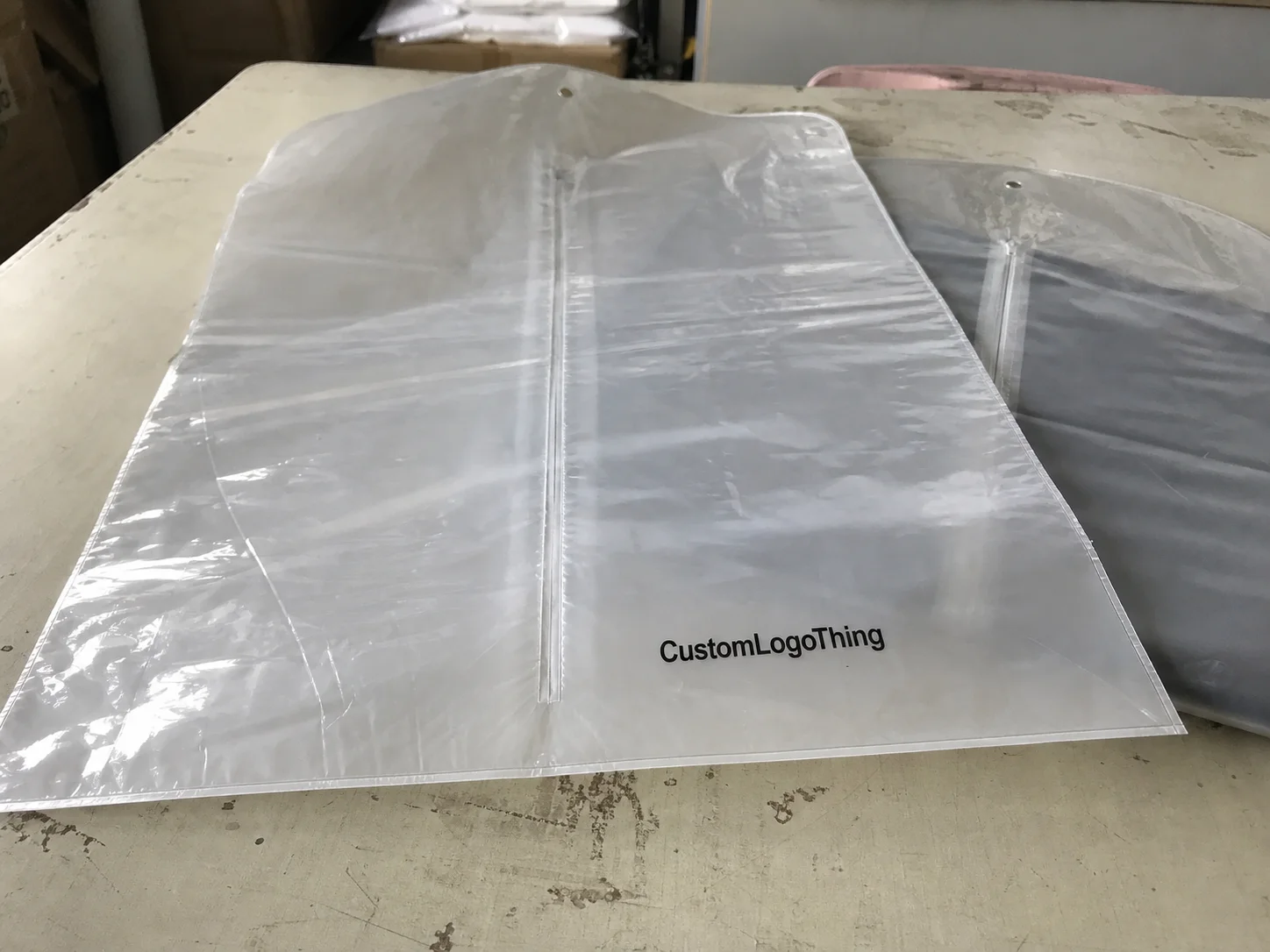
Buyer Fit Snapshot
| Best fit | Biodegradable Packaging Design for Brands projects where brand print, material claims, artwork control, MOQ, and repeat-order consistency need to be specified before quoting. |
|---|---|
| Quote inputs | Share finished size, material target, print colors, finish, packing count, annual reorder estimate, ship-to region, and any compliance wording. |
| Proofing check | Approve dieline scale, logo placement, barcode or warning zones, color tolerance, closure strength, and carton packing before bulk production. |
| Main risk | Vague material claims, crowded artwork, missing packing details, or unclear freight terms can make a low unit price expensive after revisions. |
Fast answer: Biodegradable Packaging Design for Brands: Material, Print, Proofing, and Reorder Risk should be specified like a repeatable production item. The safest quote records material, print method, finish, artwork proof, packing count, and reorder notes in one written spec.
Production checks before approval
Compare the actual filled-product size with the drawing, then confirm tolerance on folds, seals, hang holes, label areas, and retail display edges. Reserve space for logos, QR codes, warning copy, and material claims before decorative graphics fill the panel.
Quote comparison points
Review material grade, print process, finish, sampling route, tooling charges, carton quantity, and freight assumptions side by side. A quote is only useful when the supplier can repeat the same color, closure quality, and packing count on the next order.
Biodegradable Packaging Design Tips matter more than most brand teams realize, especially when you are moving 10,000 units out of a warehouse in Los Angeles or Ningbo and hoping the pack still looks decent after a 6-hour truck ride. I’ve watched a package that looked wonderfully “green” in a sales meeting fail in the real world when the adhesive stayed intact, the barrier film didn’t break down, and the ink load was too heavy for the intended disposal route. Pretty mockups are cute. But packaging has to survive the press line, the warehouse, and eventually the soil, compost pile, or waste stream where it actually ends up. That part is less glamorous, obviously.
At Custom Logo Things, I’ve seen the same pattern over and over. A team wants smarter branded packaging, but the structure, print method, and end-of-life story all need to work together or the sustainability message falls apart. That is why biodegradable Packaging Design Tips are not just about choosing a “green” material. They are about matching product packaging performance, cost, and disposal conditions in a way that still supports package branding and protects margins. Honestly, I think the margins part is where a lot of teams start sweating, especially when a 5,000-piece run in Shenzhen comes back at $0.15 per unit instead of the $0.11 they had in their head.
Biodegradable Packaging Design Tips: What It Means and Why It Matters
Here’s the first thing I tell buyers in a factory meeting: biodegradable does not automatically mean compostable, recyclable, or reusable, and those differences matter a lot once a package leaves your dock in Chicago, Rotterdam, or Ho Chi Minh City. Biodegradable simply means a material can be broken down by microorganisms into simpler compounds over time, but that process depends on the environment, the temperature, the oxygen level, the moisture content, and the available microbes. If those conditions are wrong, the package can sit around much longer than people expect. I’ve seen “biodegradable” labels slapped onto products that would barely change in a dry landfill for years. Marketing gets creative. Nature, less so.
In practical terms, biodegradable Packaging Design Tips help you choose structures that can perform during shipping and use, then break down more responsibly after disposal. Compostable packaging is usually a stricter category with defined conditions and certifications, while recyclable packaging relies on collection and sorting systems, and reusable packaging is built for multiple use cycles. I’ve had clients mix these terms in a single product brief, and that confusion alone can derail an otherwise solid packaging design. One brand once asked for “fully biodegradable recycled compostable” mailers. I had to pause, take a breath, and politely suggest those words do not magically mean the same thing just because they’re all friendly-sounding, especially when the actual spec was a 500-micron hybrid film sourced through a converter in Dongguan.
Biodegradable materials are especially useful in short-life packaging categories where the package’s job is important but brief: mailers for e-commerce orders, cushion wraps, molded inserts, food service containers, produce trays, and some retail packaging formats with a limited shelf presence. Honestly, the best biodegradable packaging design tips start with asking a simple question: how long does this package need to stay strong, and what exact abuse will it face between the factory and the customer’s hands? If the answer is “three truck transfers, one warehouse stack, and a cashier who throws it on the counter,” well, now we’re talking about reality, not a mood board from a marketing team in Austin.
“A package can look eco-friendly on a render and still fail the real-world test if the coating, glue, or barrier layer is wrong. I learned that the hard way standing on a corrugator floor beside a carton line in Shenzhen, where one tiny adhesive change turned a ‘sustainable’ carton into a production headache.”
Good biodegradable packaging design tips always put performance first. If the package collapses, leaks, tears, or prints poorly, the sustainability story gets overshadowed by product loss and customer complaints. A smart package has to protect the item, survive transport, and support the brand visually, all while keeping end-of-life behavior in mind. That balance sounds simple until you’re the one on the factory floor watching a sample buckle under a pallet test in a humid 32°C warehouse outside Guangzhou.
One more point many teams miss: end-of-life conditions are everything. Biodegradation is not a magic switch; heat, moisture, microbes, oxygen, and time all shape how quickly a material breaks down. A kraft mailer with a water-based ink system may behave very differently in an industrial composting stream than in a dry landfill environment. That is why biodegradable packaging design tips should always be tied to a clear disposal story, not just a materials claim. Otherwise, you’re just decorating a problem with a leaf icon and calling it strategy.
How Biodegradable Packaging Works in Real Production
In production, biodegradable packaging is shaped by material science and factory reality at the same time. Microorganisms digest certain substrates more readily when moisture and temperature are in the right range, but a converting line does not care about theory; it cares whether a sheet feeds correctly, whether a seal holds at 140°C or 160°C, and whether a die cut tears cleanly instead of fuzzing at the edge. That is where biodegradable packaging design tips get practical fast. The romance ends right around the first jammed feeder tray at a plant in Suzhou.
Materials like molded fiber, bagasse, kraft paper, PLA blends, and starch-based films all behave differently once they reach the shop floor. Molded fiber gives excellent rigidity for inserts and trays, but it can absorb humidity and shift in dimension if warehouse conditions are uncontrolled. PLA-based films can offer a cleaner look for certain retail packaging uses, yet seal windows, storage temperature, and conversion tolerances need careful attention. Starch-based films can be promising, but they are not the right answer for every moisture-heavy application. I remember one sample lot that looked perfect on the table, then warped like a sad potato chip after sitting near an open dock door overnight in a facility outside Manila. Charming.
Coatings and adhesives can either help the package succeed or quietly sabotage the whole structure. I’ve sat through supplier negotiations where one converter wanted to add a conventional hot-melt adhesive because it saved a fraction of a cent per unit, but that tiny savings would have made the package harder to break down later. That is the sort of decision biodegradable packaging design tips are meant to catch early, before a brand commits to 50,000 units and discovers the problem in finished goods. Suppliers love saying “it’ll probably be fine.” That phrase should come with a warning label and a refund policy.
Printing also matters more than people think. Flexographic printing with water-based inks can be a strong option in many biodegradable packaging design tips workflows, but heavy coverage, incompatible varnishes, and decorative laminations can interfere with breakdown or create mixed-material structures that complicate disposal. A clean, controlled print approach usually ages better than a glossy, overworked surface that looks premium but introduces more material complexity than the product truly needs. In my opinion, a lot of “premium” finishes are just expensive ways to make the end-of-life story messy, especially when the substrate is a 350gsm C1S artboard that would have looked better with half the ink load.
For buyers evaluating suppliers, compliance signals matter. Look for recognized standards, material declarations, and testing data tied to actual conditions rather than vague marketing language. Organizations like the ISTA and the EPA provide useful guidance on packaging performance and environmental responsibility, and those references help keep conversations grounded in measurable criteria instead of brochure claims. I also advise teams to ask for the conversion details: line speed, curing time, substrate thickness, and the exact approved adhesive system. If a supplier can’t answer those questions cleanly, I get nervous fast, usually before the espresso even cools.
Here’s a simple comparison I often share when customers ask for biodegradable packaging design tips across common formats:
| Material / Structure | Typical Use | Strength | Moisture Resistance | Cost Range | Production Notes |
|---|---|---|---|---|---|
| Molded fiber | Inserts, trays, clamshell-style interiors | High for compression | Moderate to low | $0.06–$0.22/unit at medium volumes | Great for cushioning, but needs humidity control |
| Kraft paper with water-based print | Mailers, wraps, cartons | Moderate to high | Low to moderate | $0.04–$0.18/unit depending on format | Simple, widely available, easy to brand |
| PLA-based film | Clear windows, pouches, overwrap | Moderate | Moderate | $0.09–$0.28/unit | Seal temp and storage conditions matter a lot |
| Bagasse | Food service and disposable trays | High for rigid use | Moderate | $0.07–$0.25/unit | Good for heat-resistant applications, but design must respect fiber behavior |
Certification matters too, but only when it matches the actual material and use case. A package can be labeled biodegradable in a broad sense without meeting the expectations a buyer has for compostability or food-contact performance. That is why biodegradable packaging design tips should always include a review of test reports, migration requirements, and disposal guidance before the first press run begins. Otherwise, you end up with a nice-looking claim and a very annoying phone call later from a retailer in Dallas asking why the carton failed the shelf test.
Key Biodegradable Packaging Design Tips for Material Selection and Structure
The smartest biodegradable packaging design tips start with the material, but they do not end there. In my experience, the biggest savings usually come from choosing the lightest structure that still protects the product. Teams often overbuild packaging because they are nervous about damage claims, and then they pay for it twice: once in material cost and again in shipping weight. I’ve seen people add extra layers just because it “felt safer.” That’s not strategy. That’s nervousness with a budget attached, usually in a spreadsheet reviewed by somebody in London who never touched the sample.
Match the structure to the actual hazard. If the product is fragile, compression resistance and corner integrity matter. If it is moisture-sensitive, you need to think about barrier performance and warehouse dwell time. If it is food or cosmetics, grease resistance and odor control may matter more than a fancy finish. Good biodegradable packaging design tips never treat all products the same, because a soap bar, a candle, and a gourmet snack each behave differently in transport and storage. One-size-fits-all packaging is usually a myth someone invented to save time in a meeting on a Tuesday morning in Singapore.
Where possible, keep the package to a single-material or low-mix structure. That does not mean every package must be plain or stripped down; it means each extra layer should earn its place. Mixed films, plastic windows, foil accents, and non-compostable coatings can make a package harder to dispose of responsibly. I once reviewed a custom printed box design for a skincare brand that had three different laminate layers on a paperboard carton. Beautiful sample. Terrible end-of-life logic. The fix was a simpler aqueous coating and sharper artwork placement, and the final branded packaging looked cleaner too. Funny how removing stuff sometimes makes a design look more expensive, especially on a 250,000-unit launch where every gram mattered.
Print choices deserve their own thought process. Water-based inks, low-migration inks for suitable applications, and restrained ink coverage can keep the package friendlier to downstream processing. Heavy flood coats and decorative spot treatments add visual punch, but they also increase cost and may interfere with biodegradability. A strong visual hierarchy, a clear logo, and a few well-placed accent colors often do more for package branding than a busy full-surface design. I’d take smart restraint over shiny chaos any day, particularly on a shelf in Paris where the carton only gets 3 seconds to work.
Fold lines, seams, and closures are another place where biodegradable packaging design tips save material without hurting function. A smart fold pattern can remove grams of substrate across thousands of units. On one kraft mailer program I reviewed, a revised flap geometry cut board usage by 8.7% and reduced shipping carton count by 11%, which mattered far more than a slightly larger logo on the front panel. Small changes add up fast in retail packaging and e-commerce packaging alike. That’s the part the spreadsheets usually miss until someone asks why freight costs suddenly looked happier.
Material selection checklist I trust on the floor
- Protect the product first: define shock, moisture, grease, or shelf-life risks before talking about print.
- Reduce mix-and-match layers: simpler structures usually behave better at disposal.
- Confirm converting compatibility: die-cutting, sealing, and folding must work at scale.
- Use only the coatings you need: every extra finish should justify itself with performance.
- Ask for actual test data: compression, drop, seal strength, and storage response beat marketing language.
If you need help sourcing formats that already fit these principles, our Custom Packaging Products page is a solid place to start, especially if you are comparing retail packaging, mailers, and custom printed boxes side by side. I’d rather see a team start from a sensible base than try to engineer their way out of a bad first choice later, especially when the first quote already landed at $0.12 per unit for 10,000 pieces from a supplier in Xiamen.
Step-by-Step Biodegradable Packaging Design Tips Process
Good biodegradable packaging design tips work best as a process, not a one-time decision. The first step is to define the product and distribution requirements with specifics: weight, dimensions, fragility, shelf life, shipping method, temperature exposure, humidity exposure, and whether the package will sit in a warehouse for 3 days or 90 days. I’ve had clients skip this step and then blame the material when the real issue was the wrong assumption about pallet storage. That’s a fun meeting for nobody, especially when the pallets were held in Atlanta for 12 business days because inbound inventory got delayed.
Next comes the material shortlist. I usually recommend comparing at least three structures that are close enough to test fairly: one conservative option, one lighter option, and one with improved branding potential. Then evaluate them for printability, sealability, stacking strength, and moisture response. This is where biodegradable packaging design tips become concrete, because a sample is worth more than a dozen emails arguing over concepts. Email threads are where good ideas go to die, usually after 27 replies and one badly cropped PDF.
Prototype early with your converter or packaging factory. When I visited a folding carton plant outside Dongguan, the press operator pointed out a tiny registration issue on a compostable-coated board that none of us noticed on screen. That one detail would have shifted barcode placement by 2.5 mm and created scanning problems at retail checkout. The earlier you see the actual die line, folds, and glue flaps, the fewer expensive surprises you get later. Factory operators notice things fast because they live with the machine noises we pretend not to hear, day after day on a 420-meter production floor.
After prototyping, run real-world checks. How fast does the line fill? Does the mailer snag in automated packing? Does the insert hold product weight after two weeks in a humid warehouse? Can the package survive ISTA-style distribution tests? Standards like those from ISTA are useful because they force you to think beyond the sample table and into transit reality. A package that passes a pretty desktop review and fails a drop test is just expensive confetti, and nobody wants to explain that to the finance team in September.
Lock artwork only after the structure is proven. I’ve seen teams fall in love with a visual concept first, then force the packaging to fit the art instead of letting the art support the physical design. That usually leads to barcode collisions, weak seal areas, and awkward folds that waste substrate. In strong packaging design, graphics follow structure, not the other way around. I know designers hate hearing that, but the box does not care about mood boards or how many times someone says “premium” in a conference room.
- Brief the product carefully: define weight, size, shelf-life, and shipping risks.
- Choose three viable materials: compare strength, appearance, and disposal behavior.
- Prototype with a real converter: inspect folds, seals, and die lines in hand.
- Test in realistic conditions: humidity, stack pressure, and transit abuse matter.
- Approve artwork last: align printing, barcode placement, and coating choices to the structure.
One client meeting still sticks with me. A subscription brand wanted a premium unboxing feel, but they also wanted the box to stay fully biodegradable. We moved them from a two-layer laminated sleeve to a kraft-based carton with a clean one-color print, and the result looked more honest, cost less, and tested better in the distribution lab. That is the kind of outcome these biodegradable packaging design tips are really meant to produce. Cleaner, simpler, less nonsense. A rare win after a 15-business-day proof cycle and one last-minute logo fix from a founder in Brooklyn.
Cost and Pricing: What Biodegradable Packaging Design Tips Mean for Budgeting
Budget is where many sustainability conversations get real. The biggest cost drivers are material grade, thickness, certifications, print method, tooling, minimum order quantity, and lead-time complexity. If you want biodegradable packaging design Tips That Actually help finance teams, you have to talk in numbers, not just ideals. Finance people are not heartless; they just love a spreadsheet more than a slogan, especially when a 5,000-piece run in Guangzhou comes back with a tooling charge of $280 and nobody budgeted for it.
For example, a simple kraft-based mailer might land around $0.08 to $0.18 per unit at 5,000 pieces depending on size, print coverage, and adhesive system, while a more specialized compostable pouch with barrier needs can move much higher. In a supplier negotiation I handled, one brand almost paid 14% more for a custom barrier film than necessary because the spec sheet said “eco-friendly” but did not clearly define moisture resistance or shelf-life expectations. Once we aligned the true performance requirement, the package got simpler and the quote came down. Funny how clarity tends to save money, and how often “eco-friendly” turns out to mean absolutely nothing at the purchase order stage.
Smarter packaging design can lower cost in several ways. Reducing part count trims assembly labor. Standardizing dimensions can improve press efficiency and reduce scrap. Smaller ink coverage lowers print time and consumable usage. A lighter package also reduces outbound freight on large shipments, which matters more than many teams realize when they scale from 2,000 units to 50,000 units per month. I’ve seen one small reduction in board weight save enough on freight to offset a premium coating. That’s the kind of math I like, particularly when the freight lane runs from Shanghai to Chicago and every extra kilogram gets punished.
That said, biodegradable options can cost more in some cases. Specialty barriers, certified substrates, and custom tooling all add expense. I do not pretend otherwise. But the right comparison is not just unit price; it is total landed cost. Factor in damage rates, storage efficiency, freight weight, customer perception, and any reduction in waste management complexity. A package that costs $0.03 more at the unit level can still save money if it reduces breakage by 2% or simplifies assembly by 20 seconds per pack. I’ve watched “cheap” packaging become wildly expensive the moment products started arriving cracked in Toronto or leaking in Miami.
If you are comparing suppliers, ask for side-by-side quotes with identical specs. That means the same dimensions, same thickness, same print coverage, same closure style, and the same performance target. Without that discipline, you are not comparing packaging; you are comparing assumptions. Good biodegradable packaging design tips always push the conversation toward like-for-like testing. Otherwise one quote looks brilliant until you realize it was priced for a weaker material and fewer colors, or the supplier quietly assumed a 12,000-unit MOQ instead of 5,000.
Budget factors that deserve a line item
- Material thickness and grade
- Certification or compliance documentation
- Print method and color count
- Tooling or die cost
- Minimum order quantity
- Lead time and expedited freight
- Damage reduction and warehouse savings
Honestly, the best budgeting discussions happen when both the sustainability lead and the operations lead are in the room. One cares about disposal logic and claims; the other cares about line speed, cost, and breakage. Biodegradable packaging design tips work best when those two viewpoints are balanced, not treated as competing priorities. If they’re not in the room together, you usually end up paying for someone else’s blind spot, usually after a production run in Hanoi is already locked.
Timeline and Production Considerations for Biodegradable Packaging
A realistic packaging timeline usually moves through strategy, sampling, revisions, testing, prepress, production, and delivery. A simple project might move fairly quickly, but custom structures often need more back-and-forth than teams expect, especially if certifications, specialized coatings, or unique material suppliers are involved. I’ve seen simple-looking programs stretch because a board grade was on allocation for 18 days, and the brand had never built that risk into the schedule. The calendar, as usual, had no sympathy, and the factory in Ningbo was not interested in anyone’s launch party.
Biodegradable materials can take extra lead time to source. Some converters maintain regular stock of kraft paper or molded fiber, while others need to bring in custom substrates or approved coatings with longer replenishment windows. If your artwork needs a specific certified material, the sourcing pool gets smaller, which can add days or even weeks. That is one reason biodegradable packaging design tips should be paired with production planning from the beginning. A sustainable spec with no material lead time is just wishful thinking in a nicer font.
Proofing and testing add time, but they usually save money. A 4-day delay for a structural test is better than a 4-week delay caused by rework after launch. I have seen rushed print approvals create barcode errors, weak glue lines, and panel misalignment that looked tiny on screen but caused real production loss. The slow path at the beginning often becomes the fast path overall. I know nobody likes that answer, but it keeps the shipment from turning into a mess later, especially when the approval has to go through a New York brand team, a Seattle operations lead, and one very opinionated founder in one afternoon.
Factory bottlenecks are another reality. Humidity-sensitive materials may need controlled storage. Some adhesives require cure time before packing. Certain compostable coatings behave differently depending on ambient temperature. If the converting team is busy, even a good spec can wait in queue. That is why biodegradable packaging design tips should always include a production calendar, not just a materials discussion. The factory schedule is not a suggestion. It is a physical object with a backlog.
Regulatory review matters as well. Sustainability claims should be verified before the run, and internal approvals should happen before the press date is locked. If you are using FSC-certified paper, that claim needs to be supported correctly, and if you are talking about compostability or biodegradability, your labeling should reflect the real material pathway rather than a vague promise. For paper-based sourcing, the FSC is a useful authority to review. I’ve had to pull back claims more than once because the artwork got ahead of the paperwork (a classic mistake, honestly), and nobody enjoys reprinting 8,000 cartons because the certification line was written like a marketing slogan.
A practical timeline for a custom biodegradable package often looks like this:
- Brief and specification: 2 to 4 business days
- Material sourcing and quote alignment: 3 to 7 business days
- Sampling and structural revisions: 5 to 10 business days
- Testing and approval: 3 to 8 business days
- Prepress and production scheduling: 2 to 5 business days
- Manufacturing and packing: 8 to 18 business days depending on complexity
That timeline is not universal, and I would never promise it blindly. But it gives buyers a realistic frame so they can plan launches, inventory, and marketing campaigns without panic. Good biodegradable packaging design tips are as much about schedule discipline as they are about sustainability. If your launch plan has zero buffer, your packaging plan is already flirting with disaster, especially if your supplier is in Dongguan and your ship date is tied to a holiday week.
Common Mistakes to Avoid With Biodegradable Packaging Design Tips
The most common mistake is assuming every eco-looking package is genuinely biodegradable. A natural finish, a green leaf icon, or a kraft texture does not prove anything by itself. I’ve seen packages with paper faces and hidden plastic barriers that confused the customer and created trust issues once the details were examined. If the package claims biodegradability, the material system should support that claim clearly. Otherwise, customers notice. They’re not fools, and they can read a spec sheet when they have to.
Another mistake is mixing too many incompatible materials. A paperboard carton with a plastic window, metallic foil stamp, heavy coating, and synthetic adhesive may look polished, but it can undermine the disposal pathway. Biodegradable packaging design tips work best when they keep the structure simple enough that the end user knows what to do with it and the material can behave as expected afterward. Every extra layer asks for justification. If it can’t explain itself, it probably shouldn’t be there, especially if it adds another conversion step in a plant in Xiamen.
Do not overlook shelf-life and product protection. This is especially true for food, cosmetics, and moisture-sensitive goods. I understand the temptation to maximize sustainability by minimizing every barrier, but if the product spoils, leaks, or arrives damaged, the environmental and commercial cost rises fast. Smart biodegradable packaging design tips never sacrifice product integrity for appearances alone. A spoiled product is not sustainable. It’s just waste with a nicer story and a higher return rate.
Overprinting is another trap. Too much decorative ink, excessive spot varnish, or unnecessary embellishment can interfere with breakdown and increase cost. If package branding is strong, it does not need to shout from every square inch. A cleaner layout often looks more confident, and it frequently performs better in production. I’m a fan of designs that know when to stop talking, especially when the approved color count is already four and the supplier quoted an extra $0.02 per unit for a fifth plate.
Vague labeling creates confusion. End users need direct disposal instructions. If the package should go into industrial compost, say so clearly and accurately. If it belongs in a different stream, make that obvious. Biodegradable packaging design tips should always include communication design, because the package’s end-of-life behavior depends on how the customer interprets it. A confused customer is basically a disposal system failure waiting to happen, usually right after the package leaves a store in San Francisco.
“The cleanest-looking pack is not always the best pack. On one line in my career, we cut material use by 12% and improved customer feedback simply by removing one decorative layer and making the disposal instruction clearer.”
For brands building out broader packaging programs, this is where the connection to custom printed boxes, mailers, and insert systems becomes useful. Biodegradable packaging design tips should fit into the whole product packaging system, not sit off to the side as a separate sustainability project. If the box, insert, and outer shipper don’t agree with each other, the customer feels the disconnect immediately. That disconnect shows up in reviews, returns, and the ugly little emails nobody wants to answer.
FAQs
What are the best biodegradable packaging design tips for small brands?
Start with one simple structure, such as kraft-based mailers or molded fiber inserts, instead of a complicated multi-layer format. Prioritize product protection and local disposal options before adding premium finishes or extra branding elements, because small brands usually get better results when the first version is easy to manufacture, easy to explain, and easy to repeat. I’ve watched small brands win big by resisting the urge to overcomplicate everything on day one, especially when the first test run is only 1,000 pieces and every mistake is visible.
How do biodegradable packaging design tips differ from compostable packaging advice?
Biodegradable is a broader term, while compostable usually requires stricter standards and more predictable breakdown conditions. The design rules overlap, but compostable packaging needs tighter control over inks, adhesives, coatings, and certification, so the material selection and testing criteria are usually more exact. In plain English: compostable is the stricter sibling who checks everyone’s homework and wants the receipts from a lab in California or Germany.
What materials are commonly used in biodegradable packaging design?
Common options include molded fiber, bagasse, kraft paper, starch-based films, and some PLA-based structures. The right choice depends on moisture resistance, strength needs, printing method, and how the package will be disposed of, so there is no single best material for every application. If someone says there is, I’d ask what they’re trying to sell you, and whether their sample quote from a factory in Dongguan starts at $0.09 per unit or just sounds cheap.
How much do biodegradable packaging design tips affect packaging cost?
Good design can reduce cost by lowering material use, simplifying construction, and cutting shipping weight. Costs may rise when you need specialty barriers, custom tooling, or certified substrates, so testing multiple structures is smart and usually pays off before production scale. I’ve seen a small redesign save enough to fund better artwork and still leave room in the budget, which is a lot more pleasant than explaining a 17% overage to procurement.
How long does it take to develop biodegradable packaging?
Simple projects may move quickly, but custom structures often need sampling, testing, artwork checks, and production scheduling. A realistic timeline depends on material availability, certification needs, and how many revisions are required before approval, especially if the package has to balance sustainability, strength, and strong package branding. If someone promises it all in a week, I’d keep my hand on my wallet and ask which city the factory is in.
If you remember only one thing from these biodegradable packaging design tips, let it be this: the best biodegradable package is the one that protects the product, supports the brand, and behaves responsibly at end of life without adding unnecessary cost or complexity. That balance is not always easy, but after two decades around corrugators, carton lines, and supplier tables, I can tell you it is absolutely achievable when the design starts with real production conditions instead of wishful thinking. If your team is planning a new launch, biodegradable packaging design tips should be part of the brief from day one, not an afterthought once the artwork is already finished. The actionable move is simple: define the disposal path, pick the lightest structure that still passes real tests, and lock artwork only after the material and closure system have proven themselves. Trust me, trying to fix it later is the kind of headache nobody needs, especially when the proof is already locked and the production slot is 12-15 business days away from approval.