Buyer Fit Snapshot
| Best fit | Freight Packaging Design for Safer Shipments projects where brand print, material claims, artwork control, MOQ, and repeat-order consistency need to be specified before quoting. |
|---|---|
| Quote inputs | Share finished size, material target, print colors, finish, packing count, annual reorder estimate, ship-to region, and any compliance wording. |
| Proofing check | Approve dieline scale, logo placement, barcode or warning zones, color tolerance, closure strength, and carton packing before bulk production. |
| Main risk | Vague material claims, crowded artwork, missing packing details, or unclear freight terms can make a low unit price expensive after revisions. |
Fast answer: Freight Packaging Design for Safer Shipments: Material, Print, Proofing, and Reorder Risk should be specified like a repeatable production item. The safest quote records material, print method, finish, artwork proof, packing count, and reorder notes in one written spec.
Production checks before approval
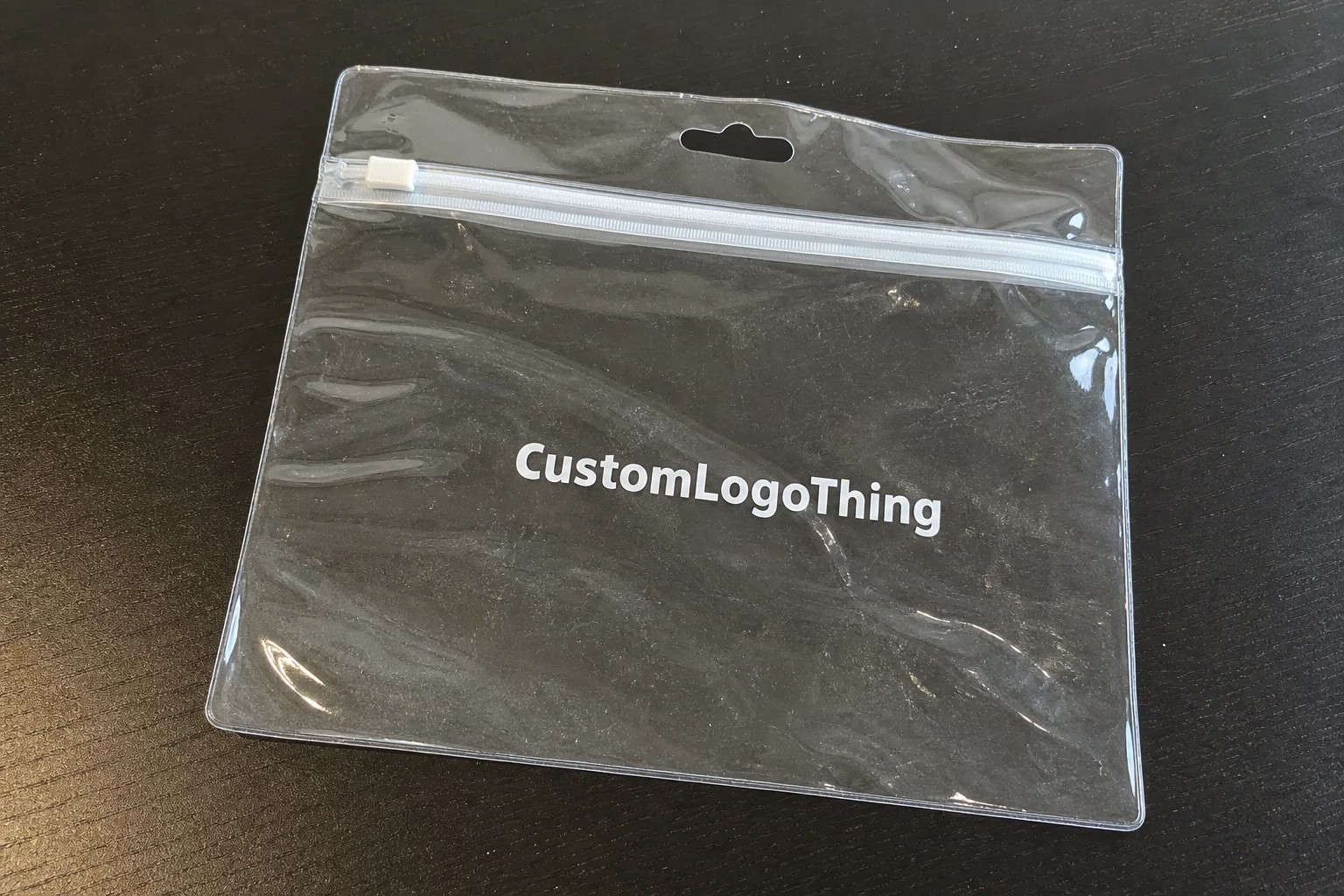
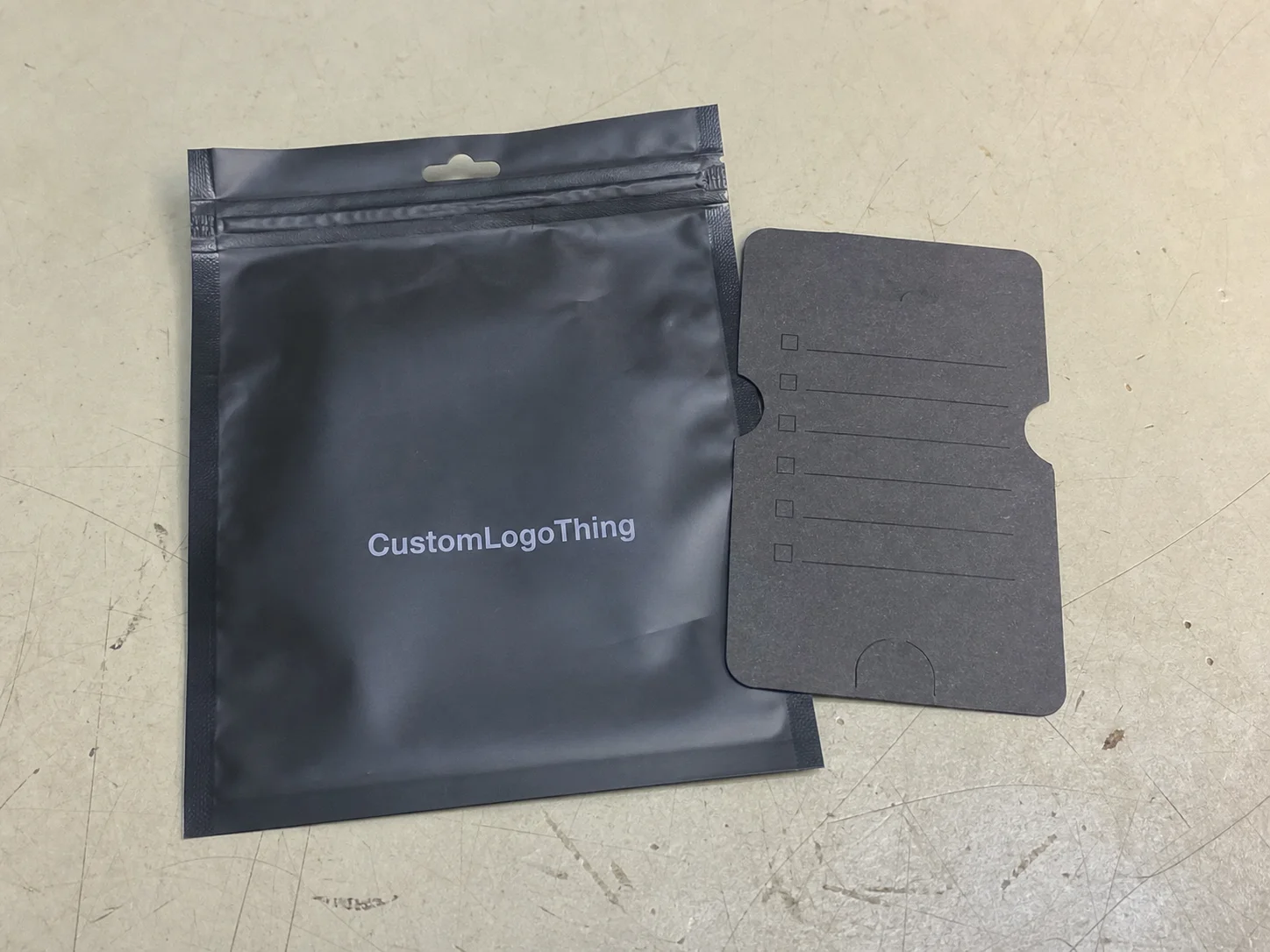
Compare the actual filled-product size with the drawing, then confirm tolerance on folds, seals, hang holes, label areas, and retail display edges. Reserve space for logos, QR codes, warning copy, and material claims before decorative graphics fill the panel.
Quote comparison points
Review material grade, print process, finish, sampling route, tooling charges, carton quantity, and freight assumptions side by side. A quote is only useful when the supplier can repeat the same color, closure quality, and packing count on the next order.
On more than one factory floor in Ohio, Tennessee, and northern Mexico, I’ve watched a freight claim start with something so small it almost felt ridiculous: a 0.5-inch gap at the top of a carton, a corner board cut 2 inches short, or a stretch-wrap pattern that looked fine from across the dock but let the top tier walk sideways in transit. That is exactly why freight Packaging Design Tips matter so much; the difference between a clean delivery and a broken load is often hiding in one measurement, one material choice, or one handling assumption that nobody challenged during launch.
I’ve spent over 20 years around corrugators in Green Bay, foam die-cutting rooms in Dallas, pallet yards in Memphis, and cross-dock operations in Chicago, and the same lesson keeps showing up: freight packaging design is not just “making a box stronger.” It is the planned combination of product protection, palletization, containment, and handling efficiency across the full shipping lane, from the line side to the final receiving dock. Good packaging design protects the product, but it also controls cube, reduces labor, and keeps total landed cost from drifting upward every time the shipment changes hands. For many programs, that can mean the difference between a $1.85 pack and a $2.40 pack that saves $12,000 a year in claims.
Freight packaging is different from parcel packaging in ways that matter on the floor. Parcel packs may get tossed a few times and stacked in hubs, but freight has to survive forklift tines, trailer vibration, warehouse racking, transload centers, and long dwell times where pallets sit under other pallets for 8 hours, 24 hours, or even 3 days. The best freight Packaging Design Tips account for all of that at once, including the loads most teams forget to model: side impact from sloppy fork pickup, moisture pickup from a humid yard in Savannah, and compression from a double-stack that was never supposed to happen.
Honestly, I think most packaging losses come from design decisions that were technically “good enough” in isolation but weak as a system. A crate can be overbuilt and still fail if the pallet is soft, the load shifts, or the strap path crushes one corner. A carton can be strong on a bench and still fail after three transfer points because nobody planned for vibration. That’s the real reason freight Packaging Design Tips are worth studying: they help you design for the whole lane, not just the pretty sample that sits on the conference table. Pretty samples are nice. Claims are not.
“The pack rarely fails where people expect. It usually fails at the roughest touchpoint, the most rushed shift, or the cheapest component.” — a plant manager I worked with in the Midwest after we traced repeated corner damage back to undersized corner boards
In the sections below, I’ll cover the practical side of freight packaging design tips: how freight packaging works, what shapes performance and cost, how to Build a Better pack step by step, and what mistakes add hidden expense. I’ll also share a few shop-floor stories, because in my experience the best packaging lessons usually come from a forklift aisle in Louisville, a sample build table in Monterrey, or a supplier negotiation where the quote looked low until the freight claims showed up 60 days later.
Freight Packaging Design Tips: Why Small Details Save Big Money
One of the first things I learned on a corrugated converting line in Wisconsin was that a “small” change can ripple through the whole shipment. In one plant, a customer asked for just 1/2 inch more headspace inside a carton so the product label would sit higher. That tiny adjustment added void space, the cartons started losing top-to-bottom support, and the stack on pallet #4 began to dome under warehouse compression after 36 hours in a hot dock. It looked harmless on paper, but it turned into repeated crush damage and a return visit from the customer’s receiving team. That is the kind of lesson that makes freight packaging design tips so valuable.
Freight packaging design is the process of planning the full pack-out, not just selecting a container. It includes the primary product pack, the dunnage, the pallet footprint, the wrap or strap method, the handling marks, and the way the shipment will behave in storage and transit. If one of those pieces is off by even a little, the load can shift, lean, or collapse. Good freight packaging design tips help you balance protection with efficiency so you are not paying for extra board grade, unnecessary cube, or rework that never should have happened. For example, swapping a full-sheet pad for a die-cut insert can save $0.26 per unit on a 5,000-piece run, while keeping the same product protection.
The cost side matters just as much as the protection side. A freight pack that uses 12% more corrugated than necessary may not look expensive in isolation, but multiply that across 8,000 units and you are talking real money, especially once you add labor, pallet cost, and the hidden cost of freight class changes. I’ve seen a customer save $0.26 per unit by tightening up the internal fit and changing from a full sheet pad to a die-cut insert, and that one change paid for sampling in the first production month. That’s a classic example of why freight packaging design tips are not just about damage prevention; they are cost control tools.
Another thing people miss is that freight packaging has to work inside a very physical environment. Forks do not always enter straight. Loads do not always get wrapped the same way. Warehouse teams have good days and rushed days. Export freight can sit on a dock in Houston for 18 hours longer than expected. These realities mean your packaging has to be forgiving. The strongest design in the world is still weak if it cannot tolerate a 6-foot fork approach angle or a damp warehouse floor after a storm in New Jersey.
In practical terms, freight packaging is a systems problem. You are managing the product, the pallet, the container, the lane, and the people who handle it. The best freight packaging design tips start with that big picture, then work back into the details: board grade, flute selection, foam density, strap tension, and wrap count. Ignore the details and the system drifts. Control the details and the whole operation gets easier to run.
How Freight Packaging Design Works in Real Shipping Environments
Freight packaging begins the moment a product leaves the line, and I mean that literally. On a good operation, the pack plan is built around the production flow: the item comes off the assembly line, gets packed into its inner protection, moves to the palletizing area, and gets unitized with wrap, straps, or a lid before it ever sees the trailer door. In a plant I visited in Tennessee, the packaging team had three stations working together: a corrugated erection table, a foam insert cell, and a palletizing bay with a semi-automatic stretch wrapper. That setup worked because the packaging design matched the way the building actually ran, not some idealized flowchart. The line was producing 1,200 units per shift, so shaving 12 seconds off pack-out mattered immediately.
Once freight leaves the line, it faces a sequence of forces. Vertical compression comes from stacking in trailers and warehouses. Horizontal shock comes from abrupt stops, dock bumps, or sloppy transfers. Vibration is constant during transport, and it can slowly walk loose parts into failure even when nothing appears damaged at first. Puncture, moisture, and temperature swings all add stress too. Good freight packaging design tips address each force deliberately, whether that means stronger sidewalls, a more stable pallet deck, a tighter wrap pattern, or inserts that keep the product from fretting inside the pack. In one Chicago lane, a product that survived 900 miles of transit failed only after sitting 14 hours in a cold dock with condensation on the shrink film.
Here’s a simple example from the floor: a die-cut foam insert in a corrugated shroud can stop a painted component from rubbing, but if the foam density is too low it may compress during stacking and leave the product loose by the time it reaches destination. A double-wall corrugated carton can improve compression resistance, but if the product is tall and narrow, you may still need edge protection or a better load pattern to stop sway. Freight packaging design tips work best when you treat each material as part of a chain instead of a standalone fix. For instance, 2.2 lb/ft³ polyethylene foam may hold a part during transit, while 1.7 lb/ft³ foam will collapse under the same 38-pound load.
Handling environment matters too. LTL freight gets touched more often and moved through more nodes than full truckload shipments, so it benefits from extra stabilization and clear marking. Export shipping can introduce humidity, customs delays, and multiple lifts. Warehouse storage can be just as hard as transport if the load sits under strain for a week. I’ve seen loads that survived the truck ride perfectly but failed after two days in a cross-dock because the wrap relaxed and the pallet top bowed. That is why the best freight packaging design tips always ask, “What happens after the truck leaves?”
There is also a big difference between a package that protects a product and a package that protects a shipping system. A freight pack that is slightly easier to fork, easier to count, and easier to stage will move through a plant faster, which reduces labor drag. That is often overlooked because teams focus on breakage first, but clean handling is part of performance. When I work through freight packaging design tips with a client, I always ask how long the pack takes to build, how many touchpoints it has, and whether the receiving team can identify contents without opening every unit. On one program in Atlanta, reducing touchpoints from 7 to 4 saved 1.5 labor hours per 100 pallets.
For more on how packaging performance ties into broader industry practices, the Institute of Packaging Professionals is a solid reference point, especially if you are comparing material categories and test methods. I also like using the ISTA test standards as a reality check when a team thinks “it looks strong” is the same thing as “it will survive a rough lane.” Those are not the same thing, and the floor will prove it quickly.
Key Factors That Shape Freight Packaging Performance and Cost
The first factor is product fragility and weight, because a 90-pound machined assembly behaves very differently from a 12-pound electronics kit. Heavy items need strong board or a crate that spreads load across the pallet, while fragile items need immobilization and protection against movement. I’ve seen teams spend money on thicker corrugated board when what they really needed was better internal blocking. That is one of the most common places where freight packaging design tips save money: they redirect spend toward the actual failure point. A 350gsm C1S artboard insert might be perfect for a display component, but it will not survive a 62-pound industrial unit without reinforcement.
Pallet footprint and stack pattern come next. A load that overhangs the pallet by even 1/2 inch on each side can be more vulnerable than people expect, especially if the deck boards are soft or moisture exposed. Mixed footprints are another headache because they create uneven pressure points. Column stacking often performs better than interlocked stacking for compression, but not always; it depends on the product geometry and whether the columns line up with the strongest vertical paths. The point is simple: one of the best freight packaging design tips is to design the pallet pattern before you choose the wrap count. In our supplier reviews in Dallas, a 40 x 48 pallet with 3/4-inch overhang was rejected outright by one carrier because the load shifted during the first 200 miles.
Material selection has a huge effect on performance and cost. Corrugated board is flexible and widely available, but the right flute and board grade matter. Double-wall corrugated can add compressive strength, while solid fiberboard or plywood may be better for sharper edges or export conditions. Foam inserts can protect delicate surfaces and immobilize parts, molded pulp can offer good protection with a cleaner sustainability profile, and corner boards help distribute strap pressure. Stretch film and strapping stabilize the load, but only if they are sized and applied correctly. Many freight packaging design tips come down to mixing materials intelligently instead of betting everything on one expensive solution. For example, a 48 x 40 x 36-inch shipment built with B/C flute double-wall, 1.5-inch corner boards, and 2 mil stretch film can outperform a heavier crate at half the labor cost.
Cost is never just material cost. I wish more teams understood that. A pallet solution that costs $3 more in materials may actually be cheaper if it cuts 45 seconds of labor per unit, reduces freight claims, and avoids a freight class bump from extra cube. On the other hand, a custom crate that requires saw time, extra fasteners, and longer assembly can become expensive fast even if the wood itself is modestly priced. In real plant economics, freight packaging design tips have to consider material, labor, freight class, damage rate, and cycle time together. I’ve watched one team lose $8,400 in a quarter because the “cheap” pack added 22 seconds of rework per pallet.
Lane risk factors can shift the answer as well. Humid routes may require different corrugated performance than dry lanes. Long transit times raise the chance of load movement. Multiple handoffs increase drop and puncture exposure. Export freight may require fumigation or compliance steps depending on the destination, and all of that affects design. I once sat in a supplier meeting in Monterrey where a client wanted the lowest-price pack for a shipping lane that included three cross-docks and a final ocean leg. That was wishful thinking, not packaging strategy. The better freight packaging design tips matched the materials to the actual lane risk, not the purchasing target.
Brand and customer experience matter too, even for industrial freight. A cleanly labeled pallet, a well-printed carton, and visible orientation marks signal care and control. That matters for branded packaging and for broader package branding, because even if the shipment is going to a distribution center rather than a retail shelf, your packaging still represents the company. Some customers also want a consistent unboxing or receiving experience that feels organized rather than improvised. That is why product packaging decisions and freight packaging design should not live in separate silos. If you’re standardizing across multiple SKUs, the right mix of Custom Packaging Products can help keep the system coherent from one product family to another.
To make the tradeoffs clearer, here is a simple comparison I’ve used in supplier reviews and client meetings:
| Option | Typical Strength | Typical Use | Relative Cost | Notes |
|---|---|---|---|---|
| Double-wall corrugated carton | Good compression and decent edge protection | Medium-weight freight, palletized cartons | $0.85–$2.40 per unit | Best when internal fit is tight and load is well stabilized |
| Foam insert + corrugated shipper | Strong immobilization and surface protection | Fragile components, painted parts, electronics | $1.10–$3.75 per unit | Tooling may add lead time, but damage rates can drop sharply |
| Plywood crate | Excellent puncture resistance and handling durability | Heavy, high-value, or export freight | $18–$65 per crate | Good for rough lanes, but labor and cube can rise quickly |
| Corner boards + stretch wrap + strapping | Good stabilization for unit loads | Stable palletized freight with moderate risk | $0.35–$1.20 per pallet | Works best with correct pallet sizing and wrap tension |
If sustainability is part of the decision, I also pay attention to recyclable content, fiber sourcing, and source certifications. The Forest Stewardship Council is one place to check if your team wants to confirm sourcing claims for fiber-based materials. Sustainable choices still have to perform, though. I’ve seen people choose a greener material that looked good in a slide deck and then fail in the warehouse because it could not hold up to real handling over a 2,400-mile lane. The best freight packaging design tips respect both performance and material responsibility.
Step-by-Step Freight Packaging Design Tips for Better Results
The cleanest way to approach a new pack is to treat it like a structured build, not a guess. I start with product specs: actual weight, center of gravity, fragile surfaces, coatings, protrusions, and any customer handling requirements. A unit that weighs 46 pounds but has all the mass in one corner behaves differently from a balanced 46-pound part. That matters because the pack must control movement, not just hold weight. Good freight packaging design tips always begin with the product itself.
Step 1: Gather the real data. Measure the product in multiple points, not just the largest outside dimension. Note the footprint, stacking points, and weak areas. If the product has a painted face or machined edges, document them with photos. I’ve seen more than one packaging launch slowed down because the engineering drawing showed a smooth square, but the production sample had clamps, brackets, and a sensitive finish that no one had written down. In other words, freight packaging design tips need actual samples and honest measurements. A spec sheet dated 2023 is not enough when the final unit changed in March 2025.
Step 2: Map the shipping lane. Ask where the load will be touched. Will it move through a warehouse with clamp trucks? Will it be transloaded? Will it sit outdoors for 20 minutes or 2 hours? Is final delivery to a DC, a job site in Phoenix, or a manufacturing plant in Indianapolis? Each lane changes the answer. A pack for full truckload freight can often be different from one that has to survive LTL touchpoints and cross-dock staging. These are not small distinctions; they shape the whole design. I’ve watched teams save thousands by tailoring the pack to one lane instead of making a “universal” solution that fit none of them well.
Step 3: Choose the unit load strategy. Decide whether the product belongs in palletized cartons, a skid, a crate, or a reinforced wrap format. The geometry usually tells you a lot. Long, awkward parts often need a custom skid or tray. Smaller unit cartons may do well on a standard 40 x 48 pallet with tiered stacking. High-value products might justify a fully enclosed crate. A lot of freight packaging design tips look simple here, but this is one of the most expensive decisions in the process because it controls labor and freight cube. In one case out of Ohio, moving from a mixed-height stack to a dedicated 40 x 48 pattern reduced carrier reclassification fees by $0.19 per unit.
Step 4: Prototype the pack. Build samples with the actual materials, not substitutes whenever possible. If your corrugated supplier offers sample boards, use them. If the foam fabricator can produce a quick die line, request it. If the pallet shop can mock up a deck pattern, test it. One of my better memories was in a plant near Charlotte where we built three versions of the same pack in one afternoon, each with a slightly different insert depth and wrap pattern. The final winner was the simplest, and it cut pack-out time by 18 seconds per unit. That is the kind of practical win you get when you use freight packaging design tips the right way. Sampling from proof approval to first article release typically takes 12-15 business days if the material is in stock.
Step 5: Test before release. Depending on the product and lane, use compression, vibration, drop, or tilt testing. If you are shipping a palletized load, make sure the pack is tested in the actual pallet configuration, not just as loose cartons on a bench. The standards you choose should fit the risk; ISTA methods are a useful reference, and ASTM procedures can help set a common language between teams. Not every shipment needs full lab certification, but every serious freight pack deserves some level of validation. That is one of the most overlooked freight packaging design tips in busy operations. A basic compression and vibration test can be completed in 2 to 4 business days at most packaging labs in Chicago, Dallas, or Los Angeles.
Step 6: Document the pack-out. Write the instructions so an operator on the second shift can build the same pack as the first shift. Include the material callouts, the wrap count, the strap location, the pallet orientation, and the final visual checks. I always tell clients that a brilliant design without documentation is just a one-time event. The shop floor needs a repeatable method. Clear instructions reduce variation, and reduced variation reduces claims. That’s one of the simplest freight packaging design tips anyone can apply. A good work instruction is usually 3 to 5 pages with photos, not a vague email buried in someone’s inbox.
Here’s a practical pack-out checklist I’ve used when auditing freight packaging:
- Confirm product weight and center of gravity.
- Verify the pallet size and deck condition.
- Check that all internal dunnage fits without voids.
- Ensure corners, edges, and surfaces are protected.
- Inspect wrap tension and strap placement.
- Label orientation, stack limits, and handling notes clearly.
- Record the final pack configuration for future orders.
That might sound basic, but basic is where most freight failures are born. The reason freight packaging design tips stay useful year after year is because the physical realities never stop being physical: weight, motion, pressure, and people with forklifts. A load that looks fine on Friday can fail by Tuesday if the pack-out steps drift by even 1/4 inch.
Freight Packaging Design Tips That Reduce Damage and Rework
The biggest damage reduction win I see over and over is simple immobilization. If the product can move, it will. It might only shift 3/8 inch in transit, but that is enough to rub a finish, crack a corner, or loosen a fastener. Snug dunnage, molded inserts, blocking, and custom die-cut partitions all work because they remove freedom of movement. This is one of the most practical freight packaging design tips for fragile products, and it does not always require a high-cost material. A $0.42 corrugated partition can solve a problem that a $4.80 foam upgrade would not fix any better.
Corner and edge protection are just as important. A strap that looks harmless in the warehouse can become a crushing force by the time the load settles. Properly sized corner boards spread that load, while edge protectors prevent film and straps from digging into the carton top. I’ve stood in a dock aisle in Louisville and watched a load fail because the board on the top tier was 1 inch too narrow for the strap path. That one-inch miss cost a full pallet rework. Good freight packaging design tips make you think about the pressure path, not just the visual fit.
Load stabilization is another place where details matter. Stretch wrap should bind the load, not merely cover it. If the film only shines on the outside while the core still moves, the wrap is cosmetic, not functional. Strapping has the same issue: if tension is too low, it does nothing; if tension is too high, it crushes the top tier or distorts the carton. The best freight packaging design tips strike the right balance between restraint and compression. On one line in New Jersey, switching from 70-gauge film to 90-gauge film cut top-tier movement by 40% without adding another strap.
Weight distribution deserves more attention than it gets. Keep heavy items low and centered whenever possible, especially on tall pallets. Tall, narrow loads tend to wobble during turns and unloading, and that wobble can turn into collapse if the base is weak. One client I worked with had repeated toppling on a line of industrial components until we lowered the center of gravity by 4 inches and widened the pallet pattern slightly. The fix was not glamorous, but it worked. That’s the kind of real-world outcome smart freight packaging design tips are supposed to produce.
Clear labeling also cuts damage and rework. If the load needs to stay upright, say so plainly. If it cannot be double-stacked, mark it. If fork entry is from one side only, make that obvious. Warehouse teams are usually moving fast, and they should not have to decode a vague label or hunt for a note buried under tape. Better communication is part of good freight packaging design tips because handling errors are still packaging failures, just a step later in the chain. A 4-inch high “THIS SIDE UP” mark on two adjacent panels is more effective than a tiny sticker hidden under stretch film.
Design for the weakest point in the chain, not the strongest. That sentence has saved me a lot of headaches over the years. If one warehouse uses clamp trucks, design for the clamp. If one leg of the lane goes through a humid yard, design for moisture exposure. If the customer’s receiving team is known for aggressive fork handling, design for that reality. Freight usually fails at the roughest touchpoint, and the smartest freight packaging design tips respect that from the beginning.
Common Freight Packaging Mistakes That Drive Up Shipping Costs
The first mistake is using too much material because the team equates “more” with “better.” I’ve seen crates built so heavily they doubled labor time and raised cube enough to affect freight charges, even though the product inside would have been fine with better internal bracing and a better pallet pattern. Overbuilt packaging can hide weak design thinking. One of the smarter freight packaging design tips is to challenge every extra layer: does it actually solve a failure mode, or does it just feel safe? On one program in St. Louis, trimming 14 ounces of excess board per unit saved $0.11 each without increasing damage.
Another mistake is choosing a material that is strong but poorly matched to the product. A plywood crate for a lightweight but delicate item may be overkill if the real issue is internal movement. Likewise, a flimsy paper-based solution may be too weak for a heavy machined part. The goal is not maximum strength; it is appropriate strength. That distinction matters a lot in freight packaging design tips because material mismatch often leads to unnecessary cost. A 24-pound subassembly does not need a $58 crate if a die-cut insert and double-wall shipper will do the job for under $5.
Ignoring the pallet is a big one. People spend time on the carton or insert and then drop the whole system onto a pallet with broken deck boards, inconsistent spacing, or moisture damage. The pallet is part of the package. If it bows, the pack suffers. If it has poor top support, the stack suffers. If it is undersized, the load overhang becomes a failure point. I always tell clients that the pallet is not an accessory; it is the foundation. That mindset makes freight packaging design tips much more effective. A 48 x 40 pallet with four cracked stringers is not “good enough,” no matter how nice the carton looks.
Skipping test runs is another expensive habit. It saves time for about a week and then costs a lot more when the first damage report lands. A pilot run of 25 or 50 units can expose issues in wrap tension, insert fit, or label placement before a full production release. That is one of the most reliable freight packaging design tips I know, because a little trial work almost always costs less than a freight claim. In many cases, a pilot lot costs $300 to $900 and prevents a $9,000 chargeback.
Inconsistent pack-out methods across shifts or plants create hidden waste too. If first shift adds one wrap layer and second shift adds three, or if one supplier uses a different insert tolerance than another, the load becomes unpredictable. I’ve walked into facilities where the packaging “standard” existed only in someone’s head. That’s not a standard; that’s a risk. Good freight packaging design tips make the process repeatable, even when people change. If the same part ships from Nashville and Juárez, the pack-out needs the same photos, same dimensions, and same materials.
Then there’s the timeline problem. Custom tooling, print plates, pallet sourcing, and material approvals all take time, and teams often underestimate that. A board change might be quick, but a new insert tool or custom pallet can require sampling cycles and supplier coordination. If the ship date is fixed, that delay can force a rushed interim solution. It’s another reason I push freight packaging design tips early in the planning cycle rather than after the schedule gets tight. A die-cut tool often takes 7 to 10 business days to build, and printed components usually need 2 to 3 proof rounds before release.
Expert Freight Packaging Design Tips from the Shop Floor
After enough years around converting rooms and shipping docks, you start to see patterns. The teams that do well build the design around reality, not theory. They walk the palletizing bay, watch the operators, and ask where the work slows down. They notice whether the product is being packed in a clean cell or in a cramped area with two forklifts and a half-blocked aisle. Those observations shape better freight packaging design tips than any polished presentation ever could. I’ve seen a plant in Indianapolis lose 20 minutes per shift just because the strap roll was stored 30 feet from the palletizer.
One of my strongest opinions is that trial builds beat assumptions every time. I’d rather see a customer make three pilot packs and get one thing wrong on purpose than launch a full run based on a quote and a sketch. In a client meeting outside Atlanta, we found that a simple 1/8-inch change in foam pocket depth cut fit-up time by nearly 20 seconds per unit because the operator no longer had to force the insert into place. That kind of result does not show up in a spec sheet; it shows up on the floor. Smart freight packaging design tips are built on that kind of observation.
Ask for drawings, callouts, and pack-out photos. I cannot stress this enough. Purchasing needs the price, operations needs the assembly method, and the warehouse needs the handling marks. If all three groups are working from different versions of the same idea, the results will drift. I’ve sat through supplier negotiations where the material price looked excellent, but the pack-out was so unclear that every shift built it differently. The cheaper material was not cheap by the time rework, complaints, and downtime were counted. Good freight packaging design tips include documentation because consistency is part of quality. A supplier in Shenzhen may quote a board at $0.15 per unit for 5,000 pieces, but if the pack-out is unclear, the savings disappear in labor.
Modular designs can help when you manage multiple SKUs. A family of packs that shares one pallet size, one corner board, and two insert variations is easier to buy and easier to train. It also reduces tooling sprawl. I’ve seen plants carry inventory for six separate packaging styles when two modular systems would have done the job. From a packaging design standpoint, that kind of simplification is often worth more than a small material reduction. It is one of the cleaner freight packaging design tips for operations that need flexibility without chaos. A standardized 40 x 48 footprint across three product families can cut pallet inventory by 18%.
Speed matters, but not at the expense of protection. If a pack takes two minutes to build and a simpler design takes 90 seconds while performing just as well, the simpler design usually wins. The trick is to remove unnecessary steps without removing protection. That might mean pre-glued inserts, better scoring, a pallet-ready shipper, or a different closure method. The best freight packaging design tips reduce touch time and still protect the product under real load. One client in Mexico City cut assembly from 2.8 minutes to 1.9 minutes by changing one tab lock and one fold direction.
Review performance data after launch. Do not wait for a big complaint cycle to tell you the design is off. Look at the damage pattern. Is the top corner failing? Is there rub on one face? Are the straps cutting into the edge board? That pattern tells you where the failure starts. I’ve had more useful conversations with customers after a failed pallet than after a glossy approval meeting, because the broken pack reveals the truth. That is why the smartest freight packaging design tips are iterative, not one-and-done. If claims spike in week 3, fix the pack in week 4, not quarter 3.
If your team also needs branded packaging that carries a consistent visual identity, consider how the freight pack and the retail-facing pack work together. Many companies use Custom Printed Boxes for product packaging at the unit level and a cleaner, more utilitarian freight unit for transport. That balance can be very effective. The freight pack protects the product, while the branded outer system reinforces the customer experience once the shipment is broken down. I’ve seen that pairing work especially well for B2B programs that still care deeply about presentation and package branding, especially when the printed inner pack runs on 2-color flexo in Chicago and the freight outer stays plain.
And yes, you can still design with sustainability in mind without making the pack fragile. Recycled content, right-sized boards, and recyclable fiber components can all be part of a good plan, as long as the load still survives the lane. That is where practical freight packaging design tips separate themselves from theory. They have to work on a forklift at 6:30 a.m., not just in a presentation. A 100% recycled corrugate shipper in Portland still needs to hold 180 pounds of stacked load on Tuesday afternoon.
Next Steps for Applying Freight Packaging Design Tips
If you want to improve a current pack, start by auditing one shipment style and writing down every failure point, every material used, and the labor time it takes to build. Include exact dimensions, pallet type, wrap count, and any recurring damage notes from the receiving team. That gives you a baseline. Without a baseline, freight packaging design tips turn into opinions, and opinions do not fix claims. A 12-pallet audit in one week will tell you more than a month of hallway theories.
Then collect the product measurements, photos, and lane details before asking for a new concept. I usually recommend that teams share actual samples when possible, because photos miss too much. A one-page spec sheet is useful, but a physical sample can reveal uneven weight distribution, fragile features, or finish issues in seconds. The more complete the input, the better the design. That is one of the most efficient freight packaging design tips for speeding up sampling. If you can ship a sample to the converter in Green Bay by Monday, you can often have a prototype back by the following Thursday.
Build one prototype and compare it with the current pack on three simple measures: damage resistance, assembly speed, and total cost. If the new design performs better but takes 3 minutes longer to build, that may still be acceptable for a low-volume, high-value product. If it saves only a few cents but increases claim exposure, it may not be worth it. Good freight packaging design tips are always tied to business outcomes, not just material specs. A pack that saves $0.08 and adds one claim per 500 shipments is not a win; it is theater.
Create a realistic timeline for sampling, testing, approval, and rollout. A simple packaging update may move quickly, but custom inserts, new pallets, or printed components can take longer because the suppliers need time for tooling and proofing. Once the final pack is approved, document the pack-out standard and train every shift to follow it. A strong design without training usually degrades within weeks. That is why the most durable freight packaging design tips include both engineering and process control. In many shops, training takes 1 hour per shift and pays back within the first 200 shipments.
After the first shipments, recheck the results. Ask the receiving team what they see, inspect returned pallets, and compare the new performance to the baseline. If the data shows recurring issues, adjust the design. I’ve learned that freight packaging is rarely perfect on the first pass, and that is fine. What matters is whether the team is willing to refine it with facts. That mindset will do more for your shipping budget than any single material choice. A monthly review in the first 90 days usually catches problems before they become expensive habits.
For teams ready to standardize, a good next step is to align freight packaging with the rest of the product packaging system, especially if you’re managing custom printed boxes, branded packaging, or multi-SKU programs. That way the outer freight pack supports the business instead of fighting it. If you need sourceable components and a broader range of packaging options, our Custom Packaging Products page is a practical place to start. A centralized spec library also helps suppliers in Chicago, Monterrey, and Shenzhen quote the same build the first time.
If you take only one idea from all these freight packaging design tips, let it be this: design the pack for the actual lane, the actual people, and the actual handling reality. That is how you cut damage, reduce rework, and keep freight moving without surprises. In my experience, the best freight packaging design tips are the ones that hold up after the first rough dock, the first humid yard, and the first impatient forklift operator. If the pack survives those three, it usually survives everything else. Start with the lane, lock the product in place, and document the build so nobody has to guess later.
FAQ
What are the most practical freight packaging design tips for fragile products?
Immobilize the product so it cannot shift during vibration or handling, because even a small amount of movement can lead to rub damage or cracked corners. Use edge and corner protection to absorb strap pressure and reduce crush forces, and test the load in the actual pallet configuration you plan to ship, not just as a loose sample on a bench. Those three moves solve a surprising number of recurring freight problems, especially on lanes with 2 or 3 handoffs.
How do freight packaging design tips help reduce shipping costs?
They can lower material usage, reduce labor time, and prevent oversizing that raises freight class or dimensional costs. Better designs also reduce damage claims, which protects margins and customer relationships, and a stable, right-sized load usually moves more efficiently through warehouses and carriers. In practice, the savings usually show up in more than one line item, such as $0.14 less material, 18 seconds less labor, and fewer chargebacks over a 1,000-unit run.
What materials are best for freight packaging design?
The best material depends on the product weight, fragility, and shipping lane. Corrugated board, foam inserts, molded pulp, corner boards, stretch film, straps, and plywood all have different strengths, and many freight packs perform best with a combination of materials rather than one heavy-duty option. I’d rather match materials to the failure mode than choose the strongest-looking component, whether that means 350gsm C1S artboard for a display insert or double-wall corrugate for palletized freight.
How long does it take to develop a freight packaging design?
A simple packaging update can move quickly if dimensions, materials, and handling requirements are already known. Custom crates, inserts, or branded freight packs usually need more time for sampling, testing, and approval, especially if tooling or print components are involved. The timeline depends on material availability and how many shipping scenarios you need to validate, but a typical cycle is 12-15 business days from proof approval to first production.
What is the biggest mistake in freight packaging design?
The biggest mistake is designing for the packaging itself instead of designing for the shipping environment. A pack that looks strong on a bench may still fail under stack pressure, vibration, or forklift handling, which is why real-world testing and lane-specific design are essential. That is the core lesson behind the best freight packaging design tips I’ve seen work on actual factory floors, from Dallas to Detroit.