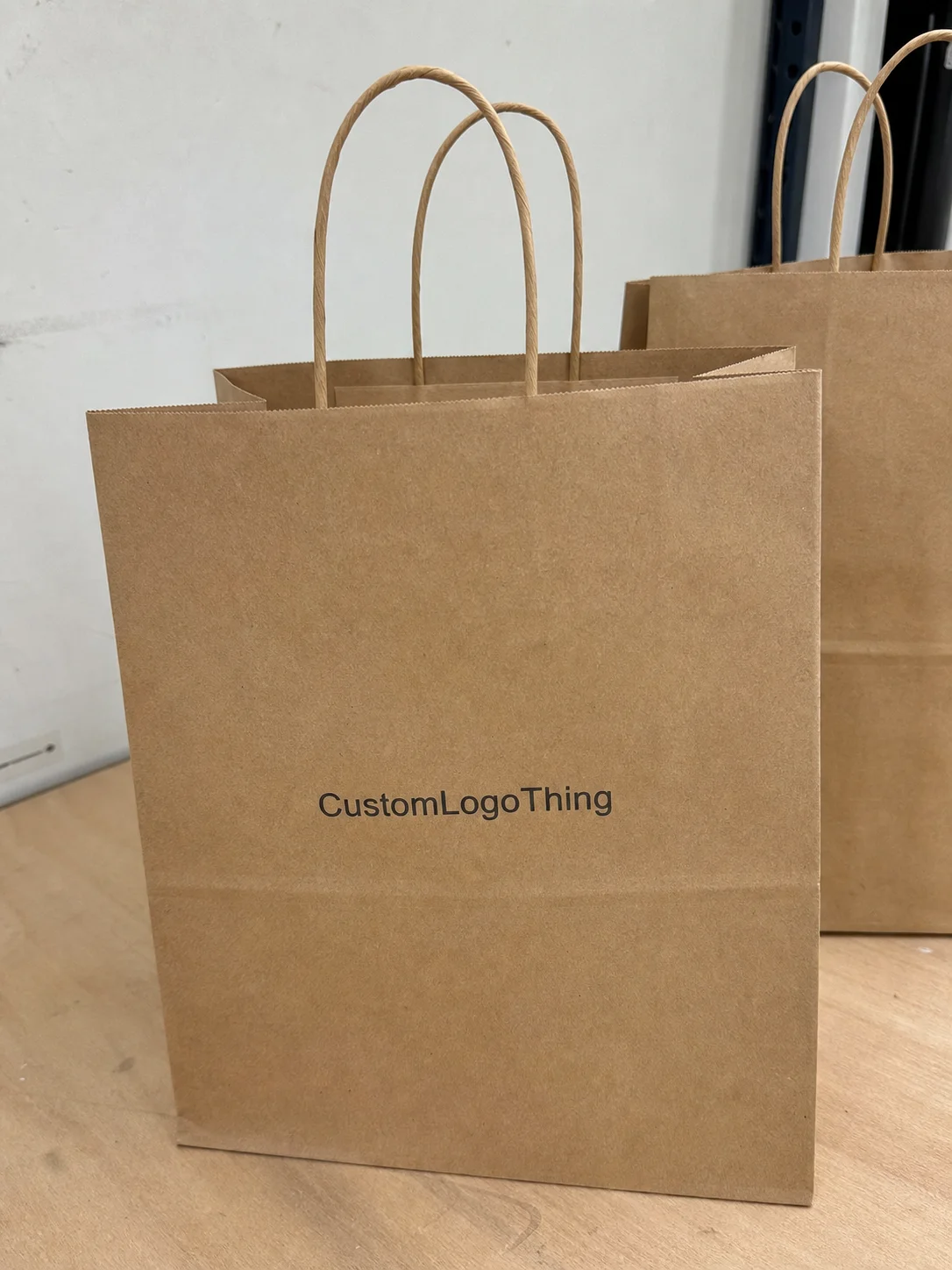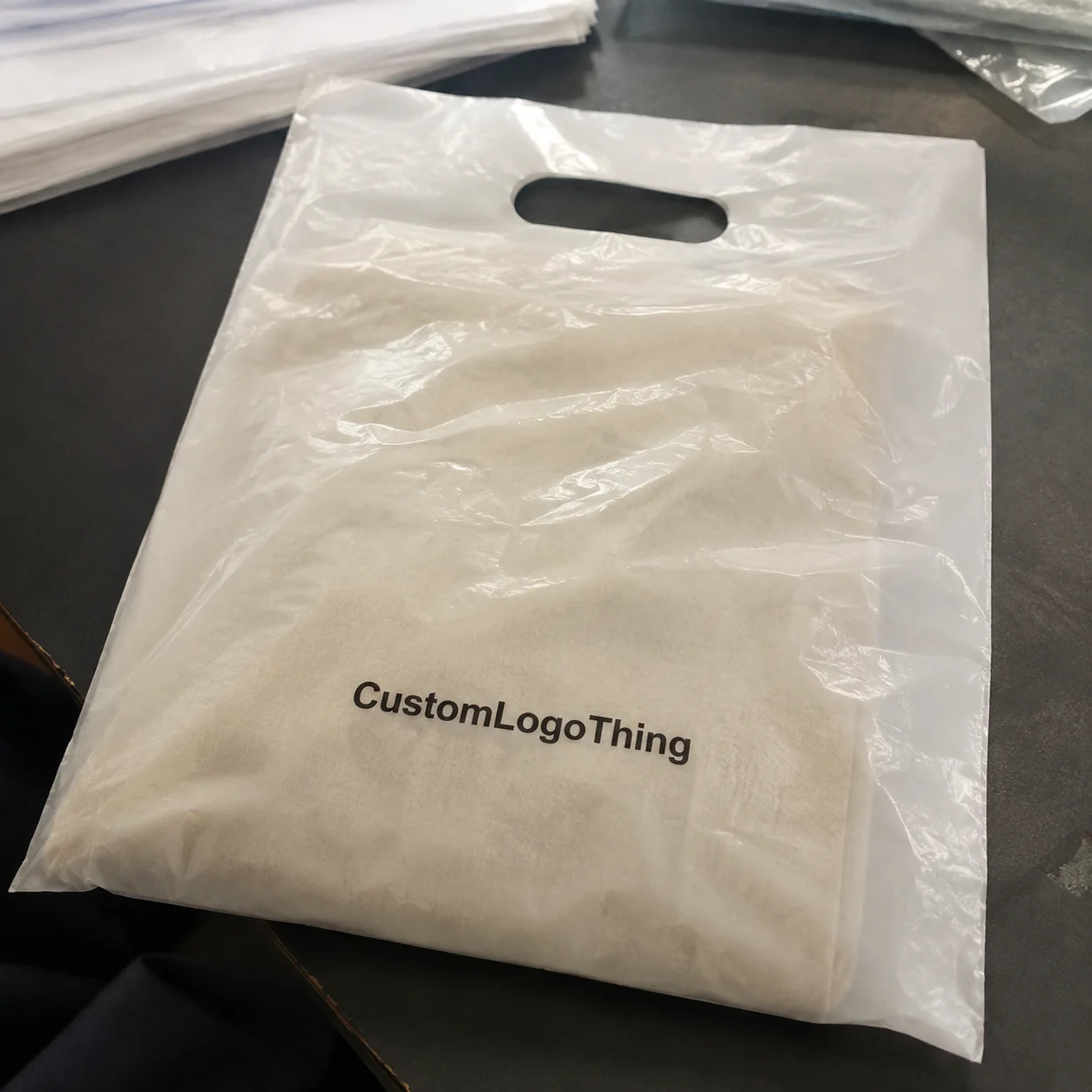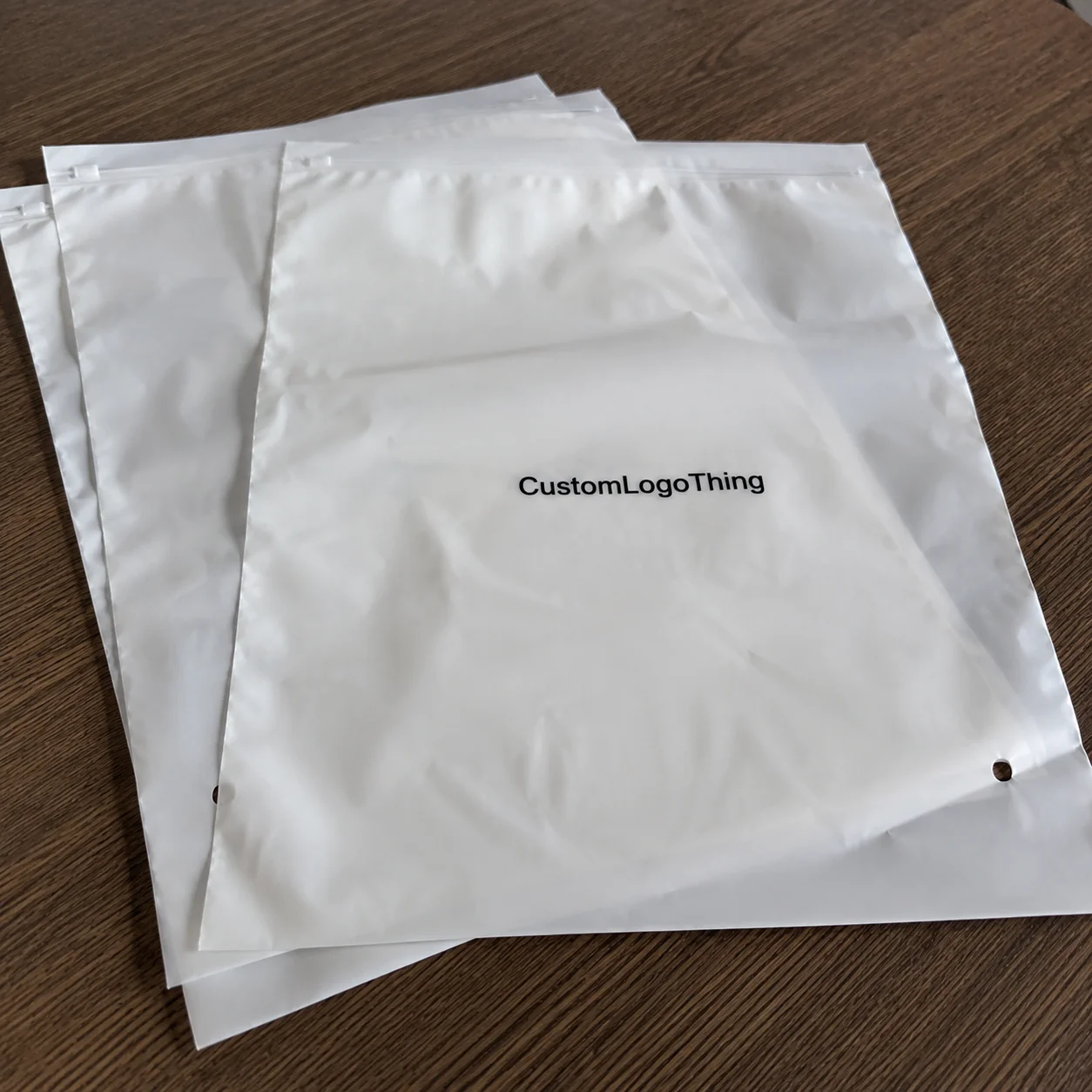
Buyer Fit Snapshot
| Best fit | biodegradable packaging for food products what for packaging buyers comparing material specs, print proof, MOQ, unit cost, freight, and repeat-order risk where brand print, material, artwork control, and repeat-order consistency matter. |
|---|---|
| Quote inputs | Share finished size, material target, print colors, finish, packing count, annual reorder estimate, and delivery region. |
| Proofing check | Approve dieline scale, logo placement, barcode or warning zones, color tolerance, and any recyclable or compostable wording before bulk production. |
| Main risk | Vague material claims, crowded artwork, or missing packing details can create delays even when the unit price looks attractive. |
Fast answer: Biodegradable Packaging for Food Products What: Claims, Protection, MOQ, and Cost should be specified like a repeatable production item. The safest quote includes material, print method, finish, artwork proof, carton packing, and reorder notes in one written spec.
What to confirm before approving the packaging proof
Check the product dimensions against the actual filled item, not only the sales mockup. Ask for tolerance on folds, seals, hang holes, label areas, and retail display edges. If the package carries a logo, QR code, warning copy, or legal claim, reserve that space before decorative graphics fill the panel.
How to compare quotes without losing quality
Compare board or film grade, print process, finish, sampling route, tooling charges, carton quantity, and freight assumptions side by side. A lower quote is only useful if the supplier can repeat the same color, closure quality, and packing count on the next order.
On a cold morning in a snack plant outside Chicago, Illinois, I watched a buyer proudly hold up a tray labeled “eco-friendly.” The catch? The fine print said it needed industrial composting, and the city’s waste contractor collected neither food scraps nor compostable film. That gap is exactly why biodegradable Packaging for Food products deserves a harder look than most brands give it. The label can sound simple. The reality is not. I remember thinking, very politely, “Well, that’s one expensive misunderstanding.”
I’ve noticed people love to collapse packaging into one neat label and call it a day. Cute move. It usually falls apart the moment the product leaves a sales deck and hits a real filling line in places like Shenzhen, Guangdong, or Savannah, Georgia. A package can be made from plant-based resin, molded fiber, or kraft paper and still fail if it leaks oil, warps in heat, or lands in a landfill where oxygen is scarce. I’ve seen packaging decisions made on a single sustainability claim, then reversed after one trial run because the product sweated, softened, or spoiled two days earlier than expected. Honestly, I think that’s the packaging version of buying shoes without checking the size.
That is the tension with biodegradable Packaging for Food products: it has to protect the food first, then break down in a real end-of-life route. Brand teams care about consumer trust and retail positioning. Operations teams care about seal strength, shelf life, and shipping damage. Regulators care about claims that can be substantiated. All three matter. If one of them gets ignored, you usually get a mess, a panic email, and someone asking why the “sustainable” pack is now leaking into a cardboard shipper. Love that for everyone.
Packaging choice is not just about whether something is “green.” It is about the disposal pathway, the local infrastructure, and whether customers actually sort the package correctly in cities like Toronto, Ontario, or Austin, Texas. A material that degrades in a lab but not in a municipal waste stream is a weak solution. A material that works beautifully in a warehouse but fails under grease or condensation is also a weak solution. I’ve sat through enough supplier meetings in Dongguan and Ho Chi Minh City to know that pretty samples can hide ugly reality very quickly.
Below, I break down how biodegradable Packaging for Food products works, what drives cost, and how to decide whether it fits your exact food item. If you’re sourcing for bakery, snack, produce, or takeaway applications, the details matter more than the slogan. And yes, the details are where the headaches live.
Biodegradable Packaging for Food Products: What It Is and Why It Matters
Let’s define it plainly. Biodegradable Packaging for Food products is packaging designed to break down into simpler substances through the action of microorganisms over time. That sounds straightforward, but the conditions matter enormously. Heat, oxygen, moisture, time, and the presence of microbes all influence how complete that breakdown becomes. In a warm, oxygen-rich composting system, a material may decompose predictably in 45 to 180 days. In a dry landfill cell, the same material may sit for years. I’ve seen people act shocked by that. As if nature has a customer service line.
People often confuse biodegradable packaging with compostable packaging, recyclable packaging, and plant-based packaging. Those are not interchangeable. Compostable packaging has to meet defined standards and break down under specific composting conditions, often industrial ones at 55°C to 60°C. Recyclable packaging must fit into an existing recycling stream. Plant-based tells you where the feedstock came from, not how it will behave after use. A sugarcane-derived cup can still be coated, laminated, or engineered in a way that changes disposal completely. I’ve had more than one supplier in Taipei, Taiwan, try to sell me “plant-based” like it was a free pass. It isn’t.
Why are food brands moving in this direction? Three reasons keep coming up in client meetings. First, consumer pressure. I’ve sat across the table from supermarket buyers in Minneapolis, Minnesota, who wanted a cleaner sustainability story on shelf labels because shoppers were asking about landfill waste. Second, landfill diversion. Brands want to reduce visible waste and improve environmental reporting. Third, branding. Biodegradable Packaging for Food products can support premium positioning, especially in organic, wellness, and fast-casual categories. The packaging has to look thoughtful, though. Nobody gets excited about a mushy clamshell with “eco” printed in huge letters.
There is also regulatory scrutiny. Claims around “eco,” “green,” and “degradable” are being examined more closely, especially when the wording overpromises. I’ve seen a packaging line in Düsseldorf, Germany, go through three rounds of legal review because the marketing team wanted a broad claim and the compliance team demanded a narrower one. That’s not bureaucracy for its own sake. It’s risk control. It’s also the part where everyone discovers they should have looped in legal before the packaging deck was already in print.
Performance still rules. A snack pouch that tears in transit costs more than a conventional option that survives the trip. A soup container that loses grease resistance defeats the purpose. Shelf life, moisture barrier, oxygen transmission rate, heat tolerance, and food-contact safety all shape whether Biodegradable Packaging for Food products actually works in practice. I’ve watched a brand celebrate a “better” package and then watch returns spike because the seal failed in warm storage at 28°C. Cute sustainability story. Terrible business.
One more point gets missed constantly: the package is only half the story. End-of-life infrastructure decides the outcome. If your customers live where compost collection exists and the package is certified for that stream, you have a credible system. If disposal routes are unclear, the environmental value drops fast. That is why biodegradable packaging for food products should be evaluated alongside real disposal behavior, not only against a technical datasheet.
“The most expensive mistake I see is buying a sustainable material and then discovering the city, retailer, or consumer can’t dispose of it the way the brand assumed.”
How Biodegradable Packaging for Food Products Works
Biodegradation is a biological process, not magic. Microbes consume the material, but they need the right environment to do it. Temperature, oxygen, moisture, and time all matter. If one of those is missing, the package may only fragment rather than fully break down. That is why biodegradable packaging for food products needs careful material selection and honest disposal guidance. Otherwise, you get a package that “technically” degrades someday, somewhere, maybe. Which is a very annoying sentence for a sales pitch.
There are three practical categories worth separating. Home-compostable materials are intended to break down in a backyard compost system under lower, less controlled temperatures, often between 20°C and 30°C over 6 to 12 months. Industrial-compostable materials are designed for higher-temperature composting facilities. And biodegradable materials may degrade over time but still leave residues or require conditions that ordinary consumers cannot recreate reliably. If your customer needs a degree in waste sorting to dispose of the pack, we have a communication problem.
Common material families include molded fiber, bagasse, PLA, starch blends, and coated papers. Molded fiber is familiar in trays and clamshells, usually made from 600gsm to 1,200gsm wet-molded pulp depending on shape and strength targets. Bagasse, made from sugarcane fiber, is common in takeaway containers. PLA, or polylactic acid, is a bioplastic often used in clear cups and films with thicknesses like 30 microns or 50 microns. Starch blends show up in bags and loose-fill applications. Coated papers can serve as wraps, cartons, or liners when the barrier layer is carefully chosen, such as a 350gsm C1S artboard with a water-based dispersion coating. I’ve handled enough samples to know that “paper-based” can mean anything from lovely to borderline misleading, depending on what’s glued onto it.
But the package is not only the base material. Additives, inks, adhesives, and laminations can change the real-world result. I once reviewed a kraft paper pouch for a granola brand in Chicago that looked excellent on paper, then failed disposal testing because the barrier coating and zipper component were not compatible with the composting claim. That kind of issue is common. A package is an assembly, not a single substance. Honestly, this is where a lot of teams trip. They fall in love with one ingredient and forget the whole sandwich.
Food contact adds another layer. Hot soups, oily sauces, frozen entrees, and acidic products each stress materials in different ways. PLA performs differently near heat than molded fiber. Grease resistance can depend on coatings that may or may not be compost-friendly. Liquids require seam integrity and migration control. Frozen products need crack resistance at low temperatures down to -18°C. In other words, biodegradable packaging for food products only works when it handles food safely during use and decomposes responsibly after disposal. If it does one job beautifully and the other badly, that’s not a win. That’s just an attractive problem.
Industry standards help sort claims from marketing fluff. For compostability, look for recognized references such as ASTM D6400 or EN 13432, depending on market. For fiber sourcing, FSC certification can matter if paperboard or kraft paper is part of the pack structure. For shipping durability, ISTA testing is often useful, especially if the package travels by parcel. I also recommend checking guidance from the EPA and the ISTA when a supplier’s language feels too loose.
Keep the test simple. If you can explain the material, the disposal route, and the food performance in one sentence each, you are probably in decent shape. If you can’t, biodegradable packaging for food products is still a concept, not yet a packaging system.
| Material | Typical Use | Strengths | Common Limits |
|---|---|---|---|
| Molded fiber | Trays, clamshells, inserts | Good stiffness, strong brand fit for natural foods | Moisture sensitivity unless treated |
| PLA | Cups, lids, clear windows | Good clarity, plant-based origin | Heat sensitivity, industrial composting often required |
| Bagasse | Takeout boxes, plates, bowls | Fiber look, decent rigidity, widely recognized | Barrier performance varies by design |
| Starch blends | Bags, liners, loose fill | Useful for short-life applications | Limited moisture and heat resistance |
| Coated paper or kraft paper | Wraps, pouches, cartons | Strong branding, print-friendly | Coatings and seals can complicate end-of-life |
Key Factors That Affect Performance, Cost, and Pricing
Pricing for biodegradable packaging for food products is rarely one number. It is a stack of choices. Raw material selection matters first. A simple molded fiber tray may cost less than a complex PLA-laminated pouch, but the final comparison depends on barrier needs, print setup, and volume. In my experience, brands often compare only unit price and miss the real cost equation. Then they act surprised when a “cheap” option turns out to be a very expensive headache. Wild concept: packaging has more than one cost.
Let’s talk numbers. A basic unprinted fiber clamshell at 5,000 units might land around $0.18 to $0.32 per unit, depending on size and tooling. A custom printed bagasse bowl with lid can move into the $0.30 to $0.55 range at moderate volumes. A printed compostable pouch with barrier features can climb further, especially if you need custom structure, certification support, and lower minimums. For a simple 3.5-inch by 5-inch paper wrap using 350gsm C1S artboard with soy-based ink, I have seen pricing around $0.15 per unit for 5,000 pieces in Guangdong, China, before freight and duties. Those figures are directional, not universal. Still, they show why biodegradable packaging for food products often costs more than conventional polypropylene or PET at small runs.
Order volume changes everything. Small runs are expensive because molds, plates, and setup costs get spread across fewer pieces. Tooling for a custom tray or clamshell can add $1,500 to $8,000 depending on complexity and material family. Printing setup adds more. If a supplier quotes a low unit price but hides the setup burden, the true economics can surprise you by a wide margin. I’ve had quotes that looked fantastic until the PO was built. Then the “bonus fees” showed up like uninvited guests at a bad dinner.
Barrier coatings are another major lever. Grease-resistant or moisture-resistant performance often requires specialty coatings, and those can affect compostability claims. The same is true for window films, zipper closures, and mixed-material constructions. Every extra component can raise both cost and disposal complexity. I’ve seen a retailer in Minneapolis reject an otherwise good package because the clear window made the recovery story too messy for their shelf standards. They were not being dramatic. They were being practical.
Testing and certification also influence pricing. If you need food-contact compliance, compostability proof, and transit validation, expect to pay for lab work and documentation. A basic migration test in the U.S. can run $800 to $2,500 per material set, while broader compostability certification and supporting reports can push a project into the $3,000 to $12,000 range. That is not waste. It is insurance against claim disputes and spoilage losses. For brands selling through retail packaging channels, a failed run can cost far more than the testing fee. Frankly, I’d rather pay for good testing than pay for a warehouse full of unsellable pouches.
Compared with conventional plastic packaging, biodegradable packaging for food products usually has a higher direct unit cost. Total cost of ownership is broader. If a more expensive package reduces spoilage, improves shelf presence, or helps win a retailer with strict sustainability requirements, it may pay for itself. If it looks greener but causes a 3% increase in leakage or returns, the math reverses quickly. Packaging people love to talk about sustainability. Finance people love to talk about margin. Both are right, annoyingly enough.
Here is the framework I use in supplier negotiations. Ask four questions: What is the unit price at 5,000, 10,000, and 50,000 pieces? What is the tooling cost? What certifications are included? What is the performance threshold under heat, moisture, and shipping stress? Once you have those answers, biodegradable packaging for food products becomes a business decision rather than a mood.
Brands also underestimate the branding benefit. A smart package can support package branding without overprinting. Minimal inks, clean typography, and a clear disposal note often outperform loud graphics. I’ve seen a simple kraft paper sleeve with one-color print beat a much busier design on shelf because it felt more credible. That is not subjective fluff. It affects consumer trust.
If you need broader packaging support, it helps to work with a supplier that offers more than one format. You can review Custom Packaging Products to compare materials, print methods, and structural options side by side, especially when you’re balancing product packaging performance with sustainability goals.
Step-by-Step Process and Timeline for Launching Biodegradable Packaging for Food Products
The fastest projects start with a tight brief. I mean genuinely tight: food type, fill weight, shelf-life target, temperature range, distribution method, and disposal goal. If you can define those five or six variables, biodegradable packaging for food products becomes much easier to develop. If you can’t, sample rounds stretch because every option is trying to solve a different problem. That’s how a simple project somehow turns into a three-month group therapy session for procurement, design, and operations.
Step one is product mapping. Is it dry, oily, wet, frozen, acidic, or hot-fill? A dry biscuit has a different packaging profile from a chilled noodle bowl. I once sat in on a factory-floor test in Monterrey, Mexico, for a salad container where condensation ruined two prototype lids before lunch. The issue wasn’t branding. It was moisture and seal geometry. A very glamorous failure, obviously.
Step two is material shortlisting. This is where disposal pathway and barrier requirements have to sit in the same conversation. If your market has industrial composting, a PLA-based structure may be viable. If your buyers expect curbside recycling, that may be a dead end. If the package needs grease resistance and longer shelf life, a coated paper or molded fiber construction may be the better route. The goal is to align food performance with end-of-life reality.
Step three is prototyping. Expect fit checks, seal tests, stack tests, transit tests, and shelf-life trials. For food brands shipping through e-commerce or wholesale, parcel durability matters. ISTA-style testing is useful here because a package that survives warehouse handling can still fail in a delivery chain. I’ve seen boxes crush cleanly in the lab and buckle at the corner when loaded onto a truck because the real-world stack pattern was never reproduced. Very satisfying for nobody.
Step four is artwork and compliance setup. This is where the packaging design team and legal team should talk early. Disposal instructions must be clear. Certification marks must be accurate. Claims like “compostable” and “biodegradable” should not be used interchangeably unless the documentation supports it. A clean label with honest instructions usually beats a busy one with vague environmental language. It also saves you from a last-minute rewrite that makes everyone grumpy.
Step five is production approval. Depending on the structure, lead times can range from 12 to 15 business days after proof approval for simpler printed paper-based formats, or several weeks more if tooling and testing are involved. Custom molded formats can take longer because mold development and sample iteration add time. In one client meeting in Ho Chi Minh City, we shaved nearly two weeks off a launch by removing a window patch and standardizing the lid size. Fewer components. Fewer delays. Less opportunity for something to go sideways.
Here’s a realistic timeline model for biodegradable packaging for food products:
- Week 1: Packaging brief, product specs, and supplier outreach
- Week 2-3: Material shortlist, pricing requests, and sample confirmation
- Week 3-5: Prototype development and initial testing
- Week 5-6: Artwork review, compliance review, and claim verification
- Week 6-8+: Final adjustments, approval, and production scheduling
That timeline can compress or expand depending on complexity. A narrow brief with a clear disposal plan usually moves fastest. A vague one drags. That is true for biodegradable packaging for food products just as it is for any custom printed boxes or branded packaging project.
Common Mistakes When Choosing Biodegradable Packaging for Food Products
The first mistake is assuming all biodegradable packaging is compostable. It is not. And compostable does not automatically mean home-compostable. I’ve had suppliers send samples with broad environmental language but no clear disposal specification from factories in Vietnam and India. That is a red flag. If the claim cannot be tied to a recognized standard or a defined waste route, treat it carefully. I don’t care how nice the mockup is. If the claim is fuzzy, the risk is fuzzy too.
The second mistake is choosing based on sustainability claims alone. A package that sounds ideal may fail in a 32°F cooler, under grease load, or during a hot-seal cycle at 140°C to 160°C. Food packaging lives in the mess between lab conditions and human behavior. Biodegradable packaging for food products has to survive that mess. Performance is not optional.
The third mistake is ignoring local infrastructure. A compostable tray is not useful if the retailer’s back-of-house waste system in Seattle sends it straight to landfill. A biodegradable film is not useful if customers have no idea where to dispose of it. The material may be good. The system may not be. That difference gets lost surprisingly often in buying decisions. And then everyone wonders why the “sustainable” option didn’t actually do anything useful. Shocking.
The fourth mistake is weak labeling. Vague phrases like “earth-friendly,” “green choice,” or “eco package” sound nice and create trouble later. They do not tell consumers how to dispose of the item. They do not protect you in a compliance review. They do not help a warehouse team sort waste correctly. Clear language matters more than decorative sustainability copy.
The fifth mistake is overlooking mixed materials. Windows, zipper closures, foil-like barriers, metallic inks, and multilayer laminations can interfere with end-of-life behavior. Even small details can change the result. I once watched a client remove a 1.5-inch clear window from a bakery pouch in Richmond, British Columbia, and cut the claim risk dramatically, while also reducing cost by 8%. Small simplifications add up. Sometimes the fix is just “stop adding things nobody needed.” Revolutionary, I know.
The sixth mistake is treating logistics as an afterthought. A greener package that increases spoilage is not greener. If a product loses 2% more units due to weak barrier performance, that waste can outweigh the packaging benefit quickly. For perishable goods, product protection is environmental protection. That is especially true for biodegradable packaging for food products.
There is a final issue I wish more teams would address early: supplier transparency. Ask for technical data sheets, food-contact declarations, compostability certifications, and test methods. If a vendor hesitates or answers in broad marketing language, keep digging. Good suppliers can tell you exactly what the package does, under what conditions, and for which foods.
Honestly, the biggest error I see is emotional buying. A brand falls in love with a material story, then tries to force it onto the wrong product. That is backwards. Start with the food. Start with the shelf life. Then choose the packaging.
Expert Tips for Better Results and Lower Waste
Start with the product, not the package. That sounds obvious, but I see teams reverse it constantly. If your snack is dry and low-fat, you have far more room to use fiber, kraft paper, or a simpler compostable format. If your product is oily or wet, barrier performance comes first. Biodegradable packaging for food products should be built around the food’s real behavior, not just the brand’s visual mood board.
Request hard data before you approve a supplier. Ask for barrier specifications, food-contact documentation, and certification proof. For paper-based structures, clarify whether the paper is FSC-certified. For transport-heavy programs, ask for packaging test results that align with ISTA methods. A vendor who can provide documentation quickly usually understands production better than one who offers only sales language. I trust the supplier who sends the test sheet before the sales brochure. The brochure is cute. The numbers pay the bills.
Simplify structure whenever possible. Fewer components often mean lower cost and fewer end-of-life complications. A single-material pouch may be easier to manage than a pouch with a window, zipper, and mixed coating. A clean molded fiber tray may outperform a complicated hybrid on both price and recovery. I’ve seen brands save nearly 12% by removing a secondary sleeve and tightening the print spec in a plant outside Kuala Lumpur, Malaysia.
Test in real conditions, not just lab conditions. Put the package in your actual distribution chain. Use the same pallet pattern, the same cold room, the same delivery method, and the same retail shelf exposure. A package that looks excellent in a controlled sample run can behave very differently after 48 hours in humid storage at 75% relative humidity. That is especially true for biodegradable packaging for food products made from paper, fiber, or starch-based structures.
Balance branding with honesty. Minimal inks, straightforward copy, and clear disposal guidance often produce stronger trust than heavy graphic treatment. This is where package branding and sustainability can work together. A restrained design can feel more premium than a loud one, particularly in wellness, specialty retail, and café channels. Branded packaging does not have to shout to sell. Sometimes quiet confidence does more than neon green promises and a leaf icon shoved in every corner.
Ask for multiple volume quotes. The economics of biodegradable packaging for food products can shift dramatically between 5,000 and 50,000 units. A quote that looks expensive at a small run may become reasonable once the tooling is spread out. Conversely, a low-volume launch can expose hidden setup fees. I always want to see pricing at three tiers before I make a recommendation.
One more practical tip: keep your disposal language short. If the customer needs a paragraph to understand what to do with the package, the message is too long. Use one clear instruction, one certified claim, and one backup line for exceptions. That helps both compliance and consumer behavior.
If your project includes cartons, wraps, or secondary packs, do not ignore the outer layer. Corrugated cardboard and kraft paper can be part of a cleaner system if they are specified carefully. Sometimes the easiest sustainability win is not changing every component. It is removing one unnecessary layer from the whole structure.
What to Do Next Before You Order Biodegradable Packaging for Food Products
Before you place an order, build a one-page brief. Include product type, shelf-life target, order quantity, filling temperature, handling conditions, and disposal goal. Add whether the pack needs retail packaging appeal, e-commerce durability, or takeaway convenience. This single sheet prevents a lot of confusion. It also helps suppliers quote accurately on biodegradable packaging for food products.
Then ask for samples, technical data sheets, and compliance documents. You want to know the barrier numbers, the temperature limits, and the certification basis. If a supplier offers a claim but cannot provide the standard behind it, pause. The same goes for vague language around degradation. Clear claims are safer claims.
Test at least two or three options against your actual product conditions. Heat, oil, moisture, shipping vibration, freezer exposure, and shelf time all matter. A bakery box behaves differently from a deli tray. A pouch behaves differently from a tray. The best decision comes from direct comparison, not assumption. I know that sounds slow, but slow is better than discovering on launch day that your “eco” pouch turns into a sad paper taco.
Also verify the disposal route. If customers cannot access the right composting or recovery stream, the sustainability value weakens. This step is often skipped because it seems operationally tedious. It isn’t. It is the part that determines whether biodegradable packaging for food products fulfills its promise or just looks good in a presentation.
Document your claims with care. If you say biodegradable, know what the package does and under what conditions. If you say compostable, make sure the certification supports it. If you mention FSC, verify the chain of custody where relevant. The strongest sustainability story is the one you can defend in a buyer meeting, a retailer review, and a customer complaint response.
Here is the decision tree I use:
- If the packaging protects the food, fits the distribution chain, and has a real disposal route, move ahead.
- If it protects the food but the disposal path is unclear, revise the claim or the material.
- If it sounds sustainable but fails testing, reject it and restart.
- If cost is the only barrier, compare total value before you walk away.
That’s the cleanest way I know to make biodegradable packaging for food products work in practice. Start with the food. Test the package. Verify the claims. Then scale only when the economics and disposal story make sense together.
If you’re ready to move from concept to sourcing, Custom Logo Things can help you shape the right structure, printing approach, and material combination for your product. The best result is not the greenest-sounding package. It is the one that protects the food, supports the brand, and ends up in the right waste stream. That is the real measure of biodegradable packaging for food products.
FAQ
Is biodegradable packaging for food products the same as compostable packaging?
No. Biodegradable packaging for food products can break down over time, but compostable packaging must meet stricter standards and break down under defined composting conditions. Many materials marketed as biodegradable still need industrial composting to degrade properly. Always check the certification, disposal requirements, and whether the package is suitable for food-contact use.
How much does biodegradable packaging for food products cost compared with plastic?
It is often more expensive per unit, especially for small orders or custom formats. Costs rise with barrier coatings, printing complexity, certifications, and low order volume. For example, a simple paper-based pack can start around $0.15 to $0.32 per unit at 5,000 pieces, while more complex compostable formats can climb above $0.50 per unit. The better comparison is total value: packaging cost, spoilage risk, brand impact, and disposal compliance all matter.
What food types work best with biodegradable packaging for food products?
Dry goods, bakery items, produce, snacks, and some takeout applications are often the easiest fit. Greasy, wet, frozen, or long-shelf-life products may need more advanced barrier performance. Product testing is essential because the right material depends on temperature, moisture, and handling. A dry cookie at 22°C is a very different problem from a hot noodle bowl at 65°C.
How long does it take to develop custom biodegradable packaging for food products?
Timeline depends on whether you need custom tooling, samples, print setup, and compliance review. Simple printed paper-based projects can take 12-15 business days from proof approval, while custom molded or certified compostable structures may need 4 to 8 weeks or more. The fastest projects start with clear specs, realistic performance targets, and a defined disposal pathway.
How can I tell if a supplier is making honest biodegradable claims?
Ask for certification documents, technical data sheets, and specific disposal instructions. Look for clarity about whether the packaging is biodegradable, compostable, industrial-compostable, or home-compostable. If the claim sounds vague, unsupported, or impossible to verify, treat it as a warning sign. A real supplier should be able to tell you the standard, the test method, and the manufacturing region, such as Guangdong, Zhejiang, or Tamil Nadu.