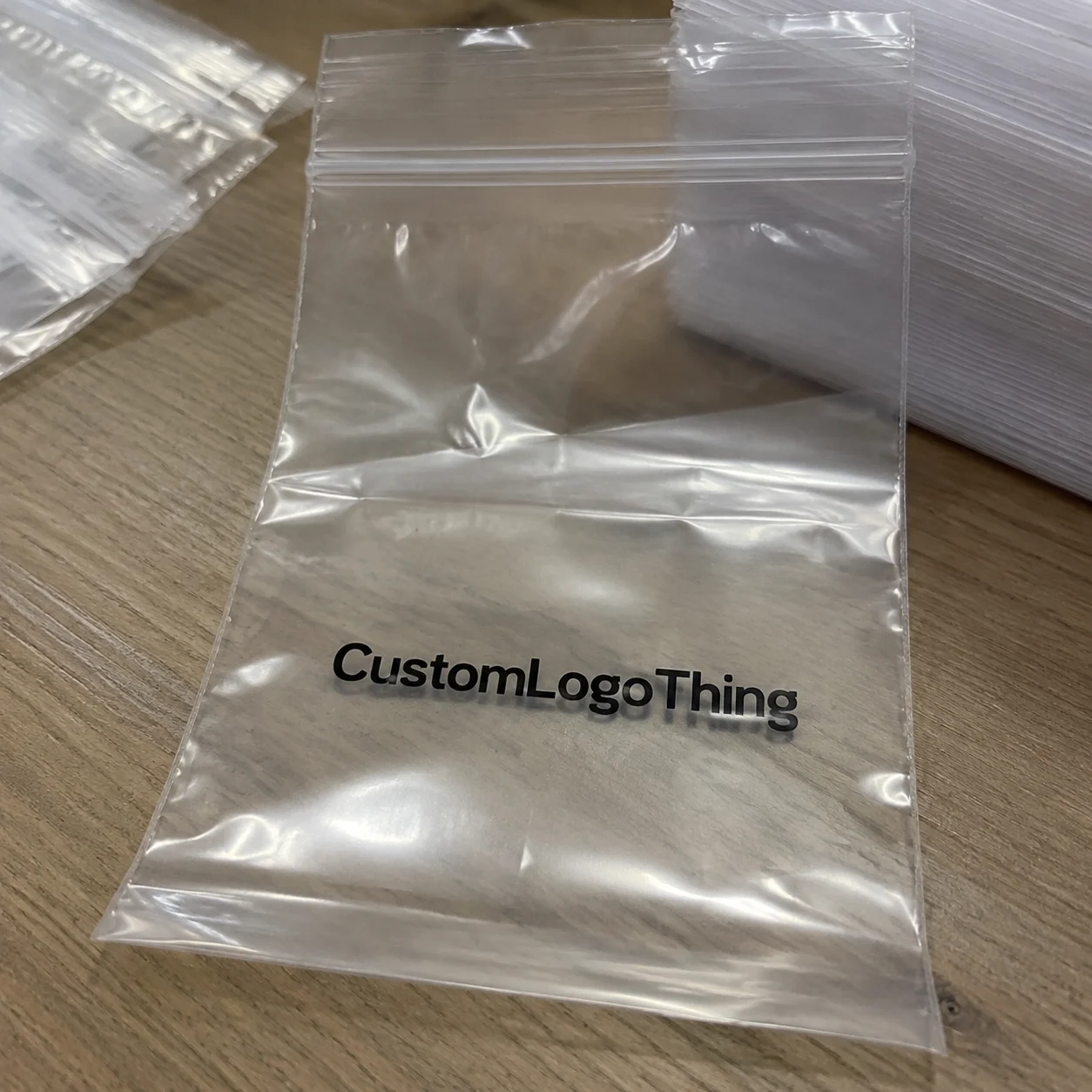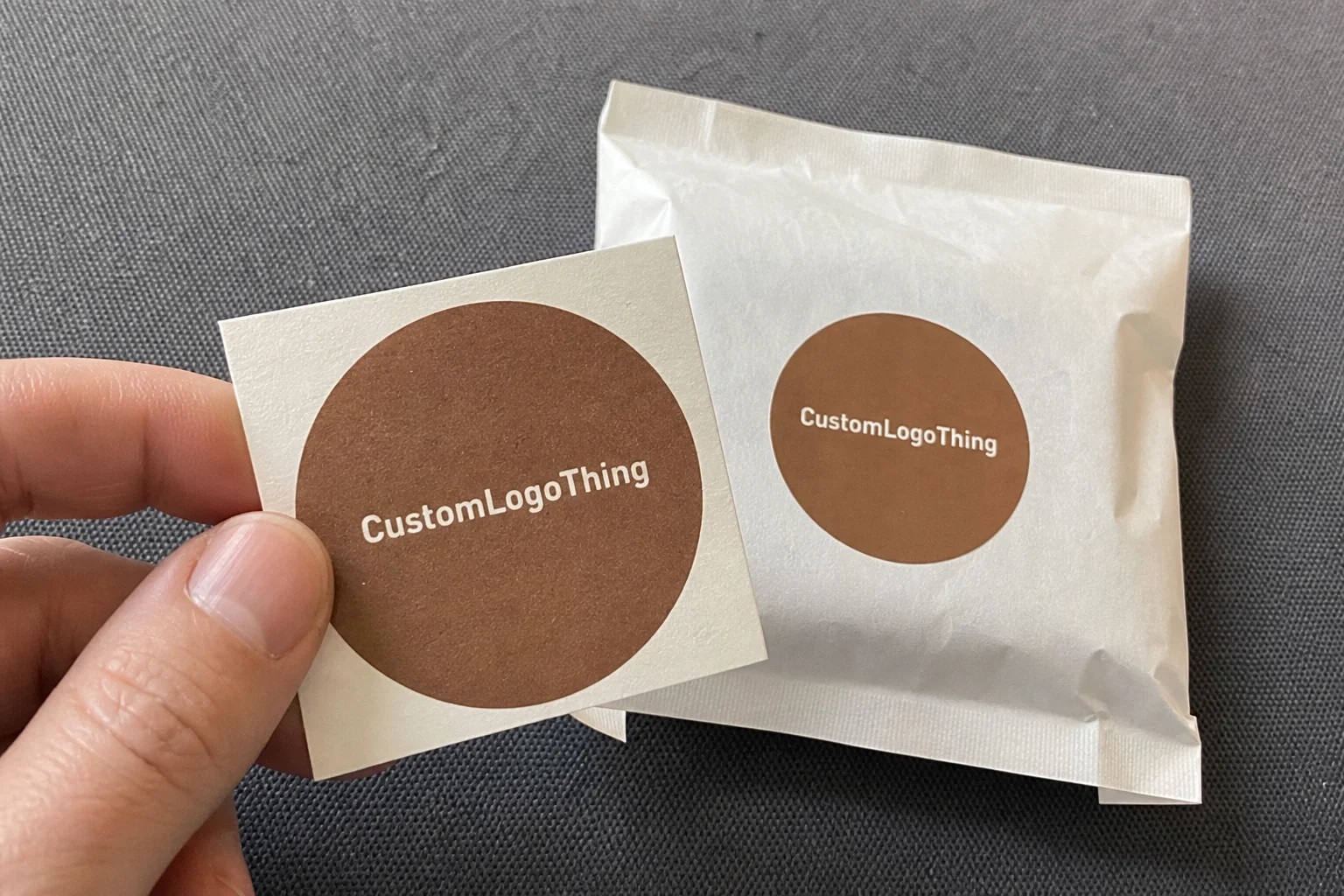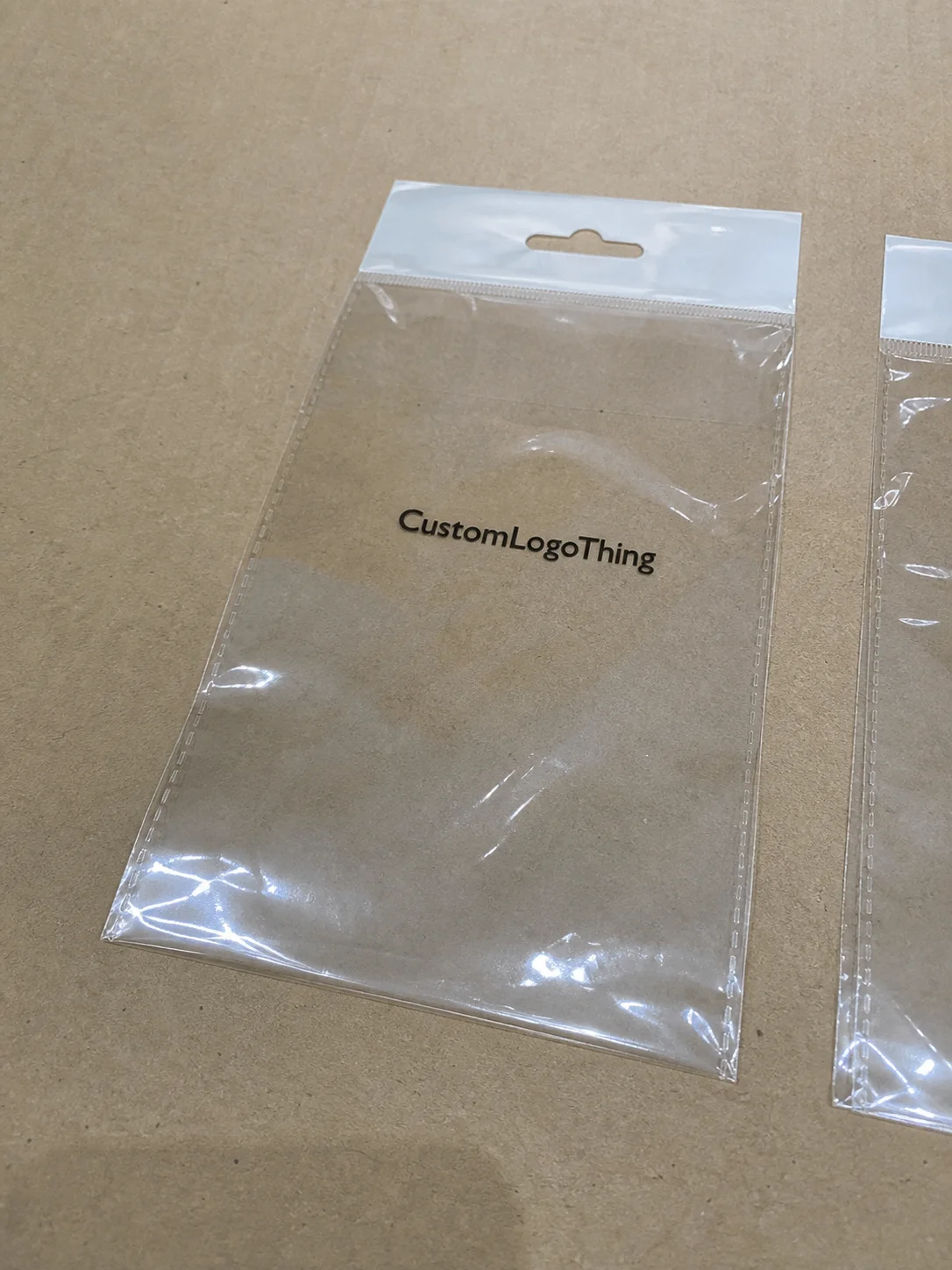
Buyer Fit Snapshot
| Best fit | Biodegradable Packaging projects where brand print, material claims, artwork control, MOQ, and repeat-order consistency need to be specified before quoting. |
|---|---|
| Quote inputs | Share finished size, material target, print colors, finish, packing count, annual reorder estimate, ship-to region, and any compliance wording. |
| Proofing check | Approve dieline scale, logo placement, barcode or warning zones, color tolerance, closure strength, and carton packing before bulk production. |
| Main risk | Vague material claims, crowded artwork, missing packing details, or unclear freight terms can make a low unit price expensive after revisions. |
Fast answer: Biodegradable Packaging: Quote Scope should be specified like a repeatable production item. The safest quote records material, print method, finish, artwork proof, packing count, and reorder notes in one written spec.
Production checks before approval
Compare the actual filled-product size with the drawing, then confirm tolerance on folds, seals, hang holes, label areas, and retail display edges. Reserve space for logos, QR codes, warning copy, and material claims before decorative graphics fill the panel.
Quote comparison points
Review material grade, print process, finish, sampling route, tooling charges, carton quantity, and freight assumptions side by side. A quote is only useful when the supplier can repeat the same color, closure quality, and packing count on the next order.
Biodegradable Packaging How to Choose is one of those questions that sounds simple until you’re standing on a factory floor in Dongguan with three suppliers, two shipping deadlines, and a product that gets ruined if it sees 65% humidity for more than a few hours. I remember one launch where everyone was thrilled about the sustainability story right up until the first test shipment came back warped after a 14-hour ocean-side warehouse hold in Shenzhen. Cute, right? I’ve watched perfectly good programs fail because someone picked a material based on a label instead of the actual disposal route, and that mistake gets expensive fast. If you want biodegradable packaging how to Choose the Right option for your brand, you have to think like a packaging buyer, not a slogan writer.
I’ve spent enough time in corrugated plants in Jiangsu, thermoforming lines in Ho Chi Minh City, and folding carton rooms in Guangzhou to know this: the word biodegradable is only useful if you know where, how, and under what conditions the package will break down. A package that behaves well in industrial composting at 55 to 60°C may sit almost unchanged in a landfill for years, and a nice-looking structure with a starch-based film can still fail if the adhesive or coating blocks degradation. That is why biodegradable Packaging How to Choose is really a materials question, a logistics question, and a claims question all at once, especially if your supplier is quoting 5,000 pieces at $0.18 per unit and calling it “fully green.”
For Custom Logo Things, this topic matters because packaging is never just packaging. It is product packaging, retail packaging, and package branding rolled into one, and each of those roles changes what “right” looks like. A luxury candle shipped in a kraft paper mailer has different needs than a food tray, and a subscription box lined with molded fiber is a different animal from custom printed boxes for cosmetics. The trick is balancing performance, price, and end-of-life truth without overpromising in front of customers or retailers. Honestly, I think that last part is where a lot of brands get themselves into trouble, especially when a buyer is staring at a quote of $0.42 per unit for 10,000 pieces versus $0.31 per unit for 25,000 pieces and pretending volume doesn’t matter.
Biodegradable Packaging: How to Choose Without Guessing
The biggest surprise I’ve seen on factory floors is how often a package gets called biodegradable when the real issue is not the material at all, but the disposal environment. I once sat with a brand team that had just approved a beautiful tray made from bagasse, only to learn their customers were mostly in suburban areas with no commercial compost access within 50 miles of the 90210-style neighborhoods they were targeting. That is where biodegradable Packaging How to Choose stops being a material spec and becomes a systems decision. And yes, someone on that call said, “But it says eco on the sample,” which was… not helpful.
In plain language, biodegradable packaging is packaging that microorganisms can break down over time into simpler substances such as water, carbon dioxide, methane in low-oxygen conditions, and biomass. That sounds neat, but the word “time” hides a lot of reality. A material may break down in a controlled industrial compost facility at 55 to 60°C, with moisture and oxygen managed carefully, yet do very little in a dry storage bin, a backyard pile, or a landfill capped away from air. In one pilot I reviewed in Melbourne, a sample that looked perfect at day 7 still held its shape after 45 days in a low-moisture bin test, which is why the environment matters more than the buzzword.
People also mix up biodegradable, compostable, recyclable, and plant-based packaging as if they mean the same thing. They do not. A plant-based resin can still be hard to compost, recyclable packaging can still be non-biodegradable, and a compostable item often has stricter testing requirements than a generic biodegradable claim. In my experience, the cleanest way to talk about biodegradable packaging how to choose is to separate three questions: what is it made of, what happens after use, and what proof supports the claim. For example, a PLA cup with a 0.35 mm wall thickness may look crystal clear, but that tells you nothing about whether it will actually break down in the region where your customers live.
This matters commercially because sustainability claims now travel fast through the supply chain. Retail buyers ask for documentation, marketplaces flag language, and some distributors require proof that custom packaging products meet environmental expectations before they will add a SKU. If you are choosing biodegradable packaging for a private-label launch, you need a claim you can defend with test data, supplier declarations, and, ideally, recognized standards. A claim without paperwork is just a pretty sentence, and pretty sentences do not survive a retailer audit in Chicago or Rotterdam.
“The package wasn’t the problem; the disposal route was. Once we matched the material to the actual waste stream, the complaint rate dropped sharply.”
Honestly, I think this is where many teams get it wrong. They start with a material name instead of the use case. A better approach is to ask: Does this package need to survive moisture, grease, cold-chain handling, or rough parcel shipping? Will customers see it in a retail display, a fulfillment center, or a foodservice counter? Biodegradable packaging how to choose becomes much easier once those questions are answered, because a mailer going through a 1,200-mile UPS route in July needs very different structure than a countertop bakery sleeve in Portland.
There is no single substrate that fits every application, and that is not a flaw in the industry; it is just how packaging works. A molded fiber clamshell can be excellent for dry goods and some food applications, while PLA can work well in certain clear applications but struggle with heat. Kraft paper can be a good base for branded packaging, but paper alone does not guarantee a functional or truly biodegradable system if the liner, print varnish, or barrier layer is wrong. I’ve seen a “simple” 350gsm C1S artboard carton perform better than a fancy multi-layer alternative because the simpler build had fewer failure points.
How Biodegradable Packaging Works in Real-World Conditions
Biodegradable packaging how to choose gets clearer once you understand what is actually happening during breakdown. Microbes need the right mix of heat, moisture, oxygen, and accessible material. If one of those ingredients is missing, degradation slows dramatically. I’ve seen samples that looked promising in a lab report still come out of a low-humidity warehouse in Valencia looking nearly identical after 90 days on the shelf. Packaging has a sense of humor like that—except nobody’s laughing when the pallet arrives late and the cartons look smugly unchanged.
Industrial composting is the most common controlled environment discussed in packaging circles, and for good reason. Facilities often maintain elevated temperatures, active aeration, and a managed carbon-to-nitrogen ratio that supports rapid microbial activity. Backyard composting is very different; temperatures are lower and less consistent, moisture varies, and many home composters never reach the steady conditions needed for certain certified compostable items. Landfills are different again, because oxygen is limited and breakdown can be extremely slow. Marine environments introduce another set of variables, including saltwater, abrasion, and microbial communities that are not designed around your packaging spec sheet. A tray that passes a 10-week industrial compost test in Germany does not magically behave the same way in a landfill outside Dallas.
The practical takeaway for biodegradable packaging how to choose is simple: ask where the package is likely to end up, then match the material to that destination. A material designed for industrial composting should not be marketed as if it vanishes anywhere, anytime. That kind of language creates trust problems later, and honestly, it also creates waste because the packaging choice may not be aligned with how consumers actually dispose of it. If 80% of your customers live in metro areas without curbside compost, your “compostable” story needs a very different script.
Common biodegradable materials include PLA, molded fiber, bagasse, starch blends, and certain paper-based structures. PLA, or polylactic acid, is often used for clear cups, lids, and display pieces where visibility matters. It can look polished, but heat resistance is limited unless the grade is engineered for higher thermal performance. Molded fiber, usually made from recycled or virgin pulp, works well for trays, inserts, and protective forms. Bagasse, which comes from sugarcane residue, is popular for food containers because it can handle grease better than plain paper in some applications. Starch blends can be useful in films and mailers, though exact performance varies widely by formulation. If your supplier is quoting a 25-micron starch film at $0.15 per unit for 5,000 pieces, ask for the tear strength, seal temperature, and humidity performance before you get excited.
Paper is its own category worth handling carefully. Kraft paper, coated paperboard, and fiber-based structures can all play a role in biodegradable packaging how to choose, but inks, wet-strength additives, barrier coatings, and windows matter just as much as the base sheet. A paperboard carton with a thin PLA liner may have a different end-of-life profile than an uncoated kraft paper sleeve, even if both look “earth friendly” on the shelf. I’ve been in a plant in Dongguan where the difference between a 280gsm kraft sleeve and a 350gsm C1S artboard carton came down to the coating layer, not the paper itself.
Here is where certifications and testing matter. If you are considering compostable or biodegradable claims, ask about ASTM standards, migration testing for food contact, and any third-party certification that applies to your application. Common references include ASTM D6400 and D6868 for compostability in specific contexts, and for food-contact packages you may need additional compliance documentation depending on region and market. For broader packaging education, I often point teams to the Packaging School and industry resources at packaging.org because they help separate marketing claims from practical packaging engineering. One project I reviewed in Amsterdam had a gorgeous tray spec and zero evidence of third-party validation; that made the claim look expensive, not credible.
One more detail from the plant floor: coatings and adhesives can quietly break the whole sustainability story. I once reviewed a custom printed box project where the carton board itself was renewable, but the glossy lamination and a heavy adhesive label made the package far less biodegradable in any meaningful end-of-life pathway. That is why biodegradable packaging how to choose means looking at the full build, not just the substrate name on a spec sheet. If a box uses 3 g/m² of hot-melt adhesive across every flap, that tiny detail can matter more than the recycled-fiber headline.
Key Factors in Biodegradable Packaging: How to Choose the Right Fit
If you want biodegradable packaging how to choose without guesswork, start with product protection. That means barrier needs first, aesthetics second. I’ve watched brands spend money on sustainability-friendly materials and then lose far more in damaged shipments because the package could not handle a 14-foot drop test, a humid warehouse in Miami, or a greasy food fill that softened the board. I still remember one pallet of “premium eco cartons” that practically turned into paper soup after a cold-chain delay on a 4°C route from Suzhou to Seoul. Not my favorite day.
The key performance questions are practical. Does the package need puncture resistance? Grease resistance? Stiffness for stacking? Moisture tolerance during transit? Shelf life of six weeks or six months? These details matter more than a generic “eco-friendly” label because packaging fails in specific ways. For example, a bakery insert may need only light structural support, while a takeout clamshell needs grease resistance and heat tolerance. A subscription box might need strong edge crush and clean printability more than liquid barrier. A carton spec of 1200 kPa edge crush sounds nice, but if the product shifts inside after a 1.5-meter drop, the number is just decoration.
Customer experience matters too. A premium unboxing moment relies on fit, print quality, crisp folds, and the feeling of opening a package that stays intact through transit. Branded packaging is not just decoration; it is how people judge your product before they ever use it. If you are choosing biodegradable packaging for a cosmetics line or a premium candle, the texture of the board, the sharpness of the ink, and the way the tuck flap closes all influence perception. That is why package branding and structural design should be planned together, preferably before you approve the artwork at 9 p.m. on a Friday.
End-of-life reality deserves a hard look. If your customers live in cities with commercial compost access, a compostable structure may make sense. If they are mostly in areas where recycling is the only practical stream, then a paper-based structure that remains recyclable might be the smarter move. If the package will probably be contaminated with food residue, oils, or mixed materials, then compostability may be more realistic than recyclability. Biodegradable packaging how to choose always comes back to what people can actually do after use, not what your sustainability deck hopes they will do. A pizza box in Brooklyn and a luxury sleeve in rural Texas do not belong in the same end-of-life plan.
Then there is cost, and this is where buyers sometimes get surprised. Material cost is only one part of the equation. You also have tooling, printing setup, minimum order quantities, freight, storage, and the risk of rejects. In one client meeting, a brand was fixated on a substrate priced at $0.21 per unit while ignoring the $680 custom tool charge and the fact that they needed 10,000 pieces to hit a usable run. A slightly more expensive material at 5,000 pieces could have been cheaper overall because it reduced setup and inventory risk. That is the real conversation behind biodegradable packaging how to choose. I’ve seen a factory in Vietnam quote $0.29 per unit for 3,000 custom mailers, then the landed cost jumped to $0.41 after freight, pallets, and rework were added. Shockingly, math still exists.
Here is a simple comparison I use with buyers when we’re sorting through Materials for Custom packaging products. The numbers vary by size and print complexity, but the logic holds.
| Option | Typical Strengths | Typical Limitations | Common Use Cases | Indicative Cost Notes |
|---|---|---|---|---|
| Molded fiber | Good cushioning, natural look, compostable in many systems | Less precise print detail, can absorb moisture | Trays, inserts, protective forms | Often competitive at medium volumes; tooling may add $300-$1,500 |
| PLA | Clear appearance, good for display-focused retail packaging | Heat sensitivity, disposal depends on facility access | Lids, windows, cups, clear sleeves | Usually higher than standard PET; pricing depends heavily on gauge |
| Bagasse | Food-friendly look, decent grease resistance | Can soften with prolonged moisture exposure | Takeout containers, food trays | Material can be efficient, but molding and freight affect total cost |
| Kraft paper structures | Strong brand feel, printable, widely available | Barrier layers and coatings can affect biodegradability | Mailer boxes, sleeves, cartons | Can be economical, especially for custom printed boxes at scale |
| Starch blend films | Flexible, useful in some mailers and wraps | Performance varies, humidity can be a concern | Mailers, soft wraps, secondary packaging | Good for specific applications, but test carefully before launch |
Brand and compliance issues are the last major filter. If your label says biodegradable, can you prove what that means under the conditions relevant to your market? Have you checked food-contact rules where applicable? Are you using a retailer-approved claim format? Some marketplaces and big-box buyers are picky about environmental language, and I don’t blame them. The more precise the claim, the safer it is. Biodegradable packaging how to choose is partly about avoiding claim risk that can come back as chargebacks or delisting, especially if a retailer in Toronto or Berlin wants documentation within 48 hours.
For companies that need custom printed boxes or branded inserts, I also recommend involving design early. Print coverage, coating choices, and die-cut geometry can affect not just appearance but end-of-life behavior. A deep black flood coat, for example, may look elegant on a folding carton, but if it requires heavy ink coverage and a barrier layer, you’ve changed the material stack in ways that deserve review. The same is true for windows, foil effects, and specialty varnishes. If the spec starts with a 350gsm C1S artboard and ends with a laminated soft-touch finish, that is no longer a simple paper story.
Step-by-Step Process and Timeline for Choosing Biodegradable Packaging
Biodegradable packaging how to choose goes much smoother when you treat it like a project with stages rather than a one-shot purchase. The best programs I’ve seen all followed a simple sequence: define the product, map the use conditions, shortlist materials, request samples, test them hard, revise the structure, and then approve production. That may sound basic, but it saves time because every revision is based on data, not hope. Packaging people love saying “we’ll figure it out later.” Later is where budgets go to die, usually in a warehouse in Ningbo with 2,000 unusable cartons and one very tired buyer.
Before you contact a supplier, gather the information that matters. I’m talking about product dimensions, fill weight, temperature exposure, humidity exposure, shipping method, sales channel, and desired shelf life. If it is a food item, add grease level and contact conditions. If it is a parcel shipment, include carton size, master pack count, and whether the package will go through an automated fulfillment line. The better your brief, the cleaner the quote. A supplier can quote a 250 x 180 x 80 mm mailer in five minutes; they cannot guess whether it needs 32 ECT or a 350gsm board without actual data.
What a realistic timeline looks like
For a straightforward project, sampling and preliminary review may take 5 to 10 business days if the supplier already has a close material match in stock. Structural changes, dieline adjustments, and print proofing often add another 7 to 14 business days. If custom tooling is needed, or if you need certification documents and transit testing, plan for 2 to 6 weeks before final approval. Production then depends on volume and material availability, but 12 to 15 business days from proof approval is a common range for many standard runs, while more complex jobs can take longer. That is the honest answer when people ask about biodegradable packaging how to choose under deadline pressure, especially if the factory is in Suzhou and the shipping lane adds another week.
Manufacturers usually move from concept drawings to a dieline, then to a prototype or pre-production sample, then to a pilot run. In a Shenzhen facility I visited, the team did a small pilot on a kraft paper mailer with a compostable liner because the client wanted to confirm fold memory and adhesive hold before committing to a larger run. That pilot uncovered a minor warp issue at 62% humidity, which was cheap to fix at sample stage and very expensive to ignore later. I still think about that run whenever someone says, “Can’t we just approve the artwork first?” No. No, we cannot.
Testing belongs in the timeline, not after it. For e-commerce or retail packaging, that can mean drop tests, vibration tests, humidity exposure, and leak tests if liquids are involved. For food packaging, it can also mean odor transfer checks and compatibility testing with the filled product. Standards such as ISTA are often used for transit simulation, and if your goods move through parcel networks or warehousing, you should look at the package as a system, not just a carton. For broader transit testing background, ISTA has useful references that many packaging engineers rely on. I’ve seen a run in Los Angeles pass visual inspection and fail after a basic 24-hour stack test because the liner buckled under 18 kg of pressure.
I’ve also seen timing slip because the artwork was approved before the structural spec was stable. That is a painful mistake. If the board caliper changes, the print panel may shift; if the window size changes, the cutting die may need revision; if the coating changes, your color may read differently. So, in biodegradable packaging how to choose, lock the structure before you lock the final artwork wherever possible. Swapping from a 280gsm board to a 300gsm board after proof approval is how projects turn from 15 business days into 30, and nobody needs that kind of excitement.
For teams building branded packaging at scale, I usually recommend asking suppliers for 2 to 3 sample packs, not just one “best guess” sample. Compare them under the same conditions: a humidity room, a stacked carton test, or a real mail-out if you sell online. When buyers skip this step, they often discover too late that the surface scuffs, the adhesive fails, or the package feels flimsy in-hand even though it looked fine in a photo. A sample that survives a showroom in Shanghai and a parcel route to Brisbane are not the same thing, no matter how good the mockup looks.
Common Mistakes When Choosing Biodegradable Packaging
The most common mistake is choosing by language instead of by function. I’ve seen buyers fall in love with a supplier’s “eco” pitch and then realize, halfway through the project, that biodegradable and compostable were being used interchangeably in the sales deck. That is a problem because those words can imply very different disposal paths, and biodegradable packaging how to choose gets a lot harder once expectations are set incorrectly. If the supplier can’t explain the difference in one sentence and one test report, that’s a red flag.
Another mistake is ignoring the full structure. A package is not just the base substrate. It includes coatings, seals, labels, inks, adhesives, gussets, windows, tapes, and sometimes closures or inserts. One weak link can change how the whole thing behaves after use. I worked on a foodservice tray program where the tray body itself was acceptable, but a moisture barrier layer and a pressure-sensitive label caused the sustainability claim to become much more limited than the buyer expected. The tray was made in Xiamen, but the label adhesive came from another supplier in Shenzhen, and that mismatch was enough to complicate the whole spec.
Moisture, heat, and grease are the hidden troublemakers. If your product is oily, wet, frozen, or hot, you need to test under those conditions. A carton that looks beautiful in a dry showroom may warp in a refrigerated distribution center. A compostable film that feels fine at room temperature may soften near warm-fill products. Biodegradable packaging how to choose requires brutal honesty about real operating conditions, not ideal ones. If your sauce pouch hits 48°C during filling, test at 50°C, not “room temp because it looked okay on the table.”
Price traps are another classic issue. The cheapest substrate can become the most expensive option once you factor in damaged goods, extra labor, wasted freight, or customer complaints. I’ve seen companies save two cents per unit on board only to lose ten times that amount in rework and returns. The true metric is total cost of ownership, not just the line item for material. A supplier quoting $0.19 per unit for 8,000 cartons is not “cheaper” if you spend $1,400 on rush freight and 6 hours of repacking labor.
Weak supplier communication causes more delays than most people expect. If the brief does not include product size, fill weight, or desired disposal route, the supplier will guess. Guessing leads to revisions, and revisions cost time. If there is artwork involved, even a small change in coating or finish can shift the way branded packaging reads under store lighting. The earlier you get aligned, the better the outcome. I’ve watched a project in Guangzhou lose a full week because the buyer changed the insert depth by 2 mm after sampling and then acted surprised when the die had to be revised.
One more issue that gets overlooked is label accuracy. If your package says “biodegradable,” but your actual disposal route depends on industrial composting, that claim needs careful wording. The same caution applies if you want to reference FSC-certified paper. FSC is a respected framework, but the certification applies to sourcing and chain of custody, not magic end-of-life outcomes. For more on responsibly sourced fiber, see FSC. Precise language builds trust; fuzzy language invites trouble. If the pack says “made with FSC-certified fiber” and the insert is a plastic-coated board, you need to explain the mix clearly.
Expert Tips for Choosing Biodegradable Packaging That Performs
If I could give one piece of advice on biodegradable packaging how to choose, it would be this: start with the disposal environment and work backward. That is the defining feature of the choice. If the package is meant for industrial composting, design around that. If the product will almost certainly go into a recycling stream, choose a structure that fits that route instead of forcing a compostable claim that nobody can use. A package designed for facilities in California will not automatically fit the waste stream in rural Ohio, and pretending otherwise is how brands end up with useless labels.
Ask suppliers for more than a price. Request sample packs, spec sheets, certification documents, and examples from similar products or factories. I like seeing a supplier show me a comparable project from a bakery line in Taipei, a beauty line in Milan, or a direct-to-consumer mailer program in Texas because it tells me they understand the real-world handling. Biodegradable packaging how to choose gets easier when the supplier can show actual use cases instead of just material names. If they can’t tell you the board grade, adhesive type, and production lead time, they are selling vibes.
Compare total cost of ownership, not sticker price. That means adding freight, warehousing, breakage rate, packing speed, and any extra labor needed to assemble the package. A structure that saves 8 seconds per pack on the line can matter more than a 1.5-cent material difference, especially at 20,000 units. I’ve watched production managers approve a slightly more expensive folding carton because it ran better on the line and cut packing errors by 12%. That is smart buying. If a carton made in Foshan costs $0.27 per unit but reduces assembly labor by 4 minutes per case, the math may favor the pricier option very quickly.
Design details can improve function without hurting sustainability. Strong structural ribs, efficient die cuts, and minimal coatings can preserve performance while keeping the package simpler. In corrugated cardboard, for example, you can often get excellent stacking strength with smart flute selection rather than simply adding more board. In paper-based retail packaging, a clean structural lock may reduce the need for tape or extra plastic clips. Good packaging design is often about subtracting the wrong thing rather than adding the flashy thing. A 280gsm folded carton with a smart tuck closure can outperform a heavier, overbuilt box if the geometry is right.
Bring operations, marketing, compliance, and sustainability into the same conversation early. I know that sounds obvious, but in real projects those teams often work separately until the last minute. Marketing wants a premium unboxing feel, operations wants fast line speed, compliance wants claim accuracy, and sustainability wants a cleaner end-of-life story. When those priorities are discussed together, biodegradable packaging how to choose becomes a coordinated decision instead of a series of compromises made under pressure. One call in Bangkok can save three rounds of artwork revision and a week of factory back-and-forth.
If your project includes custom printed boxes, don’t assume the print finish is harmless. Matte varnish, soft-touch coatings, foil, embossing, and window films all change the structure. Some of those features are worth it for the brand, and some are not. I’m a fan of thoughtful package branding, but I’m also a fan of not overbuilding a box just because a sales deck made it sound fancy. A simple kraft paper structure with sharp print and clean geometry can outperform a heavy, over-decorated carton in both perception and sustainability. I’ve seen a 350gsm C1S artboard carton with one-color print beat a laminated box because it felt honest and shipped cleaner.
Next Steps: Build a Shortlist and Test Before You Commit
The cleanest way to move forward with biodegradable packaging how to choose is to build a simple decision matrix. Score each option on protection, appearance, disposal route, cost, and production readiness. Give each category a 1-to-5 score, then compare the totals after testing. That keeps the conversation grounded, especially when different departments have strong opinions about what the “best” package should be. If a molded fiber tray scores 5 on end-of-life and 2 on moisture resistance, that tells you exactly where the tradeoff is.
Request 2 to 3 samples and test them under real conditions. Put them in shipping cartons, leave them in a warm room, expose them to humidity, stack them with product inside, and hand them to actual users if possible. I’ve seen a nice-looking structure fail after only 48 hours in a warm warehouse because the adhesive had not been matched to the substrate. Those failures are frustrating, but they are cheap lessons if caught before production. A sample run at 500 pieces can save you from a disaster at 50,000 pieces, which is the kind of math I actually enjoy.
Prepare a one-page brief before you ask for quotes. Include dimensions, fill weight, branding needs, sustainability goals, expected disposal path, and the timeline you need. If you are working with Custom Packaging Products, a solid brief helps the team recommend the right material rather than guessing from a photo. It also speeds up quoting, which is useful when you need a fast answer from multiple suppliers. A clean brief can cut the back-and-forth from 6 emails to 1 call and 1 proof.
Run one pilot order before a full rollout. That may mean 500 units, 1,000 units, or whatever quantity gives you enough data without creating excess inventory. Use the pilot to verify print quality, packing speed, consumer feedback, and shipping performance. In my experience, a pilot order has saved more launches than any sales presentation ever did. It is easier to adjust a dieline or adhesive spec on a small run than to explain a field failure to a retail buyer later. A pilot ordered in June and approved in July is a lot cheaper than a recall in September.
If you’re building a program around branded packaging, keep the sustainability claim tied to the actual system, not just the substrate. A claim that is technically true but practically useless will not help your customers. Biodegradable packaging how to choose is easiest when you keep performance, pricing, and end-of-life truth in the same frame from the start. That usually means a package spec, a test report, and a disposal statement that all say the same thing, which is apparently rarer than it should be.
FAQs
How do I choose biodegradable packaging for food products?
Start with food-contact safety, grease resistance, moisture control, and shelf-life requirements. Ask for compliance documents, then test samples under real storage conditions such as refrigerated display, warm holding, or humid transport so you know the package performs before launch. If your item ships from a plant in Suzhou to a store in Singapore, test for both transit humidity and display heat.
Is biodegradable packaging more expensive than regular packaging?
Often the raw material is higher in cost, but total cost depends on waste reduction, breakage rates, order volume, and handling speed. Tooling, print setup, and minimum order quantities can matter just as much as the substrate price, especially on custom packaging products. A quote at $0.24 per unit for 10,000 pieces can beat a cheaper-looking option at $0.19 once you add freight and labor.
What is the difference between biodegradable and compostable packaging?
Biodegradable means a material can break down over time, while compostable means it breaks down under specific composting conditions and leaves no harmful residue. Compostable claims usually require stricter testing, clearer labeling, and a more defined disposal route. For example, an item certified for industrial composting at 58°C is not the same as something that may degrade slowly in a backyard pile in Denver.
How long does it take to choose and produce biodegradable packaging?
Simple projects may move quickly if the material and structure already exist, but custom designs take time for sampling, revisions, testing, and production scheduling. A realistic plan usually includes 5 to 10 business days for initial samples, 7 to 14 more for proofing, and 12 to 15 business days from proof approval for standard production, depending on complexity. If tooling or certifications are involved, add 2 to 6 weeks.
Can biodegradable packaging still be custom printed and branded?
Yes, most biodegradable substrates can be custom printed, but inks, coatings, and finishes must be chosen carefully. Always confirm that branding choices do not compromise biodegradability, compostability, or any certification status tied to the package. A 350gsm C1S artboard carton with clean one-color print may outperform a heavily laminated piece when both brand and end-of-life performance matter.
Biodegradable packaging how to choose is not about finding the fanciest label or the cheapest sheet. It is about matching material, structure, claim, and disposal path to the product that actually ships. If you keep those four pieces aligned, you’ll make better decisions, protect your margins, and build packaging that feels honest to the people opening it. That’s the job, whether the factory is in Dongguan, the buyer is in London, or the pallets are leaving on Friday at 4:30 p.m.