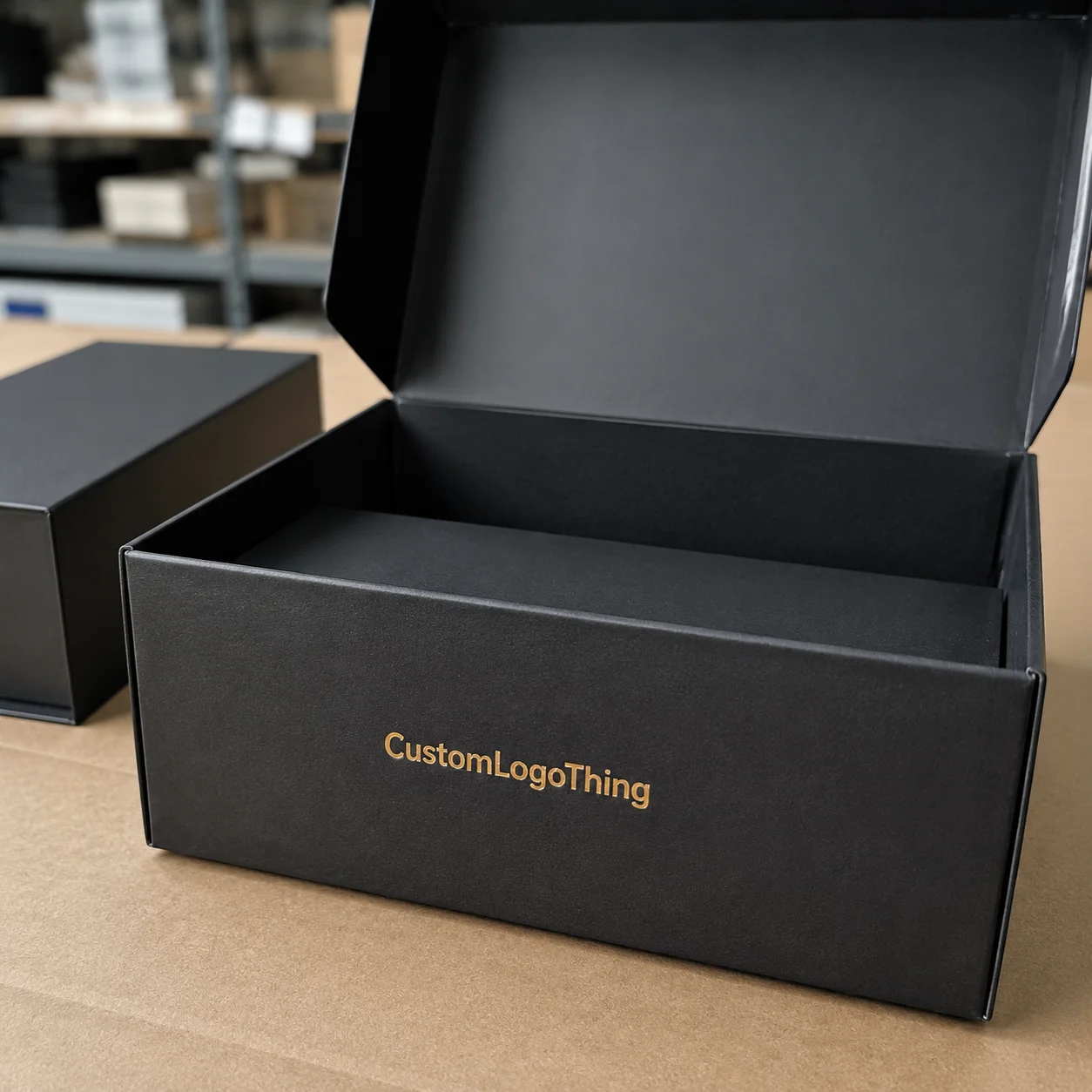
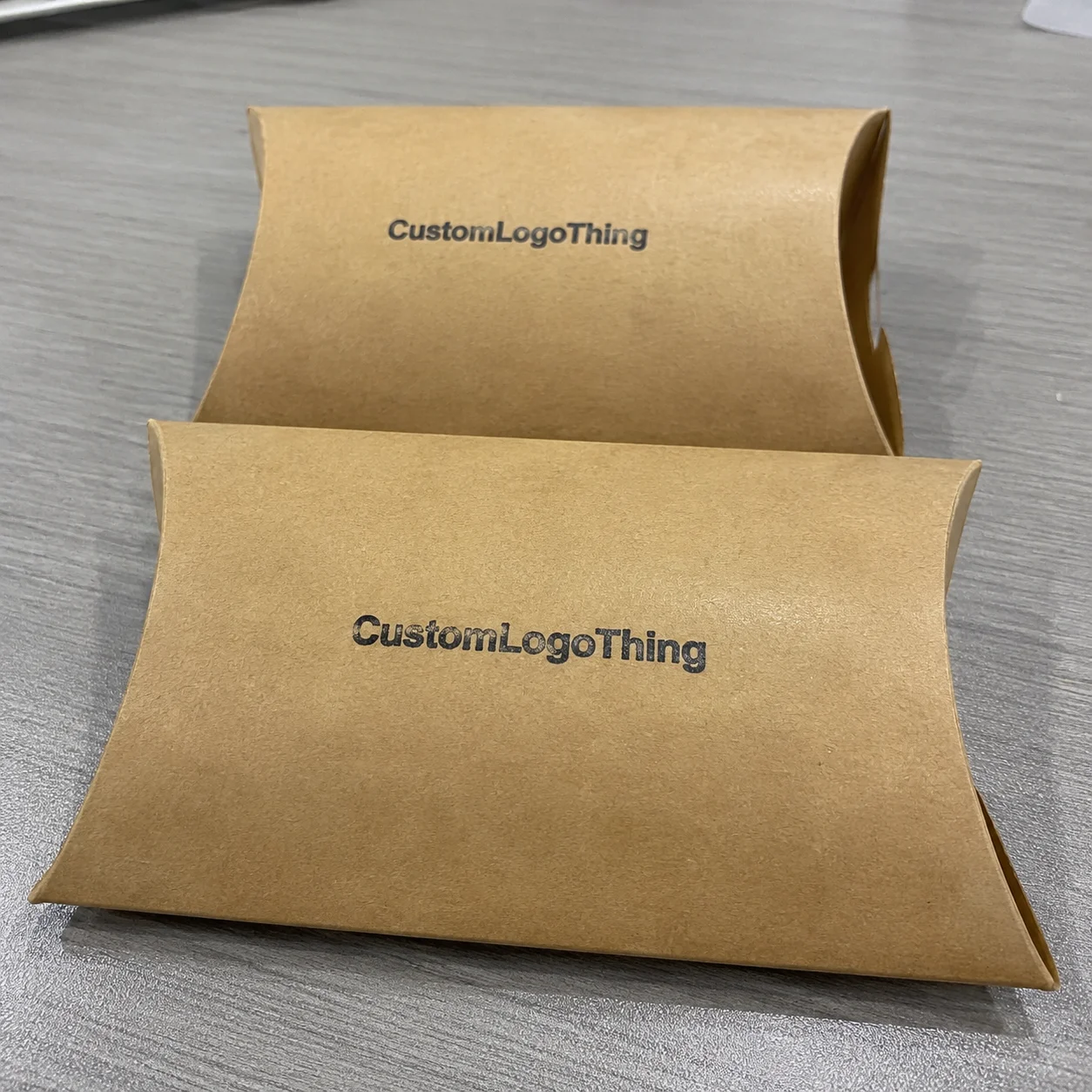
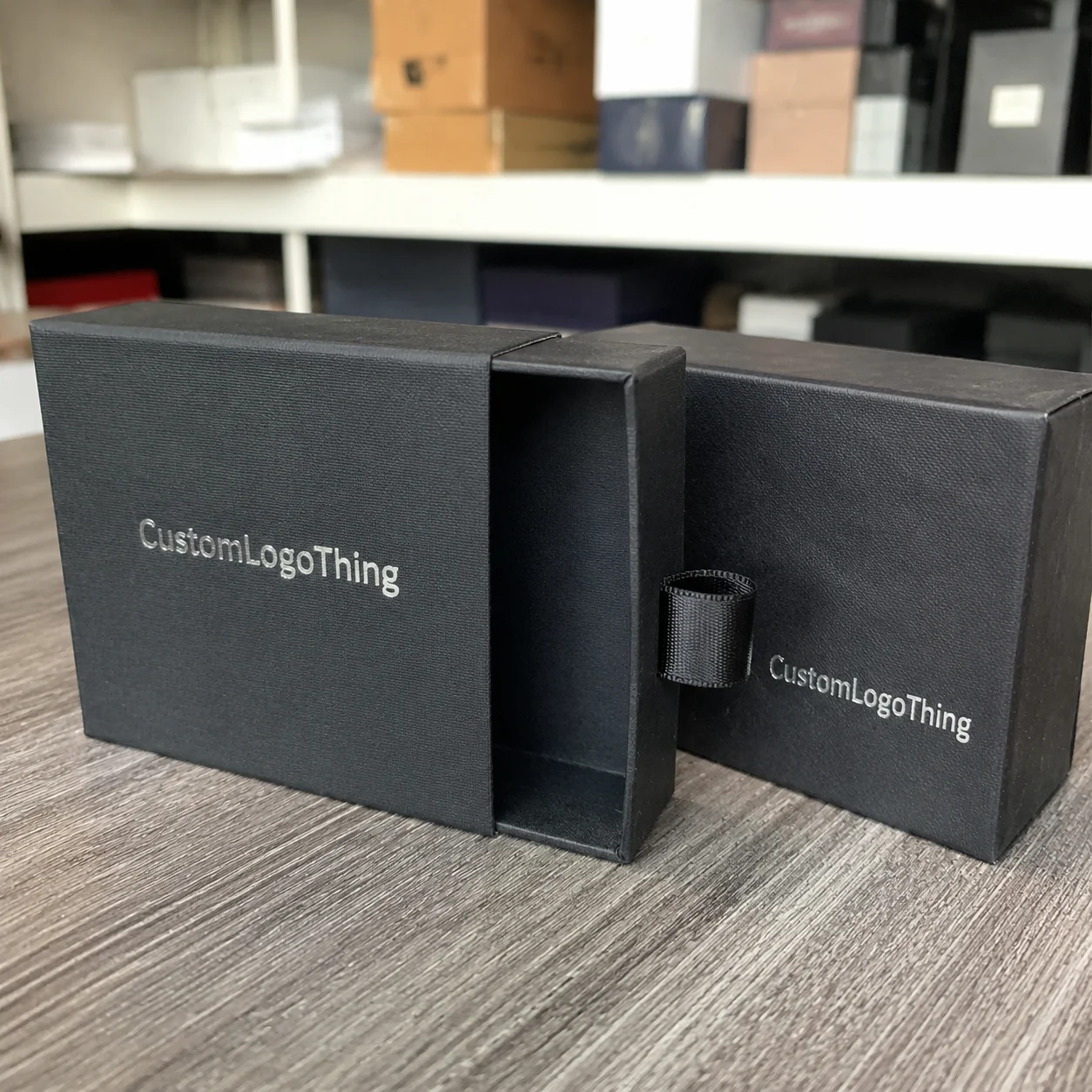
Buyer Fit Snapshot
| Best fit | Shipping Boxes Manufacturer projects where brand print, material claims, artwork control, MOQ, and repeat-order consistency need to be specified before quoting. |
|---|---|
| Quote inputs | Share finished size, material target, print colors, finish, packing count, annual reorder estimate, ship-to region, and any compliance wording. |
| Proofing check | Approve dieline scale, logo placement, barcode or warning zones, color tolerance, closure strength, and carton packing before bulk production. |
| Main risk | Vague material claims, crowded artwork, missing packing details, or unclear freight terms can make a low unit price expensive after revisions. |
Fast answer: Shipping Boxes Manufacturer: Structure, Print Proof, Packing, and Reorder Risk should be specified like a repeatable production item. The safest quote records material, print method, finish, artwork proof, packing count, and reorder notes in one written spec.
Production checks before approval
Compare the actual filled-product size with the drawing, then confirm tolerance on folds, seals, hang holes, label areas, and retail display edges. Reserve space for logos, QR codes, warning copy, and material claims before decorative graphics fill the panel.
Quote comparison points
Review material grade, print process, finish, sampling route, tooling charges, carton quantity, and freight assumptions side by side. A quote is only useful when the supplier can repeat the same color, closure quality, and packing count on the next order.
I still remember the first time I stood beside a corrugated line in Dongguan, China and watched a shipping boxes manufacturer spit out thousands of cartons before lunch. The machine noise was brutal. Paper dust got everywhere. The line operator at the end of the floor was stacking pallets with the kind of speed that makes you wonder if humans are secretly part forklift. That day changed how I think about packaging. A shipping boxes manufacturer is not just a place that makes boxes. It’s engineering, order fulfillment, print control, and logistics crammed into one extremely unglamorous business, often running 18 to 24 hours a day when orders are heavy.
If you’re buying Packaging for Ecommerce shipping, warehouse storage, or product launches, a cheap price on a spreadsheet won’t save you. You need package protection, a clean spec, and a shipping boxes manufacturer that can repeat the same result on the next order. That’s the part people miss. Boxes look simple until your product arrives crushed, warped, or rattling around inside a carton that was “close enough.” I’ve seen beautiful products show up looking like they went ten rounds with a brick wall. Nobody wants that phone call, especially after paying $0.72 per unit and expecting miracles.
Shipping Boxes Manufacturer: What They Actually Do
A real shipping boxes manufacturer takes linerboard and corrugated board, then turns it into something that survives transit packaging, stacking, handling, and the occasional forklift mistake. On paper, that sounds basic. In practice, it means controlling board grade, flute profile, print registration, glue performance, and die-cut tolerances down to a few millimeters. On a 5,000-piece run in Foshan, I’ve seen a factory reject a full stack because the crease depth was off by 1.5 mm. Annoying? Yes. Expensive? Less than a customer claim later.
There’s a big difference between stock cartons, custom boxes, and fully engineered shipping cartons. Stock boxes are the off-the-shelf stuff with standard dimensions and no branding. Custom boxes are made to your size and can include print, but they may still use a standard structure. Engineered cartons are the boxes a serious shipping boxes manufacturer builds around weight, drop risk, dimensional weight, and warehouse storage conditions. Those are the ones I trust when the product costs more than the carton does. Honestly, I think that’s the whole game right there. If your SKU is worth $18 and your carton costs $0.38, you can still afford to think like an adult.
Here’s what most people get wrong: they think a cheap box supplier and a real shipping boxes manufacturer are interchangeable. They’re not. A broker can resell boxes. A manufacturer can source paper, run the corrugator, print the graphics, cut the blanks, glue the folds, bundle the cartons, and palletize for shipment. That control matters when you need consistency across 5,000 units, not just a one-time deal. It also matters when your warehouse in Atlanta needs the next batch on the same 48" x 40" pallet spec as the first one.
In one of my early factory visits in Shenzhen, I watched a production manager stop a run because the glue line was 2 millimeters off. Two millimeters. Most buyers would never notice. The cartons would still fold. But a good shipping boxes manufacturer knows that tiny errors can become crushed corners, weak seams, and damaged returns later. That’s the difference between made and made properly. The plant didn’t stop for drama. It stopped because 2 mm on a 350gsm C1S artboard over corrugated can turn into a headache on a truck to Chicago.
The supply chain role is pretty straightforward once you strip away the sales fluff. A shipping boxes manufacturer usually handles sourcing paper, converting board into blanks, printing graphics, folding and gluing, packing by bundle count, and shipping to your warehouse or 3PL. Some also handle inserts, dividers, or paired packaging formats like Custom Shipping Boxes and mailers for smaller SKUs. If you want a broader packaging system, you can also browse Custom Packaging Products and keep the spec consistent across channels. For brands shipping from Los Angeles, Dallas, and New Jersey at the same time, that consistency saves real money.
“The box looked fine until we stacked 18 pallets in the Chicago warehouse. Then the weak board grade showed up like a bad customer review.”
— one of my retail clients, after a very expensive lesson
How a Shipping Boxes Manufacturer Process Works
A good shipping boxes manufacturer process starts with a quote request, but the real work begins when somebody asks the right questions. I’ve sat in pricing meetings where a buyer said, “We need a box for candles.” That’s not a spec. That’s a headache. A proper quote needs dimensions, product weight, insert details, flute type, print area, warehouse conditions, and whether the box is going by parcel or freight. For a scented candle set shipping from Suzhou to a 3PL in Phoenix, those details can change the board recommendation in under 10 minutes.
Step one is usually a request for quote. The manufacturer gathers box dimensions, board grade, flute type, print needs, stacking requirements, and shipping environment. If you’re moving fragile goods through ecommerce shipping, the answer changes fast. A 9x6x4 box for apparel is not the same as a 12x12x10 carton for glassware. A serious shipping boxes manufacturer will ask for exact product measurements, not the roughly fits version that creates damage claims later. If you send “about 10 inches,” you’re asking for trouble. If you send 10.25" x 7.75" x 3.5" plus a 0.125" insert, you’re finally speaking packaging.
Then comes sampling. I’m biased here because I’ve seen too many people skip it to save $80 and then lose $8,000 on bad inventory. A physical sample catches issues a PDF never will. One client approved artwork on screen, but the sample showed that the logo sat too close to the tuck flap and got chewed up during folding. The shipping boxes manufacturer fixed it before production, which saved us a truckload of regret. Sample charges usually run $30 to $150, and if the factory is in Guangzhou or Ningbo, shipping the sample can add another $12 to $35 by courier.
Production itself usually follows a sequence: board converting, printing, cutting, creasing, gluing, bundling, and palletizing. The exact order depends on whether the plant uses flexographic printing, litho-lamination, or digital short-run methods. For a standard run, I’ve seen a shipping boxes manufacturer turn around quotes in 1 to 2 business days, samples in 5 to 10 business days, and production in 12 to 18 business days after proof approval. In my last Shenzhen sourcing trip, one factory promised 12 business days and hit day 13 with the finished pallets ready for pickup. Freight scheduling adds its own clock. If the cartons are shipping cross-country, add 3 to 7 more days depending on lane and pallet count.
Delays usually come from three places: artwork approvals, board shortages, and rushed revisions. I once had a buyer change the box depth three times after approving the first dieline. The factory didn’t laugh. I did, later, after we paid for a second round of plates. A disciplined shipping boxes manufacturer will warn you early, but some buyers still treat box specs like a moving target. It’s like asking someone to build a staircase while you keep changing where the floor is. The price for that behavior can easily be $150 to $600 in plates and setup, plus lost time.
For larger programs, the factory may also test board strength using standard methods like ASTM protocols for compression and stacking, and some buyers ask for guidance aligned with ISTA packaging test standards. If you’re sending products through rough carrier networks, that conversation matters. I’ve seen good enough boxes fail after two distribution touches. That’s not the carrier’s fault every time. Sometimes the spec was just too light. For a 15 lb shipment leaving a warehouse in Illinois, a 32 ECT carton might be fine. For the same product going through freight in Houston in August, I’d push harder on board grade.
Key Factors That Affect Shipping Box Quality and Cost
The first thing that drives cost is board material. A shipping boxes manufacturer can build from different paper grades, and the grade you choose changes both strength and price. Kraft linerboard usually offers solid durability and a clean natural look. Recycled content can lower cost, but not always. The final number depends on the mill, the flute profile, and whether you’re buying in pallet quantities or truckload volume. For example, a 350gsm C1S artboard wrap on a premium retail shipper costs more than a plain kraft liner, but it also gives you a much cleaner print face for logos and product photography.
Flute selection matters more than most buyers think. E-flute is thin and good for sharper print and lighter products. B-flute is thicker and better for package protection when the carton needs more crush resistance. Double-wall corrugated is the heavy hitter for freight shipments, industrial goods, and high stacking loads. I’ve had a shipping boxes manufacturer recommend B-flute over E-flute for a cosmetics client simply because the warehouse stack height was 7 feet. Pretty boring detail. Pretty expensive mistake if ignored. If your cartons are going into a Dallas fulfillment center with 10 pallets stacked high, flute choice is not trivia.
Then there’s print. One-color flexo printing is usually the cheapest branded option. If you want high-end graphics, spot colors, or a fully wrapped exterior, costs climb fast. A custom shipping carton with simple black print might land around $0.72 to $1.10 per unit at 5,000 pieces, depending on size and board grade. The same box with premium print treatment can move into the $1.35 to $2.10 range. Small runs cost more. That’s not a scam. It’s setup math, plates, labor, and material waste. I’ve seen a 2,500-piece order in Dongguan priced at $0.94 per unit for a plain one-color box, while the exact same size with a matte laminated exterior jumped to $1.76.
Here’s a simple pricing comparison I’ve used in real sourcing calls with a shipping boxes manufacturer:
| Box Type | Typical Use | Approx. Unit Price | Setup Impact |
|---|---|---|---|
| Stock corrugated carton | Basic storage and moving | $0.30 to $0.75 | Low |
| Custom unprinted carton | Ecommerce shipping and fulfillment | $0.55 to $1.05 | Moderate |
| Printed custom shipping box | Branding plus package protection | $0.72 to $2.10 | Higher |
| Double-wall engineered carton | Heavy freight and stacking | $1.20 to $3.50 | Highest |
That table is a rough market guide, not a promise. A shipping boxes manufacturer will price based on box size, run length, print color count, board weight, and shipping destination. I’ve seen freight alone add $0.18 to $0.45 per box on smaller orders, which is why buyers obsessed with unit cost often miss the real total. The landed cost is what matters. Not the pretty number in the first column. If your factory is in Xiamen and your warehouse is in Ohio, truck or ocean freight can move the final cost more than the carton itself.
Quantity changes everything. A 500-box order can cost dramatically more per unit than a 10,000-box run because the setup fees get spread over fewer cartons. Tooling and plates can also add $150 to $600, sometimes more if the graphics are complex. A shipping boxes manufacturer that quotes very low on small quantities without mentioning setup is usually hiding the part that shows up later. That’s not uncommon. It’s just annoying. One client of mine in Austin learned that the hard way when a $0.58 quote turned into $0.91 after artwork setup and pallet charges were added.
Strength testing matters too. You’ll hear terms like edge crush resistance, stacking performance, and burst strength. For heavier shipments, those specs are not decorative. They tell you whether the carton will survive warehouse compression and transit packaging stress. If your boxes sit on a pallet for 10 days in a humid trailer, a weak spec will fail faster than a sales rep can say it should be fine. A 32 ECT carton and a 44 ECT carton are not the same animal. One is for lighter loads. One is for a bad day and a lot of weight.
Humidity, temperature, and freight mode all change performance. A shipping boxes manufacturer building for cold storage needs different board behavior than one producing for dry warehouse distribution. This is where honest manufacturers stand out. They’ll tell you when the design needs reinforcement, even if that costs more. Cheap sellers will nod and take your money. Guess which one gets the repeat order. If your cartons are sitting in a humid warehouse in Savannah or moving through refrigerated lanes in New Jersey, that board choice is not optional.
For buyers who also ship smaller units, a mixed packaging program can help. I’ve seen brands pair corrugated shipper cartons with Custom Poly Mailers for apparel or soft goods, which reduces dimensional weight and cuts freight on lightweight orders. A good shipping boxes manufacturer may even help you segment those SKUs so you’re not overpackaging everything like it’s made of glass. If a 7-ounce hoodie can go in a mailer that costs $0.15 per unit for 5,000 pieces, why send it in a giant shipper and pay for air?
What should you ask a shipping boxes manufacturer before ordering?
Ask about board options, minimum order quantities, sample policies, and production lead times. Confirm whether they can match your required strength and shipping conditions. Request exact dimensions and artwork approval steps in writing. A serious shipping boxes manufacturer won’t dodge those questions. Ask where the boxes are made too — Dongguan, Shenzhen, Ningbo, or Qingdao all have very different factory ecosystems and freight routes.
How to Choose the Right Shipping Boxes Manufacturer
Choosing the Right shipping boxes manufacturer is not about finding the cheapest quote. It’s about finding the supplier that can make the same box consistently, on time, with the right board grade and the right print. I’ve sat through enough supplier negotiations to know that low prices can hide weak quality control, inconsistent lead times, and surprise fees that show up like bad tax advice. A factory in Shenzhen might be 8% cheaper than one in Dallas, but if the lead time slips by two weeks, that savings disappears fast.
Ask direct questions. What board grades do they carry? Can they do custom dimensions? Do they offer structural testing or at least board recommendations? How do they handle artwork approval? What are the minimum order quantities? A competent shipping boxes manufacturer answers those questions in specifics, not in marketing fluff. That phrase usually means we’ll figure it out after you pay. If they can’t tell you whether they use ECT or burst test ratings, keep walking.
Location matters more than buyers admit. If your fulfillment center is in Texas and your boxes are coming from the West Coast, freight can wipe out savings fast. I once watched a brand switch to a cheaper shipping boxes manufacturer three states away, only to spend an extra $1,400 per truckload moving empty cartons. On paper, they saved $0.06 per unit. In reality, they paid more. Classic spreadsheet illusion. If your warehouse is in Nashville and your supplier is in Ontario, the math gets interesting in a hurry.
Red flags are pretty easy to spot once you’ve done this a while. Vague specs. No sample process. Lead times that sound magical. Quotes that change every time you ask for a clarification. A factory tour without actual production happening. And yes, polished sales decks can hide a lot. I’d rather see real production photos, pallet shots, and reference orders from a shipping boxes manufacturer than a shiny PDF with stock imagery of cardboard unicorns. If the plant can’t show you a stack of 48" x 40" pallets in production, I’m not impressed.
Here’s a quick comparison that helps buyers separate supplier types:
| Supplier Type | Best For | Risk Level | What You Get |
|---|---|---|---|
| Broker / reseller | Simple sourcing requests | Medium | Access to multiple factories, less control |
| Small converter | Short runs and local service | Medium | Faster communication, limited capacity |
| Full shipping boxes manufacturer | Custom, repeatable production | Lower if vetted properly | Better control over specs, quality, and timing |
Minimum order quantities can be a problem for smaller brands, and I’m not going to pretend otherwise. A startup might only need 300 boxes, but a shipping boxes manufacturer may require 1,000 or 2,500 pieces just to make the run worth the setup time. That doesn’t mean you’re stuck. It means you should either standardize the size, combine SKUs, or plan a pilot order before scaling. I’ve seen a founder in Portland combine two similar SKUs into one carton size and save $0.22 per box on a 5,000-piece run. Not glamorous. Very effective.
One more thing: don’t confuse a good sales rep with a good factory. I’ve had lovely sales conversations that ended in disaster because the production team never got the spec right. The manufacturer matters. The people running the line matter. If you can, ask for a plant visit or a video call from the floor. A real shipping boxes manufacturer won’t be offended by that. In fact, the better factories in Guangzhou and Qingdao usually welcome it because their equipment and QC process can speak for themselves.
Step-by-Step: Ordering from a Shipping Boxes Manufacturer
Ordering from a shipping boxes manufacturer is easier when you stop guessing and start documenting. I’ve seen procurement teams waste weeks because one person measured the product with inserts and another used bare product dimensions. Same box request. Different numbers. Same disaster. If the final carton is supposed to be 12.25" x 9.5" x 4.25", write that down once and stop freelancing.
- Measure the product accurately. Use exact outer dimensions, plus any insert, wrap, or void-fill needs. If the product shifts, the box is too loose.
- Select the box style and board strength. Match board grade and flute type to fragility, stacking pressure, and transit distance. A shipping boxes manufacturer can help here, but only if you give real data.
- Request at least three quotes. Keep the specs identical. If one supplier quotes E-flute and another quotes B-flute, that comparison is useless.
- Review dielines and samples. Check art placement, fold direction, edge fit, and panel overlap before approving production.
- Confirm timing and freight. Ask for production lead time, pallet count, freight method, and receiving requirements in writing.
- Inspect the first shipment. Open cartons, check print quality, test fit, and verify stack performance before you reorder 10,000 units.
A proper shipping boxes manufacturer should also tell you how the boxes will ship. Pallet count matters. Receiving dock rules matter. If your warehouse charges by appointment or has a tiny dock door, that affects delivery more than the box price ever will. I once had a shipment delayed two days because the carrier arrived on a trailer type the warehouse couldn’t unload. Nobody budgeted for reality. Shocking, I know. The shipment was 24 pallets, and the dock only handled one trailer height. Everybody acted surprised, which was adorable.
One practical tip: ask for a receiving spec sheet. It should list carton count per pallet, pallet height, gross weight, and whether the load is stretch-wrapped or banded. A good shipping boxes manufacturer will know this stuff cold. If they don’t, you may be dealing with a middleman pretending to be a factory. A decent spec sheet can save you two phone calls, one warehouse argument, and a driver detention fee you didn’t need.
Common Mistakes Buyers Make With Shipping Boxes
The biggest mistake is choosing the cheapest quote and acting surprised when the boxes fail. I’ve watched brands save $300 on a run, then spend $2,000 replacing damaged goods and handling complaints. That’s not savings. That’s a slow leak. If a carton needs to survive shipment from Shenzhen to Kansas City, the cheapest board grade is usually the wrong hill to die on.
Another common error is sending rough dimensions instead of exact measurements. If your product is 11.8 inches wide with a 0.2-inch insert, that is not the same as about 12 inches. A shipping boxes manufacturer can work with exact numbers. They cannot engineer against guesswork. I once saw a 0.4-inch error create a loose fit that caused corner crush on 3,000 units. That mistake cost far more than a measuring tape.
Skipping samples is another classic. A PDF proves the logo is centered. It does not prove the carton closes, stacks, or resists crush. A physical sample from a shipping boxes manufacturer is the cheapest insurance you’ll buy all quarter. Usually around $30 to $150, depending on structure and print complexity. Cheap compared to a failed launch. One sample can also reveal whether your 350gsm C1S artboard wrap scuffs during folding, which a screen never tells you.
People also forget freight. A low unit price can vanish once pallet shipping, liftgate fees, and remote delivery charges get added. I’ve seen freight add 12% to 28% to the total landed cost on smaller orders. If you’re working with a shipping boxes manufacturer, ask for the box price and freight price separately, then review them together. If the cartons are leaving a plant in Ningbo for a warehouse in Orlando, the freight quote deserves its own spreadsheet line.
Finally, too many buyers order too late. If your launch date is fixed and your lead time is 15 business days, don’t start sourcing with a 10-day buffer. That math is not mysterious. It just hurts more when the campaign is already live and your boxes are still on a pallet somewhere in transit. If your proof approval happens on a Tuesday, production often lands around 12 to 15 business days later, not whenever marketing decides to panic.
Expert Tips for Working Better With a Shipping Boxes Manufacturer
Tell the shipping boxes manufacturer how the carton will actually be used. Parcel or freight? Hot warehouse or cold storage? Humid climate or dry air? Will the boxes sit in order fulfillment for two days or two months? Those details change the material recommendation. If you don’t share them, you’ll get a generic answer. Generic is usually expensive later. A carton built for a dry warehouse in Phoenix will not behave the same as one stored in Miami in July.
Ask for alternate specs. Sometimes a slightly different flute or a modest change in box style can shave cost without hurting performance. I once helped a client move from a fully custom structure to a standard-size shipper with revised inserts. The carton cost dropped from $1.48 to $0.97 per unit, and the package protection stayed solid. That kind of adjustment is why a smart shipping boxes manufacturer is worth keeping around. We kept the same print, switched the insert, and saved enough to cover a whole pallet of freight.
Negotiate on total landed cost, not just per-box price. Freight, tooling, sample charges, and palletization all matter. If a supplier only talks unit price, they’re either inexperienced or hoping you won’t ask the follow-up questions. I prefer a shipping boxes manufacturer that puts every charge on the table. Saves everybody time. And fewer surprises are always nice. A quote with $0.88 per unit, $240 for plates, and $310 freight is more useful than some vague “best price” nonsense.
Use standard sizes whenever possible. Custom dimensions are great, but standard sizing often reduces setup costs and speeds production. For some brands, standardizing two box sizes can simplify inventory and reduce dimensional weight charges. That’s real money. Not theory. I’ve seen a retailer cut annual shipping materials spend by $18,000 just by eliminating three odd-sized cartons. One 14x10x6 shipper and one 18x12x8 shipper solved what three custom sizes had been making worse.
Build a reorder buffer. Panic-buying boxes is a terrible hobby. A buffer of 15% to 20% can keep you from paying premium pricing or airfreight fees when you run low. A shipping boxes manufacturer will treat planned reorders better than emergency ones. Factories love predictable schedules. They also love not being yelled at for a problem you created last week. If you reorder at 2,000 units every 45 days, the plant can plan. If you call at 4 p.m. and need 8,000 cartons by Friday, you’ll get the full “emergency pricing” experience.
Keep one internal spec sheet. One document. One source of truth. Dimensions, board grade, flute, print colors, pallet count, freight terms, and approved sample photos. If procurement, operations, and design all use the same sheet, your shipping boxes manufacturer gets cleaner orders and you get fewer mistakes. That’s not glamorous. It just works. A single PDF or spreadsheet in your shared drive is cheaper than the three-way email mess most teams create.
For companies with broader packaging needs, I’d also recommend reviewing your full lineup at About Custom Logo Things so your box program, branded mailers, and support materials line up instead of fighting each other in the warehouse.
What to Do Next Before You Place an Order
Before you place an order with a shipping boxes manufacturer, build a simple spec sheet. Put the exact outer dimensions, estimated quantity, print requirements, product weight, shipping method, and warehouse conditions in one place. If you skip that step, you’re basically inviting confusion and extra quotes. I’d rather see a buyer spend 20 minutes on a clean spec than 2 weeks untangling a bad one.
Get sample quotes with identical specs from multiple suppliers. If you ask three vendors for the same box and each one gives you something slightly different, stop and reset the request. A fair comparison only works when the shipping boxes manufacturer is quoting the same structure, same board, same print, and same freight terms. If one quote is for 5,000 pieces at $0.82 and another is for 2,500 pieces at $0.97, that’s not a comparison. That’s a trap.
Request one physical sample and test it with your real product. Don’t test with the sample product from marketing. Use the actual item, actual insert, and actual packing tape. I’ve watched a brand approve a box that looked beautiful but failed because the product slid 1.5 inches inside during a drop test. A good shipping boxes manufacturer will want that feedback before full production. Better to learn that in a conference room than from 1,000 angry customers.
Then compare pricing, lead time, freight, and minimums in one spreadsheet. That’s where the real decision gets made. The cheapest box is not always the cheapest option once freight and damage risk are added. Honestly, I think buyers spend too much time worshipping unit price and too little time studying the total program. A $0.15 difference per unit looks tiny until you multiply it across 10,000 cartons and add a $420 freight bill.
Document the final approved spec so every reorder matches the original box. If you’re still unsure, start with a short pilot order before scaling up. That’s how you reduce risk without freezing the whole launch. A disciplined shipping boxes manufacturer will respect that approach because it usually leads to better repeat business. A 500-piece test run in Q2 is a lot smarter than a 25,000-piece gamble in Q3.
If you’re ready to see what a custom packaging program can look like, start with Custom Shipping Boxes and compare options against your current carton spec. That’s where most teams finally realize whether they’re paying for real strength or just cardboard with a logo.
How do I compare a shipping boxes manufacturer quote?
Compare identical specs only: size, board grade, flute, print, quantity, and freight terms. Then look at landed cost, not just unit price. Check whether the quote includes plates, samples, palletizing, and shipping. If one shipping boxes manufacturer left out freight, the quote is not really comparable. I like seeing the full total for 5,000 pieces, not a half-finished number that changes later.
What is the typical timeline for a shipping boxes manufacturer order?
Quotes are often returned quickly, but sampling can take several days. Production usually depends on order size, artwork approval, and material availability. Freight timing can add extra days, especially for large pallet shipments. A shipping boxes manufacturer with in-house production usually moves faster than a reseller waiting on a third party. In practice, many orders land at 12 to 15 business days from proof approval, plus 3 to 7 days for domestic freight.
How much do custom shipping boxes usually cost from a manufacturer?
Cost depends on size, quantity, print complexity, and board strength. Small runs usually carry a higher per-box price because setup costs are spread over fewer units. Freight and tooling can change the final total more than buyers expect. I’ve seen a shipping boxes manufacturer quote $0.68 per unit, then the landed cost land closer to $1.02 after extras. For a larger 5,000-piece run, a simple printed carton may sit around $0.72 to $1.10 per unit.
What should I ask a shipping boxes manufacturer before ordering?
Ask about board options, minimum order quantities, sample policies, and production lead times. Confirm whether they can match your required strength and shipping conditions. Request exact dimensions and artwork approval steps in writing. A serious shipping boxes manufacturer won’t dodge those questions. Ask where the boxes are made too — Dongguan, Shenzhen, Ningbo, or Qingdao all have very different factory ecosystems and freight routes.
Can a shipping boxes manufacturer help with design and structural strength?
Yes, many manufacturers can recommend box styles, board grades, and print layouts. A good manufacturer will suggest changes to improve stacking strength or reduce freight damage. Bring your product weight, dimensions, and shipping method so they can engineer the right box. If they’re worth hiring, the shipping boxes manufacturer should be able to explain the trade-offs in plain language. The best ones can also tell you whether 32 ECT, 44 ECT, or double-wall corrugated is the right call for your lane.
Choosing a shipping boxes manufacturer is really about control. Control over quality. Control over timing. Control over what your customer sees when the package lands on the porch. I’ve spent enough time on factory floors in Shenzhen, Dongguan, and Ningbo to know the box is rarely just a box. It’s part packaging, part logistics, part brand promise, and part damage prevention. Pick the wrong supplier, and you’ll pay for it in replacements, freight, and customer complaints. Pick the right shipping boxes manufacturer, and the whole program gets easier, cleaner, and a lot less irritating.
The most practical next step is simple: write one exact spec sheet, get two sample quotes from a shipping boxes manufacturer, and test one physical sample with your real product before you commit to production. That’s how you catch the expensive mistakes early, when they’re still fixable.