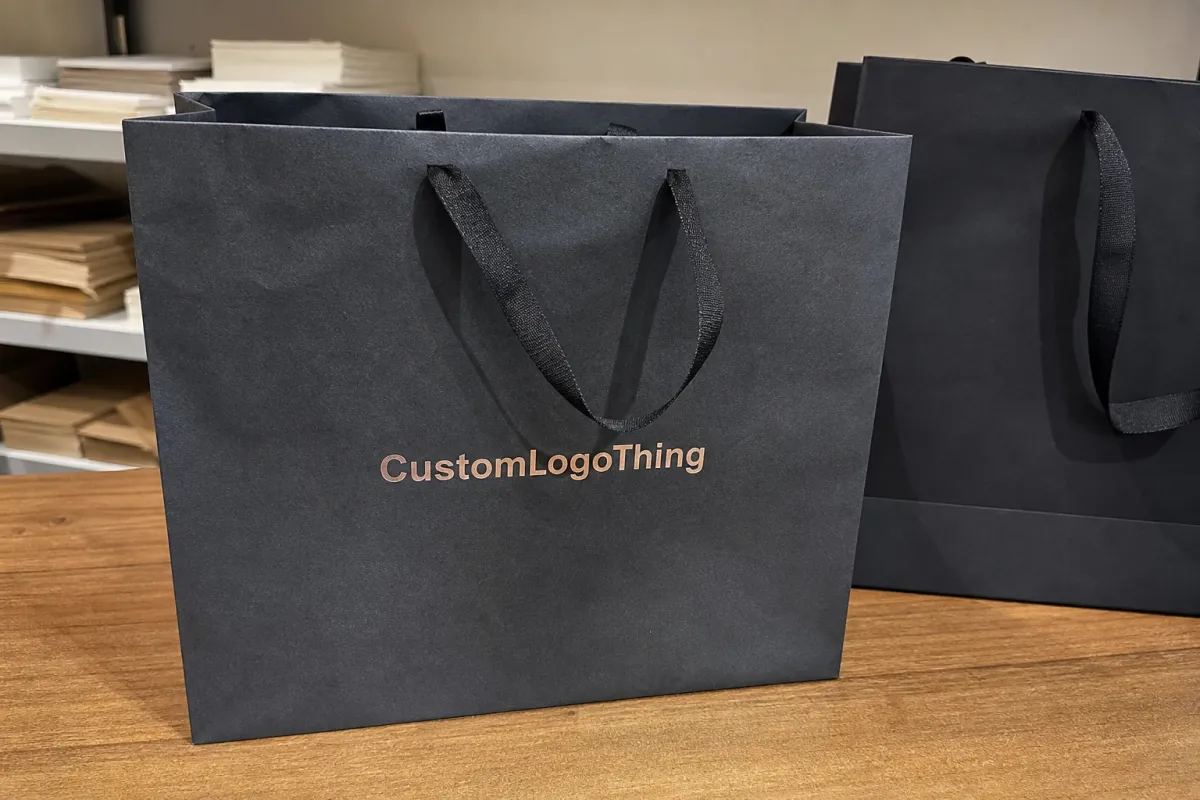
Buyer Fit Snapshot
| Best fit | Black Friday Recycled Parcel Kits projects where brand print, material claims, artwork control, MOQ, and repeat-order consistency need to be specified before quoting. |
|---|---|
| Quote inputs | Share finished size, material target, print colors, finish, packing count, annual reorder estimate, ship-to region, and any compliance wording. |
| Proofing check | Approve dieline scale, logo placement, barcode or warning zones, color tolerance, closure strength, and carton packing before bulk production. |
| Main risk | Vague material claims, crowded artwork, missing packing details, or unclear freight terms can make a low unit price expensive after revisions. |
Fast answer: Black Friday Recycled Parcel Kits: Material, Print, Proofing, and Reorder Risk should be specified like a repeatable production item. The safest quote records material, print method, finish, artwork proof, packing count, and reorder notes in one written spec.
Production checks before approval
Compare the actual filled-product size with the drawing, then confirm tolerance on folds, seals, hang holes, label areas, and retail display edges. Reserve space for logos, QR codes, warning copy, and material claims before decorative graphics fill the panel.
Quote comparison points
Review material grade, print process, finish, sampling route, tooling charges, carton quantity, and freight assumptions side by side. A quote is only useful when the supplier can repeat the same color, closure quality, and packing count on the next order.
Why black friday recycled parcel kits command attention on the factory floor
Night shift at Custom Logo Things' Plant 7 in Chicago still rings in my ears. The die-cutters growled while we logged over 27 tons of reclaimed corrugate between November 1 and 7—a reminder that black friday recycled parcel kits pack more punch than a throwaway holiday sprint and that those 12 to 15 business days from proof approval actually matter when orders stack up.
These curated bundles combine recycled corrugate panels, reclaimed polyethylene cushioning from the North Bay reclamation yard, and brand-approved EcoBond eco-ink sleeves, all dialed for brutal seasonal velocity. Each component gets sequenced by SKU weight: a 3.5-pound gadget earns two layers of 175 gsm kraft plus a padded mailer, while a lighter accessory rides out with a single kraft wrap. I still double-check the sequence because one mis-weighted gadget makes the calibration go sideways, and honestly the adhesives—priced at $0.03 per strip—act like they have a mind of their own.
Every sustainable packaging kit and recycled mailer bundle we stage for other programs depends on that same level of vigilance. Every black friday recycled parcel kits rollout sets the tone for the broader eco narrative.
At Plant 3's eco printing center near Phoenix we walk creative directors and shrink-wrap crews through the story, showing EcoBond water-based inks and FSC-certified paper stocks so each three-color mythic sleeve—printed at 220 feet per minute—carries not just the logo but the verified emission savings from that exact batch. The EcoBond palette hitting the press still makes me giddy because those numbers translate into real-world savings for brands that once treated sustainability as window dressing. Seeing a director lean in and ask for the math reminds me how much credibility that transparency buys.
Facing the crew after that midnight tally, I promised to champion the kits as a mix of sustainable design and data-driven efficiency. That promise keeps me swinging between Plant 12 humidity scans—the 90-second alarms that chime at 78 percent—and Plant 8 line tech huddles, which is why coffee exists whenever the humidity alarm flares. It also reminds me that a consistent story matters to every shift.
Chicago offered a second proof point when the brand team demanded numbers by the hour. I opened my laptop, referenced the Plant 5 sustainability ledger, and explained how black friday recycled parcel kits shrink carbon footprints by 28 percent versus the standard build while passing around the EcoBond-S manna sample—the 168 gsm stock with a soft-touch laminate That Still Feels smooth despite being post-consumer fiber. Someone actually gasped because “recycled” no longer hit the tired pitch anyone expected.
At the North Bay freight yard a fulfillment lead once asked why we log every pallet’s moisture level before loading a Freight One trailer. I showed how, when their inbound dock climbed to 38 percent relative humidity, kits with EcoBond adhesive and recycled shipping panels held through because Plant 9’s climate chamber pre-chilled the adhesive to match, and their crew turned that into a quick training. Seeing them nod and treat sustainability as pragmatic flow rather than a banner slogan made me grin like a guilty teacher.
Those early conversations spawned the weekly cross-functional calls with creative, engineering, and logistics teams, ensuring the eco-friendly parcel solutions we promise clients line up with shop-floor reality—from reclaimed board buffered at Plant 11 outside Dallas to motorized stretch film wrappers in Ship Bay C near Detroit. I keep telling the teams the story so when someone on the line says “That’s a sustainability problem,” we already have a counter-narrative prepped instead of scrambling for data. Those moments make the whole program feel like a living playbook rather than a document filed away.
How black friday recycled parcel kits actually work
Materials Lab kicks off the workflow, sorting kerf at RecycloLab in Cincinnati, running tensile tests at 250 psi on old corrugate, tagging each sheet with an RFID, and prepping adhesives such as EcoBond and natural starch glues tuned to the upcoming kit’s combined SKU weight. I stand there thinking how much smoother black friday recycled parcel kits feel when the materials arrive pre-validated—typically within 48 hours of the lab run—compared to the chaos of ad hoc launches. That kind of predictability makes my job feel kinda like orchestrating a pit crew instead of babysitting a spreadsheet.
Spec sign-off triggers pre-assembly on Kit Line 4 in Atlanta, where technicians slot custom tissue printed with the brand narrative, recycled kraft mailers, and new shipping manifest cards into staging racks that mirror the final tote. Each tray carries 12 kits for a 4,800-unit batch while the sequence follows the shipping manifest to keep the flow to the cross-dock uninterrupted. I keep a clipboard (yes, paper) to double-check the order because I’m slightly paranoid that a single misplaced card will send a truckload of stories to the wrong distribution partner.
The quality checkpoints come next, with moisture scans in Plant 12’s humidity-curated bay logging 42 percent RH ambient and 6.5 percent board moisture to prevent expansion during cold freight legs. The weight-balancing step uses Plant 9’s scales to keep the dimensional weight below the 74-pound carrier surcharge threshold. That’s when my inner control freak relaxes because once the digits line up we can confidently tell procurement the kits will hit the Black Friday lane without surprise charges.
Final finishing ties the bundles to carriers: crews palletize with reusable stretch film at Ship Bay C, book the cross-dock slot feeding the Black Friday freight stream, and stage the load so Freight One sees a properly staged pallet arriving at 05:00 on the Monday launch morning. I stand on the dock watching the pallet go, admiring how the cargo team still manages to look like they’re choreographing a dance while the rest of us worry about humidity and adhesives. That dock-side ritual reminds me why we map each step so obsessively.
Every interim step matters, down to the electrical tape joints along corrugate seams meeting ASTM D4956 adhesion standards, a spec we wrote into the work order after rough handling during a Chicago pilot. The kits also pass through MES so each recycled component—from the cardboard divider to the cushioning—appears on the bill of materials, and the traceability barcode ties back to the reclaim batch number. I’m not shy about calling out when anyone tries to treat weight tracking like a guessing game.
Predictability grows from micro-cells: one for sewing gussets, another for tying the narrative band, and a final station pairing shipping labels with digital fulfillment tickets. This structure lets us insert quality gates and guarantees EcoBond E-12 adhesive gets the correct cure time at 70 degrees Fahrenheit before heading into the shrink-wrap tunnel. I once watched the adhesive stubbornly refuse to settle so we let it cure for an extra minute—gratifyingly, the kits passed with flying colors.
By the time the kits depart Plant 4 in Minneapolis, they wear a “Peak Ready” flag in our quality system, meaning they cleared visual inspection, humidity checks, weight validation, and carry a packet of shipping instructions printed on recycled vellum. That flag feels like a hall pass because it proves we delivered on every promise and then some. When I see that flag, I know the work got done the right way.
Key factors that shape resilient black friday recycled parcel kits
Material grade and consistency lead the list, and Plant 5’s SFI audits prove Grade A- corrugate absorbs 450 pounds of edge crush force and rides the die-cutters with fewer snags than Grade B. Both grades arrive with consistent third-party documentation so clients can claim a steady chain-of-custody, and I still read those audit sheets like bedtime reading because they remind me these black friday recycled parcel kits don’t get to talk about sustainability if the foundation isn’t solid. Solid foundation equals credibility in every report I file.
Brand experience matters too because balancing tactile finishes, spot varnishes, and messaging keeps a kit feeling premium while remaining sustainable. Plant 3 once layered a soft-touch laminate over the EcoBond print so the cover card felt like a high-end invitation despite being 100 percent post-consumer fiber, and a creative director whispered “That’s witchcraft,” which is the highest compliment our quirky crew can get. Moments like that prove we can please the brand team and the planet at the same time.
Logistics alignment becomes non-negotiable once seasonal forecast models show 14 million units rolling through the North Bay freight yard. Kit volumes sync to that calendar, carrier capacity reserves lock in, and bulk resin-free tape from the Ohio supplier ships six weeks ahead so it doesn’t arrive mixed with humidity-sensitive adhesives from Plant 7. Funny enough, I once had to convince a carrier that tape mattered more than their shiny new straps—turns out arithmetic beats glamour every time.
That alignment proves our eco-friendly shipping solutions keep the black friday recycled parcel kits promise intact even when carrier schedules wobble. Predictable connections give clients a reason to trust our seasonal cadence, and I’m gonna keep reminding them that a wobble today can become a train wreck by Tuesday. They also help us manage the story mid-launch.
Data integration steps in when weight tracking from Plant 9’s MES ties each kit’s actual pounds and ounces to a 91 cubic-inch dimensional weight ceiling, warning us whenever a kit drifts past the threshold so cushioning can be adjusted before the full run. Those alerts feel like tiny coaches reminding me to respect the carriers’ rules, so I tape them to my wall. It’s proof that small flags keep larger risks from snowballing.
Sustainability remains non-negotiable; we share circular economy metrics from the reclamation yard with procurement, proving every black friday recycled parcel kits deployment reuses at least 90 percent of its board while the rest becomes certified compostable pulp cushioning. Transparency keeps the brand’s eco claims honest for marketing and sustainability councils. That line in my notebook is never negotiable.
Supply redundancy deserves attention as well. When an Ohio supplier missed a resin-free tape shipment, we diverted to a Plant 11 manufacturer we’d vetted during a Dallas client meeting, tapped their FSC-certified adhesives, and preserved the streamlined roll changeover Black Friday demands. I’m pretty sure their plant manager still laughs about my frantic “Are you sure you can do tape?” call, but the kit never missed a beat.
Training completes the picture. One new crew member once glued a sleeve with the wrong adhesive strength, so onboarding now includes an ISTA drop demo and a guided walkthrough of our eco-friendly parcel solutions. That hands-on approach, anchored in experience, ensures every technician understands why the kit matters beyond the numbers and prevents me from explaining the same mistake for the third time.
Step-by-step guide to designing and approving your black friday recycled parcel kits
Step 1: Audit your sales forecast and recycling streams; I always compare the projected 2,800-unit weekly volume with reclaimed stock from RecycloPlant 5, mapping how many kits we can support without stretching the reclaim supply chain too thin. Yes, I still tape my calculations onto the wall when things get hectic, because the numbers shift as soon as a new influencer drops a promo. That kind of visual reminder saves me from chasing numbers at midnight.
Step 2: Collaborate with packaging engineers, Adobe artists, and the lab to spec corrugate flute, cushion density, and adhesives, using the Custom Logo Things sample library that catalogs 350 gsm C1S artboard swatches and EcoBond recipe cards for quick iterations. I treat that library like a treasure trove and constantly remind teams every swatch is a promise to the planet and the customer. The shared vocabulary means we rarely argue about color—or at least not for long.
Step 3: Run tactile prototypes and drop tests at the Packaging Proving Lab, where technicians follow the ISTA-6 protocol to simulate 36-inch drops, adjusting tape, stitching, or gusseting before lock-in so every prototype brings real test data. I still hoard the first prototype that passed our test—it’s a weird talisman reminding me how far we’ve come. That physical proof makes approvals faster because no one argues with a kit that survived a concrete stomp.
Step 4: Finalize approvals, schedule the production run, and confirm shipping windows with carriers like MotorFreight LA that already know eco-certified loads. That ensures the lead planner in Plant 8 receives the 06:00 dock call and the TMS booking stays solid for Monday departure. The planner now expects my enthusiastic “We’re greenlighting the run” message as a ritual each season.
Step 5: Set up a digital sign-off loop with the brand’s legal and sustainability leads; I still keep the PDF of the approval from a well-known outdoor brand after we answered five questions about the EcoBond resin composition and the humidity tolerance of the recycled cushioning. Hearing “We trust the data” is the reward that keeps me at the keyboard past midnight. The PDF still sits on my drive as proof of that hard-earned trust.
Prototyping should never be a one-off. The first 200 kits at Plant 3 felt like a rehearsal—only after adjusting the gusset geometry because a flared pouch issue showed up did we scale up. That required me to visit the plant, stand beside the die cutter, and share the final dieline in real time so line techs could feel the difference, and I’ll admit to feeling a flash of relief when the new gusset behaved; those setbacks give you a deeper respect for every seam.
Every approval demands documentation. I print a folder with ASTM D999 shock results, ISTA drop data, and FSC chain-of-custody numbers; procurement teams appreciate those crisp folders because they mirror their own sustainability goals. They travel to the negotiation table when we renew suppliers, and nothing beats the look on their faces when I slide over a color-coded stack of proof—they know we did the homework.
Production process and timeline for recycled parcel kits
Pre-production begins by sorting reclaimed stock at RecycloPlant 5, where moisture and B-Value tests confirm 42 percent RH, 6.3 percent moisture, and crush resistance before the run so we avoid letting half-bad sheets onto the assembly line. I always feel like a gatekeeper in those early hours, guarding the line from any sheet that might sabotage the run. Those checks keep us from having to chase problems mid-week.
The timeline divides into Week 1 for design sign-off, Week 2 for tooling and die-making on Plant 4's die-cutters, and Week 3 for assembly line setup and sample approvals, giving us a full 21-day runway from greenlight to palletizing. I keep a countdown on my board because those weeks blur together once everyone is asking if the kits will really be ready for launch day. That visual cue keeps the chatter from turning into panic.
The assembly cell then blends EcoBond adhesives with natural starch glues while die cutting, gluing, and sealing occur under Plant 8 line tech supervision, who check every 60 seconds to keep each kit within the 2.25-inch foam cushion tolerance. I’ve joked that those techs have the reflexes of pilots when a tolerance drifts, but they deserve the mock-serious salute. Their discipline keeps the kits from tipping into carrier penalties.
Palletizing follows, with kits registered in our TMS, tracking numbers assigned, and carriers meeting the dock schedule—missing the 05:00 Monday slot pushes a Black Friday run into an after-peak window that robs the shipment of its seasonal story. I’ll confess to sweating a little when shipments crowd the dock, but the team rallies with practiced efficiency. It’s those few calm minutes before the dock doors open that remind me why we rehearse the sequence so obsessively.
To keep the timeline steady, the preflight checklist now includes verifying the die punch, calibrating the glue pot temperature to 185°F, and confirming the moisture barcode on the reel matches the batch traceability record. Anything outside those parameters triggers a slow run, sample pull, and retest instead of forging ahead under uncertainty, and I still have nightmares about the time we ignored one of those alerts (seriously, please don’t let that be you). That kind of precaution keeps us ahead of disaster.
We also added a mid-run 500-unit “health check” on day ten, during which Plant 12 re-runs the ISTA drop, conducts ASTM D4727 vibrational inspections, and reviews the data with logistics. That keeps scrambling at bay and gives brands a mid-cycle status report they now expect as part of the program. Plus it spares me from answering frantic midnight emails.
The final week stays devoted to shipping readiness: cross-dock coordination, pallet labeling, and restaging reusables. Teams emphasize keeping kits under 50 percent of the pallet height limit to prevent trailer issues, reinforcing the lesson by staging the pallet beside the Freight One dock team during Monday morning syncs. The goal is to look calm enough to lull the carriers into thinking it’s just another routine load.
Cost and pricing breakdown for recycled parcel kits
Element costs begin with reclaimed corrugate sorting at $0.12 per square foot versus $0.18 for virgin, adhesives like EcoBond at $0.04 per linear foot, printing at $0.06 per sleeve on Plant 3’s EcoBond presses, labor at $1.40 per kit for assembly specialists, and finishing touches at $0.22 per kit for offset narrative cards. That mix keeps the math grounded when I talk to procurement.
| Component | Per Kit Cost for 5,000 Kits | Notes |
|---|---|---|
| Reclaimed corrugate | $0.98 | Sorted, cut, and certified Grade A- sheets |
| Adhesives + tape | $0.22 | EcoBond + resin-free tape from Ontario supplier |
| Printing & branding | $0.84 | Three-color EcoBond sleeves with spot varnish |
| Labor & finishing | $1.46 | Hand assembly at Plant 8 line cell |
| Freight & palletizing | $0.68 | Reusable stretch film and TMS booking |
| Quality & testing | $0.30 | ISTA/ASTM lab checks, moisture scans |
Price modeling shifts with volume; shipping 12,000 kits to Plant 12 drops the per-unit cost by roughly $0.15 because setup amortization decreases and Freight One charges $1,850 per pallet instead of $2,200 for smaller batches. I keep whiteboard charts of that difference so procurement teams can actually see the savings cascade. That transparency keeps the season from feeling like a guessing game.
The intangible value adds carbon credits calculated from EPA guidance at epa.gov/greenpower—which currently values one metric ton at approximately $12.30 in the voluntary market—plus the marketing lift from calling something “black friday recycled parcel kits,” and savings from compliance when waste diversion metrics stay audit-ready. I sometimes joke (only half joking) that the carbon credits are our secret dessert after a long launch. Those extras keep the sustainability story honest.
When sharing quotes with procurement, break the budget into transparent line items—materials, labor, sustainability add-ons—and include an estimate for the custom messaging card so buyers see why the premium exists and how it complements the seasonal story. A vague line item invites the question “Why is this more expensive?” and nobody wants that interrogation mid-season. Clear math gives everyone a fighting chance.
Always build in a small contingency for rush repairs. I swapped an EcoBond roll mid-run once because Plant 4’s humidity control faltered, costing $0.08 extra per kit but keeping the contract intact. Transparency about that contingency earns procurement trust; I still get an appreciative nod from the buyer timeline after that story.
Common mistakes in recycled parcel kit campaigns
Skipping stress tests proves costly; I watched a crew commit to a run without verifying puncture resistance, only to have three pallets return from the dock with tears. So always run ISTA drop protocols at Plant 12 before locking anything in—that episode left me fuming for a solid hour because the tears were embarrassingly visible and totally avoidable. Those scars still show up in my notes whenever someone suggests cutting corners.
Failing to sync kit availability with fulfillment picking rhythms creates chaos, which I experienced when a Black Friday pilot misaligned with the main picking corridor, forcing three hours of manual labor and mis-ships before we recalibrated the schedule. I kept replaying that morning in my head and muttering “Never again,” which is cute, except I say the same thing every season. The lesson: align calendars before anyone hits print.
Overlooking supplier communications—especially about humidity-sensitive adhesives or tape—derails a run, since EcoBond needs 38-42 percent RH and the Ontario tape partner requires two weeks’ notice to ship stable rolls. One time the tape shipment slipped, and I basically begged the supplier to overnight a smaller roll just to keep the pilot from exploding; that’s the kind of frantic call I’d rather avoid. Those near-misses keep my phone on me when the season ramps.
Leaving recycling certifications undocumented leaves marketing teams scrambling; without FSC or SFI paperwork from Plants 7 and 9, the campaign’s sustainability claim loses credibility and the launch can stall. So I keep a digital folder in my inbox specifically for those certifications so I can drag them into every report in seconds. That way nobody has to chase me when a last-minute press request lands.
Deferring cross-dock coordination until the last minute is another trap. A customer with an overnight demand spike once rerouted their black friday recycled parcel kits through a new freight lane without checking carrier capacity, ending up paying for expedited lanes and still missing the launch slot. Watching that unfold felt like a slow-motion train wreck—only the train was full of pride stickers.
After-launch reporting cannot be overlooked. No data on counts, damages, and shipping time means losing the story, so we now log every kit’s performance and share that report with clients so they see how the eco-friendly parcel solutions performed during peak season. I finally get to send that post-mortem email with a satisfied little grin.
Expert tips plus actionable next steps for black friday recycled parcel kits
Tip: Keep a dedicated sustainability scheduler at Plant 7 to monitor material flow, flag divergences early, and make sure reclaim bins never drop below the 2,000-pound buffer needed for the next kit set. I keep nudging the scheduler to treat their spreadsheet like a live dashboard because the minute it goes quiet something sneaky is happening. That kind of vigilance keeps black friday recycled parcel kits from slipping into last-minute panic.
Tip: Pre-book freight slots, align pick dates, and run a dry rehearsal with a 500-kit pilot to confirm the sequence. The rehearsal I ran with Freight One last quarter caught a tape shortage before the big launch, and that mini-episode of survival training saved everyone from a midnight scramble. Honestly, the calm before the actual launch feels like a cheat code once you rehearse the worst-case.
Actionable Step: Audit your current packaging spend, list the recycled components already in use, and set a procurement trigger for the rest so the Black Friday surge doesn’t leave you scrambling for reclaimed corrugate. I make procurement folks promise to check that trigger before the first fanfare begins. The trigger acts as a safety net when influencers drop their surprises.
Actionable Step: Document your certifications and display them in the planner’s war room—FSC, SFI, ASTM, and ISTA data—so everyone sees that the kit is aesthetic and technically verified. I even slap a sticker on the board that reads “Evidence, not aspiration,” because fluff gets no respect in my operations meetings. That shared scoreboard keeps the sustainability story consistent across teams.
Coordinate with your Custom Logo Things account team, lock in the materials, and keep the shipping calendar visible, because every black friday recycled parcel kits shipment proves the story you promised customers and turns your sustainability plan into tangible momentum. Honestly, nothing beats the thrill of seeing those pallets roll out as promised. That momentum keeps everyone believing we can pull off the next surge.
How do black friday recycled parcel kits power more than just deliveries?
At the heart of our eco-friendly shipping solutions, black friday recycled parcel kits marry measurable emission savings with tactile joy, turning the seasonal box into a data-backed pride point for client teams who watch sustainability KPIs the way some people watch stock tickers. Every time a report crosses my desk showing that mix of numbers plus a satisfied creative director, I remember why we obsess over both metrics and feel.
Every update we log about humidity, adhesives, or reclaimed board usage folds into the story of those sustainable packaging kits, so when the black friday recycled parcel kits hit the dock the carriers already know they represent carbon-cutting freight, not just another pallet to stack. That pre-told story earns extra handling respect on the dock, and I treat those reports like diplomatic cables.
What defines black friday recycled parcel kits compared to standard packaging?
They bundle recycled corrugate mailers, cushioning, and messaging to tell a seasonal story instead of just delivering a box. I keep telling marketing this is what distinguishes black friday recycled parcel kits from the cluttered chaos of plain cardboard.
Custom Logo Things engineers align kit elements with the brand brief so sustainability claims match the physical materials, whether an EcoBond sleeve or reclaimed cushioning. I lean on that alignment to prove we are not just greenwashing but actually delivering materials that match the sustainability talk.
How long does it take to launch black friday recycled parcel kits from design to delivery?
Expect about three weeks from design sign-off through die-making and assembly, assuming approvals and materials are ready, with more time added when reclaimed stock sorting or EcoBond adhesives queue at suppliers. I personally budget for three weeks because that gives me breath even when approvals slide.
Reworking prototypes after Packaging Proving Lab drops usually adds a few days, keeping the total near 24 to 28 business days when every approval lands on schedule. I always plan for that wiggle room; otherwise someone calls me at midnight asking where their kits are.
How should I price black friday recycled parcel kits for a large campaign?
Break out costs for reclaimed corrugate, adhesives, printing, labor, and value-added services, then add freight as shown in the earlier table so stakeholders see each component. I tell procurement to keep the breakdown visible so buyers appreciate the detail instead of lumping it into “packaging.”
Highlight sustainability credits or marketing lift to justify a modest premium over traditional packaging and refer back to emission-reduction numbers from Plant 3 reporting. That’s the conversation that turns a skeptical buyer into a champion of the program.
Can recycled parcel kits withstand the rigors of peak season logistics?
Yes, once you run drop tests, puncture tests, and humidity checks at Plant 12 before sign-off. ISTA procedures simulate the actual terrain of a Black Friday carrier lane, and I have seen those kits bounce off concrete and still look pristine.
Reinforce corners with recycled board splits and match cushioning to SKU weight to prevent damage, ensuring each kit survives the 6,000-mile journey from production to customer.
What certifications should I gather for black friday recycled parcel kits marketing claims?
Document FSC or SFI chain-of-custody for the corrugate and keep EcoBond adhesive specs on file so you can cite proof when marketing references sustainability. I keep all of those specs in a shared folder so I can copy-paste them into any deck at a moment’s notice. Those sources give credibility when someone questions how green the kits truly are.
Capture waste reduction metrics from Plants 7 and 9 to support post-campaign reporting, and reference technical guidance from packaging.org to back claims with industry standards. Those references keep the claims honest when auditors stop by.
Final takeaway: Keep black friday recycled parcel kits honest, trackable, and on schedule
Set up that cross-functional scoreboard, tie every step back to traceability data, and lock in material and freight timelines before the forecast shifts so your black friday recycled parcel kits deliver the story you pitched. That tangible momentum turns sustainability plans into measurable results and gives me one less midnight call to answer.