Buyer Fit Snapshot
| Best fit | Black Friday Shipping Box Strategies for Sales projects where brand print, material claims, artwork control, MOQ, and repeat-order consistency need to be specified before quoting. |
|---|---|
| Quote inputs | Share finished size, material target, print colors, finish, packing count, annual reorder estimate, ship-to region, and any compliance wording. |
| Proofing check | Approve dieline scale, logo placement, barcode or warning zones, color tolerance, closure strength, and carton packing before bulk production. |
| Main risk | Vague material claims, crowded artwork, missing packing details, or unclear freight terms can make a low unit price expensive after revisions. |
Fast answer: Black Friday Shipping Box Strategies for Sales: Board, Finish, Dieline, and Unit Cost should be specified like a repeatable production item. The safest quote records material, print method, finish, artwork proof, packing count, and reorder notes in one written spec.
Production checks before approval
Compare the actual filled-product size with the drawing, then confirm tolerance on folds, seals, hang holes, label areas, and retail display edges. Reserve space for logos, QR codes, warning copy, and material claims before decorative graphics fill the panel.
Quote comparison points
Review material grade, print process, finish, sampling route, tooling charges, carton quantity, and freight assumptions side by side. A quote is only useful when the supplier can repeat the same color, closure quality, and packing count on the next order.
Black Friday Shipping Box Strategies: Why Packaging Gets Hard Fast
The first time I watched a warehouse slide behind during peak season, the trouble wasn’t a carrier delay. It started with the wrong carton size, a pallet of mixed shipping materials, and three packers burning 40 seconds per order just hunting for the correct insert. I remember standing there thinking, “Well, this is how a normal afternoon becomes a full-blown mess.” That is the pressure behind Black Friday Shipping Box Strategies: the box choice, the board grade, and the packing method often decide whether fulfillment stays controlled or turns into a scramble by midafternoon, especially when an eight-hour shift in a 65,000-square-foot facility can process 9,000 orders before lunch if the packaging plan is tight.
In practical terms, black friday shipping box strategies means building a carton plan before the order flood hits. You pick box styles, materials, sizing rules, and packing workflows that fit your product mix and your shipping channels. Done well, that plan lowers dimensional weight charges, protects product in transit, keeps the line moving, and trims the customer complaints that can tie up support teams for weeks. Done poorly, and everyone from the packers to the customer service reps feels it, usually on the same day, which is very polite of chaos and very rude to humans. I’ve seen a 22-person fulfillment team in Phoenix, Arizona lose nearly two hours to carton swaps because nobody had defined a box family for their top 15 SKUs.
The best system is rarely one box type for everything. A beauty brand sending 6-ounce glass bottles needs a different package protection plan than an apparel brand shipping three-item bundles, and a DTC electronics seller has a very different need than a wholesale replenishment program moving palletized cases. Honestly, I think black friday shipping box strategies should work like a production plan, not a last-minute patch. If the box decision feels improvised, that usually means the damage claims will be too. A 350gsm C1S artboard mailer might be perfect for a subscription kit leaving a plant in Dongguan, while a 44 ECT double-wall corrugated shipper is the better call for heavier freight moving out of Charlotte, North Carolina.
I’ve seen small operations save nearly $18,000 in one peak period by right-sizing cartons and cutting void fill. I’ve also watched a 90,000-square-foot facility in the Midwest lose half a shift because premium subscription kits were packed into a box style that kept popping open at the center seam. The carton is not just a container. It affects labor, freight, brand perception, and the way a warehouse feels when every station is under pressure. And yes, I have seen tape guns lose their minds in December; I’m not sure if the machine was broken or just offended by the season. In one case, switching from a 10 x 8 x 4-inch oversize carton to a 9 x 6 x 3-inch die-cut mailer cut void fill by 61% and saved about $0.27 per order across 14,000 peak shipments.
Whenever someone asks me about black friday shipping box strategies, I steer the conversation toward systems: product, carton, insert, tape, label, and floor flow. If one part is off by even a little, the whole line slows down. Packaging decisions deserve the same discipline you would give a production schedule or a supplier contract. If not, the warehouse ends up playing a very expensive game of cardboard whack-a-mole, usually with the overhead doors open and a carrier trailer waiting at dock 4.
How Black Friday Shipping Box Strategies Work on the Fulfillment Line
On a busy order fulfillment line, the process begins the moment an order drops into the WMS or ecommerce shipping platform. A picker pulls the SKU, the packer chooses the carton family, inserts the product, seals the box, applies the label, and stages the shipment for carrier pickup. Planned well, black friday shipping box strategies keep that sequence moving with very little hesitation. Poor planning turns it into a chain of bottlenecks at the pack station and too much walking between work cells, which is a nice way of saying people get tired, annoyed, and slow. In a plant I visited outside Indianapolis, Indiana, a 16-second carton selection step turned into a 47-second delay because the team had to choose between 11 different box footprints.
In my experience, a packaging engineer or warehouse manager starts by auditing SKU dimensions, finished weights, fragility levels, and order frequency. I once sat with a client whose top 25 SKUs made up 82% of volume, yet they were carrying 19 different carton footprints. That is a training headache and a storage headache. Strong black friday shipping box strategies usually begin by sorting products into packaging families instead of treating every item as a special case. If every item is “special,” then nobody gets special treatment; they just get confusion. A clean audit table with length, width, height, and actual ship weight down to the nearest 0.1 pound is usually enough to expose the problem in a single afternoon.
Common carton formats show up again and again in factories and fulfillment centers. RSC corrugated boxes are the workhorse, especially for general-purpose shipping. Die-cut mailers fit lighter items and deliver a cleaner presentation. Telescope-style cartons help when products need an extra wrap of board or a tighter top-and-bottom closure. Multi-depth cartons come in handy when you need a few heights from one footprint, which can simplify inventory without giving up too much fit. I’ve seen a converted facility in Monterrey, Mexico use a single multi-depth family with 1-inch score increments to replace five separate carton SKUs without increasing damage rates.
Where cartonization tools fit
Cartonization software, pick-to-pack stations, and prebuilt packout kits cut decision time during surges. I’ve walked lines in Texas and Ontario where packers were down to 12 or 14 seconds of carton choice because the system told them the exact box family before they touched the product. That matters during black friday shipping box strategies, especially when seasonal staff are learning on the fly and you cannot afford a 30-second pause at every order. I still remember one supervisor telling me, only half-joking, that the software was the only reason the line wasn’t powered by caffeine and panic. In one Calgary, Alberta operation, cartonization cut the average pack decision from 26 seconds to 9 seconds after they mapped 140 SKUs into 17 packing rules.
The channel matters too. DTC shipments often need stronger presentation and more careful inserts because the customer opens the box and judges your brand within five seconds. Wholesale replenishment cares more about cube efficiency, pallet pattern stability, and how the cartons behave in a truck or cross-dock. Smart black friday shipping box strategies adjust the carton mix by channel instead of forcing one standard everywhere. A direct-to-consumer order in a 12 x 9 x 4-inch branded mailer may make sense from a plant in Nashville, Tennessee, while the same product moving as a wholesale case might ship better in a 32 ECT regular slotted carton with a two-inch top clearance for stretch-wrap handling.
One client in the personal care category moved from a uniform RSC to a two-family system: a branded die-cut shipper for direct consumer orders and a standard double-wall case for wholesale replenishment. Their labor time dropped by 11%, and their customer complaints about crushed corners fell sharply because the product-to-box match was finally closer to reality. That kind of improvement is exactly what black friday shipping box strategies should deliver. On the pricing side, their branded die-cut shipper came in at $0.19 per unit for 10,000 pieces from a converting partner in Shenzhen, while the double-wall case landed at $0.63 per unit on a 3,000-piece run from a corrugated plant in Georgia.
Key Factors in Black Friday Shipping Box Strategies: Cost, Protection, and Speed
If you want black friday shipping box strategies to pay off, you have to balance three forces at once: cost, protection, and speed. Push too hard toward the cheapest carton and damage claims climb. Overbuild the box and your freight bill, warehouse footprint, and pack time all swell. The right answer depends on your order mix, your line speed, and how fragile your products actually are. A carton that costs $0.14 less per unit can still cost more overall if it adds 6 seconds of labor or raises your damage rate by 0.8% across 30,000 shipments.
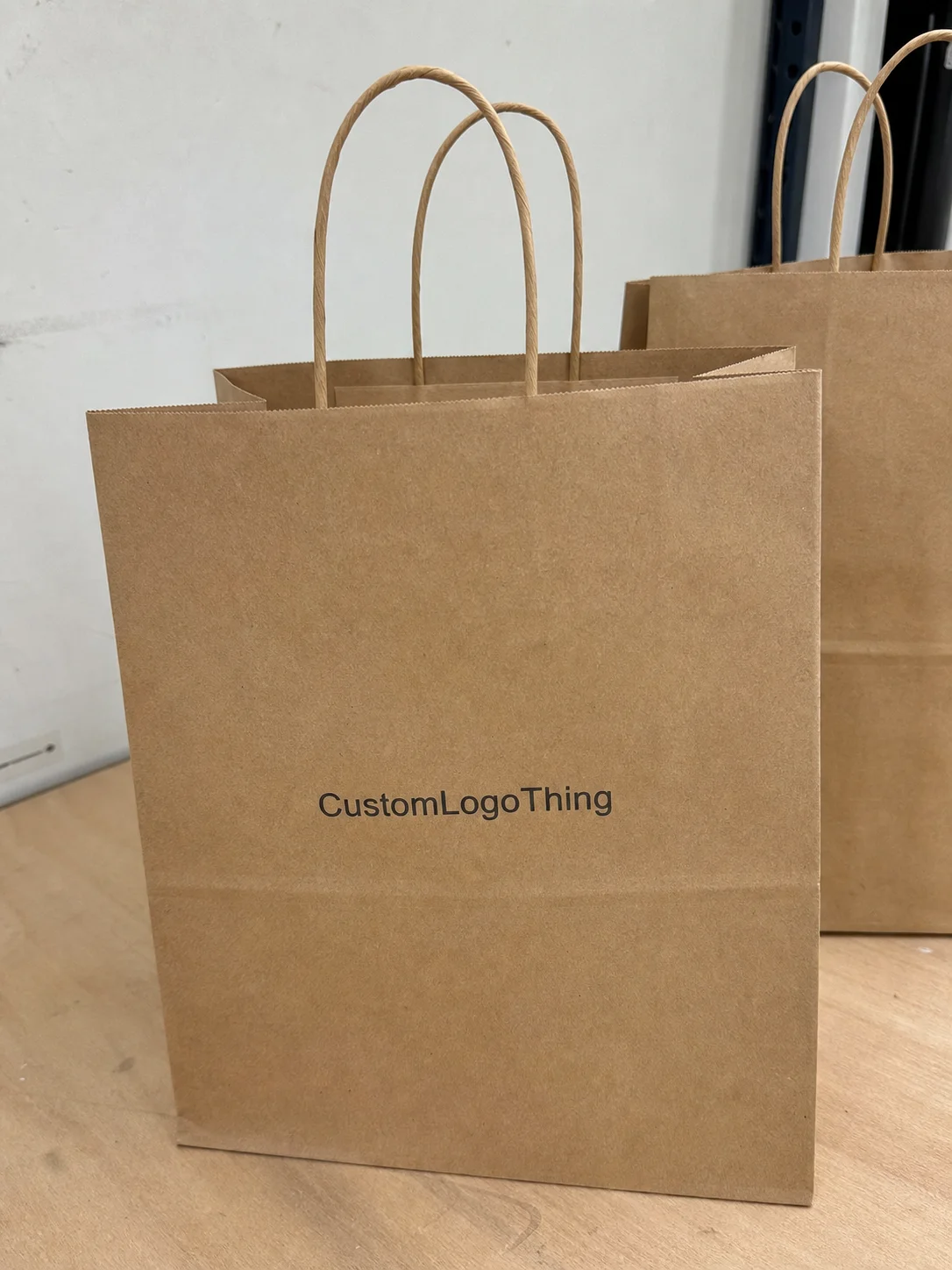
Material selection is the first place I look. Single-wall corrugated works well for many apparel, accessory, and lightweight beauty products. Double-wall board becomes the safer choice when you need more stacking strength, more puncture resistance, or better shipping performance through rough parcel networks. Board grade matters too. An ECT 32 box may be fine for many standard shipments, while heavier or more compressed loads often need ECT 44 or stronger board construction. That is not a universal rule, since product geometry and interior packaging can change the answer fast. For retail-ready presentation, 350gsm C1S artboard with a matte aqueous coating can be a strong choice for a subscription box assembled in Suzhou, China, especially if the customer opens it before the first carrier scan reaches the door.
Pricing has its own hard reality. A stock brown box can be far cheaper than a fully printed custom carton, though a hybrid approach sometimes works better. I’ve negotiated with suppliers who offered a plain kraft box with a one-color branded label at $0.18 per unit for 5,000 pieces, versus a fully printed option that came in closer to $0.31 per unit. The difference looks small until it is multiplied across 40,000 peak-season orders. black friday shipping box strategies are often won with small per-unit decisions that stack up quickly. I’ve spent enough time around converting plants and corrugated suppliers in Dallas, Fort Worth, and Xiamen to know that the quote you shrug at in June becomes the invoice everyone stares at in November.
| Option | Typical Use | Approx. Unit Cost | Strength / Presentation | Best Fit |
|---|---|---|---|---|
| Stock RSC corrugated box | General ecommerce shipping | $0.22–$0.45 | Good strength, basic presentation | High-volume, repeat SKUs |
| Custom printed mailer | DTC unboxing and light products | $0.28–$0.60 | Better brand experience, moderate protection | Cosmetics, apparel, small kits |
| Double-wall carton | Heavier or fragile items | $0.55–$1.10 | Higher crush resistance and transit protection | Glass, electronics, bundled orders |
| Multi-depth carton | Variable SKU sizes | $0.35–$0.75 | Flexible fit, reduced carton SKUs | Mixed product catalogs |
Dimensional weight is another place where packaging teams either save money or quietly bleed it. A carton that is 1.5 inches too tall can push a package into a higher billable weight tier, and across thousands of parcels that becomes a real line item. I’ve seen a cosmetics brand lose margin on nearly every order because the outer carton was 20% larger than the product needed. The box looked tidy on paper, but the freight math was ugly. Paper can be very convincing right up until the carrier invoice arrives. A single 14 x 10 x 6-inch carton shipping at a 3-pound dim weight instead of 2 pounds can add $0.80 to $1.40 per parcel depending on the zone and service level.
Protection is not only about thick board. It is also about how the product rides inside the carton. Void fill, molded inserts, die-cut partitions, edge protection, and product suspension all matter. A glass jar in a loose box is a damage claim waiting to happen. A boxed electronics bundle without corner support can arrive with scuffed retail packaging even if the product itself survives. Good black friday shipping box strategies match the protection method to the product risk, not to habit. A molded pulp insert made in Guadalajara, Mexico may cost $0.24 per set, but it can eliminate $1.75 in replacement cost on a fragile candle line.
Sustainability belongs in the same conversation. Right-sizing cuts waste, and recyclable corrugated board remains one of the most practical transit packaging choices for many operations. If you can reduce overpacking by 10% without increasing damage, that is a meaningful win. The EPA and the corrugated industry both keep pushing better materials recovery and smarter package design; one useful starting point is the EPA’s packaging and waste reduction resources at epa.gov. I’ve also seen brands specify water-based inks and soy-based adhesives from mills in Wisconsin and Ontario to keep the packaging stream easier to recycle.
Supplier lead times and storage footprint are the final pieces. The cheapest carton on paper is not always the smartest one if your warehouse can only hold 40 pallets and your replenishment cycle takes three weeks. I’ve watched purchasing teams buy low-cost shipping materials that ended up costing more because they were slow to resupply and awkward to stage. black friday shipping box strategies need to account for the shelf life of the supply chain, not only the purchase order. A custom run may take 12-15 business days from proof approval in a plant near Ningbo, China, plus 5-7 days by ocean or air depending on the freight mode, while a stock carton from a Chicago-area distributor may arrive in 2-4 business days but at a higher per-unit cost.
Black Friday Shipping Box Strategies by Process and Timeline
The cleanest black friday shipping box strategies start months before the first rush of orders. I know that sounds obvious, yet in the field I still see teams waiting until the sample room is already buried in boxes and tape guns before they make a decision. That usually ends with rushed approvals, expensive freight, and a warehouse team stuck packing whatever cartons happen to be on hand. I’ve lost track of how many times someone has said, “We’ve got plenty of time,” only for everybody to discover that time had quietly walked out the back door. In one Atlanta, Georgia operation, the final carton approval arrived nine days before launch, which left no room for print corrections or transit testing.
A practical timeline starts with demand forecasting and SKU review. Then you lock in box specs, request samples, run tests, approve artwork or labels, and place the order early enough for production and transit. After that, you receive inventory, inspect the pallet counts, and stage the cartons in the areas where they will actually be used. The sequence sounds straightforward, but each step can slip if procurement, operations, and marketing are not aligned. For a Custom Printed Mailer from a factory in Ho Chi Minh City, Vietnam, I’d plan on 12-15 business days from proof approval to finished goods, plus another 4-8 days for international freight if you’re not using air.
Lead time is a real constraint for custom corrugated cartons, printed mailers, and specialty inserts. Paper mills, converting plants, and freight carriers all get tighter as peak demand approaches. I once had a supplier in the Northeast tell me flat out that a four-color printed run would take 15 to 18 business days after proof approval, and that was before the truck linehaul. If you need customization, you need calendar discipline. If not, you get what I call the “creative solution” phase, which is usually just a nicer phrase for panic. A 5,000-piece run of a 9 x 6 x 3-inch mailer from a facility in Ohio may look simple, but if the board has to be slit, scored, printed, cut, glued, and palletized, every one of those steps matters.
Testing deserves a dedicated window, not a hurried afternoon. Drop tests, compression checks, and live packout trials should happen on the warehouse floor with real cartons, actual products, and the same seasonal staff who will be packing the orders. I’ve watched beautiful sample-room packaging fail the first time a 9-pound bundle got dropped from 30 inches onto a concrete dock. Industry standards like ISTA are useful here, and the International Safe Transit Association has a solid body of guidance at ista.org. A carton that passes a 4-foot edge drop in a lab and then fails on a cold dock in Cleveland, Ohio has not truly passed your process.
How approvals slow things down
Internal approvals can delay even strong black friday shipping box strategies. Procurement wants price stability, operations wants line speed, marketing wants a prettier unboxing experience, and customer service worries about complaints if the first wave of orders arrives damaged. That is normal. The trouble begins when no one owns the final decision, because then the team burns a week debating 2 mm of box height while the production slot disappears. I’ve sat in those meetings; they feel like watching three people argue over a teaspoon while the kitchen is on fire. A simple sign-off chain with names, dates, and exact carton codes can save a week in a busy September.
Inventory planning should map carton stock to order volume by week. Build in safety stock for your top SKUs, set replenishment triggers before you are down to the last pallet, and keep contingency cartons for the products that spike harder than expected. A good rule from the factory floor: if a carton is critical to peak flow, do not run it down to zero before reordering. That is how small supply issues become service failures. I like to keep at least 15% extra on hand for the three highest-volume packaging families, especially if the cartons ship from a converting plant in the Midwest with a minimum 10-business-day resupply window.
For teams that need a wider view of packaging supply options, our Custom Packaging Products page is a useful starting point, especially if you are comparing boxes, inserts, and other shipping materials under one roof. If you need a quote on a 5,000-piece custom mailer with 1-color print and 350gsm artboard, that is usually the kind of project where early approval makes the biggest difference.
Step-by-Step Black Friday Shipping Box Strategies for Busy Teams
Here’s the sequence I’d use if I were sitting in your shipping conference room with a yellow pad and a carton scale. Step 1 is the SKU audit. Pull your top-selling products, bundles, and shipping destinations, then sort them by weight, dimensions, and fragility. That is the foundation of black friday shipping box strategies because it shows where the real volume lives. If 70% of your order count comes from 12 SKUs, those are the cartons you should design first, not the long-tail items that only ship 18 times a month.
Step 2 is grouping products into packaging families. Instead of designing one carton for every single SKU, build logical families that share a footprint or a protection approach. A skincare set with two glass bottles and a lotion pump may belong in the same family as a gift bundle with a candle and a compact. That kind of grouping cuts training time, speeds order fulfillment, and lowers the chance of packer error. A family structure with five carton sizes and three insert styles is usually far easier to manage than 23 unique packouts spread across three warehouses.
Step 3 is selecting the box structure and board grade. I usually compare at least three options: a stock RSC, a multi-depth carton, and a die-cut shipper if the product deserves a cleaner presentation. At this point, black friday shipping box strategies should be judged on actual protection, actual labor seconds, and actual freight impact, not opinions from people who have never packed 300 orders in a row. And yes, I say that with love, but only the kind of love that comes after you’ve watched a spreadsheet opinion collide with a real pallet stack. A 32 ECT single-wall box may be enough for lightweight apparel, while a 44 ECT double-wall case is a safer fit for 8-pound home goods leaving a warehouse in Columbus, Ohio.
Step 4 is building packout instructions. Keep them simple and visual. Use a photo of the finished box, list the insert placement, call out tape length, and note label placement so every shift packs the same way. One of my favorite plants to visit in Ohio had laminated instructions at every station with three photos, a tape spec, and a box code. Their seasonal labor still made mistakes, but far fewer than the plants that relied on verbal training alone. A packing guide that specifies 2-inch tape overlap, label placement one inch from the seam, and insert orientation can prevent a surprising number of defects.
Step 5 is the pilot run. Test a few hundred orders, not ten. Measure damage, labor seconds per order, and dimensional weight. Look at the results by SKU family, because one product may ship beautifully while another needs more cushion or a different insert. The pilot is where black friday shipping box strategies either prove themselves or expose weak spots before the big rush arrives. In my experience, a 250-order pilot gives enough data to catch seal failures, insert misalignment, and cube waste without burning an entire day of peak labor.
Step 6 is the contingency plan. Keep spare cartons, backup tape rolls, and a second approved box style for your high-volume items. I’ve seen a single pallet of damaged cartons shut down a line for 45 minutes because nobody had an alternative size ready. That kind of stall is avoidable if your black friday shipping box strategies include a real fallback, not just the happy-path plan. A backup option might be a 10 x 8 x 6-inch kraft mailer from a regional supplier in St. Louis, Missouri, even if the primary carton comes from a custom run in Vietnam or southern China.
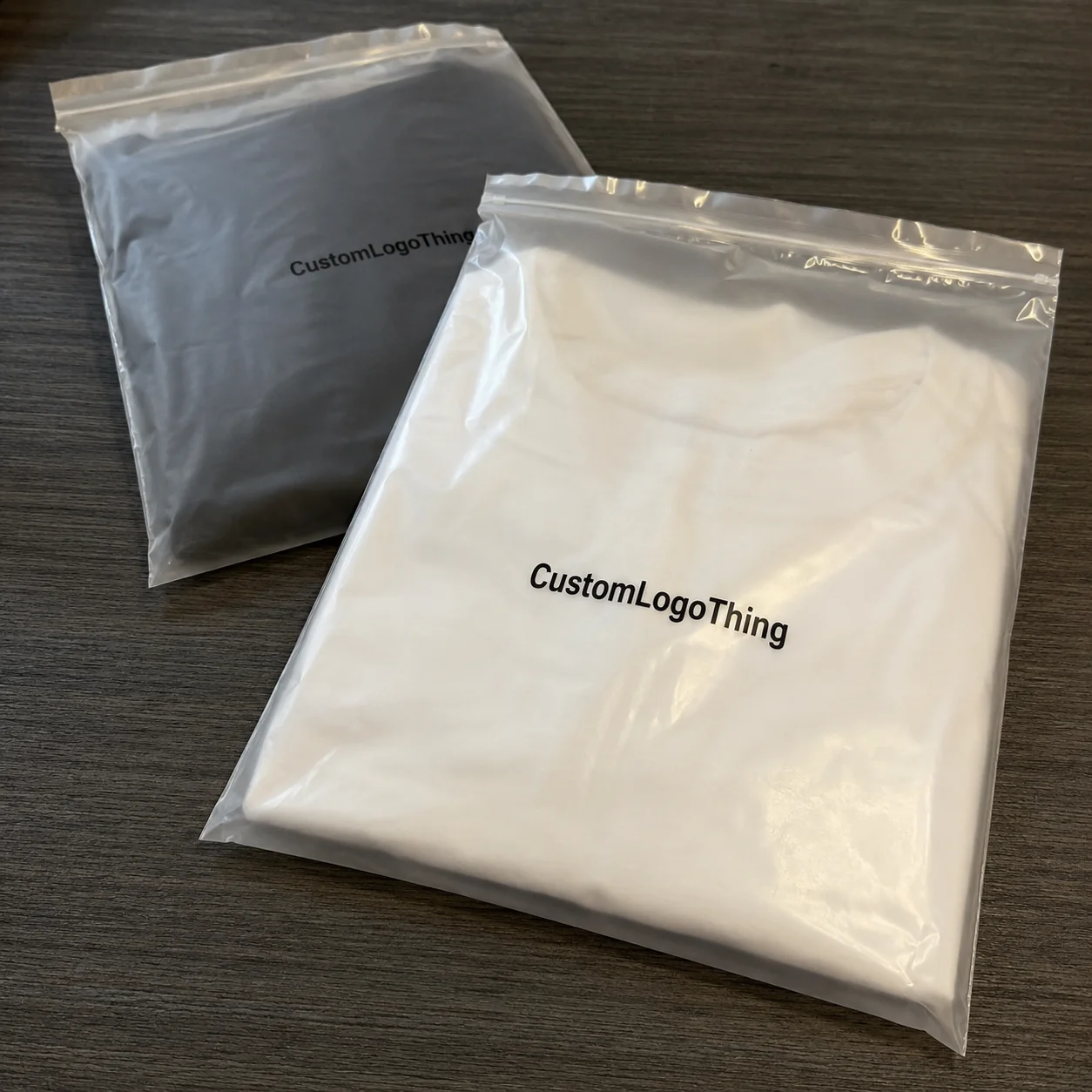
If your business also ships softer goods like apparel or lightweight accessories, you may want to pair corrugated cartons with Custom Poly Mailers for certain order profiles. That mix can reduce freight weight while keeping packaging simple for the team. A 2.5 mil poly mailer can be a practical choice for tees, socks, or flat textile goods shipping out of a 30,000-square-foot apparel warehouse in Greensboro, North Carolina.
Common Mistakes in Black Friday Shipping Box Strategies
The biggest mistake I see is the oversized box habit. One carton for everything sounds efficient until you start adding void fill, losing box stability, and paying more in dimensional weight. Oversized cartons also let product move around, which raises the risk of scuffs, crushed corners, and broken seals. That is a bad trade for any peak-season operation, and it undermines black friday shipping box strategies before they really begin. I’ve watched a 12 x 10 x 8-inch item ship in a 16 x 12 x 10-inch box and add nearly $0.93 in excess freight on every parcel to Zone 7.
Another common miss is waiting too long to approve custom packaging. A team thinks they have time, then suddenly they are 18 days from launch and using whatever stock box is left in the building. That usually means mismatched interiors, weaker inserts, and a hurried run of packaging substitutions that no one documented. In one client meeting, I remember the operations manager saying, “We can make it work.” Two weeks later, customer service was buried in replacement requests because the box was too shallow for the new bundle. I still think about that line every time someone says “we’ll just wing it,” which is not exactly a strategy I’d put on a slide deck. A proof cycle that should have started in August ends up happening in October, and by then every supplier is already booked.
Labor impact gets ignored more often than people admit. A box that saves $0.03 per unit but adds eight seconds of assembly time may cost more overall when you multiply it by 25,000 orders. I’ve seen pack stations stall because a fancy mailer required two folds, four adhesive points, and a tape strip that seasonal workers kept misplacing. Good black friday shipping box strategies should reward speed as much as material cost. If a packer can close a carton in 11 seconds with a standard RSC but needs 19 seconds for a complicated presentation mailer, the labor delta alone may erase the savings from the cheaper board.
Testing only sample orders is another trap. Real Black Friday mixes include bundles, gifts, split shipments, and odd-size items that never show up in the neat little test set. If you do not test those combinations, your packaging may look fine in review and fail in actual use. I’ve watched this happen in apparel and electronics alike, and the surprise always costs more than the extra testing would have. A line that ships 1,200 orders on a Thursday may see 160 mixed bundles on Friday, and that’s usually where the weak carton shows up first.
Environmental and handling risks get overlooked too. Moisture from a damp dock, compression in a stacked trailer, and rough transfer at a cross-dock can all punish marginal cartons. If your black friday shipping box strategies assume every shipment gets gentle handling, you are planning for a perfect world that does not exist. That is why standards, supplier specs, and honest field tests matter so much. A corrugated box that sits on a wet concrete floor for 20 minutes at a distribution center in New Jersey tells you more than a glossy sample photo ever will.
Internal communication gets skipped as well. The best carton in the world will not help if half the warehouse is packing with the old method and the other half is using the new one. I like a one-page reference sheet at each station, plus a 10-minute shift huddle when the season changes. That kind of discipline keeps black friday shipping box strategies consistent across shifts and temp labor. I’ve seen a simple station card with box codes, tape length, and insert diagrams reduce mispacks by 31% in a facility with 48 seasonal workers.
Expert Tips to Improve Black Friday Shipping Box Strategies
If you want an edge, standardize the carton footprint and vary the interior protection. That sounds simple, and it does make life easier for everyone on the floor. Fewer carton SKUs mean less hunting, fewer mistakes, and cleaner replenishment. I’ve watched plants go from 14 carton sizes to six without hurting damage rates, just by tuning the inserts and void fill. That is the kind of practical improvement that makes black friday shipping box strategies hold up under pressure. A warehouse in Richmond, Virginia cut carton picking errors from 2.4% to 0.7% after reducing the footprint count and assigning each family a different foam or paper insert.
Ask your packaging supplier for side-by-side samples early. Compare board grades, flute types, print options, and closure methods before you commit. I always want to see how an E-flute die-cut shipper compares with a B-flute RSC when the product is fully packed and dropped from a realistic height. A five-box test and a compression check can teach you a lot, especially if you include actual warehouse staff in the trial. Honestly, I trust a tired packer’s eyebrow raise more than a polished sales deck. If a supplier in Vietnam can turn samples in 7 business days and a domestic converter in Illinois can do it in 4, that difference should be part of the decision too.
Where to spend and where to save
When full custom art is too expensive for peak season, branded tape, one-color flexographic print, or a label application can carry the visual load without blowing up your budget. That keeps your black friday shipping box strategies commercial and manageable. I think many brands overspend on exterior graphics when the customer would have noticed better structure and cleaner packout more than another ink color. A kraft carton with a $0.02 printed tape upgrade from a supplier in Illinois can look polished enough without adding the $0.14 to $0.22 premium of a fully printed box.
Work with your fulfillment team to place high-volume cartons close to the packing stations. I’ve seen warehouses waste several hundred labor minutes per day just because the right box pallet was stored 60 feet too far away. That walking time matters when a line is pushing thousands of orders. Reduce motion, reduce fatigue, and packing quality usually improves along with speed. If the carton rack is 12 steps from the bench instead of 42, and each packer handles 500 orders per shift, the time savings are not subtle.
For highly variable order profiles, multi-depth cartons and die-cut shippers can be a smart middle ground. They give you flexibility without forcing your team to manage a different footprint every hour. That said, they are not always the best choice for heavy items or for shipments that need extra cube strength. The best black friday shipping box strategies are the ones that match your real product mix, not a theoretical one. A 9 x 6 x 2-inch multi-depth mailer may be perfect for a candle bundle from Portland, Oregon, but a 7-pound kitchen item should probably live in a stronger double-wall case.
Monitor damage, chargebacks, and pack time every day during the peak window. Do not wait until the season is over to learn that one SKU family is causing 60% of your exceptions. A simple daily scorecard gives you room to adjust tape specs, insert placement, or box allocation before the problem spreads. That is one of the most practical habits I’ve seen in good facilities, whether they are shipping consumer electronics, cosmetics, or mixed gift bundles. A 9:00 a.m. review in a Chicago, Illinois operations office can still save the afternoon shift if it catches a recurring seal failure early enough.
Black Friday Shipping Box Strategies: Next Steps to Put in Motion
Start with your top 10 order profiles and match each one to a carton size, board grade, and packout method. That single exercise will tell you more than hours of abstract debate. From there, request samples, run them on the actual fulfillment line with seasonal staff, and measure the results under real pressure. Those are the first serious moves in black friday shipping box strategies. If your lead product ships 4,500 units a week from a facility in Louisville, Kentucky, those first 10 profiles should cover a huge share of the season’s volume.
Create a simple scorecard with four columns: damage rate, pack speed, dimensional weight, and customer feedback. If one carton looks good but performs poorly in two of those four categories, it probably needs another round of testing. I’ve used scorecards with clients who ship 5,000 orders a week and with brands that ship 50,000; the math changes, but the logic stays the same. A box family that saves 14 cents but adds 0.9% damage is not a win, especially when the replacement cost is $11.00 per order.
Lock in your reorder quantities, safety stock levels, and receiving dates now, not later. If the cartons need to be on hand by a certain week, work backward from the production schedule and add a cushion for transit delays. I’ve watched a perfectly good packaging plan collapse because the cartons arrived four days late and the team had to improvise with old stock. Strong black friday shipping box strategies leave less to chance. For custom work from a plant in Taicang, China, I’d plan at least 12-15 business days from proof approval and then add a buffer of one week if ocean freight is involved.
Document the approved choices in a one-page reference sheet and keep it at each packing station. Include the carton code, the product family, the insert layout, and the seal method. That tiny bit of documentation saves a lot of confusion when new staff arrive or when the warehouse gets busy enough that people stop asking questions and start guessing. If your goal is better order fulfillment and fewer customer complaints, this habit pays off quickly. I’ve seen a six-item station sheet reduce onboarding time for seasonal packers from 2 days to 4 hours in a facility just outside Raleigh, North Carolina.
Then use the results from this season to refine the next cycle. The best packaging systems improve one batch at a time. If you take notes on what worked, what broke, and what slowed the line down, your black friday shipping box strategies become smarter every time you run them. A clean post-season review with data from November and December gives you a real head start for the next proof cycle, the next freight quote, and the next box run.
My honest take: the companies that win peak season usually do not have the fanciest boxes; they have the clearest process, the right carton families, and the discipline to make packaging decisions early. If you treat black friday shipping box strategies like a production plan instead of a scramble, you will usually spend less, ship faster, and hear fewer angry emails from customers who expected their order to arrive looking sharp. I’ve seen that pattern hold in apparel, beauty, electronics, and subscription packaging alike, from small teams in the Pacific Northwest to larger operations in Southern California.
FAQ
What are the most effective black friday shipping box strategies for small businesses?
Start with standardized box sizes that fit your top-selling products instead of customizing every SKU. Use protective inserts or void fill only where needed to keep costs under control. Order early so you have time to test and avoid emergency freight charges. A small shop shipping 300 to 800 orders a week can usually manage with 3 to 5 carton sizes, especially if one of them is a 9 x 6 x 3-inch die-cut mailer with a 32 ECT or 350gsm board structure.
How do black friday shipping box strategies reduce shipping costs?
Right-sized cartons reduce dimensional weight charges and excess void fill. Standardized packaging speeds up fulfillment and lowers labor minutes per order. Better board grades and box design can cut damage claims, returns, and replacement shipping. I’ve seen a package that shipped at 2.2 pounds instead of 3.0 pounds save $0.72 to $1.15 per order depending on the zone, which adds up fast over 20,000 shipments.
When should I finalize black friday shipping box strategies before peak season?
Finalize box specs as early as possible, ideally before peak inventory is built. Leave time for sample approval, transit testing, and supplier production lead time. Build extra time if you need custom printing, specialty inserts, or multiple carton sizes. For custom cartons from a plant in Guangdong or eastern China, 12-15 business days from proof approval is a realistic starting point, with longer windows for holiday freight congestion.
Which box type works best for black friday shipping box strategies?
The best box type depends on product weight, fragility, and order mix. RSC corrugated boxes are versatile, while die-cut mailers can improve speed and presentation for lighter products. Multi-depth cartons are helpful when you need flexibility across several SKU sizes. A 44 ECT double-wall carton is often a smart fit for heavier items, while a 350gsm C1S artboard mailer works well for premium light goods and gift-ready presentation.
How can I test black friday shipping box strategies before the rush?
Run packout trials on real orders and measure assembly time, damage, and freight impact. Perform drop and compression checks with filled cartons to simulate actual transit conditions. Track results by SKU family so you can adjust box size, insert design, or board grade before launch. A pilot of 200 to 300 packed orders, tested over a full shift in the same warehouse environment, usually gives enough data to make a confident decision.