Buyer Fit Snapshot
| Best fit | Branded Carton Labels Wholesale projects where brand print, material claims, artwork control, MOQ, and repeat-order consistency need to be specified before quoting. |
|---|---|
| Quote inputs | Share finished size, material target, print colors, finish, packing count, annual reorder estimate, ship-to region, and any compliance wording. |
| Proofing check | Approve dieline scale, logo placement, barcode or warning zones, color tolerance, closure strength, and carton packing before bulk production. |
| Main risk | Vague material claims, crowded artwork, missing packing details, or unclear freight terms can make a low unit price expensive after revisions. |
Fast answer: Branded Carton Labels Wholesale: Pricing, Specs, Process should be specified like a repeatable production item. The safest quote records material, print method, finish, artwork proof, packing count, and reorder notes in one written spec.
Production checks before approval
Compare the actual filled-product size with the drawing, then confirm tolerance on folds, seals, hang holes, label areas, and retail display edges. Reserve space for logos, QR codes, warning copy, and material claims before decorative graphics fill the panel.
Quote comparison points
Review material grade, print process, finish, sampling route, tooling charges, carton quantity, and freight assumptions side by side. A quote is only useful when the supplier can repeat the same color, closure quality, and packing count on the next order.
Branded carton labels wholesale is not a decoration buy. It is a shipping control decision. A carton can survive the truck, the conveyor, and the pallet stack, then fail the operation because the label smears, curls, scans badly, or looks inconsistent across the load. That is where money leaks out of the system, one box at a time. For buyers managing mixed-SKU pallets, contract packaging, retail distribution, or fulfillment, branded carton labels wholesale need to do three jobs at once: identify, survive, and support the brand without slowing intake.
From a packaging buyer’s point of view, the real question is plain: does branded carton labels wholesale cut enough handling friction to justify the spec and the spend? If the answer is yes, the label becomes part of the process infrastructure. If the answer is no, it becomes one more complaint from the warehouse floor. In practice, that difference shows up quickly. A label that adds just 10 seconds of rework to 500 cartons costs almost 90 minutes of labor. That is not an abstract issue. It is a dock schedule problem, a labor problem, and sometimes a customer service problem.
Custom Logo Things builds branded carton labels wholesale for teams that want the carton to carry more than a shipping mark. The label can route product, reinforce brand recognition, and help receiving staff move faster with fewer mis-picks. For teams comparing Custom Labels & Tags against plain shipping labels, the difference usually comes down to durability, scan reliability, and consistency across repeat runs. Good programs also tie into Wholesale Programs so buyers can hold Pricing and Specs steady as volume grows.
Why Branded Carton Labels Wholesale Matter in Shipping
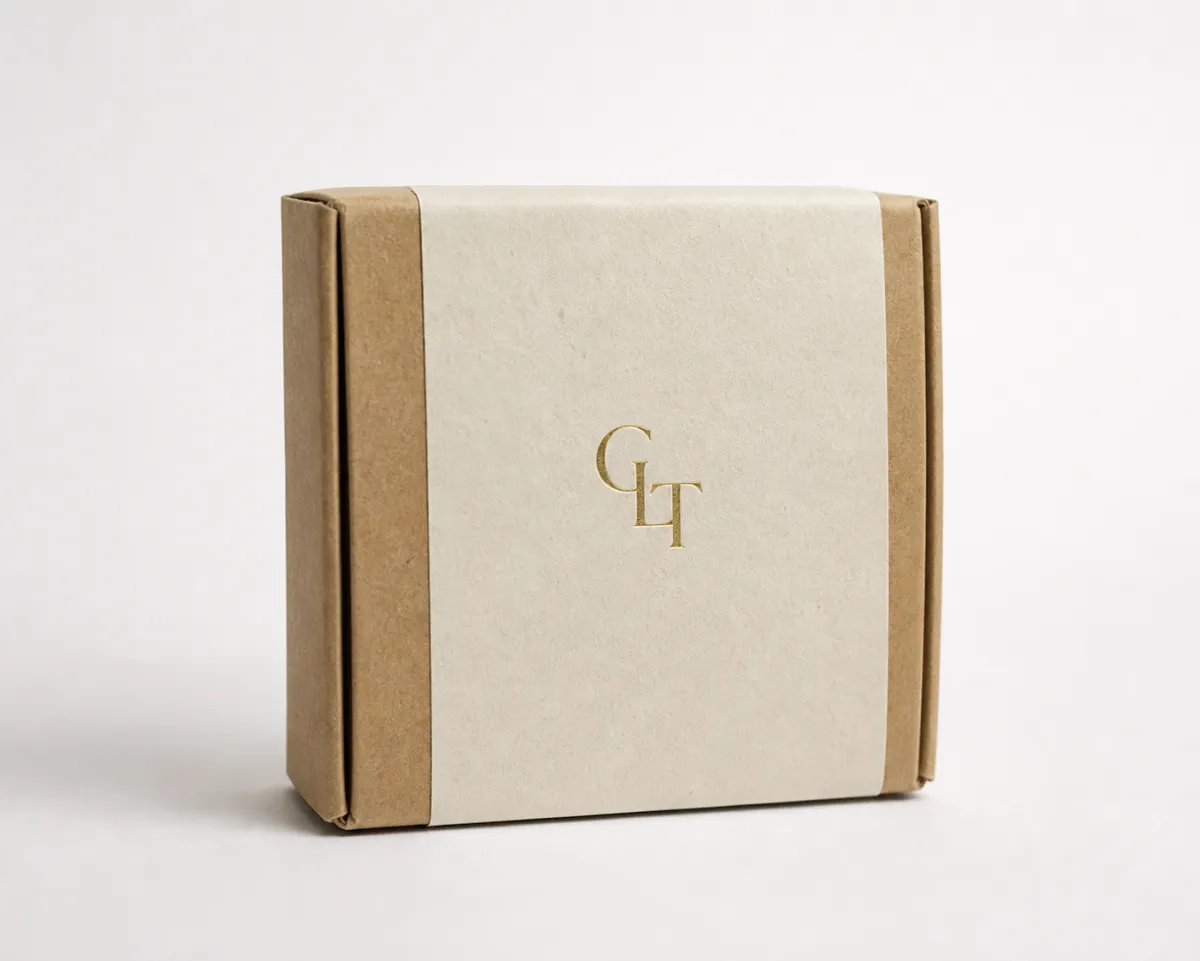
A carton can arrive intact and still cause problems if the label is weak. That hidden cost is easy to miss. Branded carton labels wholesale matter because the warehouse does not care how attractive the label looked on a screen. It cares whether the carton is readable in poor light, whether the adhesive survives rough corrugate, and whether the product family is easy to sort during intake. A label that fails at the dock slows everybody down.
Generic shipping labels solve one narrow job: they identify a shipment. Branded carton labels wholesale do more. They create visual consistency across pallets, improve recognition in the receiving lane, and make it easier for operators to separate similar cartons that differ by size, flavor, formula, or destination. That matters in mixed-SKU programs, co-pack runs, retail replenishment, and e-commerce fulfillment, where speed is only useful if the right carton gets the right scan.
From an operations standpoint, branded carton labels wholesale act as a control point. They reduce misroutes, cut down on hand-sorting, and make product families easier to manage at the dock. That becomes especially useful when cartons move through multiple touchpoints, from plant to 3PL to distribution center. If a label is hard to scan, the carton spends more time in the wrong pile. If the print is inconsistent, staff waste time checking what should have been obvious at a glance.
Here is the practical comparison most buyers use:
- Generic labels are functional only; they identify the carton but rarely support brand consistency.
- Branded carton labels wholesale support identification, routing, and a cleaner handoff between plant, warehouse, and customer.
- Better carton labels can shorten receiving time, reduce manual checks, and make shelf-ready cartons easier to sort.
The point is not to over-design a label. It is to make sure the label earns its place on the carton. If a label uses high coverage but peels in cold rooms, the brand impression is worse than plain. If the barcode is crisp but the artwork is weak, the carton may move fine but fail to support the buyer’s visibility goals. Branded carton labels wholesale should balance both sides.
"We do not need label drama at receiving. If the carton is in the building, the label should already know its job."
That mindset suits serious packaging procurement. A carton label is not a brochure. It is a working component that touches speed, accuracy, and brand perception at the same time. I have seen teams save themselves a lot of grief just by testing the label on the actual board instead of relying on a polished proof. For teams looking at packaging industry resources, the same principle comes up again and again: packaging performs best when it solves a process problem, not just a visual one.
Branded Carton Labels Wholesale Product Details: Materials, Formats, and Print Options
The material choice drives most of the day-to-day performance. Branded carton labels wholesale can be built on paper or synthetic films, and the right answer depends on the carton environment, the amount of handling, and whether moisture or abrasion is part of the route. Dry indoor shipping with short dwell times often works fine with coated paper. Cartons that face condensation, scuffing, cold storage, or repeated transfers usually need synthetic stock and a stronger adhesive.
Material Choices That Make Sense
Paper labels are still the economical starting point for many carton programs. They print clearly, cost less, and work well on dry corrugated surfaces. For a lot of branded carton labels wholesale orders, that is enough. Once the carton spends time in humid storage, cold rooms, or rough freight lanes, synthetic film starts to make more sense. Polypropylene and similar films resist moisture and abrasion better, which helps the barcode stay readable and the face stock stay presentable.
Adhesive choice matters just as much as the face stock. A label can look perfect and still fail because the glue never bonds properly to recycled corrugate. Recycled liners, dusty board, and textured kraft surfaces all change the equation. In some programs, a high-tack adhesive is the difference between a stable pallet and a stack of cartons with corners lifting by the time they reach the receiving dock.
Where sustainability matters, procurement teams may also ask whether the paper stock can be FSC-certified. That is not just a brand statement; it is a sourcing record that can be checked and documented. If you want to review forest stewardship guidance directly, FSC is a useful reference point for certified fiber programs.
Formats That Match the Packing Line
Branded carton labels wholesale come in rolls, sheets, or die-cut pieces. Rolls are the most common for dispenser-based packing stations and automated workflows. Sheets make sense for hand-application in lower-volume environments where operators want easy access and fast setup. Die-cut shapes are often used when the brand needs more shelf presence or when the carton callout has to stand out at a glance.
The format should match the application method. A roll label fed through a dispenser at the packing table saves time. A sheet that has to be peeled one by one makes more sense when the line is slow and manual. For high-volume distribution, keeping the format aligned with the process is one of the easiest ways to avoid bottlenecks. If you are buying branded carton labels wholesale and the application method is still unclear, that is the first thing to define.
- Rolls suit semi-automated and manual dispenser setups.
- Sheets fit smaller packing stations and occasional use.
- Die-cut labels improve visual distinction when branding is a priority.
Print Features Buyers Usually Need
Most branded carton labels wholesale programs need more than a logo and a product name. Common print requirements include full-color branding, black-only barcode layouts, batch codes, lot numbers, and serialized fields. Variable data is especially useful for traceability. If the operation uses a WMS or ERP system, the label often needs to carry a GS1-compatible barcode, SKU identifier, or destination field that ties directly into the receiving process.
Specialty functions matter too. Tamper-evident slits can make carton tampering more visible. Void labels are helpful where security matters. Freezer-grade adhesives are used in cold-chain environments. Matte finishes reduce glare and can improve scan ease under bright dock lighting, while gloss finishes can support stronger color impact if the carton is handled mainly in dry, indoor conditions.
Before quoting branded carton labels wholesale, a supplier should ask for the logo files, SKU list, barcode data, carton size, application method, and any retailer or carrier rules that affect the label. If one of those items is missing, the risk usually shows up later as proof corrections or rework. That is time nobody wants to spend twice.
For buyers comparing a custom packaging line to a standard label program, the cleanest next step is often to review the label alongside the carton itself, not in isolation. That is where a production-oriented partner can help align the artwork with the corrugate, the dock environment, and the actual receiving workflow.
Specifications That Affect Scan Rate, Adhesion, and Compliance
Specification details are where branded carton labels wholesale either perform or fall apart. Temperature, dust, condensation, corrugate texture, and handling frequency all change the way a label behaves. A label that looks acceptable on a sample card may fail on a rough recycled carton. A barcode that scans in an office may fail under dock lighting or after a few rubs against another carton on the pallet. That is why the spec sheet matters.
Branded carton labels wholesale should be built around scan-critical details first. Barcode contrast needs to be strong enough for the scanner distance. Quiet zones need to be protected. Placement on the carton should avoid seams, corners, and panel edges that bend or crease. If the carton is likely to pass through several scans, the image needs enough resolution and print density to stay legible after handling.
Scan Rate Is a Design Issue
Scan rate is not a lucky accident. It is a design problem. The barcode size, the background color, the print method, and the surrounding artwork all affect readability. If the brand wants a full-color label, the barcode still needs space to breathe. Crowding the symbol with logos or heavy graphics is a fast way to create avoidable exceptions in the warehouse.
For programs tied to retail distribution, the standard is usually stricter. Many operations build around GS1 rules, and some also reference transit testing profiles such as those outlined by ISTA. Those frameworks help buyers validate whether the label can survive the actual route, not just a short office test. A carton label that meets the spec on paper but fails in handling is a poor investment.
One practical move is to run a pilot scan test before full production. Print the proposed label on the actual carton stock, then test it at the receiving distance, on the intended scanner, with the intended lighting. That test often exposes issues that no proof PDF will catch. It is a small step with a large payoff, and frankly it saves you from that sinking feeling when a full pallet starts bouncing back from the dock.
Adhesion Depends on the Carton Surface
Recycled corrugate, kraft finishes, dust, and cold storage all affect adhesive performance. A removable adhesive can be useful for reuse workflows, but it is the wrong choice if the carton has to stay sealed and labeled through a long route. High-tack adhesive tends to work better on rough board, especially when the carton is handled repeatedly. For freezer or chilled shipping, freezer-grade adhesive is often the safer call.
That is why branded carton labels wholesale should be tested against the exact carton stock, not a generic sample board. Even the same label can behave differently on different corrugate runs. The buyer who asks for sample evaluation on the actual carton is usually the buyer who avoids field failures later.
Compliance and Traceability Matter Too
Some labels need more than branding and a barcode. They need lot numbers, routing labels, country-of-origin notes, retailer-specific data, or internal traceability fields. In these cases, branded carton labels wholesale become part of compliance. That does not mean the label needs to look dull or industrial. It means the data must be correct, the format must be repeatable, and the print must survive the supply chain.
For a lot of buyers, the most useful discipline is simple: confirm the label against the carton, the scanner, and the receiving process before scaling. A pilot run on the real substrate catches adhesive issues, print contrast problems, and placement mistakes far more reliably than a theoretical review.
Good spec discipline also reduces disputes later. If the proof shows exact dimensions, barcode position, finish, and adhesive type, both sides know what was approved. That is one reason experienced buyers prefer structured branded carton labels wholesale quotes instead of vague estimates.
| Label Option | Best Use | Typical Unit Cost at 5,000 pcs | Durability | Buyer Note |
|---|---|---|---|---|
| Coated paper, black print | Dry warehouse shipping, short dwell times | $0.04-$0.08 | Moderate | Good for low-abuse cartons and simple routing |
| Full-color paper label | Brand-forward cartons with indoor handling | $0.06-$0.11 | Moderate | Works well if moisture is not a major factor |
| Synthetic film label | Moisture, abrasion, and frequent handling | $0.10-$0.18 | High | Better choice for rough routes and repeated scans |
| Freezer-grade or specialty adhesive | Cold-chain, chilled storage, difficult board | $0.14-$0.24 | High | Test on the actual carton before release |
Branded Carton Labels Wholesale Pricing, MOQ, and Quote Structure
Price is rarely just price. Branded carton labels wholesale pricing depends on size, substrate, color count, finish, quantity, variable data, and whether the label needs custom die-cutting. A small test run can cost much more per label than a production quantity, even if the artwork is the same. That is normal. The setup work does not disappear just because the order is small.
MOQ matters because it changes the economics. Lower-volume branded carton labels wholesale orders usually carry higher unit cost, while larger runs spread setup and prepress expense across more labels. That is why it helps to request tiered pricing. A 500-piece pilot, a 2,500-piece run, and a 10,000-piece production quote can tell you far more than one flat number. One quote shows entry cost. Three quotes show the curve.
What Drives the Quote
There are five variables that usually move the number most: size, color count, material, finish, and data complexity. Add custom shapes, specialty adhesive, or serialized data, and the quote shifts again. If the buyer needs barcode verification or multiple SKUs in one order, the cost structure should reflect that too.
Setup fees may also appear as a separate line. In some branded carton labels wholesale programs, that fee is modest and predictable. In others, especially where print methods or finishing are more involved, the setup cost can be more noticeable. Buyers should compare like for like and ask whether artwork prep, proofing, plates, or freight are included. A lower unit price can hide higher total cost if the order is packed with extras.
How to Compare Quotes Correctly
Comparing quotes is not hard if the details are aligned. The problem starts when one quote includes full-color printing and another only includes black, or one includes freight and the other does not. The cleanest comparison uses the same label size, same adhesive, same quantity, same finish, and same barcode requirements. Without that, branded carton labels wholesale quotes are not really comparable.
One helpful move is to ask for quotes at several breakpoints, then review the savings per tier. If the jump from 2,500 to 5,000 labels cuts the unit cost enough to justify inventory, the decision becomes easier. If not, pilot quantities may be the better fit until demand stabilizes. That kind of analysis is exactly why many buyers keep Wholesale Programs in the discussion early instead of treating them as a last step.
For reference, a buyer might see something like this:
- Small pilot: higher per-label cost, faster validation, lower inventory risk.
- Mid-volume run: better pricing, enough quantity to support a short replenishment cycle.
- Long-run order: lowest unit cost, best for stable SKUs and repeat packaging lines.
That tradeoff is where experienced teams usually land. The cheapest label can be the most expensive if it fails in the field. The most durable label can be overbuilt if the carton never leaves a climate-controlled room. The correct answer sits in the middle, and branded carton labels wholesale should be quoted with that middle ground in mind.
If the label has to match a product family that changes by season or destination, ask for a format that allows variable data without restarting the whole job. That is one reason buyers work with branded carton labels wholesale programs instead of one-off print orders. Repeatability is where the value shows up.
Process and Timeline: From Artwork to Shipment
The process should be orderly. Branded carton labels wholesale move faster when the intake is clean and the data is complete. A typical workflow starts with specs, continues through prepress review, then proofing, production, finishing, and shipment. Each step has its own risk. Skip one, and the whole schedule gets harder to defend.
In a well-run job, proofing is usually the shortest stage. A clean file with confirmed barcode data moves quickly. If the artwork needs correction, the logo is missing, or the carton dimensions changed after proof, the timeline stretches. That is one reason buyers should submit the carton size, SKU list, and application method at the start. Branded carton labels wholesale are easiest to produce when the supplier is not guessing about the end use.
- Intake - collect carton dimensions, label size, SKU count, barcode data, and application method.
- Prepress review - check artwork, data fields, bleed, and barcode layout.
- Digital proof - confirm layout, color placement, variable data, and dimensions.
- Production - print, cure, and inspect the labels.
- Finishing - slit, sheet, die-cut, or otherwise prepare the order.
- Packing and shipment - palletize, box, and dispatch with the requested delivery method.
For standard orders, proof approval often takes 1-3 business days when the files are complete. Production after approval commonly lands around 12-15 business days, though that can shift with quantity, finish complexity, and variable data. Rush work is possible in some cases, but a rushed order should never hide a weak spec. Speed is useful only if the right label arrives.
Shipping details matter too. Buyers should ask how the order will be packed, whether cartons will be palletized, how many labels will ship per case, and whether split shipments are available. If the plant is running staged releases, that should be stated up front. Reorder planning is easier when the supplier already knows the replenishment cycle and the warehouse receiving window.
"The smartest label jobs do not wait for a crisis. They arrive with the data already sorted, the proof already approved, and the receiving team already briefed."
Repeat orders are another place where branded carton labels wholesale pay off. Once the spec is locked, the next run should move faster and with fewer corrections. That is the advantage of treating the label as a controlled production item instead of an ad hoc print file. Buyers who track the spec cleanly usually see fewer delays and fewer surprises.
Need a proofing benchmark or a packaging reference point? The most useful benchmark is often not an internal opinion but an actual case pattern. Reviewing Case Studies can help teams compare how similar jobs were structured, how the approvals moved, and what details mattered most in the final result.
Why Choose Us for Branded Carton Labels Wholesale
Process control is the real advantage. One team handling spec review, proofing, and production reduces the handoff errors that often show up in label work. That matters because branded carton labels wholesale are not just printed pieces. They sit inside a larger operational flow that includes packing, storage, transit, and receiving. If the label team misses one detail, the warehouse usually finds it later.
We focus on carton-level consistency, barcode checks, and materials that match the actual environment, not a generic assumption. If the cartons are handled in a dry warehouse, the label can be simpler. If they face condensation, scuffing, or cold storage, the spec should move accordingly. That kind of matching is how branded carton labels wholesale stay useful across repeat runs.
Another practical advantage is material guidance. Many buyers know the look they want, but not the stock or adhesive that will survive the route. A packaging buyer should not have to guess between a paper face stock and a synthetic film when the carton’s path is already known. The right recommendation comes from the route, the surface, and the scan requirement, not from habit.
For customers who want repeatable output, stability matters more than bargain hunting. A low-cost batch that varies from run to run is expensive in the long run. It creates receiving questions, inventory checks, and internal skepticism. Branded carton labels wholesale are most useful when the buyer can rely on them again and again without reworking the spec every time.
- Documented proof approval keeps the approved layout on record.
- Clear spec control helps reorders match the first run.
- Barcode validation lowers the chance of receiving errors.
- Matched substrate recommendations reduce adhesion problems on the carton.
We also think buyers benefit from honest constraints. Not every carton needs premium film. Not every warehouse needs special finishing. The smarter move is to match the label to the use case and keep the program repeatable. That is the difference between a one-off print job and a managed label system.
If your operation also needs broader packaging support, the same logic applies across cartons, tags, and retail-ready label work. The more the spec is controlled, the fewer surprises you get later. That is why branded carton labels wholesale should be treated as part of the production line, not a late-stage accessory.
Next Steps for Ordering Branded Carton Labels Wholesale
The fastest path starts with a complete brief. Gather carton dimensions, SKU count, barcode files, expected quantity, label placement, and the application method used at the pack station. If the carton photo is available, include that too. A picture of the board surface can tell you a lot about adhesion, glare, and scan placement before production begins.
Ask for tiered pricing so you can compare pilot volume, standard production volume, and long-run savings. That is especially helpful with branded carton labels wholesale because the unit economics change quickly as quantity rises. One quote rarely tells the full story. Three quantity levels usually do.
Send artwork and sample carton photos together. That makes it easier to advise on placement and finish. If the carton has a seam, a carry handle, a recycled surface, or a glossy coating, those details affect the label recommendation. A label that looks perfect on a white proof may need adjustment once it meets the actual board.
A short pilot run is wise whenever the label touches a new carton stock, a new adhesive, or a different warehouse workflow. The pilot cost is small compared with the cost of reprinting a full order that does not hold up in the field. That is one of the clearest lessons in branded carton labels wholesale: test the real combination before scaling.
For buyers planning a broader rollout, the next move is simple. Build the brief, confirm the spec, review the proof, and schedule the run against your receiving window. That keeps the order tied to reality instead of guesswork. If the job is set up well, the label does its work quietly, which is exactly what you want.
Branded carton labels wholesale should close the gap between what the carton says and what the warehouse needs. The actionable move is straightforward: lock the carton substrate, barcode, adhesive, and application method before you place the order, then validate the label on the actual board so the first pallet behaves the way the rest will.
What do I need to order branded carton labels wholesale?
Provide carton dimensions, label placement, artwork files, and barcode data so the quote matches the real application. Share expected monthly or annual volume, because branded carton labels wholesale pricing changes materially by quantity tier. If retailer or carrier label rules apply, include them at the start so revisions do not slow the proof cycle.
What is a typical MOQ for branded carton labels wholesale orders?
MOQ depends on size, material, print method, and finishing, so there is no universal minimum. Pilot orders can often be smaller than production runs, but smaller quantities usually carry a higher unit cost. Ask for tiered pricing so you can compare a test run against a full replenishment order.
Which material works best for shipping cartons?
Paper labels are a good fit for dry, indoor shipping and short dwell times. Synthetic labels perform better when cartons face moisture, abrasion, or frequent handling. The adhesive matters as much as the face stock, especially on recycled corrugate, which is why branded carton labels wholesale should be tested on the actual carton.
How long does proofing and production usually take?
Proofing is fastest when artwork, barcodes, and quantities are complete at submission. Production time depends on order size, finishes, and whether the labels need custom die-cuts or variable data. Late approvals and file corrections are the most common reasons timelines slip.
Can branded carton labels wholesale support barcodes and variable data?
Yes, most programs can include barcodes, lot numbers, serial numbers, and other variable fields. The barcode must be built with proper quiet zones and contrast so scanners can read it reliably. A pilot scan test is a smart final check before committing to a full production run.


