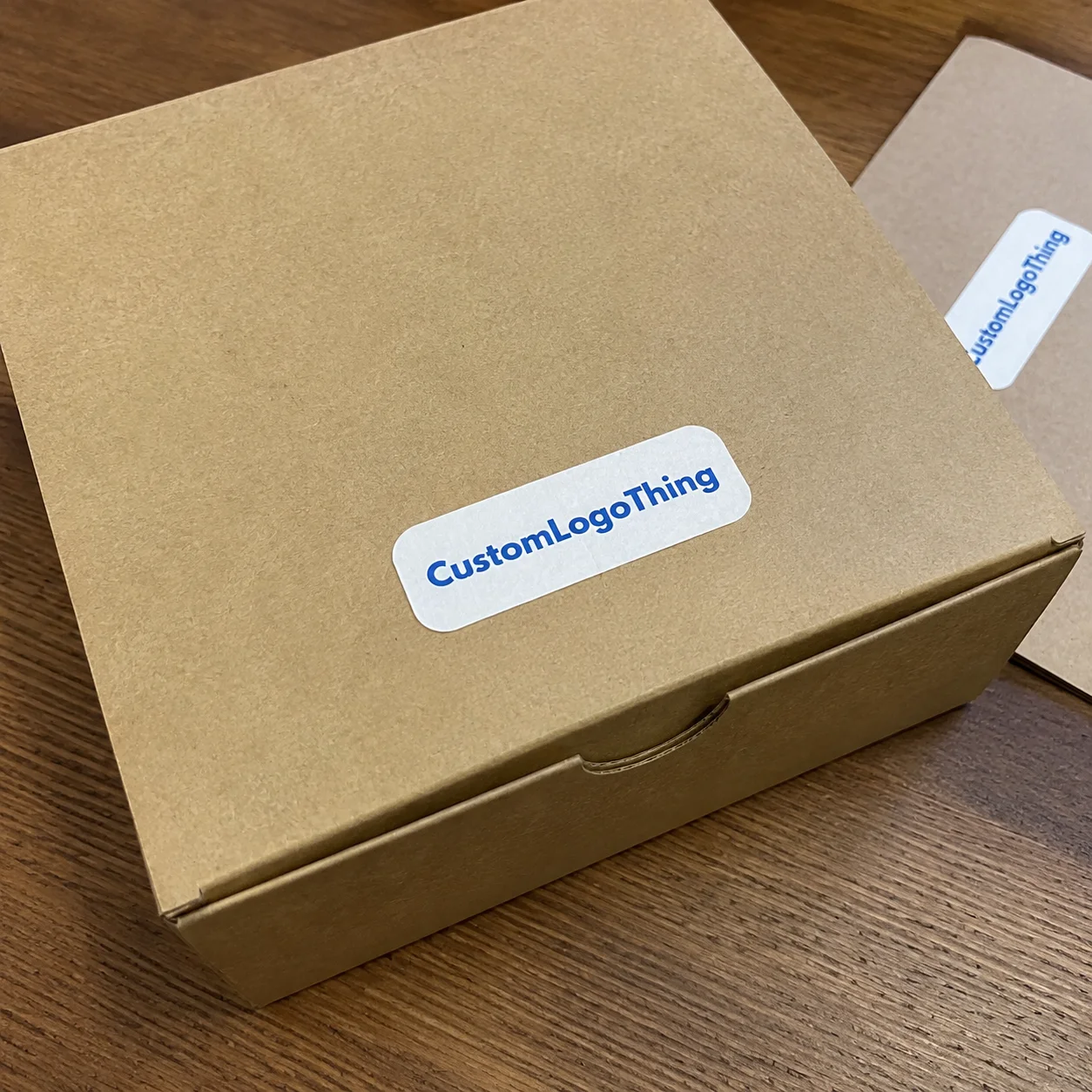
What a Product Labels Private Label Supplier Actually Does

Two brands can sell the same formula, jar, bottle, or tin. The one with cleaner labeling usually looks more trustworthy before anyone reads the ingredients. That is not magic. It is packaging doing its job. A product Labels Private Label Supplier helps brands turn blank packaging into retail-ready, branded products without building a print department from scratch.
Private label does not always mean the label supplier manufactures the shampoo, supplement, sauce, candle, or coffee inside the package. Here, it usually means the supplier produces custom product labels for goods sold under your brand name. The product may come from your own production line, a co-packer, or a contract manufacturer. The supplier handles the printed identity that has to survive the real world: filling lines, freight, shelves, bathrooms, freezers, and hands.
A serious label supplier does more than print sticky rectangles. They help with label material selection, adhesive choice, print method, finish options, sizing, die cutting, proofing, production, quality control, and shipping. The good ones ask annoying questions. Excellent. You want annoying questions before production, not after 5,000 labels curl off a cold bottle.
Typical buyers include supplement startups with 12 capsule SKUs, skincare brands moving from marketplace jars to retail shelves, food makers trying to fit a nutrition panel without ruining the front label, candle companies chasing a premium shelf look, coffee roasters printing seasonal bags, beverage brands testing short runs, and contract manufacturers producing labels for several customer brands. The products change. The pressure does not: labels need to look good, stay on, scan properly, and arrive before launch day.
The distinction is practical. A sticker printer may ask for size, quantity, and artwork. A packaging-aware supplier will ask about container surface, moisture, refrigeration, handling, application method, barcode readability, compliance copy, and storage conditions. That difference matters. A face cream jar in a steamy bathroom does not behave like a dry cardboard tea box on a shelf.
Custom Logo Things offers Custom Labels & Tags for brands that need printed labels built around actual product use, not just pretty mockups. Pretty mockups are cute. Retail does not care.
How a Product Label Supplier Helps a Brand Launch
A product labels private label supplier helps a brand launch by matching label design, material, adhesive, format, and production schedule to the product's real selling conditions. That means confirming whether the label will be hand-applied or machine-applied, whether it must survive moisture or cold storage, and whether the artwork leaves enough room for barcodes, ingredients, claims, warnings, and lot codes.
That sounds procedural because it is. Launches fail in procedural places. A lotion brand may spend months on scent and texture, then lose shelf credibility because the label scuffs inside the shipping carton. A beverage startup may perfect flavor, then discover the clear label needs white ink behind the logo. A supplement brand may approve a gorgeous front panel and then realize the required copy turns the side panel into a gray blur.
Labels do not carry the entire sale, but they influence the first judgment. NielsenIQ has repeatedly reported that shoppers make many brand decisions at the shelf, often in seconds. The label is part evidence, part signal: quality, category fit, price expectation, flavor, function, risk. Sometimes brutally.
The best supplier also gives private label packaging teams a way to scale. Short-run labels can validate demand. Coordinated custom roll labels can support larger launches. Reorder files reduce friction once the brand knows what sells. The sequence is not glamorous. Test, correct, standardize, reorder. That is how packaging stops being a launch emergency and becomes an operating system.
How Private Label Product Labeling Works From Artwork to Application
The normal workflow starts with the buyer providing product details, container dimensions, artwork files, label quantity, number of SKUs, use environment, finish preferences, and application method. That sounds like a lot because it is. It is still cheaper than guessing. A half-inch sizing error on a tapered bottle can make the front panel wrinkle like it has given up on life.
After the inquiry, the supplier reviews the files and specs. They check artwork resolution, bleed, safe zones, color mode, font outlines, dieline fit, barcode size, and whether required copy has enough breathing room. For most printed labels, 300 dpi raster images are the usual baseline. Vector logos are better. Outlined fonts prevent missing-font surprises. Bleed is often around 0.0625 to 0.125 inch, depending on the shop and finishing method.
Proofing comes next. A digital proof confirms layout, spelling, dieline placement, and basic print intent. It is fast, often same day to two business days after file review if the project is clean. A physical sample or press proof helps confirm color, material, adhesive, opacity, and finish. Digital proofs are faster. Physical proofs cost more and add time. Shocking, I know.
Roll labels and sheet labels serve different jobs. Roll labels are better for machine application or higher-volume hand application because they feed efficiently and are easier to handle during packing. Sheet labels work for very small batches, prototypes, event packaging, and awkward storage situations where rolls would be excessive. If you are labeling 100 jars by hand, sheets can be fine. If you are labeling 10,000 bottles, rolls are the grown-up choice.
Application details matter more than many first-time buyers expect. Hand-applied labels need forgiving adhesives, manageable sizes, and enough stiffness to avoid stretching during placement. Machine-applied labels need roll direction, core size, outside diameter, gap, liner type, and unwind direction. Most applicators are not interested in your brand mood board. They want the roll built correctly.
Shape affects cost and waste. Rectangles and squares are economical because they nest well on press sheets or rolls. Circles look clean but can waste more material. Custom die cuts can stand out on shelf, though they may require tooling or setup charges. A practical supplier should also ask about the container surface: glass, PET, HDPE, cardboard, metal tins, flexible pouches, coated paperboard, and squeeze tubes all behave differently under pressure, moisture, and temperature changes.
Practical rule: good labeling is not just artwork. It is artwork plus material plus adhesive plus production setup. Skip one, and the label will remind you later.
Key Specs to Decide Before You Ask for a Quote
Before asking a supplier for pricing, gather the basics: label width and height, shape, quantity, number of SKUs, material preference, finish, adhesive needs, roll or sheet format, and delivery location. Clear specs create clear quotes. Vague inputs create vague pricing, and vague pricing is where budgets go to suffer.
Material is the first big decision. White BOPP is a strong all-purpose film for food, beauty, household, and supplement labels because it resists moisture better than standard paper. Clear BOPP creates the no-label look on glass and clear plastic, but it needs careful artwork planning because white ink may be required behind text or graphics. Paper labels work for dry goods, candles, bakery boxes, and products that will not face heavy moisture. Textured paper feels premium for wine-style goods, specialty food, fragrance, or boutique products. Vinyl or polyester fits tougher environments, including outdoor use, chemical exposure, and repeated handling.
Finish changes both appearance and durability. Gloss looks bright, sharp, and retail-friendly. Matte feels softer and more premium, especially for skincare, candles, coffee, and wellness products. Soft-touch lamination feels expensive but can scuff if the product is handled roughly or packed against abrasive surfaces. Foil adds shelf impact, usually in gold, silver, holographic, or pigment foil. Spot UV adds contrast when the design actually deserves it. Too much shine everywhere just looks like the label is trying too hard.
Adhesive choice is not glamorous, but it decides whether the label stays put. Permanent adhesive works for standard retail goods. Removable adhesive fits temporary labels, promotions, or reusable containers. Freezer-grade adhesive is built for cold storage and condensation. Aggressive adhesive helps on rough, curved, low-energy, or textured surfaces, including some HDPE bottles and coated cartons. Ask about application temperature, service temperature, surface cleanliness, and cure time before locking the adhesive.
Compliance space needs to be planned early. Nutrition facts, supplement facts, ingredient lists, warnings, net weight, distributor information, country of origin, lot codes, expiration dates, and barcodes all need room. Branding cannot eat the legal copy and then act surprised. For sustainability or chain-of-custody claims, check the actual requirements before printing marks. The Forest Stewardship Council publishes guidance around FSC labeling and claims, and those marks are not decorative clip art.
Color expectations deserve a blunt conversation. CMYK printing is standard for many label runs. Pantone matching may cost more and may require a different production setup. Metallics, fluorescents, and very bright oranges or blues can need special handling. Screens do not predict label color perfectly because backlit RGB displays are little liars. Ask for a physical sample if color is critical.
Send container photos or samples when possible, especially for tapered bottles, squeeze tubes, small jars, and anything curved enough to make a rectangle misbehave. A 3-inch-wide label may look reasonable in a flat PDF and still wrinkle on a 2-ounce bottle with a tight radius. In practice, label fit is a physical problem before it is a design problem.
| Label Material | Best Use | Typical Tradeoff |
|---|---|---|
| White BOPP | Cosmetics, food jars, supplements, household products | Durable and moisture-resistant, but less textured than paper |
| Clear BOPP | Glass bottles, clear jars, premium no-label designs | Needs opacity planning and often white ink support |
| Paper | Dry goods, candles, boxes, short-run artisan products | Lower cost can work, but moisture resistance is limited |
| Textured Paper | Wine-style products, specialty foods, fragrance, gifts | Premium tactile finish, usually higher cost and less rugged |
| Vinyl or Polyester | Outdoor, chemical, industrial, or high-handling products | Strong durability, but price and lead time can increase |
Pricing, MOQ, and Unit Cost: What Changes the Label Quote
Label pricing is usually driven by quantity, size, material, finish, number of versions, print method, tooling, proofing, and shipping. A product labels private label supplier may quote the same label very differently at 500, 1,000, and 2,500 pieces because setup and material use spread across more units.
Small digital runs often have a higher unit cost but a lower setup burden. For simple labels, a 500-piece run might land around $0.18 to $0.65 per label depending on size, material, and finish. A 2,500-piece run might drop into the $0.07 to $0.28 range for many standard roll labels. Larger runs can go lower, but they require more cash upfront and more storage space. Labels are small until you order 50,000 of them and realize cartons still take up shelves.
MOQ varies by supplier and construction. Some can produce low hundreds for testing, especially with digital printing. More efficient production often starts around 500 to 1,000 labels per SKU. Specialty materials, foil stamping, embossing, custom dies, textured stocks, and unusual roll configurations can push minimums higher. That is not a supplier being difficult. Setup time is real.
SKU count changes the math. One label design at 5,000 pieces is usually cheaper per label than ten flavors at 500 pieces each, even if the total label count is identical. Each version may require file review, proofing, color checks, job setup, and production handling. Printers do not run on wishes.
Cost adders include metallic foil, embossing, spot UV, lamination, waterproof films, custom shapes, color matching, rush production, special adhesives, and applicator-specific roll builds. A custom die might add a one-time tooling charge from roughly $75 to $300 or more, depending on complexity and supplier process. Foil or spot UV can add meaningful setup cost, so use it where it supports hierarchy, not because someone saw a shiny skincare label online.
The cheapest label is not always the lowest-cost label. If it peels in a fridge, smears in a bathroom, wrinkles on a curved jar, or makes the product look discount-bin adjacent, the damage is bigger than the invoice line. For retail, fulfillment, and repeat purchasing, label performance is part of product quality.
Ask for two or three quantity breaks, such as 500, 1,000, and 2,500 pieces. Also ask for itemized pricing where possible: setup, proofing, tooling, freight, and reorder cost. First orders and reorders can price differently because tooling, dielines, and approved materials may already be locked after the first run.
Process and Timeline: From File Check to Finished Rolls
A practical label timeline follows a predictable path: spec confirmation, quote, artwork review, proof approval, material preparation, printing, finishing, quality control, packing, and shipping. The process is not complicated, but every skipped detail tends to come back with interest.
Quoting can take one to three business days if the specs are clean. Artwork review may take one to two business days. Digital proof approval can happen quickly if one person has authority to approve it. Physical samples or press proofs can add several days or more, especially if material has to be ordered or color matching needs extra work.
Standard digital label runs may take about one to two weeks after proof approval. Specialty finishes, custom dies, high volumes, unusual adhesives, or material sourcing can extend production to three weeks or more. The exact timing depends on the material, production queue, and finishing steps. Not always the case, but it is a sane planning range.
The most common timeline killer is slow approval. Suppliers can move fast, but they cannot print a label while five people debate whether the word "hydrating" feels premium enough. Assign one final approver before the proof arrives. Future you will appreciate that tiny act of discipline.
Rush orders are possible in some cases. They can also increase cost, reduce material choices, and leave less room for testing. If your product faces moisture, oil, refrigeration, or rough freight handling, skipping label testing to meet a launch date is a gamble. Sometimes brands win that gamble. Sometimes they get peeling labels and a very educational warehouse problem.
Quality control should be more concrete than "looks good." Useful checks include dieline alignment, color consistency across SKUs, barcode scan tests, roll count, label spacing, unwind direction, core size, liner condition, lamination adhesion, and obvious print defects such as streaking, banding, hickeys, or registration shift. For clear labels, check opacity and white ink coverage. For matte or soft-touch finishes, rub-test the surface before assuming it will survive packing friction.
Shipping is separate from production. Ground delivery may take one to five business days in many domestic lanes, while freight, customs, remote delivery locations, split shipments, and weather delays can push dates out. If labels are going to a co-packer, confirm receiving hours and carton labeling requirements. A finished label roll sitting on the wrong dock is not helpful.
Build buffer time for first orders, especially when labels must fit new containers, run through applicators, survive cold chain conditions, or meet retailer deadlines. For transit testing and packaging performance planning, the International Safe Transit Association is a useful authority because shipping stress is real, not theoretical. Allow more time for first production, then tighten timelines on reorders once specs, materials, colors, and proofing are already approved.
Common Mistakes That Make Private Label Labels Look Cheap
The biggest mistake is choosing label material only by price. Cheap paper on a wet bathroom product, cold beverage bottle, oily jar, or refrigerated container will punish the brand quickly. It may wrinkle, absorb moisture, stain, peel, or lose print quality. Saving $0.04 per label feels less brilliant when product returns start showing up.
Poor sizing is another classic. Labels that are too large wrinkle on curves. Labels that are too small look like afterthoughts. Poorly proportioned front panels can make decent artwork feel amateur because the balance is wrong before anyone reads a word. For curved containers, test the actual label size on the actual container before ordering the full run.
Bleed and safe zones are not optional decorations in the artwork file. Text too close to the edge can get trimmed. Backgrounds without bleed can leave white slivers. Tiny production tolerances are normal, not personal attacks. Most suppliers will specify their preferred bleed and safe area, often around 0.0625 to 0.125 inch, and you should follow it.
Barcode problems are expensive in boring ways. Low contrast, tiny sizing, glossy glare, bad placement, and curved surfaces can make barcodes hard to scan at retail or in fulfillment. Keep barcodes on a flatter area when possible, use enough quiet zone, and avoid placing them across tight curves. Retail systems are not patient.
Overdesigning is everywhere. Too many fonts, too many claims, too many badges, too much foil, and zero hierarchy. Premium does not mean turning the label into a tiny billboard with stage fright. One strong product name, one clear variant, one benefit hierarchy, and readable required copy usually beats a crowded label trying to say everything at once.
Compliance shortcuts are risky. Food, supplements, cosmetics, cannabis, chemicals, children's products, and regulated claims can have specific labeling rules. The printer can help with spacing, barcode print quality, material choice, and production accuracy, but legal responsibility usually stays with the brand. If your category has strict rules, get the copy reviewed before proof approval.
Application assumptions can also break a project. Hand-applied labels need user-friendly formats and enough stiffness for placement. Machine-applied rolls need exact unwind direction, core size, roll diameter, label gap, and liner compatibility. Mixed assumptions cause downtime, and downtime makes everyone suddenly very interested in specifications they ignored earlier.
Proofing discipline prevents most ugly surprises. Check spelling, claims, ingredients, net weight, SKU names, color, barcode, dieline, and version count before approval. Once it prints, the invoice is real. A careful product labels private label supplier can flag issues, but they are not your legal department, brand manager, and quality team rolled into one.
Next Steps Before Choosing a Label Supplier
Gather five essentials before contacting suppliers: container dimensions, label size, quantity by SKU, artwork files, and use environment. That means more than "small jar label, maybe matte." Send the jar diameter, height, label panel area, material goals, and whether the product sees moisture, oil, refrigeration, sunlight, or rough shipping.
Create a simple spec sheet for each SKU. Include product name, flavor or variant, label dimensions, material preference, finish, roll or sheet format, barcode needs, lot code area, and target launch date. If you are ordering 8 to 20 SKUs, this document will save hours of back-and-forth. Spreadsheets are not glamorous. They are useful.
Ask for material recommendations instead of guessing. A good supplier should explain why white BOPP, clear BOPP, paper, textured stock, or a more durable film fits the product environment. For many brands, a standard white BOPP with matte lamination is a clean middle ground: durable enough for many retail uses, not as costly as specialty films, and flexible across multiple SKUs.
Request quantity breaks and reorder pricing so you can compare launch costs against growth costs. First-order excitement is nice. Reorder economics pay the bills. If 500 labels cost $0.42 each and 2,500 cost $0.16 each, you have a real planning conversation. If storage is tight or formulas are still changing, smaller runs may still be smarter.
Ask about proofing options, sample availability, lead time after approval, rush order rules, and whether the supplier can support multiple SKUs in one project. If you need coordinated labels, cartons, hang tags, or bottle neck labels, review Custom Labels & Tags options early so the materials and finishes feel related instead of patched together later.
Test labels on actual packaging before a full launch when the product faces moisture, oil, refrigeration, curved surfaces, squeeze pressure, or shipping friction. Apply the label, wait 24 to 48 hours, rub it, chill it, warm it, handle it, and pack it. Fancy? No. Useful? Very.
The right product labels private label supplier should help you confirm specs, avoid material mistakes, price realistic quantities, and move from proof to production without drama. A complete quote request includes dimensions, quantity, material goals, artwork, deadline, and product use conditions. Without those details, even an experienced supplier is mostly estimating.
FAQ
What should I ask a product labels private label supplier before ordering?
Ask about material recommendations, adhesive options, MOQ, quantity price breaks, proofing, lead time after approval, roll direction, finish options, and reorder pricing. Send container photos, dimensions, artwork files, expected use conditions, and SKU quantities so the supplier can quote accurately instead of guessing.
How much do custom private label product labels cost?
Cost depends on label size, quantity, material, finish, number of SKUs, print method, tooling, proofing, and shipping. Many small digital runs cost more per label, while larger runs lower the unit price. Ask for pricing at 500, 1,000, and 2,500 labels so you can see where the cost starts to make sense.
What is the best material for private label product labels?
White BOPP is a strong all-purpose option for durable food, beauty, supplement, and household labels. Clear BOPP works for a no-label look, paper fits dry goods and candles, and freezer-grade or aggressive adhesives are better for cold, wet, rough, or curved surfaces.
How long does it take a product label supplier to make labels?
A standard order may take about one to two weeks after proof approval, depending on quantity, material, finish, and production schedule. First orders usually take longer because artwork review, material decisions, proofing, and fit testing need more attention.
Can one product labels private label supplier print labels for multiple SKUs?
Yes, many suppliers can produce multiple SKUs in one project, but each version may affect setup time, proofing, and unit cost. Keep label size, material, and finish consistent across SKUs when possible to simplify production, improve consistency, and control pricing.
For brands comparing Custom Labels & Tags, a practical supplier should make the buying process clearer, not fuzzier: confirm the specs, quote the real quantities, recommend the right material, and help you avoid the expensive little mistakes that only look little before printing.