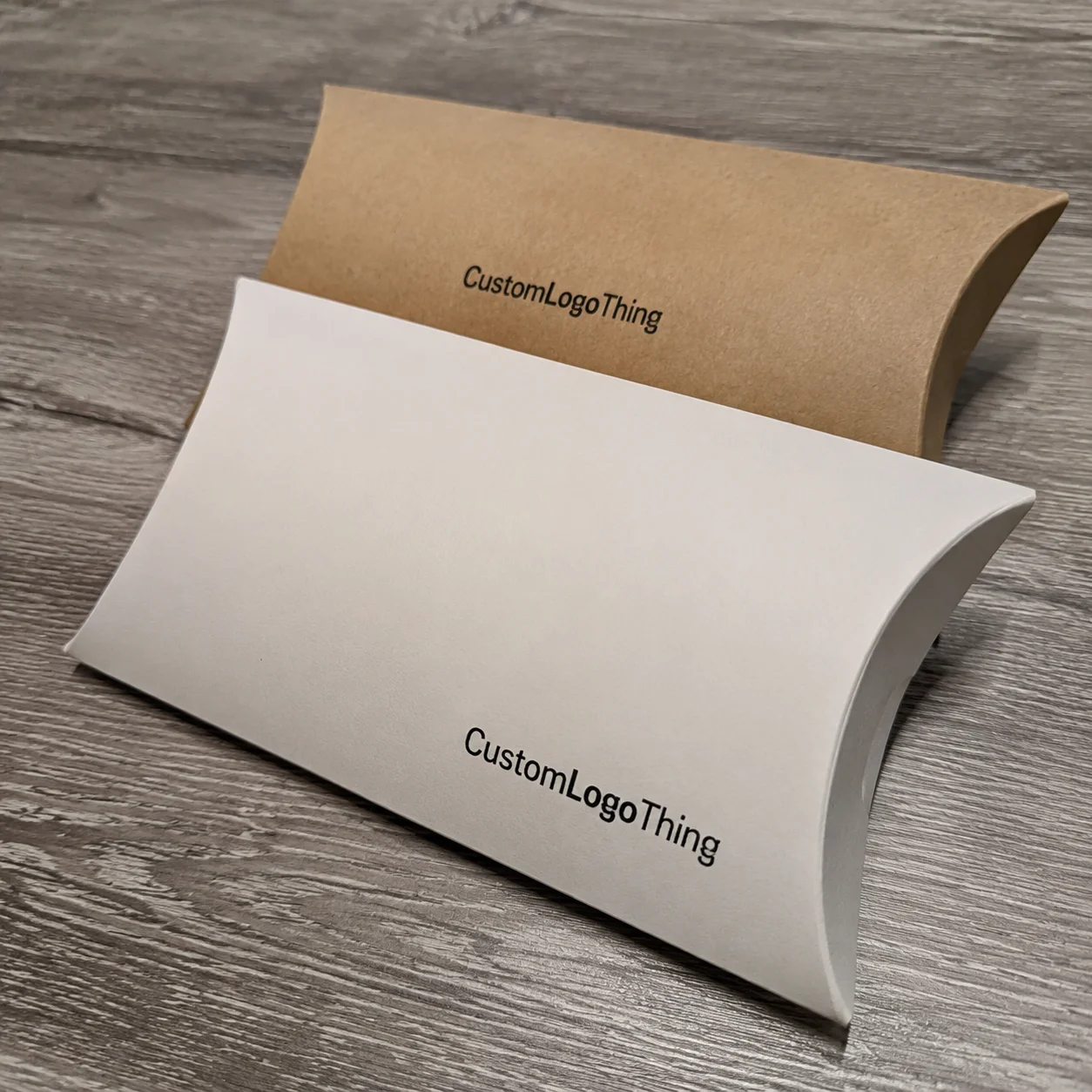
Buyer Fit Snapshot
| Best fit | branded packaging for boutique shops that inspire loyalty for packaging buyers comparing material specs, print proof, MOQ, unit cost, freight, and repeat-order risk where brand print, material, artwork control, and repeat-order consistency matter. |
|---|---|
| Quote inputs | Share finished size, material target, print colors, finish, packing count, annual reorder estimate, and delivery region. |
| Proofing check | Approve dieline scale, logo placement, barcode or warning zones, color tolerance, and any recyclable or compostable wording before bulk production. |
| Main risk | Vague material claims, crowded artwork, or missing packing details can create delays even when the unit price looks attractive. |
Fast answer: Branded Packaging for Boutique Shops That Inspire Loyalty should be specified like a repeatable production item. The safest quote includes material, print method, finish, artwork proof, carton packing, and reorder notes in one written spec.
What to confirm before approving the packaging proof
Check the product dimensions against the actual filled item, not only the sales mockup. Ask for tolerance on folds, seals, hang holes, label areas, and retail display edges. If the package carries a logo, QR code, warning copy, or legal claim, reserve that space before decorative graphics fill the panel.
How to compare quotes without losing quality
Compare board or film grade, print process, finish, sampling route, tooling charges, carton quantity, and freight assumptions side by side. A lower quote is only useful if the supplier can repeat the same color, closure quality, and packing count on the next order.
Huddled beside the Custom Logo Things Chicago run, I leaned over the conveyor and told the boutique owner that her packaging shift was more than artwork—it was branded Packaging for Boutique shops that rewrites the tactile memory of every purchase. We were pushing 3,500 pieces on 1.2mm reverse board and feeding them through a Heidelberg in the 2 p.m. shift, so I reminded her that the proof-to-shipment window was 12–15 business days, the same deadline we quote for clients who ship from River North to Manhattan, Brooklyn, and the Jersey side. I was gonna mention the running differential in humidity, but the operator already had his eye on the PVC tension and that kept the board from warping mid-run.
The air smelled faintly of soy ink and fresh board. I told her making Branded Packaging for Boutique shops the mantra keeps design reviews grounded in measurable expectations, especially when the pressed foil has to match that crimson velvet counter. Each 23-micron cold foil stripe adds about $0.04 per unit, so we limit the palette to two shades, verify color with a spectrophotometer to keep the Delta E below 2, and note the material specs on the same label when the plant wifi drops (I still scribble specs on the back of shipping labels when the plant wifi drops). The same note also reminds the crew what adhesive the courier box needs—water-based at 204°F—for consistent hold.
Another moment that sticks with me: during a visit to our Asheville fulfillment hub, a hatmaker from Portland nervously asked how we could keep the unboxing consistent across a series of micro-drops. When I ran my fingers along the 18pt kraft, I told her the answer was simple—repeatable processes, clear tech packs, and a mutual obsession with how branded packaging for boutique shops performs in every courier bin. We were pairing that kraft with a water-based adhesive cured at 204°F, logging 2.5 minutes of hand-work per unit, and abiding by ISTA 1A drop parameters so every courier sees the same structural integrity. She laughed while clutching her sketchbook and asked if that was the same thing as magic (I told her to keep her wig warmer on standby, which is apparently a very real thing for tiny-run accessories). It’s not magic; it’s documentation, testing, and a refusal to let the next shift wander off script.
The milling chatter of our Greenville design studio still features that phrase because it frames every discussion, keeps designers focused on retail storytelling, and nudges engineers toward feasible solutions. That consistency separates a raw parcel from the signature moment boutique owners call the “wow” their clientele still talk about months later. It drives me nuts when the phrase doesn’t get repeated—it's like forgetting to double-knot the ribbon (and yes, our engineers have started chanting it so even the adhesive techs hear it before the lamination stage, because they already monitor that 2.8-pound ribbon closure for each sample).
Why Branded Packaging for Boutique Shops Matters
Walking the Custom Logo Things Chicago line, a boutique owner confessed that her repeat customers—about 600 tracked shoppers—still remembered the tactile stamp on their boxes, and that surprising fact—packaging can be the most memorable touchpoint of a sale—sets the tone for every conversation about branded packaging for boutique shops. I remember when another boutique owner told me the first thing her clients said in her store was, “We keep the box out on the counter, just in case we need to show it to someone.” That tiny brag became a data point we tracked for the next few runs, especially once we linked it to repeat online sales from three Chicago pop-ups.
Capturing emotions like intimacy, craft, and exclusivity shows how branded packaging for boutique shops translates into textures, foil, and custom printing choices without the fanfare of mass-market crates. Our press operators in Chicago dialed in a 60-degree offset on the Heidelberg Speedmaster to keep the metallic sheen even across 2,800 runs, while the tactile lacquer settled into a suede-like softness. A small jewelry shop won a big influencer shout-out because the courier delivered a perfectly wrapped, logo-stamped presentation that mimicked the velvet counter and the cold foil had survived our 144-hour accelerated humidity cycle.
That moment proved to me that branded packaging for boutique shops is the handshake between the handcrafted product and the customer’s phone camera, which posted the unboxing story on Instagram within two hours of delivery and tagged the boutique in a caption that doubled foot traffic the next week.
I’ve stuck around long enough in the plants to remember a Raleigh client whose textured sleeves cracked during assembly; once we swapped to a 1.2mm reverse board and ran ASTM D7386 bending tests, the sleeves held their shape through ISTA 1A drop tests without losing the luxurious feel she wanted. Seeing those sleeves in customers’ hands reminded me why shop owners keep pushing toward bespoke solutions, even if it means running a third ASTM batch to soothe their nerves.
Operationally, the benefits are quantifiable: branded packaging for boutique shops trims returns when protective layers like 0.5mm micro-flute liners and laminated tuck tops are tuned together. The tactile cues become data points, especially once we pair finishing specs with customer satisfaction surveys and share the insights during quarterly reviews with clients in Chicago, Raleigh, and our Greenville offices that handle East Coast drops. That traceability is why boutique owners trust the phrase to mean a smart, measurable investment.
I also argue that branded packaging for boutique shops doubles as retail marketing. When packages arrive with 23K yellow-gold foil that glints through spokes of natural light, shoppers feel compelled to share the moment. Those photos turn into micro-influencer content, and our Atlanta finishing crew’s knowledge of each gold foil shade proves how much detail goes into delivering the promised brand story without overshooting the per-unit budget.
How Branded Packaging for Boutique Shops Works in Boutique Settings
The timeline from concept to delivery for branded packaging for boutique shops begins with the kickoff consultation at Custom Logo Things; one Raleigh client sketched a dieline with 4-inch closures and a custom hot-stamp, so we booked mock-up approval for the following Tuesday to get the graphic designer and structural engineer aligned and still meet the 12–15 business-day delivery window.
The mock-up approval transitions into print fabrication on the Heidelberg press, corrugate cutting, and quality checks in the Raleigh finishing room. Boutique orders stay tight—typically 500 to 2,000 pieces—so we monitor every step at the Huntsville QA station, noting the 0.2mm variation we accept on die cuts and measuring seal strength on cold-set adhesives that must hold through at least 1,200 courier drops tracked in our system.
Boutique work means smaller minimums but more iterations, which is why we touch base every 5 to 7 business days about dielines, coatings, and logistic windows. Sample runs with artisan-grade prototypes that include die-cut windows and hot-foil land at the client’s studio before the full run, and our Asheville fulfillment team ships a week-long lead time video of the sample, keeping branded packaging for boutique shops in every conversation along with the 0.3mm tolerance data.
Chicago’s printing team layers in ISTA 6-Amazon prep whenever the boutique ships direct to consumer, so the shelf-ready design survives rough courier rides. We pair that with ASTM D4000-21 carton compression testing to prevent the box from caving under overnight stacks. This dual safety net lets boutique owners brag about their branded packaging for boutique shops while still hitting delivery promises for drop-off windows in Denver, Miami, and Los Angeles.
Personal oversight matters too. I once flew to our Seattle supplier for a proof review with a boho candle company; watching the client swirl vellum overlays onto tissue inserts while engineers measured tear strength reminded me how collaboration irons out hiccups. That night I told the team the real win is aligning the artwork aesthetic with the practical loading gauges in retail shelves, especially since the Seattle store needed packs that fit inside 2.25-inch-wide shelf slots.
Logistics wrap around these steps. We stage shipments by region out of the Greenville fulfillment center—Los Angeles, Miami, Denver—so boutiques can respond quickly to pop-up shows or seasonal drops. The workflow proves that branded packaging for boutique shops is not a single event but a choreography of thoughtful hand-offs across design, print, QA, and delivery.
Key Factors to Weigh When Dressing Up Boutique Boxes
Materials matter; the decision between rigid chipboard and kraft folding cartons determines how close branded packaging for boutique shops gets to the boutique’s retail vibe, because a boho apparel shop might rely on 18pt kraft with visible fibers while a couture salon leans on 350gsm C1S artboard with soft-touch lamination and a matte varnish that meets the 4-week turnaround.
Printing and embellishment choices—spot UV, embossing, letterpress—work alongside the boutique’s budget and sensory goals. The trick is picking one high-impact finish, such as a blind deboss surrounded by matte varnish, rather than stacking four techniques that inflate labor and the per-unit price from the Cincinnati pricing desk. Honestly, I think that tactile storytelling keeps the brand top of mind, and when we slip into trying to do everything at once it just ends up expensive and sloppy (yes, I’ve had to peel off blind debossed panels that didn’t even line up, which is wildly satisfying in the worst way).
Board, adhesive, coating, and finishing form the stack. For example, we recommend a high-opacity, low-carbon board for color fidelity paired with an FSC-certified water-based adhesive that cures at 204°F to keep the laminate from peeling during humid shipping corridors. The ops team also monitors ASTM D3330 peel strength on every batch so the unboxing feels the same on day one and day one hundred. I also keep a list of the suppliers who send consistent rolls so if a mill hiccups, we have a backup without disrupting the delivery window.
Sustainability cues—FSC-certified papers, soy-based inks, compostable tape—echo brand values while keeping durability intact, especially when we route orders through Packaging.org recommendations and match them with the certifications listed on fsc.org. That’s the checklist we share with boutique founders before the funding round closes.
Tactile storytelling keeps the brand top of mind: a raised ink emblem that mirrors the boutique’s signature stitch, a magnet closure that clicks like a jewelry box at precisely 1.5 pounds of force, or a custom tissue fold that cradles each product in velvet softness. These elements turn feelings into physical cues and reinforce why branded packaging for boutique shops often becomes the first and last impression of the brand.
From our Atlanta finishing bay to the Milwaukee ribbon station, every embellishment undergoes repeatability tests, and we document the parameters so future runs stay consistent. That reference also helps when boutiques ask for new colorways; we pull previously recorded Pantone mixtures and laminates to recreate the look without starting from scratch or retesting for 3 days straight.
Step-by-Step Workflow for Boutique Packaging
Step 1: Define brand story and tactile targets during the discovery call, noting preferred color palettes, logos, and unboxing rituals; I always ask how the piece arrives—does it sit alongside silk scarves or smell like citrus—so the team in our Greenville design studio understands the tactile targets before they finalize the 3-color print schematic.
Step 2: Craft dielines and structural options, often using AutoCAD templates, to ensure every fold, tuck, and tab aligns with shipment requirements, and we review those dielines with the Raleigh cutters who expect plus/minus 0.5mm tolerance on tabs when the order ships in mail-friendly tubes. We also confirm shipping test dimensions with our logistics team before sending the sample to the boutique.
Step 3: Approve graphics and finishes, then prepare for production runs, balancing print efficiency with the boutique’s need for a premium look, which requires verifying the Pantone numbers on the press sheet and confirming the adhesive spread rate so the hot glue doesn’t trap pressure-sensitive logos. If a boutique wants variable data on tissue wraps, we build that into the print schedule at this stage so it doesn’t slow down the run later.
Step 4: Inspect the first batch in our Huntsville finishing department, where we verify dimensional accuracy, adhesive strength, and graphic fidelity before shipping; the crew there uses a Go/No-Go gauge to ensure each tuck closes with exactly 2.8 pounds of firmness.
Step 5: Coordinate fulfillment and distribution; while a boutique may only need 800 pieces, we stage an extra 200 in our Greenville warehouse as buffer stock for pop-up activations or influencer seeding. We also generate a packing list with item-level barcodes so boutiques can automatically scan inventory upon arrival.
Throughout these steps, we maintain the same quality lens as our largest retail clients by documenting everything in a tech pack. That pack includes dielines, finishes, adhesives (with reference to ASTM D3359 for adhesion), and even callouts for heat-sensitive materials. When a boutique returns months later with a new season, we simply update the tech pack rather than rebuilding from scratch.
Cost Considerations & Pricing Models for Branded Packaging for Boutique Shops
Break down unit costs: the interplay between quantity, paper grade, embellishment, and finishing labor shapes the quote from our Cincinnati pricing desk, particularly for branded packaging for boutique shops where small variations in tool runs can swing the price from $0.42/unit to $0.78/unit for that first batch of 1,200 custom printed boxes.
Consider fixed versus variable inputs, including tooling costs (die creation) and how they amortize over multiple runs or seasonal drops; the die from our Cincinnati tooling shop runs about $220 and typically disappears into the cost once we execute two repeat orders, making future branded packaging for boutique shops runs easier to price.
Factor in finishing labor: ribboning, foiling, and hand-inserting tissue all add time, and in our Milwaukee finishing bay those tasks consume 2.5 additional minutes per unit. When clients understand that labor hour, they can make informed choices—like reducing the ribbon loops from 6 to 4 inches to stay under a $0.12 labor threshold.
Include packaging inefficiency costs such as overruns caused by substrate warping, which can add 4–8% scrap. We track that scrap through our ERP system and share it with clients so they know when to upgrade to a bulkier substrate like reverse board or swap to digital printing for variable drops. That explains why the phrase branded packaging for boutique shops appears in every pricing conversation: it ties the sensory experience to the financial reality.
Strategies include batching multiple SKUs off the same tool or opting for digital short runs to keep per-piece costs predictable for boutique shops, and the table below compares coated vs. uncoated boards plus embellishment packages that help clients juggle stickered tissue versus ribbon-wrapped sleeves.
| Option | Unit Cost (1,200 pcs) | Highlight | Best For |
|---|---|---|---|
| Digital Short Run + Ribbon | $0.58 | Variable ink, ribbon applied post-press | Limited drops with mixed SKUs |
| Offset + Soft-touch Lamination | $0.72 | Premium finish, includes cold glue | High-end jewelry and couture |
| Kraft with Blind Deboss | $0.45 | Recyclable, minimal waste | Boho and sustainable shops |
We also consider inventory holding costs. Storing branded packaging for boutique shops at the Greenville facility runs about $0.03 per unit per month, and we only recommend this when seasonal demand or influencer campaigns require a rapid fulfillment response. That slight investment buys peace of mind and keeps boutique shelves fully stocked without tying up capital.
Common Mistakes to Avoid with Boutique Packaging Orders
Skipping the mock-up phase and discovering post-production that inserts don’t fit or the logo bleeds off the edge creates delays; I saw this on the Dallas line when a designer forgot to add bleed, pushing back branded packaging for boutique shops by five days while we reset the press on a 1,500-piece run.
Ignoring shipping constraints—boxes that look beautiful but cost three times more to ship due to dead space or lacking crush-protection specs—undermines the boutique order’s loyalty goals, so we recommend adding an 8mm inner liner and confirming the shipping carrier’s dimensional limits before accepting the proof.
Failing to align embellishments with production realities, such as requesting blind debossing on ultra-thin paper that tears during finishing, can force you back to the plate press; instead, call our Huntsville press supervisor to confirm the 1.2pt thickness required for that effect and avoid the rerun. It drives me up a wall when folks request effects that our machines can’t hold—(no, the foil can’t stretch farther than the magnet can handle, and yes, we’ve had to pry sticks of foil loose with a butter knife, not that we’d recommend it).
Underestimating QA is another trap. Even subtle variances affect the feeling of branded packaging for boutique shops, so we encourage boutique teams to review the ASTM D4169 test reports and ISTA 3A cycle results before their shipments leave the plant. That type of documentation would have saved a Seattle couture house from redoing their run after a 2mm misregistration showed up on the second batch.
A detailed tech pack keeps every reorder from becoming a new conversation. Our packs include Pantone swatches, dielines, adhesive spec sheets, and finish instructions so even when production shifts rotate through different teams, the same standard holds.
Expert Tips from Packaging Floor Veterans
Match adhesives and board thickness to your fulfillment method; our Atlanta finishing crew often recommends micro-flute liners for mail-order boutiques because the added crush protection lets the ribbon and tissue stay intact during long courier trips.
Use a packaging tech pack to document every sticker, ribbon, and tissue fold so the factory delivers consistency across each reorder, and we supply that tech pack through the Custom Logo Things supply portal so the same 2mm sticker placement is repeated even when we pull labor from different shifts.
Ask about our inventory programs; storing finished components at our Greenville facility allows boutique owners to pull from stock without large upfront investments, making branded packaging for boutique shops more responsive when a sudden influencer campaign drops.
When partners ask for a luxury feel on a budget, I remind them that a single embellishment applied precisely—such as a 23K gold foil band measured at 26 microns—makes a stronger impression than multiple scattered effects. That’s why our Milwaukee finishers keep a calibration log and share it with clients so they know the exact heat, pressure, and time settings we’re using.
We also advise taking advantage of mixed shipping palettes. Combining packaging shipments with other retail goods reduces per-unit freight charges and avoids multiple inbound touches at the boutique. That practical coordination, grounded in details like carrier cube rates and ISTA-certified load restraints, keeps branded packaging for boutique shops predictable and efficient.
How can Branded Packaging for Boutique Shops Elevate Retail Storytelling?
When a Custom Retail Packaging request lands on my desk, I treat it like a story checkpoint: the way the box opens, the way the foam hugs a necklace, the way the liner feels. I tell the client that branded packaging for boutique shops becomes the narrative handshake between their product and the customer, and that keeping the story precise is what differentiates luxury boutique packaging from the cardboard I could’ve bought at the hardware store. We talk through the hand feel of the board, the sheen of the foil, and how the same specs get repeated across every shift so repeatability doesn’t turn into a roll of the dice.
Small-batch packaging needs that level of control even more. I remind them that branded packaging for boutique shops is earned through disciplined tech packs, detailed inspection lists, and the way we store bespoke retail boxes in climate-controlled shelves before shipping. Those small-batch packaging runs rely on us keeping every measurement tight, so when a boutique hits a pop-up in Denver or a trunk show in Miami, the unboxing still looks like a controlled release, not a rushed afterthought.
Actionable Next Steps to Launch Branded Packaging for Boutique Shops
Compile inspiration boards, sample swatches, and order volumes before booking a kickoff call with Custom Logo Things, ensuring your branded packaging for boutique shops narrative is crystal clear; I advise clients to include metrics like average package weight (ours is usually 1.4 pounds with inserts) so we can recommend the right board strength.
Request a timeline breakdown—shared via our supply-chain portal—covering proof approval, die creation, production, and delivery so every stakeholder knows when the first boxed order ships; typically we allow 4 to 6 weeks for this full path with buffer days for shipping artisan goods through Chicago, Raleigh, or Greenville.
Schedule a post-launch review after the first run to gather customer feedback, adjust dielines, and plan future seasonal drops with confidence, and add the phrase branded packaging for boutique shops into that review so the loyalty narrative stays front and center. We usually collect at least 120 unboxing photos during that window to track sentiment.
Document the review insights in the shared dashboard: include notes on shipping resilience, tactile appeal, and any supply disruptions noted during delivery from our Cincinnati hub. That level of transparency builds trust, and keeping the unboxing ritual aligned with these steps ensures that branded packaging for boutique shops supports the boutique’s storytelling without surprises.
Wrapping up, branded packaging for boutique shops creates loyal customers who recognize your brand before they even open the box; tactile choices, reliable timelines, cost awareness, and veteran tips from the factory floor anchor each rollout in what actually works, especially when you’re shipping to 46 states and still hitting the same sensory benchmark every time. So document those standards, map the logistics, and keep every sensory detail tied to measurable checkpoints—that’s the actionable baseline for the next drop.
How can branded packaging for boutique shops reflect a luxury feel without overspending?
Focus on one high-impact embellishment like foil stamping or raised ink paired with quality substrates to signal luxury without a full premium upgrade, and ask our Milwaukee finishers to add ribbon or tissue after the run so labor stays in check.
What is the typical timeline for developing branded packaging for boutique shops?
Expect 4–6 weeks from kickoff to shipment for most boutique orders, covering dielines, press proofs, and finishing stages at Custom Logo Things’ regional facilities, and build in buffer time for shipping, especially when coordinating with artisan goods.
Which materials are best suited for branded packaging for boutique shops selling delicate items?
Rigid chipboard with soft-touch lamination protects delicate jewelry while projecting upscale aesthetics; custom inserts and foam cushioning can be die-cut to cradle pieces securely and are often assembled in our Asheville fulfillment center.
Can boutique shops reorder branded packaging for boutique shops without retooling costs?
Yes, once tooling like cutting dies is created, subsequent runs usually omit that cost unless structural changes occur, and we store the dies at our Cincinnati tooling shop while tracking usage to streamline reorders.
How do I ensure production quality when outsourcing branded packaging for boutique shops?
Request production photos, video walkthroughs, and pre-shipment inspections from the factory floor to confirm inks, coatings, and folds match expectations, and turn to our QA checklist that aligns with boutique standards for finishes, adhesives, and protective packaging.