Branded packaging boxes do more than carry a logo. They protect the product, reduce packing friction, and shape the customer's first impression without adding unnecessary cost. If the structure is wrong, the box can look good in a mockup and still fail in transit or on the packing line.
The useful way to evaluate packaging is simple: it has to fit the product, survive the route, and support the sale. If it misses any of those jobs, the cost shows up later in damage, labor, returns, or reprints. For a broader view of formats, the Custom Packaging Products page is a useful starting point, and the Case Studies page shows how different packaging decisions solve different product problems.
What Branded Packaging Boxes Actually Do
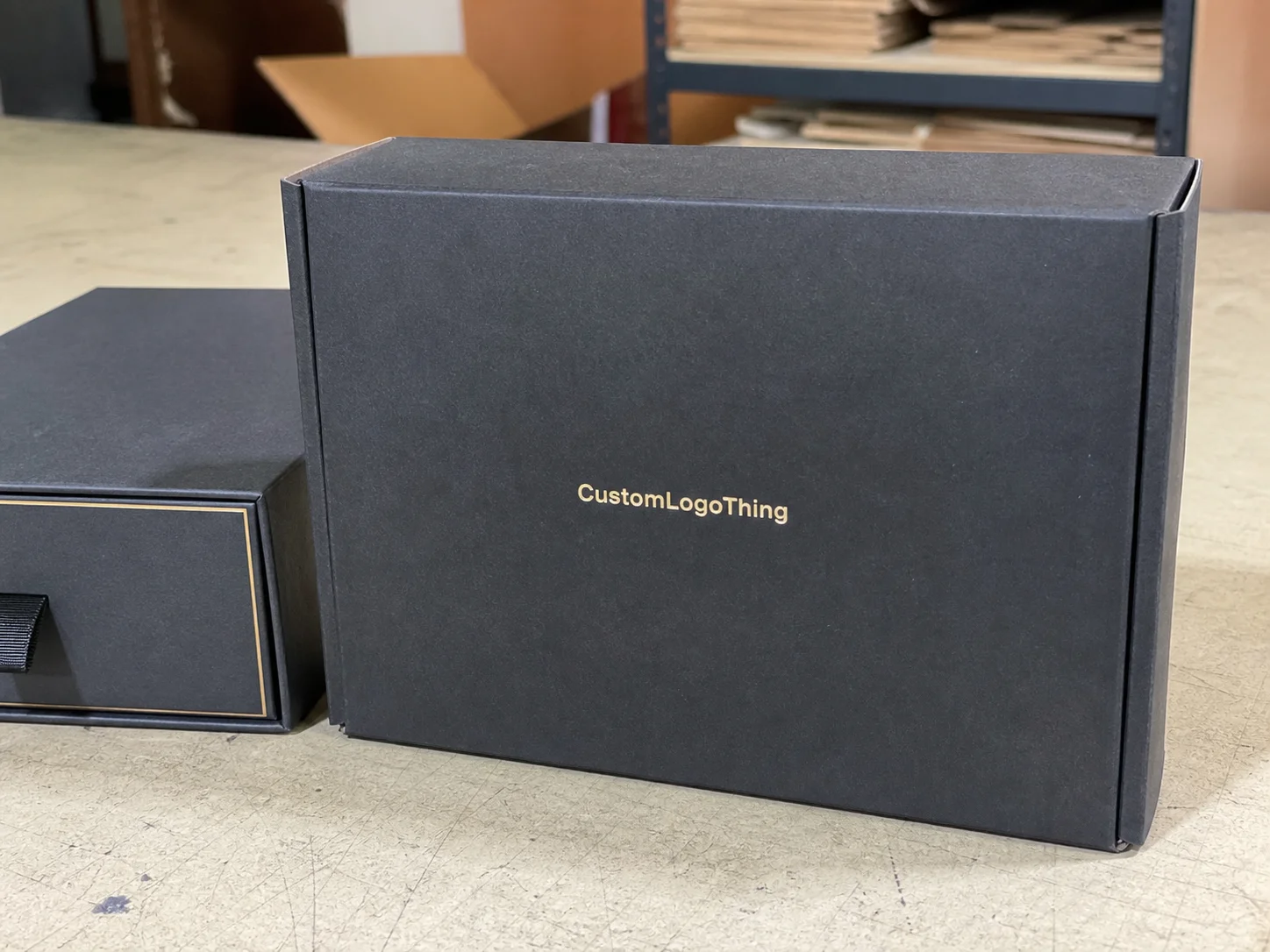
A box has three jobs at once. It protects the product from crush, abrasion, dust, and movement. It also carries the brand message the moment the package is picked up or opened. Then it signals quality before anyone touches the product itself.
That is why branded packaging boxes can affect both shipping performance and perceived value. A premium-looking box that fails in transit is not premium. A well-built box with restrained graphics often does more for the experience than an overdesigned package with weak geometry.
The Right Box Type depends on the job:
- Mailer boxes work well for ecommerce and subscription shipments because they ship flat, assemble quickly, and hold up reasonably well in parcel networks once built correctly.
- Folding cartons suit lighter retail goods, cosmetics, supplements, and small consumer products where print quality matters more than heavy outer protection.
- Rigid set-up boxes fit premium products, gift sets, and presentation-heavy packaging where weight and feel are part of the experience.
From a buyer's point of view, the real question is not what looks best. It is what structure, print method, and finish make sense for the channel. That answer changes if the box is going to a retail shelf, a fulfillment center, or directly to a customer's front door.
The cheapest-looking packaging is not always the cheapest packaging to run. If the spec is off, the hidden cost shows up later in damage, labor, and returns.
Materials, Inserts, and Structural Specs That Matter
Material choice usually starts with weight and use case. Paperboard in the 16pt to 24pt range is common for lightweight retail boxes and folding cartons. Corrugated board is stronger and better for shipping, with E flute used when print and presentation matter and B flute used when extra crush resistance matters more. Rigid board, often around 1.5mm to 3mm thick, is used when the box needs a heavier, more substantial feel.
That is only the starting point. Internal dimensions, board caliper, closure style, and insert design can affect performance more than the artwork ever will. A box that is 3mm too large can need more void fill and let the product shift in transit. A box that is too tight can scuff the product, deform the corners, or slow down packing on the line.
Inserts should be treated as structure, not decoration. If a product has multiple pieces, sharp edges, fragile finishes, or a tendency to move, the insert is part of the protection system. Common options include:
- Die-cut paperboard inserts for light retail sets.
- Corrugated partitions for bottles, jars, or grouped SKUs.
- Foam or molded pulp for fragile parts and protective liners.
- Paper wrap or tuck supports for products that need surface protection without much bulk.
Finishes should be chosen for handling, not just sample appeal. Matte lamination gives a softer, less reflective surface. Gloss makes graphics pop, but it can show scuffs quickly. Soft-touch adds cost and can be more sensitive to abrasion. Aqueous coating is a practical middle ground for many retail packages because it adds rub resistance without pushing the build too far away from paper-based materials, depending on the construction. Spot UV works best when used with restraint.
Print method matters too. Offset printing usually makes sense for higher quantities and tighter color control. Digital printing can be better for shorter runs, test launches, or variable versions. Flexographic printing is often used on corrugated, especially when the design is simpler and the run size justifies the setup. These choices affect cost, color accuracy, turnaround, and the amount of proofing needed before production.
For brands that need to verify fiber sourcing, FSC chain-of-custody guidance is worth checking before a run is approved. If the box has to survive parcel shipping, transit testing against ISTA transit testing standards is the sensible place to start. Standards do not replace practical testing with the actual product, but they reduce guesswork.
Cost, Pricing, and MOQ Basics
Pricing for branded packaging boxes usually breaks into several buckets: setup and tooling, board or corrugated material, print, finishing, inserts, assembly, packing, freight, and any special handling. Buyers often compare only the unit price. That misses the parts that move the real budget. A lower per-box price can be offset by a larger MOQ, more expensive freight, or a finish that creates rework.
MOQ means minimum order quantity. It is the smallest run a supplier will usually accept at a given price point. The cost per unit generally drops as quantity rises because setup is spread across more pieces. The tradeoff is inventory. Ordering 10,000 boxes may lower the unit price, but it also ties up cash and takes storage space. If the design is still changing, that becomes a slow and expensive mistake.
| Box Type | Typical Use | Common Spec | Relative Cost |
|---|---|---|---|
| Folding carton | Retail items, cosmetics, supplements, small consumer goods | 16pt to 24pt SBS or C1S, CMYK print, aqueous coating | Low to moderate, often about $0.18-$0.45 per unit at 5,000 pieces depending on coverage |
| Mailer box | Ecommerce, subscription kits, direct-to-consumer shipping | E flute or B flute corrugated, 1- to 4-color print, matte or gloss finish | Moderate, often about $0.70-$1.50 per unit at 1,000 to 5,000 pieces |
| Rigid set-up box | Gift sets, premium products, presentation-focused retail packaging | 1.5mm to 3mm rigid board, wrapped paper, specialty inserts | Higher, often about $1.80-$4.50+ per unit depending on wrap, insert, and decoration |
Those numbers only help if the spec is consistent. Two quotes can be close and still be based on different assumptions. Compare dimensions, board type, print colors, coating, insert count, adhesive requirements, and shipping terms before deciding which supplier is actually cheaper. If one quote includes Custom Printed Boxes with spot UV and the other assumes matte lamination only, you are not comparing the same product.
There are also hidden cost drivers that show up later: rush schedules, artwork changes after proofing, split shipments, reproofing, oversized cartons that trigger dimensional weight charges, and packaging that must be hand-packed because it was not designed for the line. Those issues can turn a cheap quote into an expensive program very quickly.
Production Steps and Lead Time
The normal production flow starts with the brief: product dimensions, product weight, sales channel, shipping method, and the look the package needs to carry. From there, the supplier creates or adapts a dieline, checks the artwork, and sends a proof for approval. After that comes sampling or prototyping, followed by printing, finishing, die cutting, folding, glueing if needed, packing, and shipment.
Lead time slips in predictable places. Missing artwork files slow the proof stage. Late approvals stall press scheduling. Special finishes such as embossing, foil stamping, or soft-touch lamination add time because they require extra setup or extra finishing steps. Custom inserts also stretch the schedule because the insert and the box have to be designed as a system, not handled separately.
Simple repeat runs can move quickly once the spec is locked. New custom packaging takes longer because fit, print accuracy, and assembly behavior are all being validated at the same time. That is normal. A first-time project usually needs more review than a reorder, and the best way to keep it from slipping is to decide early what is fixed and what can still change.
A practical planning rule: build a buffer before launch, seasonal demand, or a retail rollout. If the packaging is late, the product launch stalls even if the product itself is ready. For simple repeat jobs, 10 to 15 business days after proof approval is a reasonable starting point. More complex branded packaging Boxes with Inserts, special finishes, or rigid construction can take longer. Freight time is separate, and that is easy to forget when the production schedule looks neat on paper.
How to Build the Right Box for Your Product
Start with the product, not the trend. Ask four questions: How heavy is it? How fragile is it? Where will it sell? What should the buyer feel when they open it? Those answers drive the rest of the packaging decision more than style preference does.
Then measure the product in a way that reflects reality. Include clearance for protection, inserts, or display space if needed, but do not add empty room just because it feels safer. A snug shipping box is often better than a generous one because it keeps the contents stable and reduces filler. For retail packaging, a looser fit can work if the internal presentation needs breathing room.
Choose the print and material combination based on the use case. A subscription mailer needs strong edges, clean folds, and print that can survive handling. A retail carton needs shelf appeal, legible branding, and structure that works on a peg or a shelf face. A gift box can justify heavier board and more finish because presentation is part of the purchase.
Many brands design the outside before confirming the inside. That is backwards. The insert layout, product nest, and closure style usually determine whether the package feels solid or flimsy once the customer opens it. Once the structure is right, the graphics can do their job properly.
- Lock internal dimensions before final artwork placement.
- Confirm the closure method so the box stays easy to pack and open.
- Test the sample with the actual product, not a dummy of similar size.
- Document the final spec sheet so future runs do not drift in color, finish, or size.
That last step saves trouble. A package that gets slightly wider, slightly darker, or slightly glossier on a reorder can create inconsistency across a product line, and buyers notice that faster than manufacturers do.
Common Mistakes That Drive Up Damage and Cost
Oversizing is one of the easiest mistakes to make and one of the most expensive to live with. Extra air in the box leads to more void fill, higher shipping weight, and a less intentional unboxing moment. It also increases the chance that the product moves around and gets damaged in transit.
Under-specifying the structure causes the opposite problem. Crushed corners, bowed panels, bent inserts, and scuffed print usually trace back to board selection or weak geometry. If the box is supposed to travel through parcel networks or warehouse stacking, it needs to be built for that load, not just for a studio photo.
Artwork errors are another common waste point. Low-resolution logos, missing bleeds, incorrect color expectations, and branding placed across folds or glue zones all create avoidable delays. If a logo disappears under a tuck flap or a label hides part of the mark, the package branding loses clarity and the brand pays for a box that does not communicate well.
Here are the mistakes that keep showing up:
- Shopping on unit price alone instead of total landed cost.
- Choosing a finish that looks good in a mockup but scuffs in handling.
- Skipping prototype testing on a new SKU.
- Changing artwork after the proof is approved.
- Ignoring how the box will be packed, stacked, or stored.
QC matters as well. A packaging run should be checked for board thickness, print registration, fold accuracy, glue hold, insert fit, and surface defects before it ships. If the inspection only looks at the outside of one sample box, that is not quality control.
The cheapest quote can become the most expensive result if it causes reprints, returns, or labor problems on the packing line. That is especially true for branded packaging boxes that need to work both as product packaging and as a visual extension of the brand.
What to Do Next Before You Request Quotes
If you want accurate pricing, gather the facts first. The supplier will need internal product dimensions, product weight, quantity, artwork files, target delivery date, finish preferences, ship-to address, and whether inserts are required. If any of those are missing, the quote will usually include assumptions, and assumptions are where packaging budgets get messy.
Ask each supplier to quote the same spec. Same size, same board, same print count, same coating, same insert count, same freight terms. Without that discipline, you are comparing different products, not different prices. That mistake is common when buyers are moving fast and have not written a proper spec sheet yet.
For any new program, request a sample or prototype before placing the full order. That matters most if the product is fragile, shelf appearance matters, or the box will be opened by the customer rather than by a warehouse team. A sample lets you check fit, closure, print quality, and handling behavior before the whole run is committed.
If sustainability claims are part of the brief, confirm material source and coating choices early so the package story stays accurate. Once the spec sheet is complete, branded packaging boxes become much easier to price, produce, and reOrder Without Delays or surprises.
What materials work best for branded packaging boxes?
Paperboard works well for lighter retail items and folding cartons, while corrugated is better when the box has to survive shipping and stacking. Rigid board is the premium option when presentation matters most and the box needs a heavier, more substantial feel.
How can I lower the cost of branded packaging boxes without hurting quality?
Keep the design efficient by using the smallest practical box size, limiting unnecessary finishes, and choosing a print method that fits the order quantity. Compare quotes using the same specs so you can control the real cost drivers instead of just chasing the lowest unit price.
What information do suppliers need for a custom quote on branded packaging boxes?
They usually need product dimensions, product weight, quantity, artwork files, target ship date, and any insert or finish requirements. A clear spec sheet helps prevent quote revisions, delays, and surprise costs later in the process.
How long does production usually take for branded packaging boxes?
Lead time depends on complexity, but first-time custom packaging usually takes longer because artwork, proofing, and sampling all need approval. Simple repeat runs move faster than new designs, especially if special coatings, inserts, or rigid construction are involved.
Can one branded box design work for both shipping and retail display?
Sometimes, but only if the structure is strong enough for transit and the print finish still looks clean after handling. Many brands use a shipping-safe outer carton and a more presentation-focused inner box because each job has different performance needs.

